

🚗 Volkswagen Tayron Spotted in India Ahead of Launch
China executes Japanese killer, fueling diplomatic tension and fear as xenophobic attacks raise concern among foreign communities.
Your blog category
China executes Japanese killer, fueling diplomatic tension and fear as xenophobic attacks raise concern among foreign communities.
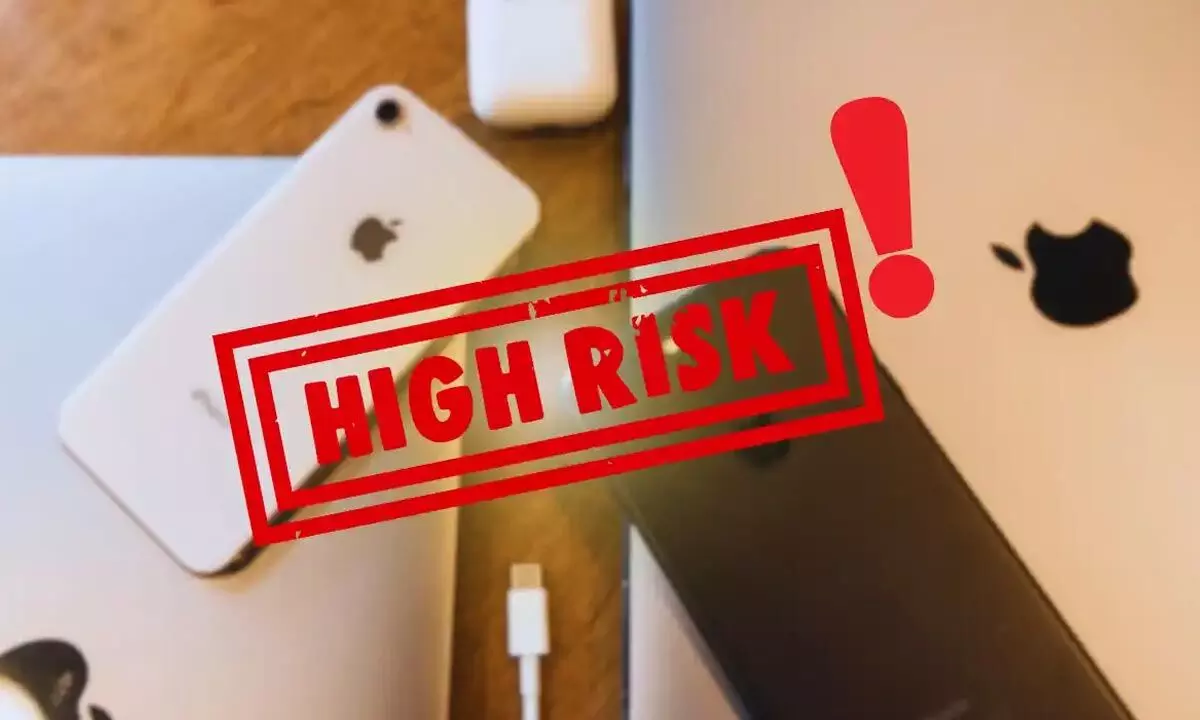
iPhone Security Warning in India: CERT-In Flags High-Risk iOS Vulnerabilities The Indian Computer Emergency Response Team (CERT-In) has issued a critical iPhone security warning in India, alerting users to multiple high-severity vulnerabilities in Apple’s iOS and iPadOS systems. These flaws could enable attackers to steal sensitive information, execute harmful code, or crash devices entirely. The advisory targets users of iPhones and iPads running outdated software. Specifically, iPhones operating on versions earlier than iOS 18.3 and iPads using iPadOS below 17.7.3 or 18.3—depending on the model—are at risk. Affected models include the iPhone XS and newer, and iPads from the 6th generation onwards, including iPad Pro (2nd gen and later), iPad Air (3rd gen and up), and iPad mini (5th gen and newer). CERT-In reports that attackers are already exploiting some of these vulnerabilities in ongoing cyberattacks, making it vital for users to update immediately. Exploits could bypass Apple’s security layers, allowing attackers to install malicious apps, monitor user activity, or disrupt device functionality. Apple has responded by rolling out critical security patches. The tech giant is urging all users to upgrade to the latest iOS and iPadOS versions without delay. Experts advise users to avoid downloading apps from unofficial sources and stay alert to unusual behavior like battery drain or app crashes that may signal a breach. iPhone Sales Rise Despite Security Concerns While security warnings raise concerns, Apple’s momentum in India remains strong. Market analysts report a 5.5% decline in India’s overall smartphone shipments in Q1 2025, dropping to 32 million units due to weak demand and surplus inventory. Yet, Apple defied the trend. The company recorded a 23% year-on-year surge in shipments, leading the top five smartphone brands. In Q1 2025 alone, Apple shipped a record three million iPhones in India. The iPhone 16 emerged as a customer favorite, accounting for 4% of all smartphones sold in the country during the quarter.
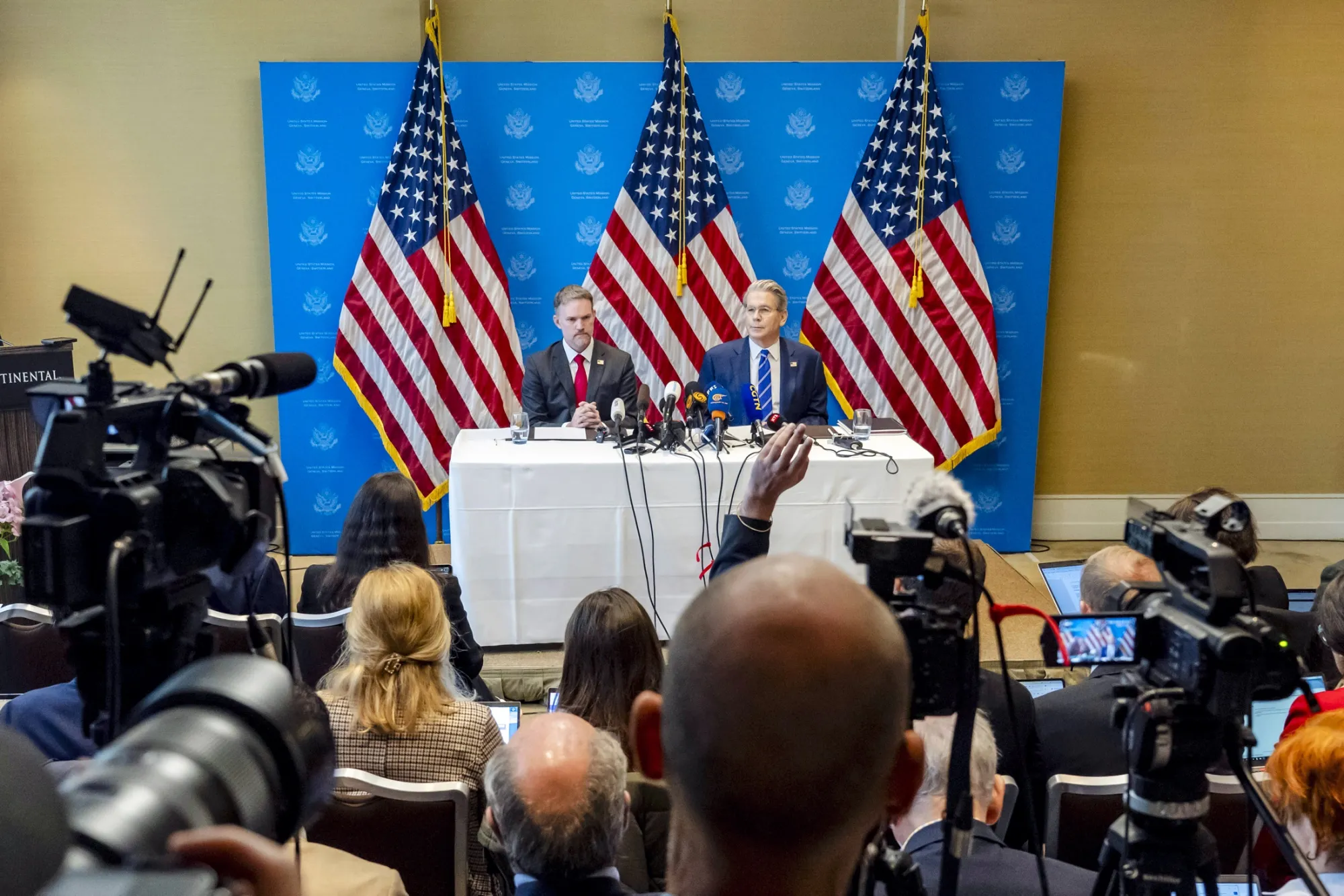
US-China Tariff Reduction Agreement Offers 90-Day Economic Relief The China Tariff Reduction agreement between the US and China marks a significant step forward in global trade relations. Both countries have agreed to cut tariffs on each other’s imports for a 90-day period, easing economic tensions. This China Tariff Reduction deal comes after a series of high-level negotiations aimed at resolving longstanding trade disputes. The move is expected to help stabilize markets and boost investor confidence. According to Bessent, both nations will reduce their mutual import duties by 115% for 90 days. Tariffs had reached extreme levels—145% on Chinese imports to the US and 125% on US goods to China. Both countries will now temporarily slash them. Effective from May 14, the US will lower its tariffs to 30%, while China will cut its own to 10%. Political Pressure and Economic Ramifications of the China Tariff Reduction While this agreement provides temporary relief, it includes provisions to address broader geopolitical concerns. The US kept measures to pressure China into cracking down on fentanyl exports, a synthetic opioid fueling America’s drug crisis. The previous tariff policies had a chilling effect on bilateral trade. American ports noted a substantial decrease in shipping traffic from China, raising alarms about supply chain disruptions. At the same time, Chinese factory output fell. Some manufacturers reportedly laid off workers due to a sharp drop in US demand. A Move Away From Decoupling: The Role of China Tariff Reduction in Trade Relations Announcing the deal, Bessent emphasized that neither side desires a permanent economic separation.“The consensus from both delegations this weekend is that neither side wants a decoupling. What had occurred with these very high tariffs was the equivalent of an embargo, and neither side wants that. We do want trade—balanced trade—and I believe both sides are committed to achieving that,” he said. China’s Ministry of Commerce echoed these remarks, calling the agreement a crucial first step toward “resolving differences” and deepening cooperation. The ministry stressed that the dialogue established a “foundation to bridge long-term divides” in the bilateral relationship. Market Reaction and Global Sentiment Financial markets responded positively to news of the tariff truce. Hong Kong’s Hang Seng Index rose by 3%. The Shanghai Composite Index had closed before the announcement but still gained 0.8%. Early signals showed that US stock markets were set to open 2–3% higher. European shares also started the day in positive territory. Gold prices, which had climbed recently due to investor anxiety, dropped by 3%. The price settled at $3,224.34 per ounce as confidence returned with hopes of eased trade tensions. Ongoing Dialogue and Future Cooperation As part of the agreement, both countries committed to continuing discussions to address deeper concerns. Scott Bessent and Vice Premier He Lifeng will lead a newly established mechanism for regular communication between the US and China. In a joint statement, both governments reaffirmed their commitment to dialogue conducted in the “spirit of mutual opening, continued communication, cooperation, and mutual respect.” They believe that sustained discussions have the potential to resolve longstanding trade and economic issues.

Foreign investors in Indian stocks injected over ₹14,000 crore into Indian equity markets in May 2025. This signals renewed trust in India’s economic outlook, despite rising Indo-Pak tensions under Operation Sindoor. The strong inflow follows a ₹4,223 crore investment in April. That marks a major shift after three straight months of heavy outflows. Global investors show renewed confidence in Indian markets amid regional instability and strong economic fundamentals. Foreign investors in Indian stocks have made a notable return in May 2025, injecting over ₹14,000 crore into equity markets. This marks a sharp turnaround after months of outflows, reflecting renewed trust despite geopolitical tensions under Operation Sindoor. The steady inflow from foreign investors in Indian stocks follows April’s ₹4,223 crore net investment and indicates growing optimism about India’s economic fundamentals. These include stable GDP growth above 6.5%, falling inflation, and corporate earnings that have exceeded expectations. Experts believe this positive trend may continue, provided the conflict with Pakistan does not escalate further. “The hallmark of recent FPI behavior is sustained buying,” said VK Vijayakumar of Geojit Financial Services, noting ₹48,533 crore in net equity purchases across 16 trading sessions before a brief pullback on May 9. Despite some pullback in the debt market, the momentum by foreign investors in Indian stocks signals growing global confidence in India’s financial resilience. FPI Inflows Signal Rebound After Consecutive Monthly Outflows According to depository data, Foreign Portfolio Investors (FPIs) have invested a net ₹14,167 crore in Indian equity markets as of May 2025. This comes on the heels of a positive inflow of ₹4,223 crore in April — a significant shift after three straight months of capital flight, which saw outflows of ₹3,973 crore in March, ₹34,574 crore in February, and ₹78,027 crore in January. Foreign Investors in Indian Stocks Drive Market Momentum Despite Unrest The recent wave of investment is seen as a turning point in foreign sentiment. FPIs have been consistent buyers in Indian equities for 16 trading sessions in a row up to May 8, accumulating an impressive ₹48,533 crore, as noted by VK Vijayakumar, Chief Investment Strategist at Geojit Financial Services. However, on May 9, as the India-Pakistan conflict escalated, foreign investors pulled out ₹3,798 crore, indicating that the geopolitical risk remains a factor influencing short-term sentiment. Why Global Investors Are Turning Bullish on India Several key factors are driving this positive shift in FPI behavior: ✅ Weakening U.S. Dollar: Enhances the appeal of emerging market assets. ✅ Stronger Indian Rupee: Boosts confidence in currency stability. ✅ Prospects of a U.S.-India Trade Deal: Increasing optimism for enhanced bilateral ties. ✅ Robust Corporate Earnings: Quarterly results from Indian companies have exceeded expectations. Himanshu Srivastava, Associate Director at Morningstar Investment Research India, emphasized that these trends are enhancing investor trust. “Improved fundamentals and the possibility of trade breakthroughs are encouraging overseas investors to revisit Indian markets,” he stated. Why Foreign Investors in Indian Stocks Trust India’s Economic Fundamentals India’s macroeconomic indicators remain strong, supporting continued foreign participation: These factors have collectively made Indian equity markets an attractive destination amid global volatility. Debt Segment Sees Mixed Reactions While equities have witnessed robust inflows, FPIs remain cautious on Indian debt. Between May 1 and 10, they withdrew ₹3,725 crore from general debt instruments. However, they allocated ₹1,160 crore into the Voluntary Retention Route (VRR) — a structure designed for long-term, stable foreign investment in Indian debt markets. Total Outflows Still High for 2025 Despite the strong recovery in April and May, net FPI outflows for 2025 still stand at a hefty ₹98,184 crore. Market analysts warn that further escalation in geopolitical tensions or global economic shocks could disrupt the current inflow trend. Nevertheless, the momentum observed in May has sparked cautious optimism that foreign interest in India could continue growing — provided macroeconomic and geopolitical risks remain contained. The surge in foreign investments into Indian equities in May 2025 showcases the resilience and attractiveness of the country’s economic landscape. Despite ongoing regional challenges, global investors are increasingly looking to India for stability, growth, and long-term opportunity.
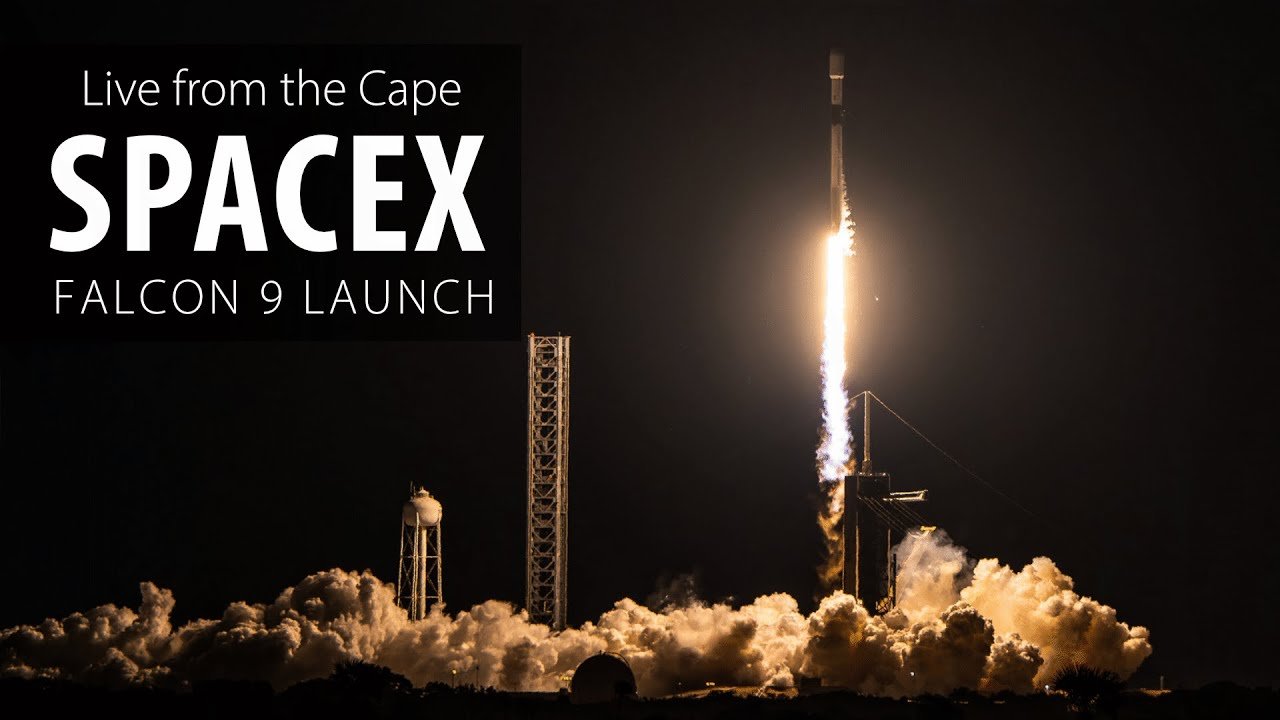
Florida, April 30, 2025 – SpaceX achieved another major milestone in its ambitious Starlink internet satellite program by launching 23 additional satellites into low Earth orbit on Monday night. The mission, conducted from NASA’s Kennedy Space Center in Florida, marked the company’s second Starlink launch in just one day and brought SpaceX to a total of 50 launches in 2025 so far. With these 50 launches, SpaceX continues to dominate the commercial spaceflight sector and push the boundaries of rapid launch capabilities. Florida Launch Marks SpaceX’s 50th in 2025 At precisely 10:34 PM EDT (8:04 AM IST), a Falcon 9 rocket lit up the night sky as it lifted off from Florida, carrying a payload of 23 Starlink satellites. Notably, 13 of these satellites feature SpaceX’s cutting-edge direct-to-cell technology, a feature designed to significantly improve global mobile connectivity by linking directly with unmodified cell phones. This innovation is expected to be a game-changer in providing coverage to remote and underserved areas. Just eight minutes after launch, the rocket’s reusable first stage made a pinpoint landing on the droneship “A Shortfall of Gravitas” stationed in the Atlantic Ocean. The flawless recovery once again demonstrated SpaceX’s mastery in booster reusability, a core element of its cost-saving launch model. Earlier Launch from California Sends 27 Satellites Only hours before the Florida liftoff, SpaceX launched another batch of 27 Starlink satellites from California’s Vandenberg Space Force Base. The West Coast launch also used a Falcon 9 rocket, reinforcing the company’s rapid launch cadence and logistical prowess. With two successful missions completed in under 24 hours, SpaceX continues to redefine industry standards for turnaround time and operational efficiency. Starlink Expansion Powers SpaceX’s 50 Launches in 2025 The inclusion of direct-to-cell technology in over half of the satellites deployed during the Florida mission signifies SpaceX’s shift toward enhanced mobile internet access. These satellites are part of a strategic move to offer cellular coverage in areas where conventional infrastructure is either unavailable or unreliable. The system will work in partnership with existing mobile carriers, extending connectivity to users even in the most remote corners of the globe. The upper stage of the rocket deployed the 23 satellites into orbit roughly 65 minutes after launch. These additions bring the total number of operational Starlink satellites to over 7,200, further expanding what is now the world’s largest satellite constellation. SpaceX Sets the Pace with 50 Launches in 2025 The latest dual-launch feat brings SpaceX’s total Falcon 9 missions in 2025 to 50, with 33 of them dedicated solely to expanding the Starlink network. The rapid deployment schedule reflects Elon Musk’s vision of delivering high-speed, low-latency internet to every part of the planet. Perhaps more impressively, SpaceX has continued to rotate between newly built boosters and previously flown ones, demonstrating its unmatched efficiency in managing a reusable rocket fleet. The company’s ability to conduct back-to-back launches—both from opposite coasts and with separate teams—underscores a level of reliability and scalability previously unseen in commercial spaceflight. What’s Next for Starlink? As Starlink continues to grow, SpaceX plans to introduce more satellites equipped with direct-to-cell features and laser links for enhanced inter-satellite communication. This will reduce dependence on ground stations and enable continuous, uninterrupted coverage worldwide. The company also aims to increase the number of launches in the latter half of 2025, further cementing its dominance in the global satellite internet market. With consistent technological advancements and an aggressive launch schedule, SpaceX is not only transforming space logistics but also playing a pivotal role in bridging the digital divide on Earth.
The End of an Era for a Digital Pioneer Skype changed the way we connect with each other, turning long-distance calls into an affordable, accessible experience. Since its launch in 2003, Skype has revolutionized digital communication, allowing users to make free voice and video calls across the globe. But after two decades of service, Skype changed and evolved, only to be overshadowed by newer platforms. Now, it’s time to say farewell as Microsoft announces the retirement of Skype in favor of Teams. How Skype Changed the Way We Connect — And Why It’s Time to Say Farewell Launched in 2003, Skype revolutionized global communication by introducing free computer-to-computer audio and video calling. At a time when long-distance calls were costly, Skype opened up the world—turning the internet into a bridge between families, friends, and colleagues across continents. How Skype changed the way we connect became evident in those early years, as it didn’t just make communication easier—it made it feel personal and meaningful. Microsoft to Retire Skype in May 2025 Microsoft, which acquired Skype in 2011 for $8.5 billion, has confirmed the service will officially shut down on May 5, 2025. As part of a broader streamlining effort, users will be migrated to Microsoft Teams—its robust workplace collaboration platform. While Microsoft acknowledged Skype’s pioneering role in digital communication, it also admitted that the platform has long been on life support. Why Skype Fell Behind — And How It Changed the Way We Connect Despite being a household name, Skype struggled to stay relevant in a world rapidly shifting toward remote work and smartphone-first communication. It faced fierce competition from agile newcomers like Zoom, Slack, and even Microsoft’s own Teams. Its desktop-first interface, lack of productivity tools, and failure to evolve in the mobile age all contributed to its decline. The Rise, Peak, and Slow Fade of Skype Created by Janus Friis and Niklas Zennström, Skype grew rapidly—reaching 75 million users by 2005 and becoming so ingrained in our lives that “to Skype” became a verb. After being sold to eBay and later acquired by Microsoft, the platform peaked with over 150 million active monthly users. But by 2020, daily usage dropped to just 23 million, highlighting its slow fade from relevance. How Skype Changed the Way We Connect Through Its Emotional Identity One of Skype’s most unique features was its sound design. British composer Peter Raeburn, who crafted Skype’s original tones, aimed to create something that felt “alive.” From the warm login tone to playful notifications, Skype’s soundscape became synonymous with human connection—setting it apart from today’s cold, utilitarian platforms. A Time When Skype Felt Magical In the mid-2000s, video calling felt like science fiction. Many recall their first Skype calls to family abroad with wonder. Even casual chats with friends after school felt exciting. Skype turned communication into a meaningful experience—not just a utility, but something joyful and memorable. The Turning Point: Zoom, Slack, and the Rise of Teams As video communication matured, competitors launched smarter, more integrated platforms. Zoom (2012), Slack (2013), and Teams (2017) offered collaborative tools beyond just calling. Skype lagged behind, failing to add features that modern users expected, like group task management, seamless texting, or integration with productivity tools. Was Microsoft to Blame for Skype’s Decline? Some experts believe Microsoft’s acquisition sealed Skype’s fate. While Skype could’ve led the pandemic-era digital shift, Microsoft focused its energy on Teams. By bundling Teams with Microsoft Office 365, the company aggressively pivoted toward enterprise solutions, leaving Skype behind as an outdated relic. How Skype Changed the Way We Connect by Making Technology Feel Human What set Skype apart wasn’t just its tech—it was the emotional experience. Raeburn emphasized that Skype was designed to feel human, from its interface to its audio design. Unlike today’s sterile apps, Skype had character. It wasn’t just a platform; it was a digital companion during life’s biggest and smallest moments. Skype’s Remaining Loyal Users and Their Concerns Despite its decline, millions still rely on Skype—especially for affordable international calling. With the shutdown looming, long-time users are voicing concerns online. Questions range from how their call history will transfer to how elderly relatives will adapt to Teams. Microsoft has promised data migration—but the emotional impact can’t be transferred so easily. The Legacy of Skype in a Corporate Tech World Nigel Dunn from Jabra and Alex Yarotsky from Hubstaff agree—Skype’s downfall stemmed from both technological stagnation and strategic redirection. As workplaces demanded smarter, all-in-one platforms, Skype couldn’t keep up. Still, its legacy remains: it showed the world that communication could be free, global, and emotional. Saying Goodbye to Skype: How Skype Changed the Way We Connect Emotionally As Skype prepares to shut down, many will remember it not just as a tool, but as a digital bridge to connection, intimacy, and humanity. It helped love survive, careers begin, and friendships thrive across borders. In a world of cold, corporate apps, Skype was warm, weird, and wonderful—and that’s why it’ll always hold a special place in our hearts.

OpenAI has introduced a powerful new shopping feature in ChatGPT, its flagship AI chatbot, positioning itself as a potential competitor to Google in the product search and e-commerce space. Unlike Google, which often features paid ads in product results, OpenAI emphasizes that its listings are not advertisements—at least not yet. What the New Shopping Feature Offers According to OpenAI’s official blog, the shopping update enables ChatGPT to recognize purchase intent in user queries. For instance, if someone types, “I need funny Halloween outfits for my two dogs,” ChatGPT will respond by displaying interactive product carousels. These include detailed product descriptions, links to retailers, and even visuals—providing users with a seamless, in-chat shopping experience. This is available across GPT-4o and 4o-mini models. This feature is being gradually rolled out to Plus, Pro, Free, and even logged-out users worldwide, marking a significant expansion of ChatGPT’s utility beyond conversational AI and into e-commerce. Currently, the product listings rely on information from third-party providers. However, OpenAI is exploring ways to allow merchants to directly submit their product feeds, which could lead to a broader product ecosystem within the chatbot. Could ChatGPT Shopping Become a Revenue Generator? While OpenAI insists these product results are not sponsored, this naturally raises several questions about future monetization. Could this evolve into a new stream of affiliate revenue? If so, will ChatGPT adopt a model similar to Google, where product visibility can be influenced by advertising payments or affiliate relationships? These are open questions, but they hint at a potential future where AI chatbots double as marketing platforms. This could blur the lines between user assistance and commercial influence—contradicting the productivity-first narrative AI companies have worked hard to establish. How ChatGPT Shopping Selects Product Recommendations ChatGPT doesn’t just display random items. It carefully evaluates user intent using: ✅ The query’s language and context, such as memory or custom instructions, ✅ Product details like price, customer reviews, size, and features, provided by third-party data sources, ✅ Personalized insights (e.g., if you’ve indicated a dislike for clowns, it might avoid suggesting clown-themed costumes), ✅ OpenAI’s internal safety and quality standards. The AI assesses structured metadata (price, rating, and descriptions) along with qualitative factors such as reviews. It then uses its internal logic to present organically relevant results, not sponsored listings. However, OpenAI cautions users: AI interpretation isn’t always perfect. ChatGPT might skip over something you’d have considered. Users can guide the AI to refine its suggestions by offering more specifics. A Clear Challenge to Google’s E-Commerce Approach Google has already embedded AI in its search engine to help users find products based on query context. But unlike ChatGPT, Google’s product listings often feature paid advertisements. Retailers can bid for visibility, making Google Search a mix of organic rankings and paid placements. Google also supports affiliate partnerships, allowing product reviewers and publishers to earn a share of purchases made through their links. This revenue-sharing model doesn’t yet exist within ChatGPT’s shopping feature, giving OpenAI a temporary edge in user trust—for now. The absence of ads in ChatGPT’s product listings may appeal to users seeking unbiased suggestions. But as OpenAI explores monetization, it remains to be seen whether future updates will incorporate sponsored placements, affiliate marketing, or a new advertising model entirely. What This Means for the Future of AI Shopping OpenAI’s new feature is more than a simple update—it signals a major shift in how users might research and purchase products online. If widely adopted, ChatGPT could evolve from a productivity assistant to a full-scale AI-powered shopping companion—an area where Google has long held dominance. Whether this becomes a disruptive force in online commerce depends on how OpenAI handles future monetization, trust, and integration with retailers. But one thing is clear: the battle for AI-driven commerce has officially begun.

African popes once stood at the heart of Christian leadership, emerging from North Africa — a region that was a thriving Christian hub before becoming predominantly Muslim. During the Roman Empire, this area, spanning present-day Tunisia, northeast Algeria, and western Libya, produced influential religious leaders who left a lasting legacy in the Catholic Church. “North Africa was the Bible Belt of ancient Christianity,” says Professor Christopher Bellitto of Kean University in the US. As Catholics now look ahead to Pope Francis’s eventual successor, many across the continent hope for the return of the papacy to Africa — a place it hasn’t touched in over 1,500 years. This article explores the legacy of African popes, particularly three who helped shape core Christian traditions like Easter Sunday and Valentine’s Day. All three are recognized as saints by the Catholic Church. Pope Victor I (189–199 AD) Believed to be of Berber origin, Pope Victor I led the Catholic Church during a time of Roman persecution, as Christians were forbidden from worshipping the Roman gods. His most significant contribution was establishing Easter Sunday as the official celebration date. In the 2nd century, some Christians in Asia (modern-day Turkey) celebrated Easter during Passover, which could fall on any day. Western Christians, however, believed that Jesus rose on a Sunday and insisted on celebrating Easter on that day. This disagreement — known as the “Easter controversy” — symbolized larger tensions between Eastern and Western Christian practices. Victor I resolved this dispute by convening the first Roman Synod and threatening excommunication for bishops who didn’t comply with Sunday observance. Prof Bellitto notes, “He was a rather forceful voice for getting everyone on literally the same page.” Victor I’s leadership was particularly impressive, given that he served as Bishop of Rome when Roman law still considered Christianity illegal. Additionally, Victor I made Latin the common language of the Catholic Church, replacing Ancient Greek. Latin was widely spoken in North Africa and became the Church’s liturgical and administrative language. Pope Miltiades (311–314 AD) Pope Miltiades, also of African descent, served during a transformative period when Christianity began gaining legal recognition within the Roman Empire. Although he wasn’t responsible for this shift, Miltiades benefited from Emperor Constantine’s favor. Constantine granted Miltiades a palace — the Lateran Palace — and authorized him to build what is now the oldest public church in Rome, the Lateran Basilica. Today, the Lateran Basilica remains symbolically significant and is often referred to as “the mother of all churches.” Pope Gelasius I (492–496 AD) Historians believe that Pope Gelasius I, though born in Rome, was of North African descent. He is regarded as the most influential of the three African popes. Gelasius I was the first pope to officially be called the “Vicar of Christ,” emphasizing his role as Christ’s representative on Earth. Gelasius I introduced the Doctrine of the Two Swords, which defined the separate but equal powers of church and state, both derived from God, but with the Church holding ultimate authority. This doctrine paved the way for future popes to exert influence over secular rulers. Gelasius I also played a significant role in resolving the Acacian Schism, a rift between the Eastern and Western churches. His assertion of Roman papal supremacy went further than any pope before him. One of his lasting contributions was establishing St. Valentine’s Day. In 496, Gelasius I set February 14 to honor the Christian martyr Valentine, who, according to legend, secretly performed marriages during Emperor Claudius II’s ban. Historians believe Gelasius I intended this decision to Christianize the pagan Roman festival of Lupercalia, which celebrated love and fertility. The Influence of African Popes: Their Impact on Christianity and Traditions There are no reliable depictions of what the three African popes looked like. As Prof Bellitto explains, race in the Roman Empire was defined by ethnicity and culture rather than skin color. “People in the Roman Empire didn’t deal with race the way we do now,” he told the BBC. Prof Philomena Mwaura of Kenyatta University in Kenya adds that Roman Africa was ethnically diverse, with Berbers, Punic peoples, freed slaves, and Roman settlers. Most residents of the Roman Empire identified as Roman, regardless of their ethnic origins. Why the Absence of African Popes: Historical and Modern Challenges There hasn’t been an African pope since Gelasius I, more than 1,500 years ago. Prof Mwaura suggests that the decline of Christianity in North Africa followed the collapse of the Roman Empire, with the Islamic expansion in the 7th century playing a major role. However, some experts argue that Islam’s rise doesn’t fully explain the absence of African popes. Prof Bellitto points to the longstanding Italian dominance in the papal election process. For many years, the selection of a pope was largely an Italian monopoly. This trend may be shifting. Today, Catholicism is growing most rapidly in sub-Saharan Africa. In 2023, Africa had 281 million Catholics, representing 20% of the global Catholic population. Three prominent African cardinals are among those speculated to succeed Pope Francis: Fridolin Ambongo Besungu (Democratic Republic of Congo) Peter Kodwo Appiah Turkson (Ghana) Robert Sarah (Guinea) Prof Mwaura believes that as African churches grow more self-reliant and influential, the likelihood of an African pope will increase. The legacy of Africa’s popes — from Pope Victor I’s leadership during Christian persecution to Pope Gelasius I’s doctrinal innovations — has shaped Christianity as we know it today. These figures not only helped establish key Christian observances like Easter Sunday and St. Valentine’s Day but also laid the foundation for the Church’s authority. With Catholicism growing in Africa, the possibility of an African pope may no longer be a distant hope, but a near-future reality.
African popes once stood at the heart of Christian leadership, emerging from North Africa — a region that was a thriving Christian hub before becoming predominantly Muslim. During the Roman Empire, this area, spanning present-day Tunisia, northeast Algeria, and western Libya, produced influential religious leaders who left a lasting legacy in the Catholic Church. “North Africa was the Bible Belt of ancient Christianity,” says Professor Christopher Bellitto of Kean University in the US. As Catholics now look ahead to Pope Francis’s eventual successor, many across the continent hope for the return of the papacy to Africa — a place it hasn’t touched in over 1,500 years. This article explores the legacy of African popes, particularly three who helped shape core Christian traditions like Easter Sunday and Valentine’s Day. All three are recognized as saints by the Catholic Church. Pope Victor I (189–199 AD) Believed to be of Berber origin, Pope Victor I led the Catholic Church during a time of Roman persecution, as Christians were forbidden from worshipping the Roman gods. His most significant contribution was establishing Easter Sunday as the official celebration date. In the 2nd century, some Christians in Asia (modern-day Turkey) celebrated Easter during Passover, which could fall on any day. Western Christians, however, believed that Jesus rose on a Sunday and insisted on celebrating Easter on that day. This disagreement — known as the “Easter controversy” — symbolized larger tensions between Eastern and Western Christian practices. Victor I resolved this dispute by convening the first Roman Synod and threatening excommunication for bishops who didn’t comply with Sunday observance. Prof Bellitto notes, “He was a rather forceful voice for getting everyone on literally the same page.” Victor I’s leadership was particularly impressive, given that he served as Bishop of Rome when Roman law still considered Christianity illegal. Additionally, Victor I made Latin the common language of the Catholic Church, replacing Ancient Greek. Latin was widely spoken in North Africa and became the Church’s liturgical and administrative language. Pope Miltiades (311–314 AD) Pope Miltiades, also of African descent, served during a transformative period when Christianity began gaining legal recognition within the Roman Empire. Although he wasn’t responsible for this shift, Miltiades benefited from Emperor Constantine’s favor. Constantine granted Miltiades a palace — the Lateran Palace — and authorized him to build what is now the oldest public church in Rome, the Lateran Basilica. Today, the Lateran Basilica remains symbolically significant and is often referred to as “the mother of all churches.” Pope Gelasius I (492–496 AD) Historians believe that Pope Gelasius I, though born in Rome, was of North African descent. He is regarded as the most influential of the three African popes. Gelasius I was the first pope to officially be called the “Vicar of Christ,” emphasizing his role as Christ’s representative on Earth. Gelasius I introduced the Doctrine of the Two Swords, which defined the separate but equal powers of church and state, both derived from God, but with the Church holding ultimate authority. This doctrine paved the way for future popes to exert influence over secular rulers. Gelasius I also played a significant role in resolving the Acacian Schism, a rift between the Eastern and Western churches. His assertion of Roman papal supremacy went further than any pope before him. One of his lasting contributions was establishing St. Valentine’s Day. In 496, Gelasius I set February 14 to honor the Christian martyr Valentine, who, according to legend, secretly performed marriages during Emperor Claudius II’s ban. Historians believe Gelasius I intended this decision to Christianize the pagan Roman festival of Lupercalia, which celebrated love and fertility. The Influence of African Popes: Their Impact on Christianity and Traditions There are no reliable depictions of what the three African popes looked like. As Prof Bellitto explains, race in the Roman Empire was defined by ethnicity and culture rather than skin color. “People in the Roman Empire didn’t deal with race the way we do now,” he told the BBC. Prof Philomena Mwaura of Kenyatta University in Kenya adds that Roman Africa was ethnically diverse, with Berbers, Punic peoples, freed slaves, and Roman settlers. Most residents of the Roman Empire identified as Roman, regardless of their ethnic origins. Why the Absence of African Popes: Historical and Modern Challenges There hasn’t been an African pope since Gelasius I, more than 1,500 years ago. Prof Mwaura suggests that the decline of Christianity in North Africa followed the collapse of the Roman Empire, with the Islamic expansion in the 7th century playing a major role. However, some experts argue that Islam’s rise doesn’t fully explain the absence of African popes. Prof Bellitto points to the longstanding Italian dominance in the papal election process. For many years, the selection of a pope was largely an Italian monopoly. This trend may be shifting. Today, Catholicism is growing most rapidly in sub-Saharan Africa. In 2023, Africa had 281 million Catholics, representing 20% of the global Catholic population. Three prominent African cardinals are among those speculated to succeed Pope Francis: Fridolin Ambongo Besungu (Democratic Republic of Congo) Peter Kodwo Appiah Turkson (Ghana) Robert Sarah (Guinea) Prof Mwaura believes that as African churches grow more self-reliant and influential, the likelihood of an African pope will increase. The legacy of Africa’s popes — from Pope Victor I’s leadership during Christian persecution to Pope Gelasius I’s doctrinal innovations — has shaped Christianity as we know it today. These figures not only helped establish key Christian observances like Easter Sunday and St. Valentine’s Day but also laid the foundation for the Church’s authority. With Catholicism growing in Africa, the possibility of an African pope may no longer be a distant hope, but a near-future reality.

China executes Japanese killer, fueling diplomatic tension and fear as xenophobic attacks raise concern among foreign communities.