Women Reviving Ryukyuan Cuisine in Japan

Women reviving Ryukyuan cuisine in Okinawa are bringing back a rich culinary tradition that thrived for over four centuries in the Ryukyu Kingdom. Although much of this unique and healthy cuisine had nearly disappeared, these dedicated women are now working to preserve and share it with the world. Women Reviving Ryukyuan Cuisine: Reconnecting with Ryukyuan Culinary Roots You can tell a lot about someone’s health by their tongue,” says Yukie Miyaguni, a Ryukyuan chef and TCM practitioner in Uruma. Before each cooking class, she blends tradition and medicine by using tongue diagnosis to offer dietary advice. Many visit for the flavors, but leave with insight into Ryukyuan cuisine’s healing power, shaped by 12th-century trade. The Historical Significance and Revival of Ryukyuan Cuisine Stretching over 1,100 kilometers from southern Kyushu to northeastern Taiwan, the Ryukyu Islands once flourished under a semi-independent kingdom. From 1429 to 1879, the Ryukyu Kingdom blended local foods with Thai rice, Chinese herbs, and Korean fermentation. Today, women reviving Ryukyuan cuisine are bringing these ancient culinary traditions back to life. These women reviving Ryukyuan cuisine help preserve not only recipes but also the island’s cultural heritage. The royal family’s ceremonial meals featured court cuisine known as Ukwanshin Ryori. Presented in ornate Ryukyuan lacquerware called tundabun, these dishes reflected a sophisticated culinary tradition. Recipes included delicacies like hana-ika (squid), minudaru (pork in sesame sauce), and gunbomachi (burdock wrapped in pork). The Decline and Revival of Ryukyuan Cuisine After Japan annexed the Ryukyu Islands in 1879, elite cuisine slowly reached ordinary homes.But World War II and U.S. occupation brought fast food, disrupted food systems, and weakened traditional cooking practices. Now, women like Miyaguni are leading a culinary revival. By teaching locals and tourists to cook goya champaru, she helps keep Ryukyuan cuisine alive. Nutrition and Cultural Preservation in the Revival of Ryukyuan Cuisine “This is the food of our ancestors,” Miyaguni explains as she prepares champaru. Dishes like jimami tofu, slow-cooked agu pork, and umibudo reflect a shared belief in food as medicine, rooted in both TCM and Ryukyuan traditions. The red tundabun dishes not only highlight the food’s presentation but also symbolize the deep roots of court culture. As she serves chinsuko shortbread and banana leaf-wrapped mung bean rice balls, Miyaguni explains that many Ryukyuan ingredients aid digestion, boost metabolism, and provide antioxidants. Linking Longevity and Local Ingredients in the Revival of Ryukyuan Cuisine Once a hospital nutritionist, Miyaguni transitioned to teaching from her home, driven by her belief in the connection between diet and health. Selected in 2018 as a representative of Ryukyuan cuisine by the Okinawa Prefectural Government, she uses ancient texts like Gozen Honzō to guide her teaching. This book, written by a royal physician, details the use and preparation of hundreds of native foods. Even today, Miyaguni applies the ancient philosophy of ishoku dogen, which means “medicine and food come from the same source.” This belief promotes the use of seasonal and high-quality local ingredients in everyday meals. The Influence of Family Traditions on Reviving Ryukyuan Cuisine Kazumi Kayo, another leading figure in this culinary resurgence, attributes her inspiration to her mother’s cooking. Though once uninterested in traditional dishes, the flavors of her childhood drew her back. Today, she runs Yonner Food Cooking Studio in Naha, offering hands-on experiences starting at the bustling Makishi Public Market. “Yonnerfood” translates to “slow food” in Okinawan dialect. Kayo’s classes not only teach recipes but also foster a deeper appreciation of local produce and time-honored cooking methods. “The more people know about Ryukyuan cuisine, the more they will value Okinawan culture,” she says. Government Initiatives to Protect Ryukyuan Culinary Heritage Concerned by the rise in Western lifestyle diseases and a drop in Okinawa’s once world-leading life expectancy, the prefectural government launched the Ryukyuan Cuisine Masters program in 2016. This initiative certifies chefs and nutritionists in traditional methods and encourages culinary education across the region. Kayo emphasizes that reviving these foodways isn’t just about nostalgia but about reclaiming a healthy and sustainable way of life. Community Engagement in Reviving Ryukyuan Cuisine Beyond the classroom, the revival is spreading through culinary tours and restaurants. The non-profit Ryukyu Cuisine Preservation Association, founded in 2019, works to ensure Ryukyuan food traditions are passed down and recognized nationally. Tour guide Junko Yokoo’s Blue Zone Okinawa Home Cooking Tour introduces tourists to home chefs like Hiromi Nerome, who cook traditional meals in their own kitchens. These immersive experiences highlight the region’s longevity diet and its unique use of local produce. Restaurants like Suitenrou and Kuninda in Naha offer diners a mix of folk and court cuisine alongside music and dance, giving them a full sensory experience of Ryukyuan heritage. Preserving Ryukyuan Identity Through Cuisine “If Ryukyuan cuisine disappears, we lose the identity of Okinawa,” Miyaguni says firmly. Whether through home kitchens or formal training programs, women like her and Kayo are ensuring that this ancient culinary tradition endures for future generations. By celebrating the flavors of the Ryukyu Kingdom, these women aren’t just cooking meals—they’re preserving a culture, restoring health, and strengthening community ties, one dish at a time.


Read More

Billie Piper Doctor Who Return Stuns Fans

Ncuti Gatwa Regenerates Into Billie Piper: A New Era for Doctor Who Begins In a jaw-dropping finale that sent shockwaves through the Whoniverse, Ncuti Gatwa regenerated into Billie Piper during the final episode of Doctor Who‘s latest season. This unexpected twist not only marked the end of Gatwa’s brief but impactful tenure as the Doctor but also signaled the potential dawn of an unprecedented chapter in the long-running British sci-fi franchise. Piper, beloved by fans for her portrayal of companion Rose Tyler, now steps into the mysterious role of the Doctor—or something else entirely. Billie Piper Doctor Who Regeneration Breaks Series Tradition The regeneration of Ncuti Gatwa into Billie Piper broke several long-standing traditions of the show. Typically, the Doctor regenerates into a new incarnation played by an actor unfamiliar to the role. However, in this instance, the transformation saw a former companion assuming the mantle—if not officially as the Doctor, then in some role still hidden from fans. Why Billie Piper’s Return to Doctor Who Is TV History The closing credits of the episode listed the cast as:“Ncuti Gatwa as the Doctor. Jodie Whittaker as the Doctor. And introducing Billie Piper.” This ambiguous credit left audiences wondering if Piper is truly the next Doctor or if something deeper is unfolding behind the scenes. Billie Piper Returns to the TARDIS Billie Piper’s return to Doctor Who has stirred excitement and speculation. The actress expressed her joy in a public statement, saying: “It’s no secret how much I love this show, and I have always said I would love to return to the Whoniverse. So to be given the opportunity to step back on that TARDIS one more time was just something I couldn’t refuse. But who, how, why and when… you’ll just have to wait and see.” A Nostalgic Comeback with a Modern Twist Known for her performance as Rose Tyler alongside Christopher Eccleston and David Tennant, Piper’s comeback is both nostalgic and revolutionary. Her last full appearance was in 2006, although she returned for brief cameos later. Her reappearance in 2025 comes at a time when the franchise is embracing bold storytelling choices. The Enigmatic Future: Is Piper the 16th Doctor? While Piper is being warmly welcomed back, it remains unclear if she has officially taken on the title of the 16th Doctor. The BBC’s statement, too, leaves her exact role open to interpretation: “Just how and why she [Billie Piper] is back remains to be seen.” Should she be confirmed as the 16th Doctor, Piper would become only the third woman to hold the title after Jodie Whittaker and Jo Martin. This twist opens the door for creative possibilities that could reshape the narrative framework of Doctor Who. Ncuti Gatwa’s Short but Significant Reign Ncuti Gatwa’s departure came after a mere 18 months as the Doctor, making his term the shortest since Christopher Eccleston’s one-season tenure in 2005. Gatwa brought a dynamic, expressive energy to the role that reinvigorated fan engagement worldwide. Gatwa’s Emotional Farewell In a heartfelt statement, Gatwa shared: “You know when you get cast, at some point you are going to have to hand back that sonic screwdriver… but nothing quite prepares you for it.” He thanked fans for embracing his portrayal and emphasized how being part of Doctor Who has been one of the most meaningful chapters in his life. Russell T Davies Praises Piper’s Return Showrunner and head writer Russell T Davies, who originally revived Doctor Who in 2005 and brought Piper to the screen as Rose Tyler, praised her return: “Billie once changed the whole of television, back in 2005, and now she’s done it again!” Davies is known for pushing creative boundaries, and bringing back Billie Piper in such a surprising capacity is a testament to his vision for the franchise’s future. Billie Piper’s Journey: From Pop Star to Time Traveler Billie Piper has undergone a remarkable transformation throughout her career—from chart-topping pop star to critically acclaimed actress. Her Notable Roles Post-Doctor Who After her stint on Doctor Who, Piper earned accolades for her performance in Secret Diary of a Call Girl, where she played high-end escort Belle de Jour. She also starred in I Hate Suzie, a raw and honest series exploring fame and identity, which earned critical acclaim. Most recently, she played Sam McAlister in Scoop, a dramatization of Prince Andrew’s infamous Newsnight interview, earning a BAFTA nomination. The Olivier-Winning Performer In 2017, Piper won the Olivier Award for Best Actress for her performance in Yerma, a stage adaptation that showcased her depth and emotional intensity. The Fan Reaction: Shock, Joy, and Endless Questions As the regeneration episode aired, fans took to social media in a frenzy of theories and emotions. On Instagram, Piper added fuel to the fire by posting: “A rose is a rose is a rose !!!”— alongside selfies holding a white rose and pictures from her time as Rose Tyler. The white rose, symbolic in many cultures, may point toward the character’s original name and arc—or perhaps tease a new identity altogether. The Role of Disney+ and the Future of Doctor Who The last two series of Doctor Who were co-produced and internationally distributed by Disney+, marking a new era of global reach and higher production budgets. This collaboration significantly boosted the show’s visibility and cinematic quality. Renewal Talks Underway With the current season now concluded, the BBC has not yet confirmed a new season. Russell T Davies earlier stated that no decision would be made until the finale had aired. If production is to begin in time for a 2026 release, plans must be finalized soon. Given the ambiguity around Disney+’s involvement moving forward, the future of the show remains uncertain. A new series or a special featuring Billie Piper may not air until at least 2027. The Whoniverse Expands: What Lies Ahead? While concrete details remain elusive, Piper’s return could open doors to: The Whoniverse has long played with time, reality, and identity, and this new development could be one of the…

Read More

Solar Farm Near M1 Watford Gap Approved for UK Renewables

Plans to develop a large-scale solar farm on farmland close to the M1 Watford Gap services have officially received the green light from West Northamptonshire Council. The project will install over 15,000 solar panels across an 18-acre (7.3 hectare) field near key transport links, significantly boosting the UK’s renewable energy goals and supporting local sustainability efforts. Solar Farm Near M1 Watford Gap: Project Overview and Location The developers plan to install the solar farm about 300 meters (984 feet) from the Watford Gap services on the M1 motorway. The site is a large open field next to the A5 and existing warehouses, previously used for grazing livestock instead of growing crops. James Walker, a representative of the development firm PS Renewables, described the project to the council’s strategic planning committee as “a relatively small solar farm comprising a single field.” Though modest compared to global solar projects, this installation promises to make a significant impact locally and regionally. Environmental and Visual Impact of the Solar Farm Near M1 During the council meeting, members emphasized that the solar installation’s visual impact would remain minimal.The backdrop of existing warehouses and nearby wind turbines effectively reduces any aesthetic disturbance, ensuring that the landscape’s character remains intact for residents and travelers along the M1 corridor. The integration of renewable energy infrastructure alongside current industrial and commercial uses in the area represents a thoughtful approach to balancing development and landscape preservation. Renewable Energy Benefits from the Solar Farm Near M1 Once operational, the solar farm will have the capacity to generate up to 6 megawatts (MW) of clean, renewable electricity. According to the project developers, this amount of energy could power approximately 2,100 average UK homes annually, providing a substantial boost to local and national renewable electricity supplies. James Walker emphasized the importance of domestic electricity generation, stating, “The solar farm will reduce carbon emissions according to legal standards and provide electricity generated in the UK for use within the country. Sustainable Land Use and Livestock Integration As an innovative approach to combining sustainable agriculture with renewable energy, the land will remain in use for livestock grazing after the solar panels are installed. Sheep will graze beneath and around the panels, promoting biodiversity and helping maintain the field’s ecological balance. This dual use of land is gaining popularity as a practical method to maximize rural land use without sacrificing agricultural productivity or ecosystem health. Planning Process for the Solar Farm Near M1 West Northamptonshire Council received no objections to the solar farm application, signaling community acceptance or indifference toward the project. The unanimous vote by the council’s strategic planning committee to approve the development reflects local government support for renewable energy initiatives that align with environmental policies. The approval process included detailed scrutiny of environmental impacts, land use, visual effects, and energy contribution, underscoring the council’s commitment to responsible and sustainable planning. Renewable Energy in the UK: Context and Importance The approval of the solar farm near Watford Gap services comes at a critical time for the UK’s energy sector, which is undergoing a significant transition toward low-carbon and sustainable power sources. Solar energy, as one of the fastest-growing renewable technologies worldwide, plays an essential role in the UK’s strategy to meet its net-zero carbon emissions target by 2050. Projects like this contribute not only to energy security but also to job creation in the green economy and rural economic diversification. Economic Impact and Future Prospects Beyond environmental benefits, the solar farm is expected to have positive economic implications for the local area. Construction and ongoing maintenance activities will create jobs and demand for local services. Moreover, this project may pave the way for additional renewable energy developments in West Northamptonshire and surrounding counties, encouraging further investment in sustainable infrastructure. Challenges and Opportunities in Renewable Energy Development While the Watford Gap solar farm is a positive step, challenges remain in scaling renewable energy projects across the UK. Issues such as grid capacity, land availability, and community acceptance must be navigated carefully. However, innovative approaches—such as integrating agriculture and renewable energy or siting projects near existing infrastructure—offer solutions that balance growth and environmental stewardship. A Model for Sustainable Development The newly approved solar farm near M1 Watford Gap services exemplifies how strategic planning, community collaboration, and sustainable land management can come together to support the UK’s renewable energy ambitions. As the nation strives to reduce its carbon footprint and foster green economic growth, projects like this serve as tangible examples of progress, illustrating the potential for clean energy to power homes while preserving local landscapes and livelihoods.

Read More

Art Revival on Japanese Island Naoshima

From Industrial Decline to Naoshima’s Art Revival and Cultural Renaissance Nestled in Japan’s Seto Inland Sea lies Naoshima, a shining example of art revival on a Japanese island. Once synonymous with pollution and economic decline, this island has transformed dramatically.Naoshima was once a neglected copper smelting hub. Today, it is a world-famous destination for contemporary art lovers. It draws hundreds of thousands of visitors each year and inspires hope for the island’s revival. Growing Up on Naoshima: Life Before the Art Revival and Island Transformation Shinichi Kobayashi, now the island’s mayor, recalls a simpler time growing up on Naoshima in the mid-20th century. He fondly remembers clam digging, swimming in clear waters, and a peaceful life untouched by tourists or modern distractions. “There were no foreign visitors back then,” Kobayashi says. “It was a peaceful island, close-knit and deeply connected to the sea.” Pollution, Population Decline, and Challenges Before Naoshima’s Art Revival on the Japanese Island By the late 20th century, Naoshima’s idyllic charm had been overshadowed by environmental degradation. The island’s copper smelting operations, led by Mitsubishi Materials, had left large swaths of land barren and contaminated. The once-thriving community began to dwindle as younger generations left in search of opportunities elsewhere, fearful of the island’s future. The art revival on this Japanese island soon began reversing the decline. Naoshima became a symbol of cultural and environmental renewal. The Visionary Art Revival: Benesse Art Site Naoshima The turning point came in 1989, when billionaire Sōichirō Fukutake embarked on a bold plan to restore Naoshima through art. Building on his father’s efforts to revive the island with a children’s campground, Fukutake bought much of the cleaner southern region of Naoshima.His mission was clear: to create a harmonious space where art, nature, and local culture could coexist. To bring this vision to life, he partnered with Tadao Andō, a renowned Japanese architect famous for creating buildings that blend seamlessly with nature. Their collaboration resulted in the Naoshima International Camp, which opened in 1989 and sparked the island’s cultural revival.. Naoshima’s Architectural Masterpieces: Fusing Art and Environment in the Island’s Revival One of the island’s crown jewels in the ongoing art revival on this Japanese island is the Benesse House Museum, which debuted in 1992. Designed by Andō, this innovative space serves both as a hotel and a contemporary art museum, featuring works by internationally acclaimed artists such as Bruce Nauman, Frank Stella, and Hiroshi Sugimoto. The architecture itself acts as a canvas, blending concrete and glass with Naoshima’s coastal landscape. Further anchoring Naoshima’s reputation in the global art scene and fueling the art revival on this Japanese island is the Chichu Art Museum, built mostly underground to minimize environmental impact. Opened in 2004, it houses works by Claude Monet, James Turrell, and Walter De Maria, presenting art in a setting that encourages quiet contemplation and harmony with nature. Naoshima’s Iconic Artworks: Yayoi Kusama’s Pumpkin and the Art Revival on the Japanese Island No discussion of Naoshima is complete without mentioning Yayoi Kusama’s giant yellow-and-black polka-dotted pumpkin sculpture. Installed in 1994, it has become the island’s unofficial mascot and a symbol of its artistic revival. Kusama’s whimsical style contrasts with the island’s industrial past, representing hope, renewal, and the transformative power of creativity. Other notable installations include the Art House Project in Honmura, where abandoned houses have been repurposed as unique art spaces by various artists, fostering a connection between the island’s heritage and contemporary artistic expression. How Art Revival Shapes Community and Culture on Naoshima Island While the influx of visitors and artists has invigorated the economy, it has also brought changes to island life. Mayor Kobayashi acknowledges the benefits: “Guesthouses and restaurants have flourished, making everyday life livelier for residents.” Yet, he also notes subtle shifts in social dynamics, such as increased caution among locals and a newfound awareness of security. The local community’s initial skepticism about the value of contemporary art has largely given way to pride. Many residents now see Naoshima’s transformation as a cultural and economic lifeline, helping to preserve their home for future generations. Challenges Ahead for Naoshima: Depopulation and Sustainable Art Revival Despite these successes, Naoshima faces ongoing challenges. The population remains roughly half of what it was in the 1980s, and the island continues to struggle with depopulation. However, recent trends offer hope: young urban couples and new residents attracted by Naoshima’s artistic atmosphere have begun to settle here, creating a more diverse and vibrant community. The island’s housing shortage, driven by increased demand, presents another obstacle. Sustainable development and infrastructure improvements will be essential to balancing tourism, resident needs, and environmental conservation. Art Revival’s Broader Impact: Inspiring Japan’s Regional Renewal Naoshima’s success has served as a blueprint for similar projects across Japan. The Setouchi Triennale, launched in 2010, has grown into a major international art festival showcasing works on multiple islands in the Inland Sea region. Nearby islands such as Teshima, Inujima, and Momoshima have embraced art-led regeneration, featuring new museums and installations that celebrate both local history and contemporary creativity. Looking Forward: The Art Revival on Naoshima and Future Cultural Prospects Continuing its artistic journey, Naoshima is set to open the Naoshima New Museum of Art in May 2025, a cutting-edge facility highlighting contemporary art from Japan and Asia. Featuring artists like Takashi Murakami and Cai Guo-Qiang, the museum’s design echoes Andō’s philosophy of blending architecture with nature, with much of the structure built underground. This new chapter promises to attract a fresh wave of visitors while offering new cultural experiences for the community. Art as a Driving Force in Naoshima’s Revival Naoshima’s story is a powerful testament to the potential of art as a tool for social, economic, and environmental renewal. From a polluted, declining island to a vibrant cultural destination, its transformation offers valuable lessons in resilience, vision, and the unifying power of creativity. As the island continues to evolve, it holds the promise not only of preserving its unique heritage but also of inspiring other communities worldwide to…

Read More

Real Madrid Stadium Noise Triggers Court Battle

The Impact of Real Madrid Stadium Noise on Local Residents In recent years, Real Madrid stadium noise has become a growing point of contention in Madrid’s upscale Chamartín district. The iconic Santiago Bernabéu Stadium—home to football giants Real Madrid—was transformed into a state-of-the-art, multi-purpose venue after a €1.1 billion renovation completed in 2024. Designed to attract global music stars like Taylor Swift, Ed Sheeran, and AC/DC, the revamped stadium promised new streams of revenue through live events. However, what began as a vision of progress has quickly erupted into a legal battle, as residents allege that unbearable noise levels from frequent concerts are disrupting their lives and health. Residents’ Legal Fight Against Real Madrid Stadium Noise The issue of Real Madrid stadium noise gained international attention when tens of thousands of Taylor Swift fans, known as ‘Swifties,’ filled the Bernabéu stadium in late May 2024 for two electrifying performances. These shows, which took place less than a day before Real Madrid’s victorious UEFA Champions League final, were meant to mark a milestone in the club’s modernisation efforts. However, the roaring success on the field was quickly overshadowed by growing concerns about the Real Madrid stadium noise that residents described as unbearable. By September 2024, mounting legal pressure forced the club to cancel all upcoming concerts at the venue. Residents living within earshot of the Bernabéu had filed a formal complaint, citing excessive Real Madrid stadium noise as a serious threat to public health and wellbeing. Many of these complainants are lifelong Real Madrid supporters who never expected their beloved stadium to become the source of such relentless disruption. The Impact of Real Madrid Stadium Noise on the Local Community Enrique Martínez de Azagra, president of the local neighbourhood association, is leading the resistance. “Every concert is the same—unbearable noise, continuous vibrations, and no peace for hours,” he says. As an engineer, Enrique understands the gravity of the issue, asserting that continuous exposure to over 90 decibels is far beyond tolerable and legally acceptable levels. According to data collected by residents, noise levels during concerts often peaked above 90 decibels. The European Environment Agency, represented by Ian Marnane, considers sustained exposure to noise above 55 decibels hazardous, with links to high blood pressure, cardiovascular diseases, strokes, and even diabetes. “This isn’t just an annoyance. It’s a serious health concern,” Enrique emphasizes, citing cases of insomnia, migraines, and even panic attacks experienced by residents during concert nights. How Real Madrid Stadium Noise Affects Residents Differently For Enrique and his neighbours, there’s a clear difference between the noise produced during a football match and that of a full-blown music concert. “Football matches are temporary and passion-driven—cheers, boos, and bursts of joy when there’s a goal. But concerts are hours-long events with unrelenting noise that rattles windows and minds alike,” he says. Indeed, the residents have coexisted with the roar of football fans for decades without complaints. But the transformation of the stadium into a concert venue, hosting 20 or more events annually, has changed the equation. The Legal Front: Residents vs. Real Madrid The neighbourhood association has now taken the issue to court, accusing the club of violating national noise regulations and endangering public health. Sports journalist Filippo Maria Ricci believes the residents have a compelling case. “This isn’t just any neighbourhood. These are well-connected, influential residents who know the legal landscape. Real Madrid may have underestimated their ability to organize,” he notes. Despite the court case still ongoing, its effects are already visible. Spanish pop star Aitana, scheduled to perform at the Bernabéu, has moved her event to Atlético Madrid’s Metropolitano Stadium instead. Other international acts such as Imagine Dragons and AC/DC have followed suit, effectively handing Real Madrid’s rivals a cultural advantage. A Multibillion-Euro Investment in Question Real Madrid’s grand vision for a multi-functional Bernabéu included a new retractable roof and a removable pitch, designed to transform the stadium from football field to concert hall in hours. A major contract with a U.S. company to commercialize the venue was signed with high expectations. Yet, all that innovation may have been for nothing. “Now all this new super system is quite useless,” says Filippo. “All that money is gone, at least temporarily, as concerts move to rival stadiums.” The silence at the Bernabéu has financial implications far beyond ticket sales. Local media reports indicate that Taylor Swift’s concerts alone contributed around €25 million to Madrid’s economy. The loss of future events not only affects the club’s revenue but also hits local businesses, hotels, and restaurants. Government’s Complicated Position The city government appears caught in a bind. On the one hand, it benefits significantly from the influx of tourism and spending associated with concerts. On the other hand, the legal and social pressure from voters and residents is increasing. Residents accuse the city council of dragging its feet. “It feels like the government is deliberately stalling,” says lawyer and resident Pablo Baschwitz. “They are profiting from the chaos.” The Futility of Soundproofing Efforts In an attempt to reconcile, Real Madrid has hired experts to explore soundproofing options. New windows have been installed in parts of the stadium, and modifications have been made to the roof. But these measures have largely failed to win community trust. Enrique scoffs at the idea. “The structure isn’t designed to contain noise,” he says. “There’s a visible gap between the retractable roof and the façade—how can you seal that?” The Impact Beyond Concert Nights It’s not just the concerts themselves that cause disruption. Residents complain of extended sound checks, rehearsals, and lighting tests that occur throughout the day. Schools and health centres in the vicinity struggle to function during these noisy periods. Luis Jordana de Pozas, who lives across the street, points to how metal plates added during the renovation have worsened the acoustics. On his balcony, he plays back videos where vibrations and sound distortions are clearly visible. He’s also helped record decibel readings both inside and outside his apartment as evidence for the court. Cultural…

Read More

Peregrine Falcon Chicks Hampshire Hatch at Romsey Abbey

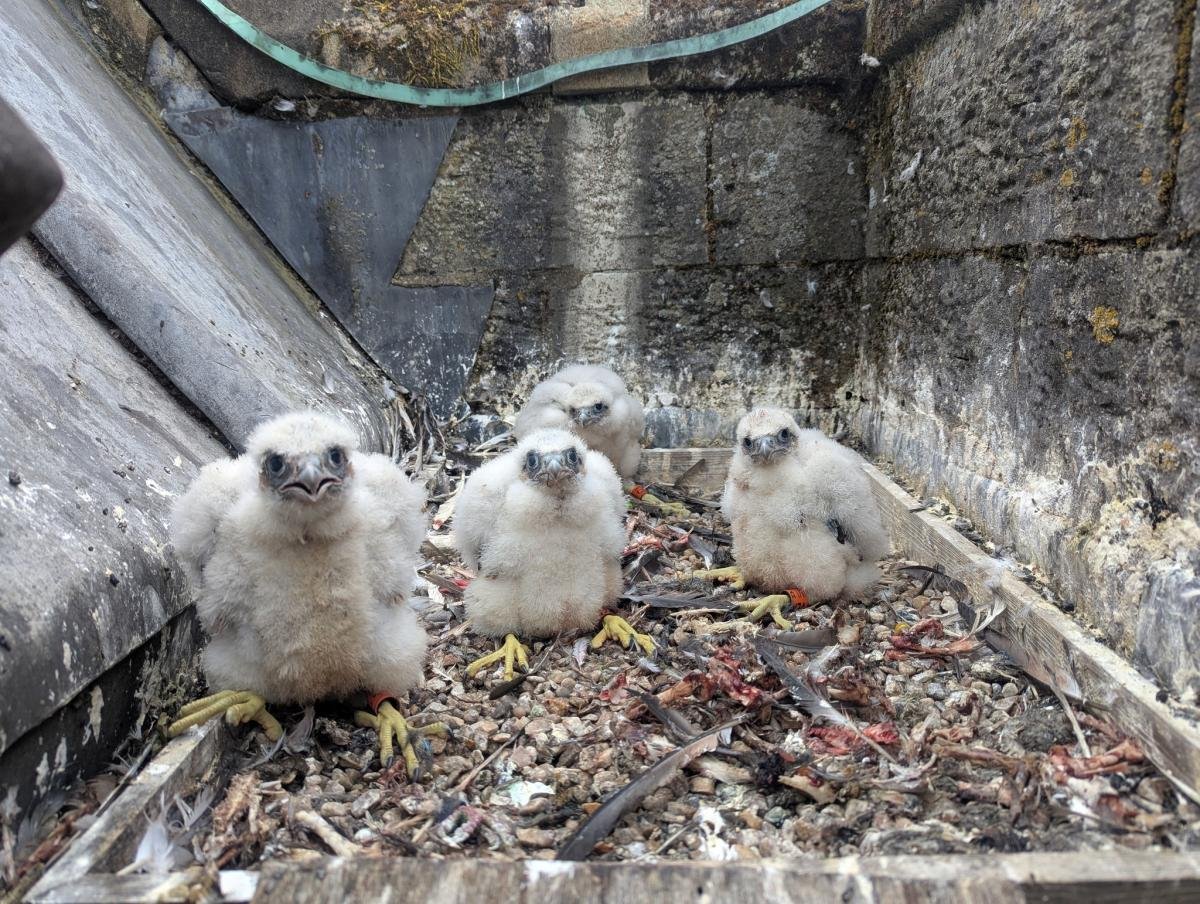
Peregrine Falcon Chicks Hatch at Romsey Abbey Peregrine falcon chicks have hatched for the first time at Romsey Abbey in Hampshire, marking an exciting milestone for local conservationists. The four chicks, believed to be around 20 days old, are thriving in a historic gulley, offering a rare glimpse into the breeding success of these magnificent birds. This breakthrough highlights the delicate balance of peregrine populations in the region, which have experienced fluctuating numbers in recent years. Peregrine Falcon Chicks at Romsey Abbey: Details of the Nesting Season In 2024, Romsey Abbey in Hampshire witnessed its first known peregrine nest when a pair of falcons laid two eggs. Unfortunately, those eggs did not hatch. This year, however, the same parents have successfully raised four peregrine falcon chicks in Hampshire—three males and one female—in a nest located in an old nest box within the abbey’s gulley. Remarkably, the falcons bypassed a modern nest tray with a webcam, choosing the more traditional nesting spot. Challenges Facing Peregrine Falcons in Hampshire Despite this encouraging development, peregrine falcon nesting sites across Hampshire have decreased from an average of about 20 nests to roughly 14 in the current year. Experts attribute this decline to several factors, including increased competition for prime nesting sites. The UK’s peregrine population has rebounded to over 2,000 pairs from a low of about 350 pairs in the 1960s, following pesticide use and wartime impacts. This growth has led to territorial conflicts, especially among young female peregrines vying for established nests. Threats to Peregrine Falcons: Disease and Environmental Pressures Disease also poses a significant risk to peregrine populations. Bird flu, prevalent for around five years, has notably affected sea birds and raptors. Peregrines that consume infected gulls risk contracting this disease, which has led to fatalities, including two peregrines nesting recently at Christchurch Priory in Dorset. Such health threats compound the challenges already faced by peregrines, impacting their survival and breeding success. What the Future Holds for Peregrine Falcons at Romsey Abbey and Beyond The peregrine chicks at Romsey Abbey are expected to start flying within four to six weeks, a critical stage for their development and survival. Conservationists hope that the successful hatchings will inspire increased attention to protecting peregrine habitats. Efforts to monitor nests, reduce threats, and promote awareness are vital to sustaining these birds’ recovery in Hampshire and throughout the UK.

Read More

Walking Britain’s Entire Coast: What I Learned

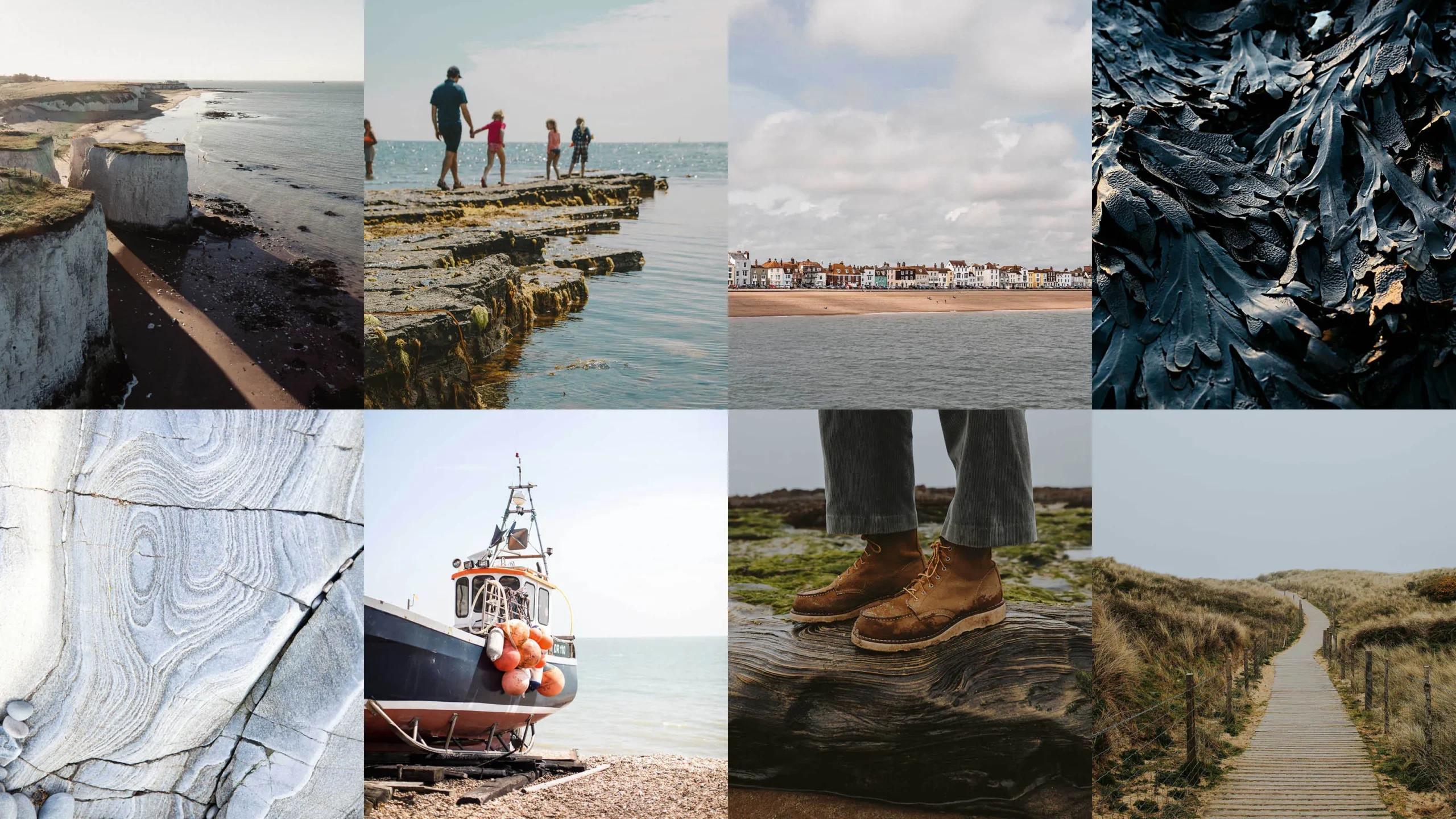
Walking Britain’s entire coast was once a distant dream for many, but for photographer Quintin Lake, it became a life-changing adventure. Over five years, he walked more than 6,835 miles along the British coastline, starting and finishing at St Paul’s Cathedral in London. This epic journey created an impressive visual archive and deepened his understanding of Britain’s coast, history, identity, and his own endurance. Why Walk Around Britain’s Entire Coastline? Quintin Lake’s decision to embark on walking Britain’s entire coast wasn’t spontaneous. Having previously walked the River Severn from its source to the sea, he became deeply inspired by the beauty and complexity of Britain’s natural environment. Motivated by a desire to reconnect with home and explore the UK’s diverse landscapes through photography, he set off in April 2015. His journey of walking Britain’s entire coast was broken into manageable legs ranging from a few days to two months, spanning a total of 454 days on foot over five years. This epic quest of walking Britain’s entire coast allowed him to uncover stories and scenes that few get to experience firsthand. The Physical and Mental Challenges of Walking Britain’s Entire Coast The journey was not without hardships. Scotland, in particular, proved to be the most physically taxing part of the adventure. Lake endured torn tendons, shin splints, and constant exposure to cold and wet weather. In the winter months, walking was essential not only to progress but to stay warm. His perseverance through snowstorms and freezing mornings highlighted a rare mental toughness and an unwavering commitment to capturing the natural world through his lens. Exploring Britain’s Wildest Places on the Coastline Walk Lake was astonished by how wild and remote parts of Britain could be, especially in north-west Scotland. The Knoydart Peninsula, known as the Rough Bounds, stood out as one of the most challenging terrains due to its rugged mountains and lack of paths. The beauty of Scotland’s dramatic landscapes often felt comparable to Norway’s fjords. Other wild spots included Caithness cliffs, where he camped near puffins, and the desolate coastlines of Dorset, Essex, and Cornwall. Solitude and Photography on Walking Britain’s Entire Coast Despite the isolation, Lake rarely felt lonely. His deep focus on photography and the constant discovery of new images kept him engaged. The solitude, in fact, became an essential part of his process. Echoing Picasso’s words—”Without great solitude, no serious work is possible”—Lake found that traveling alone heightened his observation skills and allowed him to connect more deeply with the environment. Geography and Geology Along Walking Britain’s Entire Coast One of Lake’s most eye-opening realizations was Britain’s incredible geological diversity. He likened the landscape to a squashed ball of Play-Doh, each colour and texture representing a different geological era. This variance shapes not just the land but also the cultures and accents of the people living there. From the white chalk cliffs of Dover to the volcanic remnants in the Highlands, every region offered a unique story etched into stone. A Tapestry of Identity Along Walking Britain’s Entire Coast As he moved from region to region, Lake experienced Britain as a patchwork of communities, each proud of its distinct identity. Regional accents, dialects, and customs painted a vivid picture of cultural diversity. From calling a bread roll a “bap” in one town to a “barm” in another, he noticed how language and identity are deeply tied to place. Lessons in History Along Walking Britain’s Entire Coast Walking Britain’s coastline turned out to be a comprehensive lesson in history. From the Roman landing sites in Kent to the Viking invasion points in Portland, every step offered historical context. The remnants of Napoleonic Martello towers, Norman castles, and World War II defenses marked the coast like chapters in a living history book. Lake was particularly moved by places like Portsmouth, where HMS Victory and the Mary Rose stand as maritime monuments to Britain’s naval heritage. Beauty in Unexpected Places While Scotland’s remote beauty captivated him, Lake was equally surprised by the scenic charm of Northumberland, especially Bamburgh Castle and Holy Island. The Gower Peninsula in Wales, with its sweeping views from Three Cliffs Bay, offered another highlight. Meanwhile, the Redcar steelworks and oil rigs at Cromarty evoked emotional responses—symbols of Britain’s industrial past and carbon-dependent present. Architectural Marvels on the Coast Among architectural highlights, bridges captured Lake’s imagination most. The Forth Bridge in Edinburgh and the Kylesku Bridge in the Highlands stood out for their majestic settings and engineering prowess. Additionally, he admired the Zaha Hadid-designed transport museum in Glasgow and Grayson Perry’s vibrant House for Essex as examples of creative architectural storytelling. Coastal Cities Full of Life For Lake, a vibrant city had to feel dynamic and current. Glasgow and Liverpool met those criteria. Both cities offered rich historical layers while maintaining a youthful energy and creative pulse. Their architecture, cultural scenes, and engaging locals made lasting impressions. Ideal Walks for Beginners Not every stretch of the British coast is arduous. Lake recommended the Norfolk Coast for those seeking a gentler hike. Its flat, well-marked paths, open skies, and historical churches offer an accessible introduction to coastal walking. Another favorite was the Seven Sisters walk from Seaford to Eastbourne, which features iconic white cliffs and can be completed as a day trip from London. Hidden Gems for Tourists For overseas visitors looking to experience the soul of Britain, Lake recommended lesser-known spots like the Aberdeenshire coast and the Llŷn Peninsula in Wales. Quaint fishing villages such as Crovie and Gardenstown, tucked beneath cliffs, offer romantic isolation and historical richness. These places, often overlooked in favor of hotspots like Brighton, reveal Britain’s true character. The Emotional Journey Within Beyond the landscapes and photography, the greatest revelations came from within. Lake discovered a lasting calm and contentment that walking and being in nature provided. He realized that slow, mindful travel enriched not only his creative process but also his sense of self. “There’s always inspiration when you walk and carry a camera,” he reflected. Britain’s Coastline as…

Read More

Beavers Improve Water Quality in Norfolk’s River Glaven

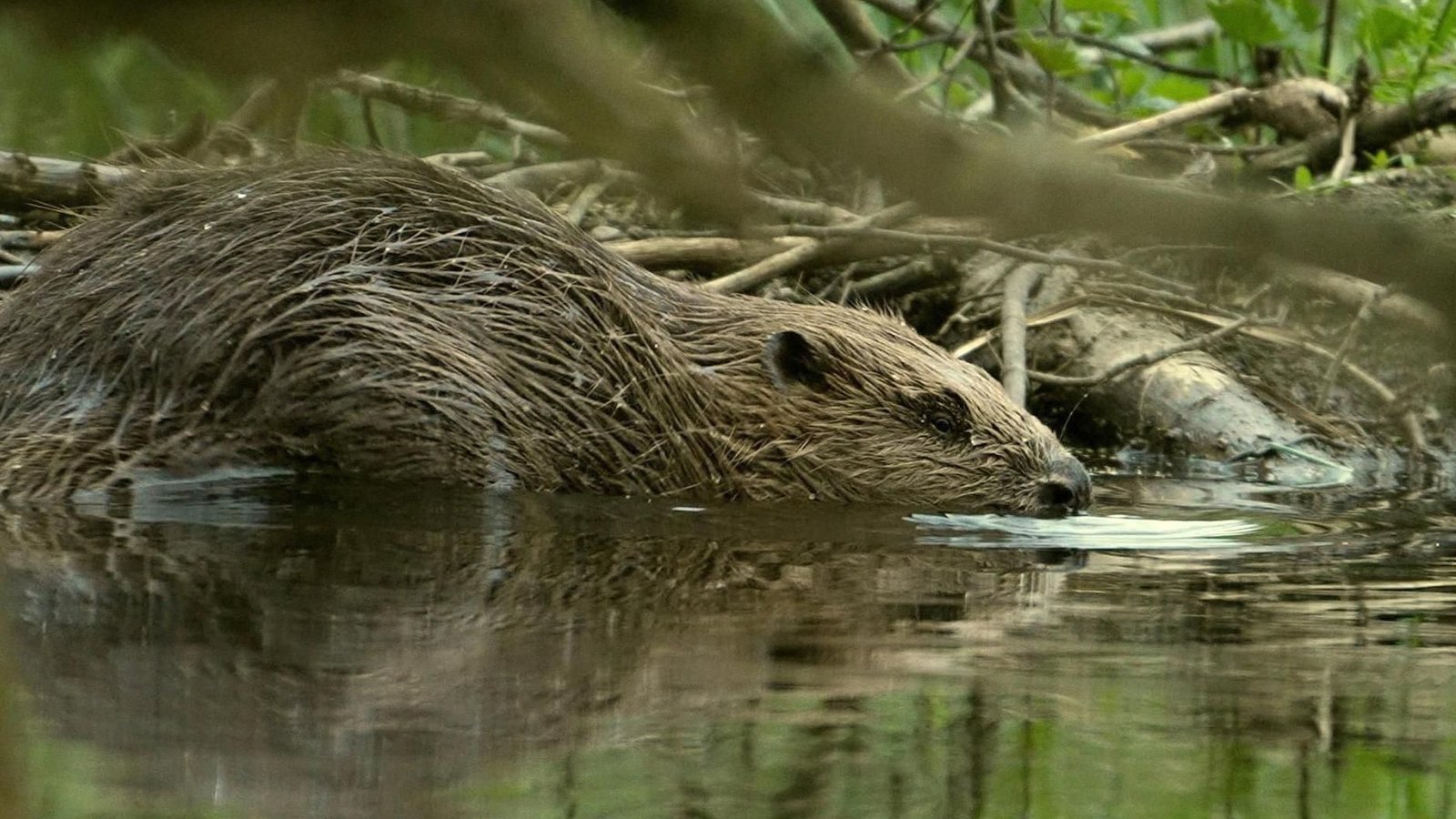
Beavers Improve Water Quality as They Restore the River Glaven Beavers improve water quality — and two relocated beavers, affectionately named Eeyore and Winnie, are proving just that on the River Glaven in Norfolk. Moved from Scotland four years ago, they have made a transformative impact. Living in a secure enclosure near Holt, their presence has significantly enhanced the local ecosystem, according to experts from the Norfolk Rivers Trust. How Beavers’ Natural Engineering Helps Improve Water Quality Beavers are known for their dam-building skills, which significantly affect ecosystems. Their dams slow water flow, trap sediment, and absorb excess nutrients. This natural filtration not only enhances water purity but also helps maintain cooler stream temperatures, essential for aquatic life. Ecologist Ursula Juta of the Norfolk Rivers Trust noted, “Dam by dam, the water quality has improved. They reduce agricultural pollutants and sediment loads from fields and roads.” From Trickle to Thriving Stream: How Beavers Improve Water Quality Before the arrival of the beavers, the stretch of river they now inhabit was a small, degraded trickle in urgent need of restoration. Since their relocation, the area has seen notable ecological recovery. Beavers improve water quality by slowing water flow, trapping sediment, and filtering pollutants — all of which have been observed along this stretch of the River Glaven. The beavers have even expanded their family, with five kits now observed in the area, further contributing to the ecosystem’s vitality. A Prehistoric Landscape Reborn The changes brought by the beavers have not gone unnoticed. Their construction projects have led to tree felling and some areas of flooding, creating a landscape that some describe as “almost prehistoric.” While this may be startling to some, experts argue this transformation is indicative of a healthy, functioning wetland environment. Official Support and Ongoing Debate The UK government approved the reintroduction of beavers into the wild under licence in early 2025. In March, the first wild beavers were released in Dorset, marking a milestone for conservation. The success seen in Norfolk with Eeyore and Winnie could make them candidates for future wild release, pending further assessments and stakeholder agreements. Farmers and the Future of Beaver Management Despite the ecological benefits, concerns remain. The National Farmers’ Union (NFU) has expressed reservations about further releases, urging the development of a comprehensive beaver management plan. “There must be a long-term vision,” an NFU spokesman stated, “and this should include all management tools, even lethal control if necessary.” A Model for Future Reintroductions? Dr Jonah Tosney, Technical Director at Norfolk Rivers Trust, emphasized the importance of location and collaboration. “There are places where beavers are welcome and others where they may cause issues. We’re working with landowners to understand their concerns, and we recognize that beaver reintroductions must be carefully managed.” Restoring Nature One Dam at a Time Eeyore and Winnie’s story is a compelling example of how nature, when given a chance, can heal itself. Through their industrious efforts, these relocated beavers have turned a struggling river into a thriving habitat, showcasing the potential of ecological restoration through rewilding.

Read More

Blackbird Decline Is a Taste of the Future: A Growing Warning

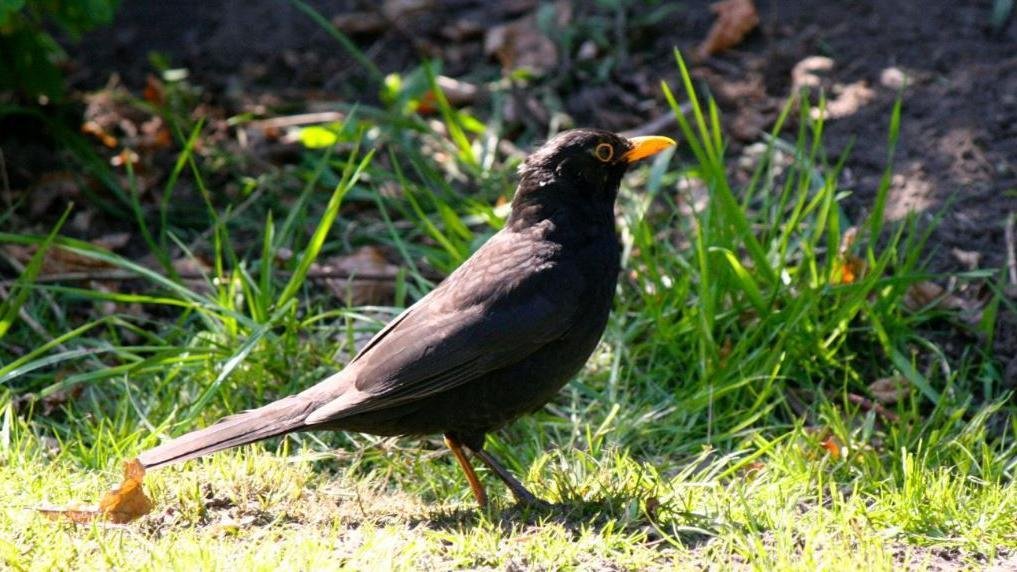
Why Blackbird Decline Is a Taste of the Future for UK Wildlife Once a familiar melody in British gardens and parks, the cheerful song of the blackbird is now growing faint. A stark 40% decline in blackbird populations across parts of the UK has sparked concern among conservationists and wildlife enthusiasts. Among them is Mya-Rose Craig, a 23-year-old ornithologist and climate activist, who warns that this rapid decline is not just about one bird—it is a grim indicator of broader ecological collapse. According to Craig, the blackbird decline is a taste of the future if climate change and habitat loss are not urgently addressed. How the Usutu Virus Shows Blackbird Decline Is a Taste of the Future Over the past five years, a mosquito-borne disease known as the Usutu virus has taken root in southern England. This virus, relatively new to the region, has been linked to a dramatic decrease in blackbird numbers, especially in urban areas like Greater London. The virus is spread by mosquitoes, whose populations are expanding due to warming temperatures and increasing rainfall—two phenomena directly tied to climate change. As a result, birds that once thrived in UK gardens are now disappearing at an alarming rate. Mya-Rose Craig Warns That Blackbird Decline Is a Taste of the Future Known online as BirdGirlUK, Mya-Rose Craig has been an environmental campaigner since she was 13. Speaking on BBC Breakfast, she described the blackbird’s plight as deeply troubling, especially given that blackbirds are among the most common and beloved bird species in the UK. “When people hear birdsong, it’s often the blackbird. To think of that sound vanishing is incredibly sad,” she said. Her passion for conservation is not just professional—it is deeply personal. Why Blackbird Loss Signals a Bigger Problem Moreover, the disappearance of blackbirds is not an isolated phenomenon. Ms Craig emphasized that climate change and environmental degradation are impacting numerous bird species. For instance, starling numbers have dropped by 80% since the 1960s. This trend highlights a broader ecological crisis. As Craig put it, “Our garden species are so special, which is why the speed of their decline is so worrying.” In addition, Craig warned that most people remain unaware of how dire the situation truly is. “Our wildlife is really, really struggling in the UK in a way I don’t think people really realise,” she said. This disconnect between perception and reality can delay critical policy responses. Climate Change Fuels a Perfect Storm Increasingly erratic weather patterns, including warmer temperatures and more frequent flooding, create ideal conditions for the spread of diseases like Usutu virus. As mosquito habitats expand, so too does the risk to native bird populations. Consequently, the blackbird’s vulnerability becomes a harbinger of things to come. Craig stated, “With warmer weather and increased flooding, it feels like kind of a taste of what’s to come.” A Personal Commitment to Nature Craig’s advocacy extends beyond blackbirds. She has consistently campaigned for greater awareness and stronger action on climate change, biodiversity loss, and environmental education. Awarded an honorary doctorate by the University of Bristol in 2020, she uses her platform to engage young people with nature and to encourage them to become environmental stewards. She also champions the often-overlooked “small brown birds” that make up much of the UK’s garden avifauna. These species, though less flashy than some of their counterparts, play critical roles in ecosystems—from pest control to pollination. Their decline, Craig argues, must not be ignored. Mental Health and the Soundscape of Nature Furthermore, Craig points out that the loss of birdsong has psychological consequences. “Imagine a city without birdsong—it has a really terrible knock-on effect on people as well,” she explained. Numerous studies support her claim, showing that natural sounds like birdsong contribute to reduced stress and improved mental health. As such, protecting bird populations is also about preserving human wellbeing. Solutions and the Path Forward So what can be done to reverse this disturbing trend? Craig advocates for stronger policies on climate mitigation, wildlife protection, and disease monitoring. She also encourages individual actions such as creating bird-friendly gardens, reducing pesticide use, and supporting conservation organizations. In the long term, collaborative efforts between scientists, policymakers, and the public will be essential. Early detection systems for new wildlife diseases, improved public education, and international cooperation on climate action can all help mitigate the threats to the UK’s biodiversity. A Call to Listen Ultimately, the blackbird’s fading song should serve as a wake-up call. As Mya-Rose Craig reminds us, the blackbird decline is a taste of the future—a future where inaction leads to silent mornings and vanishing wildlife. If we wish to preserve the natural harmony that so enriches our lives, we must act now. By responding to these early warnings with urgency and compassion, we can ensure that future generations inherit a world still filled with birdsong and biodiversity. The time to listen—and act—is now.

Read More

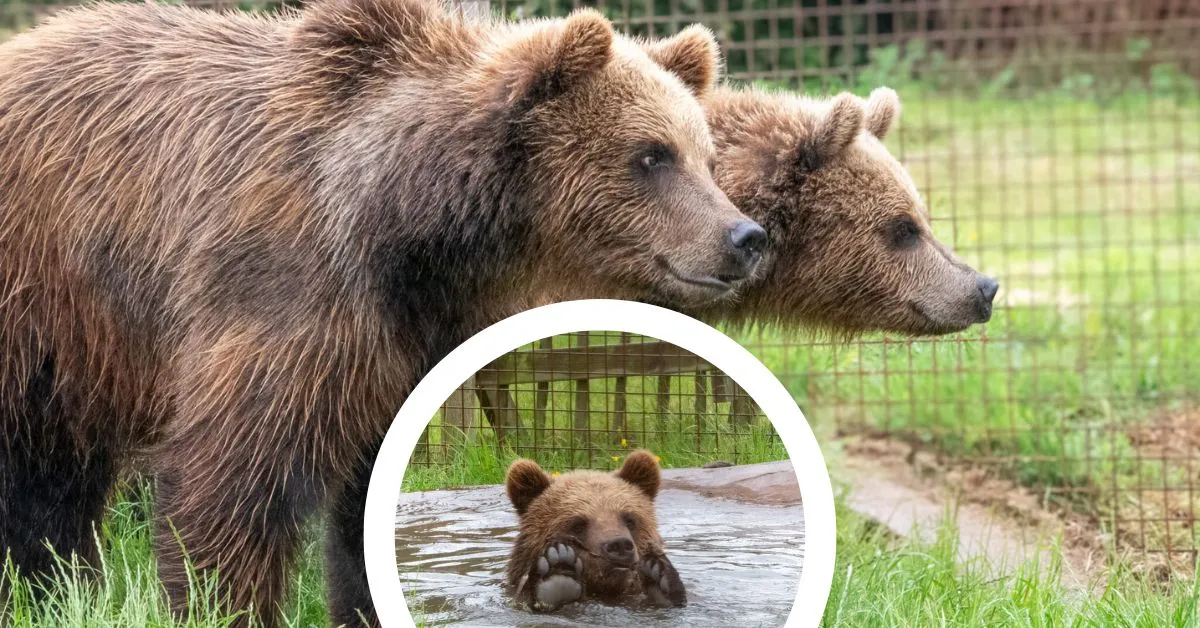
Brown bear cubs Devon find new home

Rescued Brown Bear Cubs Devon — A Story of Hope and Survival In a world increasingly affected by conflict and environmental crisis, the rescue and rehabilitation of wildlife play a critical role in conservation efforts. Wildwood Trust recently welcomed the brown bear cubs Devon in one of the most touching stories. Malenky and Nanuq, two young brown bear cubs Devon, have made a long journey from Ukraine and Belgium to find safety in the UK. These brown bear cubs Devon symbolize resilience and highlight the urgent need to protect displaced animals affected by war and habitat destruction. Their arrival at Wildwood is a hopeful example of how dedicated sanctuaries can provide a peaceful home for vulnerable wildlife. The story of these brown bear cubs Devon reminds us of the global responsibility to care for animals caught in the crossfire of human conflict and environmental change. Brown Bear Cubs Devon Journey — From War Zone to Wildlife Sanctuary The Origins of Malenky and Nanuq The bear cubs’ journey began in the war-stricken landscape of Ukraine.Rescuers caught their mother in the chaos of the frontlines and transported her out of the conflict zone in a van. She found temporary safety in Belgium, where she gave birth to the two cubs, Malenky and Nanuq. Although their journey began in trauma, the brown bear cubs in Devon now continue with hope as they start a new life at Wildwood Trust’s sanctuary in the UK. In addition, this transition marks a crucial step in their recovery and long-term wellbeing. As a result, the cubs are now receiving the care and safety they need to thrive. Furthermore, the sanctuary offers an environment that closely mimics their natural habitat, which is essential for their rehabilitation. Ultimately, this move not only safeguards their future but also highlights the importance of wildlife conservation efforts. Belgium’s Role in Temporary Rescue De Zonnegloed Wild Animal Sanctuary in Belgium played a vital role in providing the cubs and their mother with temporary safety. Nevertheless, due to limited space and resources, the team couldn’t offer the cubs a permanent home. The team decided to relocate them to a facility that could provide long-term care, specialized support, and a stimulating environment suitable for brown bears. A Warm Welcome for Brown Bear Cubs Devon at Wildwood Trust Why Wildwood? Wildwood Trust, based in Ottery St Mary, Devon, is recognized for its commitment to rescuing and rehabilitating animals from harsh and unnatural conditions. The facility already houses other rescued bears and is staffed by specialists with the skills and compassion needed to care for traumatized animals. Their experience with brown bears made Wildwood the ideal sanctuary for Malenky and Nanuq. An Emotional Arrival Therefore, the arrival of the bear cubs sparked both excitement and deep emotion among the staff. After a long journey across borders, the bears were greeted by the team at Wildwood Trust, who had been preparing for weeks to ensure a smooth transition. In fact, the staff felt deeply moved by the cubs’ resilience, as they had witnessed their survival through extreme circumstances to reach this safe haven. Brown Bear Cubs Devon Living Conditions: Comfort and Enrichment Customized Environments Wildwood Trust has created a purpose-built environment tailored to the cubs’ physical and psychological needs. Additionally, the sanctuary provides naturalistic enclosures that encourage behaviors like foraging, digging, and climbing—just as the bears would do in the wild. Clean water sources, vegetation, and denning areas provide a setting where the cubs can thrive. Daily Enrichment Programs The bears are now part of a structured enrichment program designed to keep them active and mentally stimulated. This includes puzzle feeders, scent trails, seasonal changes in their enclosure, and supervised interaction with keepers. The goal, therefore, is to mimic the challenges they would face in the wild, encouraging them to maintain their instincts while ensuring their well-being. Meeting the Wildwood Bear Family Introduction to Mish and Lucy Malenky and Nanuq are not alone in their new home. They join fellow brown bear siblings Mish and Lucy, who were rescued from Albania in 2021. The integration of these bear families is carefully managed to ensure compatibility and reduce stress. Furthermore, behavioral studies and close monitoring enable keepers to determine the best timing and method for introducing them to one another. The Growing Bear Community Wildwood has now rescued and rehabilitated eight brown bears from different parts of the world. Each has a unique story, yet they all share a common theme of survival against the odds. Moreover, the sanctuary’s growing bear community serves as a living educational experience for visitors, highlighting the global challenges of wildlife conservation. The Cost of Care and the Importance of Public Support £70,000 per Bear, per Year Caring for rescued bears is a costly endeavor. According to Paul Whitfield, Director General of Wildwood Trust, it costs approximately £70,000 annually to support each bear. Consequently, public support and fundraising are vital to sustain this care. This includes food, medical treatment, enrichment, enclosure maintenance, and specialist staff salaries. Fundraising and Public Involvement The sanctuary relies heavily on donations, sponsorships, and fundraising events. The public plays a crucial role in the continued success of rescue efforts. Educational programs, behind-the-scenes tours, and adopt-a-bear campaigns are just some of the ways supporters can contribute. Symbolism: What Malenky and Nanuq Represent Victims of Human Conflict Indeed, these bear cubs are more than just animals in need—they symbolize the unintended victims of war. As borders close and habitats are destroyed, animals find themselves caught in situations beyond their understanding. Malenky and Nanuq’s story is a reminder that war does not discriminate and that its impact extends far beyond human populations. A Global Call for Wildlife Protection Moreover, their rescue reflects the interconnectedness of conservation efforts. It took collaboration across nations—Ukraine, Belgium, and the UK—to provide these bears with safety. This underscores the importance of cross-border cooperation in addressing global wildlife crises. Expert Insights: The Psychology of Rescued Animals Trauma and Rehabilitation Wildlife experts at Wildwood Trust highlight the psychological challenges…

Read More