Best Countries for Expats 2025: Top Places to Live Abroad

Best Countries for Expats 2025: Top Destinations for Living Abroad The best countries for expats 2025 are attracting global attention as more people choose to live and work abroad. Living in another country has become increasingly common in recent years, with millions relocating in search of better career opportunities, improved lifestyles and new cultural experiences. Global migration trends show that a growing percentage of the world’s population now lives outside their country of origin. The best countries for expats 2025 combine several important factors such as affordable living costs, welcoming communities, stable economies and strong quality of life. For many expatriates, financial security and the ability to settle comfortably into a new culture play a major role when choosing where to move. From tropical landscapes to vibrant urban centres, several countries stand out as attractive destinations for people planning to start a new chapter abroad. Panama Among the Best Countries for Expats 2025 Panama is frequently ranked among the most attractive places for expatriates. Located in Central America, the country offers a combination of natural beauty, modern infrastructure and a relatively affordable cost of living. Expats are drawn to Panama’s lush rainforests, quiet beaches and relaxed lifestyle. Many digital nomads and retirees appreciate the country’s stable economy and welcoming environment. Outdoor enthusiasts often enjoy exploring national parks, hiking trails and wildlife-rich jungles. The country’s warm climate and slower pace of life create a peaceful atmosphere that many newcomers quickly grow to love. However, like any country, Panama also presents some challenges. Administrative procedures and paperwork can sometimes be complicated, so new residents often seek professional guidance when navigating local systems. Colombia – One of the Best Countries for Expats 2025 in Latin America Colombia has rapidly gained popularity among expatriates due to its friendly culture and affordable lifestyle. Cities such as Medellín, Bogotá and Cartagena offer vibrant communities, modern amenities and strong cultural traditions. Many expats say the most appealing aspect of Colombia is its people. Local residents are widely known for their hospitality and warmth, which helps newcomers feel at home more quickly. In addition to its welcoming culture, Colombia also offers diverse landscapes. Visitors and residents can explore colonial towns, coffee-growing regions, tropical beaches and mountain scenery within a single country. As tourism and entrepreneurship continue to expand, Colombia provides growing opportunities for professionals and business owners alike. Mexico: Culture, Community and Coastal Living Mexico remains one of the most popular destinations for people moving abroad. The country combines rich cultural heritage, delicious cuisine and an appealing cost of living. Expats living in cities such as Playa del Carmen, Mexico City and Cabo San Lucas often praise the friendly social atmosphere and the ease of making connections with locals and fellow expatriates. Another major advantage is the country’s strong digital infrastructure, which allows remote workers to operate businesses or freelance from almost anywhere. Reliable internet access and co-working spaces have made Mexico a hotspot for digital nomads. While English is widely spoken in many tourist areas, learning Spanish helps expatriates build stronger relationships with the local community and better understand the culture. Thailand: Affordable Living and Relaxed Lifestyle Thailand continues to attract expatriates seeking a balance between affordability and quality of life. The country is known for its welcoming culture, stunning natural landscapes and vibrant food scene. Major cities like Bangkok and Chiang Mai offer modern infrastructure, healthcare services and international communities. Meanwhile, coastal destinations such as Phuket and Koh Samui provide tropical island living with beautiful beaches and warm weather year-round. Many expats appreciate Thailand’s relaxed lifestyle and friendly atmosphere. However, cultural awareness and respect for local customs are important for successfully integrating into Thai society. Exploring national parks, temples and traditional festivals allows newcomers to experience the country’s rich heritage while enjoying everyday life abroad.https://www.youtube.com/watch?v=njVXk8LASWA Vietnam: A Fast-Growing Destination for Expats Vietnam has emerged as one of Asia’s most dynamic places for expatriates. With a rapidly growing economy and vibrant cities, the country offers exciting opportunities for professionals and entrepreneurs. Cities such as Ho Chi Minh City, Hanoi and Da Nang combine modern development with traditional culture. Many expatriates are drawn to the country’s energetic atmosphere and affordable cost of living. Vietnam is also famous for its cuisine, which emphasizes fresh ingredients, herbs and bold flavours. Popular dishes and strong local coffee culture add to the country’s unique appeal. For newcomers, learning a few Vietnamese phrases can greatly improve daily interactions and help build stronger connections with local communities. Why These Are the Best Countries for Expats 2025 Choosing a country to live in involves many considerations. Factors such as living costs, healthcare access, job opportunities and cultural openness all influence the overall expatriate experience. The best countries for expats 2025 share several common characteristics. They provide welcoming environments, relatively affordable lifestyles and strong opportunities for personal and professional growth. Each destination offers something unique: A Growing Global Expat Community As remote work and international mobility continue to expand, the number of people living abroad is likely to increase further in the coming years. For many individuals, relocating overseas is not just about changing location—it is about discovering new cultures, perspectives and opportunities. For anyone considering an international move, researching lifestyle factors, cultural expectations and financial planning is essential. With careful preparation, living abroad can become one of life’s most rewarding adventures. The best countries for expats 2025 demonstrate that the world is full of places where newcomers can build successful and fulfilling lives.


Read More

Lumumba Drink Germany: The Winter Cocktail Causing Debate

Lumumba Drink Germany: The Nostalgic Winter Beverage Sparking Debate Lumumba drink Germany is a popular winter cocktail enjoyed at Christmas markets and festive gatherings across the country. Across Germany’s winter markets, visitors gather around wooden stalls glowing with warm lights while snow falls softly across historic town squares. In the chilly air, many people order a comforting drink made with hot chocolate, alcohol and whipped cream. Known as the Lumumba drink, this rich and warming beverage has become a seasonal favourite in several parts of Northern Europe. For decades, the drink has been enjoyed during the holiday season, especially at Christmas markets and ski resorts. Visitors sip the warm cocktail while browsing festive stalls, watching ice skaters or strolling through decorated town squares. For many locals, the drink represents winter traditions, nostalgia and the festive atmosphere of the season. However, in recent years the Lumumba drink Germany has become the subject of a growing cultural discussion. Some critics question whether the drink’s name, connected to a historical political figure, is appropriate for a casual holiday beverage. Lumumba Drink Germany and Its Popularity at Winter Markets The Lumumba drink is a simple yet indulgent cocktail made from hot chocolate combined with rum or brandy and topped with whipped cream. It is particularly popular in Germany, Austria, Denmark, the Netherlands and Spain. At German Christmas markets, the drink often appears alongside other seasonal favourites such as mulled wine and spiced cider. Its rich chocolate flavour and warming alcohol make it ideal for cold winter nights. For many visitors, ordering the drink is part of the traditional Christmas market experience. Families, friends and tourists gather around market stalls holding steaming mugs while enjoying the festive atmosphere. Despite its popularity, the name of the drink has increasingly attracted attention and debate. The Historical Figure Behind the Lumumba Name The drink’s name refers to Patrice Lumumba, the first prime minister of the Democratic Republic of the Congo. Lumumba became a significant figure in African independence movements during the early 1960s. He played an important role in Congo’s struggle to end colonial rule but was assassinated in 1961 during a period of political conflict influenced by Cold War tensions. Because of his role in anti-colonial movements, Lumumba later became widely recognised as a symbol of independence and political resistance across Africa and beyond. The connection between such a historical figure and a winter cocktail has raised questions among historians and cultural commentators. Why the Lumumba Drink Germany Debate Emerged In recent years, discussions about colonial history and historical memory have gained attention across Europe. As part of this wider conversation, the name of the Lumumba drink has been re-examined. Some critics argue that using the name of a political leader who was assassinated may be insensitive. Others believe the drink’s name might have originated during the Cold War era, when Lumumba’s reputation was viewed differently in Western media. Supporters of the traditional name argue that most people simply see the drink as a harmless winter beverage with a long history. For them, the name has become part of holiday culture rather than a political statement. The debate has therefore developed into a broader discussion about how history is remembered and represented in everyday life. Origins of the Lumumba Drink in Europe The exact origin of the Lumumba drink remains unclear. Some sources suggest the cocktail appeared in Germany during the early 1960s, while others believe similar versions were served in Spanish coastal bars. Different regions have also created variations of the drink. In some places it may include coffee instead of chocolate, or different spirits such as amaretto or orange liqueur. In parts of northern Europe, alternative names have also been used. Despite these variations, the classic combination of hot chocolate and rum remains the most familiar version. Changing Perspectives on the Lumumba Drink Germany As awareness of colonial history grows, some cities and event organisers have encouraged vendors to consider alternative names for the drink. Instead of banning the beverage, certain markets have suggested more descriptive titles such as “hot chocolate with rum.” Some stallholders have chosen to keep the traditional name, while others have adopted new versions to avoid controversy.https://www.youtube.com/shorts/A3MJodQp_Fs This response reflects a broader trend in which societies reconsider historical symbols and language while balancing tradition with cultural sensitivity. A Winter Tradition Facing Modern Questions For many people, the Lumumba drink remains a comforting part of winter celebrations. The warm mixture of chocolate, alcohol and whipped cream continues to attract visitors to Christmas markets every year. At the same time, discussions about the drink’s name highlight how historical awareness can influence modern traditions. Whether the drink keeps its original name or evolves into something new, the conversation surrounding the Lumumba drink Germany demonstrates how even familiar seasonal customs can carry deeper historical connections.

Read More

Los Llanos Colombia Wildlife: Serengeti of South America

Los Llanos Colombia Wildlife: Discover the Serengeti of South America Deep in eastern Colombia lies a spectacular natural region where wildlife roams freely across endless plains and wetlands. Los Llanos Colombia wildlife offers one of the most extraordinary nature experiences in South America. Often called the Serengeti of South America, this remote landscape is filled with exotic animals, vibrant ecosystems and a living cowboy culture that has existed for centuries. Far away from crowded tourist destinations, Los Llanos remains one of the continent’s most authentic and untouched wilderness areas. Visitors who travel here can witness rare wildlife, explore vast tropical grasslands and experience the traditions of the legendary llaneros, the horsemen who have shaped life on these plains. The Unique Ecosystem of Los Llanos Colombia Wildlife Los Llanos, meaning “The Plains” in Spanish, stretches across a huge region of eastern Colombia and parts of Venezuela. This enormous ecosystem includes tropical savannas, wetlands, forests and rivers. Covering an area larger than many countries, the region supports a remarkable variety of plant and animal life. The landscape changes dramatically between seasons. During the rainy months, large sections of the plains transform into wetlands and shallow lakes. In the dry season, animals gather near the remaining water sources, creating some of the best wildlife viewing opportunities in South America. Because of its isolation and vast size, Los Llanos has remained relatively untouched by mass tourism. This allows nature to thrive in ways rarely seen in other parts of the world. Incredible Animals Found in Los Llanos Colombia Wildlife Wildlife encounters in Los Llanos can feel like stepping into a nature documentary. The region is home to hundreds of species that roam freely across the grasslands and waterways. Visitors may see enormous capybaras, the largest rodents on Earth, grazing peacefully along riverbanks. Nearby, groups of caimans often rest in the sun while turtles bask beside them. Rivers and lagoons contain fascinating aquatic life including piranhas, anacondas, and powerful electric eels capable of delivering strong shocks. The diversity continues on land and in the trees. Iguanas with bright green scales climb branches, giant anteaters search for insects in the soil and porcupines sleep among the treetops. Birdwatchers also find Los Llanos exceptional. The skies frequently fill with elegant scarlet ibises, towering jabiru storks, and unusual species like the hoatzin, a prehistoric-looking bird sometimes called a “living fossil.” Why Los Llanos Is Called the Serengeti of South America The nickname “Serengeti of South America” comes from the incredible abundance of wildlife found across the region. Like Africa’s famous Serengeti plains, Los Llanos hosts large populations of animals living within an open savanna ecosystem. Herds of white-tailed deer move across the grasslands while countless birds migrate through the wetlands. During certain seasons, the concentration of wildlife becomes astonishing, making it one of the most exciting safari destinations outside Africa. Yet unlike many famous wildlife reserves, Los Llanos remains peaceful and uncrowded. Travellers can explore large areas of wilderness with very few other tourists around.https://www.youtube.com/watch?v=0ec988sKD0A Sustainable Wildlife Tourism in Los Llanos Sustainable tourism is playing an important role in protecting the region’s natural environment. Some ranches have transformed their land into private nature reserves while continuing traditional cattle ranching in environmentally responsible ways. One example is a large private reserve where visitors can stay at working ranches surrounded by thousands of hectares of protected land. These ranches provide accommodation, traditional meals and guided wildlife excursions through the surrounding plains. Tourism income helps landowners preserve natural habitats instead of selling land for industrial agriculture or oil development. This approach allows wildlife to flourish while supporting local communities. The Traditional Llanero Cowboy Culture Los Llanos is not only famous for wildlife but also for its proud cowboy heritage. The llaneros, skilled horsemen of the plains, have worked cattle across these grasslands for generations. Their lifestyle is deeply connected to the land. Daily routines include herding cattle across vast distances, riding powerful horses and maintaining strong traditions of music, storytelling and hospitality. Visitors staying at ranches often witness real cattle roundups where cowboys guide semi-wild cattle across the plains using ropes, whistles and remarkable horsemanship. The Cultural Music of the Llaneros Music forms an important part of life in Los Llanos. Traditional cattle songs known as cantos de vaquería are used during ranch work to calm animals and guide herds. These songs have been passed down for centuries and are recognized internationally as an important cultural tradition. Different melodies are used for specific tasks such as herding, milking or guiding cattle across long distances. After a day’s work, celebrations often include joropo music, the lively musical style of the plains. Instruments such as the cuatro guitar, harp and maracas create energetic rhythms inspired by the movement of horses across the savanna. A Unique Connection Between People and Nature One remarkable aspect of Los Llanos is the peaceful relationship between humans and wildlife. Many animals have grown accustomed to sharing the landscape with cowboys and ranch workers. Instead of seeing wildlife as a threat, many ranch owners actively protect animals and their habitats. This balanced coexistence has allowed ecosystems to remain healthy and diverse. Visitors often observe wildlife moving freely near ranch buildings, lakes and grasslands without fear. Best Time to Visit Los Llanos Colombia Wildlife Los Llanos can be visited throughout the year, but the best time for wildlife viewing is typically December to July. During this period, the dry season reduces water levels across the plains, causing animals to gather around rivers and lagoons. These conditions make it easier to observe large numbers of species in a single location. The region is usually reached by flying from Colombia’s capital city to the nearby gateway town of Yopal, followed by travel into the surrounding plains and ranchlands. Why Los Llanos Is One of South America’s Hidden Travel Gems Despite its extraordinary beauty, Los Llanos remains one of the least explored destinations in South America. While millions of visitors travel to Colombia’s beaches and colonial cities, relatively few discover this vast…

Read More

Heart Disease Medicine: Types, Benefits & Treatment Guide

Heart Disease Medication: How Cardiovascular Drugs Protect Your Heart Heart disease medicine plays a vital role in the prevention, management, and treatment of various cardiovascular conditions. From controlling blood pressure and cholesterol to preventing blood clots and managing heart rhythm, these medicines help reduce the risk of complications such as heart attacks, strokes, and heart failure. Understanding the types of medications, their functions, and possible side effects is essential for effective treatment. Anticoagulant Heart Medicines: Preventing Dangerous Blood Clots Anticoagulants, commonly referred to as “blood thinners,” prevent clots from forming in the bloodstream. They are particularly useful for individuals at high risk of stroke, deep vein thrombosis, or pulmonary embolism. While they do not dissolve existing clots, they reduce the likelihood of new clots developing. Common Anticoagulants: Uses: Precautions:Patients taking anticoagulants should monitor for unusual bleeding, bruising, and interactions with other medications or foods. Regular blood tests may be required for some drugs like warfarin. Antiplatelet Agents: Stopping Platelets From Clumping Antiplatelet drugs prevent platelets in the blood from sticking together, lowering the risk of clot formation. They are frequently prescribed for people with cardiovascular disease, including those who have had heart attacks or strokes. Common Antiplatelet Medications: Uses: Precautions:People prone to bleeding may not be able to take antiplatelet medications. These drugs may increase the risk of gastrointestinal bleeding or hemorrhagic stroke. Alpha-Blockers: Relaxing Blood Vessels Alpha-blockers work by relaxing the muscles around blood vessels, lowering resistance and reducing blood pressure. Examples: Uses: Mechanism:These drugs block alpha-adrenergic receptors, preventing nerve signals from constricting blood vessels. This allows blood to flow more easily, lowering blood pressure and reducing strain on the heart. Angiotensin-Converting Enzyme (ACE) Inhibitors ACE inhibitors help relax blood vessels and improve heart efficiency. They are particularly important for patients with high blood pressure, heart failure, or diabetes. Examples: Benefits: Mechanism:ACE inhibitors block angiotensin II, a hormone that causes blood vessels to constrict, allowing vessels to stay open for better blood flow. Angiotensin II Receptor Blockers (ARBs) ARBs are alternatives to ACE inhibitors, useful when ACE inhibitors cause cough or other side effects. Examples: Benefits: Mechanism:ARBs block the effect of angiotensin II directly on blood vessels, keeping them relaxed for improved blood flow and reduced cardiac workload. Beta-Blockers: Controlling Heart Rate and Blood Pressure Beta-blockers reduce the heart’s workload by slowing down the heartbeat and lowering blood pressure. Examples: Uses: Mechanism:By blocking adrenaline, beta-blockers slow the heart rate and reduce contractility, making blood flow through vessels easier and decreasing blood pressure.https://www.youtube.com/watch?v=snO6dFzS0oo Calcium Channel Blockers (CCBs) CCBs relax heart muscles and arteries, helping lower blood pressure and reduce chest pain. Examples: Uses: Mechanism:They block calcium from entering heart and arterial muscle cells, relaxing vessels, reducing heart rate, and improving blood flow. Angiotensin Receptor-Neprilysin Inhibitors (ARNIs) ARNIs are a newer class of drugs combining an ARB with a neprilysin inhibitor, improving outcomes in chronic heart failure. Example: Benefits: Side Effects: Cholesterol-Lowering Medications Cholesterol-lowering drugs target LDL (bad cholesterol), triglycerides, and raise HDL (good cholesterol) to reduce plaque buildup in arteries. Types and Examples: Benefits: Combined Alpha- and Beta-Blockers These medications provide dual action, lowering blood pressure while reducing heart rate. Examples: Digitalis Drugs Digitalis strengthens heart contractions and helps control heart rate, useful for heart failure and arrhythmias like atrial fibrillation. Example: Diuretics: Reducing Fluid Retention Diuretics help remove excess water and sodium, reducing swelling and blood pressure. Examples: Mechanism:They reduce blood volume, easing the heart’s workload and lowering pressure in vessels. heart disease medicine. Selective Sinus Node Inhibitors Target the sinoatrial node to slow heart rate in heart failure patients. Example: Soluble Guanylate Cyclase (sGC) Stimulators sGC stimulators relax vessels, improve cardiac output, and reduce hospitalizations in chronic heart failure. Example: Central Acting Agents These drugs lower blood pressure by reducing nerve impulses from the brain to blood vessels. Example: Conclusion: Managing Heart Health With Medication Heart disease medicine is critical for preventing complications, improving heart function, and enhancing quality of life. Effective treatment depends on the type of heart condition, severity, and individual patient needs. Along with medications, lifestyle changes such as a heart-healthy diet, exercise, smoking cessation, and regular medical checkups are essential. Understanding your medications, their effects, and precautions ensures better heart health and reduces the risk of severe cardiovascular events.heart disease medicine.

Read More

Lincolnshire Water to Supply Drier Areas in New UK Pipeline Plan

Lincolnshire Water Could Help Supply Drier Parts of England Lincolnshire water is at the heart of a major plan to address future water shortages across southern and eastern England.Anglian Water plans to move excess water to drier areas. The goal is to tackle rising demand, population growth, and climate change. New Pipeline to Transport Lincolnshire Water Across Regions Anglian Water is building a 205-mile pipeline from North Lincolnshire to Essex to ensure a reliable water supply. The project aims to move water from wetter regions to drier areas like Essex and Buckinghamshire. The utility company plans to finish the pipeline by 2028. Strategic Plan for Long-Term Water Security The pipeline forms part of the company’s broader Water Resources Management Plan, which outlines how to meet water demand through 2050. The goal is to create a strategic grid that balances resources across the utility’s service area. Without these changes, even relatively water-rich regions like Lincolnshire could face shortages due to climate change and new environmental regulations that restrict water extraction from rivers. Reservoir Near Sleaford in Development Pipeline In addition to the pipeline, Anglian Water is also proposing two new reservoirs to help store and manage water more efficiently. One of these is planned near Sleaford in Lincolnshire, with construction potentially beginning in 2031. These reservoirs will play a critical role in ensuring water availability throughout the year, especially during dry seasons. Climate Pressures and Rising Demand Increase Urgency The government has warned that rapid population growth and aging infrastructure could cause a national drinking water crisis within the next decade. Anglian Water aims to prevent this by upgrading its systems early. Its plan focuses on building resilience against rising temperatures and decreasing rainfall. Contingency Plans to Prevent Water Shortages If construction on the proposed reservoirs or pipelines is delayed, Anglian Water plans to take temporary measures to avoid supply disruptions. These may include adjusting groundwater extraction levels or postponing planned reductions in abstraction. Smart Water Use at the Core of 25-Year Plan As part of a long-term sustainability approach, the utility firm has outlined a 25-year strategy focused on efficient water usage. Key aspects include: Lincolnshire Water to Play a Vital Role in UK Supply The role of Lincolnshire water is becoming increasingly vital in national planning for water security. Through new pipelines, strategic reservoirs, and advanced water management tools, Anglian Water aims to ensure that even the driest parts of England can keep taps running in the years to come.

Read More

Fish with Blue Markings: Anglers Urged to Report Catches

Report Fish with Blue Markings: Anglers Urged to Help Study Anglers fishing along the River Lea are being urged to report any fish they catch with blue markings. The request is part of a new tracking initiative led by the Environment Agency. In November, the agency released 1,000 juvenile barbel into the river. Each fish has a distinctive blue mark to help researchers monitor movement and population health. Fish with Blue Markings Released into River Lea for Monitoring In November, the Environment Agency introduced 1,000 “tattooed” barbel into two stretches of the River Lea—Kings Weir near Turnford in Hertfordshire, and Fishers Green in Waltham Abbey, Essex. Scientists marked each fish with a blue dye between its pectoral fins. Researchers around the world have widely used this method in studies and consider it safe for the fish. Why Fish Have Blue Markings: Purpose Behind the Tagging The purpose of the blue dye is to assist in tracking the growth and migration of the fish over time. The markings allow researchers to easily identify the released barbel and monitor their survival rates, movement patterns, and overall well-being. This is a response to anglers’ growing concerns about declining fish stocks in UK rivers, especially barbel. Backed by Anglers’ Support and Rod Licence Funds The National Coarse Fish Rearing Unit, an Environment Agency facility funded by rod licence sales, raised the barbel for this project. Richard Tyler, team leader in the agency’s fisheries division, emphasized that anglers’ feedback prompted the initiative. “We’ve responded to concerns of anglers about declining fish stocks, including barbel, and this project will give us some good data to monitor barbel populations,” he explained. Gathering Crucial Data on Fish Populations Tyler noted that the data collected will help scientists and anglers understand how far these fish travel, their growth rates, and how well they are adapting to the river environment. He believes this will provide critical insight into the long-term sustainability of barbel and other freshwater species in the River Lea. How Anglers Can Help Anglers who catch a marked fish should record and submit key details, including: Anglers can email their submissions to the Environment Agency to support ongoing monitoring efforts. A Collaborative Effort for Conservation This initiative highlights the value of collaboration between recreational fishers and environmental authorities. By reporting fish with blue markings, anglers contribute directly to improving fish conservation strategies and ensuring the health of UK rivers for future generations.

Read More

Face-Clawing Sloth Bear That Scares Tigers Lives Among Humans

Face-Clawing Sloth Bear: A Predator Unlike Any Other In India’s dense forests, one unlikely creature commands fear from even the mighty tiger — the face-clawing sloth bear. Despite its preference for termites and fruit, this bear has become infamous for its fierce, explosive defenses. As their habitat shrinks, these powerful animals increasingly cross paths with humans, often with deadly consequences. But innovative coexistence strategies are beginning to change the narrative. When the Face-Clawing Sloth Bear Battles Tigers One of the most dramatic demonstrations of the sloth bear’s strength occurred when a female sloth bear with her cub was stalked by a male tiger. Instead of fleeing, she turned to fight, leading to a brutal 45-minute encounter. The tiger eventually backed off, exhausted. This event captured the raw power of a bear once dismissed as a passive forager. Why the Sloth Bear’s Explosive Defense Terrifies Even Tigers Evolution of the Face-Clawing Strategy Sloth bears, found only in the Indian subcontinent, have evolved an unusually aggressive defense mechanism. Unlike other bear species that rely on size or retreat, the sloth bear charges threats head-on, swatting with long, curved claws that can tear flesh and bone. This strategy has likely helped it survive in tiger territory for thousands of years. Feeding Habits Don’t Match the Ferocity Despite their deadly reputation, sloth bears feed primarily on ants, termites, and seasonal fruits. Their aggression isn’t predatory — it’s purely defensive, designed to intimidate or neutralize threats rapidly. Human-Wildlife Conflict: Why Animal Attacks Are Increasing Face-Clawing Sloth Bear vs. Human Vulnerability Unlike tigers or leopards, which prefer to avoid humans, sloth bears often strike before they’re even seen. Many victims report attacks that occurred without warning, with the bears launching themselves at the human face — the body’s most vulnerable area. Human-Wildlife Conflict: Habitat Loss and Morning Confrontations In tribal regions of central India, such as Gujarat and Odisha, sloth bears share their habitat with forest dwellers. Many conflicts occur early in the morning, when villagers gather mahua flowers, a staple for local alcohol. Unfortunately, this is also when sloth bears forage, increasing the chances of encounters. The Face-Clawing Sloth Bear: A Misunderstood Species Are Sloth Bears Naturally Aggressive? Wildlife biologists argue that the sloth bear is not inherently violent. According to experts, the face-clawing attack style is a reaction to surprise or perceived danger, especially when mothers are protecting cubs. Standing upright, they aim to appear larger — and when they strike, it’s often the human face that suffers. Survivor Stories Reveal the Trauma The results can be devastating. Survivors often suffer life-altering injuries, including loss of eyesight or disfigurement. Yet researchers emphasize that most of these incidents are preventable with better awareness and environmental adaptation. Solutions That Save Lives — Human and Bear Alike Innovations in Coexistence To reduce conflict, researchers have developed anti-sloth-bear sticks, known as “ghanti kathi.” These wooden tools have bells to alert wildlife of human presence and blunt spikes for self-defense in worst-case scenarios. Over 500 have been distributed to vulnerable communities. Education and Habitat Management Other methods include clearing dense vegetation near paths, encouraging group travel, and building toilets closer to homes — so fewer people need to venture into bear territory. Education efforts also emphasize making noise in the forest to avoid startling bears. Why Saving the Sloth Bear Matters Ecosystem Engineers of the Forest Beyond their fearsome reputation, sloth bears play a critical ecological role. They disperse fruit seeds, control insect populations, and help aerate the soil, making them vital for forest health. Conservation Through Understanding Changing public opinion is key. In areas where forest staff are trained about sloth bears, perceptions are improving. Locals are beginning to see the species not just as a threat, but as a valuable part of the forest ecosystem. Learning to Live with the Bear That Fights Back The face-clawing sloth bear may be one of the most misunderstood animals on Earth. While its defenses are brutal, they are a product of ancient survival instincts. As India continues to urbanize and forests shrink, human-sloth bear conflict will likely rise. But with education, innovation, and compassion, it’s possible for both people and sloth bears to thrive — side by side.

Read More

Female Gorilla Friendships Last for Years, New Study Finds

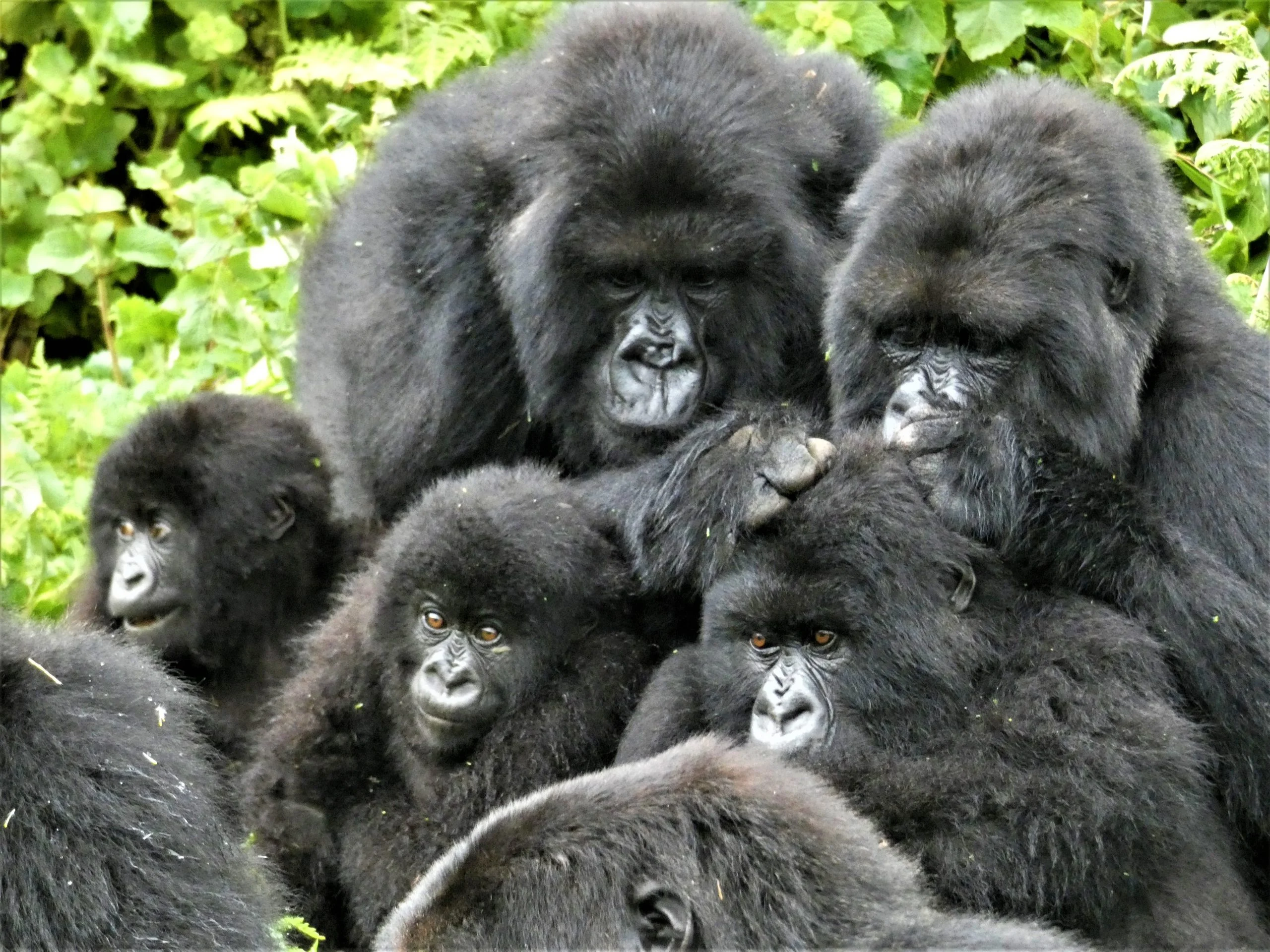
Why Gorillas Seek Out Old Female Friends Recent research from Rwanda’s Volcanoes National Park reveals that female gorilla friendships are long-lasting and deeply meaningful. When female mountain gorillas move to new groups, they often seek out familiar faces—former companions with whom they once shared close social bonds. Long-Term Loyalty: Female Gorillas Reconnect After Years Scientists analyzed 20 years of gorilla behavioral data from Volcanoes National Park. Their findings demonstrate that female gorillas form strong social relationships that endure even after many years apart. When given the opportunity, these gorillas actively reunite with females they had previously grown up or interacted with. Dispersal Patterns Show Preference for Familiar Companions Female gorillas often change social groups throughout their lives, a behavior known as dispersal. This movement helps avoid inbreeding, encourages genetic diversity, and strengthens social structures. But what’s new is how strongly these decisions are influenced by existing female bonds. Rather than choosing groups randomly, females gravitate toward those that include individuals they know. The presence of familiar females significantly impacts where a gorilla chooses to relocate, highlighting the emotional value of their past connections. Research Shows Long-Term Bonds Among Female Gorillas Social integration in a new group is not easy. Newcomers start at the bottom of the hierarchy and may face hostility from resident females. Reuniting with old friends offers social support, reducing stress and increasing the chances of smooth integration. This investment in friendship delivers real survival advantages. Long-Term Friendships Show Why Female Gorillas Seek Old Friends The research team noted that these same-sex relationships are more important in gorilla society than previously thought. Although the word “friendship” is a human concept, the observed behaviors—reconnection, loyalty, and social preference—mirror those seen in humans and other great apes. These findings not only reshape our understanding of female gorilla social dynamics but also shed light on the roots of social behavior in humans. The ability to maintain long-term relationships may be deeply embedded in primate evolution. How Researchers Discovered Why Female Gorillas Seek Old Friends The study involved tracking 56 female mountain gorillas over a span of two decades. Researchers worked closely with conservationists and relied on detailed life histories of individual gorillas. By following their group changes and social choices, scientists were able to observe how old social ties influenced future decisions. How Female Gorilla Friendships Help Avoid Inbreeding Interestingly, the females also avoided groups with males they were likely related to. This natural behavior contributes to genetic diversity and healthier populations. However, just as important as avoiding inbreeding was the draw of female companionship—a key factor in shaping their social landscape. Female Gorilla Friendships Offer Evolutionary Clues Movement and social decision-making play vital roles in both gorilla and human societies. Studying the behavior of gorillas helps scientists understand how complex social strategies evolved. Female gorillas investing in long-term relationships may reflect the evolutionary advantages of stable, supportive social networks. Reframing Female-Female Relationships in Primates This research challenges old assumptions that female relationships in gorilla groups are secondary to those between males or mixed-sex interactions. Instead, it emphasizes how female solidarity is central to gorilla group dynamics and survival. 🧠 Final Thoughts The discovery that female gorilla friendships can last for years—even after long separations—reframes how we think about social bonds in the animal kingdom. These relationships aren’t just incidental; they are powerful, purposeful, and enduring. Understanding them offers us a rare glimpse into the emotional depth of one of our closest evolutionary relatives.

Read More

China Chikungunya Outbreak: 7,000 Infected

Urgent Response to China Chikungunya Outbreak in Guangdong Province The China chikungunya outbreak has intensified, with over 7,000 cases reported across Guangdong province. This rare and widespread mosquito-borne illness has prompted authorities to launch aggressive containment efforts, reminiscent of past pandemic controls, to curb the spread and calm public anxiety. Foshan city, the epicenter of the outbreak, has enforced strict hospital stays for infected patients. Individuals must remain under care for at least a week or until they test negative, with beds enclosed in mosquito nets to prevent further transmission. How the Chikungunya Virus Is Spreading in Southern China Besides Foshan, at least a dozen cities in Guangdong have reported chikungunya infections. Over 2,900 new cases were recorded in just the past week. Hong Kong health officials confirmed their first case—a 12-year-old boy who developed symptoms after traveling to Foshan in July. While the virus is not contagious through human-to-human contact, it spreads when infected individuals are bitten by mosquitoes that subsequently infect others. Officials say 95% of cases have been mild, with most patients recovering in under seven days. Nonetheless, concerns are rising among the public due to the virus’s unfamiliarity and reports of long-lasting joint pain. Public Anxiety and Online Reactions to the Chikungunya Outbreak Chinese social media platforms have seen a wave of user reactions to the outbreak. On Weibo, several individuals expressed concern over the potential for lingering symptoms, particularly the long-term joint pain some patients experience. China chikungunya outbreak. “This is scary. The prolonged consequences sound very painful,” one user commented. Others questioned the necessity of such strict control measures, given the virus’s non-contagious nature. Control Measures in China Chikungunya Outbreak Resemble Past Pandemic Responses With China reporting thousands of chikungunya virus cases, authorities are ramping up anti-mosquito efforts. Residents are being instructed to eliminate all sources of stagnant water in and around their homes, including unused containers, flowerpots, and appliances. Violators may face fines of up to 10,000 yuan (around $1,400). Drones are being deployed to detect water accumulation in hard-to-reach areas, while thousands of mosquito-eating fish and “elephant mosquitoes” are being released into lakes and ponds to target virus-carrying insects. Some cities initially mandated a 14-day home quarantine for travelers from Foshan, but this policy was later reversed following public backlash. Understanding the China Chikungunya Outbreak and the Virus Behind It Chikungunya is transmitted through the bite of infected mosquitoes, primarily the Aedes species. Symptoms typically appear three to seven days after infection and include: Although many recover within a week, joint pain can persist for months or even years in severe cases. Vulnerable groups such as newborns, the elderly, and individuals with chronic health conditions are at greater risk of complications. There is no specific treatment or vaccine for the virus, but fatalities are rare. Pain relief and supportive care remain the primary treatment methods. Global Context and WHO Recommendations Chikungunya is more commonly reported in parts of South Asia, Southeast Asia, and Africa, but this outbreak has highlighted its potential to spread rapidly in densely populated urban areas. Since its discovery in Tanzania in 1952, the virus has reached over 110 countries. The World Health Organization emphasizes mosquito control as the most effective method of prevention, urging global vigilance as travel and climate conditions change. Travel Advisories and International Concerns Following the outbreak, the United States has advised travelers to China to exercise increased caution, particularly in Guangdong province. Tourists and residents alike are being urged to take precautions such as using insect repellent, sleeping under mosquito nets, and wearing long clothing to avoid bites. “China chikungunya outbreak”. With China reporting over 7,000 cases of chikungunya virus, the international community is closely monitoring the situation to prevent further spread across borders. Conclusion As China reports 7,000 cases of chikungunya virus, the government’s aggressive response echoes lessons learned during the COVID-19 pandemic. While most cases remain mild, the focus now is on containing the outbreak, educating the public, and strengthening mosquito control infrastructure. Continued public cooperation and preventive action remain critical to curbing the spread. “China chikungunya outbreak”.

Read More

North Korean IT Workers Abroad Secretly Fund the Regime

How North Korean IT Workers Operate Globally “Western companies secretly hire thousands of North Korean IT workers abroad, generating massive income for the regime. These workers pose as remote freelancers, using fake identities to access platforms and jobs in countries like the US, UK, and across Europe. One defector, who formerly worked in this scheme, revealed how he earned up to $5,000 a month—sending as much as 85% back to the North Korean government. His story unveils the inner workings of a covert digital operation that generates between $250 million to $600 million annually. Inside the Secret Scheme of North Korean IT Workers Many of these workers operate from countries like China, Russia, or various regions in Africa. Though still under surveillance, they have more internet access than in North Korea, allowing them to interact with job platforms, clients, and collaborators abroad. How North Korean IT Workers Fake Identities to Get Hired To bypass sanctions and raise salaries, IT workers often use layers of stolen or borrowed identities. They first pose as Chinese nationals, then acquire identities from individuals in Hungary, Turkey, or the UK. This allows them to appear as Western freelancers and apply for better-paying jobs in Europe and America. Some workers use advanced AI tools to mask their accents or even digitally alter their appearance during interviews. Most communications occur via platforms like Slack, making deception easier. Not Just Coding – Sometimes Cybercrime Although the primary goal is steady income for the regime, some IT workers go further—stealing data, hacking companies, or demanding ransom. Several have been indicted in the US for fraud and crypto crimes. Recent legal cases reveal that individuals in the West—sometimes unknowingly—facilitate these operations by helping workers secure jobs or launder payments. What Hiring Managers Are Seeing Recruiters in the cybersecurity and software sectors are becoming more aware of the trend. Some report encountering dozens of suspicious candidates during hiring rounds. Organizations now use techniques like daylight video calls and background verification to identify potential fraud. A notable red flag is candidates who refuse video calls, provide inconsistent documentation, or apply using freshly created LinkedIn accounts with limited interaction. Life Under the Regime—and Abroad IT workers may earn more abroad than the average citizen in North Korea, but their lives remain tightly controlled. Many live in confined housing, cannot go out freely, and endure constant surveillance from state minders. Still, exposure to the outside world gives some a glimpse of freedom. A few brave individuals, like the defector quoted above, risk everything to escape the system—even if it means leaving their families behind and facing danger. Why It Continues The North Korean government has long relied on foreign labor to generate cash. This digital version is harder to trace and more profitable, especially with the boom in remote work. Despite international sanctions, the demand for IT talent keeps growing, giving cover for continued infiltration. What Can Be Done? Governments, cybersecurity firms, and employers are increasingly collaborating to stop this activity. Suggestions include: A Hidden Threat in Plain Sight The story of North Korean IT workers abroad is a cautionary tale about how easily international systems can be exploited. While many of these individuals are simply trying to survive, their labor fuels a repressive regime—and the world must take notice.

Read More