
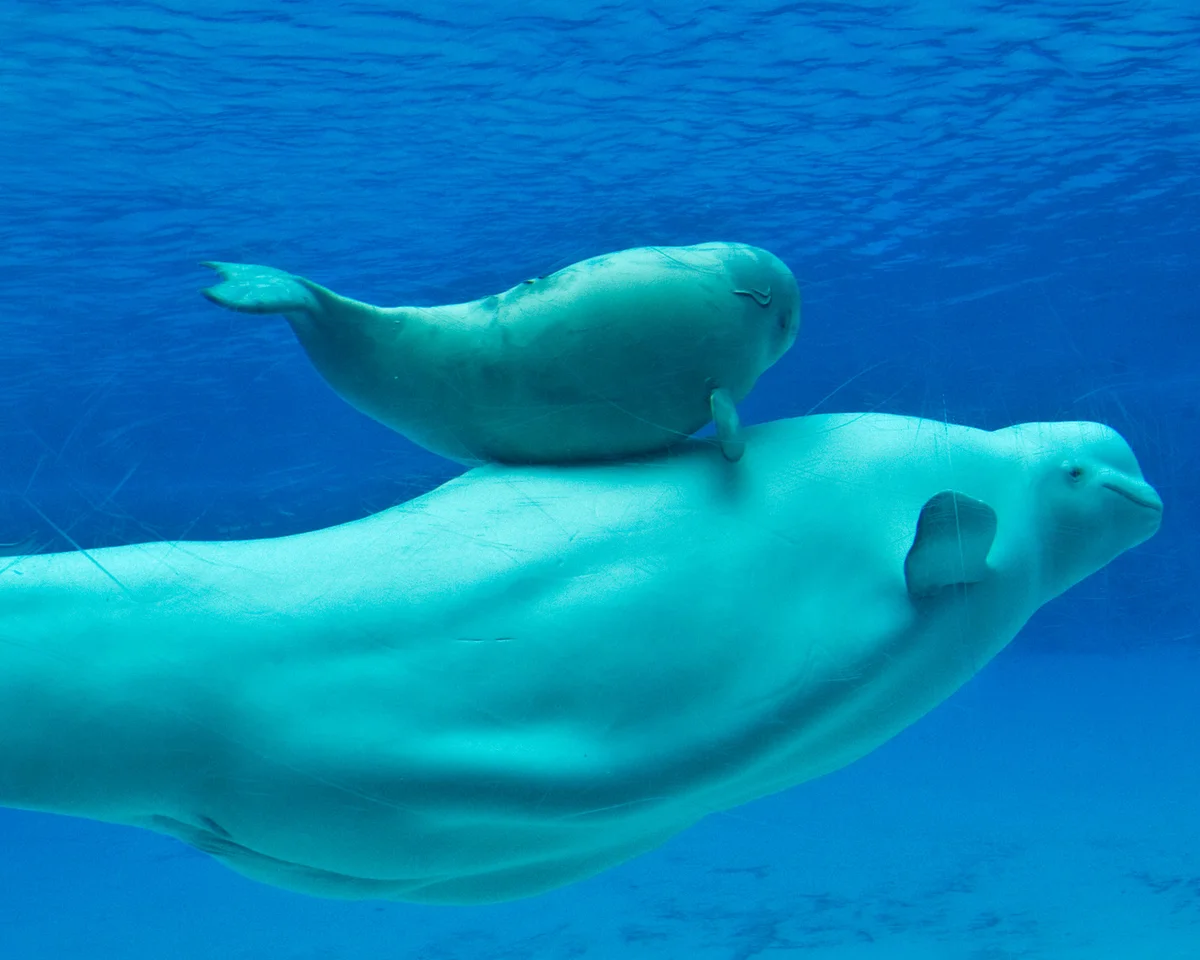
A Growing Emergency for Captive Beluga Whales in Canada
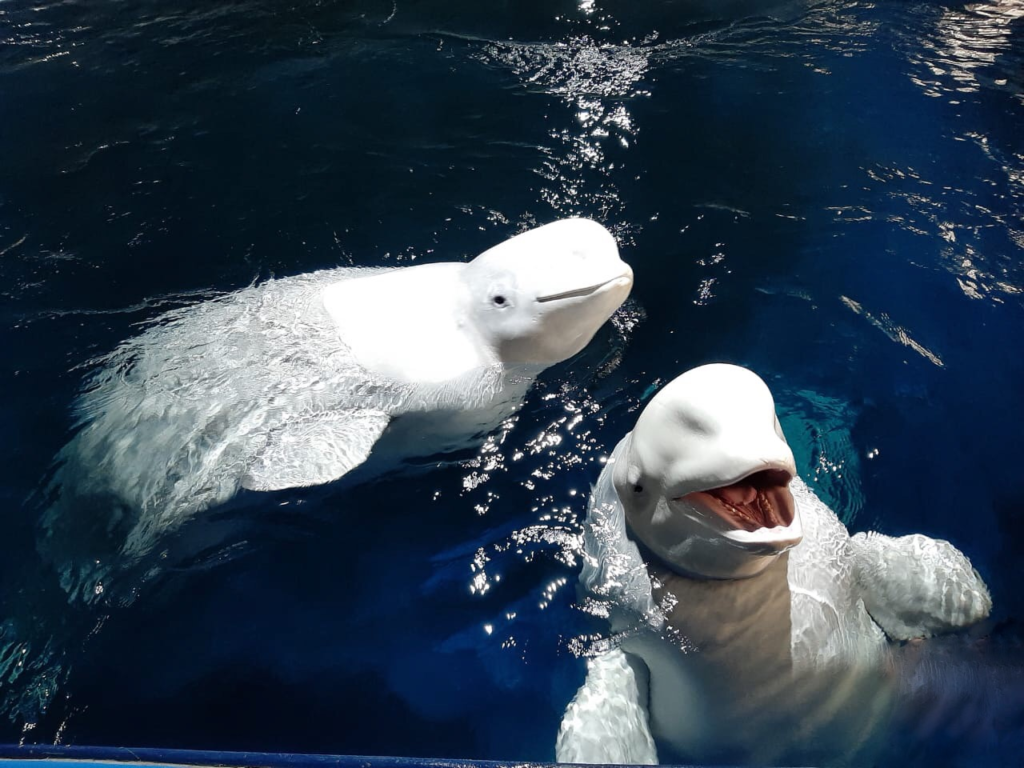
Thirty captive beluga whales in Canada are caught in an intensifying conflict involving Marineland, federal authorities, and animal rights advocates. The situation has escalated from a dispute over export permits to a full-scale welfare emergency, leaving the future of the captive beluga whales in Canada uncertain and increasingly dire.
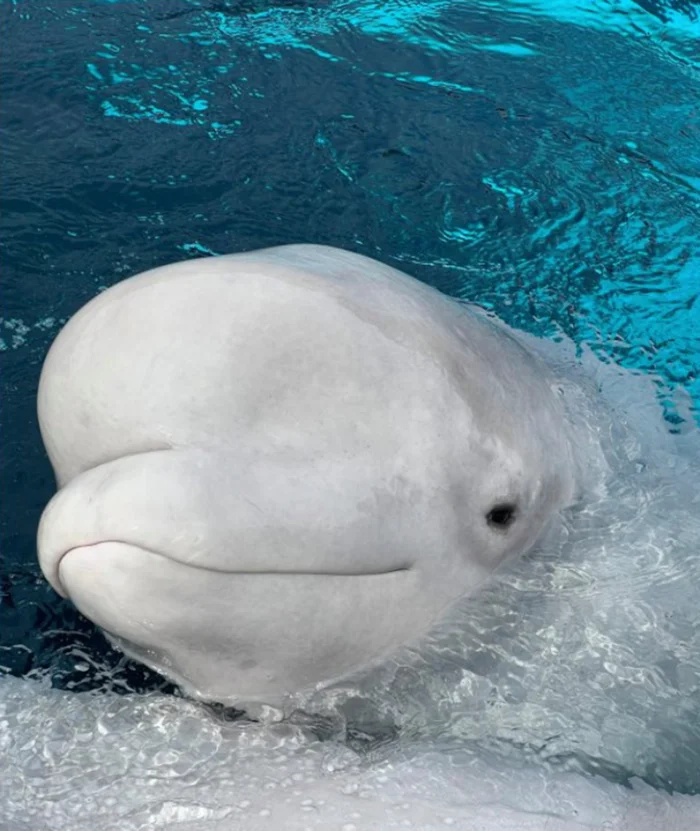
As political tension rises, the captive beluga whales in Canada continue to live in aging, deteriorating tanks that experts warn are no longer safe. Despite the whales’ unique personalities and strong emotional bonds with their trainers, ongoing debates over responsibility and funding have stalled meaningful action—further endangering the health and long-term wellbeing of the captive beluga whales in Canada.
Belugas With Personalities as Complex as People
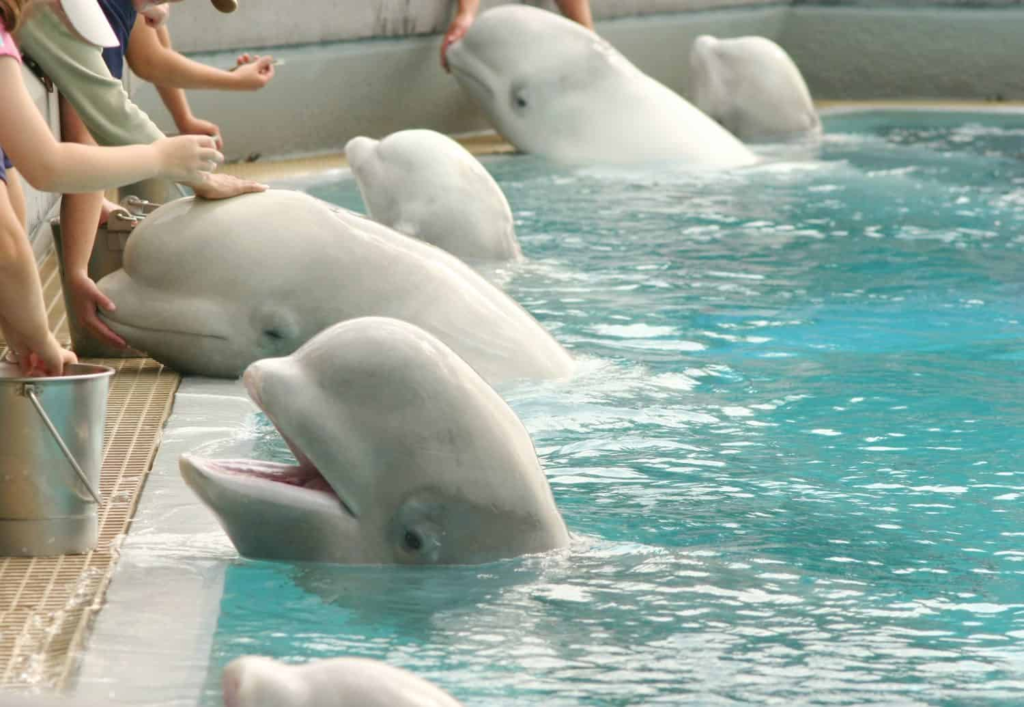
Former trainers describe the belugas as intelligent, curious beings with personalities as vivid as humans’. One trainer recalls affectionate whales like Lillooet, playful individuals such as Zephyr, and guardians like Orion. These relationships developed through years of trust-building, emotional connection, and daily interaction.
According to former staff, these whales are not interchangeable animals—each one has a history, emotional life, and established social structure that complicates any decisions about relocation or long-term care.
Deteriorating Facilities and Mounting Losses
During recent years, Marineland has suffered multiple deaths among its marine mammals, including belugas and its last surviving orca. Former employees insist these fatalities are tied to aging infrastructure and inadequate maintenance.
Some report that concrete from aging tanks has begun breaking apart, creating hazards for the curious whales who pick up the debris. Staff shortages have allegedly worsened the situation, leaving essential repairs and daily care tasks increasingly difficult to manage. https://www.theguardian.com/world/canada
Political Stalemate Leaves the Whales in Limbo
After federal authorities blocked the proposed sale of the whales to China—citing ethical concerns over continued performance-based captivity—Marineland warned it could not continue caring for the animals without government assistance. The threat of euthanasia added urgency to the situation, though trainers argue the logistics make such a plan nearly impossible.
Still, the political standoff has left the whales’ fate uncertain. Federal and provincial governments each insist the other holds primary responsibility, creating a bureaucratic deadlock while conditions decline.

Could a Beluga Sanctuary Be the Answer?
One proposed solution is a large-scale ocean sanctuary in Nova Scotia, designed to serve as a long-term refuge. Supporters say the planned facility would offer a more natural environment with open-water enclosures and enrichment modeled after professional marine care.
However, former trainers remain skeptical, calling the proposal experimental and cautioning that many belugas—especially those born and raised entirely in captivity—may not adapt safely to a semi-wild environment.
Why Relocation Is Not Simple
Animal welfare experts argue that the public often misunderstands the needs of belugas raised in artificial habitats. These whales have never hunted, navigated ocean territories, or experienced life outside controlled environments.
For some individuals, relocation may pose medical or psychological risks that exceed the dangers of remaining in upgraded human-managed facilities. Others may eventually be suitable for sanctuaries or specialized aquariums equipped to manage complex medical needs.
Provincial Powers: An Underused Solution
Legal experts say the provincial government has strong authority to intervene, seize the animals if necessary, and compel improvements. Despite public statements promising action, officials have yet to directly step in—resulting in mounting frustration among trainers, advocates, and veterinarians who warn that time is running out.
A System Failing Both Animals and Caretakers
The crisis reflects broader weaknesses in Canada’s animal welfare regulations. With multiple agencies sharing overlapping authority, responsibility becomes diffuse—and in periods of inaction, the animals suffer. Advocates stress that governments were warned long ago that Marineland’s decline was inevitable, yet contingency planning never materialized.
What Comes Next?
Whether through sanctuary placement, government intervention, or relocation to specialized facilities, experts agree on one point: immediate action is essential. Without a coordinated plan, the thirty captive beluga whales in Canada risk becoming casualties of prolonged political indecision.