
Blog

Greenland Shark Discoveries: Scientists Reveal New Secrets

Greenland Shark Discoveries Are Changing Everything We Thought We Knew Greenland shark discoveries are reshaping how scientists understand one of the ocean’s most mysterious animals. For years, researchers described the species as blind, slow, and primitive. New evidence now challenges those assumptions and reveals a predator far more capable than once believed. Marine scientists increasingly argue that the Greenland shark remains deeply misunderstood. Each discovery exposes how little humans know about life in the coldest and darkest parts of the ocean. Greenland Shark Discoveries and Long-Standing Myths Greenland sharks rank among the least studied large predators on Earth. They live in icy waters that limit human access and long-term observation. Because of this, scientists relied on brief encounters and indirect data. Researchers often mistook slow swimming for weakness. Many assumed cloudy eyes meant blindness. Others linked cold water to extreme ageing and minimal activity. https://www.youtube.com/watch?v=HCXJO8BQ2hA However, stomach content studies told a different story. Scientists found remains of seals and other large animals. These findings raised doubts about the idea that the sharks only scavenge. Greenland Shark Discoveries Show They Can See One of the most important Greenland shark discoveries overturns the belief that the species is blind. Although parasites attach to many sharks’ eyes, retinal studies reveal healthy internal structures. Scientists examined eye tissue, genetics, and molecular function. They found retinas capable of detecting light and contrast. These results suggest that the parasites do not destroy vision. Instead, Greenland sharks likely use sight alongside other senses to hunt and navigate. Active Hunters, Not Drifting Relics New observations show Greenland sharks behave with intention. Submersibles and underwater cameras captured sharks moving vertically through the water column. Researchers also recorded controlled fin movements. These motions resemble those of marine mammals that rely on precision rather than speed. This behaviour challenges the idea of clumsiness. Greenland shark discoveries now point to energy efficiency as a survival strategy. In cold environments, conserving energy matters more than chasing prey. Rethinking the Age of Greenland Sharks The claim that Greenland sharks live for 500 years gained global attention. Scientists based the estimate on radiocarbon dating of eye tissue. Some experts now question that precision. Radiocarbon methods work best over long geological timescales. They become less accurate over a few centuries. Greenland shark discoveries suggest long life spans remain likely. Still, scientists cannot yet confirm an exact maximum age. Greenland Sharks Live Far Beyond the Arctic Despite their name, Greenland sharks do not stay near Greenland alone. Cold water allows them to inhabit shallow northern seas. Tracking data also places them at extreme depths in warmer regions. These findings suggest the species travels enormous distances. A single shark may cross entire ocean basins during its lifetime. As a result, Greenland shark discoveries raise serious conservation questions. Protection efforts may require international coordination. Climate Change Raises New Questions The Arctic warms faster than any other region on Earth. This rapid change adds urgency to Greenland shark research. The species appears flexible in diet. However, scientists know almost nothing about reproduction. No confirmed record of a pregnant female exists in recent decades. Without this information, researchers struggle to predict how environmental change will affect future populations. What Greenland Shark Discoveries Teach Us Greenland shark discoveries highlight the danger of scientific assumptions. For decades, appearance shaped perception more than evidence. Researchers now suspect the species is cautious, intelligent, and highly adapted. Each study reveals another gap in human understanding. As exploration technology improves, scientists expect more surprises. The Greenland shark may prove not ancient and fragile — but resilient, strategic, and still full of secrets.ion is becoming clear — the Greenland shark is not a living fossil drifting through time, but a sophisticated animal still holding many secrets beneath the ice.


Read More

Digital Detox Experiment: Living One Month Without a Smartphone

What I Learned LiWhat I Learned Living One Month Without a Smartphone This digital detox experiment began after a moment that shook me. While walking down the street, completely absorbed in my phone, I failed to notice a robbery unfolding inches away. That experience forced me to confront an uncomfortable question: how much of real life was I missing while staring at a screen? Like many people, my smartphone dictated my days. Each morning, before breakfast, I scrolled through social media, skimmed headlines, replied to messages, checked maps, and opened emails. Throughout the day, I paid for food, navigated the city, documented moments, and remained constantly available. By evening, I streamed shows while shopping online and messaging friends. My phone rarely left my hand—and as a result, my attention never fully rested. Eventually, I decided to step away. For one month, I replaced my smartphone with a basic mobile phone, a paper map, physical bank cards, a film camera, books, newspapers, and a music player. Screens were allowed only for work during office hours; everything else moved back to analogue. Why I Tried a Digital Detox Experiment Research increasingly links heavy screen use to anxiety, poor sleep, and reduced attention span. Moreover, experts argue that digital platforms are intentionally engineered to keep users scrolling, responding, and returning for more. Over time, this constant stimulation trains the brain to crave novelty while struggling with boredom. Because of this, I wanted to know whether removing that stimulation would make daily life calmer—or simply unbearably inconvenient. Week One: Discomfort, Slowness, and Social Friction The first few days felt awkward and inefficient. Suddenly, even simple tasks required planning. I had to write directions down, remember bus numbers, and rely on strangers for help. Texting became slow and deliberate. Without instant navigation or quick replies, I arrived late, took wrong turns, and often felt unprepared. Meanwhile, friends grew frustrated. They missed voice notes, quick links, and instant responses. Some joked that I had become unreliable. At the same time, I noticed how often I reached for my phone out of habit—only to remember it could no longer offer distraction. Yet something unexpected happened. I started reading on public transport. I noticed buildings, weather, and people. Gradually, my thoughts wandered in ways they hadn’t for years. Week Two: Awareness and Presence Return By the second week of the digital detox experiment, my anxiety began to settle. I no longer felt the urge to check notifications that didn’t exist. As a result, conversations became more focused. At concerts, I watched instead of recording. At cafés, I read or observed instead of scrolling. Listening to full albums without skipping tracks felt grounding. Similarly, cooking without recipes encouraged creativity. Even boredom became tolerable—and, occasionally, enjoyable. However, practical frustrations remained. Banking without apps proved stressful. Payments took longer, and travel required patience. In many cases, convenience had been masking effort rather than eliminating it. Week Three: Calm Replaces Urgency By the third week, the fear of getting lost or missing out faded. I trusted my memory more. Instead of rushing, I remembered landmarks, arrived early, and waited without irritation. Social time felt richer, since phones no longer interrupted conversations. Still, the experiment placed pressure on others. Friends had to manage maps, bookings, and logistics. Consequently, I depended on them more than I liked, which revealed how digital tools often distribute responsibility unevenly. What a Month Without a Smartphone Taught Me This digital detox experiment didn’t make life easier—but it did make it quieter. I slept better, read more, and felt less reactive overall. Without constant notifications, my mood steadied. Evenings, once fragmented by screens, belonged to me again. At the same time, I recognised that total disconnection isn’t realistic in modern life. Smartphones are deeply embedded in systems of transport, finance, and communication. Therefore, opting out entirely creates friction—for yourself and for others.https://www.youtube.com/watch?v=-gGhJrUTs6M Will I Go Back to My Old Digital Habits? Not completely. When the month ended, I felt reluctant to return to endless scrolling and constant availability. Instead, I chose to remove my most addictive apps, limit evening screen use, and reintroduce clear boundaries around communication. Ultimately, this experiment showed me that technology itself isn’t the enemy—but unexamined use is. Digital tools should serve life, not replace it. Stepping away proved one thing clearly: presence is a skill, and like any skill, it improves with practice.

Read More

Liverpool vs Marseille Match Report: Szoboszlai Stars

Reds Cruise to Convincing European Win This Liverpool vs Marseille match report captures a composed and confident performance from the Reds, who brushed aside Marseille at a hostile Stade Vélodrome. Far from being overwhelmed by the atmosphere, Liverpool controlled the tempo, punished defensive errors, and took a major step toward automatic qualification for the Champions League last 16. Despite expectations of an intense test from Roberto De Zerbi’s side, Marseille never truly unsettled Liverpool. Instead, Arne Slot’s team looked sharper, calmer, and far more clinical throughout the night. Szoboszlai Sets the Tone with Clever Free-Kick Liverpool’s breakthrough arrived after sustained pressure forced Marseille into another costly mistake. Ryan Gravenberch drew a foul just outside the penalty area, and Dominik Szoboszlai made no mistake from the resulting free-kick. Spotting gaps in the defensive wall and the goalkeeper’s positioning, the midfielder drove a low strike into the corner. The goal came as a relief for Szoboszlai, who had endured recent criticism, and it set the tone for Liverpool’s dominance. https://www.youtube.com/watch?v=HUO65ApQgLw Salah Returns as Liverpool Control the First Half Mohamed Salah returned to the starting lineup and added sharpness to Liverpool’s attack. From the opening stages, the visitors pressed aggressively and forced Marseille into repeated errors while building confidently from midfield. Alexis Mac Allister dictated play, while Virgil van Dijk marshalled the defence with authority in his landmark appearance. Liverpool created several early chances, including a disallowed effort and a spectacular volley attempt from Salah that narrowly missed the target. Meanwhile, Marseille struggled to settle. Their possession play lacked fluency, and Liverpool’s pressing repeatedly cut off passing lanes. Marseille Improve After the Break but Lack Precision After halftime, Marseille showed greater urgency. Mason Greenwood tested Alisson with a long-range effort, and a swift counterattack almost produced a goal when Hamed Traoré failed to convert a clear chance. However, Liverpool continued to threaten on transitions. Hugo Ekitiké struck the post after a perfectly weighted pass from Szoboszlai, while further chances went begging. Although Liverpool briefly lacked ruthlessness, their control never truly faded. Frimpong Forces Own Goal to Seal the Win Liverpool finally extended their lead thanks to Jeremie Frimpong’s relentless run down the flank. After combining neatly with teammates, his low cross caused chaos in the Marseille defence and deflected into the net off a combination of defender and goalkeeper. The goal silenced the home crowd and reflected Liverpool’s superiority on the night. In stoppage time, the Reds added a third when a rapid break ended with Cody Gakpo finishing calmly from close range. What the Result Means for Liverpool This result highlighted Liverpool’s growing confidence in Europe. The team looked balanced, disciplined, and efficient — a sharp contrast to recent domestic frustrations. With Salah reintegrated smoothly and midfield leaders stepping up, Liverpool appear well placed to progress deep into the competition. For Marseille, the night exposed defensive fragility and a lack of composure under pressure. Final Thoughts from the Liverpool vs Marseille Match Report Liverpool never needed to reach top gear, yet they controlled the match from start to finish. Szoboszlai’s intelligence, Salah’s influence, and a solid defensive display combined to produce a deserved and convincing victory. If this performance is any indication, Liverpool’s European campaign is very much back on track.

Read More

Akyaka Turkey Travel Guide: A Coastal Escape

Akyaka Turkey Travel Guide: A Seaside Town That Still Feels Like Old Turkey This Akyaka Turkey travel guide introduces a coastal town where time moves gently and traditions remain strong. As the sun sinks behind the surrounding mountains, Akyaka begins its quiet transformation. The beach clears, sunbeds disappear, and soft lights glow beside wooden tables near the shore. Meanwhile, locals sit barefoot in the sand, chatting, knitting, or watching the sky turn from gold to deep violet. As a result, the town feels calm, human, and deeply welcoming. Located on the eastern edge of Gökova Bay, Akyaka feels refreshingly untouched. While much of Turkey’s coastline has rushed toward large-scale resort development, this town has chosen a different path. Instead, it protects its character and embraces a slower, more meaningful way of life. Why Visit Akyaka, Turkey? A True Slow-Living Destination One reason travelers love Akyaka is what it lacks. You won’t find towering hotels, glass-fronted resorts, or massive all-inclusive complexes. Instead, low-rise buildings dominate the streets, inspired by traditional Ottoman architecture. Wooden balconies, local stone, and blooming bougainvillea shape the town’s gentle beauty. Moreover, this architectural style traces back to poet and architect Nail Çakirhan, who settled here in the 1970s. His vision blended local materials with traditional design, and others soon followed his lead. Consequently, Akyaka developed a unified and timeless look that still defines it today. In addition, Akyaka belongs to Turkey’s Cittaslow (Slow City) movement. This status supports sustainability, cultural preservation, and quality of life. Because of this, the town feels lived-in rather than manufactured for tourism. Akyaka Turkey Travel Guide to Food, Nature, and Simple Joys Life in Akyaka revolves around simple pleasures. For example, mornings often start with Turkish coffee and warm simit by the water. Afterward, visitors stroll along the clear Azmak River, where fish restaurants line the banks and trees reflect in turquoise water. Food plays a central role here. Fresh sea bream arrives grilled with lemon, while Adana kebabs bring rich spice and depth. Alongside these, silky aubergine dishes, thick garlic yoghurt, and sticky pistachio baklava complete the table. Breakfasts arrive generously, with tomatoes, herbs, börek, eggs, jams, and honey. As a result, meals feel slow, social, and satisfying.https://www.theguardian.com/travel/turkey Akyaka Beaches and Kitesurfing: Nature Meets Adventure Although Akyaka feels peaceful, it also attracts adventure lovers. In fact, this Akyaka Turkey travel guide would be incomplete without mentioning its watersports scene. From late spring to autumn, reliable thermal winds blow almost daily. Just outside town, Akçapınar Beach fills with colorful kites as surfers skim across shallow water. Because the conditions stay steady and safe, beginners and experienced riders both thrive here. Beyond the beach, visitors can hike forest trails, paddleboard at sunrise, or swim in calm early-morning seas. A Refreshing Alternative in This Akyaka Turkey Travel Guide Turkey’s tourism scene continues to change. Luxury mega-resorts, health tourism centers, and enclosed all-inclusive hotels now dominate many regions. At the same time, rising prices have reshaped the country’s reputation as a budget destination. However, Akyaka resists these trends. The town mainly welcomes domestic travelers, which helps keep prices fair and experiences genuine. For instance, a simple local meal still feels affordable and generous. More importantly, hospitality remains warm and personal. Is Akyaka the Right Destination for You? If you seek rooftop cocktail bars, luxury spas, and nightlife until dawn, Akyaka may disappoint you. On the other hand, if you value slow mornings, backgammon by the sea, and sunsets that glow silver and blue, this town delivers deeply. Akyaka doesn’t chase attention or glamour. Instead, it stays true to itself. And that honesty makes it unforgettable.

Read More

Barbican Centre Renovation Begins

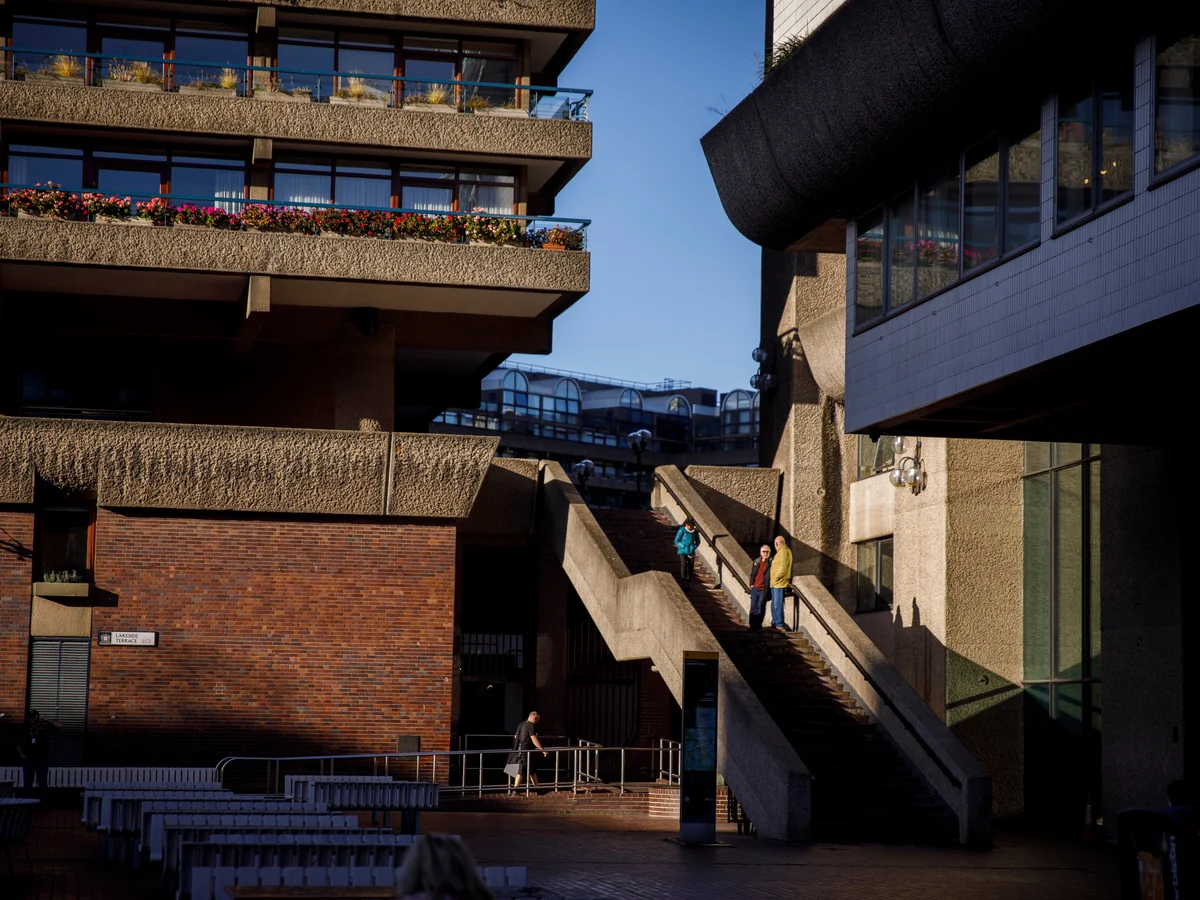
BBarbican Centre Renovation to Transform a ‘Bewildering’ London Icon The Barbican Centre renovation begins a major new chapter for the famous arts venue. The building has long impressed visitors with its bold, concrete architecture. However, its confusing layout and ageing structure now demand urgent attention. Because of this, the new project aims to improve accessibility, modernise facilities and create a far more enjoyable experience for everyone. A £451m Upgrade to Revive a Tired Landmark The first phase of the renovation costs £231m and addresses the most urgent structural problems. Cracked tiles, leaking surfaces and worn materials allow water to seep into the rooms below the lakeside terrace. These issues highlight the scale of the work ahead. Inside the building, engineers face an even greater challenge. Huge heating tanks sit deep within the structure, including one that once held 250,000 litres of water. The team now needs to cut these tanks apart and remove them piece by piece. They describe the task as messy and risky because the original design placed the plant system at the core of the building. The team plans to complete the renovation in time for the venue’s 50th anniversary in 2032. Solving Accessibility Issues and Improving Navigation One of the main goals of the Barbican Centre renovation is clear navigation. Many visitors feel lost as soon as they walk inside. The centre’s unusual layout, numerous entrances and shifting floor levels make simple routes difficult to follow. https://www.theguardian.com/culture/barbican To solve this, the project introduces several improvements: The conservatory also becomes fully accessible for wheelchair users, which marks an important step toward inclusion. Repairing the Lakeside Area and Refreshing Public Spaces The lakeside terrace, popular with visitors and local residents, will change significantly. Workers will remove the cracked tiles and replace them with durable, modern materials that still match the building’s iconic style. Inside the centre, the team will remove worn carpets and outdated interiors. These updates will create a brighter, cleaner and more welcoming space for the 1.5 million people who visit each year. Why the Barbican Feels Like a Maze The Barbican’s confusing layout is part of its history. Architects designed the arts centre around residential towers, walkways and a lake that were already in place. As a result, entrances appear in unexpected locations, and different levels connect in unusual ways. For years, even experienced visitors have lost their way. Many performers and public figures have reported wandering through long corridors or climbing the wrong stairs. The renovation now focuses on bringing order to this unique but challenging design. A New Future for a Landmark of Mid-Century Design The Barbican originally served the people who lived in the surrounding estates. Over time, it grew into one of the UK’s most important arts destinations. Its theatre, concert hall, gallery and conservatory continue to attract audiences from around the world. With the Barbican Centre renovation, the team hopes to protect the building’s architectural heritage while improving comfort and accessibility. The refreshed centre aims to welcome a new generation of visitors and remain a vital cultural landmark in London.

Read More

Most Beautiful Churches and Cathedrals in Europe

Most Beautiful Churches and Cathedrals in Europe: A Journey Through Architecture, Art and History The most beautiful churches and cathedrals in Europe are far more than historic monuments—they are cultural treasures shaped by centuries of devotion, artistry and architectural innovation. From soaring Gothic towers to modernist sanctuaries, the most beautiful churches and cathedrals in Europe offer travellers unforgettable encounters with beauty, tranquillity and living history. Whether tucked away in remote fields or rising above vibrant cities, these sacred spaces reveal why many consider them the most beautiful churches and cathedrals in Europe. Norway: Modernist Wonder Beneath the Northern Lights The Arctic Cathedral in Tromsø stands as one of Scandinavia’s most striking modernist structures. Its sharply angled façade echoes the peaks and snow-covered landscapes of northern Norway, while its interior glows with warmth and simplicity. Comfortable pews, soft lighting and a powerful glass mosaic—“The Return of Christ”—create a serene spiritual atmosphere.Stepping outside after an evening organ recital to see the northern lights shimmering overhead transforms the visit into an awe-inspiring memory. https://www.theguardian.com/travel/cultural-trips France: Medieval Majesty and Watching Gargoyles in Rodez High above the River Aveyron rises the pink sandstone cathedral of Rodez—a monumental fortress-like structure that has survived centuries of conflict and plague. Inside, towering pillars and vast vaulted ceilings create a breath-catching sense of wonder.Outside, hundreds of gargoyles seem to emerge from the stone as if fossilised in motion, watching over the city with eerie expression. It’s an unforgettable blend of engineering brilliance and medieval imagination. Italy: Architectural Evolution in Brescia Brescia offers visitors a rare chance to explore two cathedrals side by side: Together, these two buildings form a living timeline of Italy’s architectural transformation from the Middle Ages to the Baroque era. Germany: A Modernist Cathedral of Light in Neviges Maria, Königin des Friedens—often called the Mariendom—is a one-of-a-kind cathedral constructed in the 1960s. Its angular concrete rooflines and asymmetrical galleries form a bold sculptural exterior. Inside, stained-glass windows cast brilliant colour across the space, filling the cathedral with unexpected warmth.Just minutes away, visitors can also experience the Wuppertaler Schwebebahn, an 8-mile suspension railway that adds an extra layer of adventure to the trip. Switzerland: Lausanne Cathedral With Alpine Views Perched above Lake Geneva, Lausanne Cathedral offers panoramic views that stretch from the old town to the snow-capped Alps. Dating back to the 12th century, the cathedral features elegant Gothic architecture, beautiful stone carvings and a bell tower that visitors can climb for an even more dramatic view.Free concerts, art events and exhibitions make it one of Switzerland’s most vibrant cultural venues. Scotland (Orkney): A Chapel Built From Hope During War The Italian Chapel in Orkney is a moving testament to creativity and faith. Built by Italian prisoners of war in the 1940s using two Nissen huts, scraps of metal and improvised materials, the chapel is filled with hand-painted details and heartfelt craftsmanship.It remains one of the most emotionally powerful small churches in Europe. England: A Remote Oxfordshire Church With Ancient Roots St Oswald’s in Widford sits quietly in a solitary field, accessible only via a footpath. From the outside it resembles a simple barn, but inside it reveals layers of English history: Its peaceful isolation gives it an almost mystical atmosphere. Bulgaria: Walls Covered in Brilliant Colour In the village of Arbanasi lies the Church of the Nativity—unassuming from the outside but breathtaking within. Every inch of the walls and ceiling is covered with vivid Orthodox frescoes depicting biblical scenes and saints.The immersive artwork creates a sense of wonder that overwhelms the senses. England (Kent): A Chapel Illuminated by Chagall’s Windows All Saints Church in Tudeley is a modest 12th-century building with an extraordinary secret: all twelve of its stained-glass windows were designed by the renowned artist Marc Chagall.His luminous blue tones transform the interior into a dreamlike world of colour and light. It is the only church in the world where every window is Chagall’s work, making it a uniquely magical destination. Conclusion: Europe’s Sacred Spaces Offer Endless Wonder From modernist masterpieces to medieval sanctuaries, Europe’s most beautiful churches and cathedrals are full of stories waiting to be discovered. Whether you seek peaceful contemplation, artistic excellence or extraordinary architecture, these remarkable sites offer unforgettable moments of beauty across the continent.

Read More

Vinted RE/Style Fashion Competition: Preloved to Runway

The Vinted RE/Style Fashion Competition brings together eight emerging designers who transform preloved clothing into high-fashion looks. As the Vinted RE/Style Fashion Competition unfolds, contestants face weekly challenges that test their creativity, skill, and commitment to sustainable fashion. Viewers who follow the Vinted RE/Style Fashion Competition will see how secondhand garments can be reinvented into runway-ready designs, proving that style and sustainability can thrive together. A Fashion Series with a Sustainable Twist Unlike many other competition shows, RE/Style introduces two major differences. First, every task requires contestants to transform secondhand clothing into runway-ready looks. Second, no one gets eliminated. Instead, each episode names a “head designer” while also identifying who struggled; however, all contestants continue to the finale. As a result, viewers can follow longer story arcs and watch the designers grow, learn and redeem themselves. Hosted by Emma Willis, the series highlights reinvention, individual creativity, and the vast potential hidden within preloved garments. https://www.theguardian.com/restyle-recapped/2025/oct/13/vinted-fashion-show-episode-1-meet-the-eight-designers?CMP=share_btn_url Meet the Eight Designers The first episode introduces a strikingly diverse group of designers, each bringing a unique background and aesthetic: Together, they create a vibrant mix of voices, consequently turning the competition into a true showcase of European creativity. Episode One: Signature Style Challenge Designer Henry Holland joins the judges for the opening challenge. The task sounds simple at first: create a signature look using only preloved pieces in just six hours. However, the tight deadline quickly adds pressure. Highlights from the workshop include: As the episode unfolds, the designers prove that secondhand fashion can evolve into high-end, polished looks. Runway Reactions & Sustainability Spotlight For the runway reveal, sustainability advocate Stacey Dooley joins the judging panel. She highlights how vital clothing reuse has become as the fashion industry continues to generate overwhelming waste. Several designs lean into western themes, mirroring the ongoing cowboy revival across global style trends. Meanwhile, other pieces embrace theatricality and bold experimentation. Although some contestants race against time, others deliver impressively polished results. The judges ultimately choose one “head designer,” but viewers will need to watch the episode to discover who claims that title. Finding Your Own Signature Style Beyond entertainment, the show offers useful lessons for anyone trying to build a personal style. Today, algorithms often push identical clothing trends. Therefore, exploring preloved pieces can help break that cycle and encourage individuality. Developing your style involves: Preloved fashion encourages low-risk experimentation and minimal waste. Consequently, even a spontaneous purchase can become a wardrobe favourite. Why Vinted Helps You Explore Your Look Vinted’s marketplace supports personal style exploration by offering: Whether you prefer classic vintage pieces, streetwear, or eclectic experimentation, Vinted gives you endless ways to reinvent your wardrobe sustainably.

Read More

Best UK Pop-Up Ice Rinks: Top 10 Christmas Skating Spots

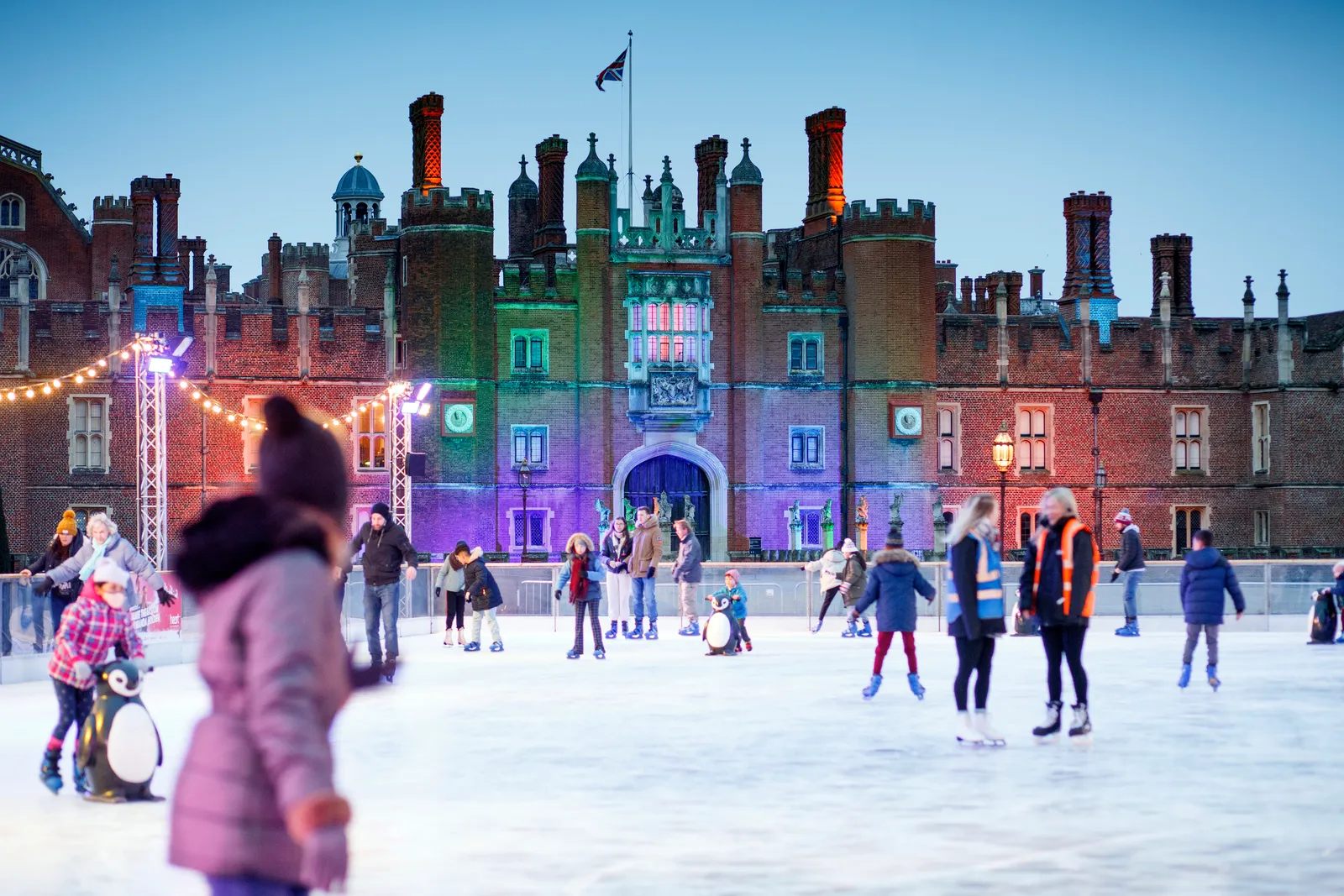
Best UK Pop-Up Ice Rinks: Top 10 Christmas Skating Spots The UK transforms into a winter wonderland every December, with pop-up ice rinks appearing in cities, towns, seafronts and market squares. Whether you want rooftop views, a festive village, or a scenic coastal backdrop, these UK pop-up ice rinks offer magical skating experiences for all ages. Below are 10 of the best places to glide into Christmas this season. City Skating at Leicester Square, London London’s Leicester Square has unveiled its first-ever circular ice rink, wrapped around the historic Shakespeare statue at its centre. Skating sessions run every 15 minutes, from morning to late evening, making walk-in visits easy. Surrounding the rink are stalls serving mulled wine, hot chocolate and seasonal snacks, alongside a lively Christmas market. A portion of ticket sales goes toward charity through an optional £2 donation. Tickets: Adults from £14.50, children from £9.50Runs until: 4 January Rochdale’s Ice Rink & Festive Dining Rochdale’s historic town hall square now hosts an affordable family-friendly ice rink. With children’s tickets starting at just £4 and free entry for teachers on school visits, it’s perfect for groups. Visitors can enjoy choral concerts, festive markets, and the Martlet Kitchen’s Christmas dining menus featuring seasonal soups, turkey dishes and indulgent desserts. Seasonal cocktails add to the festive cheer. Tickets: Adults from £13.50Runs until: 4 January Shop & Skate at Cheshire Oaks Designer Outlet Cheshire Oaks combines shopping and skating with its covered ice rink and outdoor ice path looping around the giant Christmas oak tree. Families will love the winter village complete with Santa visits, an alpine lodge cinema, and fairground rides. Adults can unwind with bratwurst, mulled wine or book cosy Christmas huts—two even come with karaoke. Tickets: Adults from £12.50Runs until: 4 January Victorian Market Ice Rink in Preston Set under a beautifully restored Victorian market canopy, Preston’s new rink offers live music every weekend, a ski-chalet-style food bar and an old-town atmosphere. Nearby attractions include the refurbished Harris Museum and the new Animate entertainment complex with bowling, cinema and street-food stalls—making it an ideal full-day outing. Tickets: Adults from £12Runs until: 4 January Waterfront Skating at Milford, Pembrokeshire For three festive days, Milford Waterfront hosts a pop-up ice rink overlooking the marina. Visitors can enjoy a Santa trail, Christmas gallery showcases, a lights switch-on event and seasonal performances. The surrounding independent shops and cafés make it a charming winter stopover. Tickets: Adults £7.50Dates: 12–14 December Clydeside Christmas Village, Glasgow This riverside winter village features a covered ice rink, a heated alpine bar, one of Scotland’s tallest Christmas trees and a funfair. During the day, it’s family-friendly; in the evenings, it transforms into a lively festive hangout. Santa also visits on select December weekends. Tickets: Adults from £11.25Runs until: 4 January Farmyard Skating at White House Farm, Norfolk White House Farm near Norwich has turned its Great Barn into a magical indoor rink surrounded by decorated trees, craft stalls and festive food. The farm’s converted barns now house studios, cafés and artisan shops, making it an ideal location for Christmas shopping and winter treats. https://www.theguardian.com/profile/racheldixon Tickets: Adults £15Runs until: 4 January Seafront Skating in Torquay, Devon Torquay’s seafront rink sits beneath a glowing canopy and is part of the Bay of Lights, an expansive illumination trail across the Riviera towns. Expect lantern parades, huge light installations, projection shows and even an illuminated steam train ride linking nearby villages. It’s one of the most visually spectacular UK pop-up ice rinks this season. Tickets: Adults £12.58Runs: 6 December – 2 January Beachside Ice Rink at Watergate Bay, Cornwall Cornwall’s first beachside rink offers sweeping views of Watergate Bay through its glass-fronted marquee. Skaters can enjoy wood-fired pizza, mulled wine and hot chocolate, or treat themselves to spa passes, festive breaks or après-skate dining across the hotel’s three restaurants. Tickets: Adults from £17Runs until: 11 January London’s Rooftop Rink in Peckham Peckham’s Bussey Rooftop Bar hosts what it calls London’s highest ice rink, offering panoramic city views. DJs spin Christmas hits on weekend evenings, while the winter lodge serves festive spritzes, pizzas, pigs in blankets and boozy hot chocolate. Special events like bauble-painting workshops and New Year parties add to the atmosphere. Tickets: Adults from £14Runs until: 1 January Why Visit These UK Pop-Up Ice Rinks? From towering Christmas trees to seaside skylines, each rink delivers a unique winter experience. Whether you’re planning a family day out, festive date night or holiday getaway, these UK pop-up ice rinks offer unforgettable moments and seasonal magic.

Read More

Luxury Sleeper Bus Amsterdam Zurich

Twiliner Luxury Sleeper Bus: Amsterdam to Zurich Overnight Experience Europe’s travel landscape has a new contender for overnight journeys: the Twiliner luxury sleeper bus Amsterdam Zurich route. Offering flat-bed seats, sustainable fuel, and business-class comfort, this 12-hour journey transforms long-distance bus travel into a restful, modern experience. First Impressions of the Sleeper Bus Boarding at Amsterdam Sloterdijk station, the Twiliner’s striking purple exterior immediately stands out. Inside, the upper deck features 18 fully reclining flat-bed seats with USB ports, personal lighting, and expansive views. Lower deck facilities include a restroom, changing area, self-service snacks, free Wi-Fi, coffee, and ear plugs. A mesh foot strap secures your legs safely while traveling at speeds up to 50 mph, allowing passengers to relax fully. The calm onboard atmosphere is enforced by policies limiting children under five and restricting loud food, drink, and noise. The result is an overnight experience more akin to a luxury train or business-class flight. Comfort and Design Seats are manufactured by Airline Services Interiors in Manchester and are modeled after premium airline business-class seats. Each converts into a flat bed with a quilted blanket and pillow. Boarding can feel novel at first, but within minutes, the luxury becomes apparent. Passengers can stretch out fully, nap undisturbed, and enjoy unobstructed views of passing European landscapes. During the 12-hour journey, temperature fluctuations may occur, but Twiliner is actively adjusting climate controls. Sleeping across borders in comfort demonstrates how this luxury sleeper bus Amsterdam Zurich service combines convenience and sustainability. https://www.youtube.com/watch?v=uG2aHDirXuk Sustainable Travel at Night Twiliner’s fleet runs primarily on hydrotreated vegetable oil (HVO), a renewable diesel, producing less than 10% of the CO2 emissions of a comparable flight. Even when regular diesel is used, emissions per passenger kilometre are comparable to night trains. By reducing reliance on short-haul flights, Twiliner offers a greener alternative for European travel while maintaining comfort and efficiency. The Route and Travel Experience The Amsterdam to Zurich route spans Rotterdam, Brussels, Luxembourg, and Basel. Passengers can sleep through the majority of the journey, waking refreshed in Zurich. Stops are minimal, and luggage allowances are generous. Twiliner plans to expand to 25 routes by 2028, including possible UK connections. Travelers can pair the Twiliner with Eurostar connections from London, offering seamless access to continental Europe. This overnight option saves daytime hours and provides a unique, comfortable travel experience. Arrival in Zurich Rolling into Zurich on a crisp morning, passengers are greeted by the city’s winter charm, with frosty streets and local Christmas markets. The bus docks conveniently, allowing travelers to quickly reach hotels or continue their journey. For instance, the nearby Helvetia Hotel offers high-end accommodations, making the combination of Twiliner travel and a city stay ideal for exploring Zurich efficiently and comfortably. Why Choose Twiliner The luxury sleeper bus Amsterdam Zurich is perfect for travelers seeking an eco-friendly alternative to flights, combined with business-class comfort. It is especially suited for those prioritizing overnight rest, scenic views, and convenience. This service reimagines European bus travel and raises the standard for overnight transit.

Read More

Christmas Fast Food Taste Test: Best Festive Menu Highlights

Christmas Fast Food Taste Test: Seven Festive Treats Tried The holiday season is here, and fast food chains are decking their menus with seasonal specials. From cranberry katsu curry to thickly glazed Christmas doughnuts, it’s hard to know which items truly taste festive. In this Christmas fast food taste test, we sampled seven offerings to see which bring real holiday cheer—and which leave you cold. This Christmas fast food taste test highlights the best and most creative seasonal treats for fans of festive fast food. Wagamama Chicken Cranberry Katsu Curry – £15.30 Wagamama’s chicken katsu curry gets a festive twist with tart cranberries. The base remains the familiar mound of rice and breaded chicken, but cranberries add a subtle holiday sweetness. It doesn’t overwhelm the dish and creates a playful Christmas note. This dish ranked high in our Christmas fast food taste test for its clever seasonal twist, proving that simple additions can bring big festive flavor.esn’t overwhelm the dish and creates a playful Christmas note. This dish ranked high in our Christmas fast food taste test for its clever seasonal twist. Greggs Festive Bake – £2.10 Greggs’ Festive Bake updates the classic chicken bake with sage, onion, and cranberry. Slightly grey in appearance, the flavors capture a comforting seasonal taste. In our Christmas fast food taste test, it scored moderately, offering a reliable festive snack without overcomplicating the original. McDonald’s Grumble Pie and Double Big Tasty Meal – £2.39 / £9.49 The Grumble Pie impresses with cranberry and custard filling, adding a quirky festive touch to the traditional apple pie. The Double Big Tasty meal, while tasty, delivers minimal Christmas spirit. In this Christmas fast food taste test, the Grumble Pie was a standout seasonal treat. KFC Stuffing Tower Burger – £9.49 KFC’s Stuffing Tower Burger includes a cranberry twist alongside sage and onion. While “stuffing” alone isn’t inherently festive, the combination elevates the tower burger. Our Christmas fast food taste test highlighted this as a creative seasonal option for burger lovers. https://www.theguardian.com/food/fast-food Nando’s Total Sleigh Burger – £10.95 The Total Sleigh Burger tries to add holiday flair with bubble-and-squeak croquettes. Unfortunately, these seasonal additions overwhelm the core burger, making it one of the weaker entries in our Christmas fast food taste test. Krispy Kreme Festive Dozen – £21.99 Krispy Kreme celebrates Christmas with themed doughnuts shaped like snowmen, Santas, and Christmas trees. While playful in design, the flavors remain classic. In our Christmas fast food taste test, this dozen is perfect for anyone seeking visually festive treats. Final Thoughts This Christmas fast food taste test shows that festive flavors can vary widely—from subtle cranberry twists to indulgent, visually striking desserts. In our Christmas fast food taste test, Wagamama’s katsu curry, McDonald’s Grumble Pie, and Krispy Kreme doughnuts ranked highest for delivering genuine holiday cheer. Meanwhile, some offerings, like Nando’s Total Sleigh Burger, fell short on Christmas spirit. For anyone looking to explore seasonal fast food highlights, this Christmas fast food taste test provides a mix of taste, creativity, and festive fun.

Read More