
Blog

Keelmen’s Hospital Newcastle: Affordable Historic Homes

HistorHistoric Newcastle Keelmen’s Hospital to Become Affordable Homes Newcastle’s 300-year-old Keelmen’s Hospital is entering an exciting new chapter. Built to house retired dock workers, this Grade II* listed building has stood empty for nearly two decades. Thanks to a £4.6m National Lottery Heritage Fund grant and support from Newcastle City Council, the trust will convert it into affordable homes, giving the structure a fresh purpose while preserving its rich history. From Almshouse to Student Accommodation Keelmen’s Hospital opened in 1701 to support retired, sick, or destitute keelmen and their families. These workers transported coal along the River Tyne on flat-bottomed boats called keels. For 200 years, the building served the local community under strict rules, including fines for misbehavior and wandering animals. In the late 19th century, the hospital became tenement housing. Later, in 1989, Newcastle Polytechnic—now Northumbria University—converted it into student accommodation. Students recall cold rooms, unusual factory smells, and even occasional claims of a haunting. However, most agreed that the “ghostly presence” came from poor heating. Preserving Heritage While Creating Homes The Tyne & Wear Building Preservation Trust, in partnership with Newcastle City Council, leads the hospital’s transformation. Workers will restore the building’s historic features while adding 20 modern, energy-efficient apartments. The first residents should move in by Christmas 2027. Martin Hulse, chief executive of the trust, explained: “We rescue heritage at risk. This building has been forgotten for years. Now it will serve the community again.” Helen Featherstone, director for England, north at the Heritage Fund, added: Historic Significance of Keelmen’s Hospital The keelmen themselves funded the building, contributing one penny per tide from their wages. Over three centuries, the hospital has hosted families in cramped tenements and students throwing raves in the courtyard. Its clock tower and riverside views make it one of Newcastle’s most recognizable landmarks. The restoration will preserve these features, keeping the story of Newcastle’s working-class past visible for generations to come. https://www.youtube.com/watch?v=j8MNQELtBWI Affordable Homes and Community Impact Converting the building into residential units addresses two urgent needs: protecting a historic landmark and providing affordable housing. The project shows that heritage sites can serve practical, modern purposes while maintaining their character. Residents will enjoy contemporary homes while experiencing a piece of Newcastle’s maritime history. Other UK cities already watch the project as a model for repurposing historic structures. Final Thoughts: Breathing New Life into Historic Buildings Keelmen’s Hospital reflects Newcastle’s history, resilience, and creativity. Transforming it into affordable homes balances conservation, community needs, and sustainability. By reviving this landmark, Newcastle ensures that heritage serves the people while inspiring future generations.

Read More

Tapanuli Orangutans Conservation: Indonesia Protects Rare Apes

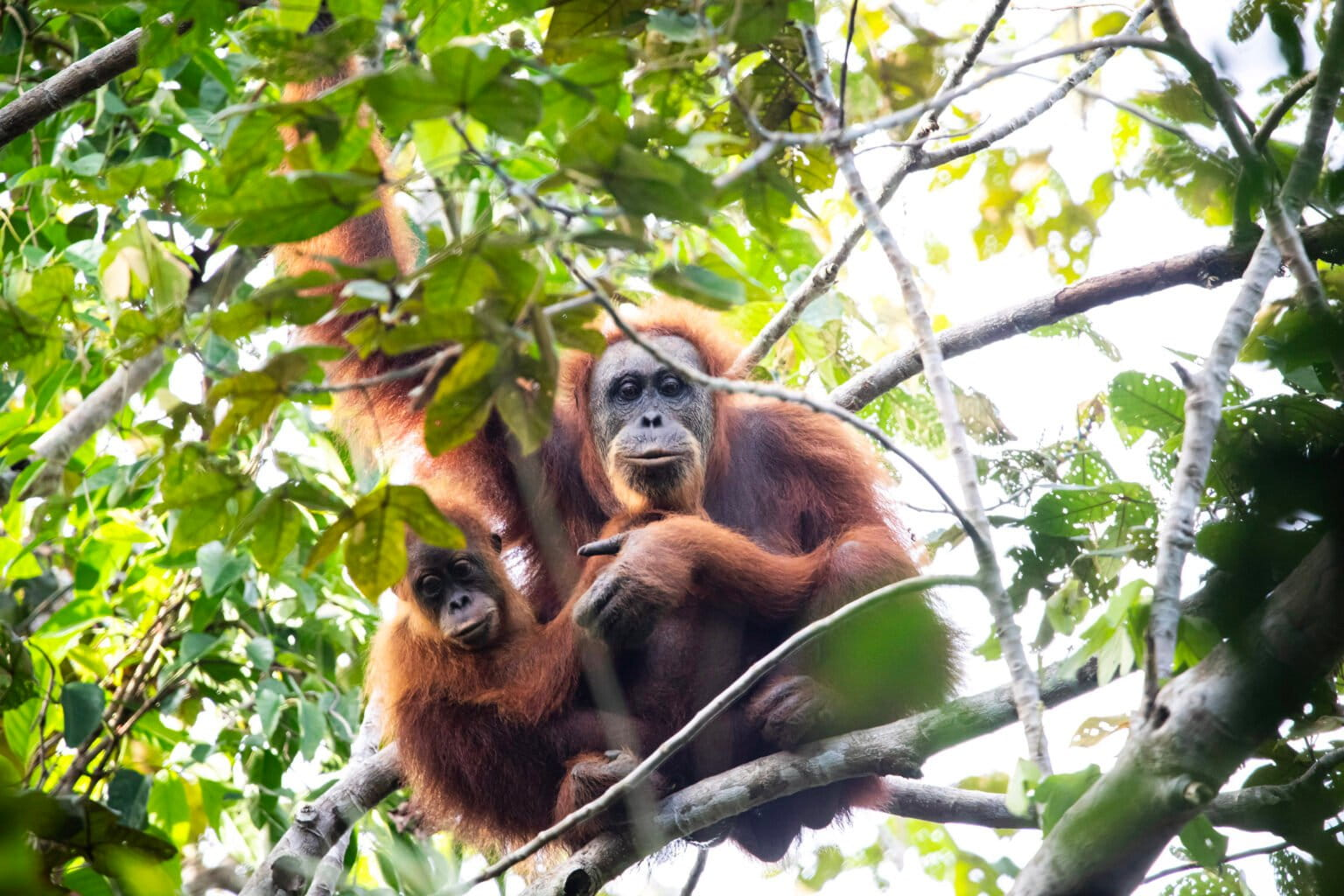
Indonesia Acts to Protect the Critically Endangered Tapanuli Orangutans The critically endangered Tapanuli orangutans conservation crisis in Indonesia is at a turning point. In November 2024, floods and landslides in the Batang Toru ecosystem killed up to 11% of this rare ape population. The disaster highlighted the urgent need for stronger protections and habitat preservation. The Indonesian government has introduced measures against mining and plantation companies to safeguard these unique primates and their fragile forest home. Government Cracks Down on Mining and Plantation Companies In response to the crisis, the government revoked permits for 28 companies operating in the area. This includes gold, hydropower, and timber ventures. PT Agincourt Resources, operator of the Martabe gold mine, and PT North Sumatera Hydro Energy, builder of a hydropower project along the Batang Toru River, were among them. Several companies now face lawsuits for damages across 2,500 hectares of critical watershed. Conservationists praise these actions as an important step to protect the Tapanuli orangutans and prevent further environmental destruction. The Impact of Floods on Tapanuli Orangutan Habitat Preliminary reports show that between 50 and 85 of the roughly 800 remaining Tapanuli orangutans died during the floods. Researchers warn that extreme rainfall caused many landslides. Mining, deforestation, and hydropower construction also degraded habitats and increased the ecosystem’s vulnerability. Scientists stress that protecting Batang Toru’s unique forest is vital. Without immediate conservation, these primates, which exist nowhere else on Earth, face extinction. https://www.youtube.com/watch?v=cnkxY5_bwRc Conservationists Call for Permanent Protections Conservation groups applaud Indonesia’s efforts but urge long-term solutions. They call for halting all further deforestation, restoring damaged habitats, and enforcing strict protection measures. Such actions are essential to prevent future human and wildlife casualties. “Tapanuli orangutans face extinction if immediate and permanent protections are not implemented,” said leading conservation experts. Rebuilding watersheds and controlling the impact of extractive industries is crucial for the species’ survival. A Turning Point for Biodiversity in Indonesia The Batang Toru floods highlight the fragile balance between human activity and nature. Indonesia’s decisive actions to hold companies accountable and conserve the Tapanuli orangutans represent a hopeful turning point. Experts and locals are optimistic that these measures will secure a future for one of the planet’s rarest species. Final Thoughts: The Urgency of Tapanuli Orangutans Conservation Tapanuli orangutans conservation is now more critical than ever. Fewer than 800 individuals remain. Immediate protection, habitat restoration, and sustainable policies are essential. Indonesia’s proactive measures, combined with global awareness, can make a life-saving difference for these rare apes and the ecosystems they inhabit.

Read More

Life-Changing Travel Stories: Beaches & Seafood France

Choose Charente-Maritime for a Coastal Escape Life-Changing Travel Stories: Beaches & Seafood begin in Charente-Maritime, on France’s western Atlantic coast, where wide sandy shores, working fishing villages, and deeply rooted food traditions shape unforgettable coastal experiences. This relaxed region delivers everything travellers love about nearby islands such as Ré and Noirmoutier — but with fewer crowds, better value, and a refreshingly authentic feel. Set just north of the Gironde estuary, Charente-Maritime feels unpolished in the best possible way. Days unfold at a gentler pace, guided by tides, lively markets, and long seafood lunches by the sea — the kind of moments that define truly life-changing travel stories: beaches & seafood at their best. A Unique Seafood Tradition Along the Seudre River One of the region’s most memorable experiences happens at dinner. Along the canals of La Tremblade, diners gather beside oyster huts to witness the dramatic preparation of moules à l’éclade. Mussels are arranged on wooden boards, covered with pine needles, and briefly set alight. The flames roar, the needles crackle, and moments later the shells open to reveal mussels cooked in their own briny juices. This centuries-old method was created by local oyster farmers and is as much a performance as it is a meal. Eating beside the water at sunset, surrounded by boats and weathered huts, makes the experience unmistakably Charente-Maritime.https://www.youtube.com/watch?v=vj0-iX7eCEY Markets, Architecture, and the Revival of Royan Royan serves as a cultural and commercial hub for the area. Its central market is a must-visit, not only for its exceptional local produce but also for its bold post-war architecture. Beneath a vast concrete dome, stalls overflow with cheeses, charcuterie, fruit, vegetables, and seafood sourced from the surrounding countryside and coast. Nearby, the Church of Notre-Dame stands as a striking example of mid-20th-century design. Built during the town’s reconstruction, its angular concrete form and soaring interior feel dramatic and unexpectedly modern, offering a fascinating contrast to the seaside setting just steps away. Wild Atlantic Beaches and Family-Friendly Shores Charente-Maritime boasts some of the widest beaches on France’s west coast. For wave lovers, beaches near La Coubre deliver powerful Atlantic surf, perfect for bodyboarding and energetic swims. Towering dunes, pine forests, and historic lighthouses frame the shoreline, creating a raw and natural landscape. For calmer waters, sheltered beaches provide shallow lagoons where children can splash safely. Whether you’re after adrenaline or relaxation, the coastline offers remarkable variety within short driving distances. Exploring Île d’Oléron and the Mystery of Fort Boyard A bridge connects the mainland to Île d’Oléron, an island known for its forests, cycling paths, and laid-back towns. Boyardville Beach offers postcard-perfect views across the water to Fort Boyard — the iconic stone fortress rising from the sea. Though it appears distant and small, the fort is immense up close, built to defend the coast and later repurposed as a prison. Today, it remains one of the region’s most recognisable landmarks, adding a sense of intrigue to an otherwise peaceful shoreline. Saint-Pierre-d’Oléron, the island’s main town, feels charmingly lived-in. Its pastel shutters, flower-lined streets, and occasional live music create an atmosphere that’s welcoming rather than polished. Oyster Villages, Sunset Dinners, and Local Charm Back on the mainland, villages such as Mornac-sur-Seudre and La Tremblade reveal the heart of Charente-Maritime. Whitewashed houses, winding canals, and oyster beds define the scenery. As evening approaches, seafood restaurants light their grills and fires, preparing mussels in different regional styles — including moules à la brasero, marinated with herbs, wine, and olive oil before being cooked over open flames. Dining here feels intimate and unhurried. Meals stretch into twilight, accompanied by local wine, sea air, and the gentle movement of the tide. Final Thoughts: Authentic France Without the Price Tag Charente-Maritime coastal holidays offer an ideal balance of natural beauty, culinary tradition, and affordability. With its wide sandy beaches, remarkable seafood, and genuine coastal communities, this region delivers the magic of France’s Atlantic coast without the gloss — or the expense — of its more famous neighbours. For travellers seeking space, flavour, and authenticity, Charente-Maritime is a destination that quietly exceeds expectations.

Read More

Animals Teach Us About Tyranny and How Societies Change

Animals Teach Us About Tyranny in Social Groups The struggle between power and freedom is not unique to human history. Across the natural world, animals live in social systems that reflect many of the same tensions seen in human societies, from harsh domination to remarkable cooperation. By observing these systems closely, scientists have begun to understand what animals teach us about overcoming tyranny. Some species tolerate cruel and aggressive leaders, while others have developed social structures that limit violence and promote sharing. These contrasting models offer a powerful reminder that oppression is not inevitable and that even in nature, there are multiple ways to organise a society. How Animals Teach Us About Tyranny in Daily Survival In many animal groups, social life is organised around rigid hierarchies where one individual or a small group controls access to food, space, and reproduction. These hierarchies often emerge in environments where resources are limited or where individuals cannot easily leave the group. Under such conditions, aggressive behaviour becomes a successful strategy, and dominance is maintained through fear and force rather than cooperation. Over time, this kind of system can become deeply entrenched, even when it clearly harms most members of the group. How Animals Teach Us About Tyranny and the Abuse of Power Once an individual secures a dominant position, that power is often used not only to maintain order but also to suppress potential rivals. In several mammal species, dominant individuals routinely intimidate, chase, or physically attack subordinates to reinforce their status. This behaviour can extend to controlling mating opportunities and limiting the freedom of movement of others in the group. Such systems show how easily leadership can slide into tyranny when there are no effective limits on power. When Escape Is Impossible One of the most important factors that allows tyranny to persist in animal societies is the lack of safe alternatives. In many environments, leaving the group can mean almost certain death due to predators, hunger, or isolation. As a result, even severely mistreated individuals often remain and endure abuse. This creates a closed system in which the dominant individual can continue to rule without facing meaningful resistance, a pattern that has striking parallels in human history. Brutal Hierarchies Among Social Animals Some of the most complex animal societies also display some of the harshest forms of domination. In certain primate groups, for example, dominant individuals frequently use violence and intimidation to control both rivals and potential mates. These power structures influence everything from where the group travels to who gets to eat first. Although these societies can function in a biological sense, they often do so at a high cost in stress, injury, and social tension. Absolute Rule in Underground Societies In other species, such as those that live in tightly enclosed environments, social organisation can resemble an absolute monarchy. A single breeding individual controls reproduction while the rest of the group performs supporting roles. This ruler maintains control through constant physical enforcement, and challenges to authority are quickly suppressed. The reason such extreme systems survive is not because they are fair, but because the outside world is even more dangerous, making rebellion or escape a near-fatal choice. The Role of Resources in Creating Despots The distribution of food and shelter plays a crucial role in determining whether a society becomes despotic or cooperative. When resources can be easily monopolised, aggressive individuals gain an enormous advantage by excluding others. Over time, this encourages the rise of leaders who rule through control rather than consent. In contrast, when resources are more evenly spread or harder to defend, cooperation often becomes a more successful strategy than domination. Can Animal Societies Change? Although some animal cultures appear rigid, research has shown that social systems can change dramatically under the right conditions. When particularly aggressive individuals disappear from a group, the remaining members sometimes develop a noticeably calmer and more tolerant way of interacting. What is even more remarkable is that these changes can persist across generations, suggesting that social behaviour is not fixed and that even long-standing traditions of violence can be replaced by more peaceful norms.animals teach us about tyranny. The Existence of Naturally Peaceful Societies Not all animal groups are built on fear and domination. Some species live in societies that are strikingly tolerant and balanced, with very little open conflict. In these groups, individuals often share space and resources with minimal aggression, and social interactions are shaped more by patience than by force. These animals demonstrate that it is entirely possible for a complex society to function without relying on tyranny or constant displays of power. Why Peaceful Systems Work One reason such peaceful societies endure is that no single individual has an overwhelming physical advantage over the others. When everyone is roughly equal in strength and ability, attempts at domination become costly and ineffective. In these conditions, cooperation, negotiation, and social bonding offer far greater rewards than aggression. Over time, this creates a culture in which tolerance is not just morally preferable but also practically beneficial. What Animals Teach Us About Overcoming Tyranny Taken together, these examples show that tyranny is not an unavoidable feature of social life. It arises under specific environmental and social conditions, and it can disappear when those conditions change. Animals teach us that freedom of movement, fair access to resources, and limits on individual power are crucial for preventing oppression. They also show that cultures, whether human or non-human, can evolve toward either cruelty or cooperation depending on what behaviours are rewarded. The Human Lesson Human societies are far more complex than those of other animals, but the underlying patterns are often surprisingly similar. We too are influenced by resource distribution, social mobility, and cultural traditions. The natural world reminds us that while domination can sometimes produce short-term stability, cooperation and mutual respect create far stronger and more resilient communities in the long run. Choosing a Better Model The animal kingdom does not offer a single blueprint for how societies should function,…

Read More

Life-Changing Travel Stories That Inspire

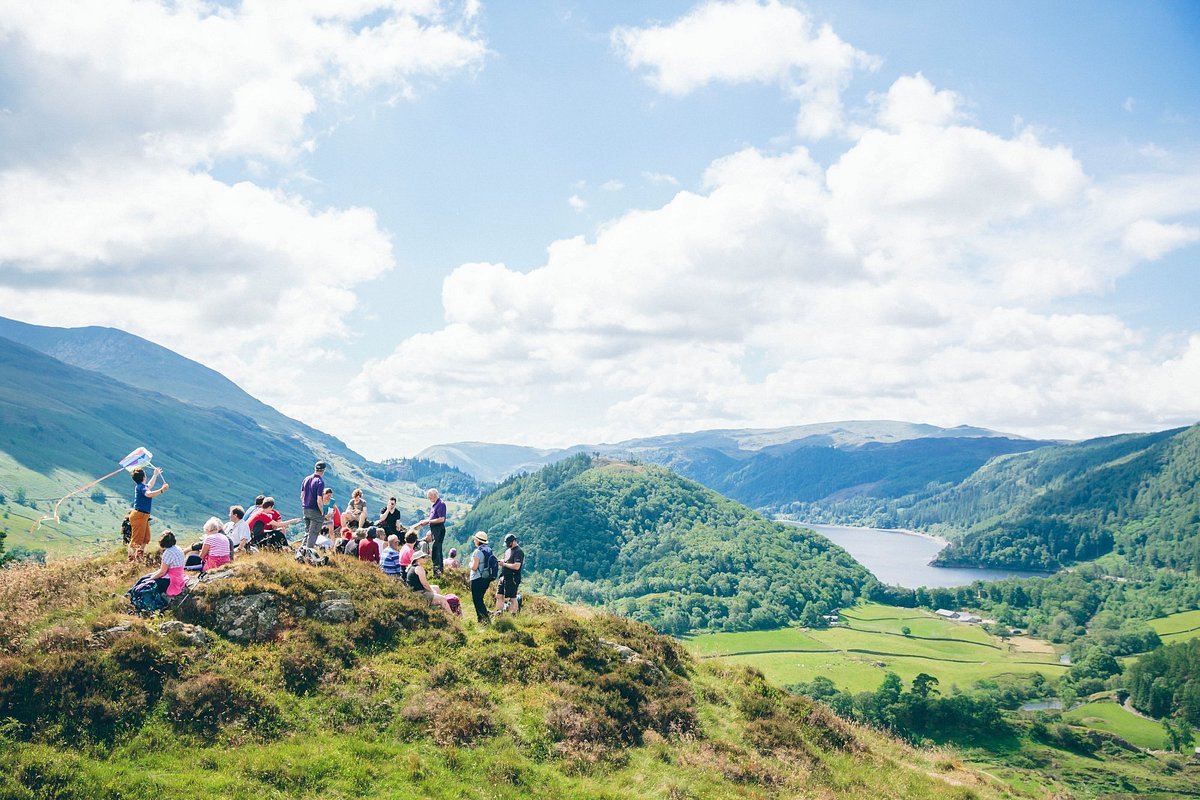
Life-Changing Travel Stories: Journeys That Go Beyond the Destination Travel often promises escape, but sometimes it delivers something deeper. These life-changing travel stories show how ordinary journeys — from misty mountain walks to improvised backpacking adventures — can quietly reshape habits, priorities, and outlooks. Rather than luxury or landmarks, each experience highlights personal growth, connection, and unexpected transformation. Finding Calm on Foot: When Walking Changes Everything A solitary hike through the Lake District during a grey October weekday became an unexpected mental reset. With drizzle keeping crowds away, the steady climb and quiet tarns forced a slower pace and deeper breathing. The experience proved that walking, especially in wild and uncrowded landscapes, can restore clarity and calm long after muddy boots are cleaned. Two Wheels, New Freedom: Rethinking Life Through Cycling For one traveller, a post-retirement cycling journey through Italy sparked a complete lifestyle change. Riding from Milan to Pisa with fellow cyclists, sharing simple meals and modest accommodation, revealed a more sustainable and joyful way to move through the world. The result was a decision to give up driving entirely, gaining better health, financial savings, and a stronger sense of environmental responsibility. Volunteering and Community: Growth Through Shared Effort Participating in conservation volunteering opened unexpected horizons. Physical work such as hedge-laying, wall-building, and bridge construction fostered teamwork, resilience, and friendship across generations. These shared efforts proved that meaningful travel does not require distance or comfort, only willingness to contribute and connect. https://www.youtube.com/watch?v=Uc9HnJVyrqE Facing Fear at Sea: Learning Resilience Early An overnight North Sea crossing on a small wooden yacht became a defining lesson in perseverance. When rough seas left a young crew member steering alone through the night, fear and uncertainty turned into confidence and self-belief. Moments like these show how challenging journeys often leave the strongest marks. Mind and Body in the Mountains: Renewal in Austria A winter retreat in the Austrian Alps blended movement and mindfulness. Yoga sessions at sunrise, guided hikes through snowfields, and personal ski instruction created space for renewal. The combination of physical challenge, warm local hospitality, and alpine landscapes helped reconnect travellers with both nature and themselves. Healing Through Culture: Kindness Abroad Immersing in language and daily life during a stay in Florence became a gentle path to healing after loss. Learning Italian, sharing meals with a host family, and absorbing art, festivals, and local rituals offered comfort and hope. Sometimes, kindness and routine in a foreign place can feel like coming home. Family Travel: Seeing the World Through Children’s Eyes A simple road trip through France proved transformative for an entire family. Ferry crossings, picnics in wildflower meadows, campsite living, and everyday pleasures became magical when experienced through children’s wonder. The journey highlighted how small moments often create the biggest memories. Connection Over Distance: Travelling Together Differently Backpacking through Scandinavia with an adult daughter reshaped a parent-child relationship. Long walks, café conversations, and shared discoveries stripped away old roles and created space for genuine connection. These moments showed that the best journeys are often defined by companionship, not itineraries. Serenity at Sea: Slowing Down in Croatia Sailing along the Croatian coast offered a lesson in stillness. Clear waters, historic island towns, and ancient coastal cities created a rhythm that encouraged presence rather than productivity. Each island brought a different mood, proving that slow travel can be deeply restorative. Letting Go of Control: Lessons From Colombia A backpacking trip through Colombia taught the value of improvisation. Language barriers, lack of connectivity, and unexpected obstacles became opportunities for human connection. Help from strangers replaced careful planning, leaving a lasting lesson: not everything needs control to work out. Why These Life-Changing Travel Stories Matter Together, these life-changing travel stories reveal a shared truth. Transformation often comes not from luxury or distance, but from openness, challenge, and human connection. Whether through walking, volunteering, sailing, or simply slowing down, travel can quietly reshape how we live long after the journey ends.

Read More

Karst Plateau geopark Italy Slovenia Travel Guide

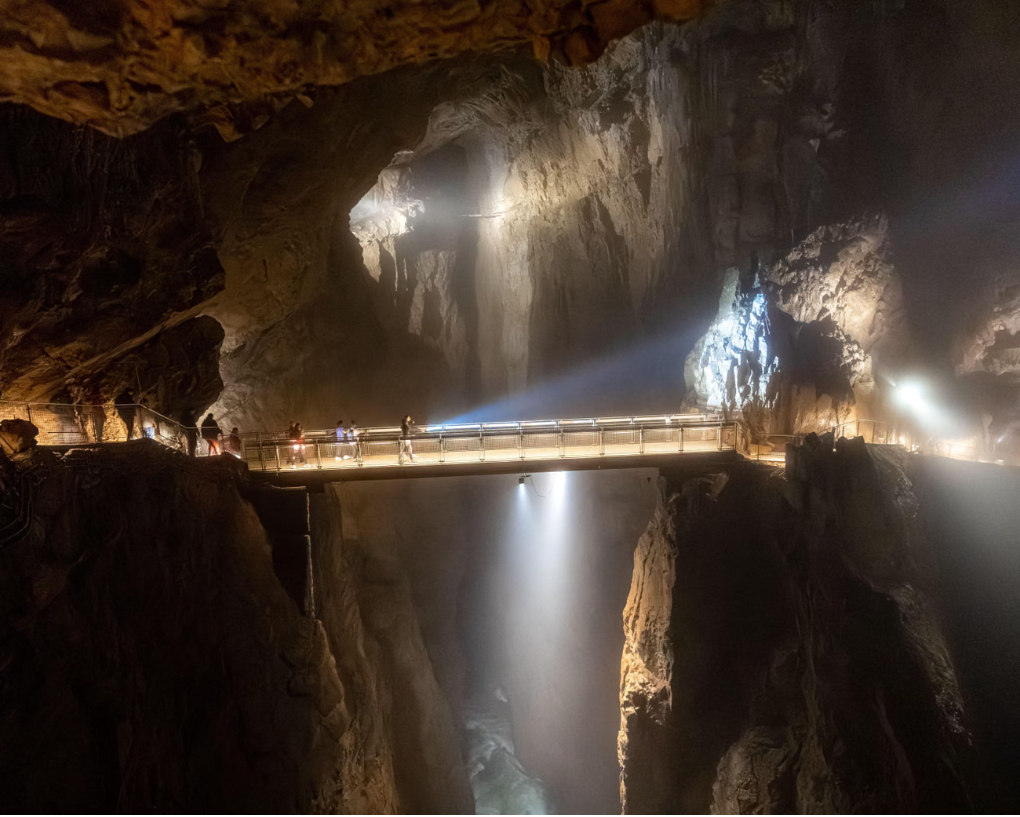
A Landscape Shaped by Stone and Water The Karst Plateau geopark Italy Slovenia is a unique cross-border destination in western Slovenia and northeastern Italy. The Karst Plateau geopark Italy Slovenia stands out for its dramatic limestone landscapes, vast cave systems, and centuries-old villages. Through the EU-funded GeoKarst initiative, the region now promotes sustainable tourism and slow travel. As a result, it offers an authentic alternative to Europe’s overcrowded destinations while aiming for Unesco Global Geopark status. Below the surface, the Karst Plateau geopark reveals its true character. Thousands of caves, rivers, and massive chambers stretch underground. Flowing water carved these spaces over millions of years. One standout site is Vilenica Cave, often considered the world’s earliest show cave. Records confirm visitors explored it as early as the 17th century. Inside, mineral-stained stalactites and crystals glow under soft light. As a result, the cave offers insight into the origins of cave tourism. Another major attraction within the Karst Plateau geopark is Škocjan Cave. Here, a powerful underground river rushes through a chamber nearly 150 metres high. The echoing roar and vast scale create an unforgettable experience. Even seasoned travellers find it striking. Living Between Borders: Culture Without Frontiers The Karst Plateau geopark is more than a geological site. It also functions as a living cultural landscape shaped by shifting borders. Across the Karst Plateau geopark, villages often use two languages. This reflects political changes that occurred several times during the 20th century. However, instead of dividing people, this shared past created a strong cross-border identity. https://www.youtube.com/watch?v=8sKIAuEu19E Local stone houses line narrow streets throughout the Karst Plateau geopark. Builders used local Karst limestone, and many structures remain unchanged after centuries. One of the best examples is Štanjel, a medieval hilltop village with prehistoric and Roman roots. Its fortified walls, cobbled paths, and wide views recall Provence, yet without the crowds. As a result, life here moves at a slower pace, guided by tradition, farming, and the land. Trieste and the Italian Karst: Where City Meets Nature On the Italian side of the Karst Plateau geopark, the land rises behind Trieste. This port city blends Italian, Central European, and Balkan influences. Elegant cafés and literary heritage sit alongside Austro-Hungarian architecture. Meanwhile, nature remains only minutes away. Just outside the city, the Via Napoleonica trail offers panoramic views over the Gulf of Trieste. Moreover, it connects Karst villages such as Opicina and Prosecco. The close link between city life and open landscapes defines the region’s appeal. Food, Wine, and the Tradition of Osmice Food plays a central role across the Karst Plateau geopark. Local farms supply most ingredients, so traditions remain strong. One standout custom is the osmice. These temporary, family-run taverns open for short periods. They serve homemade wine, cheese, cured meats, honey, and olive oil. These welcoming spaces reflect the region’s communal spirit. Many sit along scenic hiking routes. Wildflowers, cherry trees, and native wildlife line the paths. Along the way, travellers may discover informal “wine caves.” Locals leave food and bottles behind, trusting visitors to pay honestly. A New Kind of European Destination The Karst Plateau geopark reflects a wider shift toward sustainable tourism. It highlights geology, heritage, and cross-border cooperation. At the same time, it protects fragile landscapes and supports rural communities. Rather than rushing between attractions, visitors slow down here. They walk historic paths, share meals with locals, and experience a timeless landscape. Ultimately, this balance of nature, culture, and hospitality makes the Karst Plateau geopark one of Europe’s most promising emerging destinations.

Read More

Nature Loss Security Risk: Ecosystem Collapse Threat

Nature Loss as a National Security Risk: A Growing Global Threat Nature loss security risk is no longer a distant or theoretical concern—it is rapidly becoming one of the most serious global challenges of our time. The accelerating decline of the natural world is now directly threatening economic stability, food systems, public health, and international relations. Across the globe, vital ecosystems are deteriorating at an alarming pace, and experts warn that if this destruction continues unchecked, it could trigger chain reactions of crises including conflict, mass migration, resource shortages, and long-term economic disruption. Modern nations depend far more on nature than many people realize. From food production and freshwater supplies to climate stability and disease control, ecosystems form the invisible foundation of global security and prosperity. When these systems weaken, the risks spread far beyond forests, oceans, and wildlife. Why Ecosystem Collapse Is a Security Concern Several of the world’s most important ecological regions are now approaching dangerous tipping points. Scientists and policy experts increasingly describe these areas as being on a pathway to irreversible damage, which could destabilize entire regions. Key Ecosystems Under Threat Some of the most critical natural systems for global stability include: These regions play a crucial role in regulating climate, supporting agriculture, maintaining rainfall patterns, and protecting biodiversity. Their collapse would not be a local problem—it would disrupt global supply chains, weather systems, and economic networks. How Nature Loss Threatens Food Security One of the most immediate and dangerous consequences of ecosystem degradation is its impact on global food production. Growing Pressure on Global Food Systems As soils degrade, pollinators disappear, and weather patterns become more extreme, agricultural yields are becoming less reliable. Many countries depend heavily on international food imports and fertiliser supplies, making them vulnerable to global environmental shocks. If major food-producing regions suffer ecological breakdown: Experts warn that complete food self-sufficiency is unrealistic for many nations under current conditions, and attempting it would likely cause significant price increases. Wider Security Risks: Migration, Conflict, and Instability Environmental collapse does not only affect food and water—it also reshapes geopolitics. The Domino Effect of Environmental Breakdown When ecosystems fail, the consequences can include: In a world already strained by economic uncertainty and geopolitical competition, nature loss acts as a threat multiplier, making existing problems far more dangerous and harder to control. Can Technology Reduce the Risk? While the situation is serious, some emerging solutions offer hope. Innovations That Could Help New approaches such as: could reduce pressure on ecosystems if supported by strong investment and long-term planning. However, experts agree that technology alone cannot replace healthy natural systems—it can only buy time and reduce damage. A Global Crisis That Cannot Be Ignored Despite conservation efforts in many regions, global biodiversity continues to decline at an unprecedented rate. Habitat destruction, climate change, pollution, and invasive species are pushing natural systems closer to collapse every year. Scientists have already warned that humanity is driving one of the fastest mass extinction events in Earth’s history. If this trend continues, the consequences will not only be ecological—they will be economic, political, and deeply social. Protecting Nature Is Protecting National Security Nature is not a luxury—it is critical infrastructure for civilization itself. The loss of forests, oceans, reefs, and fertile land weakens economies, destabilizes societies, and increases the risk of global conflict. Treating nature loss as a national security risk is no longer optional. It is a strategic necessity for long-term stability, prosperity, and survival.

Read More

Jacket Potatoes: The Comeback in UK Fast Food

How Jacket The Comeback of Jacket Potatoes in UK Fast Food Once seen as a predictable lunchtime option, jacket potatoes are enjoying a renewed moment in the spotlight. Across the UK, jacket potatoes have been transformed from a café afterthought into a modern fast-food favourite, driven by creative toppings, viral videos, and changing attitudes toward comfort food. From Everyday Staple to Forgotten Classic For generations, baked potatoes were a reliable part of British food culture. Cheap, filling, and widely available, they were a common sight on high streets and in cafés. Over time, however, changing consumer tastes and the rise of more visually exciting fast foods pushed them aside. That perception has now shifted. A new wave of vendors has taken the traditional baked potato and reintroduced it in a way that feels fresh, indulgent, and relevant. The Power of Social Media Hype Social platforms have played a major role in reshaping how people view potato-based meals. Short videos showcasing fluffy interiors, melting butter, and generous toppings have captured millions of views. This online exposure has helped reframe baked potatoes as something exciting rather than outdated. By focusing on presentation and customer interaction, sellers have turned a simple food into a shareable experience. Why Toppings Matter More Than Ever The revival is closely linked to the creativity of modern toppings. Instead of minimal fillings, today’s baked potatoes are layered with rich sauces, proteins, and textures. Popular choices include slow-cooked chilli, spiced chicken, crispy onions, fresh herbs, and globally inspired flavours.https://www.youtube.com/watch?v=uvrHX-DnZRg These combinations elevate the dish from a side to a complete, satisfying meal. A Better Fit for Modern Eating Habits Several factors explain why baked potatoes appeal to today’s consumers: When paired with fibre- or protein-rich fillings, they also offer balanced nutrition. Why Food Businesses Are Embracing Baked Potatoes From a business perspective, potato-based menus are efficient and cost-effective. They require limited equipment, minimal prep, and produce little waste. Ingredients store well, and meals are assembled only after ordering, reducing losses. They also work well as takeaway items, making them ideal for busy urban areas with high foot traffic. Independent Vendors Leading the Trend Smaller operators have been quicker to adapt than large chains. Independent sellers tend to focus on proper cooking methods, quality ingredients, and generous portions. This attention to detail often results in better flavour and texture, which customers notice immediately. Social media exposure then amplifies this success, creating long queues and loyal followings. Looking Ahead: A Global Opportunity While baked potatoes have deep roots in the UK, their modern reinvention has international appeal. Similar street-food traditions exist worldwide, and the loaded potato format adapts easily to different cuisines and tastes. As comfort food continues to dominate casual dining, this once-humble dish is well positioned for long-term popularity. Conclusion The return of baked potatoes shows how classic foods can thrive again when reimagined for modern audiences. Through bold flavours, visual storytelling, and smart business models, a familiar staple has been transformed into a contemporary fast-food success. Sometimes, all it takes is a fresh approach to make an old favourite exciting again.

Read More

Family Hostel Travel in Wales: Why Hostels Are Booming Again

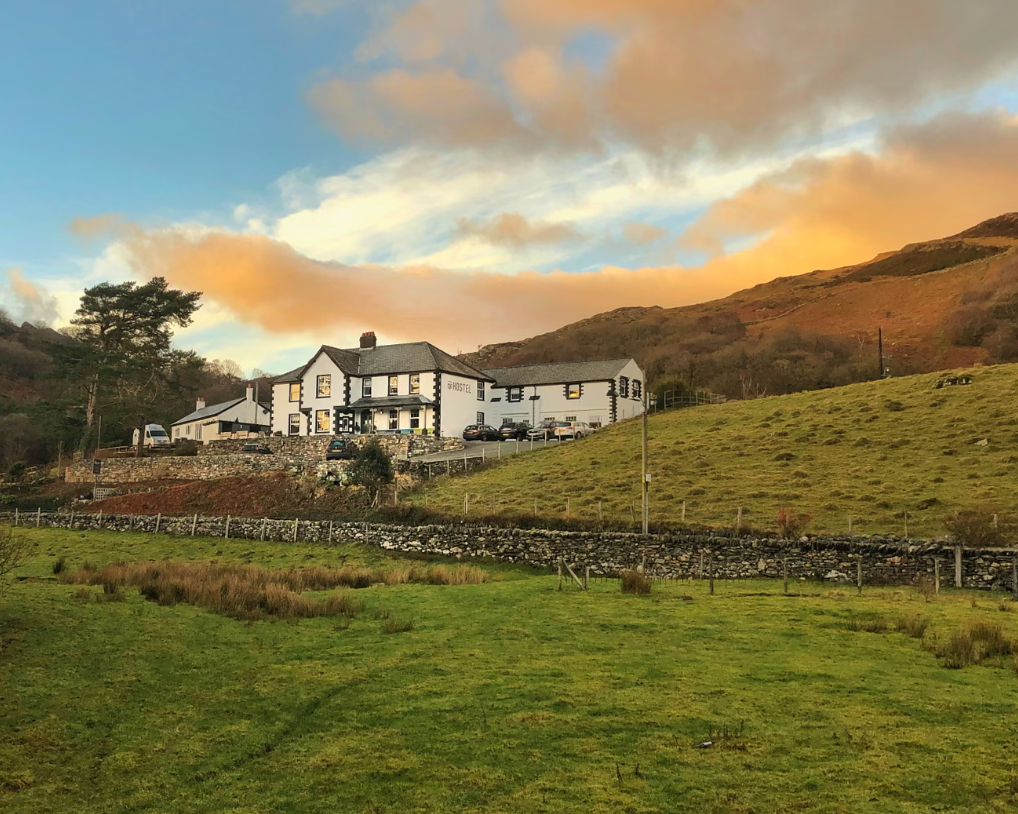
Family Hostel Travel in Wales Shows Why Hostels Are Thriving Again Family hostel travel in Wales offers something many modern holidays lack: connection. Instead of sealed-off rentals and silent evenings, hostels create shared experiences that shape the journey itself. During a recent family trip to the Welsh mountains, we discovered that adventure doesn’t always come from guidebooks or apps. Sometimes, it starts with a conversation over a kettle. When Local Tips Beat Online Research While waiting for tea to boil in a hostel kitchen, another guest casually mentioned a mountain walk. He spoke of a lake, a scenic trail, and a strange warning sign about penguins. Penguins in Wales sounded ridiculous. Still, my 11-year-old loved the idea. That spontaneous exchange decided our plans for the next day. Moments like this explain why family hostel travel in Wales feels different. Advice flows naturally in shared spaces. Discovery happens through people, not screens. Why We Took a Chance on Hostels At first, my family hesitated. My husband imagined cold dorms and noisy nights. Our children worried about shared spaces and forced small talk.https://www.youtube.com/watch?v=cZb_SJpFYcg Private rentals felt safer but also predictable and expensive. Endless scrolling through listings drained the joy from planning. I missed the energy of earlier trips, when travel meant meeting people. That nostalgia pushed us to try something new — or perhaps something old. Modern Hostels Have Changed Completely Today’s hostels look nothing like outdated stereotypes. Many now offer private family rooms alongside dorms. Our room felt warm and thoughtfully designed. Comfortable mattresses, soft bedding, and local wool blankets made it cosy. Shared lounges featured fires, books, games, and inviting seating. Family hostel travel in Wales no longer means sacrificing comfort. It blends privacy with access to shared spaces. Community Without Pressure One concern lingered: would socialising feel awkward? It didn’t. Conversations started easily in the kitchen, dining room, and around outdoor fire pits. Guests came and went, creating a relaxed rhythm. Some evenings we joined in. Other times we rested quietly. The children made friends instantly. Snowball fights and board games filled their evenings. No one felt forced to engage, which made everything feel natural. Shared Stories Make Better Memories Each day ended with stories. Fellow travellers swapped hiking tips, food ideas, and routes worth trying. One night, we learned how to make “mountain doughnuts” — a simple snack transformed by a long walk and good company. We talked music, weather gear, and favourite trails. Those small exchanges shaped the trip as much as the landscape. Family hostel travel in Wales brought variety without effort. Why Hostels Are Growing Again After difficult years for tourism, hostels are quietly resurging. Travellers now value affordability and authenticity over isolation. Hostels offer flexible stays, lower costs, and meaningful interaction. They appeal to families, couples, solo travellers, and groups alike. Importantly, they restore a social side of travel that many people didn’t realise they were missing. Comfort, Affordability, and Belonging Modern hostels strike a rare balance. They offer comfort without luxury pricing. They provide privacy without cutting guests off from one another. For families, this balance matters. Children gain independence and social confidence. Adults relax into conversation without obligation. Family hostel travel in Wales delivers more than a place to sleep. It creates shared experiences that last longer than the trip. A Different Way to Travel We never did find penguins in the Welsh mountains. The mysterious sign remained unexplained. Yet that hardly mattered. The real discovery was realising how much richer travel feels when people share it. From now on, hostels will sit at the top of our list — not as a compromise, but as a choice. Because sometimes, the best adventures begin with a stranger and a kettle.

Read More

Human Impact on Raptors Revealed by GPS Tracking

Human Impact on Raptors Is Changing How Birds of Prey Live Human impact on raptors has reached further than scientists once expected. Birds of prey soar high above landscapes that appear untouched. Yet new tracking data shows that human activity alters where these birds hunt, rest, and even breed. Using advanced GPS technology, researchers now follow raptors minute by minute. The results reveal a clear pattern: people influence raptor behaviour even when direct contact never occurs. How GPS Tracking Reveals Human Impact on Raptors Tiny GPS devices now collect millions of data points from raptors across the world. These trackers record movement, altitude, speed, and sudden stops. Scientists use this information to understand feeding habits, migration routes, and causes of death. When a signal suddenly stops moving, it often indicates injury or mortality. As a result, researchers can link raptor deaths to specific human structures or activities with unprecedented accuracy. Tourism and the “Weekend Effect” One striking example of human impact on raptors appears during weekends and public holidays. On these days, more people enter natural areas for hiking, climbing, or beach visits. Tracking data shows that eagles and other raptors expand their hunting range during these periods. They travel farther to avoid disturbance and to locate prey. Human presence affects prey animals as well. When prey species flee busy areas, predators must follow. This increases energy use and reduces breeding success. Disturbance Can Stop Breeding Altogether Many raptors do not simply adapt to disturbance. Instead, they abandon nests when human activity increases. Climbers, hikers, and photographers often approach nesting sites without realising the consequences. Repeated disturbance can cause adults to leave eggs or chicks behind. Experts now call for seasonal restrictions in protected areas. Regulation, rather than bans, could protect breeding birds while still allowing people access to nature. https://www.youtube.com/watch?v=2oWodZpmbHo Power Lines Are a Silent Killer Human impact on raptors becomes deadly around electricity infrastructure. GPS tracking has revealed thousands of deaths caused by collisions and electrocution. Raptors often use pylons as lookout points in open landscapes. Poorly designed structures can kill birds instantly when wings touch live wires. Studies show that tens of thousands of birds of prey die each year from power line interactions in some regions alone. Illegal Killing Still Happens Tracking data also exposes illegal activity. Despite legal protection, some raptors still die from shooting or poisoning. Researchers can trace deaths to exact locations, revealing patterns linked to hunting areas, farms, or pigeon racing zones. This evidence strengthens enforcement and helps authorities target high-risk areas more effectively. Habitat Change Cuts Deepest Human impact on raptors did not begin with modern technology. Deforestation, urban growth, and land clearing have reduced suitable habitat for centuries. Most raptors depend on forests or open wild spaces. When those environments disappear, survival becomes harder. However, some species adapt. Barn owls thrive in farmland. Peregrine falcons now nest on skyscrapers. Adaptation varies by species. Renewable Energy Brings New Risks Renewable energy plays a vital role in fighting climate change. However, large-scale wind farms introduce new dangers for soaring birds. GPS data links turbine size and placement to increased raptor mortality. Larger rotor blades raise collision risk, especially in migration corridors. Better planning can reduce harm. Adjusting turbine design and location has already lowered deaths in some projects. GPS Data Helps Find Solutions Human impact on raptors is not inevitable. GPS tracking also points toward solutions. In several regions, conservationists work with power companies to redesign pylons. Simple modifications dramatically reduce electrocution risk. Targeting a small percentage of high-risk structures often prevents most deaths. This approach saves birds while limiting costs. A Chance to Rethink Coexistence Raptors do not ignore humans. They respond to us constantly, even from the sky. GPS tracking reveals how deeply human behaviour shapes wildlife. With better data, scientists can guide smarter decisions. Human impact on raptors will continue. The choice now lies in whether that impact leads to decline—or coexistence.

Read More