
Blog

Alejandro Jodorowsky Life and Art at 96: Creativity & Legacy

Alejandro Jodorowsky at 96: Art, Death, and the Joy of Living Fully Alejandro Jodorowsky life and art represent one of the most radical and uncompromising creative journeys of the modern era. At 96, the Chilean-born filmmaker, writer, mystic, and visual artist continues to explore creativity, death, spirituality, and transformation with fearless intensity. Rather than slowing down, Jodorowsky treats aging as yet another artistic rebirth, proving that imagination has no expiration date. This article explores Alejandro Jodorowsky life and art, tracing how his films, tarot work, psychomagic, and personal philosophy combine into a singular vision of living fully — right up to the end. A Life Lived as Constant Reinvention Jodorowsky describes himself as having been “reborn” countless times. Actor, director, poet, mime, tarot scholar, psychotherapist, and comic-book author — these identities have overlapped rather than replaced one another. For him, identity is fluid, not fixed. He believes that human beings are never just one self. We evolve, shed skins, and inhabit new versions of ourselves throughout life. Aging, in his view, is not decline but transformation — another chapter in an ongoing creative process. https://www.youtube.com/watch?v=-xr4CJDE4ho From Small-Town Origins to Radical Art Born in a remote port town in northern Chile, Jodorowsky grew up feeling out of place. From an early age, art became his escape route. His journey took him from South America to Europe, where he immersed himself in avant-garde theatre, mime, and experimental performance. His early films shocked audiences, ignited controversy, and earned him a devoted cult following. These works rejected traditional storytelling in favor of symbolic journeys filled with spiritual quests, surreal imagery, and philosophical riddles Cult Cinema and the Midnight Movie Legacy Jodorowsky’s films became legendary through late-night screenings that attracted artists, musicians, and countercultural thinkers. His reputation grew among creative icons who admired his refusal to compromise or explain his work. Rather than delivering clear moral lessons, his films aimed to provoke personal interpretation. He has always resisted being seen as a teacher or guru, insisting that art should open doors — not dictate meaning. Psychomagic: Healing Through Symbol and Ritual Beyond cinema, Jodorowsky developed a therapeutic philosophy known as psychomagic. This approach blends psychology, symbolism, tarot, and ritual to address emotional wounds stored in the unconscious. Rather than relying on words alone, psychomagic uses symbolic actions to create psychological release. For Jodorowsky, healing is creative, imaginative, and deeply personal. Even in his nineties, he continues to offer guidance to people seeking clarity, meaning, and emotional freedom. Tarot as a Map of the Soul One of Jodorowsky’s lifelong passions is the Tarot de Marseille. He sees tarot not as a tool for fortune-telling, but as a symbolic language — an “alphabet of the soul.” Each card represents human archetypes and inner states. Studying tarot, he believes, allows individuals to understand themselves more deeply and confront hidden fears, desires, and contradictions. Love, Loss, and Family Tragedy Despite his exuberant public persona, Jodorowsky’s life has been marked by deep personal loss. The death of his son profoundly shaped his later work, pushing him further into symbolic healing practices and artistic reflection. Rather than turning away from grief, he integrated it into his creative universe, transforming pain into imagery that honors memory while affirming life. Creativity Without an Expiration Date Now in his late nineties, Jodorowsky continues to collaborate, paint, write, and reflect. He works closely with his wife on visual art projects that celebrate color, humor, and surreal joy. For him, creativity is not bound by age. As long as imagination remains active, life remains meaningful. A Fearless View of Death Jodorowsky speaks of death without fear or solemnity. To him, it is not an ending but a culmination — an intense final experience after a life fully lived. He believes existence happens in an eternal present, where meaning is found not in outcomes but in action. Life, he says, is something to be engaged with completely — creatively, sensually, courageously — until the very end. Final Thoughts: Alejandro Jodorowsky’s Enduring Legacy The story of Alejandro Jodorowsky’s life and art is not about cult fame or shock value. It is about radical authenticity, fearless imagination, and the refusal to live cautiously. At 96, his message is clear:Live many lives. Create endlessly. Face death without regret — because you truly lived.

Read More

Do Writing Retreats Really Work? How I Finished My Novel in Style

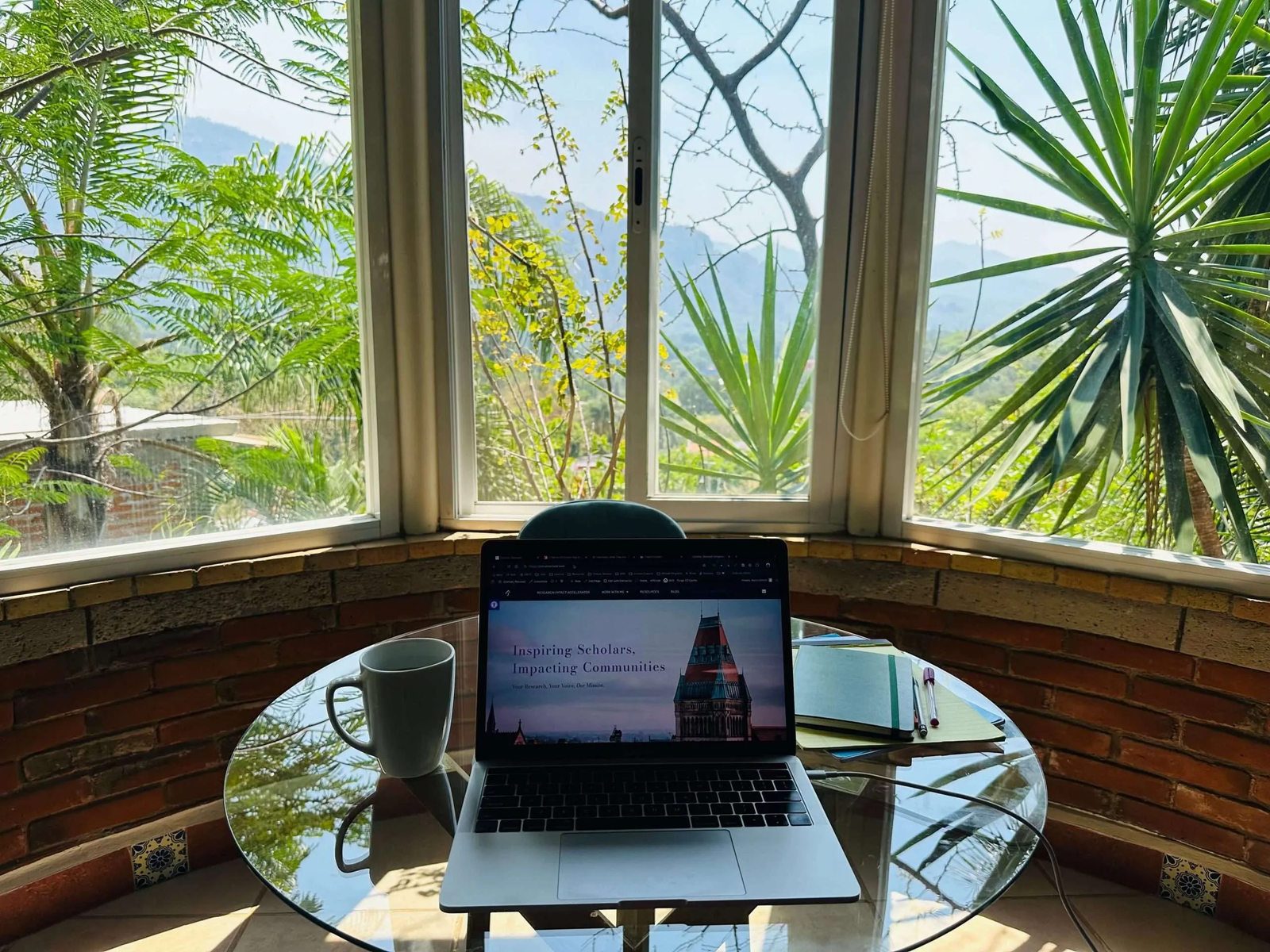
Do Writing Retreats Really Work? How I Finished My Novel in Style For many writers, starting a novel is easy — finishing it is the real challenge. Daily distractions, mental fatigue, and limited creative time can slowly stall even the most promising projects. So the question remains: do writing retreats work? After struggling to make progress through short, fragmented writing sessions, I decided to step away from everyday life and immerse myself fully in writing retreats. What followed wasn’t just productivity — it was transformation. Why Writing at Home Often Fails Modern life isn’t designed for deep creative focus. Writing squeezed into spare moments after work rarely allows the mental space needed to untangle complex plots or fully inhabit fictional worlds. At home, writing can feel like repeatedly opening a cluttered cupboard — overwhelming and quickly shut again. Without uninterrupted time or creative momentum, even committed writers can lose confidence and direction. Solitude: The Power of Writing Alone in Nature My first retreat was intentionally solitary — a quiet stay in a converted chapel in rural Wales. With no schedule and no conversation, I built a rhythm of focused morning writing followed by long walks along riverbanks and misty fields. The silence allowed ideas to breathe. Plot problems loosened during walks, and the absence of distractions led to surprising productivity in just a few days. However, total isolation also revealed a limitation: creativity thrives on connection as well as solitude. Structured Writing Retreats: Accountability and Support My next experience introduced something crucial — community. Staying at a small group retreat in the English countryside, I found the perfect balance between private writing time and shared discussion. Meals became creative exchanges, and structured days removed decision fatigue. Not having to think about food, chores, or logistics freed mental energy entirely for writing. Even when words didn’t flow easily, the supportive environment restored motivation. https://www.youtube.com/watch?v=lGNIpufvjIg Guided Retreats for Creative Clarity Some writing retreats go further, offering structured sessions, goal setting, and gentle accountability. In a scenic lakeside setting, I joined a retreat designed to help writers regain clarity on long-term projects. Daily writing blocks, short creative exercises, and reflective walks created steady momentum. Writing alongside others — quietly but together — generated focus and encouragement. Celebrating small achievements helped rebuild belief in unfinished work. Safe Spaces and Identity-Focused Retreats The right people at the right time can make all the difference. At a women-only writing retreat, the focus shifted to voice, confidence, and creative wellbeing. Workshops explored technique, identity, and storytelling craft, while yoga and meditation addressed burnout and mental exhaustion. Sharing work in a supportive, culturally aware space helped unlock deeper layers of the story and brought the final draft closer into view. Creative Cabins: Solitude with Intention With the end of the novel in sight, I chose one final retreat — a private writing cabin in woodland surroundings. Everything about the space was designed for writers: a dedicated desk, inspiring books, natural light, and absolute quiet. Without pressure or interruption, writing became immersive again. Each detail reinforced the same message: your work matters. In that intentional solitude, the final chapters finally came together. So, Do Writing Retreats Work? The short answer is yes — when chosen thoughtfully. Writing retreats don’t magically write the book for you. But they do provide what most writers lack: They remind writers why they started and help transform unfinished drafts into completed manuscripts. Final Thoughts There’s no replacement for discipline and showing up to the page. But stepping away from daily life, even briefly, can reignite creativity and confidence in powerful ways.

Read More

Fibre and Brain Health: How Dietary Fibre Protects Your Cognition

Why Fibre Matters for Your Brain Fibre and brain health go hand in hand, as eating fibre not only supports digestion but also protects cognitive function. Foods rich in fibre, such as whole grains, fruits, nuts, seeds, and pulses, benefit both the body and the brain, improving overall health and longevity Recent studies show that fibre supports the gut microbiome, which communicates with the brain through the gut-brain axis. This connection may slow cognitive decline and preserve mental function. Increasing fibre intake is one of the simplest dietary changes to support brain health, according to Professor Karen Scott, a gut microbiology expert at the Rowett Institute. Gut Feeling: How Fibre Works Fibre is a type of carbohydrate that the body cannot easily digest. Most of it passes through the gut largely unchanged, increasing stool bulk and helping us feel full for longer. Slow digestion also stabilizes blood sugar levels. Research shows that people who eat more whole grains tend to have lower body mass indexes and less abdominal fat compared to those who eat refined grains. Fibre also contributes to longevity. Professor John Cummings, emeritus professor at the University of Dundee, emphasizes that adequate fibre intake can reduce the risk of heart disease, stroke, type 2 diabetes, and colon cancer. Fibre, the Microbiome, and Cognitive Health Fibre fuels beneficial gut bacteria. These microbes produce short-chain fatty acids like acetate, propionate, and butyrate, which provide energy for cells and influence overall health. Butyrate, in particular, maintains the gut lining and reduces harmful substances entering the bloodstream, positively affecting the brain. Studies confirm that higher fibre intake correlates with improved cognition. For example, a 2022 study of over 3,700 adults found that individuals with the highest fibre intake had a lower risk of dementia. Older adults with fibre-rich diets also showed better cognitive performance. A randomized trial further confirmed a causal link: participants who consumed prebiotic fibre supplements for three months showed improved cognitive test scores. Analysis revealed increased beneficial bacteria, such as Bifidobacterium, in their gut microbiomes. How Fibre Supports Mental Wellbeing Beyond cognition, fibre-related butyrate production improves mood, sleep quality, and overall mental health. Research has found that Alzheimer’s patients have lower levels of butyrate-producing bacteria, linking gut health to neurodegenerative conditions. Maintaining a fibre-rich diet may, therefore, support mental wellbeing alongside physical health. How to Eat More Fibre Increasing fibre is easier than many think. Pulses like beans, lentils, and peas are excellent sources. Add them to pasta, blend chickpeas into pancake batter, or mix peas into your meals. Whole grains, brown bread, and high-fibre cereals are simple ways to boost intake. Nuts, seeds, fruits, and vegetables further support a diverse gut microbiome, which is key to cognitive and overall health. Conclusion: Fibre as a Brain-Boosting Nutrient A fibre-rich diet supports the gut, improves cognition, and protects the brain against age-related decline. By prioritizing plant-based foods and whole grains, we can enhance both physical and mental health. Fibre is not just a digestive aid—it is a vital nutrient for a sharper, healthier mind.

Read More

Best Wellness Retreats in Europe – 10 Top Picks for 2026

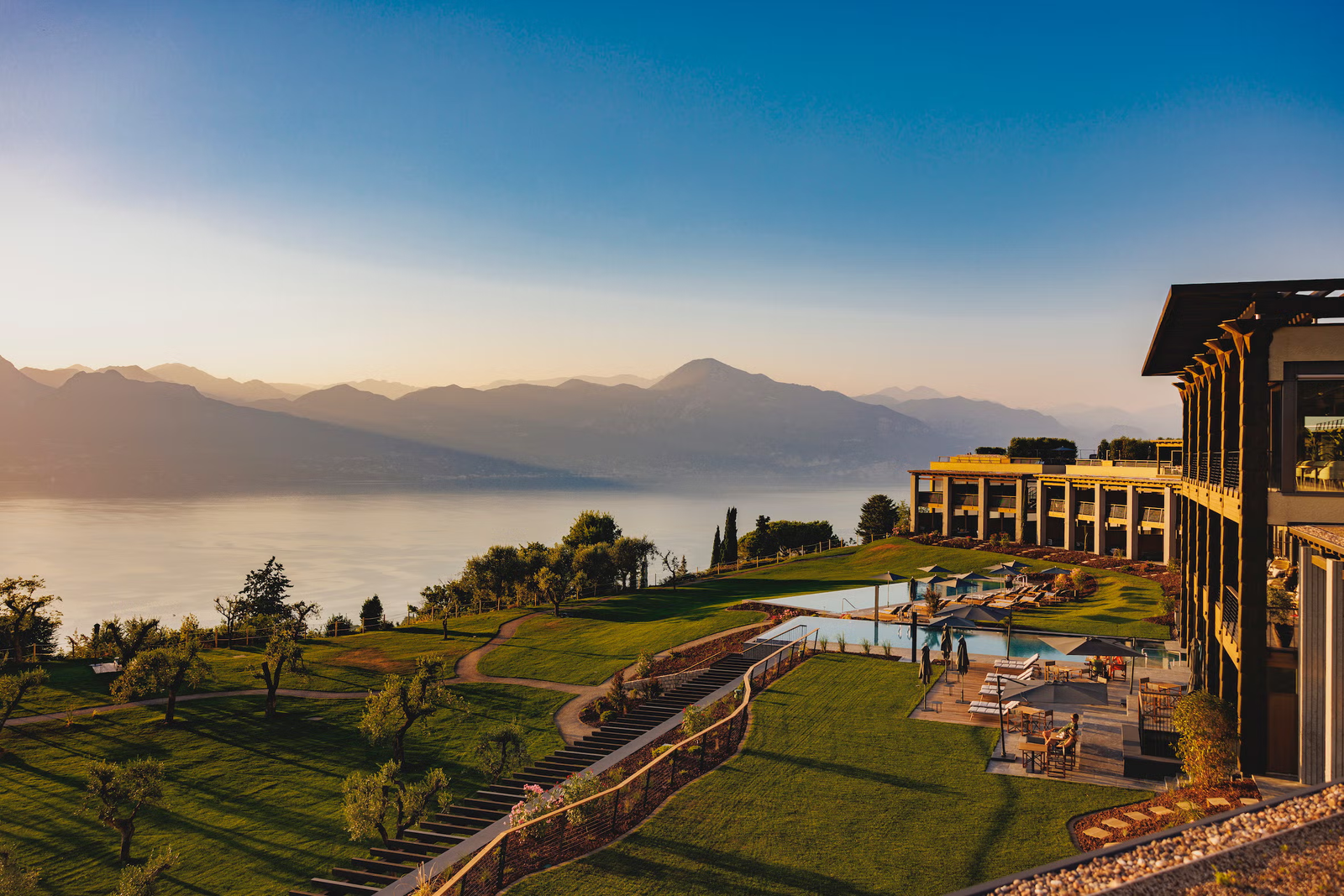
Best Wellness Retreats in Europe to Rejuvenate Mind, Body & Soul In a fast-paced world, taking time to pause, breathe, and reconnect has never been more important. Across Europe, wellness retreats offer transformative experiences that blend nature, creativity, movement, and mindfulness. Whether you’re seeking deep personal change or simply a peaceful escape, these hand-picked retreats provide powerful opportunities to reset and recharge. Below are some of the best wellness retreats in Europe, each offering a unique approach to relaxation, healing, and self-discovery. Art, Play & Joy Retreat in Montenegro Set on a peaceful farm near the stunning Bay of Kotor, this playful retreat is designed to awaken creativity and reconnect participants with their inner joy. Ideal for solo travellers, couples, and families, the experience blends art, movement, and nature. Guests can enjoy dance and painting workshops, hands-on farm activities, outdoor adventures like kayaking and hiking, and relaxed evenings filled with music and campfires. Accommodation options range from glamping and cabins to a charming restored farmhouse. Perfect for: Families, creatives, and anyone craving light-hearted renewal. Creative Ceramics Retreat in Greece On the tranquil island of Aegina, this intimate ceramics retreat offers a deeply meditative and creative escape. Led by an experienced artist, participants explore clay and pottery techniques in a relaxed, supportive environment. With small group sizes, the retreat emphasizes presence, self-expression, and playful experimentation. Guests stay in beautiful vineyard-surrounded homes near the studio, enjoying local food and cultural excursions alongside hands-on creative work. https://www.youtube.com/watch?v=pFCOJzYl37A Perfect for: Beginners and creatives seeking mindful artistic flow. Nature Immersion Retreat in Devon, England Located on the edge of Dartmoor, this rewilded sanctuary offers retreats focused on nature connection, reflection, and purpose. Participants stay in cosy yurts and share nourishing vegetarian meals in a communal setting. The signature programme guides guests through self-inquiry, quiet contemplation, and outdoor experiences designed to support meaningful life direction and reconnection with the natural world. Perfect for: Those seeking clarity, grounding, and personal growth. Luxury Yoga & Restoration Retreat in Andalucía, Spain This serene retreat in southern Spain combines luxury with deep restoration. Guests stay in a beautifully restored village home surrounded by nature, with daily yoga, meditation, sound healing, and mindful walks. The experience also includes gentle cultural activities, nourishing Spanish cuisine, and peaceful moments by the plunge pool, making it ideal for full-body relaxation. Perfect for: Yoga lovers and those seeking elegant, slow living. Off-Grid Spiritual Retreat in Mid Wales Hidden in a wild Welsh valley, this off-grid retreat centre offers an immersive return to nature. Programmes draw from both eastern and western traditions, featuring meditation, storytelling, group circles, and silent reflection. With no modern distractions, guests bathe in natural pools, enjoy sauna rituals, and sleep in roundhouses or yurts surrounded by forest and waterfalls. Perfect for: Spiritual seekers and wilderness lovers. Horse-Assisted Healing Retreat in Bosnia and Herzegovina This unique retreat blends meditation, yoga, and equine therapy in the heart of unspoilt countryside. Participants form deep connections with horses through guided experiences, alongside hiking, river swimming, and reflective evenings by the fire. The programme also offers the rare chance to observe wild horses roaming freely, creating a powerful sense of connection and healing. Perfect for: Animal lovers and trauma-informed healing journeys. Deep Rest & Mindfulness Retreat in Portugal Located in rural Alentejo, this retreat is all about slowing down. Guests can join group programmes or design a personalized wellness experience focused on rest, breathwork, and nature immersion. Organic meals, massages, poolside relaxation, and optional yoga or energy practices help restore balance and calm the nervous system. Perfect for: Burnout recovery and deep relaxation. Men’s Rewilding Retreat in Cornwall Designed exclusively for men, this retreat offers a powerful escape from daily pressures. Set in ancient woodland, activities include breathwork, cold-water immersion, yoga, saunas, and forest walks. The experience supports emotional resilience, physical vitality, and a renewed sense of purpose through connection with nature and brotherhood. Perfect for: Men seeking grounding and renewal. Yoga, Singing & Sound Healing Retreat in Turkey Set near Turkey’s south-west coast, this restorative retreat blends yoga with singing and sound healing. Uplifting chants, mantras, and group singing sessions complement gentle yoga and meditation practices. Guests also enjoy boat trips, natural surroundings, optional spa treatments, and delicious vegetarian meals, creating a joyful and nourishing retreat experience. Perfect for: Voice exploration, relaxation, and soulful expression. Intensive Personal Transformation Retreat in Italy For those ready for deep inner work, this intensive programme combines psychology and spiritual practice. Through guided group sessions, meditations, writing, and reflection, participants explore emotional patterns and personal transformation. Hosted in the rolling countryside of Tuscany, the retreat is challenging yet widely described as life-changing. Perfect for: Serious self-development and emotional healing. Final Thoughts Europe offers an incredible diversity of wellness retreats, from creative escapes and luxury yoga sanctuaries to raw, off-grid spiritual journeys. Whether your goal is rest, healing, or transformation, these experiences represent some of the best wellness retreats in Europe for 2026.

Read More

Return to Silent Hill Review: Uneven Horror Return

Return to Silent Hill Review: A Haunting World Still Searching for Purpose The Silent Hill universe returns to cinemas once again, with original director Christopher Gans revisiting the fog-covered town after nearly two decades. This Return to Silent Hill review explores how the film revives the franchise’s eerie atmosphere while struggling to give its story meaningful direction. A Director’s Return to Familiar Ground There is something intriguing about a filmmaker returning to a project long after its original release. Christopher Gans, who directed the first Silent Hill film in 2006, comes back with a new entry inspired by the Silent Hill 2 video game. While the franchise has gained cult status over the years, it has never fully broken into mainstream horror greatness. This latest installment attempts to recapture that legacy but finds itself caught between nostalgia and uncertainty. A Love Story Framed by Horror At the center of the film is James, a troubled painter whose life becomes entangled with Mary, a woman connected to the mysterious town of Silent Hill. Their relationship unfolds largely through flashbacks, adding a somber romantic tone to the narrative. From the beginning, it’s clear that their bond will end in separation and despair, setting the emotional stakes for James’s return to the haunted town. When James receives a strange message suggesting Mary may still be in Silent Hill, he sets off without hesitation. Even as warning signs pile up—blocked roads, abandoned buildings, and ominous locals—he presses forward with almost unsettling calm.https://www.youtube.com/watch?time_continue=1&v=z10cMFhKbW8&embeds_referring_euri=https%3A%2F%2Fwww.theguardian.com%2Ffilm%2F2026%2Fjan%2F21%2Freturn-to-silent-hill-movie-review Horror Without Urgency One of the film’s biggest challenges lies in its protagonist. James reacts to danger with curiosity rather than fear, which drains tension from scenes meant to terrify. His relentless wandering through ash-covered streets and decaying interiors feels less like survival and more like passive exploration. Although this behavior is meant to show obsession and grief, it often makes the horror feel distant. Encounters with grotesque creatures and disturbing imagery unfold without a strong sense of escalation or consequence. Striking Visuals, Thin Storytelling Visually, the film succeeds in capturing Silent Hill’s bleak beauty. Deformed monsters, unsettling environments, and fragmented reflections give the movie a nightmarish aesthetic. Certain ideas—such as a therapist appearing through broken mirrors—are effective and memorable. However, the narrative never fully grounds itself in reality. The lack of a strong emotional baseline makes the entire experience feel dreamlike, which ultimately weakens the impact of the scares. Without contrast, the horror blends into a continuous haze. Gameplay Roots Still Holding It Back This Return to Silent Hill review highlights a recurring issue with video game adaptations. The film mirrors the structure of gameplay too closely, with the protagonist moving from location to location without clear narrative momentum. The result feels open-ended and meandering, rather than purposeful and driven. Even after many years, the challenge of translating interactive horror into a compelling cinematic story remains unresolved. Final Verdict: Atmosphere Over Substance Return to Silent Hill delivers unsettling imagery and a familiar sense of dread, but it never fully commits to a strong story or emotional payoff. Fans of the franchise may appreciate the mood and references, yet newcomers could find the experience repetitive and unfocused. In the end, the film feels like a director convinced there is more to uncover in Silent Hill, despite repeated signs to the contrary. Whether this haunting town deserves another return remains an open question—perhaps one to be answered years from now.

Read More

Green Spaces in New Housing: A New Standard

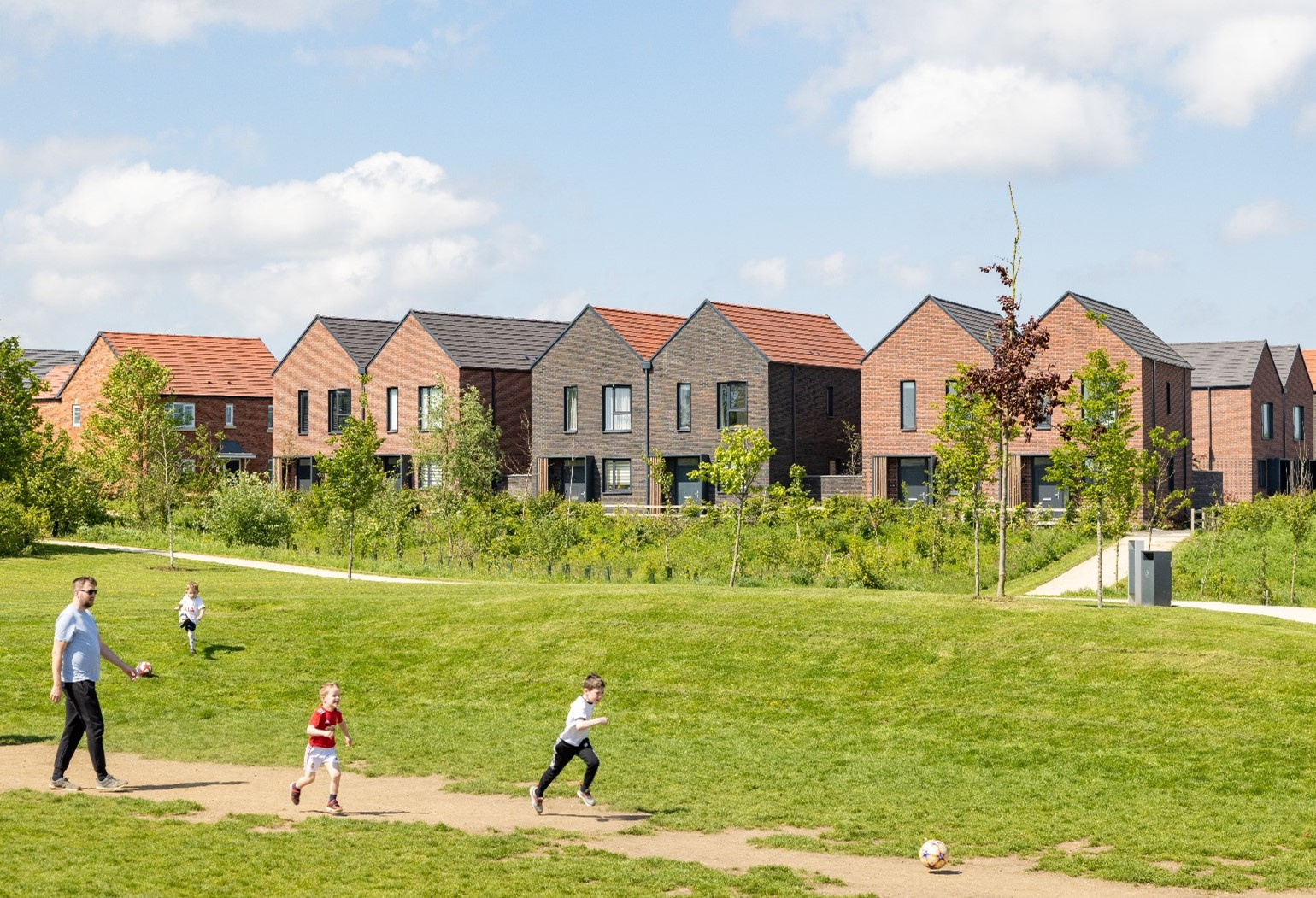
Green Spaces in New Housing Should Be the Standard, Experts Say Green spaces in new housing developments should no longer be optional. According to new planning guidance, future neighbourhoods in England are encouraged to prioritise access to nature, strong local identity, and climate resilience. However, experts warn that without mandatory rules, these recommendations may be ignored by developers. What Nature-Focused Housing Looks Like The vision for modern housing goes beyond bricks and mortar. New developments are encouraged to include nearby shops, schools, public transport, and shared social spaces. Green areas such as parks, canals, trees, and wildlife corridors should sit at the heart of communities, not on the margins. Well-designed neighbourhoods also aim to protect local heritage. Historic buildings, distinctive architecture, and cultural landmarks help residents feel connected to where they live. When housing reflects local history and landscape, communities are more likely to thrive. Successful Examples of Community-Led Development Several developments already demonstrate how green spaces in new housing can work in practice. In London, former industrial land has been transformed into mixed-use neighbourhoods with homes, schools, cafes, and public spaces alongside restored waterways and nature reserves. Elsewhere, neglected historic buildings such as old pubs have been renovated and reopened as community hubs while new homes were added nearby. Similar approaches in cities like Manchester and Newcastle show how housing, green infrastructure, and local amenities can coexist successfully. https://www.youtube.com/watch?v=0rDIwRG_RM8 Why Experts Say the Guidance Falls Short Although the guidelines promote sustainable and people-centred design, they are not legally binding. This means developers can choose whether or not to follow them. Environmental and planning experts argue this is a major weakness. Without clear requirements, important features such as green corridors, flood protection, and wildlife habitats may be overlooked. Voluntary guidance, critics say, has failed to stop years of environmental decline linked to poorly planned development. Nature, Climate, and Housing Resilience Green spaces in new housing play a crucial role in tackling climate challenges. Trees, wetlands, and permeable surfaces help manage flooding, reduce urban heat, and improve air quality. Nature-based solutions also support mental and physical wellbeing for residents. Experts stress that biodiversity should be treated as essential infrastructure. Features like swift nesting bricks, hedgehog highways, and native planting can help wildlife recover, but only if they are widely adopted. Calls for Mandatory Nature-Friendly Design Environmental organisations are urging the government to strengthen the rules. They want wildlife-friendly measures and biodiversity gains to be compulsory for all new developments. According to conservation groups, optional design choices have not delivered meaningful improvements for nature. Clear regulations, they argue, would give developers certainty while ensuring that every new neighbourhood contributes positively to ecosystems and climate resilience. What This Means for Future Housing Local authorities can use the guidance to create their own design codes. In theory, developments that meet higher standards may move through the planning process more smoothly. However, many believe that national rules are still needed to ensure consistency. Further construction regulations are expected to introduce mandatory energy efficiency measures such as solar panels, heat pumps, and improved insulation. Together with stronger green space requirements, these changes could reshape how homes are built across England. Why Green Spaces Must Become the Norm Making green spaces in new housing the default would benefit people, wildlife, and the climate. Attractive, well-connected neighbourhoods are more likely to gain public support and stand the test of time. Experts agree that bold, enforceable action is needed to turn vision into reality.

Read More

Best Beaches in Europe: Golden Sands & Clear Seas

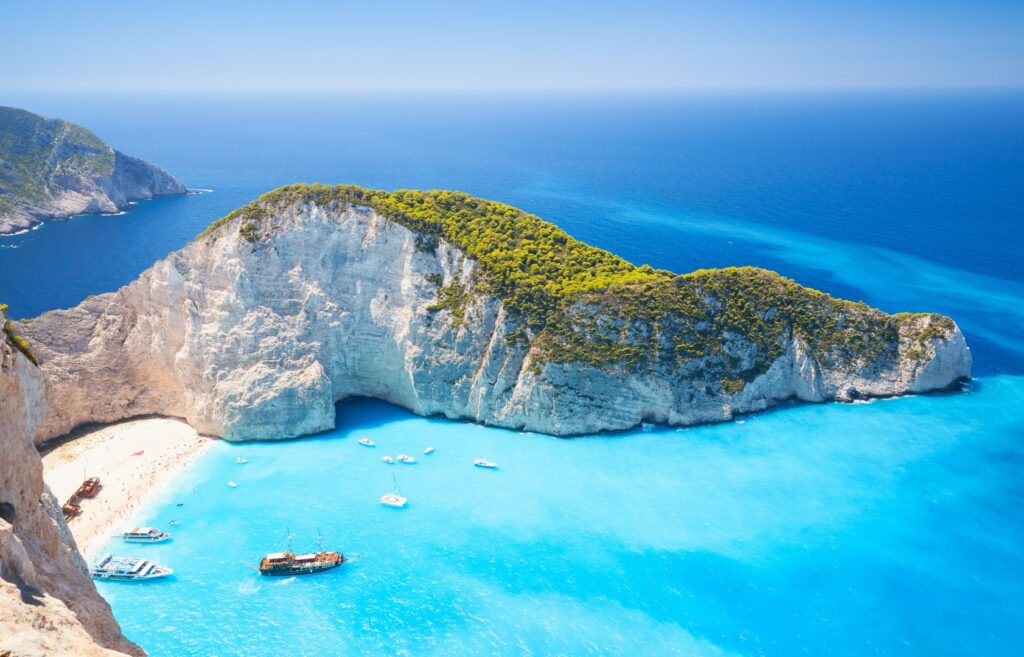
Best Beaches in Europe: Golden Sands, Clear Seas, and Unforgettable Coastlines Europe is home to some of the world’s most beautiful beaches. From dramatic Mediterranean shores to peaceful Baltic coastlines, the best beaches in Europe offer something for every traveler. Whether you crave golden sand, calm lagoons, or wild Atlantic waves, these reader-loved beach destinations promise unforgettable coastal escapes. Golden Sands and Turquoise Waters in Sicily On the northern coast of Sicily, the seaside town of Cefalù combines history with natural beauty. Its curved bay features soft golden sand that slopes gently into clear turquoise water. Above the beach, steep cliffs frame the town, creating a stunning backdrop. Wander through narrow medieval streets, enjoy authentic Italian cuisine in lively squares, and admire the impressive Norman cathedral decorated with shimmering mosaics. This beach is ideal for travelers who love culture as much as swimming. Calm Lagoons in Portugal’s Ria Formosa Along Portugal’s southern coast, the fishing village of Fuseta offers a peaceful beach experience. Located within the protected Ria Formosa natural park, this area is sheltered by sandbanks and islands. As a result, the lagoon waters remain calm and clear. Water taxis transport visitors to quiet, sandy stretches where solitude is easy to find. Despite its remote feel, Fuseta remains easily accessible, making it perfect for relaxed beach days. Dramatic Atlantic Waves in the Algarve Near Lagos, Porto de Mós beach showcases the wild beauty of Portugal’s Atlantic coast. This long stretch of sand is framed by golden cliffs and rolling waves. It’s popular with surfers, photographers, and anyone who enjoys watching the ocean in motion. After swimming or surfing, beachside restaurants serve fresh seafood and local wine, especially beautiful at sunset when the sky glows with warm colors. Untouched Beauty in Greece’s Fourni Islands In the northern Aegean Sea, the Fourni islands remain one of Greece’s lesser-known treasures. The coastline is dotted with small coves, white-stone beaches, and clear waters. Petrokopio beach stands out for its smooth white stones and ancient marble quarry remains. Other beaches are shaded by tamarisk trees and feel wonderfully unspoiled. For extra privacy, boat trips lead to nearby islands with quiet bays and simple seaside tavernas. Endless Sand and Forests in Latvia Just west of Riga lies one of the most surprising entries among the best beaches in Europe. The stretch from Jūrmala to Bigauņciems offers miles of pale sand beside the Baltic Sea. Pine forests from nearby national parks reach almost to the shoreline. Walking trails run through the trees, creating a peaceful mix of beach and woodland. Summer brings long daylight hours and mild temperatures, ideal for extended coastal walks. Northern Spain’s Refreshing Coastal Escape In Asturias, the city of Gijón offers a cooler alternative to southern Spain’s heat. San Lorenzo beach features a wide promenade, lively surf culture, and golden sand. Nearby, Playa de Poniente provides calmer waters and rocky pools that are perfect for families. Traditional restaurants serve regional dishes and local cider, adding a strong sense of place to the beach experience. Why These Are Europe’s Favourite Beaches The best beaches in Europe are not just about scenery. They combine natural beauty, local culture, and unique experiences. From quiet lagoons and historic towns to wild waves and forest-backed sands, these destinations prove that Europe’s coastline is as diverse as it is breathtaking. https://www.youtube.com/watch?v=ZIoIQmdVEHY

Read More

Antrim Coast Car-Free Trip: Castles & Coastal Walks

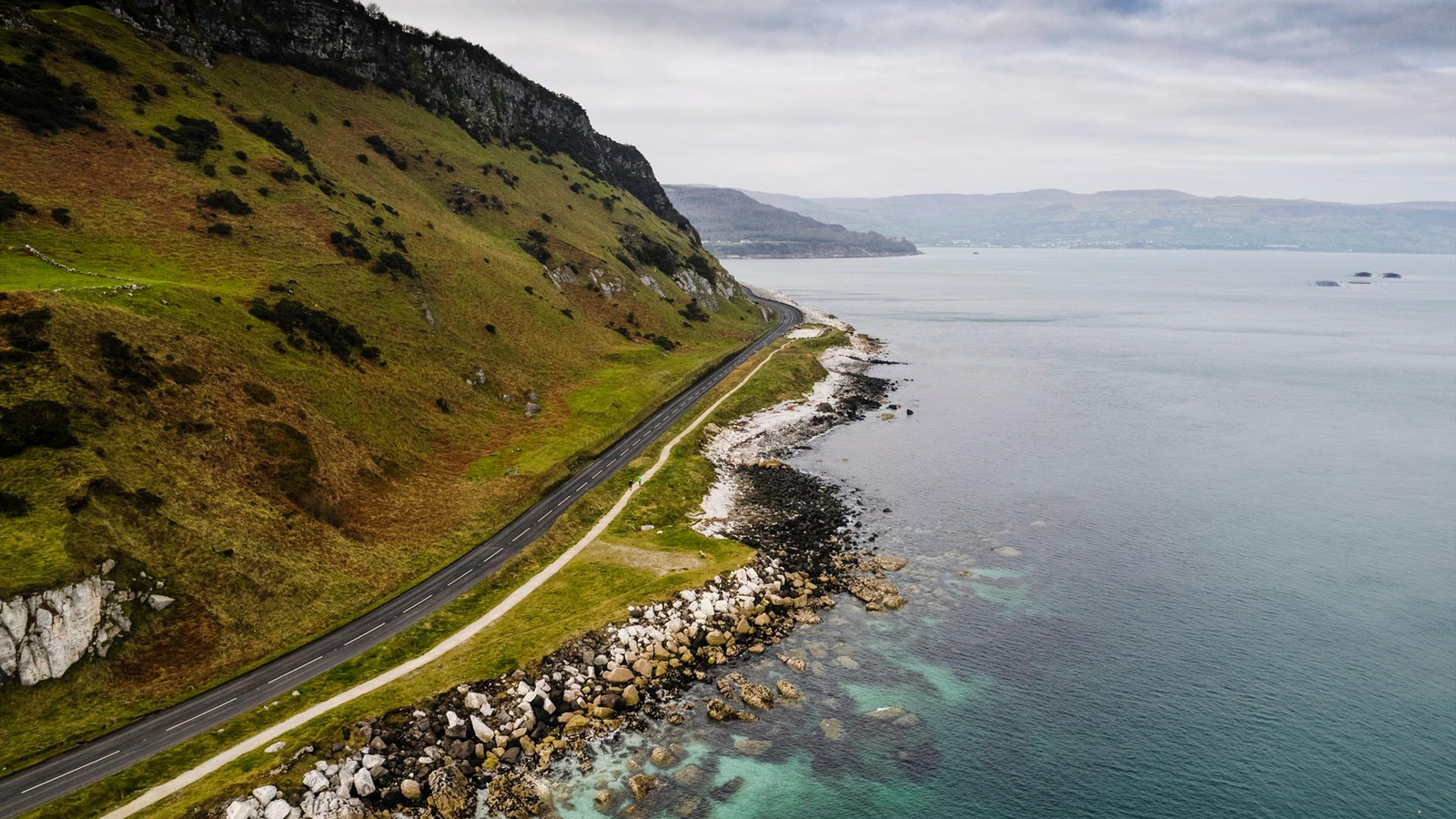
Antrim Coast Car-Free Trip: Castles, Coastal Walks, and Wild Swimming A journey along Northern Ireland’s Antrim Coast is perfect for travelers seeking adventure without a car. This Antrim Coast car-free trip combines trains, buses, and ferries to reach stunning beaches, dramatic cliffs, and historic castles. Along the way, visitors enjoy wild swims, scenic hikes, and unique local experiences, all while reducing their environmental impact. Start with Ballygally Castle Begin your adventure at Ballygally Castle. Here, you can join the “Sea Dips and Hot Sips” experience. After a brisk swim in the chilly sea, warm up with a hot drink by the fire. The castle, built in 1625, features thick stone walls, Scottish-style turrets, and cozy rooms. Breakfast includes porridge with local honey and a splash of Bushmills whiskey. Explore Glenarm Village and Castle Next, take the bus to Glenarm Castle, the ancestral seat of the Earls of Antrim. The castle gardens bloom beautifully in spring, and guided tours reveal centuries of history. In the nearby village, fern-lined riverside walks lead to small waterfalls. Red squirrels often dart among the trees. Be ready for winter storms: waves can crash onto the bus windscreen as you travel along the coast. https://www.youtube.com/watch?v=TNdQwuZo7V0 Coastal Trails and Portrush Adventures Continue your Antrim Coast car-free trip by train to Portrush. From here, enjoy cliff paths, golden beaches, and wildlife spotting. The recently refurbished Portrush Adelphi Hotel offers modern rooms and local gin miniatures. Take the bus to Carrick-a-Rede rope bridge or the Giant’s Causeway. Even if the bridge is closed, walking the coastal paths provides incredible views of the Atlantic and dramatic cliffs. Local Crafts and Island Visits End your trip at Portstewart, visiting a willow workshop run by Louise McLean. Here, you can try basket-making while watching the waves outside. The workshop also offers workshops on Rathlin Island, Northern Ireland’s only year-round inhabited offshore island. These experiences highlight the culture and natural beauty of the Antrim Coast. Why Choose a Car-Free Trip? An Antrim Coast car-free trip is sustainable, relaxing, and memorable. Traveling by train, bus, and ferry allows you to focus on the scenery and local culture. From icy wild swims to historic castles and scenic hikes, this route offers a rich experience without the stress of driving.

Read More

Overcome Fear of the Sea: Surfing Retreat in Morocco

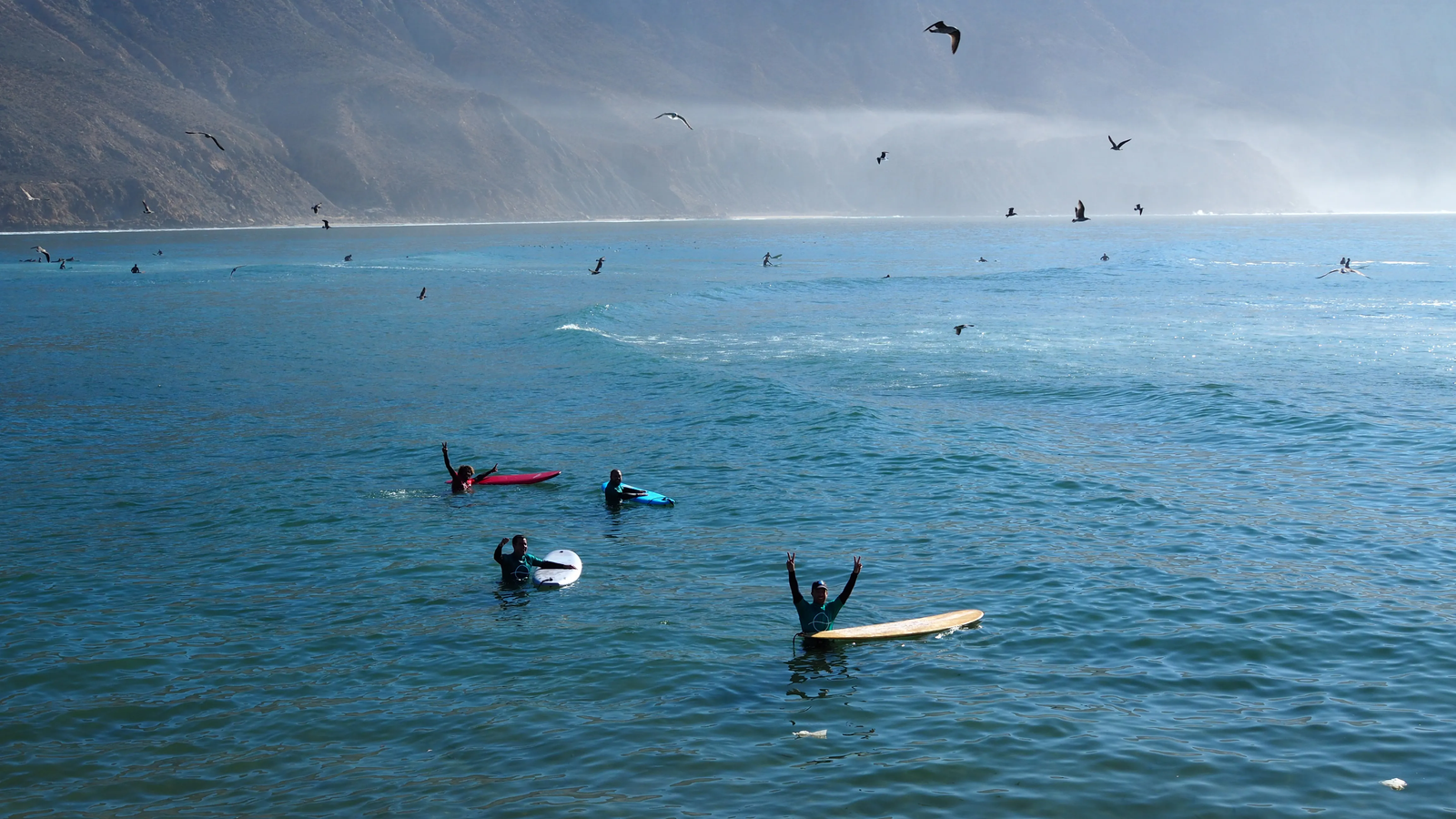
Introduction A surfing retreat in Morocco can help you overcome fear of the sea. It combines surf lessons, therapy, and immersion in nature. Annie Kelly avoided waves for years, even though she loved water. She joined a week-long retreat in Tamraght to face her fear and process past trauma. Surfing as Therapy: Facing the Waves Surfing requires focus and persistence. You paddle, fall, and try again. This repetition acts like meditation. Moreover, surfing triggers hormones—endorphins, dopamine, serotonin, and adrenaline—that boost mood and reduce stress. Local instructor Youness Arhbi guided beginners with patience. Even nervous participants felt supported. The calm beaches of Tamraght made starting easier. Gradually, they learned to overcome fear of the sea. EMDR Therapy: Healing Past Trauma The retreat included EMDR (eye movement desensitization and reprocessing) therapy. This method reduces distress from past trauma. Eye movements or tapping help the brain process memories safely. At first, Annie found EMDR intense. However, by midweek, she noticed breakthroughs. The therapy supported both emotional healing and surfing progress. https://www.youtube.com/watch?v=3JY3trh26Uk Connection, Reflection, and Growth Participants shared meals, reflections, and small victories. This created a strong community. Annie described the experience as transformative. She only stood on a wave once, but it symbolized progress. She had begun to overcome fear of the sea while gaining confidence and courage. Conclusion: Transforming Fear into Empowerment A surfing retreat in Morocco is more than a holiday. It is a journey of courage and healing. By combining surf lessons, therapy, and mindful nature immersion, participants learn to face waves and fear. Every wave becomes a step toward empowerment. This retreat shows that anyone can overcome fear of the sea, gaining confidence, joy, and resilience.

Read More

Gullah Geechee Preservation: Sapelo Island Fights Development

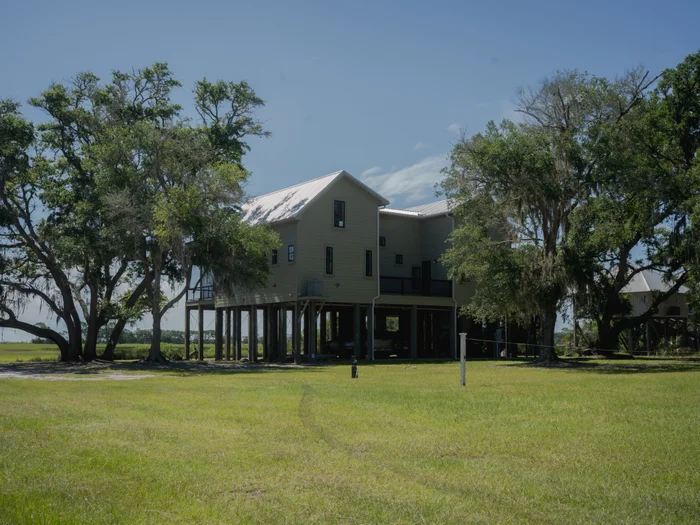
Gullah Geechee Community Preservation on Sapelo Island Gullah Geechee community preservation on Sapelo Island, Georgia, is at the forefront as residents fight to protect their historic land and culture from outside developers. The families of Hogg Hummock, the island’s only remaining Gullah Geechee settlement, recently held a citizen referendum—the second of its kind in Georgia history—blocking a zoning amendment that would have allowed larger homes and increased development. For generations, families like the Grovners have lived on the island. Ire Gene Grovner, 70, pointed to his collard greens and chickens, noting, “If you ain’t lazy, you can live good here.” He gestures toward the modest homes of family members spanning nine generations, highlighting the deep roots the community has maintained despite development pressures. Historic Roots and Cultural Significance The Gullah Geechee people are descendants of enslaved West Africans who worked on plantations from North Carolina to Florida. Freed Black families were given land on Hogg Hummock after emancipation, partly because it was marshy and considered undesirable by outsiders. Today, Sapelo Island is the only remaining Gullah Geechee sea island community in Georgia. These families preserve cultural traditions, sustainable farming, and a deep connection to the land. The island’s marshlands also play a vital ecological role, supporting marsh grass and other species essential to the coastal ecosystem. https://www.youtube.com/watch?v=0dTeGfm0F0k The Referendum: Fighting Development The referendum aimed to block a zoning amendment that would increase maximum residential square footage from 1,400 to 3,000, potentially opening the door to developers and higher taxes. Nearly 85% of voters opposed the change, signaling strong local support for preservation. Residents warn that larger homes could displace the Gullah Geechee community, threaten cultural continuity, and increase the island’s carbon footprint. Samuel, a trucker with family ties to Hogg Hummock, said, “They treat you like family. They take you in.” Legal challenges have marked the fight. Residents overcame state-level disputes to secure the referendum, demonstrating how communities can assert power to protect heritage and local governance. Preserving the Future for Generations Despite the victory, the immediate future remains uncertain. McIntosh County now has “no zoning,” leaving the door open for potential development. Legal battles are likely to continue, as attorneys for Hogg Hummock residents prepare to challenge any moves that threaten their land. Ire Gene Grovner summed up the community’s determination: “I ain’t planning on goin’ nowhere.” Families like the Grovners are committed to ensuring that the Gullah Geechee heritage on Sapelo Island survives for future generations. Why Gullah Geechee Community Preservation Matters Protecting Hogg Hummock preserves not only homes but also a unique cultural and ecological legacy. The referendum highlights how small, dedicated communities can influence local policy, safeguard heritage, and resist development pressures that threaten both people and the environment. As development pressures continue across coastal Georgia, Sapelo Island serves as a model for balancing community preservation, environmental stewardship, and cultural heritage.

Read More