Blog

Island-Hopping Scandinavia & Finland: Nordic Adventure

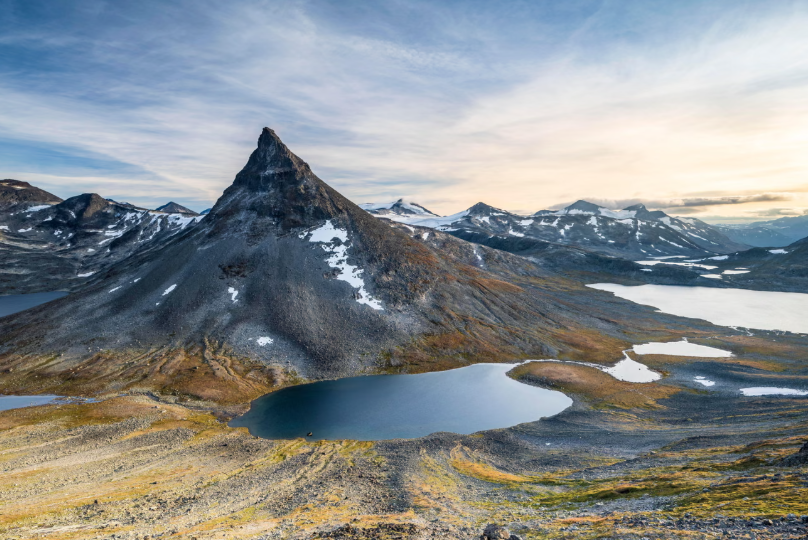
Introduction Island-hopping in Scandinavia and Finland offers a magical escape through stunning Nordic landscapes. From Norway’s glacial lakes to Sweden’s charming wooden towns and Finland’s peaceful saunas, travellers can experience nature, culture, and relaxation in one trip. This island-hopping in Scandinavia and Finland adventure combines outdoor activities, local traditions, and scenic beauty, making it a perfect getaway for explorers seeking both tranquillity and discovery. Norway: Hikes and Serene Glacial Lakes In Norway, the glacial lakes and national parks provide ideal opportunities for island-hopping adventures. Hike through Jotunheimen National Park, camp beside pristine valleys, and enjoy untouched scenery. The network of signposted trails and rustic huts makes exploring easy, while moments of solitude let visitors truly connect with nature. https://www.youtube.com/watch?v=11ZtKlc82f0 Denmark: Coastal Cabins and Quiet Beaches Denmark’s Jutland coast, near Aarhus, offers island escapes with peaceful beaches and woodland cabins. Families and solo travellers can swim in calm waters, wander along secluded shores, and discover local art at Aarhus Kunstmuseum. The combination of relaxation, coastal beauty, and cultural experiences enriches any Nordic itinerary. Finland: Saunas, Frozen Lakes, and Nordic Calm In Finland, the lakes and saunas define a unique island-hopping experience. Stroll across frozen lakes in Lakeland, enjoy the warmth of a traditional sauna, and taste Finnish coffee in quaint cafes. Activities like ice skating or cross-country skiing provide fun, while moments by the lake offer reflection and calm. Sweden: Wooden Towns and Design Highlights Sweden’s wooden towns, such as Nora and Eksjö, provide historic charm for Nordic island explorations. Wander cobbled streets, visit microbreweries, and try local treats. Near Copenhagen, architecture lovers can explore Bauhaus-inspired buildings and modernist designs, blending cultural insights with outdoor adventures. Tips for Nordic Island-HoppingPlan your route using local transport apps for ferries and buses. Mix hiking, kayaking, and relaxation to balance adventure with comfort. Include lesser-known islands for solitude and explore each island’s unique history, nature, and culture.
Read More

Island-Hopping in Sweden: Gothenburg Archipelago Adventure

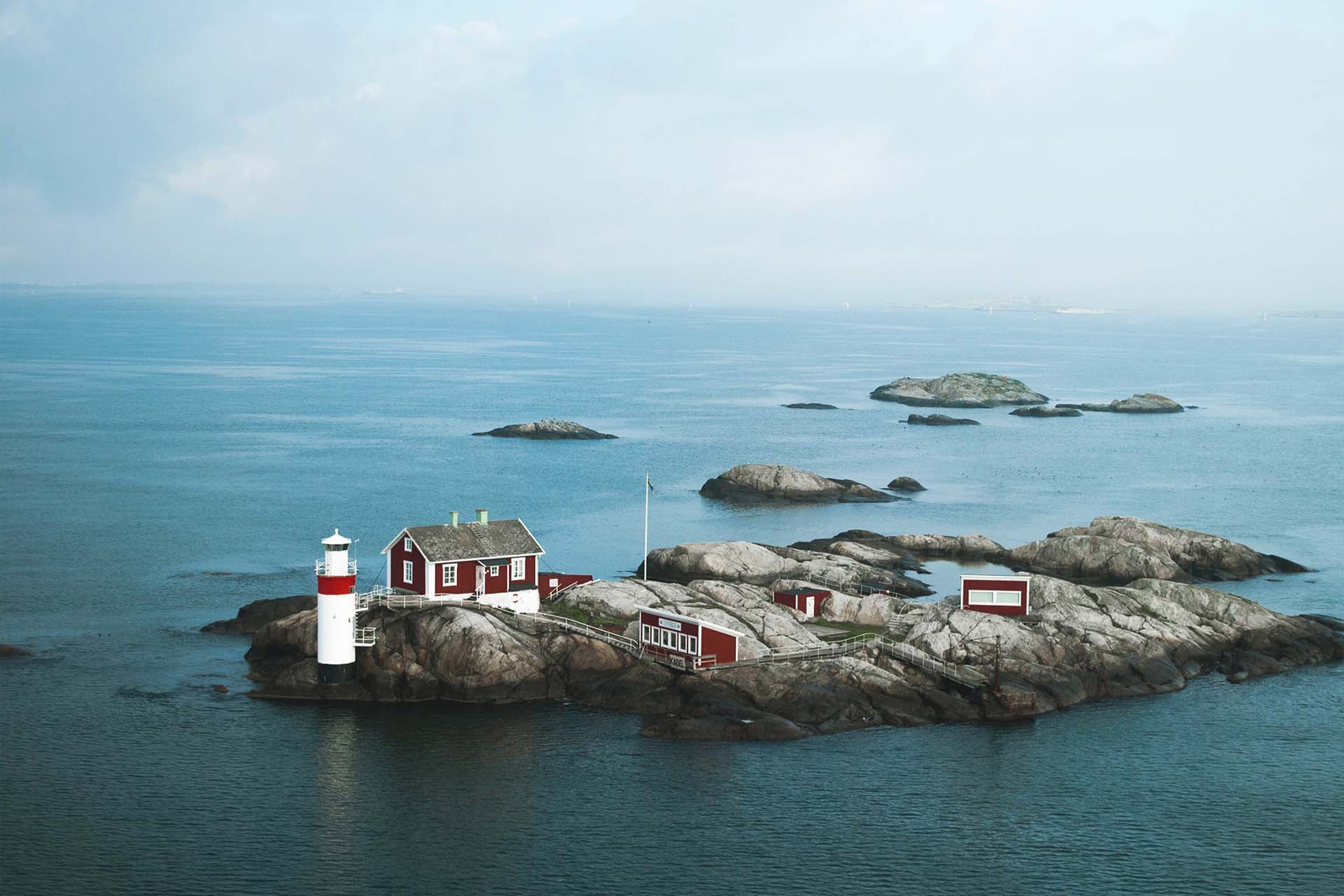
Island-Hopping in Sweden: Discover the Gothenburg Archipelago Island-hopping in Sweden offers a magical escape into the Gothenburg archipelago, where tiny islands, stunning coastal landscapes, and unique wildlife await. From kayaking among bioluminescent waters to exploring historic churches and boulder-strewn shores, this adventure blends nature, culture, and outdoor fun for an unforgettable experience. Bioluminescent Nights and Kayak Adventures Paddling across the narrow straits between rocky islets, the waters come alive after dusk. With each stroke, the sea sparkles in cold, blue trails of light. Meanwhile, jellyfish pulse beneath the surface, creating a surreal glow. Locals call this “sea fire.” Therefore, kayaking in this archipelago feels meditative and otherworldly, especially under a starlit sky. Exploring Hälsö and Its Hidden Isles The Gothenburg archipelago is home to 10 inhabited islands, including Hälsö, which retains a quiet, rural charm. A short bus ride from Gothenburg, followed by a ferry and a coastal hike along the Kuststigen trail, opens up a world of boulders, tidal pools, and secret beaches. First, follow the trail off the road. Then, scramble over rocks and pause to watch seabirds. Each island offers unique surprises. https://www.youtube.com/watch?v=POMVA3QMTfY History, Music, and Lighthouse Legends From the rocky outcrop of Vinga — once home to the famous folk musician Evert Taube — to old churches on Öckerö, the archipelago is steeped in history. Painted ceiling frescoes in 15th-century churches tell vivid tales of fire-breathing monsters. However, local lighthouses flash reminders of seafaring heritage. Music and storytelling remain central to island life, and as a result, visitors get a glimpse of centuries-old traditions. Hiking and Bouldering Adventures For outdoor enthusiasts, the islands offer hiking paths, coastal trails, and climbing opportunities. Hönö’s Ersdalen area is a vast boulder-strewn playground, ideal for bouldering and scrambling. Even if you are a beginner, these landscapes provide both physical challenge and breathtaking views. Next, take breaks to enjoy the otherworldly seascape and moss-covered rocks. Wildlife and Nature Encounters The archipelago is a haven for wildlife lovers. From spotting Eurasian eagle owls to wild ponies on northern islands like Rörö, every excursion offers a connection with nature. Additionally, tidal pools, coastal flora, and the sparkling sea make for excellent photography opportunities. Therefore, nature enthusiasts will find the archipelago incredibly rewarding. Travel Tips for Island-Hopping in Sweden Apps like Västtrafik make ferry and bus connections seamless. As a result, visitors can explore multiple islands in a single day without stress. Why You Should Try Island-Hopping in Sweden This is more than a sightseeing trip. In fact, it’s a chance to disconnect from urban life, explore remote islands, and immerse yourself in Sweden’s natural beauty and cultural history. From bioluminescent kayaking to scrambling over moss-covered boulders and discovering centuries-old churches, the Gothenburg archipelago offers an adventure-filled, unforgettable escape just a stone’s throw from the city.

Read More

Girls’ Weekend in Carmarthenshire: Wellness & Creativity

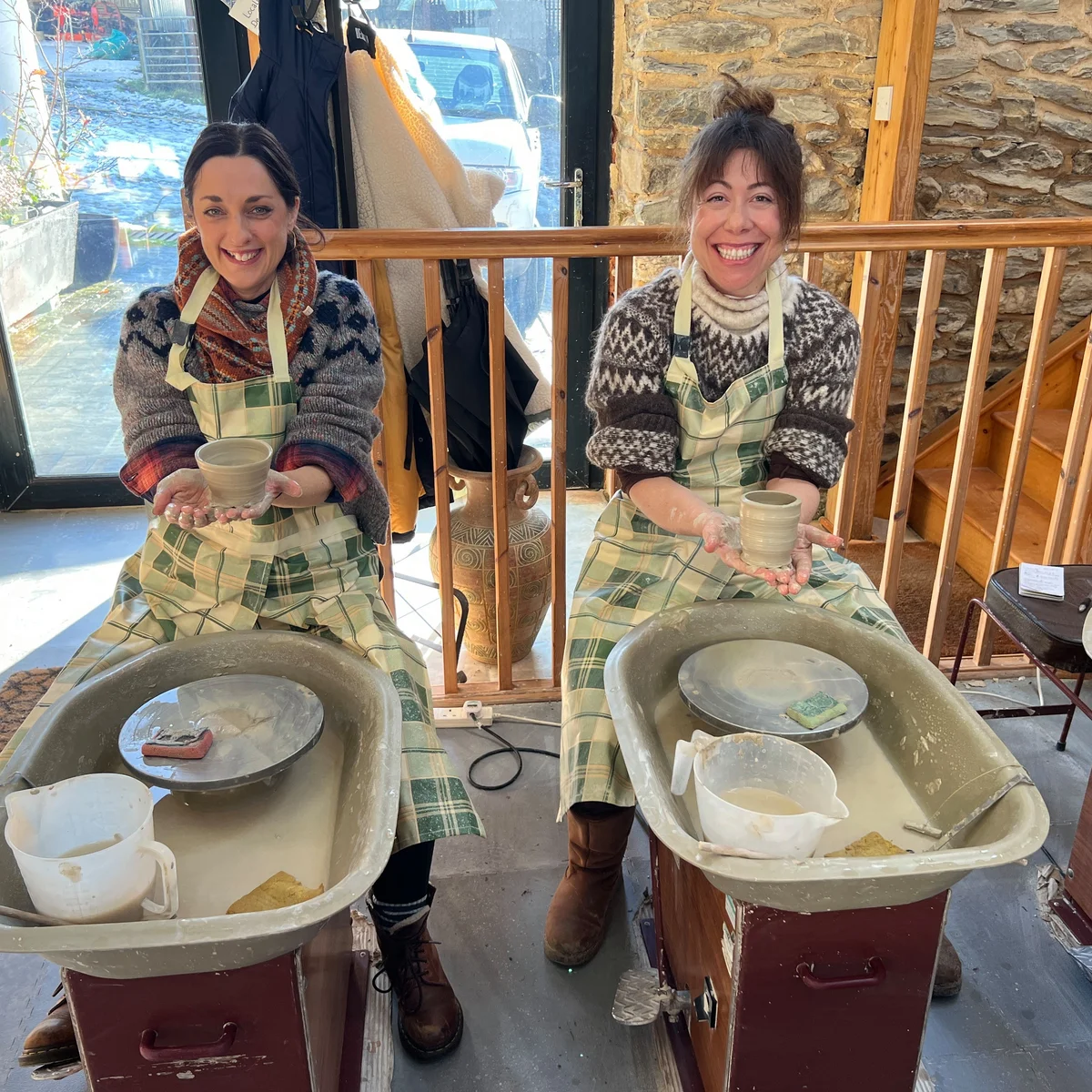
A Different Kind of Girls’ Weekend in Carmarthenshire A girls’ weekend in Carmarthenshire is the perfect escape for women seeking creativity, wellness, and meaningful experiences in stunning Welsh countryside. When it comes to planning a girls’ weekend away, the formula is shifting. Instead of late nights and cocktails, many women are choosing experiences that nurture creativity, connection and calm. In south-west Wales, Carmarthenshire has emerged as a destination perfectly suited to this new style of escape — offering beautiful scenery, artisan culture and thoughtfully curated wellbeing experiences. This is not about rushing from activity to activity. It’s about slowing down, learning something new, and spending time together in a meaningful way. Why Carmarthenshire Is Perfect for a Women’s Getaway Carmarthenshire blends rolling hills, historic towns and a dramatic coastline with a strong sense of community and craft heritage. Market towns such as Llandeilo and Carmarthen are known for independent galleries, antique shops and traditional Welsh makers, making the region feel creative and welcoming from the moment you arrive. Wandering through local shops, you’ll often see Welsh words printed on handmade goods. One word appears again and again: “cwtch.” More than a hug, it represents warmth, safety and belonging — a fitting theme for a weekend designed around togetherness. https://www.youtube.com/watch?v=LnJ0pfpdWDg Curated Sisterhood Breaks: A New Travel Trend Across the UK, women are increasingly swapping party-centric trips for skill-based and wellbeing-focused retreats. In Carmarthenshire, this idea has been embraced through carefully curated “sisterhood” breaks that allow groups to tailor their own experience. Guests can choose: This flexible format means weekends can be personalised for groups of friends, sisters or colleagues. Staying Somewhere That Feels Like Home Accommodation plays a big role in setting the tone. Many properties are rustic yet comfortable, featuring open fireplaces, freestanding baths and large communal spaces. These are places made for shared meals, long conversations and quiet moments by the fire. The aim isn’t luxury in the traditional sense — it’s comfort, character and the feeling of being able to truly switch off. Pottery, Presence and Creative Flow One of the most popular activities on a girls’ weekend in Carmarthenshire is a pottery workshop. Hosted in converted barns or countryside studios, these sessions invite participants to work with clay under the guidance of experienced makers. From kneading and shaping to glazing finished pieces, pottery is both physical and meditative. The rhythm of the wheel, the feel of the clay and the focus required naturally draw you into the present moment. No two pieces turn out the same — a reminder that creativity reflects personality. Exploring Coast and Countryside Together Between workshops, there’s time to explore the landscape. Estuary walks, castle viewpoints and coastal paths offer gentle adventure without pressure. In places like the Tywi estuary, low tide reveals shells, pools and expansive skies, perfect for photography, birdwatching or simply being still. These shared outdoor moments often become the most memorable — unplanned, quiet and deeply connecting. Yoga, Flowers and Seasonal Living Wellbeing sessions often take place back at the accommodation. Yoga classes are typically gentle and accessible, designed to relax rather than challenge. Afterwards, creative nature-based activities such as willow wreath making connect participants to the seasons and local land. Using foraged greenery, dried flowers and natural materials, these workshops celebrate slow craft and sustainability — and leave guests with something handmade to take home. Jewellery Making and Trying Something New For those wanting to learn a skill from scratch, jewellery workshops offer a hands-on introduction to working with silver or gold. Under expert guidance, participants saw, solder, hammer and polish their own pieces. There’s something empowering about creating a wearable item with your own hands — especially when it marks a shared experience with friends. Food That Brings People Together Meals are an essential part of the weekend. Whether dining at small, seasonal restaurants or enjoying catered picnics and homemade Welsh dishes, food is treated as a communal experience. Traditional recipes, local produce and relaxed dining encourage conversation and reinforce the sense of hospitality Carmarthenshire is known for. Sisterhood, Welsh-Style In Welsh culture, women have long gathered while working — cooking, farming and crafting together. The Welsh word for sisterhood, “chwaeroliaeth,” translates to “sisters together,” and perfectly captures the spirit of these weekends. By the end of the trip, hugs come easily. The feeling isn’t just friendship — it’s being held, welcomed and included. A true cwtch. Final Thoughts: More Than Just a Weekend Away A girls’ weekend in Carmarthenshire isn’t about ticking boxes. It’s about shared creativity, gentle adventure and rediscovering how good it feels to spend time together without distraction. You leave with handmade objects, new skills and beautiful memories — but more importantly, with a renewed sense of closeness. And that’s something worth travelling for.

Read More

Running Around Ireland: A 1,400-Mile Journey

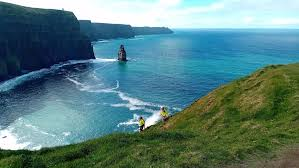
Running Around Ireland: A 1,400-Mile Journey of Body and Soul Running around Ireland was never about speed or records. It was about using running as a way to travel — to move slowly enough to absorb the land, the weather and the people. Covering the entire island on foot offered a deeper connection than any traditional journey could. At 50, the idea felt like a personal pilgrimage: a way to explore family roots while testing physical and emotional limits. Why This Journey Changes How You Travel Unlike driving or cycling, running around Ireland places you directly inside the landscape. You feel every hill, every shift in wind, every change in light. Roads become intimate. Villages unfold gradually. Conversations begin naturally. This style of travel strips life back to essentials: movement, nourishment, rest and human connection. The Route: A Full Loop of the Island The journey formed a continuous circle — beginning and ending in Dublin. Running around Ireland meant passing through mountains, farmland, coastal roads and quiet towns: In total, the distance reached roughly 1,400 miles, spread over nearly ten weeks. Solitude and Community on the Road Many days were spent alone, accompanied only by cows watching from hedgerows and the sound of breath meeting tarmac. Other days brought unexpected company — locals stepping out to run a few miles, share stories or offer encouragement. https://www.youtube.com/watch?v=SVJH9NopJtE These shared miles often felt effortless, carried by conversation rather than effort. Hospitality That Defines the Experience One of the most memorable aspects of running around Ireland was the generosity encountered daily. Doors opened easily. Help arrived without question. Pubs, homes and workshops became places of rest, repair and warmth. The experience reinforced a powerful truth: endurance is rarely a solo achievement. Landscapes That Shape the Inner Journey Mountains, peninsulas, beaches and forests provided more than scenery. They shaped the emotional rhythm of running around Ireland — hard days followed by moments of clarity and joy. Long coastal stretches, holy mountains and hidden trails created space for reflection. Moving forward, even in discomfort, became its own form of meditation. Reaching the Finish — and What Remained The final miles of running around Ireland were shared with runners from across the country, voices raised in song along the river. The journey ended where it began, but the person finishing was not the same as the one who had started. What remained was gratitude — for a body capable of movement, for strangers who became companions, and for a country that welcomed every step.

Read More

Travel Ideas for 2026: Inspiring Trips for Every Type of Traveller

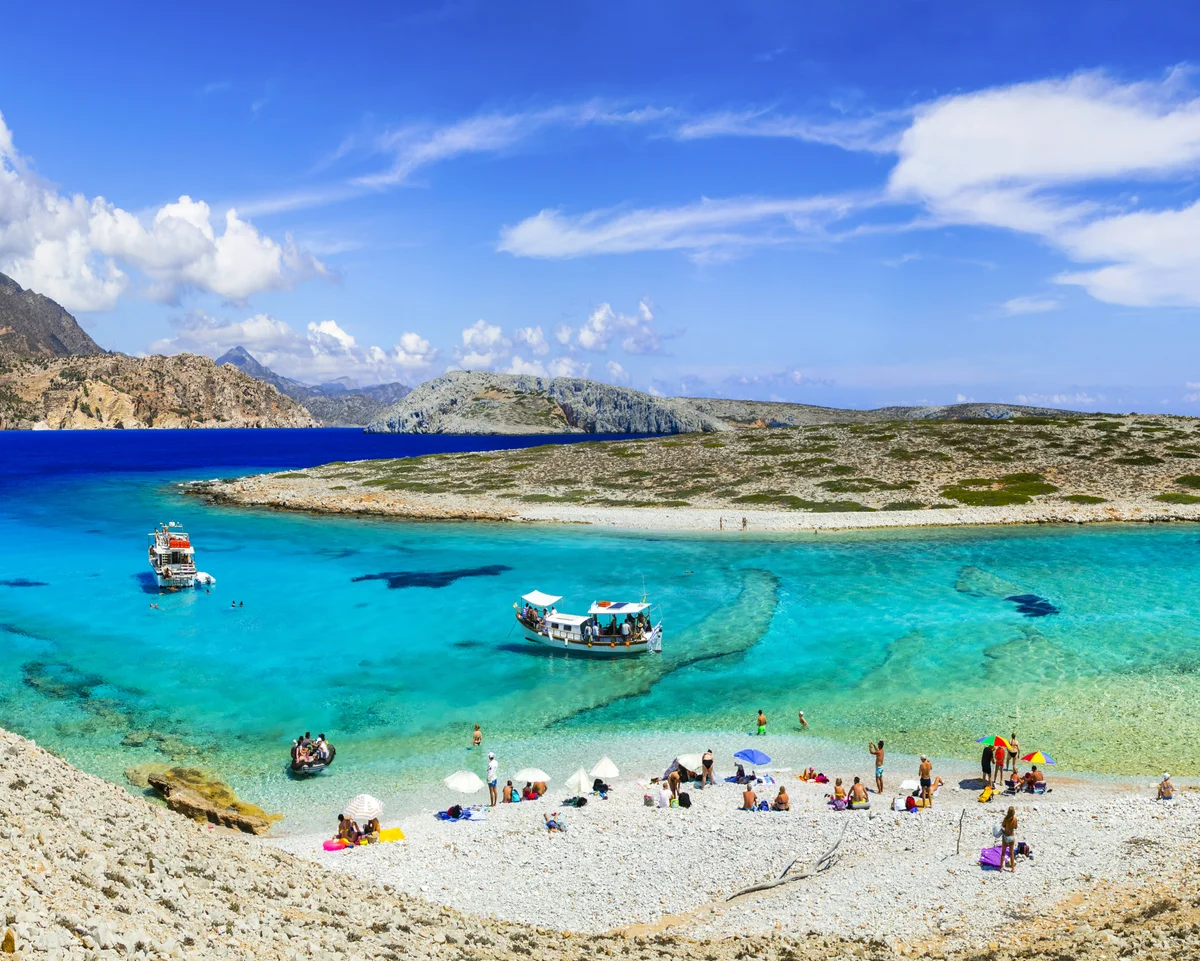
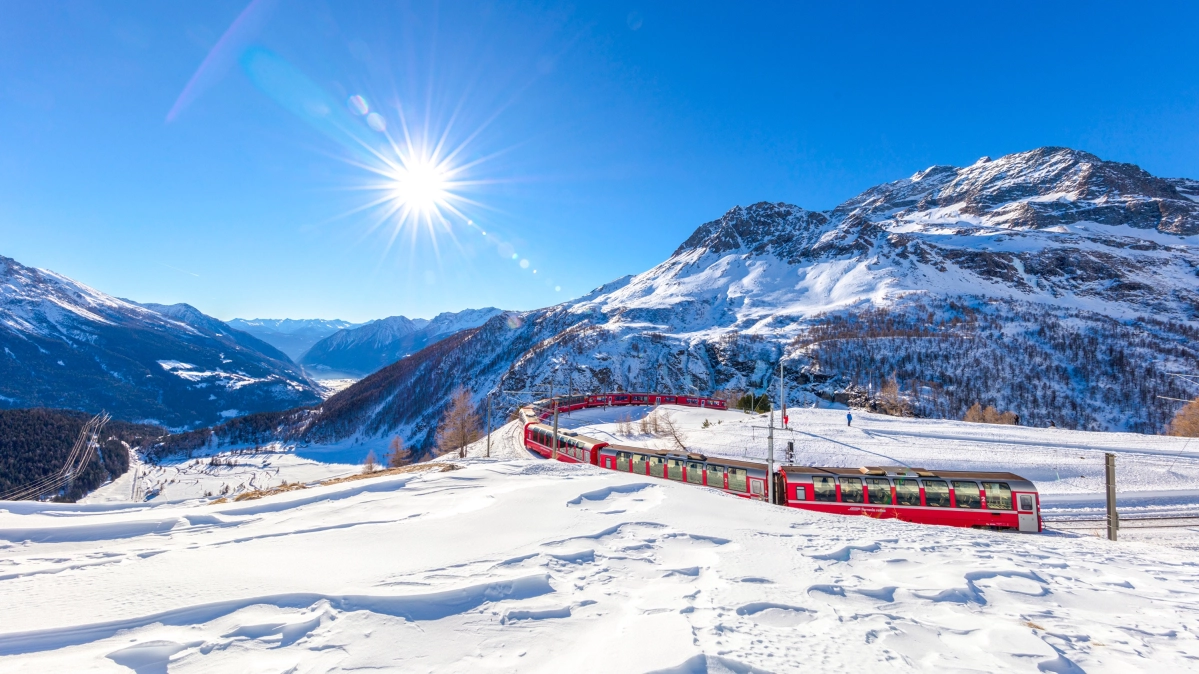
Travel Ideas for 2026: Inspiring Trips Across the World From quiet islands and under-the-radar cities to epic rail journeys and unforgettable family adventures, travel ideas for 2026 are all about slowing down, exploring deeper, and choosing places with character over crowds. Drawing inspiration from real traveller experiences, this guide brings together a diverse collection of destinations to help you plan meaningful journeys in the year ahead — whether you crave beaches, culture, nature, or adventure. Beach Escapes That Still Feel Peaceful If your idea of a perfect holiday involves sea air and space to breathe, these beach destinations prove that tranquillity still exists. These are beach holidays designed for switching off — not queueing up. Rail Journeys That Are the Holiday Among the most memorable travel ideas for 2026 are journeys where getting there is part of the experience. Rail travel brings a slower rhythm, panoramic views, and a stronger sense of place — perfect for travellers who value the journey as much as the destination. https://www.youtube.com/watch?v=4KJ5TcdyyQ4 Off-the-Beaten-Track Nature Adventures For those craving space, silence, and wild landscapes, these travel ideas for 2026 focus on nature at its most immersive. These destinations prioritise experience over entertainment — and reward travellers accordingly. Family Holidays That Everyone Enjoys The best family travel balances fun, flexibility, and shared discovery. Many of the strongest travel ideas for 2026 are perfect for multigenerational trips. These trips prove that family holidays don’t have to be hectic to be memorable. Under-the-Radar City Breaks City lovers searching for fresh inspiration will find plenty of travel ideas for 2026 beyond the usual capitals. These destinations feel lived-in rather than staged — ideal for travellers who enjoy atmosphere over attractions. Wonders Worth the Journey Some places justify the journey entirely on their own. Among the most powerful travel ideas for 2026 are destinations that inspire awe. These are trips that stay with you long after you return home. Active Holidays With Local Character For travellers who like to move, eat well, and meet people along the way, active travel dominates many travel ideas for 2026. These trips blend physical challenge with deep cultural immersion. Final Thoughts: Why 2026 Is the Year to Travel Differently The most compelling travel ideas for 2026 share a common thread: they favour depth over speed, character over hype, and experience over excess. Whether you’re planning a beach escape, a family adventure, a rail journey, or a wild nature break, the year ahead is about travelling more thoughtfully — and coming home richer for it.

Read More

Sustainable Family Ski Holiday: How to Ski Greener in the Alps

How to Plan a Sustainable Family Ski Holiday in the Alps A ski holiday has long been seen as a luxury with a heavy environmental cost — flights, artificial snow, energy-hungry resorts, and fragile mountain ecosystems under pressure. But a sustainable family ski holiday is not only possible, it can be deeply rewarding, practical, and memorable for all the right reasons. With thoughtful travel choices, responsible resorts, and low-impact activities, skiing can be transformed from a guilty pleasure into a climate-conscious adventure. Skip the Plane: Train Travel Makes the Biggest Difference Transport is the single largest contributor to the carbon footprint of a ski trip. Choosing rail travel instead of flying can cut emissions by more than 90% per person. High-speed train routes now connect the UK and major European cities directly to Alpine valleys, making it entirely realistic to reach ski resorts without stepping foot in an airport. Trains also offer major family-friendly benefits: Watching landscapes change from cities to countryside to snow-covered peaks is part of the journey — not wasted time. https://www.youtube.com/watch?v=KQVyH1DOl6k For anyone aiming to plan a sustainable family ski holiday, avoiding flights is the most impactful step you can take. Rent Equipment Instead of Buying New Ski equipment and clothing are resource-intensive to manufacture and often used only once a year. Renting at your destination — or from specialist rental services — significantly reduces waste and overconsumption. Clothing rental is especially effective for families with growing children. High-quality ski jackets, trousers, gloves, goggles, boots, and base layers can all be hired, professionally cleaned, repaired, and reused multiple times. This approach: A sustainable family ski holiday is about access, not ownership. Go Higher to Use Less Artificial Snow Climate change is reshaping mountain environments. Lower-altitude resorts are increasingly dependent on artificial snowmaking, which consumes vast amounts of water and energy — sometimes even requiring helicopter assistance. High-altitude resorts naturally retain snow for longer, reducing reliance on artificial systems. Choosing destinations above 1,600–2,000 metres improves snow reliability while lowering environmental impact. Look for resorts that: Altitude matters — not just for snow quality, but for sustainability. Choose Resorts with Verified Sustainability Standards Not all ski resorts operate the same way. Some destinations commit to measurable environmental goals, fair employment, and long-term mountain stewardship. Certification schemes help identify responsible resorts by assessing: Resorts that meet strict sustainability criteria often invest in renewable energy, staff housing, and year-round tourism such as hiking and cycling, ensuring mountain communities can thrive beyond winter. For a sustainable family ski holiday, transparency and accountability matter. Stay Car-Free and Ski-In, Ski-Out Car-free resort villages dramatically reduce emissions, noise, and air pollution. Many modern alpine resorts are designed so that accommodation, ski lifts, schools, shops, and restaurants are all reachable on foot or skis. Benefits include: Ski-in, ski-out accommodation also reduces daily transport needs, keeping your holiday both simple and low-impact. Learn, Explore, and Connect with the Mountains Sustainability isn’t just about logistics — it’s about connection. When families understand the landscapes they’re visiting, they’re more likely to protect them. Alongside ski lessons, many resorts offer: These slower experiences balance adrenaline with appreciation, making a sustainable family ski holiday richer and more meaningful. Eat Local and Support the Mountain Economy Dining choices also play a role. Restaurants that use regional ingredients reduce food miles and support local farmers and producers. Simple, hearty alpine dishes — soups, stews, cheeses, and breads — are often lower-impact than imported luxury foods and reflect the culture of the mountains themselves. Sustainability thrives when tourism strengthens, rather than replaces, local identity. Final Thoughts: A Better Way to Ski A sustainable family ski holiday isn’t about sacrifice — it’s about smarter choices. By traveling by train, renting gear, choosing high-altitude eco-certified resorts, and embracing car-free living, families can dramatically reduce their environmental footprint while gaining a deeper, more joyful experience. Green skiing isn’t a trend. It’s the future — and the mountains depend on it.

Read More

Building Muscle Effectively: Tips for Size and Strength

Strong vs. Swole: The Science of Building Muscle Effectively For years, conventional wisdom suggested that muscle growth relied on the “tear and repair” model: push your muscles to failure, endure soreness, and hope for size gains. But recent research paints a different picture of building muscle effectively—one that emphasizes tension over pain and strategy over brute force. Muscle Growth: Tension Trumps Trauma Traditional advice often encourages pushing muscles to the point of exhaustion, assuming that microtears directly lead to bigger gains. While muscle damage does contribute to growth, studies show that mechanical tension is the primary driver. When you lift a weight heavy enough—or perform enough reps to challenge the muscles—you stretch the muscle cell membrane. This triggers mechanoreceptors, which activate the mTOR pathway, a cellular “master switch” for muscle protein synthesis (MPS). This process thickens and strengthens muscle fibers, fueling growth far more effectively than chasing soreness. https://www.youtube.com/watch?v=lu_BObG6dj8 Two Types of Hypertrophy: Size vs. Strength Not all muscle growth translates to strength. There are two main forms: Athletes like Olympic weightlifters and gymnasts often focus on myofibrillar growth to maximize strength without gaining bulk, while bodybuilders may prioritize sarcoplasmic growth for aesthetics. The most effective programs combine both: heavy weights to generate tension, plus enough repetitions to create metabolic stress. Soreness Isn’t the Goal Muscle pain or post-workout soreness is not a reliable indicator of growth. Muscles can grow with minimal soreness, and conversely, excessive damage—like from downhill running—may impair progress. Focusing on pain alone can reduce performance and hinder consistent training. Smarter Workouts for Effective Muscle Growth The principle of progressive overload—gradually increasing stress on the muscles—is still key. But overload doesn’t require pushing every set to failure. Strategies for building muscle effectively include: The goal is steady, sustainable growth rather than chasing extreme discomfort. With consistent effort and smart programming, you can gain both strength and size without risking injury or burnout.

Read More

Bangkok Water Monitors: How Giant Lizards Thrive in the City

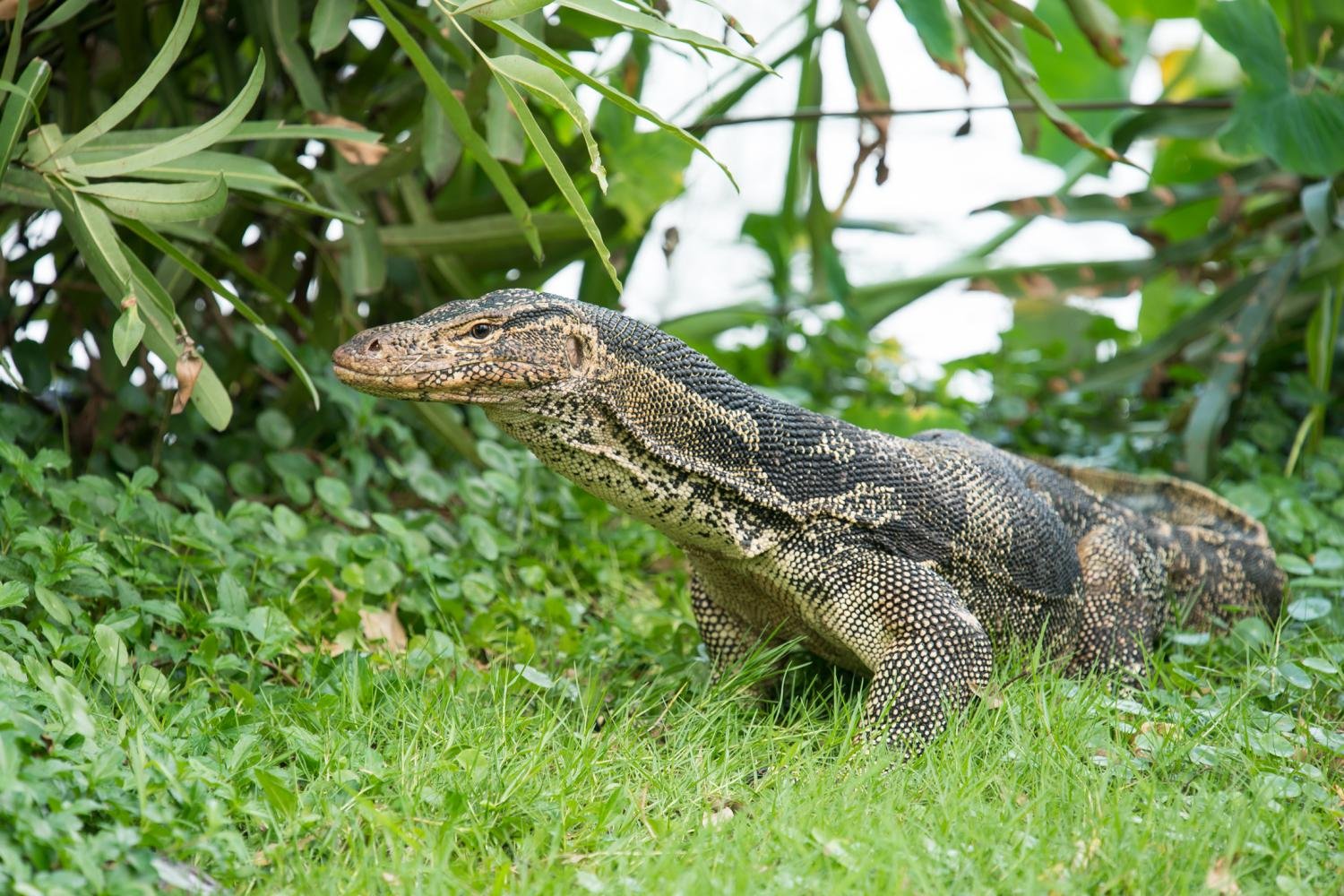
Bangkok Water Monitors: The Giant Lizards of the City Once confined to the outskirts, Bangkok water monitors are now a common sight in the city’s parks and canals. These ancient reptiles, the world’s second-largest lizard after the Komodo dragon, are thriving in urban green spaces like Lumphini Park. For travellers, spotting them is a rare chance to see a prehistoric species living alongside a modern metropolis. Encountering Bangkok’s Water Monitors in Lumphini Park Before dawn, the still canals of Lumphini Park reflect the quiet city. As the sun rises, scaly snouts emerge: Asian water monitors slowly navigate the water, their movements revealing a link to Bangkok’s ecological past. The park, steps from hotels and shopping malls, provides visitors with a unique experience: no enclosures, no ticket, just a walk among giant lizards. Several hundred water monitors live in and around Lumphini Park. They patrol canals, venture into commercial areas, and often interact indirectly with people. Observing them basking beside joggers, picnickers, and photographers is both unnerving and fascinating. The Adaptability of Bangkok Water Monitors Michael Cota, a retired associate at Thailand’s National Science Museum, explains that their success lies in adaptability. “They’ll eat anything, dead or alive,” he says. From food scraps to small animals, these extreme generalists have carved out a niche in Bangkok’s urban ecosystem. Their increasing visibility demonstrates nature’s persistence in the heart of a megacity. Safety Tips for Observing Water Monitors While Bangkok water monitors are accustomed to human presence, visitors should maintain a safe distance. Feeding them is strongly discouraged, and approaching them on land can provoke defensive behavior. Respecting their space protects both humans and the city’s fragile urban wildlife. Firefighter S Ruengdach notes, “We get more calls about rescuing water monitors than fires. They venture out more when it rains.” With thousands estimated across the city, sightings are common, but caution remains essential. From Stigma to Social Media Fame Historically, the monitors had a bad reputation in Thailand. Known as hia, their name became a severe insult. Traditionally, they were associated with death and bad luck because they scavenged along waterways. Today, attitudes are changing. Younger generations, social media users, and tourists celebrate them as fascinating urban wildlife. TikTok and Instagram feature clips of lizards clattering through parks, canals, and even shopping areas. Some locals consider them lucky, and authorities have embraced the shift, installing a giant water monitor statue in Lumphini Park to educate visitors. The Future of Bangkok Water Monitors Efforts to remove them, such as the 2016 Lumphini Park cull, have had limited long-term success. Experts like Cota argue for integrating the lizards into urban life: “Instead of pushing them out, make them part of the city’s future.” As Bangkok continues to grow, these resilient reptiles remain a living reminder of nature’s ability to adapt, survive, and even flourish in unexpected places.

Read More

Leith Edinburgh: A Cultural and Culinary Renaissance

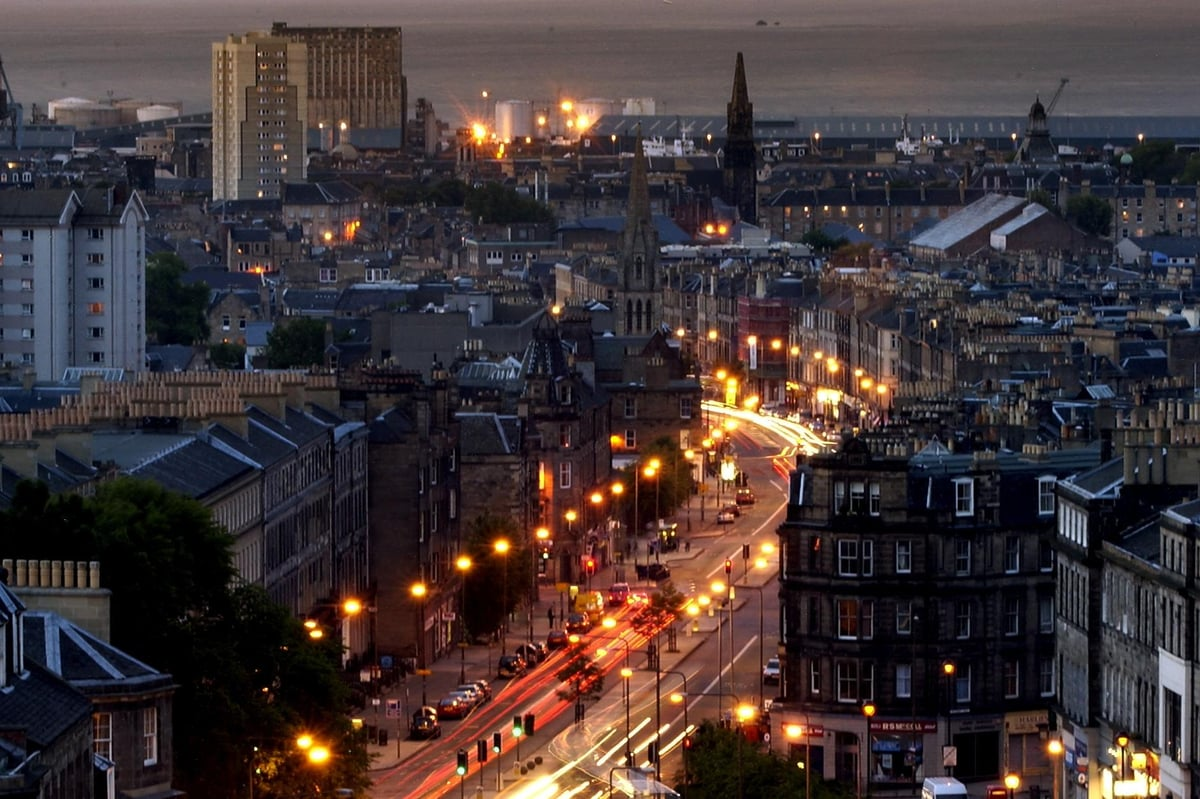
Introduction Leith Edinburgh, Scotland’s historic port district, has transformed into one of the city’s most vibrant neighborhoods. With a thriving cultural scene, bustling restaurants, and creative art spaces, Leith Edinburgh blends history and modern innovation. Visitors can enjoy riverside strolls along the Water of Leith, explore local markets, and browse independent shops. Leith Edinburgh offers a unique experience that captures the heart of the city. A Cultural Renaissance: Where Art Meets Community Leith Edinburgh’s resurgence is about more than trendy restaurants or hipster cafes. It represents a cultural renaissance that celebrates its history while embracing new ideas. For example, Custom Lane is a hub for local design and creativity in the old Custom House building. Here, visitors can enjoy workshops, galleries, and collaborations. The Bard Gallery inside Custom Lane is designed like a collector’s home, blending contemporary Scottish design with a welcoming environment. Across the river, Brown’s of Leith, a massive Victorian warehouse, has been repurposed into a multi-functional creative space. It hosts food markets, art exhibitions, and community events. GRAS architects, who led the redesign, emphasize supporting creativity while honoring Leith Edinburgh’s identity. This combination of heritage and innovation makes Leith Edinburgh a dynamic place where old and new coexist seamlessly. Leith Edinburgh’s Culinary Explosion: From Michelin Stars to Community Feasts Leith Edinburgh offers a diverse food scene, from Michelin-starred restaurants to casual local eateries. Culinary creativity thrives here, fueled by passionate chefs and an enthusiastic local crowd. Barry Fish, opened in 2025 by chef Barry Bryson, has quickly become a favorite. Its cozy, green-hued interior complements dishes like trout pastrami and lobster agnolotti, showcasing Leith Edinburgh’s growing gastronomic reputation. Ardfern, a cafe-bar opened by Roberta Hall-McCarron and Shaun McCarron in 2024, adds a touch of fine dining. Their crispy hash browns, topped with sprout kimchi and fish sauce aioli, are a must-try. Both Barry Fish and Ardfern highlight the strong community focus of Leith Edinburgh’s dining scene. Dogstar, run by Michelin-starred chef James Murray, offers a laid-back vibe. Local produce and simple, bold flavors define the menu, with shellfish roasted over coals and warm focaccia with anchovy sauce. This spot reflects Leith Edinburgh’s culinary blend of quality and accessibility. Shopping and Independent Retail: Leith Edinburgh’s Unique Boutiques For independent shopping, Leith Edinburgh has numerous boutique stores reflecting its creative spirit. Argonaut Books, located in a former train station, is a haven for book lovers. It also functions as a community hub, hosting events and offering a cozy cafe. Other shops like Logan Malloch, Flux, and Handsel on Leith Walk sell local art, jewelry, and unique gifts. For wine enthusiasts, Bludge offers a curated selection of fine wines in an intimate setting. These stores capture the essence of Leith Edinburgh’s artistic soul. https://www.youtube.com/watch?v=rQOuxxjgNk0 Must-Visit Attractions in Leith Edinburgh While the Royal Yacht Britannia draws many visitors, Leith Edinburgh’s Port Distillery is a hidden gem. This nine-storey “vertical distillery” offers excellent views of the Firth of Forth. The tour showcases whisky production, while the cafe and bar provide the perfect spot to enjoy a dram. The Water of Leith path is ideal for walking or cycling. Along the river, visitors discover picturesque spots revealing Leith Edinburgh’s rich history. Afterward, stop at craft breweries like Moonwake, Campervan, or Newbarns for a local pint. The thriving craft beer scene highlights Leith Edinburgh’s community vibe. Where to Stay in Leith Edinburgh Accommodation in Leith Edinburgh ranges from stylish riverside hotels to unique experiences aboard ships. Malmaison Edinburgh, along the waterfront, offers chic rooms starting at £77 per night. For a distinctive stay, consider Fingal, a former lighthouse tender turned luxury hotel. Rooms here start at £269 per night and provide a one-of-a-kind experience in Leith Edinburgh. Leith Edinburgh: A District Reborn Leith Edinburgh has successfully reinvented itself, balancing history, creativity, and community. From art galleries and independent shops to top-notch restaurants and craft breweries, Leith Edinburgh reflects both its past and vibrant present. Whether you’re here for a meal, an art show, or to explore the streets, Leith Edinburgh offers a slice of Edinburgh full of life, character, and creativity.

Read More

Tam O’Shanter by Robert Burns: Why This Poem Is a Masterpiece

Why Tam O’Shanter by Robert Burns Remains a Masterpiece of Scottish Literature Tam O’Shanter by Robert Burns is more than a tale of witches and revelry—it is a richly layered masterpiece that blends humor, horror, and human insight. First published in 1791, the poem remains a centerpiece of Burns Night celebrations worldwide. Scotland’s national poet, Robert Burns, used this work to capture the universal human experience, making it both entertaining and thought-provoking. Tam O’Shanter by Robert Burns and Its Enduring Appeal on Burns Night Every year, Burns Night commemorates the poet’s birthday on 25 January. Across the globe, people celebrate with haggis, whisky, and readings of Burns’s poems. Tam O’Shanter is often recited alongside classics like Ae Fond Kiss, To a Mouse, and Auld Lang Syne. While its plot is lively and humorous, the poem contains deeper reflections on human nature, morality, and society. The Story Behind Tam O’Shanter by Robert Burns The poem follows Tam O’Shanter, a farmer who enjoys drinking nearly as much as working. One stormy night, after spending hours at the pub with his friend Souter Johnnie, he rides home on his horse, Maggie. On his way, he stumbles upon a supernatural gathering in Alloway’s Auld Kirk, where witches and warlocks dance to the devil’s bagpipes. Tam’s mischievous exclamation, “Weel done, Cutty-sark!” directed at the young witch Nannie, triggers a frantic chase, culminating in Maggie losing her tail as they escape across the River Doon. Humor, Darkness, and Human Insight While the story contains thrilling action and supernatural elements, Burns also weaves in humor, social commentary, and philosophical reflection. The poem balances bawdy jokes with chilling imagery, offering tributes to friendship, the joys of indulgence, and the transient nature of pleasure. Its clever use of Scots and English adds depth and accessibility, making it a standout in Scottish literature. Burns’s Mastery of Form and Style Tam O’Shanter is written in rhyming iambic tetrameter, showcasing Burns’s versatility. He blends folk traditions, literary genres, and linguistic styles, demonstrating virtuosity in narrative and rhythm. Through Tam’s adventures, Burns paints a vivid picture of 18th-century Scottish life, folklore, and human folly. The poem’s universal themes and memorable characters contribute to its enduring appeal. Universal Themes and Character Insight The poem’s central figure, Tam, represents the “everyman,” reflecting Burns’s egalitarian ideals. Through humor and exaggeration, Burns explores masculine foibles, human appetites, and the complexities of social interaction. Women, too, may recognize aspects of themselves in the story, as the poem examines universal human traits such as ambition, desire, and vulnerability. Legacy and Lasting Influence Even centuries later, Tam O’Shanter by Robert Burns continues to captivate readers and performers alike. It remains a staple of Burns Night, celebrated for its lively storytelling, philosophical depth, and exploration of human nature. The poem’s clever combination of humor, horror, and compassion ensures its place as one of Scotland’s most treasured literary works.

Read More