
Blog

Interview with a Ghost: Exploring Haunted Places in New York City

The Timeless Mystery Behind Haunted Places in New York City New York City is a place where the past never truly dies. Beneath the pulse of modern skyscrapers and yellow taxis lies another city — one built on layers of stories, secrets, and spectral echoes. Beyond the dazzling lights of Times Square or the tranquility of Central Park, there’s a darker side that hums with whispers of those who once walked these streets. These are the haunted places in New York City, where history and hauntings blur into one unforgettable tale. It’s late evening at the Morris-Jumel Mansion, Manhattan’s oldest surviving residence. The flickering glow of candles casts ghostly shadows along brick walls that have witnessed revolutions, duels, and whispered conversations. I find myself holding a pair of dowsing rods, thin metal sticks that tremble in my hands. The air feels colder here, heavy with memory. “Isaac,” I whisper, “should I mention you in my story?” The rods cross slowly — the supposed sign for yes. I’m speaking to a spirit, at least according to the guides who host these paranormal tours. I’m not one to leap at the supernatural, yet New York’s haunted history has a way of challenging skepticism. The city’s reputation for being a modern powerhouse often overshadows its centuries-old ghosts, but those willing to look closer can sense how deeply the supernatural is stitched into its foundation. Exploring haunted places in New York City isn’t just about thrills; it’s about tracing forgotten footprints. Each haunted mansion, tavern, or museum serves as a time capsule, revealing lives that helped build the city — and in some cases, never left it behind. Morris-Jumel Mansion: One of the Oldest Haunted Places in New York City Perched on a quiet hilltop in Hamilton Heights, the Morris-Jumel Mansion looks peaceful from the outside. Built in 1765, it once served as George Washington’s headquarters during the Revolutionary War and later became home to the flamboyant Eliza Jumel, one of the city’s wealthiest women. But beneath its historical prestige lies a lingering energy that visitors can still feel today. During one of the mansion’s candlelit paranormal investigations, our small group is handed ghost-hunting tools — EMF meters, cat-toy motion lights, and the delicate dowsing rods. Within minutes, the devices begin to react near the old kitchen fireplace. Guides believe this is where Isaac Till, an enslaved cook, once prepared meals for Washington and his soldiers. Museum records confirm his existence through Washington’s ledgers, listing rental fees for Isaac and his wife Hannah. Though history reduced them to transactions, the mansion now strives to restore their stories — and in Isaac’s case, his voice. When we ask if it was his song echoing through the basement earlier, the rods cross again. Perhaps coincidence, perhaps something else. But the chill that follows feels unmistakably personal. “He’s one of the spirits who seems to respond most often,” explains Danielle Gaita, the mansion’s programs manager. “Visitors come for the ghost stories, but they leave with a deeper understanding of the people history forgot.” Eliza Jumel herself is said to wander the upper halls, rearranging furniture and startling guests with fleeting appearances. Some even claim to see Aaron Burr — her husband for a brief and tempestuous period — drifting through the parlor where they exchanged vows. Whether these sightings are tricks of light or lingering memories, the Morris-Jumel Mansion remains one of the most compelling haunted places in New York City, merging Revolutionary War history with tales of restless souls. The Merchant’s House Museum: Where Time Stands Still Just south in Greenwich Village stands another cornerstone of New York’s haunted legacy — the Merchant’s House Museum. Built in 1832, the red-brick townhouse once belonged to the Tredwell family, prosperous merchants whose wealth reflected the city’s maritime boom. Every ornate room has been preserved exactly as it was, down to the velvet drapes and horsehair furniture, making visitors feel as though they’ve stepped into the 19th century. Yet the past doesn’t just linger here — it moves. Guests and employees alike have reported doors opening on their own, cold spots forming suddenly, and even the faint sound of footsteps trailing behind them. The most famous apparition is Gertrude Tredwell, the family’s youngest daughter, who died in the home in 1933 after spending her entire life within its walls. Days after her funeral, neighbors claimed to see her appear on the stoop, shushing noisy children exactly as she had in life. Unlike many historical sites that downplay ghost stories, the museum embraces its spectral reputation. Each fall, candlelight ghost tours invite visitors to experience the mansion after dark, guided by historians who weave family biography with the unexplained phenomena. There’s even a podcast, In the Spirit of Science, which examines supernatural reports through scientific inquiry — proof that in New York, even ghosts meet modern skepticism. What makes the Merchant’s House so compelling isn’t only the possibility of seeing a ghost but how vividly it preserves 19th-century domestic life. The scent of polish on the mahogany banister, the creak of age in the floorboards — they make you feel time folding in on itself. It’s a haunting that transcends fear; it’s empathy for lives lived so completely within these walls that their echoes refuse to fade. Green-Wood Cemetery: Where History Sleeps Uneasily Across the East River in Brooklyn lies Green-Wood Cemetery, 478 acres of rolling hills, gothic mausoleums, and winding paths shaded by ancient trees. It’s beautiful, solemn, and eerily alive with stories. Established in 1838 on land that once saw the Battle of Long Island during the Revolutionary War, Green-Wood soon became one of America’s first rural cemeteries, the final resting place for artists, generals, politicians, and thousands of soldiers from the Civil War. By day, it’s serene — photographers capture sunlight streaming through marble angels; locals stroll the grounds. But at night, the atmosphere changes. Countless visitors have reported strange voices whispering among the tombs, flickers of figures gliding between monuments, and even the echo of…


Read More

Symptoms of Heart Disease: How to Identify Early Signs

Introduction: Understanding the Many Faces of Heart Disease Symptoms of heart disease can vary widely, yet they often begin with subtle warning signs that many people overlook. Heart disease is not just one illness but a broad term covering several conditions that affect the heart’s structure and function. From blocked arteries and irregular heart rhythms to weakened heart muscles and damaged valves, each condition presents unique challenges to heart health. Recognizing these early symptoms of heart disease and understanding their nature can help prevent severe complications such as heart failure, stroke, or cardiac arrest. Heart-related conditions often progress silently, developing gradually over time. They may start with mild shortness of breath, fatigue, chest discomfort, or unusual tiredness—signals that something could be wrong. When these warning signs are recognized early and addressed promptly, the chances of recovery and long-term heart health improve dramatically. Ignoring or dismissing the symptoms of heart disease can have serious consequences. Even mild discomfort or irregular heartbeat could indicate an underlying problem. Learning how to identify symptoms of various heart conditions empowers individuals to act quickly, seek timely medical help, and protect their overall well-being. Why Recognizing Heart Disease Symptoms Early Matters Early detection of heart disease can mean the difference between manageable treatment and life-threatening complications. Many heart conditions share overlapping symptoms, making them tricky to identify without professional evaluation. However, being familiar with the general warning signs can encourage timely medical attention. When symptoms such as chest pain, shortness of breath, dizziness, or irregular heartbeats arise, it is vital not to dismiss them as mere fatigue or indigestion. Each symptom provides a clue about what might be happening inside the cardiovascular system. Understanding how these signs differ among various heart conditions helps patients communicate better with healthcare professionals, leading to more accurate diagnoses. Common Early Warning Signs Shared by Many Heart Conditions Although heart diseases differ in cause and severity, many share similar early warning symptoms. These can include: While these symptoms may seem general, they are vital indicators that should never be ignored. Let’s explore how these symptoms manifest in different heart conditions. Symptoms of Coronary Artery Disease (CAD) Coronary Artery Disease (CAD) occurs when the arteries supplying blood to the heart become narrowed or blocked due to plaque buildup, a process known as atherosclerosis. Over time, this reduces blood flow to the heart muscle, leading to oxygen deprivation. Key Symptoms of CAD The most recognizable symptom of CAD is angina, or chest pain, which may feel like pressure, heaviness, burning, squeezing, or tightness in the chest. This pain can radiate to the arms, neck, jaw, or back. Some individuals mistake this for indigestion or muscle strain. Additional symptoms may include: Treatment and Management Treatment options often include lifestyle modifications, such as eating a heart-healthy diet, maintaining a healthy weight, quitting smoking, and engaging in regular exercise. Medical therapies may include: In severe cases, surgical procedures may be necessary: Symptoms of a Heart Attack (Myocardial Infarction) A heart attack happens when blood flow to a section of the heart is completely blocked, leading to tissue damage or death. The severity of the symptoms often depends on the extent of blockage and how quickly treatment begins.https://www.youtube.com/watch?v=LPoOFqYr6vE Common Symptoms of a Heart Attack Some heart attacks are “silent,” meaning they occur without obvious symptoms. These silent attacks are more common in older adults and people with diabetes. What to Do During a Heart Attack Immediate medical attention is critical. Emergency services should be contacted right away if heart attack symptoms appear. The quicker blood flow is restored, the higher the chances of survival and recovery. Symptoms of Heart Failure (Congestive Heart Failure) Heart failure occurs when the heart cannot pump blood effectively, leading to a buildup of fluid in the lungs and other parts of the body. Recognizing Heart Failure Symptoms Treatment Approaches Heart failure management involves: Symptoms of Arrhythmia (Irregular Heartbeats) Arrhythmias are irregular heart rhythms that can make the heart beat too fast, too slow, or erratically. Common Signs of Arrhythmia Arrhythmias can be harmless or life-threatening, depending on their cause and type. Severe arrhythmias like ventricular fibrillation require immediate medical intervention. Symptoms of Heart Valve Disease The heart’s four valves regulate blood flow. When they fail to open or close properly, blood can leak backward or fail to move efficiently. Warning Signs Valve disease may result from infections, congenital defects, or age-related degeneration. Treatment options include medication, valve repair, or replacement surgery. Symptoms of Cardiomyopathy Cardiomyopathy affects the heart muscle, making it thicker, enlarged, or stiffened, which impacts its ability to pump blood. Typical Symptoms Symptoms of Congenital Heart Disease Congenital heart disease is present from birth and involves structural abnormalities in the heart. Common Signs in Children and Adults Early diagnosis through echocardiograms and medical imaging can help manage these conditions effectively. How Symptoms Differ Between Men and Women Women often experience atypical heart symptoms compared to men. While men typically report chest pain, women may experience: Understanding these gender-based differences ensures better recognition and timely care for everyone. Silent Heart Disease: When There Are No Clear Symptoms Silent heart disease progresses without noticeable warning signs until it becomes severe. Routine health check-ups, ECGs, and stress tests can help detect these conditions before a major event occurs. When to Seek Medical Attention If chest pain, pressure, or discomfort lasts more than a few minutes, or if symptoms worsen with exertion, immediate medical help is necessary. Early diagnosis through medical tests like ECGs, echocardiograms, and blood tests can save lives. Diagnosing Heart Conditions Doctors use various diagnostic tools to determine heart health, including: Treatment and Lifestyle Management While medical treatments are essential, lifestyle plays a crucial role in maintaining heart health. Key steps include: Preventing Heart Disease Through Awareness Prevention is always better than cure. Understanding family history, controlling diabetes, and maintaining a healthy weight can reduce risks significantly. Regular health screenings help detect early changes in heart function before symptoms appear. Conclusion: Listen to Your Heart Knowing how to identify symptoms…

Read More

PFAS Contamination in New Mexico: Blood Tests Show High Level

Introduction In recent years, concerns about environmental contamination have intensified across the United States, particularly surrounding synthetic compounds known as PFAS—perfluoroalkyl and polyfluoroalkyl substances. These so-called “forever chemicals” have gained attention for their ability to resist degradation in the environment, leading to long-lasting contamination in soil, air, and water. Nowhere is this more evident than in New Mexico, where a plume of PFAS contamination in New Mexico near Cannon Air Force Base has sparked health warnings, legal battles, and an urgent call for federal cleanup. A recent $1.2 million study conducted by state health and environmental officials revealed alarming findings: nearly every participant in the affected area had detectable levels of PFAS contamination in their blood. The study paints a troubling picture of environmental exposure, raising questions about the safety of local groundwater, the accountability of government agencies, and the long-term health of residents. What Are PFAS and Why Are They Called ‘Forever Chemicals’? PFAS refers to a group of over 12,000 man-made chemicals widely used for their resistance to heat, oil, stains, and water. These properties have made PFAS valuable for decades in industries producing nonstick cookware, food packaging, firefighting foam, textiles, and cleaning agents. Unfortunately, the same qualities that make them useful also make them nearly indestructible. Unlike most contaminants, PFAS do not break down easily. Once released, they persist for decades in the environment and accumulate in the human body. The U.S. Environmental Protection Agency (EPA) has acknowledged that PFAS can contaminate water sources through industrial discharge, waste disposal, and the use of firefighting foams—one of the main sources at military bases such as Cannon Air Force Base in New Mexico. Findings from the New Mexico Blood Testing Study In an extensive project involving nearly 630 residents, New Mexico’s Department of Health and Environment analyzed blood samples for PFAS levels. The results were staggering: 99.7 percent of participants showed one or more types of PFAS in their bloodstream. While PFAS is present in nearly all Americans to some extent, residents living near the Cannon Air Force Base plume displayed dramatically elevated levels. One-fourth of the participants registered PFAS concentrations in the highest tiers measured by national health guidelines. The correlation between these elevated levels and groundwater contamination from the base strongly suggests local environmental exposure as the cause. State Environment Secretary James Kenney called the results “deeply concerning,” emphasizing that this contamination represents both a public health and environmental crisis. According to Kenney, the U.S. Department of Defense must take responsibility for remediation efforts, noting that litigation is still ongoing between the state and the federal government over the extent of the damage caused by decades of PFAS use. Groundwater Contamination and the Cannon Air Force Base Plume Cannon Air Force Base, located near Clovis in Curry County, has been the epicenter of PFAS contamination in New Mexico. Firefighting foam containing PFAS was used for decades in training exercises and emergency responses, resulting in widespread chemical infiltration into the soil and groundwater. Tests have revealed groundwater concentrations exceeding 26,200 parts per trillion, an astonishing 650,000 percent above federal drinking water standards. This extreme contamination has rendered nearby wells unsafe for consumption, forcing residents and agricultural producers to seek alternative water sources. The U.S. Air Force has reportedly spent more than $73 million investigating and attempting to mitigate the contamination through pilot treatment projects. However, state officials argue these efforts remain insufficient and that full-scale cleanup beyond the base’s boundaries is urgently required. Health Concerns and Potential Risks Exposure to PFAS has been linked to several adverse health outcomes. The U.S. Centers for Disease Control and Prevention (CDC) and the EPA report that PFAS exposure may lead to increased cholesterol, thyroid disease, immune suppression, and certain cancers, including kidney and testicular cancer. Furthermore, research suggests that PFAS can accumulate in the bloodstream, liver, and kidneys, with some compounds remaining for years or even decades. This prolonged presence magnifies potential health risks, especially in populations with sustained exposure, such as those living near the Cannon plume. State health authorities note that even after exposure ceases, PFAS levels decline slowly. It may take years for concentrations in human blood to reduce by half, meaning residents could continue experiencing health effects long after contamination sources are addressed. Voices from the Community Residents living near Cannon Air Force Base have expressed frustration and fear over the contamination. Property owners have seen their land values plummet, while farmers worry about the safety of their livestock and crops. Local residents have voiced concerns during public meetings, emphasizing that livelihoods in rural New Mexico depend heavily on groundwater access. Many community members feel abandoned, citing the slow pace of federal action. “Our wells are poisoned, and we don’t know if it’s safe to even wash with this water,” one resident shared during a public discussion in Clovis. “We need accountability, not promises.” The emotional toll has also been significant, as families grapple with uncertainty over long-term health outcomes and the economic impact of environmental degradation. State and Federal Responses The New Mexico Environment Department (NMED) and Department of Health have taken steps to mitigate the damage and assist affected communities. A recent $12 million initiative will connect roughly 100 private well users in Curry County to safer public water systems that meet state and federal standards. Meanwhile, legal efforts continue at the federal level. New Mexico is among hundreds of plaintiffs in a multi-district lawsuit in South Carolina seeking compensation and cleanup commitments from manufacturers of PFAS-containing firefighting foams. Despite these measures, challenges persist. The complexity of PFAS cleanup—due to the chemicals’ resistance to degradation—makes remediation costly and time-consuming. Experts argue that without federal funding and long-term infrastructure support, affected regions may face decades of contamination. The Expanding Scope of PFAS Contamination The problem is not confined to New Mexico. Across the United States, PFAS contamination has been detected at hundreds of military installations, industrial facilities, and municipal water systems. According to the Environmental Working Group, more than 3,000 locations nationwide show measurable PFAS…

Read More

Measles Affects the Immune System and Erases Its Memory

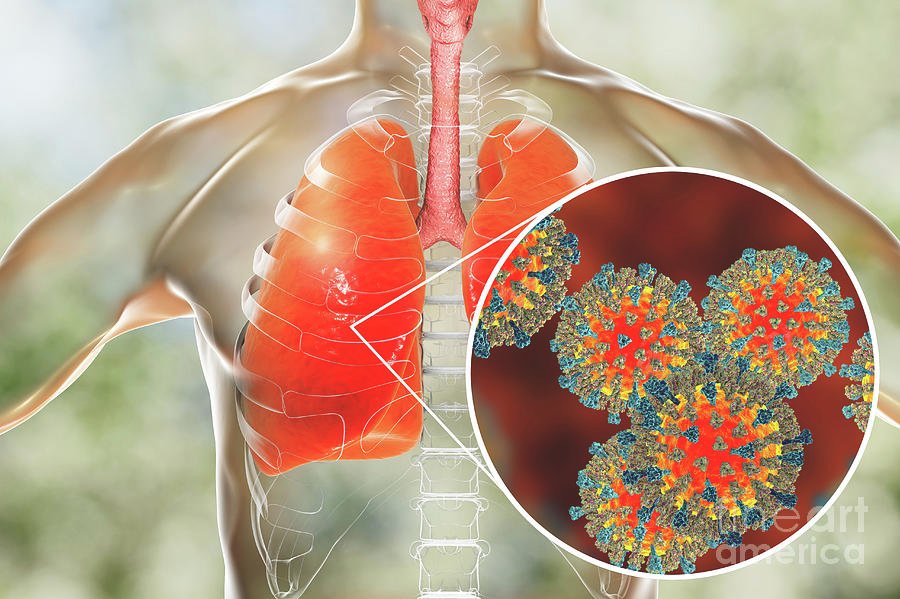
Measles affects the immune system does more than cause a rash and fever. It can also wipe out the immune system’s memory. After recovery, survivors may become vulnerable to infections they had already fought off — such as the flu, a cold, or illnesses they were vaccinated against. In Canada, health authorities warn that measles can lead to serious immune suppression, known as immune amnesia. This condition raises the risk of other illnesses and even death for months or years after the initial infection. Immune amnesia works by destroying memory cells in the immune system. These cells include B and T lymphocytes that handle prior immune or viral infections. When measles infects and kills those cells, the immune system loses physical memory of past pathogens. When the immune memory is gone, the body cannot respond to familiar threats as well as it did before measles. That leaves people vulnerable to diseases they had already built defenses for. A landmark 2019 study found that measles can reduce a person’s protective immune memory by up to 73 percent. Because your immune system is left in a near-blank state — similar to a baby’s — research shows it can take years to rebuild its defenses. Measles is one of the most contagious viruses. Its reproduction number (R₀) ranges from 12 to 18. That means one infected person can spread it to up to 18 others in an unvaccinated group. For comparison, the original strain of COVID-19 had an R₀ of about two to three. Even the more transmissible variants rarely exceeded ten. The virus can cause serious complications — including severe illness and death — and it also carries the risk of immune amnesia. https://asm.org/articles/2019/may/measles-and-immune-amnesia How Immune Amnesia Happens Our immune system uses memory cells, specifically B and T lymphocytes, to fight infections we’ve battled before. When vaccinated or exposed, these cells remember the pathogen so future attacks can be quickly countered. Measles interferes with this system. The measles virus binds to a protein called SLAM (Signaling Lymphocytic Activation Molecule) on T cells, B cells, and plasma cells — including those that pump out antibodies. Then it infects and destroys those immune cells, erasing the body’s built-in library of prior protections. Despite erasing many immune memories, the immune system does remember measles itself. That immunity remains because you must survive measles in order to carry forward any protection. How Common Is It? Almost everyone who gets measles experiences some level of immune amnesia. The extent varies based on how ill someone was, their nutrition status, and their immune health. Children with severe infection seem especially vulnerable. A Greater Risk for Certain Ages Infants and young children — who are not yet vaccinated — face high risks because their immune systems are still developing. Older adults are also at risk, Measles affects the immune system because immune function naturally declines with age. Immunity loss due to measles can thus be especially hazardous in both groups. How Long It Lasts Studies show immune amnesia may last two to three years after measles infection. In some cases, the immune system rebuilds more slowly, and vulnerability remains for longer. Preventing Immune Amnesia The best way to avoid immune amnesia is to prevent measles infection in the first place — and that means vaccination. The measles component of the MMR vaccine (measles, mumps, rubella) is highly effective at preventing measles and, by extension, the immune system damage it can cause. With one dose given around 12 to 15 months of age, efficacy is 85 to 95 percent. With the second dose, it rises to nearly 100 percent. Vaccination not only prevents the immediate symptoms of measles but also protects the immune memory you’ve built up over your lifetime.

Read More

Low Uptake Despite High Need: Why Heart Checks Are Ignored

Introduction Low Uptake Despite High Need has become a serious concern in preventive healthcare, especially when it comes to heart screenings. Despite the potential to detect early signs of cardiovascular disease, a significant proportion of people invited to these free checks decline to attend. The traditional invitation—often a formal letter from a general practitioner written in medical jargon—fails to connect with individuals who have never experienced heart problems. Many do not understand their personal risk, assume the check is unnecessary, or struggle to find time in their schedules. As a result, participation remains low, particularly in areas with high rates of cardiovascular disease. Shifting to a community-based approach that feels familiar and accessible—through local mosques, football clubs, and community events—has proven effective in increasing engagement and protecting long-term heart health. Sub-heading: Why the conventional invitation model falters 1. Language and tone too “highbrow” The standard GP invitation letter often uses formal, clinical language and a tone that assumes the recipient already understands why the screening is important. Many people eligible for heart-health checks have never experienced symptoms, so the letter fails to connect with them. Research shows that a lack of understanding of cardiovascular risk and of the purpose of health-checks is a significant barrier to attendance. When people cannot easily grasp why they should attend, they may simply ignore the letter. 2. Low perceived relevance When individuals feel healthy and without noticeable symptoms, the idea of attending a check for something they don’t “feel” is easily dismissed. Studies indicate that a low perceived severity of disease and a belief that ‘nothing is wrong so no need to check’ reduce attendance. If the invitation fails to emphasise how screening proactively identifies risk before symptoms arise, it may not motivate action. 3. Practical and logistical barriers Even when the motivation is present, practical issues can prevent attendance. Time constraints, work commitments, carer responsibilities, scheduling difficulties, and transportation challenges all play a role. If the only mode is booking a GP appointment during standard hours, people with busy lives may not manage. Furthermore, if the letter comes without clarity on how to conveniently book or attend, many will simply set it aside. 4. Trust and cultural factors In socioeconomically deprived or ethnically diverse communities, there may be mistrust of health-systems, cultural perceptions favouring self-reliance, or language barriers which make standard communications less effective. A qualitative study in the UK’s North East found that these factors were meaningful impediments. Some eligible people may ask, “Is this for me?” or feel disconnected from an unfamiliar clinical setting. Sub-heading: Why uptake remains low despite high need Regional burden and mismatch In some parts of the country, cardiovascular disease occurs at higher than average rates. Yet the uptake of heart-health checks remains much lower than desirable. For example, only about one-third of the eligible population in certain areas respond to invitations. This mismatch indicates that the standard invitation model is not fit-for-purpose in all communities. The prevention paradox Many people benefit from screening when they don’t yet feel unwell—a concept that is harder to convey. Because the individual may feel fine, motivation is weak, but the public-health benefit remains large. Without clear messaging, this paradox weakens attendance. Competing health, life and social priorities For people managing multiple life-stressors—financial pressures, family responsibilities, work demands—the idea of attending a “free” check can still feel like a low priority. If the invitation does not make clear how attending is quick, convenient and relevant, the check may be postponed indefinitely. Inequities in communication and access The formal invitation model and clinic-based delivery may favour those with resources, time and health-literacy. The result is that the very communities who most stand to benefit—those with higher disease risk and lower screening uptake—are the least likely to attend. Addressing this inequity is critical. Sub-heading: What works: community-based, trusted, convenient Locating checks where people already are Shifting screening from the GP surgery to community venues—such as faith centres, sports venues, marketplace stalls—makes the service more visible, accessible and less intimidating. When the check comes to the person, rather than the person being asked to come to the clinic, uptake improves. Trusted local voices and influencers Engagement with local leaders—such as imams, community-group chairs, sports club managers—can make a significant difference. When the invitation comes via a familiar, trusted voice, the message is more likely to be heard and acted upon. Immediate results and one-stop shop model Offering same-day results (for example via a finger-prick blood-test for cholesterol) and one encounter where risk is explained on the spot helps convert invitation into action. People respond better when they can walk away knowing their result and next steps, rather than being asked to book follow-up. Flexible delivery, tailored communication Extended hours, drop-in sessions, culturally adapted materials (multilingual, plain-language), outreach in community languages—all help reduce the logistic and comprehension barriers. Message-tailoring ensures the recipient sees why they should care now. Embedding screening in community events Leveraging scheduled community gatherings—sports matches, local festivals, cultural fairs—makes the check part of everyday life rather than a separate medical appointment. This “come as you are” approach lowers the barrier to attendance.https://www.youtube.com/watch?v=1JnbuRMehnk Sub-heading: Bringing it all together: a pathway for increased engagement Sub-heading: The wider benefits of increased uptake Reducing long-term cardiovascular disease burden By engaging more people early and identifying elevated risk factors such as high blood pressure, high cholesterol or lifestyle risks, screening helps halt or slow progression toward stroke, heart attack or other major events. The earlier intervention occurs, the more effective. Alleviating pressure on health-systems Preventing advanced cardiovascular disease reduces hospital admissions, specialist treatments and long-term morbidity—all of which consume substantial health-system resources. The cost of outreach and early screening is small in comparison to managing advanced disease. Improving health equity A community-based, accessible screening model helps to reduce social and health inequalities by making preventive care available to those who may otherwise fall through the cracks. Enhancing community awareness and health literacy When screening is located in everyday community settings, awareness of cardiovascular risk grows. Conversations…

Read More

Flu and COVID Vaccines: Protecting Canadians from Viral Threats

Introduction: A Call for Health Preparedness As the colder months approach, public health authorities across Canada are renewing their appeal for citizens to receive both flu and COVID-19 vaccinations. The dual threat of flu and COVID-19 vaccines continues to place pressure on healthcare systems, with each virus capable of triggering serious illness, hospitalization, or even death among vulnerable populations. Over recent years, scientific progress and public health coordination have demonstrated that widespread vaccination remains the most powerful tool to prevent outbreaks and safeguard communities. However, the challenge of misinformation—particularly from online platforms—continues to jeopardize these efforts, leaving some Canadians hesitant or confused about the facts. The World Health Organization (WHO) and Canada’s provincial health leaders have consistently reaffirmed that vaccines are safe, effective, and essential for protecting individual and collective health. The Rising Importance of Dual Immunization In recent seasons, Canada has observed a steady increase in vaccination rates. This upward trend signals a positive shift in public awareness and trust in immunization programs. Data from provincial health agencies show that tens of thousands more Canadians have received both influenza and COVID-19 vaccines this fall compared to the previous year. These numbers reflect the growing understanding of the value of preventive health measures and the recognition that vaccination remains one of the simplest yet most effective ways to avert serious disease. Health experts emphasize that dual immunization—against both flu and COVID-19—is especially important during overlapping respiratory virus seasons, when infection rates are at their highest. Understanding the Viruses: Influenza and COVID-19 Influenza, often referred to as the flu, is a contagious respiratory infection caused by influenza viruses that infect the nose, throat, and lungs. Influenza usually lasts one to two weeks, but it can become serious for older adults, children, or people with long-term health problems. COVID-19, caused by the SARS-CoV-2 virus, continues to evolve, producing new variants that occasionally bypass immune defenses or increase transmissibility. Both viruses transmit via respiratory droplets or contaminated surfaces. Common symptoms include fever, cough, sore throat, and fatigue. While they share similarities, the two diseases differ in severity and long-term effects. COVID-19 can result in prolonged complications known as “long COVID,” whereas the flu, although acute, tends to resolve faster. Still, both viruses can overwhelm hospitals when community transmission rates rise sharply. Staying up to date with vaccines helps Canadians guard against multiple seasonal health risks. https://health-infobase.canada.ca/covid-19/vaccine-administration Vaccine Effectiveness and Scientific Evidence Scientific data from WHO, Health Canada, and PHAC show that vaccines effectively prevent severe illness, hospitalization, and death. Influenza vaccines are updated yearly to match common strains, while COVID-19 shots target new variants. Vaccinated individuals are far less likely to experience complications, even if they get infected. The effectiveness of these vaccines depends on multiple factors, including age, underlying health conditions, and the timing of vaccination. Nonetheless, even a moderate reduction in infection risk translates into thousands of lives saved across Canada each year. According to WHO analyses, global influenza vaccination prevents between three to five million severe cases annually. Similarly, COVID-19 vaccination has reduced mortality worldwide by millions since its introduction. The Role of Public Health Messaging Canadian health officials continue to battle not only viruses but also the viral spread of misinformation. Social media and online platforms have amplified false narratives about vaccine safety, leading to confusion and distrust. Health leaders urge Canadians to rely on evidence-based information from verified sources such as WHO, PHAC, and provincial health departments.Clear communication is vital in public health. Recent campaigns now explain how vaccines are tested, monitored, and regularly reviewed for safety and effectiveness. The concept of “vaccine disinformation” refers to deliberately misleading or false claims designed to weaken public confidence. Experts warn that such disinformation often originates from outside Canada, targeting populations with fabricated stories that exploit fear. The WHO’s Vaccine Safety Net helps counter false claims by giving people access to accurate, reviewed information about vaccines. Current Vaccination Trends Across Canada As of October 2025, early statistics show a substantial increase in flu and COVID-19 vaccinations compared to the previous year. In British Columbia, 275,000 residents have received influenza vaccines, while 215,000 have had COVID-19 shots. Similar trends are visible in Ontario, Alberta, and Quebec. More Canadians are taking proactive steps to protect themselves and their communities. Health experts attribute this positive change to better accessibility of vaccination services, including more pharmacy participation, expanded online registration systems, and improved community outreach. Canada’s “Get Vaccinated” program remains a critical tool, simplifying the process for individuals to book appointments through pharmacies, clinics, and healthcare providers. WHO Recommendations and Global Vaccine Standards The World Health Organization plays an essential role in coordinating the global response to respiratory infections such as influenza and COVID-19. Each year, WHO convenes international experts to analyze circulating influenza strains and recommend the composition of seasonal vaccines for both the Northern and Southern Hemispheres. These recommendations form the foundation for vaccine production in Canada and other countries, ensuring that vaccines offer the highest possible protection against the strains most likely to spread. For COVID-19, WHO continues to evaluate emerging variants and guide vaccine updates in collaboration with manufacturers and national health authorities. Its Strategic Advisory Group of Experts on Immunization (SAGE) reviews all available data on vaccine safety, effectiveness, and the need for booster doses. In 2025, WHO reaffirmed that staying current with flu and COVID vaccines provides the best protection for all populations, particularly older adults, pregnant women, healthcare workers, and individuals with underlying conditions such as diabetes, heart disease, and chronic respiratory illness. Understanding the Science Behind Flu and COVID Vaccines The development and continuous refinement of flu and COVID vaccines are based on rigorous scientific research and clinical testing. Influenza vaccines contain inactivated or recombinant viral components that stimulate the immune system without causing infection. This process trains the body to recognize and fight the virus if exposed later. The flu vaccine’s formulation is updated annually to reflect mutations in the influenza virus, a phenomenon known as “antigenic drift.” COVID-19 vaccines, on the other hand, have…

Read More

Town of Sleepy Hollow History: How a Legend Renamed a Town

Introduction The Town of Sleepy Hollow history is a story of identity, transformation, and cultural resilience. Located along the eastern bank of the Hudson River in New York State, this once quiet industrial town reinvented itself using the power of storytelling. Today, Sleepy Hollow is known around the world for its eerie charm and deep connection to American folklore, but its reputation is not built on myth alone. The town made a conscious decision to embrace its literary past and use it as a foundation for a new future. The Legendary Roots Behind the Town of Sleepy Hollow History The Town of Sleepy Hollow history begins with the creative genius of Washington Irving. Long before the town officially adopted its famous name, Washington Irving brought the Hudson River region to life through eerie ghost tales and Dutch folklore. These stories helped shape the mysterious identity that still surrounds the Town of Sleepy Hollow history today. Irving spent much of his youth in the Hudson Valley, where the quiet landscapes and deep forests stirred his imagination. The region’s fog-covered hills, silent graveyards, and haunting stillness inspired him deeply. He also listened to the superstitions and fireside legends shared by Dutch settlers who had lived in the area for generations. These local influences became the foundation of his most celebrated story, The Legend of Sleepy Hollow, published in 1820. The tale followed Ichabod Crane, a timid schoolteacher, and his terrifying encounter with the legendary Headless Horseman. This compelling mix of suspense, folklore, and horror established the work as one of the earliest and most iconic pieces of American gothic fiction. Through this story, Irving not only entertained readers but also transformed a quiet riverside village into a place of legend. Washington Irving’s Role in the Town of Sleepy Hollow History Washington Irving not only created the Headless Horseman but also became the first American writer to gain international fame. He helped define early American literature and laid the foundation for writers who came after him. His writing style blended folklore, mystery, and a timeless setting that made Sleepy Hollow come alive in the imagination of millions of readers. The Town of Sleepy Hollow history connects closely to Irving’s influence because his story immortalized real locations and transformed ordinary landscapes into legendary settings.Unlike fictional worlds created by authors like J.R.R. Tolkien or Lewis Carroll, Irving’s Sleepy Hollow was based on actual places that readers could visit, making the story feel hauntingly real. Real Locations That Inspired the Town of Sleepy Hollow History Many locations described in Irving’s story still exist today and serve as powerful historical links to the past. The Old Dutch Church, built in 1697, appears in the original tale as the site where the Headless Horseman haunts the night. Visitors who walk through the churchyard can still see the centuries-old gravestones that inspired the eerie setting. Nearby is Sleepy Hollow Cemetery, a sprawling historic burial ground where Washington Irving himself was laid to rest. The cemetery is also the resting place of powerful American industrialists such as Andrew Carnegie and William Rockefeller. Another landmark made famous by Irving’s writing is the Headless Horseman Bridge, a symbolic site of Crane’s terrifying chase. Although builders have replaced the original wooden bridge several times, the current structure still captures the dramatic atmosphere described in the legend. From Folklore to American Gothic Tradition Irving’s story not only preserved Dutch-American folklore but also shaped the American gothic literary tradition. His powerful storytelling inspired writers such as Edgar Allan Poe and Nathaniel Hawthorne. They continued exploring themes of fear, superstition, and psychological suspense in their own works. Many scholars credit Irving with creating one of the most enduring myths in American history. His writing blurred the line between fiction and reality and shaped the future of American storytelling. The Headless Horseman quickly became a symbol of supernatural storytelling in the United States. Because of Irving’s influence, the Town of Sleepy Hollow history became a defining part of early American literature. It still attracts academics, historians, and literary enthusiasts from around the world who are eager to study its cultural impact. Preservation of Heritage Through Historic Hudson Valley The cultural legacy of Washington Irving and Sleepy Hollow is preserved today through organisations like Historic Hudson Valley. This nonprofit group manages key historical sites in the area, including Irving’s beautifully preserved home, Sunnyside, located in nearby Tarrytown. The organisation hosts educational tours and seasonal events that keep the region’s history alive.Visitors can explore the official website at https://www.hudsonvalley.org to learn more about guided tours and cultural events in the region. The site also offers historical research that helps preserve the heritage of the Hudson Valley. These ongoing efforts ensure that the true Town of Sleepy Hollow history remains accessible to the world. They help connect education with tourism in a meaningful and engaging way.

Read More

Hurricane Melissa Jamaica: Category 4 Storm Triggers Evacuations

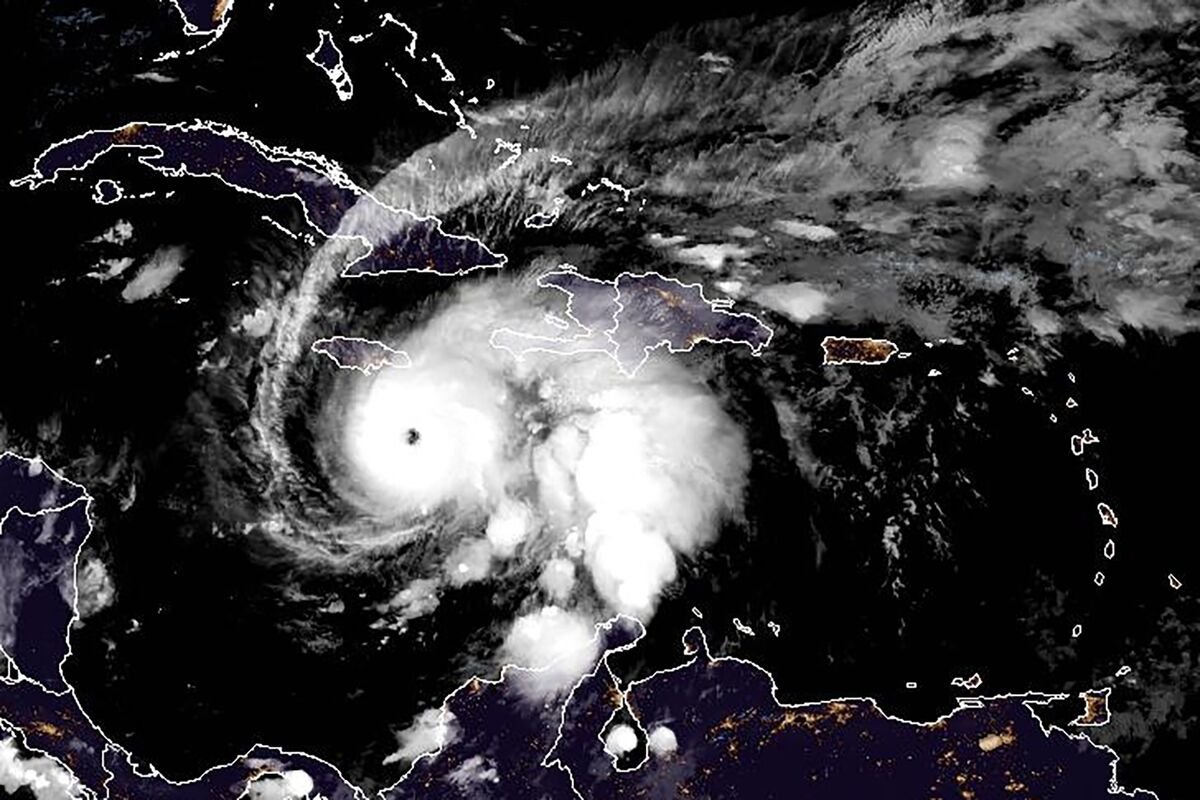
Category 4 Hurricane Melissa Approaches Jamaica Hurricane Melissa continues to strengthen in the Caribbean, forcing Jamaica to issue mandatory evacuation orders for vulnerable communities, including parts of Kingston and Port Royal. As of Sunday evening, the powerful storm was located about 125 miles south-southwest of Kingston, packing sustained winds of 145 mph (230 km/h) and moving slowly westward at 5 mph (7 km/h). According to the US National Hurricane Center (NHC), Melissa could reach Category 5 strength by Monday, with winds exceeding 157 mph (250 km/h) — a scenario that could bring catastrophic damage to the island and neighboring countries.https://www.youtube.com/watch?v=sNZTBRZrc0Q Government Declares Emergency and Evacuations Prime Minister Andrew Holness announced mandatory evacuations in low-lying areas, including Port Royal, Old Harbour Bay, and other flood-prone communities. During an emergency press conference in Kingston, authorities confirmed that both international airports are closed and 881 shelters have been activated to house evacuees. “Kingston is extremely low. No community is immune from flooding,” said Desmond McKenzie, Jamaica’s Minister of Local Government. “Many of these communities will not survive the flooding if people ignore evacuation orders.” Residents Divided Over Evacuation Orders Despite official warnings, some residents in the historic fishing town of Port Royal have refused to leave. Ann Marie Chamberlain, a 51-year-old self-employed resident, said locals are relying on faith and preparation. “Father God will protect us. We’ve secured our homes and pulled up the boats,” she explained, recalling poor conditions in shelters during previous hurricanes. Others, like Derrick Powell, expressed distrust in the shelter system, saying that residents prefer to “ride out the storm” at home despite the risks. Heavy Rainfall and Life-Threatening Flooding Expected Meteorologists predict up to 30 inches (76 cm) of rainfall across Jamaica and southern Hispaniola — including Haiti and the Dominican Republic — with localized totals reaching 40 inches (1 meter). The combination of slow movement and rapid intensification makes Hurricane Melissa particularly dangerous, raising fears of flash floods, landslides, and prolonged power outages. Regional Impact: Haiti, Dominican Republic, and Cuba on Alert Hurricane Melissa has already caused destruction across the region, claiming at least four lives — three in Haiti and one in the Dominican Republic. In the Dominican Republic, the storm has damaged over 200 homes, disrupted water systems for half a million residents, and caused landslides that isolated several communities. Cuba has issued hurricane watches for the provinces of Granma, Santiago de Cuba, Guantánamo, and Holguín as the storm tracks northward. Forecasters warn that by late Tuesday, Melissa could bring torrential rain up to 300 mm to eastern Cuba before threatening the Bahamas later in the week. Experts Warn of “Dire” Consequences Jamie Rhome, deputy director of the NHC, cautioned that the storm’s slow pace means communities could face days of sustained hurricane conditions. “Unfortunately, for places along the projected path, the situation is increasingly dire,” he said. Preparedness and Safety Measures Jamaican authorities are urging residents to: Conclusion As Hurricane Melissa Jamaica intensifies, the island braces for one of the most dangerous storms in recent memory. With Category 4 winds, life-threatening rainfall, and the potential to reach Category 5 strength, the government and citizens alike face a critical test of preparedness and resilience in the coming days.

Read More

Hadush Kebatu Prison Release Triggers London Manhunt

The Hadush Kebatu prison release sparked widespread alarm after the convicted sex offender escaped from HMP Chelmsford due to a human error. Essex Police are actively tracking the 41-year-old Ethiopian national, who served a 12-month sentence for sexually assaulting a woman and a 14-year-old girl. Authorities urge anyone with information to call 999 immediately. Kebatu should have been deported to an immigration detention centre, but the mistake allowed him to leave custody. Police confirmed that he boarded a train at Chelmsford railway station at 12:41 PM on Friday, and they have focused their search on London ever since. Police Launch Coordinated Manhunt Following the Hadush Kebatu prison release, Essex Police coordinated with the Metropolitan Police and British Transport Police to track his movements. Officers reviewed hours of CCTV footage overnight and organized search teams across London.https://www.youtube.com/watch?v=OTCgDjYwEz4 A spokesperson said: “We know he was last seen in the London area. Therefore, anyone who sees him, knows his location, or has information should call 999 immediately. Public safety remains our top priority.” Human Error Behind Release The prison service confirmed that a human error caused Kebatu’s early release. Authorities removed the responsible officer from duty and started an urgent investigation. Sources explained that Kebatu was incorrectly categorized as eligible for release on licence and received a £76 discharge grant. One insider described the incident as a “disaster waiting to happen,” citing staff shortages and the high volume of prisoner releases. Consequently, the Hadush Kebatu prison release exposed systemic issues that the prison service now seeks to fix. Public Outrage and Victim Reaction The mistaken release triggered strong public outrage. Aaron Stow, president of the Criminal Justice Workers’ Union, called it “a profound failure of duty” and demanded immediate reforms. CJWU general secretary Mike Rolfe added that administrative errors are eroding public confidence in the justice system.The mistaken release triggered strong public outrage. Aaron Stow, president of the Criminal Justice Workers’ Union, called it “a profound failure of duty” and demanded immediate reforms. CJWU general secretary Mike Rolfe added that administrative errors are eroding public confidence in the justice system. Furthermore, the father of Kebatu’s teenage victim said: “The justice system has let us down.” Previously, protests erupted outside the Bell Hotel in Epping, where Kebatu stayed after arriving in the UK on a small boat. Far-right activists exploited the situation, which led to assaults on police officers and 32 arrests. Government Response Deputy Prime Minister David Lammy expressed that he was “livid on behalf of the public” and launched an official investigation. Meanwhile, Prime Minister Keir Starmer described the release as “totally unacceptable” and “appalling.” Government data shows that 262 prisoners were released in error in the year to March 2025, marking a 128% increase from the previous year. Additionally, Conservative MP Neil Hudson emphasized that the highest government officials, including the justice secretary, home secretary, and prime minister, must take responsibility for such mistakes. Conviction and Risk Assessment Hadush Kebatu committed five offences, including attempting to kiss a 14-year-old girl twice, sexually assaulting her, and sexually assaulting an adult woman. The district judge highlighted that Kebatu posed a “significant risk of reoffending.” Due to this high-risk profile and the mistaken release, police and prison authorities acted swiftly, demonstrating the seriousness of the Hadush Kebatu prison release incident. Public Appeal for Information Authorities urge anyone who spots Kebatu or knows his whereabouts to call 999 immediately. Police continue working tirelessly to ensure public safety and return him to custody as quickly as possible.

Read More

“Pentagon Deploys Aircraft Carrier to Caribbean”

Pentagon Deploys Aircraft Carrier to Caribbean Amid Rising Tensions The Pentagon deploys aircraft carrier to Caribbean, marking a major escalation in the Trump administration’s campaign against drug cartels in Latin America. The USS Gerald Ford, America’s most advanced supercarrier, is moving toward Venezuelan waters with dozens of fighter jets and support vessels. According to defense officials, this deployment strengthens US military presence in the region and opens the possibility of airstrikes on land-based targets connected to alleged drug trafficking networks. USS Gerald Ford Strengthens US Military Presence The USS Gerald Ford comes equipped with F/A-18 Super Hornet fighter jets, advanced surveillance drones, and electronic warfare systems. Together, these assets significantly increase the United States’ ability to conduct precision operations.https://www.youtube.com/watch?v=U0xlDXNcDPA The strike group will also include destroyers and supply ships, expanding its ability to monitor and engage targets. Military analysts say the carrier’s arrival signals that the US intends to extend its campaign beyond maritime operations and into land-based interdictions. A Pentagon spokesperson, Sean Parnell, stated that the mission aims to “bolster US capacity to detect, monitor, and disrupt illicit networks that threaten the security and prosperity of the western hemisphere.” Venezuela Condemns US Military Build-Up From Caracas, Venezuelan President Nicolás Maduro condemned the expanded American military presence, accusing Washington of fabricating conflict to justify intervention. “They promised never to start another war, and now they are preparing one,” Maduro said during a televised address. The Pentagon’s decision to deploy the USS Gerald Ford to the Caribbean has heightened diplomatic tensions with Venezuela, already strained by years of sanctions and covert operations. Trump Confirms Plans for Ground Strikes President Donald Trump confirmed that the next phase of his anti-cartel operation will target land-based sites. “The land is going to be next,” he told reporters. “We’re going to hit the sources directly. You’ll see that soon.” When asked whether this would amount to a declaration of war against the cartels, Trump replied, “We’re going to eliminate the people bringing drugs into our country. They’re going to be dead.” His remarks underline a broader strategy that combines Pentagon operations with CIA intelligence, a partnership that has intensified since early September. CIA and Pentagon Coordination Expands Trump recently authorized “covert action” by the Central Intelligence Agency (CIA) in Venezuela to support military operations. Intelligence from the agency has reportedly guided multiple strikes on suspected drug-trafficking vessels over the past two months. However, the administration has faced criticism for offering limited evidence that those targeted had direct links to drug cartels. Pentagon briefings to Congress described the operations as actions against “designated terrorist organizations,” a classification that gives the military wider authority to engage in non-traditional conflicts. Legal and Strategic Questions Remain Legal experts have questioned the administration’s justification for these strikes, calling the framework “dubious.” The US government claims the targets are tied to terrorist groups, creating a legal basis for a non-international armed conflict. Critics argue that this interpretation stretches international law and risks unintended escalation in Latin America. Despite controversy, Pentagon officials continue to defend the campaign. They argue that deploying the aircraft carrier to the Caribbean will improve surveillance and interdiction efforts against drug smuggling operations. Next Steps and Regional Impact Military analysts predict that the USS Gerald Ford’s deployment could reshape US strategy in the Caribbean. The expanded presence not only supports counter-narcotics missions but also acts as a deterrent against what Washington views as hostile actions by the Venezuelan government. Meanwhile, regional leaders are urging diplomatic solutions to prevent a wider conflict. Many warn that continued escalation could destabilize an already fragile region.

Read More