Blog

Leaf-peeping in the Adirondacks by Canoe

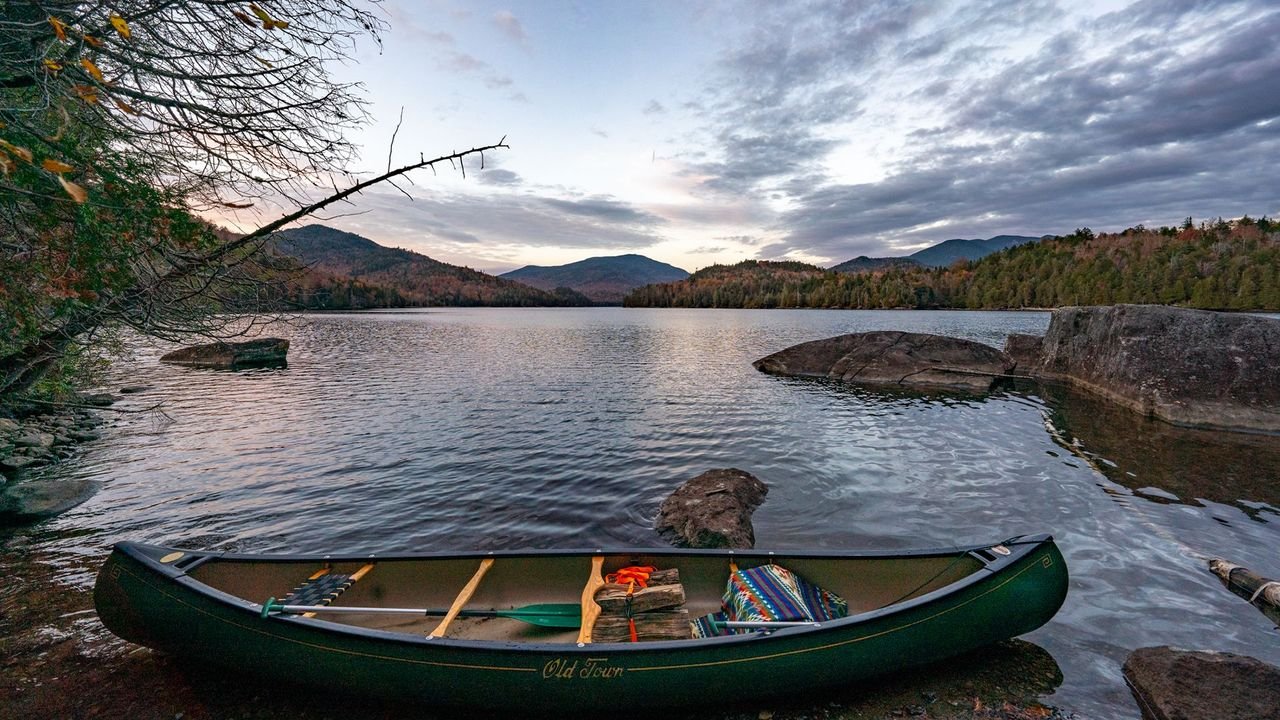
The Timeless Wonder of Leaf-Peeping in the Adirondacks Each autumn, the forests of upstate New York come alive in a breathtaking transformation. The Adirondacks—vast, wild, and deeply wooded—offer one of the most spectacular fall foliage displays in the United States. Here, nature paints the land with rich shades of crimson, amber, and gold. But while many travelers chase these views from mountain roads or scenic overlooks, there’s a more intimate way to experience the show: leaf-peeping in the Adirondacks by canoe. Gliding across glassy lakes surrounded by fiery forests, visitors reconnect not just with nature but with an ancient American tradition—navigating the wilderness by water. This is not just sightseeing; it’s a journey through time and tranquility. Exploring the Vast Beauty of Adirondack Park’s Fall Foliage New York’s Adirondack Park is an awe-inspiring six-million-acre expanse—making it the largest state park in the US. Its boundaries encompass more land than Yellowstone, Yosemite, Grand Canyon, Glacier, and Great Smoky Mountains National Parks combined. A wilderness of towering peaks, deep valleys, and glacier-carved lakes, the Adirondacks are a living mosaic of ecosystems. Within its sprawling borders lie more than 3,000 lakes and ponds and 30,000 miles of rivers and streams. Every autumn, these waters reflect the forest’s fiery hues, turning the region into one of America’s most mesmerizing natural spectacles. Unlike many parks that are entirely preserved for wilderness, Adirondack Park is a unique blend of public and private land, dotted with villages, cabins, and heritage trails. Yet much of its terrain remains wild—untamed by time and technology. What Makes the Adirondacks the Best Place for Leaf-Peeping in the US The Adirondacks hold a certain magic during fall. The region’s elevation, temperature, and mix of hardwood trees—especially maples, birches, and aspens—create a perfect environment for vivid color. Every October, the landscape explodes with a kaleidoscope of russet reds, golden yellows, and burnt oranges. What sets leaf-peeping in the Adirondacks apart is not just the color but the setting. Here, nature surrounds you completely—mountains rising in the distance, the gentle ripple of lakes, and the haunting calls of loons echoing across the mist. It’s an experience that speaks to the soul, best enjoyed slowly, silently, and close to the water’s edge. The Ancient Connection Between Canoes and the Adirondacks Before modern trails or scenic drives existed, the Adirondacks were a waterborne wilderness. Native American tribes, including the Mohawk and Abenaki, navigated these interconnected waterways in hand-carved canoes for hunting, trading, and travel. When early European explorers arrived, they too relied on canoes to penetrate the dense forest and vast wetlands. Today, that tradition lives on. Paddling a canoe through these lakes is not merely a recreational activity—it’s a continuation of an ancient heritage. As Adirondack guide Maeghan Farnham, co-owner of St. Regis Canoe Outfitters, explains, “Traveling by canoe preserves the true essence of this land. It connects paddlers to the region’s history, to the people who first explored it, and to the rhythms of the wilderness itself.” The Art of Leaf-Peeping by Paddle Leaf-peeping is often associated with scenic drives along mountain roads, but in the Adirondacks, the best view isn’t from the highway—it’s from the water. From a canoe, every breeze and reflection tells a story. The colors seem to ripple across the lake’s surface, changing as the light shifts with each passing cloud. Paddling also opens access to parts of the park that vehicles can never reach. Some of the most untouched corners of the Adirondacks—hidden coves, silent ponds, and mirror-like lakes—can only be explored by canoe. It’s a perspective that few travelers experience but one that leaves a lifelong impression. Mapping the Journey: Planning Your Leaf-Peeping Adventure For those eager to try leaf-peeping in the Adirondacks, planning the right route is essential. Many lakes and rivers are non-motorized, ensuring serenity for paddlers. Canoe camping—packing gear and paddling into the backcountry to set up camp—offers the deepest immersion in nature. Among countless options, one of the most scenic is Newcomb Lake in the central Adirondacks. Surrounded by forest and accessible only by non-motorized means, it promises peace, color, and reflection in every sense of the word. My partner and I planned our route with two goals: to find solitude and to venture somewhere untouched. Our map led us to a secluded corner of the park, where the lake shimmered like glass beneath the first blush of fall. Horsepower and Heritage: Reaching Newcomb Lake Before paddles touch the water, the journey begins with a ride through history. Since no motorized vehicles are allowed near Newcomb Lake, visitors must travel by foot, bicycle, or—most memorably—a horse-drawn wagon. Local farmer Larry Newcombe, with his gentle Percheron horses, Doc and Bob, offers travelers a nostalgic route through the forest. For years, he’s ferried canoes and campers to the trailhead near Great Camp Santanoni, a grand 19th-century estate once frequented by New York’s elite seeking refuge in the wilderness. As the horses clop steadily along the dirt path, the world slows down. The sound of hooves echoes through the trees, mingling with the rustle of leaves and the scent of pine. It’s a journey back to a simpler era—one ruled by rhythm, not rush. Through the Santanoni Forest Preserve The trail winds through 13,000 acres of protected forest—home to towering maples, ancient pines, and the soft whisper of the wind through birch leaves. Along the way lies the Santanoni Farm Complex, a beautifully preserved National Historic Landmark that once sustained the camp’s residents with fresh produce and dairy. “Nothing compares to this place,” Newcombe says, gesturing to the unfolding tapestry of color. “Every week the forest changes. You blink, and the green turns to gold.” By the time the trail opens to the lake, the autumn panorama is breathtaking—a vision of flame-tipped trees reflected in still water. Setting Out on the Lake We push our canoe into the shallows, the water cool and clear beneath the bow. Paddles dip softly, and the world falls silent except for the rhythmic splash of water. With no motor noise…

Read More

Exercise and Eye Health: Prevent Vision Loss Naturally

Introduction: The Overlooked Connection Between Fitness and Vision When people think about the benefits of exercise, they usually imagine toned muscles, better endurance, or weight loss. However, few realize that exercise and eye health are closely linked. Regular physical activity not only keeps the body strong but also plays a crucial role in maintaining sharp vision and preventing common eye diseases such as age-related macular degeneration (AMD), glaucoma, and diabetic retinopathy. While the eyes may seem separate from the rest of the body, they are profoundly connected to overall cardiovascular and metabolic health. The same circulation that nourishes the muscles and heart also supports the eyes. When blood flow improves through consistent exercise, the eyes receive more oxygen and nutrients—helping them stay clear, bright, and resilient for years to come. In this comprehensive guide, explore how exercise helps protect vision, discover the best workouts for eye health, and uncover scientific insights and daily strategies to maintain lifelong visual wellness. The Science Behind Exercise and Eye Protection How Physical Activity Affects the Eyes Exercise benefits nearly every system in the human body—and the eyes are no exception. The eyes depend heavily on a steady supply of oxygen-rich blood. Physical activity improves cardiovascular function, enabling more efficient oxygen delivery to delicate ocular tissues such as the retina and optic nerve. Enhanced circulation also helps flush away toxins and free radicals that contribute to cellular damage. Researchers studying this connection discovered that regular movement reduces oxidative stress, a process that accelerates the breakdown of cells and tissues in the eye. Less oxidative stress means a lower likelihood of developing diseases that cause irreversible vision loss. Exercise as a Natural Shield Against Eye Diseases Age-Related Macular Degeneration (AMD) AMD is one of the leading causes of blindness among older adults. It occurs when the macula—the central part of the retina—begins to deteriorate. However, studies indicate that physically active individuals are significantly less likely to develop AMD than those with sedentary lifestyles. Exercise appears to protect against the abnormal growth of blood vessels beneath the retina, which is one of the defining features of AMD. Regular aerobic workouts such as brisk walking, jogging, or cycling help regulate blood pressure, cholesterol, and inflammation—all known risk factors for this condition. Glaucoma Prevention Through Blood Flow Regulation Glaucoma causes damage to the optic nerve, often due to high intraocular pressure (IOP). Research shows that moderate physical activity, especially aerobic exercise, can help reduce IOP and enhance blood flow to the optic nerve. Even simple activities like walking or gentle yoga have shown measurable benefits. These exercises encourage fluid drainage in the eye and improve overall vascular health, lowering the risk of glaucoma progression. Combating Diabetic Retinopathy For people living with diabetes, the eyes face an additional challenge: fluctuating blood sugar levels can damage retinal blood vessels over time. This condition, known as diabetic retinopathy, is a major cause of blindness among adults. Consistent exercise helps stabilize blood glucose levels, thereby reducing the risk of blood vessel damage. Whether it’s through daily walks or structured fitness routines, staying active improves insulin sensitivity, which directly supports retinal health. Reducing the Risk of Cataracts Cataracts cloud the natural lens of the eye, leading to blurred vision. They are typically associated with aging, but lifestyle plays a role too. Individuals who maintain a routine of physical activity are less likely to develop cataracts early. Exercise minimizes oxidative stress and improves the body’s ability to manage glucose and lipid levels—both of which influence lens transparency. How Exercise Promotes Healthy Eye Circulation Oxygen Supply and Nutrient Flow The retina is one of the most metabolically active tissues in the body. It demands constant oxygen and nutrients to function properly. Exercise increases heart rate and expands blood vessels, ensuring that the eyes receive adequate nourishment. This improved circulation supports photoreceptor regeneration—the process responsible for converting light into visual signals. Removing Cellular Waste Alongside delivering nutrients, exercise helps the body remove waste products that can accumulate in ocular tissues. This detoxifying effect reduces inflammation and helps prevent the buildup of harmful proteins associated with vision decline. How Much Exercise Do You Need for Eye Health? Health organizations around the world, including the World Health Organization (WHO) and the Centers for Disease Control and Prevention (CDC), recommend at least 150 minutes of moderate-intensity aerobic activity per week. This could include walking, cycling, dancing, swimming, or even gardening. Breaking it down: The key is consistency. Even moderate daily movement provides cumulative protection for your eyes over time. Best Types of Exercise for Eye Health Aerobic Exercise Activities like jogging, brisk walking, or swimming enhance oxygen flow throughout the body and improve vascular health—both essential for healthy eyes. Yoga and Stretching Certain yoga poses improve circulation to the head and eyes. Gentle stretches and breathing techniques also lower stress levels, which can indirectly benefit eye pressure and retinal health. Strength Training Moderate weightlifting helps balance blood sugar levels and improves muscle tone, contributing to better metabolic health. However, excessive strain or holding your breath during lifts can temporarily increase eye pressure, so proper breathing is essential. Outdoor Sports Engaging in outdoor physical activity offers an additional benefit: exposure to natural light, which helps maintain the body’s circadian rhythm and supports overall eye health. Just be sure to wear UV-protective sunglasses to prevent sun-related eye damage. Eye Exercises and Relaxation Techniques In addition to full-body workouts, dedicated eye exercises can help relieve digital eye strain and strengthen visual focus. Try these simple techniques daily: The Role of Nutrition and Hydration Exercise alone cannot protect your eyes; proper nutrition enhances its effects. Diets rich in antioxidants, vitamins, and omega-3 fatty acids nourish the eyes and strengthen the benefits of physical activity. Key Nutrients for Vision: Drinking plenty of water is equally important. Dehydration can lead to dry eyes and reduced nutrient transport. How Exercise Helps Manage Eye Pressure One of the most direct effects of physical activity on eye health is its ability to lower intraocular pressure (IOP). Elevated IOP…

Read More

Eve Muirhead on Mental Health, Resilience, and Leadership

Eve Muirhead on Mental Health, Resilience, and Leadership Olympic curling champion Eve Muirhead has long been seen as one of Britain’s toughest competitors — the kind of athlete who thrives under pressure. Yet behind her steely focus and gold-medal success lies a more complex, deeply human story of resilience, recovery, and leadership. Now, as Team GB’s chef de mission for the upcoming Milan Cortina Winter Olympics, Muirhead is determined to use her experience to help others achieve their dreams, both on and off the ice. Overcoming Adversity and Finding Strength When Eve Muirhead led Great Britain’s women’s curling team to Olympic gold in 2022, few knew she had faced one of the toughest years of her life. Only months earlier, she battled severe depression after a series of setbacks in training and competition.https://www.youtube.com/watch?v=53FCURI6–g “I’ve always been known as a strong, steely competitor,” she explains, “but we’re all human. I had to learn that asking for help isn’t a weakness — it’s a strength.” Her honesty has already inspired a new wave of athletes to speak more openly about mental health in sport. For Muirhead, sharing her journey is about giving others permission to do the same. “If my story helps just one or two people find hope, that’s a victory.” The Road to Olympic Glory Muirhead’s path to Olympic success was far from straightforward. From early defeats in qualifying tournaments to battling Covid before Beijing 2022, she has faced immense challenges. Despite those hurdles, her team went on to defeat Japan 10–3 in the gold-medal final — a crowning achievement after years of perseverance. “It would’ve been easier to hide the struggles,” Muirhead admits. “But success isn’t linear. Every medal has a story behind it — full of highs, lows, and lessons learned.” Looking Ahead to Milan Cortina 2026 Now 35, Eve Muirhead is focused on leading the next generation of British athletes toward success in Milan Cortina 2026. As chef de mission, she oversees preparation across all sports — from curling and skeleton to freestyle skiing and snowboarding. “Team GB is stronger than ever,” she says proudly. “We’ve had record results at world championships, and our athletes are pushing boundaries every day. The excitement going into Milan is huge.” Muirhead points to curlers like Bruce Mouat and freestyle skier Kirsty Muir as standout medal hopes. “We’re building not just a team, but a culture of support, belief, and excellence.” A Champion’s Perspective on Mental Health Muirhead’s openness about her own mental health challenges has reshaped perceptions of elite athletes. She believes vulnerability and strength can coexist — a message that resonates across sports and beyond. “People see medals, but they don’t see the doubt, exhaustion, or moments when you question everything,” she reflects. “Talking about it helps break that silence — and makes us better teammates and leaders.” The Real Eve Muirhead Whether she’s sweeping ice or steering an Olympic delegation, Eve Muirhead continues to redefine what it means to be a champion. Her journey is proof that success is not about being unbreakable — it’s about finding courage in the moments that almost break you. As the countdown to Milan Cortina 2026 begins, Muirhead stands ready once again — not just to lead, but to inspire.

Read More

Presbyopia Eye Drops: Can They Replace Reading Glasses?

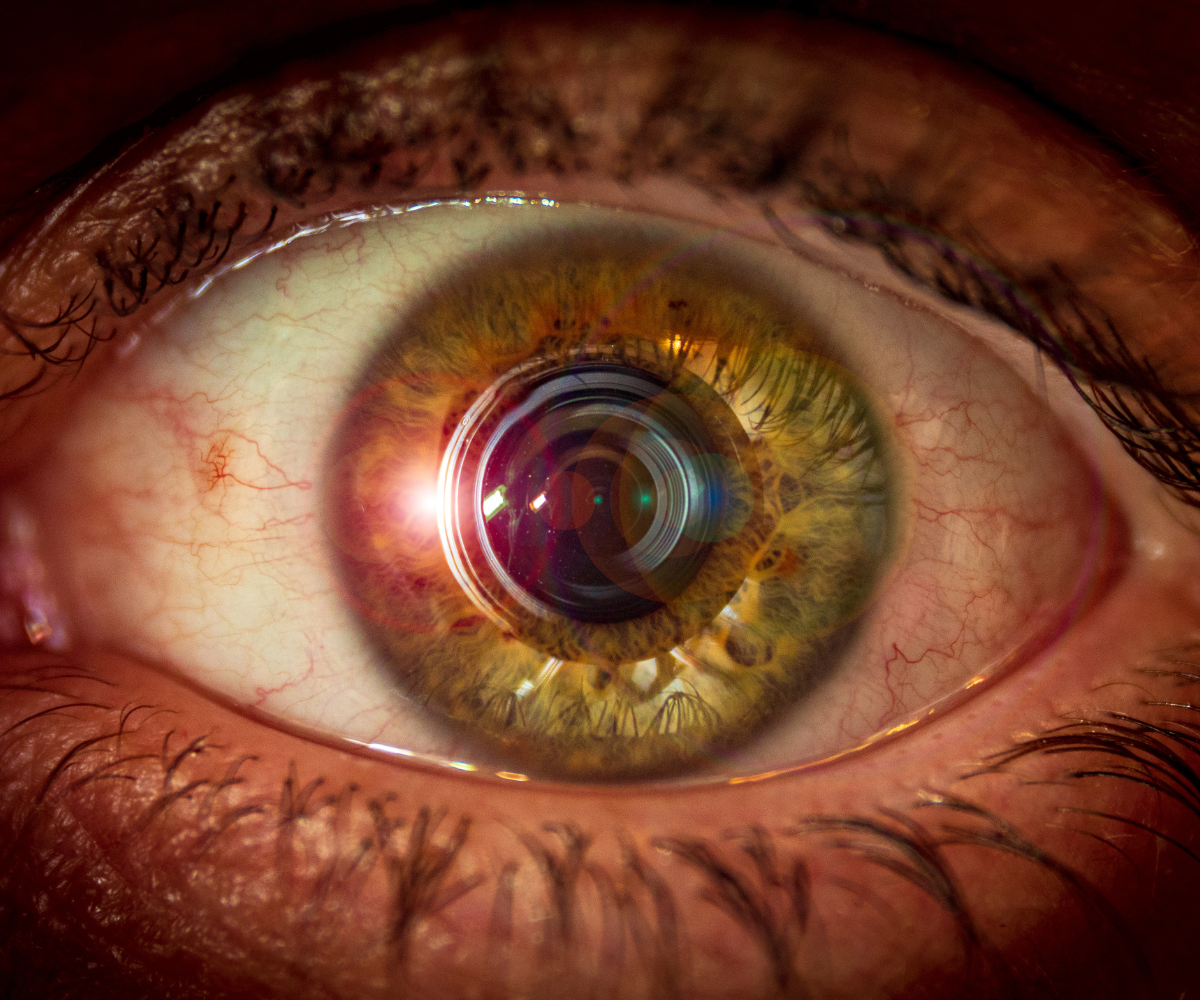
Introduction: A Modern Vision Challenge After the age of 40, many people begin to notice a frustrating change in their eyesight. Text on phones, menus, and product labels that once appeared crystal clear may now seem blurry or difficult to read. This natural, age-related condition is known as presbyopia, and it affects more than a billion people worldwide. Traditionally, reading glasses or bifocals have been the primary solution. But a growing number of adults are seeking alternatives — and presbyopia eye drops have emerged as a promising non-surgical option. What Is Presbyopia? Understanding Age-Related Near Vision Loss Presbyopia is derived from Greek roots meaning “old eye.” It refers to the gradual loss of the eye’s ability to focus on nearby objects. The condition develops as the lens inside the eye becomes less flexible with age. When the lens hardens, it cannot adjust easily to shift focus from distant to near objects. This makes everyday activities like reading, sewing, or using a smartphone more difficult. Unlike other vision problems such as myopia (nearsightedness) or hyperopia (farsightedness), presbyopia is not caused by the shape of the eye but rather by age-related stiffening of the lens. Everyone experiences it eventually, even those who have never needed glasses before. Causes and Risk Factors of Presbyopia The primary cause of presbyopia is the natural aging process. However, certain factors can accelerate or worsen its development: Symptoms of Presbyopia Presbyopia often progresses gradually. Early symptoms may include: If you find yourself moving your phone or book farther from your eyes to read comfortably, it’s a likely sign that presbyopia has begun. Traditional Solutions: Glasses, Contacts, and Surgery Historically, presbyopia has been managed with reading glasses or bifocals. Some people use progressive lenses that offer a gradient correction from near to far. Contact lens options like multifocal contacts or monovision lenses have also been popular. For more permanent correction, laser eye surgeries (like LASIK) or lens implants can be performed, though these procedures can be expensive and not suitable for everyone. However, in recent years, innovation in pharmacology has led to the development of presbyopia-correcting eye drops — an exciting new option for those who want to reduce or delay dependence on reading glasses. How Do Presbyopia Eye Drops Work? Presbyopia eye drops are designed to temporarily improve near vision by changing how light enters the eye. The most common mechanism involves pupil constriction — creating what’s called the “pinhole effect.” When the pupil becomes smaller, the eye’s depth of focus increases, allowing both near and distant objects to appear sharper. This effect works similarly to adjusting the aperture on a camera lens: a smaller opening brings more of the scene into focus. Some formulations also work by gently stimulating the ciliary muscles that help flex the lens, improving its focusing ability for short periods. Types of Presbyopia Eye Drops Several pharmaceutical companies have developed or are developing eyedrops for presbyopia correction. The three most notable products currently approved include: These drops provide a temporary fix — typically lasting half a day — and may need to be reapplied depending on the user’s daily routine. Who Can Benefit from Presbyopia Eye Drops? Presbyopia eye drops are not a one-size-fits-all solution. They tend to work best for: However, these drops may not work effectively for those with advanced presbyopia or other refractive errors requiring separate correction. Benefits of Using Presbyopia Eye Drops Many adults appreciate the convenience and cosmetic advantages of eye drops over reading glasses. Key benefits include: For people who value independence from glasses — especially in social or professional settings — these drops can significantly enhance comfort and confidence.https://www.youtube.com/watch?v=tM1R-ByIHvw Potential Side Effects and Drawbacks While presbyopia eye drops can offer convenience, they also come with possible side effects and limitations. These include: It’s essential to consult an ophthalmologist or optometrist before using these drops. In rare cases, people with pre-existing retinal issues may face an increased risk of retinal detachment, so a complete eye exam is crucial. Cost of Presbyopia Eye Drops Presbyopia drops are currently not covered by most insurance plans. On average: For comparison, a pair of high-quality reading glasses or bifocals may cost between $50–$300, but eye drops eliminate the hassle of multiple pairs or prescriptions. Surgical Alternatives for Presbyopia For people seeking a more permanent solution, surgical options may include: While these surgeries can yield excellent results, they come with higher costs and potential complications. Presbyopia eye drops offer a temporary but flexible middle ground. The Future of Presbyopia Treatment Ongoing research continues to refine pharmacological solutions for presbyopia. Future formulations may include: Several clinical trials are currently underway for new active compounds that could extend duration or enhance lens elasticity instead of only constricting pupils. Lifestyle Tips for Managing Presbyopia Even if you use eye drops, maintaining overall eye health is important: These lifestyle practices can delay the progression of presbyopia and support better vision health overall. When to See an Eye Doctor Consult an ophthalmologist if you experience: These may indicate other underlying eye problems that require professional treatment. Final Thoughts: Can Eye Drops Replace Reading Glasses? While presbyopia eye drops offer a convenient and innovative approach, they are not a universal cure. Their effects are temporary, and not everyone will experience significant improvement. For many adults in their 40s and 50s, however, they represent a meaningful step toward freedom from glasses — especially for those with mild or moderate presbyopia. As research continues, future formulations may bring even better outcomes. Until then, the best approach is to discuss all available options — glasses, drops, and surgery — with a qualified eye care professional to determine what suits your eyes and lifestyle best.

Read More

Pinguecula and Pterygium: Eye Growths Explained

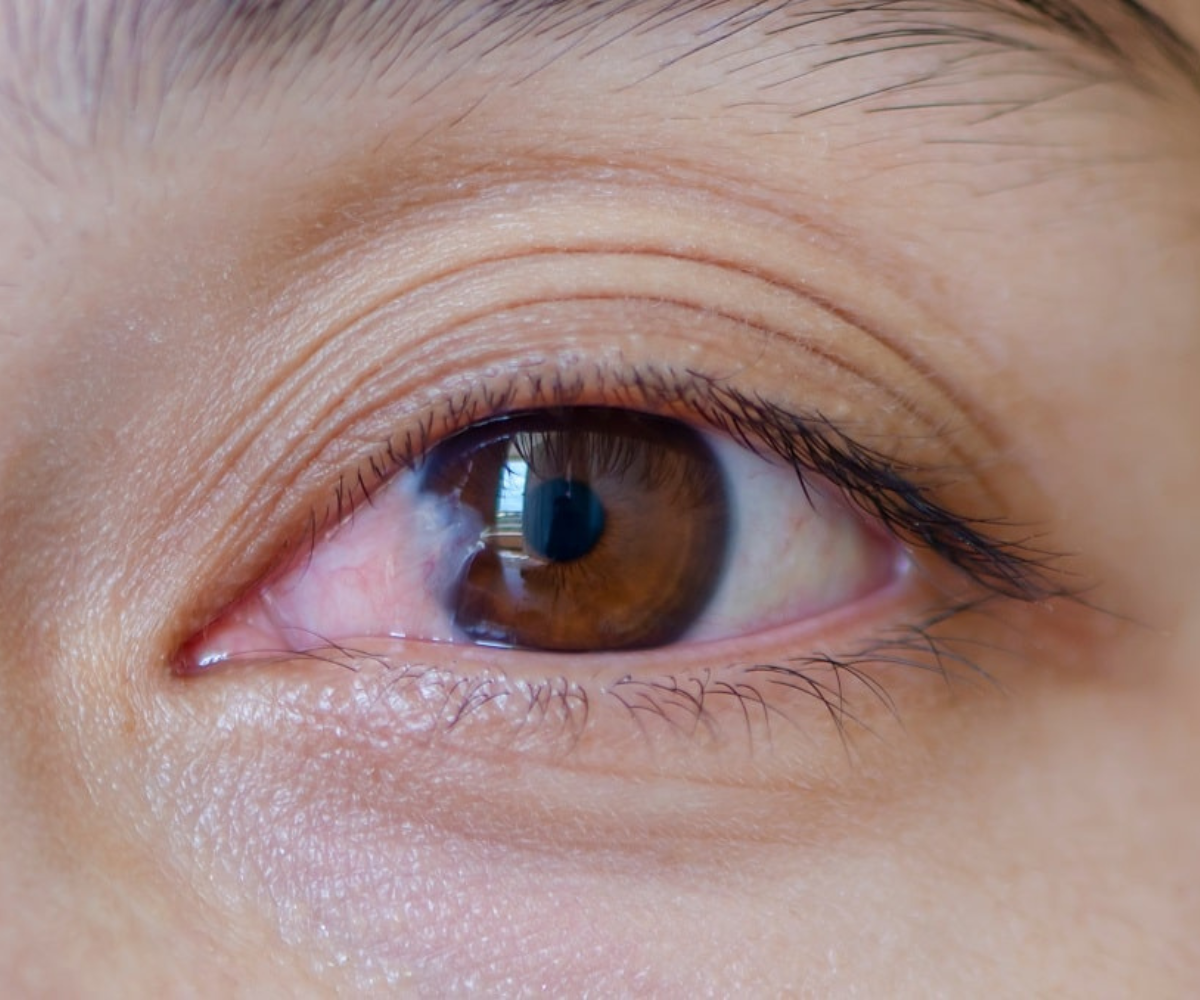
Introduction The human eye is a complex and sensitive organ that helps us perceive the world in vivid color and detail. However, due to constant exposure to sunlight, dust, and dry air, certain conditions can develop on the eye’s surface. Two of the most common of these are pinguecula and pterygium, often referred to together as surfer’s eye. These non-cancerous growths form on the conjunctiva, which is the clear, thin membrane covering the white part of the eye (sclera). Though they are generally harmless, they can cause irritation, redness, and, in advanced cases, may interfere with vision. Understanding their causes, symptoms, treatment, and prevention methods is essential for maintaining long-term eye health. Understanding Pinguecula and Pterygium What Is a Pinguecula? A pinguecula is a small, yellowish bump that appears on the conjunctiva, usually near the cornea and most often on the side closest to the nose. It may contain deposits of protein, fat, or calcium, giving it a slightly raised or uneven texture. While it typically remains benign and does not affect vision, it can cause irritation, dryness, or the sensation of having a foreign object in the eye. What Is a Pterygium? A pterygium is a wedge-shaped or fleshy growth that may begin as a pinguecula. Unlike a pinguecula, a pterygium has visible blood vessels and can extend onto the cornea, potentially distorting vision. When the tissue advances across the cornea’s surface, it can alter its curvature, causing astigmatism or blurred vision. In severe cases, surgery may be required to restore clarity. How Common Are These Conditions? Pinguecula and pterygium are common in regions with high sunlight exposure, especially near the equator or in dry, windy environments. People who spend extended periods outdoors—such as farmers, fishermen, surfers, or construction workers—are at greater risk. The conditions are more prevalent among adults over 40, though they can appear at any age, particularly in those with chronic UV exposure. Causes of Pinguecula and Pterygium The exact cause of these growths is not entirely understood, but research suggests that environmental and lifestyle factors play the most significant roles. 1. Ultraviolet (UV) Radiation The primary cause is prolonged exposure to ultraviolet (UV) light from the sun. UV-B rays, in particular, damage the conjunctiva and cause changes in the eye tissue that can lead to pinguecula formation. When the damage persists, a pterygium can form and gradually expand across the cornea. 2. Dry, Windy, or Dusty Environments Wind and dust particles irritate the eye’s surface. Repeated irritation and dryness can trigger tissue inflammation and abnormal growth. 3. Chronic Eye Irritation Frequent exposure to smoke, air pollutants, or allergens can cause micro-inflammation, contributing to conjunctival thickening and pinguecula formation. 4. Genetic and Age Factors Genetics may play a role in susceptibility. Additionally, aging leads to cumulative UV damage and reduced tear production, both of which increase risk. 5. Geographic and Occupational Risks Individuals living near high UV index areas—such as tropical or desert climates—or those working outdoors without eye protection are significantly more prone to these conditions.https://www.youtube.com/watch?v=DpDMqQNyHNg Symptoms of Pinguecula and Pterygium The symptoms depend on whether you have a pinguecula or pterygium and how advanced the condition is. Early stages may not cause much discomfort, but progressive cases can affect vision. Common Symptoms Include: When the growth becomes inflamed or swollen, symptoms can temporarily worsen, especially during outdoor exposure. Diagnosis An eye specialist can easily diagnose these conditions through a comprehensive eye examination. Using a slit-lamp microscope, the doctor observes the size, color, and texture of the conjunctival growth. In some cases, corneal topography or imaging tests are used to determine if the cornea’s curvature has been altered by a pterygium. If there’s any suspicion of abnormal tissue changes, a biopsy may be performed to rule out cancerous or precancerous growths, though this is rare. Pinguecula Treatment Pinguecula usually does not require surgical treatment. In most cases, managing irritation and preventing further growth are sufficient. 1. Lubricating Eye Drops Artificial tears help keep the eye moist and reduce the gritty, dry sensation often associated with pinguecula. Regular use prevents irritation, especially in dry climates or for those who spend time outdoors. 2. Anti-Inflammatory Drops If redness and swelling occur, eye specialists may recommend mild steroid eye drops for a short duration. This helps calm inflammation and improve comfort. 3. Avoiding Irritants Limiting exposure to wind, smoke, and sunlight reduces flare-ups. Protective eyewear and regular hydration of the eyes play a key role in managing symptoms. 4. Cosmetic Concerns Some individuals seek removal for cosmetic reasons. However, unless the pinguecula interferes with vision or comfort, surgery is rarely necessary. Pterygium Treatment Treatment depends on the size, symptoms, and progression of the pterygium. In mild cases, similar management techniques to pinguecula are used. 1. Lubrication and Eye Protection Lubricating drops and sunglasses can relieve irritation and slow the growth. Wraparound sunglasses are particularly effective at blocking UV rays and wind. 2. Steroid or Anti-Inflammatory Drops If the pterygium becomes inflamed, redness and swelling can be managed with prescription eye drops. These should be used under medical supervision to avoid side effects from prolonged steroid use. 3. Surgery (Pterygium Excision) When the pterygium grows toward the cornea and starts affecting vision, surgical removal becomes necessary. Modern surgical techniques are minimally invasive and highly effective. Surgical Procedure Overview: The success rate is high, and most patients experience significant relief after healing. Post-Surgery Care and Recovery After surgery, patients may experience mild redness or irritation for a few days. Post-operative care typically includes: Most people recover fully within 2–4 weeks, though vision improvements may continue over time. Home Remedies and Lifestyle Adjustments While home remedies cannot eliminate pinguecula or pterygium, they can greatly relieve discomfort and prevent worsening. Helpful Tips: Prevention Tips: Protecting Your Eyes from Pinguecula and Pterygium Prevention focuses on minimizing UV exposure and maintaining eye moisture. 1. Wear Sunglasses with UV Protection Choose lenses that block 100% of UVA and UVB rays. Wraparound styles offer additional protection from side glare. 2. Shield Eyes from Wind and…

Read More

Ben Edge Art and the Modern British Identity

Ben Edge and the Modern British Identity The acclaimed British artist Ben Edge has built a career exploring identity, folklore, and the mysteries that connect people to nature. His latest exhibition reveals how Ben Edge art blends mythology and realism to reflect who we are today as a nation. Inside his London studio, vibrant canvases, mythic sculptures, and symbolic figures fill the space — including a life-sized horse ridden by a flower-garlanded mannequin. This striking work, Where Must We Go in Search of Our Better Selves, pays homage to the “Garland King,” a folkloric figure from Castleton, Derbyshire, who rides through the village every May. For Edge, this ritual represents self-discovery and the journey inward. A Chance Encounter That Changed Everything About a decade ago, Edge stumbled upon a druid ceremony at Tower Hill in London. “I saw people in white cloaks walking past a KFC and a red phone box,” he recalls. “They spoke about reconnecting to nature and how London would one day be reclaimed by it. That moment completely changed me.” From that experience, Edge began a deep dive into Britain’s forgotten customs — morris dancing, wassailing, and seasonal festivals — all of which have since shaped his artistic vision. His paintings merge poetic mysticism with social realism, capturing how folk traditions can ground modern society. For Edge, this journey didn’t just inspire his work — it helped him overcome years of depression. “Rediscovering our rituals and seasons gave me purpose,” he says.https://www.youtube.com/watch?v=GadSsclyIDQ The Folk Revival and British Identity Today, Edge is one of the leading voices in the modern folk revival. His art bridges ancient stories and contemporary themes, offering a fresh perspective on what it means to be British in an age of uncertainty. “There’s a myth that our folk culture is dying,” he explains. “It’s not. It’s thriving — and people are finally talking about it.” This vision comes alive in his monumental painting Children of Albion, which explores the shared history of the British Isles. Inspired by William Blake, Edge reimagines Albion — the ancient spirit of Britain — not as a symbol of division, but as a unifying figure awakening to self-awareness. The artwork’s vast canvas weaves together refugees, miners, vikings, and morris dancers, capturing both the pain and beauty of Britain’s complex past. “We’re all asking who we are after Brexit,” Edge says. “This painting helped me work it out.” Folklore, Faith, and Finding Connection Edge believes that folk traditions can help heal the disconnect between people and the environment. “When I was at my lowest, my only link to nature was putting recycling in the right bin,” he says. “Now, I understand how ancient customs — like planting seeds or celebrating solstices — remind us we’re part of something larger.” His sculptures, including Where Must We Go in Search of Our Better Selves, use symbolic elements like plastic flowers to comment on humanity’s relationship with nature. They also honor the communities that keep folk culture alive through creativity and improvisation. “Most of these traditions survive because ordinary people keep them going,” Edge explains. “They make costumes, gather materials, and celebrate with what they have. That’s real art.” Creating His Own Artistic Path Edge’s career is defined by independence. “You can’t wait for galleries to save you,” he says. “You have to build your own art world.” This self-reliant attitude has brought him growing recognition and loyal audiences who connect deeply with his vision. His work invites viewers to reconsider Britain’s identity — not through nostalgia, but through connection, honesty, and renewal. Conclusion: A New Vision of Albion Through his paintings and sculptures, Ben Edge art captures the spirit of a country rediscovering itself. His work reminds us that British identity isn’t static — it’s a living, evolving story shaped by both past and present. By blending folklore, faith, and contemporary insight, Ben Edge helps us ask one of the most important questions of our time: Who are we now, and who do we want to become?

Read More

The Dutch Rewilding Project That Took a Dark Turn

The Dutch Rewilding Project That Took a Dark Turn In early 2018, a chilling sight unfolded across the Dutch wetlands of Flevoland. Train passengers traveling between Amsterdam and Almere watched in disbelief as carcasses of deer, horses, and cattle littered the landscape. This was Oostvaardersplassen — once hailed as one of Europe’s boldest ecological experiments and a cornerstone of the Dutch rewilding project. What began as a visionary attempt to restore natural balance had spiraled into one of the most controversial conservation crises in modern history. For decades, Oostvaardersplassen represented hope for a new kind of wilderness in the Netherlands. In the 1980s, conservationists envisioned a bold experiment — a landscape where nature would manage itself, free from human control, fences, or farming. They reintroduced vast herds of red deer, Konik horses, and Heck cattle to recreate the ecological balance once maintained by prehistoric grazers that freely roamed across Europe.. The philosophy was simple yet radical: let nature take its course. The brutal winter of 2017–2018 shattered this ideal. As starvation spread across the herds, park rangers made the painful decision to shoot hundreds of animals to end their suffering. The images of emaciated bodies scattered across the icy plains shocked the world. To some, it was nature’s harsh reality. The clash of ideals exposed a deeper truth: despite its noble intentions, rewilding can never exist without human influence. Oostvaardersplassen: The Heart of a Bold Dutch Rewilding Project The story of Oostvaardersplassen begins in 1968, when an inland sea in the Netherlands was drained to create new land for human settlement. Amid the new terrain, a swampy stretch of land began to attract flocks of greylag geese. These migratory birds transformed the area into a thriving wetland ecosystem. As the geese fed and nested, they shaped a delicate marshland balance that soon caught the attention of ecologists. By the late 1970s, Dutch biologist Frans Vera proposed a radical idea. He believed Europe’s prehistoric landscapes weren’t dense forests as traditionally thought, but dynamic mosaics of open woodlands maintained by wild herbivores. To test his theory, Vera introduced herds of hardy grazing animals to Oostvaardersplassen — a move that would redefine rewilding philosophy across Europe. Rewilding Without Boundaries: Nature’s Grand Experiment The early decades of the Dutch rewilding project were filled with optimism. Without human interference, nature flourished. The grasslands remained open, the geese thrived, and the wetlands teemed with life. Oostvaardersplassen became a symbol of ecological freedom — a living laboratory that inspired similar projects in the UK, Spain, and beyond.People often nicknamed it “The Serengeti behind the dikes.” Yet, beneath the success, cracks began to appear. Without predators and with fences preventing migration, animal populations exploded. By the mid-2010s, the grazers had consumed nearly all vegetation. The once lush landscape became barren, and food scarcity loomed. When the harsh winter hit in 2017, nature’s self-regulating system failed catastrophically. The Winter That Changed Everything As snow blanketed the wetlands, thousands of deer, horses, and cattle weakened from hunger. Rangers faced an impossible decision: intervene or let nature decide. Bound by the project’s non-intervention principles, many animals were left to die naturally. But as starvation spread, rangers began culling the weakest individuals to minimize suffering. By spring, over 3,000 grazers were dead. Photos of skeletal animals went viral, and public outrage erupted across the Netherlands. Protesters gathered near the reserve, delivering hay to feed the animals. Social media buzzed with accusations of cruelty. Park rangers received death threats as the nation split in debate — was this nature taking its course, or a disaster created by humans? The Ethics of Rewilding: When Nature Meets Human Morality The 2018 crisis sparked an ethical reckoning about what it truly means to rewild. Ecologist Frans Vera defended the outcome as a natural correction — nature’s way of balancing populations. Supporters agreed, pointing out that mass die-offs occur in the wild, from African savannas to Arctic tundras. Critics, however, argued that Oostvaardersplassen was far from wild. Surrounded by fences and isolated from migration routes, it was an artificial experiment in a human-made landscape. The clash of ideals exposed a deeper truth: despite its noble intentions, rewilding always remains bound to human influence. Even in the most hands-off projects, human philosophy shapes what we define as “natural.” A New Approach to Rewilding in the Netherlands Following the 2018 tragedy, local authorities imposed sweeping changes. The once non-interventionist philosophy was replaced with active management.Rangers began monitoring animal health, capping populations, and providing food during harsh winters. Trees were planted, water levels adjusted, and the ecosystem slowly began to recover. Seven years later, Oostvaardersplassen is no longer a barren plain. Its grasslands now ripple with life once more. White-tailed eagles soar above, herds graze on lush pastures, and wetlands hum with birdsong. Though human hands guide it, the reserve still embodies the essence of rewilding — a space where nature can thrive, even within human boundaries.

Read More

Young Chefs Revive Isle of Skye Food Scene

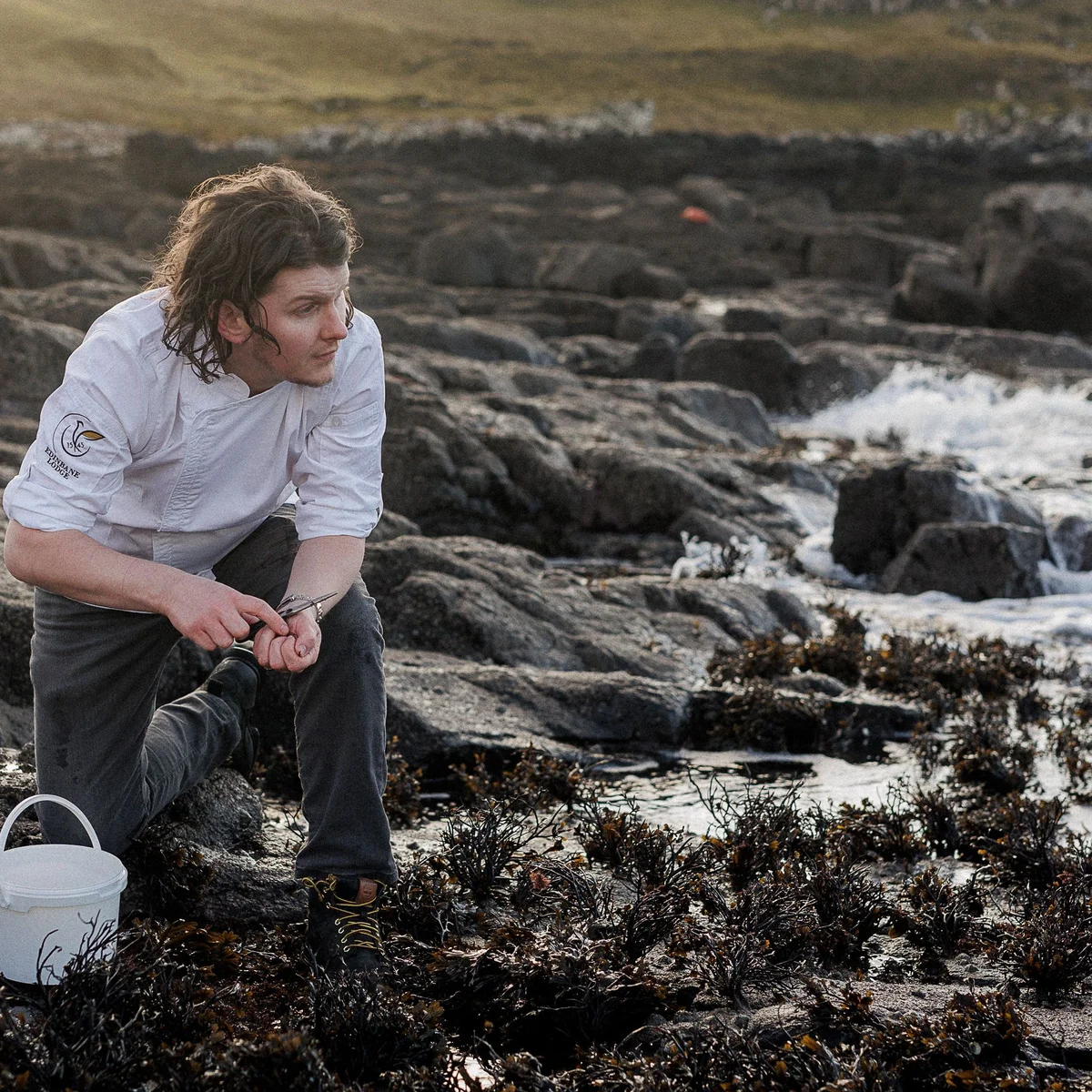
The Young Talent Reviving the Isle of Skye Food Scene The Isle of Skye food scene is buzzing with new life, thanks to a generation of young chefs, bakers, and distillers who are reimagining island dining. Known for its dramatic mountains and rugged coastline, Skye now draws visitors for its inventive cuisine as much as for its landscapes. Locals are combining global ideas with deep respect for the island’s produce, creating jobs and keeping talent rooted in the community. Celebrating Skye’s Natural Larder Born and raised on Skye, Calum Montgomery has turned his restaurant, Edinbane Lodge, into a showcase of the island’s finest ingredients.https://www.youtube.com/watch?v=KGZWo7QBcpM “If someone comes to Skye, I want them to taste the land and the sea,” he says. Montgomery’s “A Taste of Skye” menu lists how far each ingredient travels. His scallops are hand-dived from Loch Greshornish, his lobster caught in nearby Portree, and his herbs grown just steps from the kitchen. He often takes young chefs out to meet local divers and foragers. “When they eat a scallop straight from the shell, they understand what freshness really means,” he says. From London to the Cuillin Hills: Café Cùil’s Journey Home Driving south, beneath the towering Cuillin mountains, chef Clare Coghill welcomes diners to her creative café, Café Cùil. After opening her first location in London, she returned home during the pandemic to launch her Skye venture. Over a matcha latte topped with wildflowers, Coghill explains, “In London, getting fresh ingredients was tough. Here, my creel fisherman drops off scallops at my door. The connection is real.” Her dishes, like blood orange and beetroot-cured trout, combine Gaelic culture and modern flair. Visitors can even learn Gaelic words from lesson cards at each table, blending food and language in a truly local experience. Tradition Meets Innovation at Kinloch Lodge Skye’s legendary Kinloch Lodge remains a cornerstone of island gastronomy. Run by Isabella Macdonald, the boutique hotel continues her family’s culinary legacy while nurturing new talent. Head chef David Cameron leads a young team that forages sea herbs and wild mushrooms, grows spices in the greenhouse, and smokes lobster in-house. Guests can join foraging walks or fishing trips with the lodge’s ghillie, exploring the island’s edible landscape before sitting down to a meal inspired by it. “Visitors want to understand Skye through its food,” says Macdonald. “They want an experience, not just a meal.” The Rise of Skye’s Whisky Industry The whisky industry has also become vital to Skye’s economy, offering stable, year-round work for locals. Torabhaig Distillery, one of the island’s newest, is leading the charge. Operations manager Dougie Stewart explains, “Traditional jobs like fishing have declined. Distilling gives young people a reason to stay.” Local distiller Iona Fraser joined Torabhaig at just 21 after spotting a “Distillers Wanted” ad. Now, she trains new recruits and has even crafted her own whisky using chocolate malt—a rare honour for such a young distiller. “It’s a dream to help build something from home,” she says. Community, Coffee, and Collaboration Before leaving the island, a stop at Birch Café in Portree is a must. Run by Niall Munro, the café and bakery serve locally roasted coffee and vibrant brunch dishes. Munro also founded the Skye Live music festival, another celebration of island creativity. His brother, Calum Munro, is the chef-owner at fine-dining restaurant Scorrybreac, known for blending Scottish ingredients with Nordic and Japanese influences. Both brothers are proud to see Skye’s young talent thriving together rather than competing. “We’re all deeply rooted here,” says Montgomery. “We left to learn, but Skye’s food was always in our hearts. Now we’re bringing that experience home.” A Taste of the Future As you travel across the island, it’s clear that collaboration fuels the Isle of Skye food scene. Chefs, distillers, and farmers work hand in hand, celebrating the land while creating new opportunities. From fine dining to whisky tasting, every bite tells a story of community, creativity, and connection. Skye’s culinary future looks as breathtaking as its scenery.

Read More

Parts of the Eye: How Eye Anatomy Helps Us See Clearly

Introduction The human eye is one of the most fascinating and complex organs in the body. Every blink, every glance, and every color perceived depends on a delicate structure that works in perfect harmony to capture and process light. From the outermost layer that protects the eyeball to the intricate network of nerves that transmit visual information to the brain, each part of the eye has a distinct and vital role. The process of seeing is not merely about the eye—it involves the coordination between the and the brain, transforming light into the beautiful, colorful world that surrounds us. Eye Anatomy Overview The functions much like a sophisticated camera. The eye can be divided into several regions: Together, these elements form a highly coordinated visual system. Parts of the Eye Outside the Eyeball The human eye is protected by a strong, bony structure called the orbit, commonly referred to as the eye socket. The orbit houses the eyeball and cushions it with layers of fat and connective tissue, ensuring it remains stable yet flexible. Surrounding the are six extraocular muscles, responsible for its movement in every direction. These muscles enable the eye to move up, down, sideways, and diagonally. Each muscle works in coordination with its counterpart to ensure smooth, precise movements. Blinking spreads tears evenly across the surface of the eye, keeping it moist and clean. The Surface of the Eye This thin tissue acts as a protective barrier, shielding the from dust, microorganisms, and other irritants. The eye’s surface is kept moist and nourished by a remarkable system known as the tear film. The tear film is made up of three layers: This is why crying often leads to a runny nose. Maintaining a healthy tear film is essential for comfort and clear vision, as even minor dryness can cause irritation, redness, or blurred sight. The Front of the Eye The front part of the eye is the first to interact with light. The cornea—a transparent, dome-shaped layer—acts as the eye’s window. It bends (refracts) incoming light toward the center, providing about 70% of the eye’s total focusing power. Behind the anterior chamber sits the iris, the colored part of the that surrounds the pupil, the dark circular opening in its center. The iris contains small muscles that control pupil size—widening (dilating) in dim light and narrowing (constricting) in bright conditions. This automatic adjustment helps regulate how much light enters the eye. Just behind the pupil is the lens, a transparent, flexible structure that fine-tunes focus. The lens changes shape through the action of small fibers called zonules, connected to a circular muscle known as the ciliary body. This process, known as accommodation, allows the eye to switch focus between distant and nearby objects.https://www.youtube.com/watch?v=TY1giZgddAs The Middle Layer: The Uvea Beneath the sclera lies the uvea, the middle layer of the eye. It consists of three key components: The choroid provides oxygen and nutrients to the outer layers of the retina. The Back of the Eye This material helps the eye maintain its spherical shape and provides support for the retina. At the very back lies the retina, a delicate tissue responsible for capturing light and converting it into electrical impulses. Within the retina are specialized cells known as photoreceptors, of which there are two types: The macula, a small area in the retina, provides the sharp central vision needed for recognizing faces and reading. The peripheral retina helps detect motion and gives us side vision. The optic nerve, made up of over a million nerve fibers, carries these signals to the visual cortex, where the brain interprets them as images. This intricate connection between the eye and brain allows humans to perceive depth, color, motion, and shape in extraordinary detail.

Read More

White-Knuckled Wolf Spider Isle of Wight Rediscovery

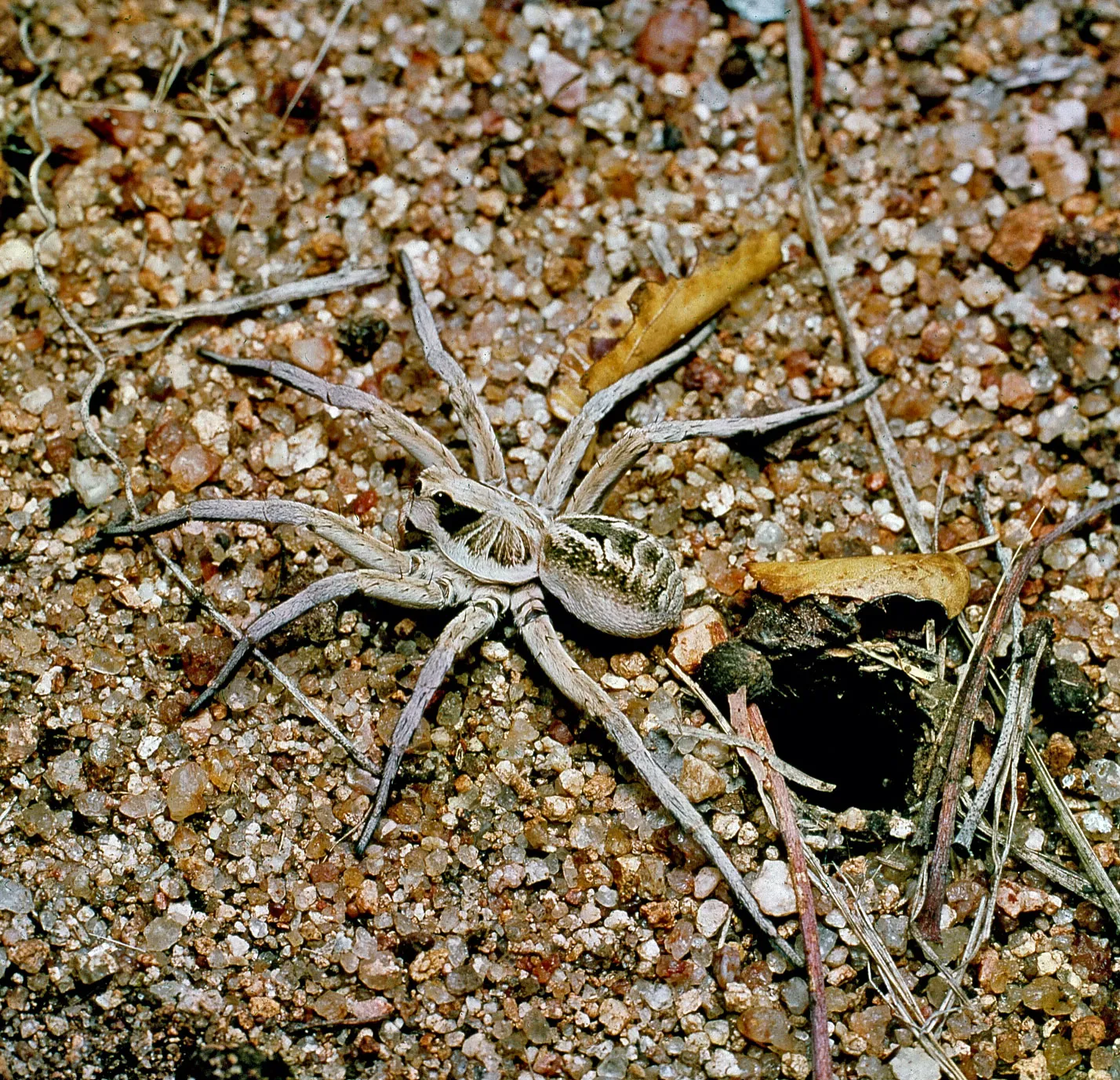
Rare White-Knuckled Wolf Spider Found Alive After 40 Years The white-knuckled wolf spider rediscovery on the Isle of Wight has amazed conservationists. This small and elusive Aulonia albimana was once thought extinct in the UK. Researchers found it thriving in a quiet corner of a protected nature reserve that can only be reached by boat. This exciting find marks the species’ first confirmed sighting in Britain since 1985. Discovery on a Remote Isle of Wight Nature Reserve Entomologists Mark Telfer and Graeme Lyons made the discovery during a wildlife survey at the Newtown National Nature Reserve. The National Trust manages the area with a small flock of Hebridean sheep that keep the grass short and sunlit—perfect for the spider’s habitat. Telfer called it “an unforgettable discovery.” Lyons added that he found the first spider with just nine minutes left before the boat arrived, and another moments later. “I’ve recorded more than 550 spider species in the British Isles,” he said. “This was my most thrilling find.”https://www.youtube.com/watch?v=MU-XDwIrYYA A Rare and Mysterious Species Adult white-knuckled wolf spiders measure only 3.8–4.4mm in length. Their pale “knuckles” give them their distinctive name. Unlike most wolf spiders that hunt on the ground, this species also spins thin webs. Because of this, scientists still don’t fully understand its hunting methods. This rediscovery adds to our knowledge of Isle of Wight biodiversity and shows how fragile habitats can still recover. Habitat Restoration Plays a Vital Role For years, the site had become overgrown and unsuitable for the spider. The National Trust’s restoration work and grazing management brought back open, sunny spaces that the species needs to survive. Paul Davies, countryside manager for the National Trust, said: “We’ve managed this rare limestone grassland for years to boost biodiversity. Seeing such a rare species return is incredibly rewarding.” Conservationists Celebrate the Rediscovery Helen Smith, conservation officer at the British Arachnological Society, described the find as one of Britain’s most remarkable rediscoveries. For decades, experts failed to locate the species and feared it had vanished. Now, conservationists plan to study the population and identify how to support its growth and protect its habitat for the future. Conclusion: Hope for the White-Knuckled Wolf Spider The white-knuckled wolf spider rediscovery on the Isle of Wight proves how conservation and habitat care can revive lost species. It’s a powerful reminder of nature’s resilience and why protecting wild spaces remains essential for the UK’s biodiversity.

Read More