Blog

Chilean mountain hiking tragedy: Five trekkers dead

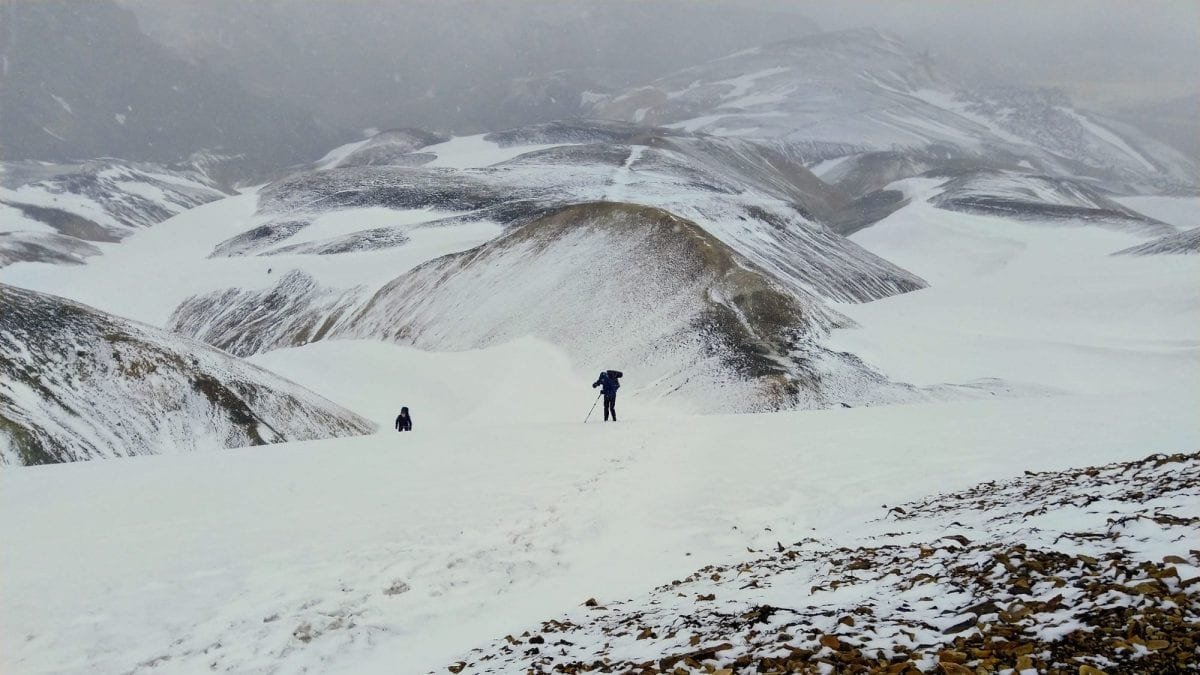
Chilean Mountain Hiking Tragedy: Australians Recount Harrowing Survival A Deadly Storm Turns a Popular Trek Into a Nightmare The Chilean mountain hiking tragedy unfolded when a violent storm struck Torres del Paine national park, trapping dozens of hikers on the exposed John Garner Pass. Among them was Australian trekker Emily Dong, who recalls crawling across ice as 190km/h winds and freezing temperatures turned the trail into a death zone. Many hikers later said they believed they might not survive. Warnings Missed and Support Abse Survivors claim the Chilean mountain hiking tragedy was avoidable. Camp staff reportedly assured trekkers that conditions were manageable, describing the approaching storm as typical for Patagonia. No rangers were stationed near the pass due to a national election, leaving hikers without official guidance or emergency support when conditions deteriorated rapidly. Hikers Forced to Act as First Responders As the storm intensified, an informal group of experienced hikers—many from Australia—took charge. They made the difficult decision to turn back and began assisting others struggling to descend. Several hikers fell, including one who slid 50 metres down an icy slope. Once back at Los Perros campsite, the group converted a staff room into a makeshift medical station after pleading for shelter. https://www.theguardian.com/world/chile Their relief was short-lived: several hikers were unaccounted for. Desperate Rescue Attempts Amid the Blizzard When the SOS call was finally sent, volunteers retraced their steps into the blizzard. The search party discovered a Mexican couple—one already deceased, the other severely hypothermic. Over five gruelling hours, hikers improvised a stretcher from trekking poles, rope, and tape, attempting to save her as they carried her down the mountain. Despite their efforts, she tragically died near the campsite. It would take approximately 24 hours after the initial distress signal before authorities arrived. Five Lives Lost, Many Questions Unanswered The bodies of five hikers—one British woman, a German couple, and a Mexican couple—were later discovered scattered along the pass. Survivors say the Chilean mountain hiking tragedy was the product of systemic failures: incomplete communication, absent rangers, conflicting weather guidance, and locked facilities that could have provided life-saving shelter. Twenty-seven hikers required medical treatment, and many are still processing the trauma. Calls for Accountability and Safety Reform Survivors of the Chilean mountain hiking tragedy issued a joint statement calling the event “a preventable disaster,” urging authorities to enforce better protocols, including: Officials have since launched internal investigations and pledged to strengthen safety procedures in Torres del Paine’s trekking circuits.


Read More

Captive beluga whales in Canada: Crisis at Marineland

A Growing Emergency for Captive Beluga Whales in Canada Thirty captive beluga whales in Canada are caught in an intensifying conflict involving Marineland, federal authorities, and animal rights advocates. The situation has escalated from a dispute over export permits to a full-scale welfare emergency, leaving the future of the captive beluga whales in Canada uncertain and increasingly dire. As political tension rises, the captive beluga whales in Canada continue to live in aging, deteriorating tanks that experts warn are no longer safe. Despite the whales’ unique personalities and strong emotional bonds with their trainers, ongoing debates over responsibility and funding have stalled meaningful action—further endangering the health and long-term wellbeing of the captive beluga whales in Canada. Belugas With Personalities as Complex as People Former trainers describe the belugas as intelligent, curious beings with personalities as vivid as humans’. One trainer recalls affectionate whales like Lillooet, playful individuals such as Zephyr, and guardians like Orion. These relationships developed through years of trust-building, emotional connection, and daily interaction. According to former staff, these whales are not interchangeable animals—each one has a history, emotional life, and established social structure that complicates any decisions about relocation or long-term care. Deteriorating Facilities and Mounting Losses During recent years, Marineland has suffered multiple deaths among its marine mammals, including belugas and its last surviving orca. Former employees insist these fatalities are tied to aging infrastructure and inadequate maintenance. Some report that concrete from aging tanks has begun breaking apart, creating hazards for the curious whales who pick up the debris. Staff shortages have allegedly worsened the situation, leaving essential repairs and daily care tasks increasingly difficult to manage. https://www.theguardian.com/world/canada Political Stalemate Leaves the Whales in Limbo After federal authorities blocked the proposed sale of the whales to China—citing ethical concerns over continued performance-based captivity—Marineland warned it could not continue caring for the animals without government assistance. The threat of euthanasia added urgency to the situation, though trainers argue the logistics make such a plan nearly impossible. Still, the political standoff has left the whales’ fate uncertain. Federal and provincial governments each insist the other holds primary responsibility, creating a bureaucratic deadlock while conditions decline. Could a Beluga Sanctuary Be the Answer? One proposed solution is a large-scale ocean sanctuary in Nova Scotia, designed to serve as a long-term refuge. Supporters say the planned facility would offer a more natural environment with open-water enclosures and enrichment modeled after professional marine care. However, former trainers remain skeptical, calling the proposal experimental and cautioning that many belugas—especially those born and raised entirely in captivity—may not adapt safely to a semi-wild environment. Why Relocation Is Not Simple Animal welfare experts argue that the public often misunderstands the needs of belugas raised in artificial habitats. These whales have never hunted, navigated ocean territories, or experienced life outside controlled environments. For some individuals, relocation may pose medical or psychological risks that exceed the dangers of remaining in upgraded human-managed facilities. Others may eventually be suitable for sanctuaries or specialized aquariums equipped to manage complex medical needs. Provincial Powers: An Underused Solution Legal experts say the provincial government has strong authority to intervene, seize the animals if necessary, and compel improvements. Despite public statements promising action, officials have yet to directly step in—resulting in mounting frustration among trainers, advocates, and veterinarians who warn that time is running out. A System Failing Both Animals and Caretakers The crisis reflects broader weaknesses in Canada’s animal welfare regulations. With multiple agencies sharing overlapping authority, responsibility becomes diffuse—and in periods of inaction, the animals suffer. Advocates stress that governments were warned long ago that Marineland’s decline was inevitable, yet contingency planning never materialized. What Comes Next? Whether through sanctuary placement, government intervention, or relocation to specialized facilities, experts agree on one point: immediate action is essential. Without a coordinated plan, the thirty captive beluga whales in Canada risk becoming casualties of prolonged political indecision.

Read More

The Death of the Living Room

The Death of the Living Room: Modern Rentals and Shrinking Communal Spaces The death of the living room is becoming a growing concern in UK rental properties. Renters increasingly eat, socialise, and work in kitchens, bedrooms, or stairwells due to the loss of communal areas. This change affects both practical living and mental health, reducing social connection and overall quality of life. Georgie, 27, a climbing instructor, recalls her house-share in Leeds. “Without a living room, your world becomes quite small,” she says. The former lounge had been converted into storage, and the tiny kitchen made communal meals difficult. Residents often ate in their bedrooms, missing opportunities to bond socially. How Rental Trends Drive the Death of the Living Room Recent research shows this trend is accelerating in urban areas. Nearly 30% of rental rooms are in properties without a living room, rising to 41% in London. Almost half of renters report that living rooms are now used as bedrooms. Landlords prioritise rental income over communal space. Rising housing costs, shared living, and limited larger units drive this trend. Many young professionals accept the loss of a living room for cheaper rent, even if it reduces relaxation and social opportunities. https://www.theguardian.com/lifeandstyle/homes The Historical Role of the Living Room Edward Bok popularised the living room in the late 19th and early 20th centuries. He opposed expensive rooms used only on special occasions, encouraging daily communal use. The living room became central for families to gather, eat, and entertain, reflecting social cohesion. Modern changes reduced its role. Central heating allowed bedrooms to double as living spaces. Televisions and streaming encouraged individual entertainment. Today, devices and personal screens continue to shrink communal areas. Social and Mental Health Impacts The absence of a living room can affect mental wellbeing. Around 44% of people in shared accommodations report that not having a communal space has impacted their mental health. Without a neutral area for socialising, residents feel isolated and disconnected. Kitchens often become the default gathering space, but overcrowding and lack of comfort limit meaningful interaction. Architect Louis Platman emphasises the importance of a shared space for building community. “It’s really hard to build friendships or a sense of home without a living room,” he says. He argues for recognising the living room as a vital component of wellbeing and social cohesion, even in small or shared properties. Adaptations and Creative Solutions Not all renters view the death of the living room as entirely negative. Some, like Imogen in London, have successfully converted former lounges into bedrooms, using kitchens as multifunctional social hubs. Cooking, gaming, crafting, and shared meals in these areas create alternative forms of connection, despite the loss of a traditional lounge. Designers like Regan Billingsley suggest that modern living spaces can adapt: open-plan kitchens, dining areas, and hallways can be layered with furniture and lighting to create communal gathering points. Built-in seating, large tables, and flexible spaces can provide a sense of connection and comfort, even without a formal living room. Preserving the Living Room in Modern Rentals Despite adaptations, experts argue that the death of the living room should not become the norm. Whether in shared flats, family homes, or intergenerational residences, a communal space remains essential for fostering conversation, relaxation, and community. The living room is more than furniture and decor—it represents a shared social space that contributes to wellbeing and a sense of home.

Read More

NSW Storms 2025: Deaths, Power Cuts, Train Delays

Severe NSW storms 2025 swept through the state on Wednesday, killing one man, causing widespread power outages, and disrupting public transport in Sydney. Strong winds and falling trees damaged homes and vehicles, leaving tens of thousands of residents affected as emergency services raced to respond. Fatalities and Injuries in NSW Storms 2025 A 76-year-old man died when a tree fell on him at Glenworth Valley on the Central Coast. Another man in Orange suffered serious injuries when a tree struck his car. Authorities received over 1,000 calls for help due to storm damage, including collapsed roofs and blocked roads. Power Outages and Transport Disruptions The storms cut electricity to more than 120,000 homes in NSW. Train services in Sydney faced delays, with replacement buses operating on affected routes. Emergency crews worked around the clock to restore power. Queensland also experienced outages after two consecutive days of heavy rain and high winds. Extreme Weather and Bushfire Alerts The Bureau of Meteorology reported gusts exceeding 110 km/h in central NSW, with temperatures climbing above 40°C in some regions. Authorities issued catastrophic bushfire warnings in the central west, including Dubbo, Parkes, and Forbes. Firefighters remained on high alert, responding to multiple blazes. https://www.youtube.com/watch?v=epmtzLbSIcc Widespread Property Damage Roofs were torn off homes and commercial buildings in Nevertire and Blacktown. Lightning strikes caused structural damage, and bamboo scaffolding at construction sites increased hazards. Officials warned residents to stay indoors and avoid high-risk areas. Emergency Response and Safety Measures Over 1,000 firefighters and emergency personnel deployed across NSW, tackling at least 69 ongoing fires and storm-related incidents. Residents were urged to evacuate high-risk areas, report fallen trees or damaged power lines, and monitor local emergency alerts. Continuing Storm Risks Officials warned that while wind speeds may drop, elevated fire conditions and storm-related hazards will continue into Thursday. Residents were advised to prepare for possible flash flooding and further power outages.

Read More

Hong Kong High-Rise Fire in Tai Po

Hong Kong High-Rise Fire Claims Four Lives in Tai Po A devastating Hong Kong high-rise fire broke out in the Tai Po district on Wednesday, engulfing multiple residential towers in flames and thick smoke. Four people have died, while several others remain trapped inside the burning buildings, according to local authorities. Two victims are reported to be in critical condition with severe burns. Firefighters Battle Tower Blaze Amid Dangerous Conditions Emergency services rushed to Wang Fuk Court, a residential complex of eight high-rise blocks housing roughly 2,000 people. Firefighters faced extreme hazards, with some sustaining injuries while tackling the blaze. They used ladder trucks and high-pressure hoses to fight the flames as thick smoke spread across the neighborhood. Witnesses gathered on nearby overhead walkways to watch the fire spread across the 31-storey towers. Some buildings were wrapped in traditional bamboo scaffolding, commonly used in Hong Kong for construction and renovation. https://www.youtube.com/watch?v=mYpyk8Fq4-4 Road Closures and Emergency Response The Hong Kong Fire Department received the first report of the fire at 2:51 pm local time and escalated it to a No. 4 alarm by 3:34 pm, one of the city’s highest emergency levels. Authorities temporarily closed a section of Tai Po Road, a key highway, forcing bus diversions and traffic disruptions. Rescue operations continued around the clock. Cause and Context of the Hong Kong High-Rise Fire While the exact cause of the blaze remains under investigation, officials noted that the presence of bamboo scaffolding may complicate firefighting efforts. Hong Kong authorities have recently announced plans to phase out bamboo scaffolding for public projects due to safety concerns, highlighting the risks in high-density urban areas. Residents’ Plight and Ongoing Rescue Efforts Firefighters continue to assist residents trapped inside the towers. Video footage shows emergency teams directing water from ladders onto the flames. Authorities coordinate rescue operations, prioritizing people in critical condition while searching for others who may still be inside.

Read More

Modern-Day Workwear Appeal: A Timeless Menswear Trend

Introduction Modern-Day Workwear Appeal: A Timeless Menswear Trend continues to shape how men dress today, blending practicality with effortless style. The modern-day workwear appeal stems from garments originally created for labourers, yet these pieces have seamlessly transitioned into contemporary fashion. Durable fabrics, relaxed cuts, and everyday utility make this timeless menswear trend popular among men of all ages, offering comfort, confidence, and a flattering fit without sacrificing style. Why Utility Pieces Have Become Everyday Essentials For men navigating modern life, workwear provides structure, comfort, and confidence. Unlike slim-cut fashion trends that emphasise physique, workwear embraces boxy silhouettes, durable fabrics, and timeless design. This makes it ideal for men who want style without feeling pressured to maintain a certain body shape. From chore coats to canvas jackets, pieces originally crafted for railway workers, farmers, and mechanics now attract designers, collectors, and everyday wearers alike. Their blend of simplicity and rugged elegance has helped the trend remain firmly rooted in today’s fashion culture. https://www.theguardian.com/fashion/fashion A Style That Transcends Age and Trend Cycles Many men gravitate to workwear as they get older, appreciating its forgiving cuts and structured fabrics. Heavy twills, canvas, and denim soften with time, yet maintain their shape—providing a flattering frame regardless of age or changing waistlines. While the look resonates strongly with middle-aged men, younger generations have embraced it enthusiastically. Collaborations between heritage brands and modern designers have introduced workwear to new audiences, helping classic silhouettes remain fresh and relevant. The Versatility of Workwear Across Wardrobes One of the strongest aspects of the modern-day workwear appeal is how easily the garments style with both contemporary and vintage clothing. A French railway jacket pairs just as easily with wide-cut chinos as with modern denim. Heavy shop coats, once used in workshops or shipyards, now function as transitional outerwear for unpredictable weather. Men mix these pieces in wildly different ways—some pairing them with polished footwear, others wearing them with boots or sneakers. Workwear adapts to the wearer rather than demanding a specific aesthetic. Navigating Criticism and Cultural Conversation Some critics argue that wearing workwear is a form of identity appropriation—especially for those not involved in manual labour. But clothing has always moved between social classes. Jeans were once work trousers; now they are global fashion. For many, wearing these garments is not about imitating a profession but appreciating craftsmanship, durability, and sustainable design. Vintage pieces were built to last, often made by unionised labour using natural materials rather than cheaply produced synthetic fabrics. A Practical Choice With Long-Term Value Beyond aesthetics, workwear appeals to men who value clothing that can withstand years of use. Heavy-duty jackets, chore coats, and field trousers often outlast fast-fashion alternatives by decades. They age gracefully, accumulating character rather than falling apart. Workwear also performs in everyday life—from holding essential items in deep pockets to resisting stains, stretching, and wear. For parents, commuters, and men navigating the unpredictability of modern life, the resilience of these garments is a major draw. The Revival of Heritage Brands and Craftsmanship With original vintage pieces becoming rarer and more expensive, modern workwear manufacturers are expanding production to meet demand. Many brands now recreate archival designs with higher-quality fabrics and ethical manufacturing standards. Old mills, family-run producers, and heritage workshops continue to preserve traditional techniques. This connection to craftsmanship is a core reason the modern-day workwear appeal feels more authentic than many fleeting fashion trends. A Quiet, Personal Revolution in Men’s Fashion Workwear’s understated strength resonates with men tired of fast fashion, body pressure, and disposable clothing. It offers a style that is practical, timeless, and rooted in real history. For many, adopting workwear is less about looking rugged and more about embracing garments with longevity, structure, and spirit. The modern-day workwear appeal ultimately reflects a shift toward authenticity—clothing that stands the test of time and lets men feel comfortable in their own skin.

Read More

Estêvão Chelsea Star Outshines Lamine Yamal Against Barcelona

Estêvão Shines in Chelsea’s Champions League Triumph Chelsea’s rising talent, Estêvão Chelsea star, delivered a standout performance that immediately captured attention as Chelsea defeated Barcelona in their Champions League clash at Stamford Bridge. The Estêvão Chelsea star showcased remarkable speed, skill, and composure on the ball, overshadowing Lamine Yamal and reinforcing his reputation as one of the brightest young players in world football. A Goal to Remember After 55 minutes, Estêvão scored a sensational goal to seal Chelsea’s dominance. Receiving a pass from Reece James, he sprinted past defenders Alejandro Balde and Pau Cubarsí before striking a precise shot past goalkeeper Joan García. The goal displayed his agility, vision, and finishing ability, confirming his potential as a future star for club and country. Outperforming the Competition While Lamine Yamal displayed moments of brilliance, Estêvão’s physicality, tactical awareness, and Premier League experience allowed him to control the match. With four goals in four consecutive starts for Chelsea and consistent performances for Brazil’s youth teams, he is proving his potential to be one of football’s top young players. The Premier League Advantage Chelsea’s Premier League experience gave Estêvão an edge. The team’s pace, intensity, and physicality often outperform European opponents, allowing the Brazilian to exploit gaps after Ronald Araújo’s red card and make decisive plays throughout the match. https://www.youtube.com/watch?v=aS3g4n0L41g Tactical Decisions Boost Performance Managerial choices also highlighted Estêvão’s strengths. By using Pedro Neto’s pace and high pressing, Chelsea created space and opportunities for the winger. His off-the-ball runs, quick transitions, and ability to draw defenders showcased his football intelligence and versatility. A Rising Star for Chelsea and Brazil Chelsea’s investment in Estêvão from Palmeiras is already paying off. His combination of technical skill, tactical awareness, and Premier League experience makes him a talent to watch. With continued growth, he could become one of the world’s top wingers, contributing to both immediate results and long-term success. Key Takeaways

Read More

Joseph Wright of Derby: Explore His Hometown and Inspirations

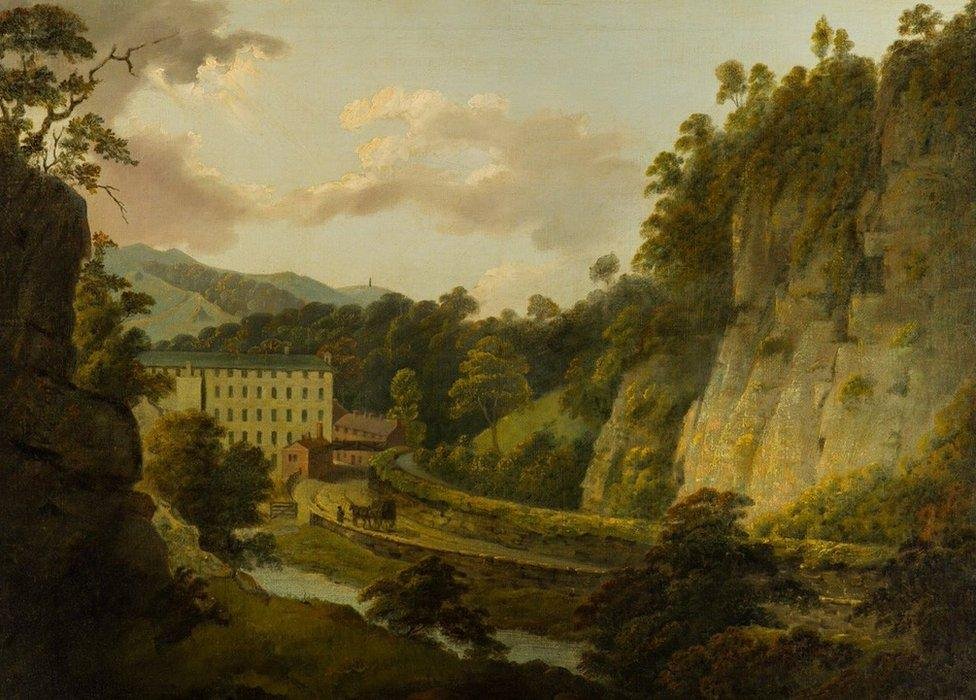
Exploring Joseph Wright of Derby’s Hometown Visiting Joseph Wright of Derby’s hometown immediately reveals the landscapes, towns, and industrial heritage that inspired one of England’s greatest 18th-century painters. Exploring Joseph Wright of Derby’s hometown allows art lovers to step directly into the scenes that shaped his work. With a major exhibition at London’s National Gallery, this journey blends natural beauty, historic architecture, and rich cultural history. By walking through Derby and nearby villages, visitors can truly experience the world of Joseph Wright of Derby. Dovedale: Nature That Inspired Joseph Wright of Derby The limestone valley of Dovedale, on the Derbyshire-Staffordshire border, is famous for its rushing River Dove and stepping stones. On a quiet autumn morning, the russet and gold trees and rolling green hills mirror the very landscapes Wright painted. “People started traveling to places that were previously hard to reach, like the Peak District,” explains Tony Butler, executive director of Derby Museums Trust. Wright’s fascination with the sublime reflected the 18th-century appreciation for nature’s power and beauty. Consequently, paintings such as Dovedale By Moonlight capture both serenity and drama, highlighting his skill in depicting light and atmosphere. Derby: Enlightenment, Industry, and Innovation Much of Wright’s work also reflects Derby’s industrial growth and Enlightenment spirit. Indeed, the town was a hub for inventors, scientists, and thinkers, including members of the Lunar Society, who influenced Wright’s art and ideas. One of his most famous works, A Philosopher Giving That Lecture on the Orrery, illustrates scientific discovery in Derby. The painting demonstrates his talent for showing light, shadow, and intellectual energy in a single scene. Today, visitors can explore Derby’s heritage at The Engine Room, a modern restaurant celebrating railway history, or stroll along the River Derwent. Furthermore, historic attractions like the Museum of Making, built on the Derby Silk Mill site, showcase 300 years of innovation and creativity. https://www.youtube.com/watch?v=5DzN-6VxzzM Cromford: Wright and the Industrial Revolution A short trip from Derby leads to Cromford, home of Sir Richard Arkwright’s Cromford Mills, the world’s first successful water-powered cotton spinning mill. Guided tours reveal machinery and techniques that Wright often depicted in his paintings. His depictions of Cromford, both by day and night, show dramatic light and shadow. Additionally, visitors can enjoy lunch at Oakhill, a boutique restaurant with views over the Derbyshire countryside and local dishes inspired by regional heritage. Experiencing Joseph Wright of Derby’s World Today From Dovedale’s dramatic landscapes to Derby’s museums and historic streets, exploring Joseph Wright of Derby’s hometown lets visitors experience the very settings that inspired his luminous paintings. The combination of nature, industry, and culture creates a direct link to the Enlightenment and Wright’s artistic vision. As Tony Butler notes, “To truly understand Wright’s art, you need to experience Derby and its landscapes, where industry and nature met to inspire some of the greatest paintings of the 18th century.” Tips for Visitors Enjoy regional cuisine at local restaurants inspired by Derbyshire’s heritage. Visit the Derby Museum and Art Gallery for Wright’s largest collection. Explore Dovedale on walking trails that reflect his landscapes. Tour Cromford Mills to understand the Industrial Revolution’s influence.

Read More

“Hiking the Dolomites: Winter Trails & Peaks”

Hiking in the Dolomites: Winter Magic in Italy’s Mountains A Winter Wonderland in South Tyrol Hiking in the Dolomites is a spellbinding experience, even when the mountains are hidden behind clouds and mist. Located in northern Italy’s South Tyrol, the 3 Zinnen Dolomites region blends Italian charm with Austrian influence, reflecting its Habsburg history. From the onion-domed churches of San Candido (Innichen) to pastel-colored alpine houses, every village feels like a storybook setting. Chasing Peaks Through Clouds Even when heavy rain or fog obscures the view, hiking trails offer moments of magic. Trails from Stiergarten and Helm (Monte Elmo) wind through snow-covered pine forests and open ridges. Occasionally, clouds swirl to reveal the jagged peaks of the Tre Cime (Three Peaks), creating moments of awe that reward patient hikers. Alpine Comfort Food Along the Way No winter hike is complete without hearty mountain cuisine. Along the trails and in ski huts, traditional Ladin and Tyrolean dishes keep hikers energized. Highlights include: The Joy of Winter Trails Hiking in the Dolomites during winter offers solitude and serenity. Trails are often quiet, with only animal tracks marking fresh snow. Longer days in March allow hikers to enjoy early evening walks through village streets, followed by an aperitivo while watching the sun illuminate the snow-covered peaks.https://www.theguardian.com/travel/dolomites Moments of Alpine Revelation On the final day, a trail to Val Fiscalina leads through larch forests and charming alpine huts, such as Talschlusshütte. Local specialties like spinach dumplings with cream cheese and speck showcase the region’s culinary heritage. At last, just hours before departure, the 3 Zinnen peaks appear through the clouds, a breathtaking reward for those who embrace the winter weather. Why Hiking in the Dolomites Is Unforgettable The Dolomites combine dramatic natural scenery, rich cultural heritage, and alpine gastronomy. Even when visibility is limited, the interplay of snow, clouds, and peaks turns every hike into a sensory adventure. For winter hikers, the Dolomites deliver not just trails, but a full immersion in Italy’s most magical mountains.

Read More

“Restaurant Snacks: Britain’s Small Bites Trend”

The Small Plates That Stole Dinner: How Restaurant Snacks Are Changing Britain’s Food Scene The Rise of Restaurant Snacks In Britain, restaurant snacks are no longer an afterthought. From cheese puffs to tuna eclairs, chefs are putting creativity front and center. At Elliot’s in Hackney, London, the snack menu sets the tone for a lively dining experience. Blond-wood interiors, natural wine, and playful music create the perfect backdrop. But it’s the snacks—plump Isle of Mull cheese puffs, fried potatoes with aïoli, and cheesecake—that steal the show. Signature Snacks That Delight The Isle of Mull cheese puffs were a “happy accident,” says co-owner Samantha Lim. Crispy outside, gooey inside, these cheesy bites have remained on the menu since 2012. Other standout snacks include potato flatbreads with creme fraiche and trout roe, or mangalitsa saltimbocca with quince. Each dish is designed to deliver maximum flavour in one or two bites, creating an instant connection with diners. Snacks Beyond the Starter Once reserved for pubs or Michelin-starred canapés, snacks have evolved into serious culinary creations. Restaurants across the UK are embracing this trend: Why Snacks Work Psychologist Charles Spence explains that snacks appeal to several trends: smaller meals, casual dining, and social experiences. They are informal, often handheld, and encourage sharing. According to Zak Hitchman, snacks allow chefs to showcase creativity in single bites. Emma Lyons of Bristol’s Other adds that snacks offer diners “interesting flavours and textures without committing to a full meal.” https://www.youtube.com/watch?v=8IRnxjueN2E Chefs Embracing Snack Menus Many chefs now treat snacks as an art form. At Other, tempura grey mullet with miso-cured scallop and blood-plum syrup combines crunch, smooth textures, and complex flavours. Snacks have even replaced starters on some menus, becoming the highlight for diners who want a taste of the chef’s skill. Snacks as Business Strategy Restaurant snacks are not just fun—they’re profitable. Using leftover ingredients like offcuts or crab meat reduces waste while creating high-margin dishes. Offering snacks at quieter times attracts new customers and keeps neighbourhood diners engaged. For instance, Elliot’s pig cuts are repurposed into pork crackling for the snack menu, while leftover brown crab meat makes a flavourful mayo for crab cakes. A Fun and Social Dining Experience Ultimately, restaurant snacks make dining enjoyable and interactive. They encourage sharing, experimentation, and discovery. As Lim says, snacks are “a fun ice-breaker, a warm, delicious way to start a meal, or even the main event on their own.” Across Britain, small bites are changing how we think about dinner—one snack at a time.

Read More