
Zoya

Pesticide Harm to Wildlife Rising Worldwide, Study Warns

Pesticide Harm to Wildlife Is Rising Worldwide Pesticide harm to wildlife is increasing across much of the world, according to new research that highlights growing ecological risks from modern farming practices. The study shows that toxic exposure from agricultural chemicals has intensified for many species, especially insects, soil organisms, fish, and pollinators. Although pesticides have helped boost food production, their expanding ecological footprint is now raising serious concerns about biodiversity loss and long-term environmental damage. Insects and Soil Life Most Affected Among all species groups studied, insects experienced the sharpest rise in chemical harm. Between 2013 and 2019, toxicity linked to pesticide use increased dramatically for insects, making them the most vulnerable group. Soil-dwelling organisms followed closely, reflecting the heavy and repeated application of chemicals to farmland. In contrast, only aquatic plants and land-based vertebrates showed a slight decline in overall risk during the same period. How Scientists Measured Pesticide Risk To track global trends, researchers used a method known as total applied toxicity (TAT). This approach measures not just how much pesticide is used, but also how harmful each chemical is to different species. By combining pesticide data with safety thresholds from multiple international regulatory bodies, the researchers assessed the ecological impact of more than 600 pesticides across 65 countries. Together, these nations represent nearly 80% of the world’s farmland. Global Trends Show Uneven Progress The findings reveal stark regional differences. Some areas have made progress by tightening pesticide rules or reducing usage growth. However, in many parts of the world, toxicity levels continue to rise. Countries with rapidly expanding agriculture or weaker regulation showed some of the biggest increases in ecological risk. Meanwhile, only one country examined is currently on track to meet the international goal of halving pesticide-related harm by 2030. Why Rising Toxicity Is a Serious Warning Experts warn that increasing pesticide toxicity threatens species that perform essential ecological roles. Insects, for example, are vital for pollination, soil health, and food chains. When these organisms decline, entire ecosystems can become unstable. https://www.youtube.com/watch?v=lH_8N9HRsys Additionally, some chemicals may cause long-term or subtle harm that is difficult to detect immediately. Sub-lethal effects can weaken reproduction, behaviour, and resilience, further accelerating biodiversity loss. The Limits of Current Data While the study offers valuable insight, scientists caution that pesticide impacts may be underestimated. In many countries, detailed long-term data is incomplete or unavailable. As a result, actual harm to wildlife could be even greater than current figures suggest. Researchers emphasise the urgent need for consistent, high-quality monitoring systems to better understand how pesticide use affects ecosystems over time. Balancing Food Production and Biodiversity Synthetic pesticides have played a major role in increasing crop yields. However, global pesticide use has nearly doubled since the 1990s, with millions of tonnes applied each year. This growth has come at a significant ecological cost. Experts argue that protecting wildlife does not mean abandoning agriculture. Instead, solutions include crop diversification, improved soil management, reduced chemical reliance, and wider adoption of less toxic or organic farming methods. Why Action Is Needed Now The rising trend in pesticide harm to wildlife runs counter to global commitments to protect biodiversity. Without stronger regulation, better data, and sustainable farming practices, ecosystems may continue to degrade. Ultimately, reducing pesticide risk is not only about protecting wildlife. It is also about safeguarding food systems, human health, and the natural processes that support life on Earth.


Read More

Australia Social Media Ban: How Teens Are Adapting

Australia Social Media Ban Under 16: What Has Changed? The Australia social media ban for children under 16 started almost two months ago. The goal is to reduce online harm and improve digital habits. Teenagers have already adapted in different ways. Some reduced usage, while others found alternatives. The ban did not cause major disruption. Many teens say daily life feels mostly the same. Only their communication habits have slightly changed. How Teens Are Responding to the New Restrictions Teen reactions to the restrictions vary. Some teens follow the rules and wait until they reach the legal age. Others admit they can bypass the limits by creating new accounts with different age details. Most online content remains easy to access. Many platforms do not require accounts. Because of this, teens feel enforcement lacks consistency. Feeling Less Online, More Connected Offline One clear outcome of the Australia social media ban is stronger offline interaction. Teens now spend more time talking face to face. Many share videos in person instead of online. Others exchange phone numbers rather than usernames. This shift has helped some teens build stronger friendships. It has also reduced pressure to post content constantly.https://www.youtube.com/watch?v=aD4c-eLcPsQ Screen Time Has Shifted, Not Disappeared The ban aimed to reduce screen use. Results remain mixed. Some teens use their phones less than before. Others replaced social media with streaming platforms or messaging apps. This shows the rules changed usage patterns. They did not remove screen time completely. Is the Ban Achieving Its Goal? Most teens describe the policy as a small inconvenience. Early concern faded quickly. Few people discuss the ban now. Some teens believe education would work better. They suggest teaching families healthy digital habits. Others want stronger control over platforms instead of age limits. Final Thoughts The Australia social media ban has not transformed teenage life. It has encouraged awareness and reflection. Teens now think more about how they use digital platforms. Long-term cultural change remains uncertain. For now, many teens agree on one thing. Life continues, and the ban no longer feels important.

Read More

Low Contact Family Relationships Explained

Low Contact Family Relationships: Why Taking Space Feels Necessary Low contact family relationships are becoming increasingly common as people seek healthier ways to manage difficult dynamics with parents and relatives. Instead of cutting ties completely, many choose to reduce communication, visits, and emotional exposure. This approach allows space for reflection, healing, and self-protection while keeping some form of connection intact. What Does “Low Contact” Really Mean? Low contact means limiting interaction to what feels manageable and emotionally safe. For some, that involves shorter phone calls. For others, it means only meeting for specific reasons or focusing communication around children or practical matters. Importantly, low contact is not about punishment. Instead, it is about boundaries. Unlike “no contact,” which involves complete disengagement, low contact keeps the door slightly open. As a result, people often experience less guilt and fewer family ruptures. Why People Choose Low Contact Family Relationships Many individuals describe years of emotional strain before deciding to step back. Common reasons include feeling unheard, constantly criticised, or emotionally unsafe. Over time, this stress can manifest as anxiety, burnout, or even physical symptoms. Additionally, increased awareness of mental health has encouraged people to reassess family dynamics. Therapy, social media discussions, and personal reflection all play a role in helping individuals recognise when closeness comes at too high a cost. Balancing Boundaries With Love and Responsibility For many, love does not disappear simply because contact is reduced. Parents are still parents. Siblings remain siblings. Therefore, low contact often feels like a compromise rather than a rejection. Some people maintain contact mainly for their children, allowing grandparents and cousins to stay connected. Others prioritise practical communication while avoiding emotionally charged topics. In this way, boundaries become flexible tools rather than rigid rules. The Emotional Challenges of Keeping Distance Although low contact can bring relief, it is rarely easy. Feelings of sadness, guilt, and doubt often surface. Family members may react with anger, confusion, or silence. As a result, maintaining boundaries can feel emotionally exhausting. https://www.youtube.com/watch?v=SgxW9SfhB5U Moreover, unresolved emotions do not vanish simply because contact is reduced. Without support, avoidance can sometimes delay healing rather than encourage it. Professional Perspectives on Low Contact Therapists often view low contact as a middle path. It allows individuals to reduce harm without making permanent decisions. In many cases, it provides breathing space to assess what kind of relationship, if any, is possible in the future. However, professionals also stress that low contact should be intentional. When used thoughtfully, it can foster clarity and self-growth. When used reactively, it may simply mask deeper issues. Creative Ways to Maintain Safer Connections Boundaries do not have to mean cold distance. Some people choose activity-based interactions, such as meeting in public places or focusing on shared hobbies. Others communicate through photos or brief messages instead of long conversations. These approaches reduce conflict while preserving a sense of family continuity, especially when children are involved. Regret, Grief, and the Importance of Reflection One concern often raised is regret, particularly if a relative becomes seriously ill or passes away. Reduced contact can complicate grief, especially when goodbyes are left unsaid. Because of this, many experts encourage people to revisit their boundaries over time rather than viewing them as permanent. Reflection, support networks, and therapy can help individuals navigate these fears more safely. Is Low Contact a Modern Phenomenon? Historically, frequent family communication was not always the norm. Before smartphones and messaging apps, speaking every few weeks was common and socially acceptable. In this sense, low contact may not be new, but rather a recalibration in an era of constant access. By reducing unrealistic expectations of constant closeness, low contact can counter idealised images of family life often seen online. Why Support Matters Low contact family relationships work best when people are not isolated. Friends, partners, therapists, and chosen family can provide stability during the adjustment period. As one relationship is limited, others often become more important. Ultimately, low contact is not about erasing family. It is about protecting emotional wellbeing while leaving room for growth, change, and possible reconnection in the future.

Read More

Unsung Museums in Europe: Hidden Art Gems

Unsung Museums in Europe: Hidden Gems Worth Exploring Unsung museums in Europe offer some of the continent’s most unique and memorable experiences. These hidden galleries often feature overlooked artists, unusual collections, or quirky contemporary exhibits. From sunlit halls for quiet contemplation to immersive installations that surprise visitors, these lesser-known museums are treasures for curious travellers. Celebrating Women Artists in the South of France In Mougins, near Cannes, the Female Artists of the Mougins Museum celebrates women creators. The collection spans centuries. It includes Berthe Morisot, Frida Kahlo, and Tracey Emin. Visitors can admire abstract paintings, intimate portraits, and sculptures. Moreover, the calm atmosphere makes it ideal for art lovers and those exploring women’s history in art. https://www.youtube.com/watch?v=gXMRHUJAIkw Hidden History in Amsterdam Tucked away in Amsterdam, Ons’ Lieve Heer op Solder is a secret church turned museum. It was built during the Reformation when Catholics had to worship in private. Consequently, the church feels like a hidden labyrinth. Visitors can wander through rooms resembling a dollhouse. In addition, it offers a quiet escape from the busy city streets. Powerful Prints and Politics in Berlin The Käthe Kollwitz Museum preserves works of the socialist artist. It displays prints, drawings, posters, sculptures, and woodcuts. Through her art, visitors see personal tragedy and political messages combined. Furthermore, the small museum immerses guests in emotional and historical depth. It is essential for those seeking meaningful art experiences.‘It’s dedicated exclusively to female artists, from Frida Kahlo to Tracey Emin’: readers’ favourite unsung museums in Europe Mountains and Memories in Turin The Museo Nazionale della Montagna in Turin explores humans’ connection with mountains. Exhibits cover mountaineering history, climbing gear, and daring expeditions. Also, a rooftop terrace offers panoramic views of the Alps and the city. Families, hikers, and mountain enthusiasts will enjoy this museum after exploring the Italian Alps. Far East Artefacts in Porto Portugal’s Museo Nacional Soares dos Reis is set in an 18th-century palace. It houses Portuguese paintings from the 16th to 20th centuries. Additionally, it features Japanese and Chinese artefacts brought by maritime trade. A serene garden at the back provides space for reflection. As a result, visitors can enjoy both art and history in peace. Science and History in Kraków The Jagiellonian University Museum reveals Copernicus’s life and Poland’s scientific heritage. Located in a 14th-century building, it displays objects related to the heliocentric theory. In addition, quirky historical artefacts offer insight into university life. Its central location makes it easy to include on a walking tour of Kraków. Modern Art Surprises in Prague The DOX Centre for Contemporary Art combines innovative exhibits with striking architecture. Housed in a repurposed factory, it features installations ranging from playful to provocative. Visitors can explore interactive sculptures and immersive environments that challenge conventional ideas. Enchanting Spaces in Barcelona and Paris CaixaForum in Barcelona occupies a restored modernist factory. Rotating exhibitions include photography, sculpture, and immersive installations. Its calm atmosphere allows visitors to fully engage with the art. Meanwhile, Paris’s Musée National Gustave Moreau features symbolist paintings and the artist’s private apartments. Together, they create intimate, magical experiences. Ancient Treasures in Greece The Archaeological Museum of Piraeus showcases 2,000 years of Greek history. Highlights include the Piraeus bronzes of Apollo, Athena, and Artemis. Because it is less crowded than Athens’ main museums, visitors enjoy an intimate and inspiring experience. It is also convenient for travellers heading to the Greek islands. Why Unsung Museums in Europe Are Worth Your Time These hidden museums offer more than typical tourist attractions. They provide quiet, personal encounters with art, history, and culture. Furthermore, they celebrate overlooked stories, creative ingenuity, and local heritage. For curious travellers, they are the perfect complement to Europe’s famous landmarks.ng beyond the ordinary. They tell untold stories, spotlight overlooked artists, and create immersive experiences that larger institutions often cannot. Exploring unsung museums in Europe is a chance to see art, history, and culture from a fresh perspective — often in quieter, more contemplative spaces that let visitors truly connect with the exhibits.

Read More

quirky family ski resort in Switzerland: Arosa’s fairytale charm

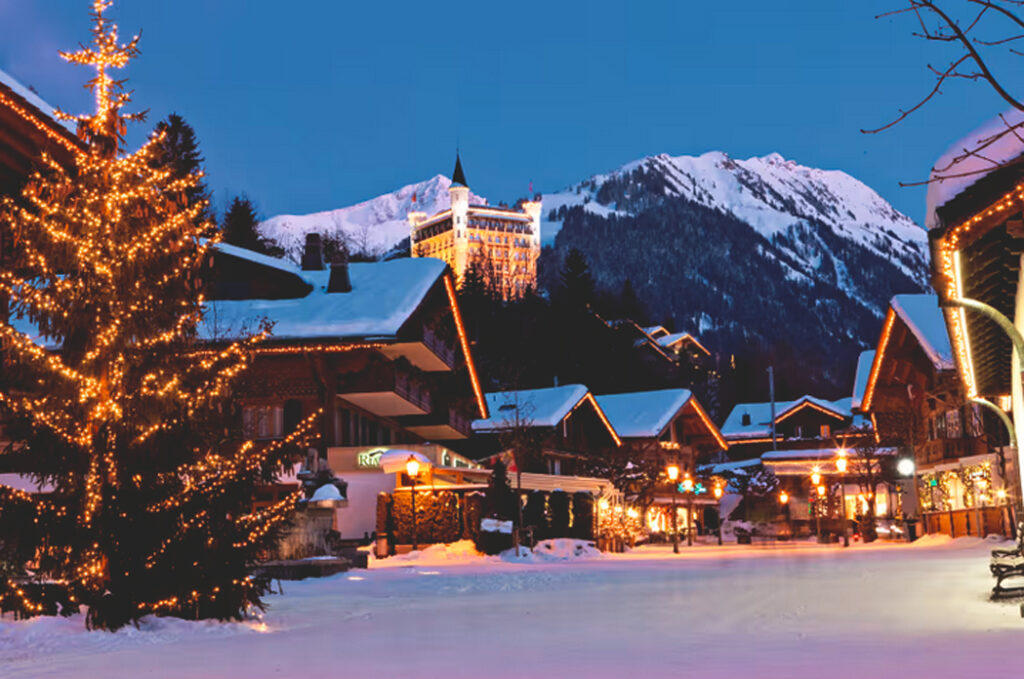
A Quirky Family Ski Resort in Switzerland: Discovering Arosa A quirky family ski resort in Switzerland, Arosa feels like a storybook village hidden high in the Graubünden Alps. Instead of glitz and celebrity crowds, it offers sledges racing through the streets, rescued bears sleeping beneath snowy peaks and a sense of innocence rarely found in modern ski destinations. As a result, families looking for warmth, character and calm will find something truly special here. A Mountain Journey That Feels Like an Arrival The road to Arosa climbs steadily through a narrow Alpine valley, winding past mountain chapels, traditional farmhouses and dramatic ravines. With every hairpin bend, the outside world seems to fall away. Eventually, the village appears on a high plateau, protected by forests and ringed by jagged summits that feel almost theatrical. Unlike Switzerland’s headline resorts, Arosa keeps a low profile. Consequently, it retains the atmosphere of a well-kept secret — a place that reveals itself slowly rather than shouting for attention. A Village Designed for Childhood Wonder In winter, Arosa transforms into a playground. Families skate together on the frozen lake, while children steer wooden sledges down snow-covered streets, often faster than passing cars. Meanwhile, vintage-style lamp posts glow warmly in the evening snowfall, turning the village into something that feels lifted from a fairytale. Adding to the charm, the town’s unofficial mascots are brown bears — a detail that never fails to delight young visitors. https://www.youtube.com/watch?v=M62zTBvi9uU Wildlife Encounters in the Snow One of Arosa’s most distinctive attractions is its bear sanctuary, located high on the mountain and accessible by cable car. Even during winter hibernation, the site offers an immersive introduction to animal welfare, with raised walkways and sweeping Alpine views. In cooperation with international wildlife organisations, the sanctuary provides rescued European brown bears with a safe, natural environment. As a result, visitors gain both education and perspective in a setting that feels deeply connected to the surrounding landscape. Beyond the sanctuary, themed winter trails lead families into pine forests, where squirrel tracks criss-cross the snow and wildlife sightings feel wonderfully unscripted. Relaxed Skiing and Family-Friendly Slopes Although Arosa connects to a larger ski area across a dramatic mountain valley, the atmosphere on the pistes remains calm and uncrowded. Therefore, skiing here feels unhurried and welcoming, especially for families. Children benefit from excellent ski schools and gentle slopes, while parents appreciate the lack of queues and pressure. Traditional mountain restaurants along the pistes serve regional dishes in shared, communal spaces that encourage lingering lunches rather than rushed refuelling. Sledging: The Heart of Winter Fun Tobogganing plays a starring role in Arosa. From high gondola stations, dedicated sledging runs snake downhill in thrilling curves and chicanes. Wooden sledges remain as popular as skis, and laughter echoes across the slopes as families race downhill together. Because of this, even non-skiers find plenty of winter adventure, making the resort especially inclusive for mixed-ability groups. A Pop-Up Hotel with Cinematic Style Accommodation in Arosa usually leans traditional, but one standout option breaks the mould entirely. A large pop-up hotel occupies a former resort building, reimagined with bold colour palettes, theatrical design and playful details. Self-check-in replaces the traditional reception, while corridors feel like stage sets and shared spaces resemble art installations. Velvet curtains, pastel tones and vintage touches give the impression of stepping into a carefully styled film scene. As a result, the hotel becomes an experience in itself — not just a place to sleep. Why Arosa Feels Different Strict building regulations preserve traditional architecture throughout the village, ensuring that modern development never overwhelms its character. Consequently, Arosa feels frozen in time, in the best possible way — like Switzerland from another era. Ultimately, this quirky family ski resort in Switzerland succeeds because it prioritises atmosphere over spectacle. It offers space to slow down, reconnect and rediscover the joy of winter through simple pleasures: snow, animals, shared meals and laughter. A Family Ski Resort That Stays With You Arosa may not be what most travellers expect when they think of Switzerland. However, that is precisely its strength. With its gentle slopes, wildlife encounters and imaginative accommodation, it delivers something rarer than luxury — a sense of wonder. For families searching for a ski holiday with heart, humour and a touch of magic, Arosa quietly delivers everything they didn’t know they were missing.

Read More

local guide to Milan: food, culture and green spaces

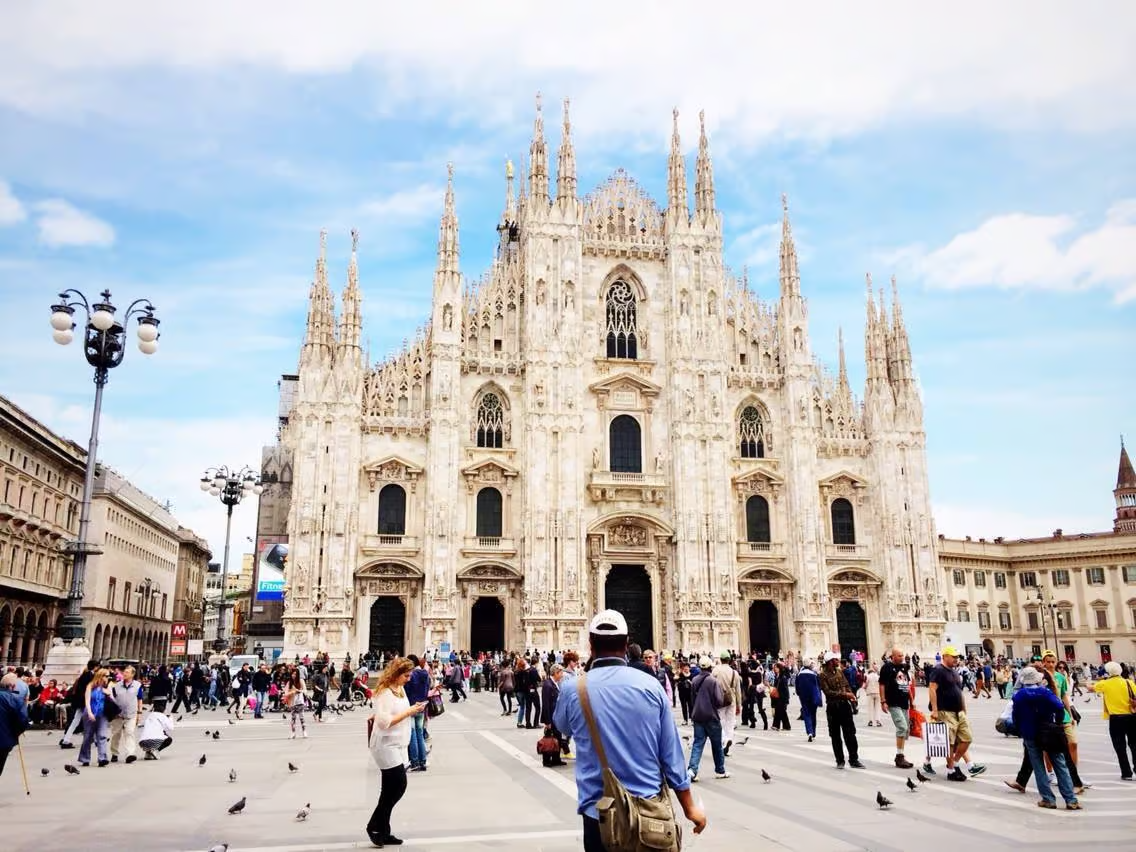
A Local’s Guide to Milan: Where Food, Culture and Nature Meet A local guide to Milan reveals a city that stretches far beyond fashion runways and famous landmarks. Instead, it blends neighbourhood life, hidden cultural gems and peaceful green spaces into everyday experiences. As a result, Milan rewards travellers who explore it slowly and through local eyes rather than rushing from one highlight to the next. Authentic Food Spots Loved by Locals Milan’s food scene thrives in small, welcoming places where quality consistently matters more than trends. For example, near sports centres and residential streets, classic pastry shops serve exceptional espresso and freshly baked goods, making them ideal for quiet mornings or post-workout rituals. Meanwhile, traditional bakeries in central neighbourhoods attract loyal customers not only for their pastries but also for their warmth. Many feel like living rooms, where staff remember familiar faces and conversations stretch across decades. Similarly, small family-run pizzerias serve thick, soft slices that evoke childhood memories and simple comfort. In addition, students and young professionals often gravitate toward budget-friendly cafés near universities, where chefs prepare fresh dishes daily. When it comes to special occasions, refined trattorias reinterpret Milanese classics such as risotto and fried meat dishes using local ingredients and time-honoured recipes. At the same time, the city’s international side shines through intimate, atmospheric restaurants offering flavours from Vietnam and other global cuisines. https://www.youtube.com/watch?v=2F4hJQhfyO8 Neighbourhood Life: Milan After Dark Some of Milan’s most vibrant energy emerges in the evening. Streets in multicultural districts fill with street food aromas, casual restaurants and late-night cafés. Karaoke bars, dessert spots and informal gathering places make these neighbourhoods ideal for relaxed nights with friends. These areas reflect Milan’s evolving identity — social, youthful and creative — offering a more spontaneous alternative to polished city centres. Fashion as Cultural Identity Fashion in Milan is not just commerce; it’s cultural heritage. The influence of legendary designers is deeply embedded in the city’s identity, shaping architecture, craftsmanship and even civic pride. Collaborations between athletes, artists and fashion houses highlight how design continues to influence modern Milan beyond the catwalk. Creative Inspiration and the City’s Relationship with Water One of Milan’s lesser-known cultural treasures is its historic aquarium, housed in an elegant early 20th-century building adorned with marine-themed sculptures. Exhibits focus on Italian freshwater and marine ecosystems, offering a peaceful escape from city life. For many visitors, watching aquatic life creates a sense of calm and freedom. The connection between movement, water and wellbeing is powerful, making this space both educational and emotionally grounding. Green Spaces in the Heart of the City Milan is surprisingly rich in greenery. Large central parks connect major historical landmarks, museums and monuments, creating long, walkable green corridors. These parks regularly host concerts, exhibitions and cultural events, making them social hubs as much as natural retreats. Smaller neighbourhood parks scattered across the city provide quieter spaces for reading, exercise or reflection, proving that nature is never far away in Milan. Accessibility and Urban Progress Milan is largely flat, which makes moving around easier for many visitors. In recent years, infrastructure upgrades have improved access to public transport and public buildings. Elevators, ramps and renovated stations reflect ongoing efforts to make the city more inclusive, though historic architecture still presents challenges that continue to be addressed. Art, Museums and Unexpected Cultural Statements Beyond its famous galleries, Milan offers striking contemporary art in unexpected places. Public sculptures challenge tradition, history and power, often standing in sharp contrast to their surroundings. Cultural institutions range from modern ethnographic museums to intimate natural history collections set within elegant parks. These museums are popular with families and locals, blending education with nostalgia and discovery. Outdoor installations — including life-sized prehistoric creatures — add a sense of wonder for visitors of all ages. Why Milan Is Best Explored Like a Local Milan reveals its true character through daily rituals, neighbourhood cafés, overlooked museums and shared public spaces. A local guide to Milan isn’t about ticking landmarks off a list — it’s about understanding how culture, creativity and community shape the city’s rhythm. Whether you’re visiting for sport, design, food or history, Milan offers depth, warmth and authenticity to those who slow down and explore.

Read More

UK Town of Culture: Britain’s Creative Towns

UK Town of Culture: Britain’s Most Inspiring Creative Towns Across the UK, culture doesn’t just live in major cities. The idea of a UK town of culture highlights how creativity thrives in seaside communities, historic market towns and artistic hubs where heritage, arts and community shape everyday life. Hastings, East Sussex – Where Heritage Meets Youth Culture Hastings is a town shaped by sea air, history and creative defiance. Its fishing fleet still operates directly from the beach, while just streets away contemporary galleries, performance spaces and artist studios push cultural boundaries. Grassroots events define the town’s character. Annual celebrations transform the streets into shared stages, blending folklore, music and performance art. Skate culture, independent musicians and visual artists are highly visible, giving Hastings a youthful, unapologetic energy. Recognition as a UK town of culture would strengthen an already authentic creative ecosystem rather than manufacture a new one. Glastonbury, Somerset – A Living Festival All Year Round Glastonbury’s reputation extends far beyond its famous music festival. The town hosts a year-round calendar of spiritual gatherings, seasonal celebrations, academic talks and community rituals that coexist in remarkable harmony. Independent shops dominate the streets, offering everything from artisan crafts to specialist bookshops and locally produced food and drink. Overlooking it all is the Tor, providing panoramic views across the Somerset Levels — widely considered one of the most striking landscapes in England. Glastonbury’s cultural strength lies in its inclusivity and resilience, making it a powerful contender. Kirkcudbright, Dumfries and Galloway – Scotland’s Artists’ Town Known nationally as an artists’ haven, Kirkcudbright blends natural beauty with artistic heritage. Its pastel-coloured streets, marina views and hidden gardens feel like stepping into a painting. The town boasts significant gallery spaces, historic artist studios and a strong connection to the Glasgow Boys movement. Seasonal fairs, open-air markets and creative festivals bring the town centre to life, while the surrounding landscape offers peace and inspiration in equal measure. North Shields, Tyne and Wear – Culture Reclaimed from Industry North Shields demonstrates how culture can emerge from industrial roots. Former smokehouses, warehouses and fish processing buildings now host live music, theatre, exhibitions and creative workspaces. The historic Fish Quay provides a dramatic setting for performances and festivals, linking maritime heritage with modern artistic expression. Community-led venues and grassroots organisations ensure culture is accessible, locally driven and economically meaningful. Ipswich, Suffolk – A Historic Town with Contemporary Creative Energy As one of England’s oldest towns, Ipswich blends deep history with a growing modern cultural scene. Its revitalised waterfront, parks and theatres support music, dance, drama and spoken word events throughout the year. The town has produced influential historical figures and continues to nurture new talent through independent theatres, arts organisations and community initiatives. A town of culture designation could unlock broader participation and long-term regeneration across the wider region. Scarborough, North Yorkshire – Seaside Culture with a Big Heart Scarborough combines traditional seaside charm with a surprisingly rich creative life. The town supports galleries, theatres, museums and a busy festival programme, alongside an open-air theatre that attracts major international performers. Street art, independent markets and local crafts sit alongside dramatic cliffs, beaches and wildlife — including frequent dolphin sightings along the coast. Though weathered in places, Scarborough’s pride, warmth and cultural ambition remain unmistakable. https://www.youtube.com/watch?v=3jSvDDXhLVs Devizes, Wiltshire – History, Music and Creative Tradition Devizes offers a remarkable concentration of culture for a town of its size. Historic buildings, a nationally respected museum, an arts festival and a restored music scene all contribute to its vibrancy. The nearby canal, famous lock system and surrounding ancient landscapes add depth to the town’s identity. With strong volunteer involvement and active creative societies, Devizes shows how culture can be sustained across generations. Caernarfon, Gwynedd – Welsh Language, Arts and Identity Set against the dramatic backdrop of Eryri, Caernarfon is a cultural powerhouse for Welsh language and creativity. Music, literature and food festivals draw visitors from across Wales and beyond. Its medieval castle — both a historic landmark and a complex symbol — attracts hundreds of thousands each year. The town’s cultural life balances pride, reflection and contemporary artistic expression, making it one of Wales’s most distinctive cultural centres. Faversham, Kent – Community-Led Creativity Faversham’s cultural success is driven largely by local residents. Literary festivals, heritage celebrations and frequent community events keep the town buzzing year-round. Creative hubs, theatres and riverside spaces support artists and performers while celebrating the town’s historic industries. Faversham demonstrates how collaboration and local leadership can sustain a thriving cultural environment. Why These Towns Matter A UK town of culture should reflect authenticity, participation and lasting impact. These towns prove that culture is strongest where history, creativity and community intersect — not as a temporary showcase, but as a way of life. Whether coastal, rural or historic, each offers a compelling vision of what cultural investment can achieve when it builds on what already exists.

Read More

Shark Attacks in Australia: Safest Beaches and Times to Swim

Shark Attacks in Australia: How to Stay Safe in the Water Australia’s coastline attracts millions of visitors each year, yet recent shark attacks have reminded swimmers and surfers of the importance of ocean safety. While the overall risk of shark attacks in Australia remains low, understanding where, when, and how to enter the water can significantly reduce danger. Which Sharks Are Most Likely to Attack Humans? The majority of shark attacks in Australia occur in New South Wales, due to its dense population of surfers and beachgoers. Common species involved include: Western Australia has also seen shark attacks over the years, particularly in areas like Margaret River, Exmouth, and Esperance, reflecting the rich marine biodiversity of the region. Seasonal Patterns of Shark Activity Shark encounters are influenced by water temperature, prey availability, and seasonal migration. Key patterns include: Times to Avoid Swimming Sharks are more likely to attack in low-visibility conditions, including: Experts warn that bull sharks are especially dangerous in estuaries and rivers after floods, as they move upstream in search of prey. Even minor rainfall events can increase shark activity near the coast, so swimmers should exercise caution. Experts warn that bull sharks are especially dangerous in estuaries and rivers after floods, as they move upstream in search of prey. Even minor rainfall events can increase shark activity near the coast, so swimmers should exercise caution. Experts warn that bull sharks are especially dangerous in estuaries and rivers after floods, as they move upstream in search of prey. Even minor rainfall events can increase shark activity near the coast, so swimmers should exercise caution. https://www.youtube.com/shorts/UvWEpBj94tM Weather, Water Conditions, and Risk Environmental factors play a significant role in shark behavior: Understanding local weather patterns can help beachgoers reduce risk. Surfing and Swimming Precautions Experts recommend the following to minimize encounters: Safest Beaches in Australia While shark attacks are rare, some beaches offer extra protection: Staying on patrolled beaches, following safety advice, and avoiding risky times dramatically lowers the likelihood of shark encounters. Final Tips for Ocean Safety While sharks are an integral part of Australia’s marine ecosystem, informed swimming habits reduce risk. Key takeaways:

Read More

Slow Train Journey Swiss Alps to Turin: Winter Scenic Rail

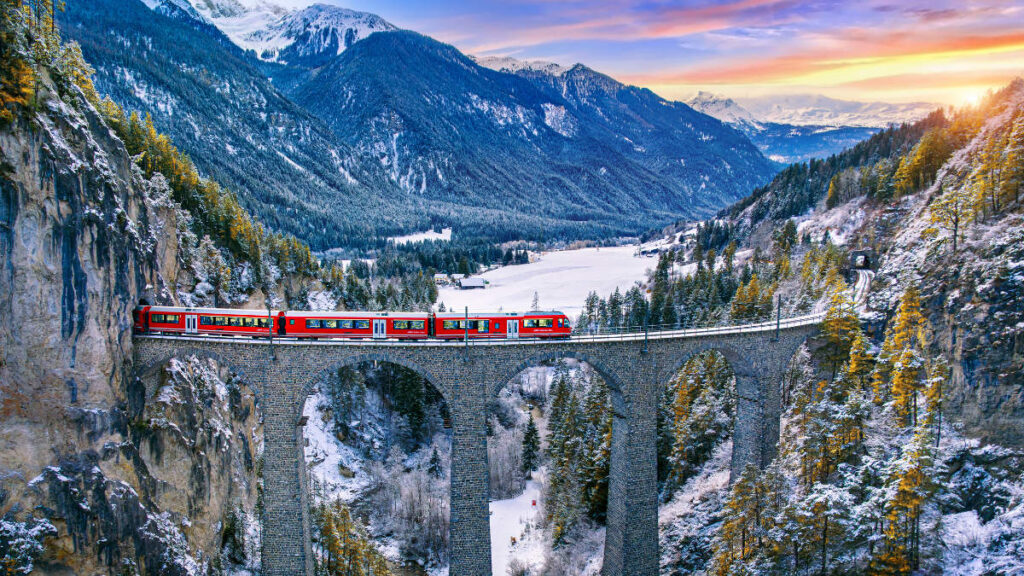
Introduction A slow train journey Swiss Alps to Turin is one of the most scenic ways to explore winter landscapes and Italian culture. Travelling during the day allows you to admire snow-capped peaks, frozen rivers, and charming alpine villages. Moreover, a slow train journey Swiss Alps to Turin lets you experience historic railways, cozy mountain towns, and tranquil lakes, all in one memorable trip. The Magic of Scenic Rail Travel On a slow train journey Swiss Alps to Turin, you glide across borders and mountain passes while watching landscapes change hour by hour. Panoramic windows provide uninterrupted views of Alpine peaks, gorges, and frothing rivers. Unlike air travel, train journeys are relaxed and immersive, letting you enjoy nature and local culture simultaneously.asses. Meanwhile, panoramic windows let you watch landscapes change every hour. Unlike airports, train travel is relaxed. You can enjoy snow-covered hills, frozen rivers, and Alpine peaks at your own pace. Historic Railways and Alpine Engineering The Matterhorn Gotthard railway is one of Europe’s most historic lines. Built in 1882, it uses famous spirals to climb steep mountains gradually. As a result, trains pass vertiginous gorges and frothing rivers safely. Stop at Göschenen or Andermatt for lunch or sightseeing. Moreover, alpine towns offer charming streets, hearty food, and local wine. In winter, thick snow and dark stone create postcard-perfect views. Crossing Borders: From Switzerland to Italy The journey also includes crossing from Switzerland into Italy. Italy welcomes travellers with sunny skies and terracotta valley towns. Lake Lugano and Lake Como add scenic charm along the route. Furthermore, the cost of food and coffee drops compared to Switzerland. Cappuccinos taste sweeter, and Italian culture begins even before arriving in Turin. https://www.youtube.com/watch?v=980WK8axbfk Discovering Turin’s Hidden Charms Turin is a city of contrasts. Neon signs from the 1920s cling to 18th-century buildings. Students and locals mingle under 18km of porticos lined with boutiques and coffee bars. In addition, museums like the Mole Antonelliana offer cultural highlights. The Fiat Lingotto rooftop test track has been transformed into a panoramic garden. Local Osterias serve Piedmontese cuisine, such as brasato al barolo and agnolotti del plin, completing the experience.

Read More

Climate Crisis Economic Risk

Tantrums, Rancid Meatloaf, and Family Silver: The Art of Holocaust Comedy Climate crisis economic risk is one of the most pressing challenges facing governments, businesses, and financial institutions today. Understanding climate crisis economic risk means recognizing how extreme weather events, rising global temperatures, and environmental tipping points can trigger financial losses, disrupt markets, and undermine long-term economic stability. By examining climate crisis economic risk, policymakers and investors can identify vulnerabilities, plan for systemic shocks, and take urgent action to prevent catastrophic consequences for societies and economies worldwide. A Grandmother’s Tyranny and Culinary Horror Family stories often reveal both affection and absurdity. For example, my German-Jewish grandmother Gisela was fiercely opinionated, delighted in practical jokes, and enjoyed embarrassing others. Her infamous meatloaf punishment for my father—serving him a rancid slice repeatedly until he ate it—reflects a parenting style as tyrannical as it was memorable. Decades later, I confronted my own horror at her dinner table, crawling under legs of a table piled with slimy herrings, lukewarm sausages, and brick-like rye bread. This chaotic scene became a cornerstone of our family’s humor, blending the grotesque with affection—a hallmark of Holocaust comedy. Financial Institutions Underestimating Risk Financial experts, including Mark Campanale of Carbon Tracker, argue that underestimating physical climate risks fosters complacency among investors and policymakers. Hetal Patel of Phoenix Group adds that failing to account for these risks distorts investment decisions and underplays societal consequences. “Flawed economic advice delays urgent action, with potentially catastrophic consequences,” Campanale warns. GDP Misrepresents Real Costs Traditional models link economic damages to average temperature increases, but research shows societies suffer most from extremes—heatwaves, floods, and droughts. GDP can be misleading: disaster recovery spending can temporarily boost GDP, masking human suffering, ecosystem collapse, and social disruption. Preparing for the Unpredictable Rather than waiting for perfect models, experts urge attention to extreme scenarios and systemic vulnerabilities. Investors are encouraged to accelerate the transition away from fossil fuels to prevent massive financial losses. Dr. Abrams emphasizes: “Some models predict a 10% GDP loss at 3–4°C warming, but physical scientists warn society could cease functioning as we know it—a stark mismatch.” Conclusion: Urgent Action Needed The climate crisis economic risk is a reality policymakers and financial managers can no longer afford to ignore. With global tipping points approaching, failing to account for extreme events could trigger a collapse of the financial system. Proactive planning, investment shifts, and immediate emission reductions are critical to protecting both the planet and the global economy. https://www.youtube.com/shorts/AMJnbrHDCoI Key Takeaways

Read More