Sofia Catherine

World Wide Web Day: How the Web Transformed Our World

What Is World Wide Web Day? World Wide Web Day, celebrated every August 1st, is a global tribute to the revolutionary creation that changed the way we access and share information. It’s a day to acknowledge the profound influence the has had on communication, commerce, education, entertainment, and nearly every aspect of modern life. While many people use the terms “Internet” and “World Wide Web” interchangeably, they are not the same. The Internet is a massive network of interconnected computers, while the World Wide Web is a system of linked documents and resources—primarily accessed through browsers—that operate over the Internet. A Brief History of the Web vs. Internet The Internet dates back to the 1960s when the ARPANET (Advanced Research Projects Agency Network) was developed in the U.S. as a military project. But it wasn’t until 1989 that the World Wide Web concept was born. In March 1989, Sir Tim Berners-Lee, a British physicist working at CERN in Switzerland, wrote a proposal to solve communication challenges among researchers using hyperlinks. Building the World Wide Web By the end of 1990, Berners-Lee had invented the essential components of the modern Web: He also built: By January 1991, the first web servers outside CERN were online. SLAC (Stanford Linear Accelerator Center) hosted the first Web server in the U.S. by September of the same year. The Early Web Era (1991–1995) The early adopters of the World Wide Web were mainly universities and research labs. In April 1993, CERN announced that the World Wide Web software was public domain, opening the door for global adoption. By the end of 1993, over 500 servers were operational. That same year, the Mosaic browser launched, popularizing the Web with its user-friendly interface and multimedia support. Mosaic’s development team would later contribute to the creation of Netscape Navigator, one of the first widely used commercial browsers. Web Growth and Commercialization (1994–2000) In 1994, Berners-Lee founded the World Wide Web Consortium (W3C) at MIT, which continues to set global Web standards. This decade witnessed: Search technology also advanced. In 1996, RankDex introduced a page-ranking algorithm, inspiring Google’s PageRank in 1998. The Dot-Com Boom and Bust Between 1997–2001, a surge of tech startups transformed the Web into a commercial hub. But in 2001, the dot-com bubble burst, and many companies failed. However, major players like Amazon, eBay, and Google survived and thrived. High-speed internet access began to spread, and platforms like Facebook, MySpace, and YouTube laid the foundation for the social web. The Rise of Web 2.0 Web 2.0 marked a shift from passive browsing to active participation. This era focused on: Popular Web 2.0 platforms include: This participatory culture changed how people interact online, giving rise to influencers, viral media, and digital activism. The Vision of Tim Berners-Lee Though the Web has evolved, it still reflects Berners-Lee’s original vision—a collaborative space for people to read, write, and interact. Web 1.0 was static and one-directional.Web 2.0 is dynamic, interactive, and community-driven.We are now moving toward Web 3.0—a decentralized, semantic Web focusing on privacy, AI integration, and user ownership. Why World Wide Web Day Matters Celebrating World Wide Web Day reminds us of how far we’ve come. Thanks to the Web: It’s also a time to reflect on digital rights, privacy, misinformation, and the need for a safe, open, and inclusive Web. Looking Ahead: The Future of the Web Emerging technologies are shaping the Web’s future: These developments promise a more personalized, secure, and interactive web experience. Happy World Wide Web Day! As we celebrate World Wide Web Day, let’s recognize its impact and strive to keep the web open, safe, and empowering for everyone. Whether you’re coding, browsing, streaming, sharing, or just reading a blog post—you’re part of a digital revolution that began with one idea in 1989.
Read More

Microplastics in Our Bodies: What They’re Doing to Us

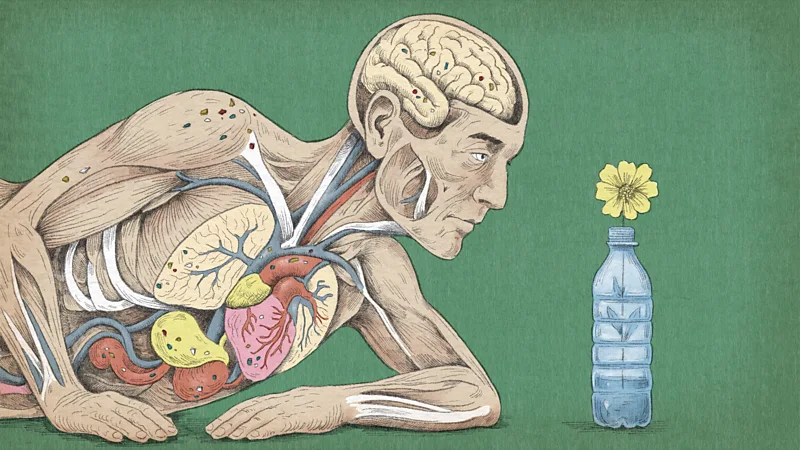
How Microplastics in Our Bodies Harm Human Health From the food we eat to the air we breathe, microplastics in our bodies are becoming alarmingly common. These microscopic particles—originating from broken-down plastic products—are now being detected in organs, blood, brain tissue, and even bones. But what are they really doing to us? Tracking Microplastics in Our Bodies and Their Long-Term Effects In recent years, scientists have identified microplastics in nearly every part of the human body. Studies have found them in the bloodstream, lungs, liver, kidneys, spleen, and even the placenta. More shockingly, recent findings have uncovered plastic particles in bone tissue and brain matter, raising urgent questions about long-term health implications. How Microplastics Enter and Accumulate in Our Bodies Microplastics are inhaled through the air, ingested with food or water, and even absorbed through the skin. Everyday actions—like drinking from plastic bottles, heating food in plastic containers, or brewing tea in plastic-sealed bags—contribute to the accumulation of microplastics in our bodies. Even a single liter of bottled water can contain up to 240,000 microplastic particles, often invisible to the naked eye but small enough to penetrate tissues and organs. What Happens After They Enter? Scientists believe that once microplastics enter the body, they can trigger several harmful responses: Emerging Links to Disease Recent studies have revealed possible connections between microplastics in our bodies and several health issues: 1. Heart and Blood Vessel Risks Microplastics have been discovered in arterial plaques, possibly accelerating heart disease and increasing the risk of stroke or heart attack. 2. Neurological Concerns Plastic particles have been detected in human brain tissue. Individuals with dementia showed up to 10 times higher levels of plastic in their brains, though direct causation remains under investigation. 3. Bone and Muscle Integrity Particles found in bone and muscle tissue may impair regeneration and performance, potentially affecting mobility and overall strength. 4. Cancer and Tumor Development Chronic inflammation from microplastics may create an environment that fosters tumor formation, though this remains an active area of research. Why Microplastics Pose a Complex Challenge Not all microplastics are created equal. They vary in size, shape, chemical composition, and toxicity. Some are nanoplastics, which are even smaller and more likely to penetrate cell membranes. Others act as carriers of heavy metals or toxins, intensifying their health impact. Furthermore, microplastics can harbor antibiotic-resistant genes, potentially undermining our ability to fight infections. Who Is Most at Risk? Certain groups may be more vulnerable to the effects of microplastics, including: The Path Forward: Research and Regulation Scientists are now developing laboratory models—like vascular organoids—to study how plastic particles interact with human tissues. Preliminary animal studies suggest that chronic exposure to even small amounts of microplastics can induce inflammation and metabolic changes. Experts emphasize the need to identify safe exposure thresholds and design safer plastics. Future recommendations may also target manufacturers to reduce harmful compounds in everyday products. Can We Protect Ourselves from Microplastics? While it’s nearly impossible to eliminate exposure completely, you can reduce your risk: A Hidden Health Crisis in Plain Sight Microplastics in our bodies may not cause instant illness, but their silent accumulation poses a long-term threat. From inflammation and hormonal disruption to cardiovascular and neurological risks, the impact of plastic pollution has moved from oceans and soil into the most intimate corners of our biology. As researchers race to uncover more, the message is clear: the era of invisible plastic exposure is here—and we need to respond.

Read More

The world is getting hotter – this is what it is doing to our brains

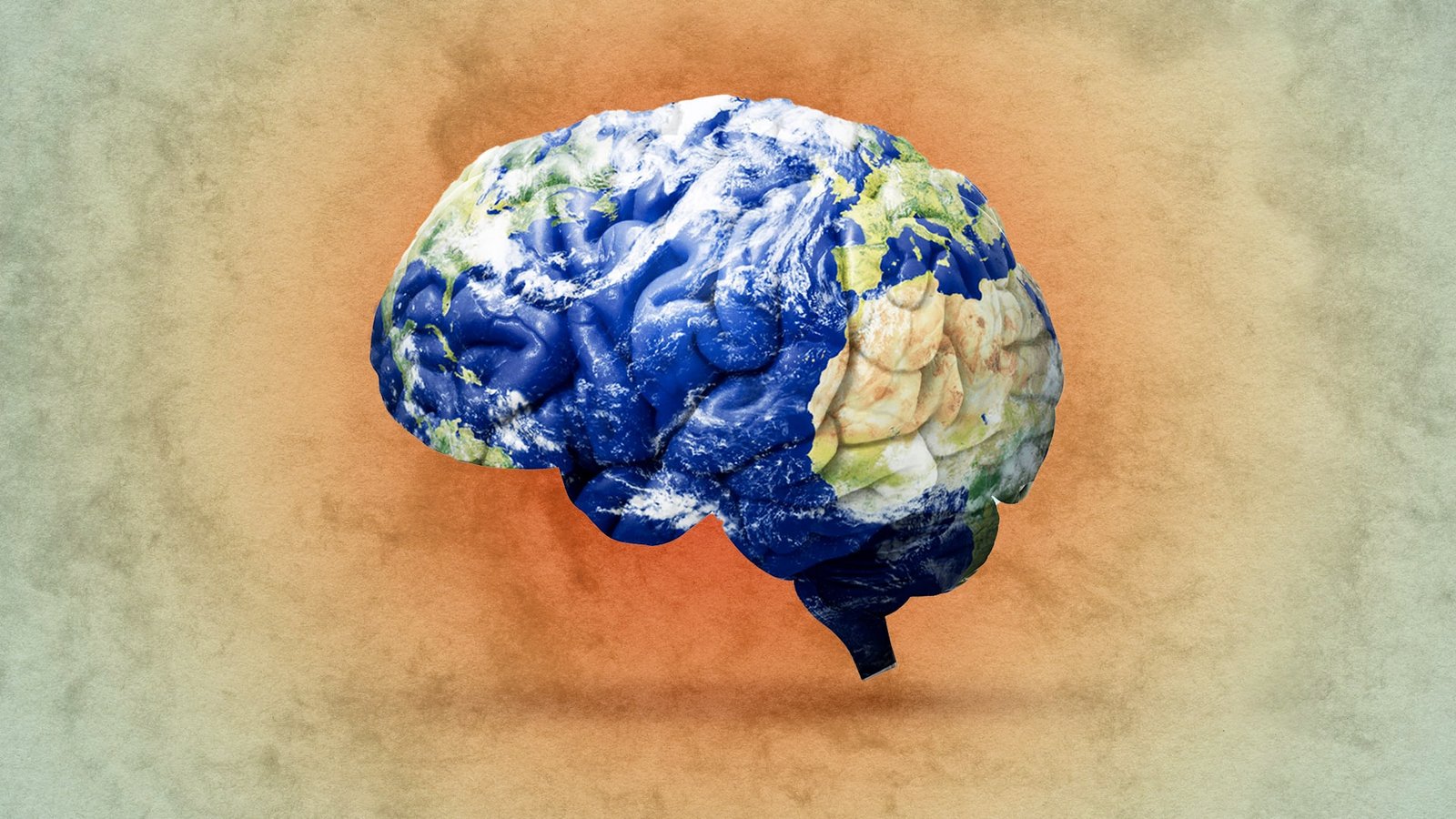
As climate change drives record-breaking heatwaves, scientists are uncovering an unsettling reality: how heat affects the brain may be more serious than previously understood. From seizures and strokes to cognitive decline, mood disorders, and even impacts on fetal brain development, the effects are far-reaching and deeply concerning. How Heat Affects the Brain: A Cognitive Crisis Unfolds The human brain is a sensitive organ, operating optimally within a narrow temperature range. It generates heat through everyday thinking, memory recall, and sensory processing. To stay cool, it depends on proper blood circulation and thermoregulation. But in sweltering conditions, the body struggles to maintain this balance, leading to overheating. Once the brain gets too hot, neuronal communication can become erratic. Proteins misfire, cognitive performance plummets, and decision-making suffers. Research has shown that people are more irritable, impulsive, and less able to concentrate during extreme heat events. How Heat Triggers Brain Disorders and Neurological Symptoms For individuals with pre-existing conditions, such as epilepsy, multiple sclerosis, stroke, or dementia, heat is more than just uncomfortable—it’s dangerous. Some medications, like antipsychotics and anti-epileptics, impair the body’s cooling mechanisms, increasing the risk of hyperthermia and seizures. In patients with Dravet Syndrome, a rare form of epilepsy, even a mild heatwave can lead to life-threatening episodes. And those with dementia often forget to hydrate or adjust their surroundings appropriately, further heightening the danger. Genetic Susceptibility: Why Some Brains Suffer More Than Others Not everyone reacts the same to heat. Scientists now believe that genetic factors may play a role in how resilient—or vulnerable—our brains are to rising temperatures. Certain genetic variants may affect the structure of proteins in the brain, making some people more sensitive to thermal stress. These “thermo-latent” traits could remain hidden until environmental pressures—like global warming—bring them to the surface. Heat and the Developing Brain: Risks for Infants and the Unborn Extreme heat doesn’t only affect adults—it also puts developing brains at risk. Pregnant women exposed to heatwaves are more likely to experience preterm labor, which can lead to cognitive impairments and neurodevelopmental delays in their children. A 26% increase in premature births has been linked to heat exposure, a figure that’s likely to climb as global temperatures rise. Climate and Infection: The Neuro Impact of Emerging Diseases As warmer temperatures expand mosquito habitats, vector-borne diseases like Zika and dengue are becoming more prevalent in areas once considered safe. These viruses can cause serious neurological disorders, including microcephaly in unborn children and encephalitis in adults. Heat also weakens the blood-brain barrier, potentially increasing the brain’s exposure to toxins and infections. Sleepless Nights and Mental Strain Nighttime heat is particularly disruptive. Poor sleep due to elevated temperatures increases irritability, depression, and anxiety, and can exacerbate conditions like epilepsy. Hospitals report more admissions for psychiatric emergencies during hot spells, pointing to a strong connection between thermal stress and mental health. A Widening Global Health Inequality The neurological impacts of heat are not distributed equally. Low- and middle-income countries, already facing limited healthcare resources, are hit hardest. Older populations, individuals with disabilities, and those without access to cooling systems face disproportionate health risks. Rising heat not only threatens lives—it deepens global health disparities. how heat affects the brain.

Read More

Statue of Liberty Culture Wars Sparked by Sherald’s Art

Lady Liberty Reimagined: A Contemporary Flashpoint A powerful new painting by artist Amy Sherald is reigniting debates over national symbols. The Statue of Liberty now stands at the center of modern culture wars. In her work Trans Forming Liberty, Sherald portrays Lady Liberty as a Black transgender woman. The piece challenges traditional views of liberty, identity, and national history. Sherald is best known for painting the official portrait of First Lady Michelle Obama. She created this piece for her exhibition at the Smithsonian’s National Portrait Gallery. However, she withdrew the entire exhibition in protest. Her decision followed growing pressure over the painting’s political implications. Critics linked the work to President Donald Trump’s recent executive orders targeting so-called ‘divisive’ ideologies. Sherald called her withdrawal a stand against what she described as ‘a culture of censorship.’” How Art Fuels the Statue of Liberty Culture Wars The painting features Arewà Basit, a non-binary trans-femme model, dressed in an ultramarine gown with fuchsia hair, replacing Liberty’s torch with Gerbera daisies—a symbol of hope. Rendered in Sherald’s signature greyscale technique, the image encourages viewers to look beyond race and question how cultural symbols evolve in meaning over time. Sherald’s reinterpretation challenges the statue’s deeper legacy, which many have long debated. From suffragettes who saw irony in a female figure representing liberty without voting rights, to conservatives who objected to its message of openness to immigrants—the statue has never been ideologically neutral. Public Symbols in Conflict: Statue of Liberty and the Culture War Controversy over Trans Forming Liberty follows the Biden-to-Trump shift in cultural policy. Under a 2025 deadline, federal institutions—including Philadelphia’s Independence National Historical Park—must ensure exhibits align with “unifying American values.” Critics warn this could lead to censorship or the erasure of uncomfortable truths about U.S. history, including slavery and Indigenous displacement. Despite being sidelined from public galleries, Sherald’s painting is now displayed at the Whitney Museum in New York. Ironically, its exclusion from a federal institution has amplified its visibility, proving that censorship often backfires. Symbolism That Endures Gustave Eiffel engineered the Statue of Liberty, and France gifted it to the U.S. in 1884. He designed its flexible iron framework to withstand the elements. That flexibility now seems metaphorical: her symbolism, though contested, has proven resilient. As America debates what freedom looks like, Sherald’s work insists on a broader, more inclusive vision—one that reflects the nation’s evolving identity. Statue of Liberty culture wars.

Read More

Radioactive Rhino Horns Used to Deter Poachers in South Africa

Radioactive Rhino Horns: A New Weapon Against Wildlife Crime In an ambitious move to combat wildlife crime, South African scientists have introduced a new solution: injecting rhino horns with low-dose radioactive material. This method helps border security detect smuggled horns worldwide. As a result, authorities can better target and stop the illegal rhino horn trade. Why Radioactive Rhino Horns Are Safe for Animals but Threaten Poachers Researchers at the University of the Witwatersrand (Wits University) are leading the groundbreaking Rhisotope Project. After six years of research, the team has confirmed the radioactive isotope is entirely safe for the animals. “We have demonstrated, beyond scientific doubt, that the process is completely safe for the rhino and highly effective in enhancing horn detectability through global nuclear security scanners,” said Professor James Larkin of Wits University. Global Detection Through Nuclear Technology Working in partnership with the International Atomic Energy Agency (IAEA), the scientists found that even large shipping containers could not conceal the modified horns. This makes it nearly impossible for poachers and traffickers to smuggle them undetected. By incorporating radioactive markers, the rhino horns trigger alarms on nuclear detection systems used at international borders and shipping ports. This added layer of security increases the chances of intercepting illegal shipments before they reach black markets in Asia. Scaling the Project for Greater Impact Jessica Babich, the head of the Rhisotope Project, emphasized the team’s long-term goal: scaling the project across South Africa to cover as many rhinos as possible. “Our objective is to deploy Rhisotope technology widely, ensuring that this threatened species has a fighting chance,” she stated. “We are protecting not only rhinos but a vital element of Africa’s natural heritage.” The Stark Reality: Hundreds Still Poached Each Year Despite security efforts, rhino poaching remains rampant. Poachers have killed over 400 rhinos each year in South Africa since 2021, driven by demand in Asian countries where people use rhino horn in traditional medicine and value it as a symbol of wealth. White rhinos, the most populous species in Africa, are considered threatened. The black rhino, meanwhile, is classified as critically endangered. The hope is that radioactive tracking will significantly reduce the incentive for poaching. A Turning Point in Wildlife Protection? This radioactive rhino horn initiative could be a turning point in the global fight against poaching. By leveraging science and international collaboration, South Africa may lead a model of conservation technology that other countries can adopt.

Read More

2500-year-old honey discovered in ancient bronze jars in Italy

Discovery of 2500-Year-Old Honey in Bronze Jars in Southern Italy 2500-year-old honey has been identified in ancient bronze jars discovered in Paestum, southern Italy. Using modern analysis techniques, chemists confirmed the sticky substance as ancient honey — solving a decades-old archaeological mystery. Archaeologists unearthed the jars in 1954 from a 6th century BCE Greek shrine. At the time, archaeologists believed the sticky, orange-brown residue could be honey, a common offering to gods and the dead. How Scientists Confirmed the 2500-Year-Old Honey Mystery Three different teams previously examined the jars over the past 30 years. None could confirm the presence of honey. Most concluded it was some form of animal or vegetable fat, mixed with pollen and insect remains. Now, modern scientific tools have validated the discovery of 2,500-year-old honey. Researchers from the University of Oxford’s chemistry department used advanced mass spectrometry and spectroscopy to identify the residue. Honeycomb Traces Revealed Through New Techniques According to their study in the Journal of the American Chemical Society, biomolecular analysis showed clear signs of honeycomb. These findings confirmed that the jars once held honey. The team collaborated with the Ashmolean Museum and the Archaeological Park of Pompeii. The jars came from a shrine located 90 minutes from Pompeii. Expert Reactions to the Groundbreaking Study Dr. Luciana da Costa Carvalho, co-lead of the project, highlighted the importance of re-examining older artefacts. “This research reminds us that museum collections hold untapped scientific potential. Modern tools can reveal insights we once thought impossible,” she said. Professor James McCullagh, director of Oxford’s mass spectrometry facility, also emphasized the role of technology in the breakthrough. “Using several techniques helped us separate degradation products and contaminants from the original molecular structure,” he explained. New Hopes for Legacy Material Research The authors now hope this discovery will lead to a re-evaluation of other archaeological residues. Many museum collections contain jars and vessels that have not been examined with current scientific tools. Their success with the 2,500-year-old honey discovery may open new doors in the study of ancient offerings, rituals, and daily life. 2500-year-old honey.

Read More

Victorian Hull Exhibition Reveals City’s Lost Streets

Victorian Hull Exhibition Unveils Forgotten Streets and Historic Charm The Victorian Hull exhibition captures the city’s lost 19th-century streets through the detailed sketches of artist Frederick Schultz Smith, offering a rare glimpse into historic architecture and a cityscape that has mostly vanished. How the Victorian Hull Exhibition Preserves the City’s Past Frederick Schultz Smith was active from the 1880s, sketching Hull’s streets, buildings, and daily life during a time of rapid change. His drawings show narrow cobbled roads, horse-drawn carts, and early industrial buildings. They preserve scenes that might have otherwise been forgotten. Among his notable pieces is a detailed rendering of Anlaby Road and Sculcoates Bridge, drawn around 1885. Hidden Gems from the Hull History Centre Archives The Hull History Centre archives preserve many of Smith’s original works. For this commemorative event, the centre is unveiling select pieces to the public. Visitors can explore Hull’s lost architecture through the eyes of a man who captured it with meticulous detail. Cultural Significance of FS Smith’s Drawings City officials have praised the Victorian Hull exhibition for enriching public understanding of local heritage. Rob Pritchard, councillor and portfolio holder for culture and leisure, noted that the artworks “increase our understanding of the development of the city” and showcase a version of Hull that stood on the brink of significant transformation brought about by Edwardian reforms and later the devastation of World War II. Exhibition Details and Visiting Hours The exhibition is open to the public on Tuesdays, Wednesdays, and Thursdays until 28 August. The centre invites art lovers, history enthusiasts, and local residents to visit and reflect on how Hull’s cityscape has evolved over time.

Read More

999 call location error: Gigaclear fined £122,500 by Ofcom

Gigaclear Fined Over 999 Call Location Error After Regulatory Review 999 call location error leads to £122,500 fine for broadband provider. Ofcom fined an Oxfordshire-based broadband provider £122,500 after a serious 999 call location error caused incorrect data to be sent during hundreds of emergency calls. Communications regulator Ofcom revealed that Gigaclear’s system faults affected 948 emergency calls between January 2022 and March 2024. Emergency Services Impacted by Gigaclear’s 999 Call Location Error in Rural England Gigaclear, a provider of full-fibre broadband in rural central and southern England, acknowledged the issue. The company reported the problem to Ofcom in April 2024. Its affected VoIP (Voice over Internet Protocol) service failed to give emergency responders the correct caller locations. This error could have put lives at risk during critical emergencies. Ofcom: Accurate Call Data Can Be Life-Saving Ofcom highlighted the seriousness of the failure, saying that accurate location data during emergency calls can “mean the difference between life and death.” Although callers did not suffer major harm, the regulator stressed that nearly 950 affected calls remain unacceptable. Third-Party Error Behind 999 Call Location Error, Says Gigaclear Although callers did not suffer major harm, the regulator stressed that nearly 950 affected calls remain unacceptable. Furthermore, Gigaclear failed to properly test its systems or investigate a customer complaint linked to the malfunction, intensifying the severity of the breach. Gigaclear Issues Apology and Implements Safeguards In response, Gigaclear said it deeply regretted the incident. The company confirmed that it had fixed the error before reporting it. In an official statement, it added, “We have completed a full post-incident review and introduced new processes to prevent similar problems in the future.” Regulatory Penalties Reflect Need for Compliance Gigaclear’s 999 calls fine highlights why telecom providers must follow emergency service rules—especially for VoIP services, which handle data differently than landlines. Ensuring Public Safety in the Digital Age As more homes in the UK rely on internet-based calling systems, maintaining robust and accurate emergency communication infrastructure becomes increasingly vital. This case serves as a stark reminder that technical oversights can have potentially life-threatening consequences, and that swift, transparent action is essential. A Wake-Up Call for VoIP Providers The penalty imposed on Gigaclear signals a broader message to telecom companies: emergency service protocols must be watertight. While no major injuries were reported in this case, it raises questions about how VoIP services will adapt to meet the growing demands of digital emergency response systems.

Read More

Online Safety Act Sparks Censorship Concerns

Online Safety Act: How UK Law Restricts Content on Gaza and Ukraine Several major social media platforms are now limiting content about Ukraine and Gaza. This is part of their effort to comply with the UK’s Online Safety Act. The new law is meant to protect minors but is raising concerns over censorship and freedom of speech. Online Safety Act Rules: Impact on Gaza and Ukraine Posts The Act demands that platforms block harmful content for users under 18. This includes explicit material, self-harm posts, and violent footage. Companies that break the rules could face fines of up to £18 million or 10% of global revenue. To comply, platforms like X (formerly Twitter) and Reddit have introduced age checks. But these checks are now hiding a wide range of content—including important posts about war and politics. Public Interest Posts Are Being Blocked Content affected includes drone footage from Ukraine and humanitarian clips from Gaza. Even videos of UK parliamentary debates have been restricted. Artistic works, such as Goya’s painting Saturn Devouring His Son, have also been flagged. Critics say this restricts the public’s right to access important information. Some posts contain no graphic material at all. How the Online Safety Act Filters Content for Logged-Out Users Many adults browse platforms without logging in. In the UK, up to 59% of Reddit users and 37% of X users view content while logged out. These users are now treated like children under the law. As a result, they are blocked from viewing a lot of content—even when it serves the public interest. Experts Warn About Free Speech Risks Digital rights groups say tech firms are playing it safe. Fearing fines, they may be over-censoring posts to avoid breaking the law. This could damage free expression, especially around news and politics. The law allows platforms to self-regulate, but experts question how well they can do this. Many have cut back on content moderation teams. That means fewer people are reviewing content carefully. Lack of Transparency and Oversight Each platform handles the rules differently. Meta restricts teen profiles but hasn’t made clear how much public content is filtered. Critics are calling for more transparency and better oversight. They say decisions about public interest content shouldn’t be left entirely to tech companies. Are Platforms Overblocking on Purpose? Some say tech firms are blocking too much content to show the law’s flaws. Others believe this is part of a difficult adjustment period. The law is new and complex, and companies may still be figuring it out. While it may be reducing harmful content, it’s also limiting access to important topics. War, politics, and public debates should not be hidden from adults. Final Thoughts: Balancing Protection and Public Access The Online Safety Act aims to protect users, especially children. But the current approach may be going too far. Blocking public interest content—even unintentionally—hurts transparency and democratic dialogue. The UK must now find a way to protect its citizens without silencing critical voices. Let me know if you’d like this converted into a press release, infographic script, or newsletter blurb.

Read More

Lindsay Lohan on Motherhood in Freakier Friday Sequel

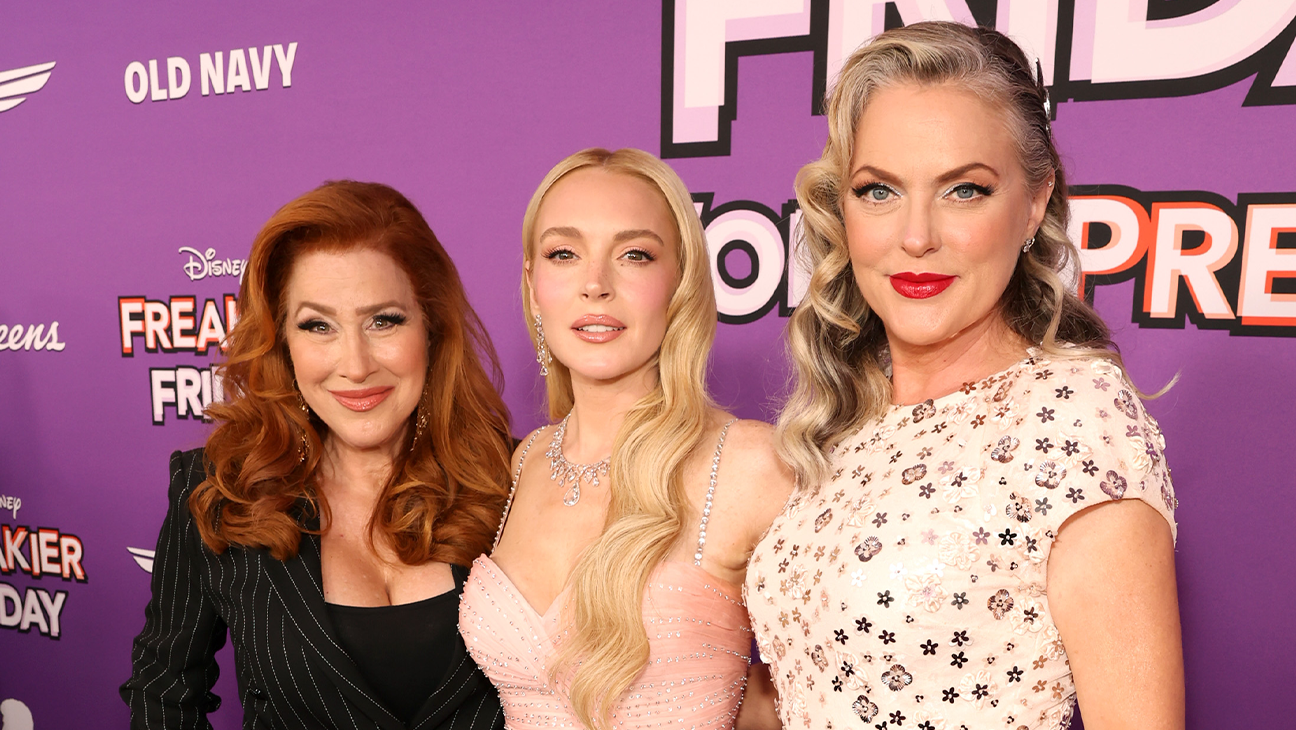
Freakier Friday Sequel Marks Lindsay Lohan’s Powerful Return to Motherhood and Acting Lindsay Lohan on motherhood takes center stage in Freakier Friday, a long-awaited sequel that arrives over two decades after the original film delighted audiences worldwide. Reuniting with Jamie Lee Curtis, Lohan returns in a nostalgic yet emotionally rich story that updates the beloved body-swap comedy for a new generation. The film explores layered themes of parenting, blended families, and second chances—all wrapped in its signature comedic chaos. From Teen to Mum: Anna Navigates Parenthood in the Freakier Friday Sequel Lohan reprises her role as Anna Coleman, who now finds herself navigating motherhood with a daughter of her own—and a stepdaughter. When the chaos of a new family structure unfolds, the body-swapping hijinks return, this time involving multiple family members in a quadruple switch that tests patience, empathy, and understanding. The film maintains its original magic while embracing the deeper emotions and challenges that come with adult responsibilities. Lohan’s character arc is not just a continuation, but a reflection of her personal growth—on and off screen. A Joyful Comeback for Lindsay Lohan in the Freakier Friday Sequel The Freakier Friday sequel marks a powerful chapter in Lindsay Lohan’s return to acting. After stepping back from Hollywood during much of the 2010s, she reemerged in 2022 with Falling for Christmas. This latest film, however, sees her back in collaboration with Disney, rekindling the spark that made her a teen icon. Lohan says she felt an overwhelming desire to revisit the role that once defined a generation. “The original movie brought so much happiness to people,” she notes, adding that the sequel offered an opportunity to deliver the same joy during challenging times. Balancing Acting with Motherhood in the Freakier Friday Sequel Now a mother herself, Lohan brings a fresh emotional depth to the role. She explains that becoming a parent helped her better understand the emotional layers of Anna’s relationship with her own child. “Being a mum changes your whole perspective,” she shared. “Finding a balance between parenting and work is a learning process, but it adds so much meaning to the character this time around.” Lindsay Lohan on motherhood. Having married financier Bader Shammas in 2022 and welcoming their son in 2023, Lohan’s real-life experiences enrich her performance, making it more authentic and resonant. Jamie Lee Curtis Returns as a Mentor and Mother Figure in the Freakier Friday Sequel Jamie Lee Curtis, who returns as Anna’s mother, Tess, shares that the sequel doesn’t feel like a reunion because their bond never truly ended. “We’ve been connected throughout Lindsay’s journey,” Curtis says. “As an elder in this business, it’s my responsibility to offer support, and I’ve always done that.” Curtis, who won an Oscar for Everything Everywhere All at Once, believes the film’s themes are especially relevant today. “Understanding and empathy are in short supply,” she explains. “This film reminds us that stepping into someone else’s shoes—literally—can be transformative.” Emotional Depth and Universal Themes in the Freakier Friday Sequel While the original movie focused on the teenage struggle for independence and understanding, the Freakier Friday sequel goes deeper. Themes of grief, empathy, and blended family dynamics are explored with care and comedy. Curtis adds that the story also touches on loss—something universally felt—which adds emotional texture to the film’s light-hearted narrative. “There’s fun, there’s laughter, but there’s also meaning,” she says. A Strong Supporting Cast Elevates the Freakier Friday Sequel Joining Lohan and Curtis is Chad Michael Murray, reprising his role as Jake, the charming love interest from the 2003 classic. Rising star Julia Butters plays Anna’s teenage daughter, adding a new generational perspective to the story. The ensemble’s chemistry, combined with clever writing and heartfelt moments, ensures that the film appeals to both nostalgic fans and new viewers. Freakier Friday Sequel Reflects How Sequels and Nostalgia Dominate Hollywood Freakier Friday is part of a growing trend in Hollywood: revisiting beloved classics. Hot on the heels of follow-ups to Bend It Like Beckham and The Devil Wears Prada, this sequel taps into the audience’s hunger for comfort, familiarity, and character evolution. Yet, unlike many reboots, Freakier Friday offers something rare—it respects the original while evolving meaningfully. It’s not just a sequel for the sake of nostalgia, but a continuation with purpose. What’s Next for Lindsay Lohan After the Freakier Friday Sequel? With Freakier Friday reigniting her acting career, Lohan hints there could be more to come. “If fans love this, we might just get freakier,” she jokes, hinting at the possibility of another sequel. Lindsay Lohan on motherhood. She also reflects on her journey and the lessons learned over the years. “I’d tell my younger self to slow down and enjoy the ride,” she says. “Everything falls into place eventually.” Final Thoughts on the Freakier Friday Sequel: A Heartfelt and Hilarious Return The Freakier Friday sequel is more than just a comedy; it’s a celebration of family, personal growth, and empathy. Lindsay Lohan’s return is not only triumphant but emotionally impactful, showing maturity and depth that reflects her own evolution. For those who grew up with the original, this film is a rewarding continuation. For newcomers, it’s a comedic rollercoaster with real heart. Lindsay Lohan on motherhood.

Read More