
Sofia Catherine

Ice Cream That Doesn’t Melt: The Science Behind the Scoop

Why Ice Cream Melts So Quickly The quest for ice cream that doesn’t melt has become a serious scientific pursuit. Ice cream, the quintessential summer indulgence, is notoriously fleeting—it begins its descent into a sticky mess as soon as it’s scooped. This happens because traditional ice cream is a delicate emulsion of cream, sugar, and air—held together only at freezing temperatures. Once exposed to warmth, even briefly, its structure collapses into sugary slush. Stabilisers: The First Line of Defense Manufacturers have long used stabilisers like guar gum, locust bean gum, and carrageenan to improve the texture and shelf life of ice cream. These plant-derived compounds help reduce the size of ice crystals and slow down melting. However, they can’t stop the inevitable if the temperature rises too high. Even during transport or a brief exposure to warm air, melting begins. Once melted ice cream is refrozen, it often develops large, unpleasant ice crystals that ruin the creamy texture. Enter Polyphenols: The New Ice Cream Armor Recent experiments in food science suggest that polyphenols—natural compounds found in fruits and plants—may offer a revolutionary solution. Scientists discovered that adding tannic acid, a specific type of polyphenol, can significantly alter the structural behavior of cream. In trials, increasing concentrations of tannic acid caused cream to form a gel-like substance that resisted melting. The higher the dose, the more solid and stable the mixture became, even when exposed to room temperatures for extended periods. What Happens Inside the Cream? Under the microscope, researchers observed that tannic acid interacts with the proteins and fats in cream. This interaction forms a dense, interwoven structure that prevents melted fat from separating and dripping. Essentially, it creates a barrier that holds the creamy substance together longer—even without constant freezing. This type of ice cream doesn’t melt traditionally. Instead of turning into a puddle, it gradually becomes pudding-like. It’s less of a frozen treat and more of a “soft-solid” dessert. Think of it as shapeshifting rather than melting. Texture vs. Taste: Striking a Balance While the concept of an ice cream that doesn’t melt is fascinating, there’s a catch. The thickening properties of tannic acid can lead to an overly dense or rubbery texture, which might not appeal to every palate. Consumers expect ice cream to be light, creamy, and cold—not chewy or gelled. Food scientists are now grappling with the challenge of finding the sweet spot: a formula that resists melting yet preserves the classic mouthfeel of traditional ice cream. Real-World Applications and Future Innovations Heat-resistant ice cream could be a game-changer, especially in hot climates or regions where refrigeration isn’t reliable. Vendors could sell ice cream with reduced need for freezing, cutting down on energy use and waste. In addition to polyphenols, ongoing research is exploring other natural ingredients—such as plant proteins, edible fibers, and probiotics—that may help stabilize ice cream. These innovations could pave the way for healthier, more sustainable frozen treats. Will Non-Melting Ice Cream Hit the Market Soon? Some companies have already experimented with prototypes of heat-resistant ice cream, particularly in Asia. These products are popular in settings like outdoor theme parks and festivals, where traditional ice cream would melt too quickly. Still, widespread commercial production of non-melting ice cream will depend on consumer acceptance. If people embrace a new texture and consistency in exchange for longer-lasting enjoyment, we may soon see it at our local scoop shops. A Dessert Revolution in the Making? The idea of ice cream that doesn’t melt is no longer science fiction. Thanks to polyphenols and food science ingenuity, we are closer than ever to redefining what frozen desserts can be. Whether it becomes a niche novelty or a global staple depends on how well scientists can merge functionality with flavor. Until then, enjoy your cone while it’s cold—and keep a few extra napkins handy.
Read More

Philippine Crocodile Conservation: Saving a Species

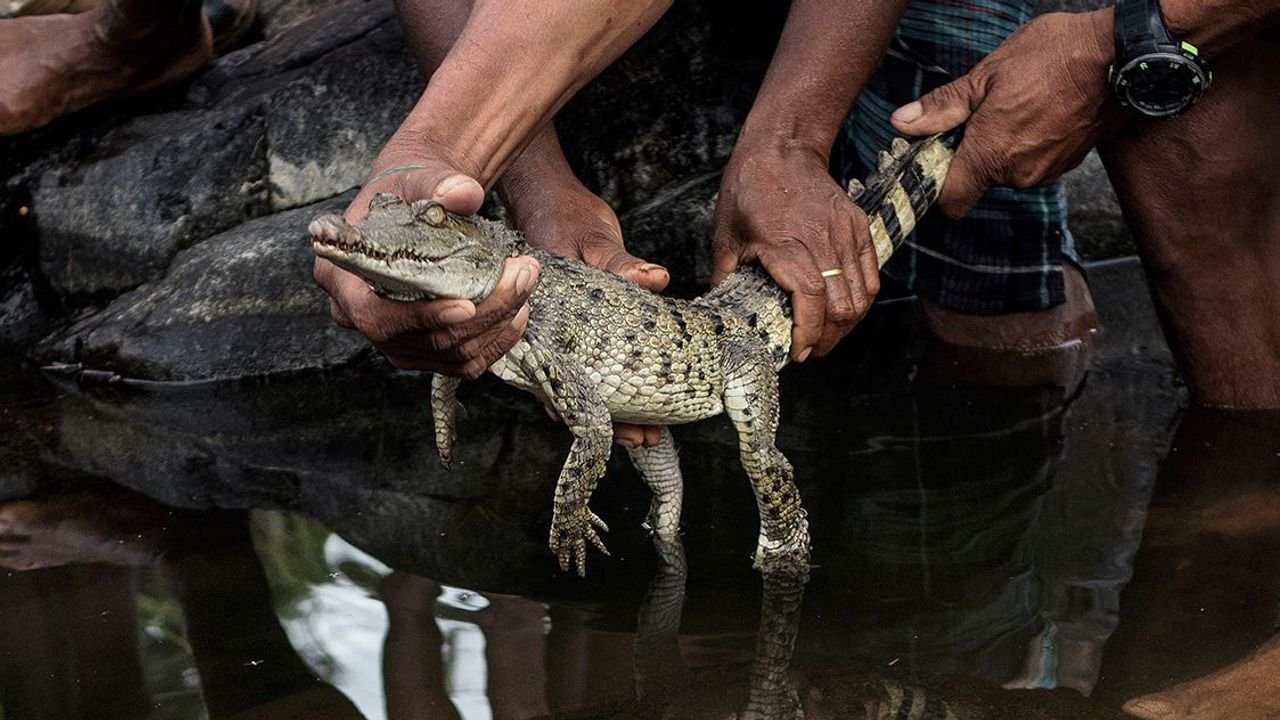
Philippine Crocodile Conservation: Saving a Species from Misconception and Extinction In the rain-soaked forests of the Philippines’ Sierra Madre, Philippine crocodile conservation efforts are gaining momentum. Conservationists are working to save one of the world’s rarest reptiles — the Philippine crocodile (Crocodylus mindorensis). These small freshwater crocodiles are critically endangered. They are often feared and misunderstood. Fewer than 125 remain in the wild. Now, scientists and indigenous communities are joining forces to change that. Restoring the Balance: Rewilding the Philippine Crocodile Once found throughout the Philippine archipelago, the species has suffered a steep population drop. Habitat destruction, illegal hunting, and fear-driven killings pushed them to the brink. By the 1990s, only about 100 crocodiles remained. They were mainly isolated in Luzon and Mindanao. In response, captive breeding programs began in the 1980s, led by Silliman University. Early rewilding efforts failed, but recent strategies are showing better results. These combine habitat restoration with local education. By 2021, some released crocodiles began reproducing on their own — a major milestone. Indigenous Wisdom Meets Modern Science The Mabuwaya Foundation partners with Agta and Kalinga communities in the north. Their conservation model blends cultural heritage with science. In the past, many locals saw crocodiles as sacred. Some even called them “Nono,” meaning grandfather. That reverence is returning. Together, these communities have created eight crocodile sanctuaries. In these protected zones, hunting and fishing are banned. Indigenous and non-indigenous volunteers, called Bantay Santuwaryo, act as stewards. They patrol rivers, guard nests, and protect young crocodiles during their early, fragile months. Changing the Narrative: From Monster to National Treasure Crocodiles still suffer from harmful stereotypes. They’re often seen as man-eaters. But conservation campaigns are working to change this. Puppet shows, radio programs, school visits, and crocodile mascots are helping shift public opinion. Young people especially are learning that crocodiles are not villains. In fact, they’re key to healthy river ecosystems. For Agta elder Marshall Magas, saving the crocodile is personal. It’s not just about wildlife — it’s about saving traditional fishing, foraging, and spiritual practices. Hope for the Future Thanks to conservation efforts, the wild population has grown to around 125 crocodiles. This includes 17 adults and 41 juveniles. Head-starting programs, which raise hatchlings in safety before release, now show success rates of up to 79%. The species isn’t safe yet — but momentum is growing. Leaders like Bernard Tarun and Marites Gatan-Balbas once feared crocodiles. Now, they see them as symbols of resilience and pride. As Gatan-Balbas says:“Philippine crocodile — something to be proud of.”

Read More

Water voles release begins in Lake District’s Wild Ennerdale

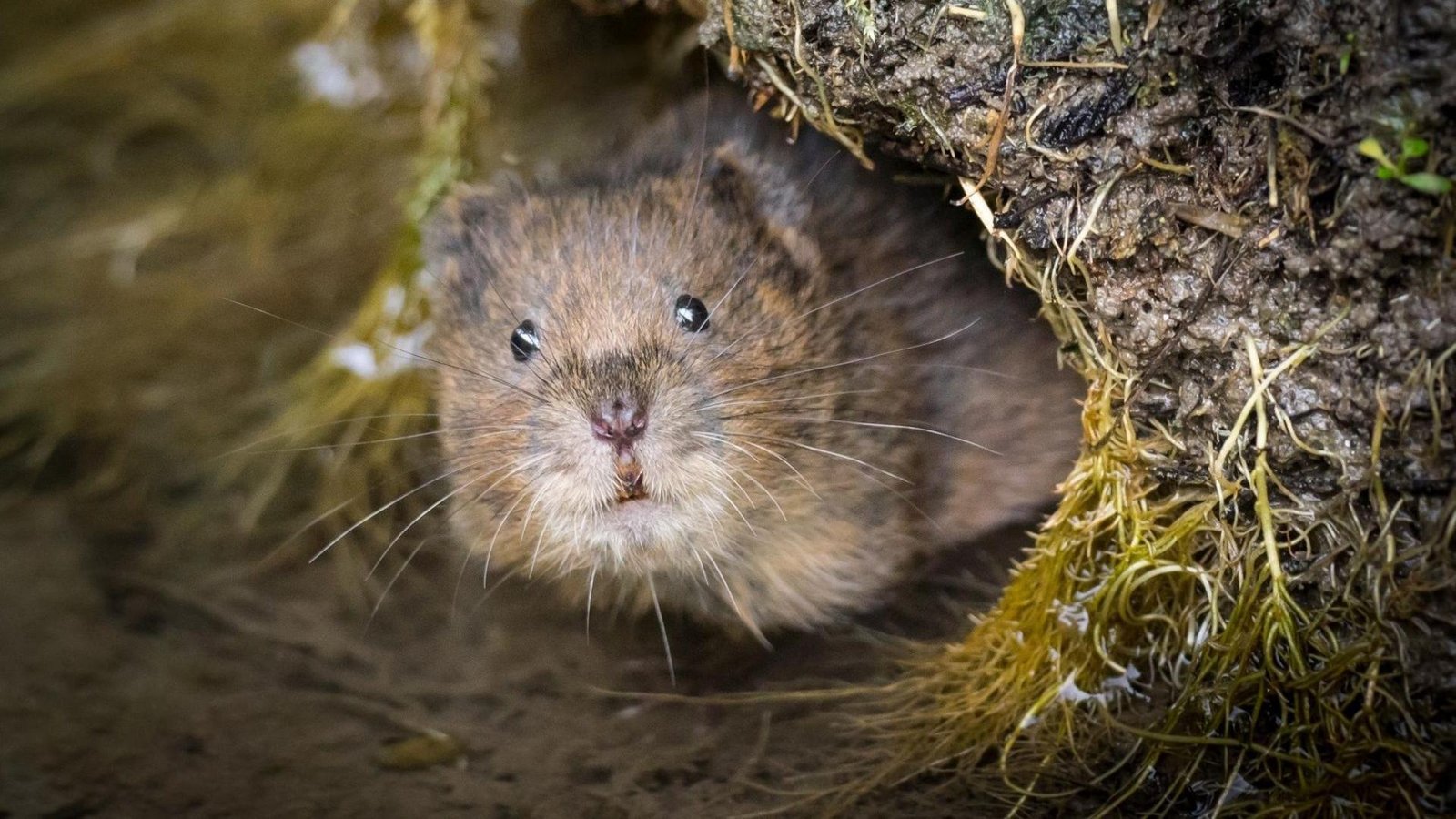
Water Voles Lake District Release Set for August The water voles release in the Lake District is set to begin on 12 August, as about 100 of these endangered mammals are reintroduced into Wild Ennerdale. The initiative, led by Forestry England, marks a significant step in restoring water vole populations in the UK by creating safe, mink-free habitats within the national park. Why the Water Voles’ Return to the Lake District Matters Water voles once thrived across the UK. They inhabited rivers, streams, canals, and wetlands. However, their numbers began to plummet in the 1970s. The decline was largely due to habitat loss and predation by American mink, an invasive species introduced through the fur trade. Today, water voles are listed on the UK Red List of endangered mammals. Their return to the Lake District marks a significant step toward reversing years of population decline. Ensuring a Safe Water Vole Habitat in Wild Ennerdale Wild Ennerdale offers an ideal release site. It provides clean water sources, dense vegetation, and monitored protection against predators. Hayley Dauben, species reintroduction officer at Forestry England, expressed confidence in the site’s suitability. “We’ve been preparing the habitat for over two years,” she said. “We believe it offers an excellent environment for water voles to thrive.” Targeting the American Mink Threat The presence of American mink is one of the greatest challenges for water vole survival. These predators can devastate local vole populations in a short time. To counter this, the Forestry England team has implemented a rigorous monitoring and trapping system around River Ehen. Since August 2024, mink traps have been placed strategically along the river, preventing them from entering the valley. “Our traps are working effectively,” Dauben confirmed. “We’ve seen no signs of mink above the lake, which gives us hope.” Next Steps After Release Once the voles are released, the focus will shift to monitoring their movements and ensuring they settle in suitable areas. The team will track how the water voles spread through the landscape and whether they adapt to their new environment. The ultimate goal is to establish a self-sustaining population in the region, free from predators and human disturbance. Why Water Voles Matter Water voles are more than just cute riverbank residents. They play a critical role in wetland ecosystems by maintaining healthy vegetation and providing food for larger predators. Their burrowing also helps with natural water drainage and soil aeration. Reintroducing them not only helps biodiversity recovery but also restores ecological balance in wetland areas. A Broader Conservation Vision The Lake District project is part of a wider strategy by conservation bodies across the UK to rewild native species and manage invasive ones. Similar water vole releases are being planned in other parts of the country as habitat restoration continues. Public support and awareness are also key. Visitors to the Lake District can help by sticking to designated paths, not disturbing wetlands, and reporting any sightings of mink or voles to park authorities.

Read More

Jersey Zoo Otters: Giant Duo Arrive at New Habitat

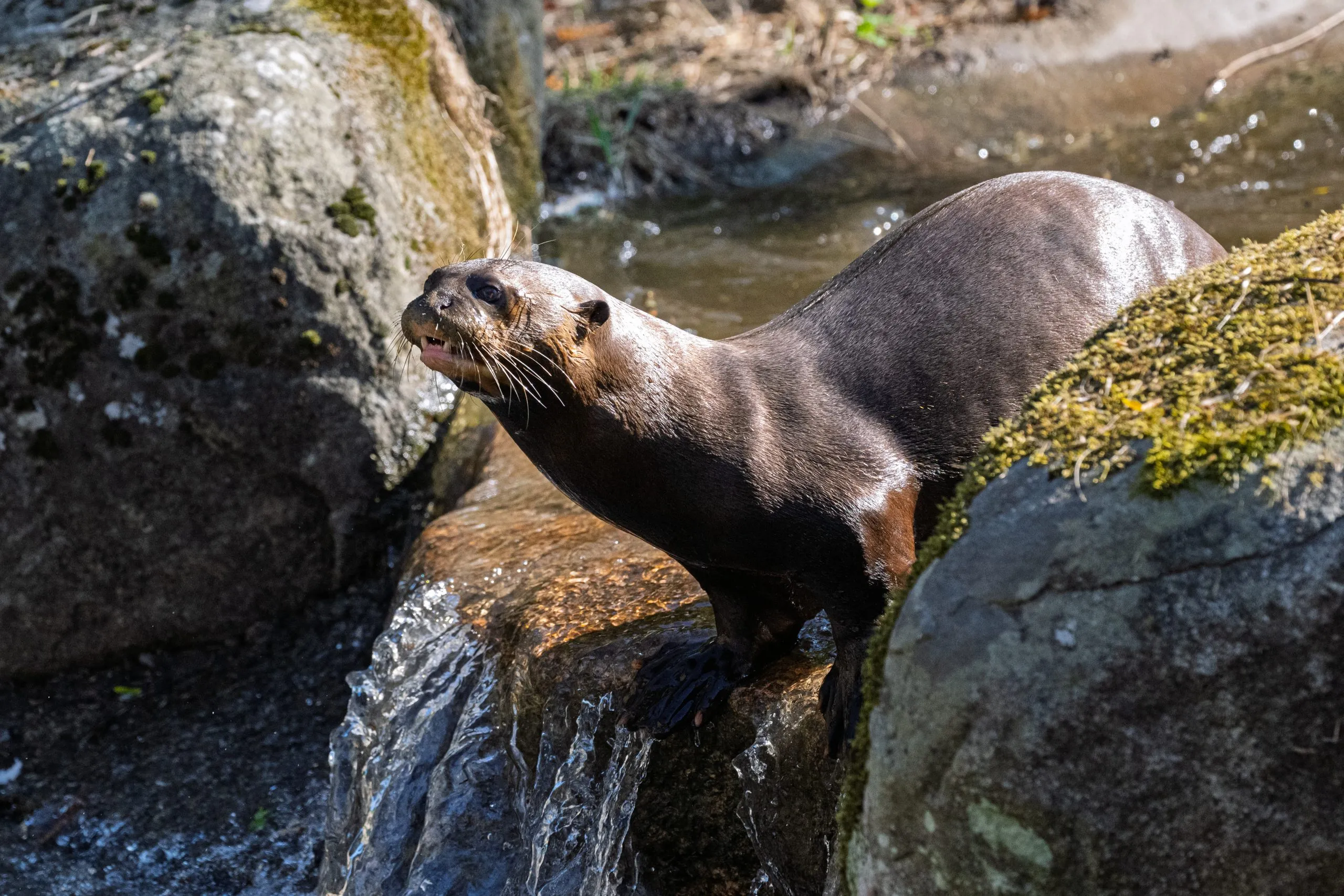
Jersey Zoo Otters Settle into Their New Home A new chapter has begun for two giant otters, Alexandra and Fia, as they settle into their habitat at Jersey Zoo. This mother and daughter pair have arrived from Yorkshire Wildlife Park and are now residing in the zoo’s South American House—an area specially designed to mimic their native environment. Why Giant Otters at Jersey Zoo Are So Important Giant otters, native to South America’s river systems, are not just fascinating creatures—they’re also critically important to their ecosystems. With their streamlined bodies, webbed feet, and muscular tails, they are expert swimmers and skilled predators, helping to maintain a healthy balance in aquatic food chains. Yet despite their ecological importance, these otters are increasingly rare. Protecting the Endangered Jersey Zoo Otters Giant otters are officially classified as endangered by the International Union for Conservation of Nature (IUCN). Their populations have suffered dramatic declines over the past decades. Major threats include: In many parts of their native range, they have vanished entirely. Conservation breeding programs like the one at Jersey Zoo are essential to preserving the species. Alexandra and Fia: Ambassadors for Conservation Zoo officials are enthusiastic about their newest residents. Alexandra, the mother, and her daughter Fia are described as healthy and curious. Keepers say they have already begun exploring their enclosure, showcasing their strong swimming skills and playful personalities. Jersey Zoo otters. “These otters are more than just animals to admire,” a spokesperson from the zoo explained. “They are ambassadors for their species, helping raise awareness about the challenges facing wildlife in the Amazon basin.” A Habitat Designed for Otters The South American House at Jersey Zoo was created to provide an enriching environment for animals from tropical ecosystems. For Alexandra and Fia, this includes: The design also helps visitors understand the otters’ way of life and the threats they face in the wild. Part of a Bigger Conservation Mission Jersey Zoo, operated by the Durrell Wildlife Conservation Trust, has a long history of protecting endangered species. Hosting Alexandra and Fia is part of a broader strategy to safeguard the future of giant otters. The zoo participates in international breeding programs that aim to maintain healthy genetic diversity within captive populations. The hope is that, one day, conservationists may be able to reintroduce these animals into safe, protected habitats in the wild. Visitors Can Help Too Zoo guests can play a part in conservation simply by learning about animals like Alexandra and Fia. Through educational signage, talks by zookeepers, and interactive exhibits, visitors are encouraged to understand the impact of environmental damage on species like the giant otter. Supporting conservation organizations, reducing use of harmful products, and making sustainable choices in everyday life can also contribute to the survival of endangered wildlife.

Read More

Snails Threatened by Own Beauty: Mission Begins to Save Them

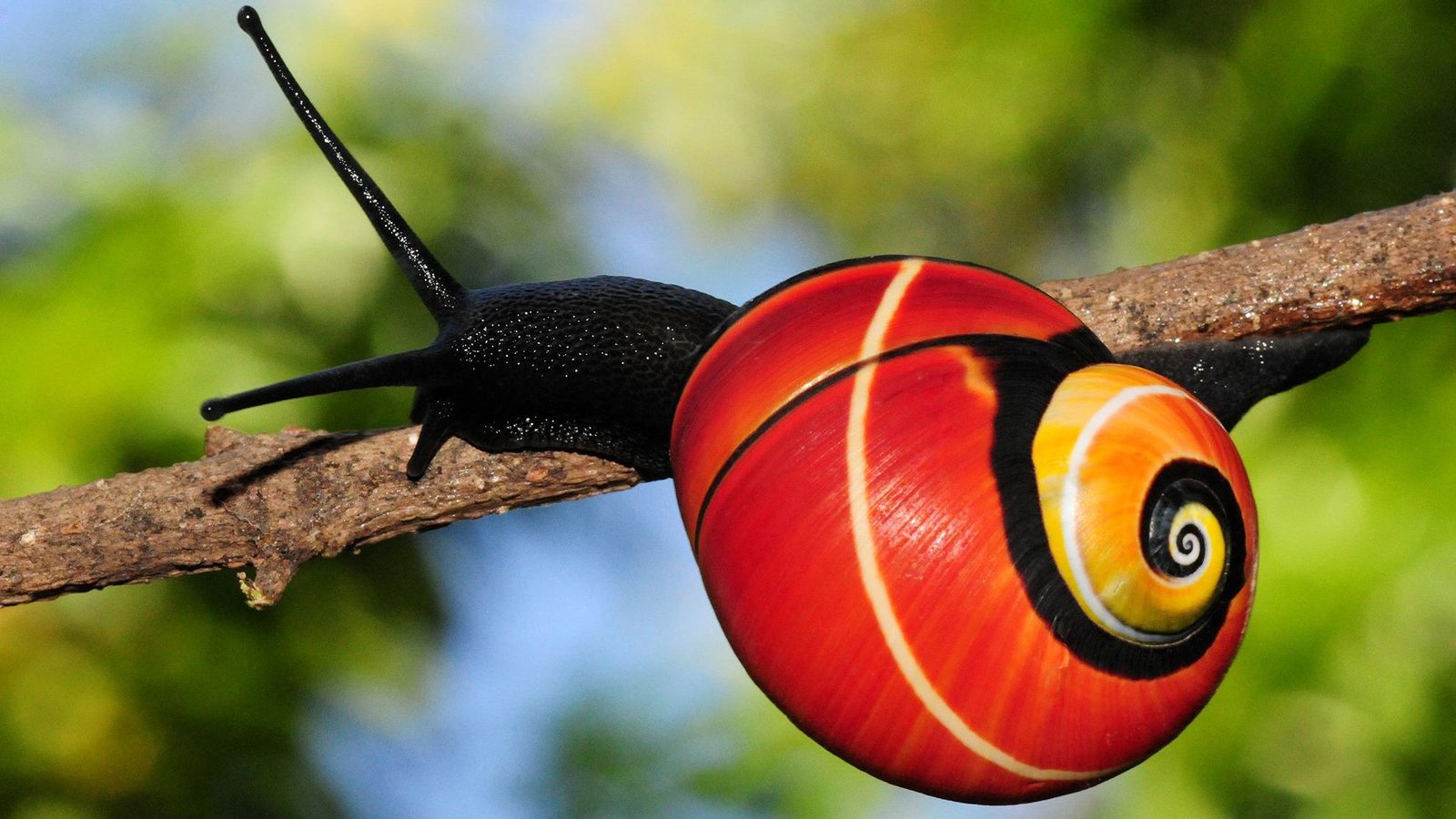
Rescuing Polymita Snails Threatened by Beauty in Cuba Polymita snails threatened by beauty are facing a serious survival crisis in the forests of Eastern Cuba. Known for their dazzling, multicoloured shells, these snails are admired worldwide—but that same beauty has put them in grave danger. Collectors prize their vibrant shells, driving illegal trade that now threatens the species with extinction. Their colourful shells are highly prized. As a result, collectors are pushing the species toward extinction. What Makes Polymita Snails Threatened by Beauty So Unique? Polymita snails are found only in Cuba. There are six known species. Each has shells with unique patterns and brilliant colours—bright greens, fiery oranges, and spirals of yellow and red. The most endangered species, Polymita sulphurosa, has lime-green shells with blue flames and orange-yellow bands. This beauty makes them attractive to collectors but puts them at extreme risk. How Beauty Puts Polymita Snails at Risk of Extinction People around the world seek these snails for jewellery and decoration. Shell collectors pay large sums online. On some websites, a set of seven shells can cost over £150. While the shells look pretty in homes, every shell once belonged to a living creature. Taking these animals from the wild puts entire populations at risk. Weak Laws, Strong Demand International rules ban the export of Polymita snails without permits. But enforcing these laws is difficult. Once shells leave Cuba, they can often be sold legally in other countries. This loophole fuels the illegal trade. Conservationists warn that even a few collectors can destroy a species already weakened by habitat loss and climate change. Scientists Unite to Protect the Snails To fight back, scientists from Cuba and the UK have joined forces. Their goal is to save the species and understand what makes them so colourful. Researchers from the University of Nottingham are working with Prof Bernardo Reyes-Tur, a conservation biologist in Cuba. Together, they are studying the snails and working on captive breeding projects. Breeding Hope in Cuba Prof Reyes-Tur is raising Polymita snails in his own home in Santiago de Cuba. With poor electricity and hot weather, it’s a tough job. But he remains committed to saving them. “They haven’t bred yet, but they’re doing well,” he said. “We have blackouts often, which makes things harder.” Decoding Colour Through DNA In Nottingham, scientists are using genetics to study the snails’ colours. They keep tissue samples frozen and use them to read the snails’ DNA. This research helps confirm how many species exist and how they evolved. It may also uncover what genes create their unique colours and patterns. Such insights could help stop illegal shell trading. If scientists can trace the origin of a shell, they can help enforce protection laws more effectively. More Than Just a Pretty Shell Each Polymita snail plays a vital role in the forest. They help break down plants and return nutrients to the soil. Losing them would affect the whole ecosystem. Yet many people still see them only as decoration. Conservationists stress that these snails deserve protection—not because they’re pretty, but because they are important. Local Knowledge is Key Polymita snails live only in Eastern Cuba. That makes local scientists and conservationists crucial to their survival. They understand the species better than anyone else. Working with international experts, they aim to build a long-term plan. The hope is that science and conservation together can turn the tide. A Future for Polymita Snails This project is a race against time. Habitat loss, climate change, and collectors are all threats. But with global support and local action, there’s still hope. Saving these snails means more than saving a shell. It means preserving a unique part of nature that exists nowhere else. By protecting Polymita snails threatened by beauty, scientists are also preserving the balance of Cuba’s forest ecosystem. Their colours may have put them in danger, but they might also be the reason they survive.

Read More

AI Scam Targets Islanders with Fake Minister Video

AI Scam Targets Islanders Using Deepfake of Guernsey Chief Minister AI scam targets islanders in Guernsey, where fraudsters have used deepfake videos and fake news articles to impersonate Chief Minister Lindsay de Sausmarez. The scam attempts to lure residents into fake investment schemes, prompting urgent warnings from police to stay vigilant and avoid sharing personal or banking information. Deepfake Video of Minister Fuels AI Scam Targeting Islanders The scam centers around fabricated videos and articles featuring Deputy Lindsay de Sausmarez, Guernsey’s chief minister. In the video, she appears to endorse a high-yield investment opportunity, which is entirely fake. The scammers even went as far as to create counterfeit news content that falsely legitimizes the scheme. Deputy de Sausmarez responded with concern, saying she hoped that “most people would quickly realise it’s fake,” but urged residents to be proactive in protecting more vulnerable community members who may be at risk. Police Urge Caution as AI Scam Targets Islanders with Fake Investment Pitch Local law enforcement has issued a stern warning regarding the scam. A Guernsey Police spokesperson stated: “Please be aware that this story, along with any others that may surface featuring Deputies requesting payment or investment, are not real and are a scam.” They added that residents should exercise extreme caution when encountering content that seems suspicious or offers investment returns that sound too good to be true. Rise in Deepfake Fraud Across the UK and Europe This is not an isolated case. Deepfake technology is increasingly being used to exploit the trust people place in public figures. From media personalities to elected officials, AI-generated video and images have been used to promote fraudulent schemes, including those impersonating financial experts and political leaders. Protecting Yourself From AI Investment Scams Authorities are urging islanders to take the following precautions: What to Do If You Suspect Online Fraud Anyone who believes they may have fallen victim to the scam should immediately contact their bank and report the incident to the police. Early action can often prevent further financial loss. Stay Alert as AI Scams Grow The AI scam targeting islanders is a stark reminder of how advanced technology can be manipulated for malicious purposes. As deepfake fraud becomes more common, public awareness and vigilance are the best tools for staying safe.

Read More

Tesla Autopilot Crash Verdict: Jury Finds Company Liable

Tesla Autopilot Crash Verdict: A Landmark Ruling In a landmark Tesla Autopilot crash verdict, a Florida jury has found the electric carmaker partly responsible for a fatal 2019 accident involving its driver assistance system. The crash claimed the life of 22-year-old Naibel Benavides Leon and left her boyfriend, Dillon Angulo, with permanent injuries—dealing a serious blow to Tesla’s self-driving ambitions. The verdict orders Tesla to pay $243 million in damages, marking the first time a jury has blamed Autopilot for a fatal crash. Fatal Tesla Crash in Florida Keys Sparks Controversy The tragic event unfolded at a T-intersection in the Florida Keys in 2019. George McGee was driving a Tesla Model S when he dropped his phone and lost sight of the road. As he neared the intersection, neither he nor Autopilot braked, causing a crash that killed Leon and badly injured Angulo. Plaintiffs argued that the Autopilot system should have intervened by braking or warning the driver. Tesla, however, insisted the responsibility rested solely with McGee, who was distracted and speeding. Jury Awards $243M in Tesla Autopilot Crash Case After a three-week trial, the jury awarded $329 million in total damages: Tesla was ordered to pay one-third of the compensatory amount—around $42.5 million—and the entire punitive damages sum. However, legal experts anticipate that the punitive figure may be capped upon appeal. Autopilot’s Role in Tesla Crash Verdict Under Scrutiny The Tesla Autopilot crash verdict raises serious questions about the company’s marketing and design choices. The plaintiffs argued that Autopilot was meant for controlled-access highways. Despite this, Tesla allowed drivers to use it freely on surface roads without restrictions. The plaintiffs claimed Tesla turned public roads into unregulated test sites. They argued the company’s marketing misled consumers into overestimating Autopilot’s abilities. Tesla’s Defense: Blame the Driver Tesla defended itself by saying the driver was in full control, with his foot on the accelerator overriding Autopilot. The company claimed no vehicle—then or now—could have avoided the crash under those conditions. In an official statement, Tesla criticized the ruling: “This verdict is not only wrong but threatens to hinder progress in automotive safety and innovation.” The company maintained that Mr. McGee admitted fault and had already reached a private settlement with the plaintiffs. A Turning Point for Self-Driving Tech Accountability Although Tesla has faced lawsuits related to other fatal crashes, this was the first case to go before a jury. Previous incidents, such as the death of an Apple engineer in a 2018 crash, ended in out-of-court settlements. Legal analysts and automotive safety advocates are now calling the ruling a “watershed moment” in the broader conversation around autonomous and semi-autonomous vehicle regulation. Missy Cummings, a robotics expert, remarked that this case sends a clear message about corporate responsibility in emerging tech. Market and Industry Reactions News of the Tesla Autopilot crash verdict had immediate effects on the stock market, with Tesla shares falling nearly 2% after the announcement. The ruling adds pressure to a company already battling declining vehicle sales and growing criticism of CEO Elon Musk’s public conduct and controversial statements. A Wake-Up Call for the Industry The Tesla Autopilot crash verdict may mark the beginning of heightened legal scrutiny for companies deploying partially autonomous technologies. While Tesla remains a leader in the electric vehicle space, this ruling exposes cracks in its public trust and technical safety claims. As regulators, courts, and consumers increasingly question the real-world readiness of self-driving systems, automakers may be forced to rethink the balance between innovation and accountability.

Read More

Mariah Carey at Brighton Pride: Why It Matters So Much

Why Mariah Carey at Brighton Pride 2025 Matters In summer 2025, global music icons have taken center stage across the UK—from Oasis in Manchester to Black Sabbath’s farewell in Birmingham. Now, Mariah Carey is the headline act set to dazzle fans at Brighton & Hove Pride, marking a long-awaited return. The five-time Grammy winner, with over 220 million albums sold, is scheduled to perform at Preston Park on Saturday night. Ahead of the event, Carey shared her excitement on TikTok:“Nothing beats going to Brighton Pride.” But why is Mariah Carey at Brighton Pride such a significant moment? What impact will it have on the city? Mariah Carey at Brighton Pride Fulfills Her 2020 Promise Mariah Carey was originally slated to headline Brighton Pride back in 2020. However, the COVID-19 pandemic forced the event’s cancellation, leaving fans disappointed. In 2025, she’s finally fulfilling that commitment—much to the delight of her followers. The concert also serves as part of the promotional tour for her upcoming 16th studio album, Here For It All. Remarkably, Brighton is one of just a few global stops on her schedule this year, adding to the city’s prestige as a live event destination. How Brighton Pride Became a Global Stage for Mariah Carey Brighton Pride is not just another music event—it is one of Europe’s largest LGBTQ+ festivals. Hosting Mariah Carey boosts the city’s international profile and strengthens its reputation as a hub for inclusion and diversity. Event organizer Paul Kemp shared his excitement about Carey’s arrival, stating that the superstar’s presence “puts Brighton and Hove on the map” and reflects the city’s outsized impact in the world of cultural events. He even hinted at a potential surprise during the show, calling it possibly a “legendary moment” for attendees. A Diva Among Divas Mariah Carey’s upcoming performance places her among an elite list of legendary women who have previously graced the Brighton Pride stage—including Britney Spears and Kylie Minogue. At 56, Carey remains an influential figure in pop culture and a vocal ally of the LGBTQ+ community. Her performance at Los Angeles Pride in 2023 highlighted her ongoing support, and her return to Pride in 2025 reinforces her legacy. Boosting the Local Economy Carey’s visit is not only a cultural event—it’s an economic win for Brighton. The Pride weekend is expected to bring approximately £30 million into the local economy, benefiting hospitality, retail, and tourism sectors. According to city officials, this economic boost is especially significant as the hospitality industry continues to recover post-pandemic. The influx of visitors for Mariah Carey at Brighton Pride will ensure local businesses thrive during one of the city’s busiest weekends. Final Thoughts: More Than a Concert Mariah Carey’s headline performance at Brighton Pride in 2025 is more than just a concert—it’s a celebration of resilience, representation, and community. It’s a return five years in the making and a moment that underscores Brighton’s importance in the global Pride movement. With anticipation building, fans across the UK and beyond are preparing to witness one of pop’s greatest voices take the stage in the name of love, diversity, and joy.

Read More

Kim Kardashian Face Shapewear Sparks Backlash Online

How Kim Kardashian Face Shapewear Is Changing Beauty Sleep In the ever-evolving world of beauty trends, social media users have embraced the motto: the uglier you look before bed, the more beautiful you’ll wake up. On TikTok, the “morning shed” trend now features everything from silicone masks to mouth tape — and even Kim Kardashian face shapewear — all in pursuit of a more sculpted, glowing face. Now, Kim Kardashian has entered the arena of bedtime beauty rituals with a bold new product: facial shapewear. Through her billion-dollar brand Skims, Kardashian has launched a £52 face wrap marketed as a tool to “sculpt” the jawline and redefine overnight beauty. Unsurprisingly, the product sold out within 24 hours of release—but not without stirring serious controversy. Kim Kardashian Face Shapewear: Future of Beauty or Fad? Shapewear for the body is nothing new, but facial compression wraps marketed for beauty purposes are treading new ground. Skims claims its product offers a “snatched” jawline, and TikTok influencers have jumped on board, praising its effects and pairing it with other trends like gua sha and mouth taping. But medical experts are skeptical. While some users claim the wrap gives immediate results, professionals warn there’s no long-term science to support these claims. What the Experts Are Saying Dr. Anna Andrienko, an aesthetic medicine specialist, says the face wrap might offer temporary de-puffing due to compression and heat retention but won’t provide lasting contouring or firming effects. “These wraps may reduce fluid retention in the short term,” she explains, “but if worn too tightly or for extended periods, they can cause skin irritation, breakouts, or even circulation issues.” She also casts doubt on the “collagen yarns” claimed in the product’s marketing. While collagen is essential for firm, youthful skin, Dr. Andrienko says there’s little scientific backing for the idea that collagen-infused fabric can improve skin health. Is Kim Kardashian Face Shapewear a Sign Beauty Is Becoming Dystopian? Critics argue that face shapewear—especially when paired with “snatched” aesthetics promoted by influencers—reflects the pressures of performative beauty culture, rather than genuine self-care. Body image consultant Laura Porter notes that these kinds of products may send harmful messages to young consumers, especially Gen Z and millennial women. “When brands start marketing compression for natural features like the jawline,” she says, “they imply those features aren’t acceptable unless altered. It reinforces insecurity.” Influencer Marketing or Manipulative Messaging? Skims has been heavily promoting the wrap through influencers with huge followings, like Kylie Jenner. Beauty influencers gush about their “sculpted” mornings and call the product a game-changer in their skincare routine. But experts warn that such marketing prioritizes aesthetic trends over evidence-based skincare. One influencer declared, “My jawline has never been this snatched,” while demonstrating the morning removal of the wrap on TikTok. However, professionals like Porter caution that these “results” are likely temporary and exaggerated. Selling Insecurity, One Wrap at a Time? Former model Chloe Thomas believes the wrap undermines body image progress by framing natural features as flaws. “This product sends us backwards,” she says. “It’s making people feel they must fix themselves—even in their sleep.” Body positive activist Michelle Elman added that comparing one’s face to Kim Kardashian’s is unrealistic. “Kim has professional facialists and cosmetic procedures behind her look, not a £52 wrap,” she notes. Public Backlash and Viral Memes Social media reactions have ranged from disbelief to parody. On Skims’ Instagram, some asked if the face wrap was an April Fools’ joke, while others questioned whether the company was trolling its own customers. Anthony Hopkins even joined the satire, posting a video mocking the product while channeling his iconic Hannibal Lecter character: “Hello Kim, I’m already feeling 10 years younger.” Mouth Taping and the Morning Shed Movement Face wraps are just one part of the “morning shed” trend. Another viral ritual includes mouth taping—which claims to improve facial symmetry, sleep quality, and even jaw definition. Yet medical professionals warn that such practices can be dangerous, especially for people with undiagnosed respiratory conditions or sleep apnea. Porter stresses that these wellness fads often ignore medical advice in favor of influencer-driven aesthetics. Kim Kardashian face shapewear. Regulation Gap and Marketing Loopholes Unlike medical-grade treatments, beauty products like face wraps fall into a regulatory gray zone. Brands can make suggestive marketing claims without needing rigorous scientific proof, often using influencer testimonials and buzzwords rather than validated studies. Porter warns consumers to “look beyond buzzwords” such as “snatched,” “lifted,” and “sculpted overnight,” calling them manipulative rather than informative. Is It Beauty or Just Branding? The rise of sleep-time shapewear is emblematic of a culture that monetizes insecurity and prioritizes trends over truth. While many seek self-care and confidence, it’s essential to recognize when marketing veers into dystopian territory. Kim Kardashian’s face wrap may be fashionable, but the real beauty conversation is about acceptance, science-backed care, and mental well-being—not compression and viral videos. Kim Kardashian face shapewear.

Read More

Canada’s Remote Islands Are Reclaiming Their Future

Canada’s Remote Islands Guided by Haida Custodians On the misty shores of Canada’s remote islands, a transformative journey is unfolding. At SG̱ang Gwaay Llnagaay, a sacred site deep within Gwaii Haanas National Park Reserve, a young woman from the Haida Watchmen programme traced her family crest on a centuries-old totem pole. Despite having the opportunity to work in a distant city, she chose to return home, embodying a deep-seated connection to her land and heritage. As she led visitors along a shell-strewn path under canopies of moss-covered trees, the haunting call of a raven echoed. At the remnants of ancient longhouses, she described how her ancestors split enormous beams using stone tools—an illustration of deep ecological knowledge and enduring ingenuity. Exploring the Cultural Depths of Canada’s Remote Islands This archipelago of more than 200 islands stretches along British Columbia’s northern coast. Known as Haida Gwaii, it has been home to the Haida Nation for over 14,000 years. While colonisation once fractured their connection to the land, new agreements—Gaayhllxid / Gíihlagalgang (“Rising Tide”) and Chiix̲uujin / Chaaw K̲aawgaa (“Big Tide, Low Water”)—mark a powerful transition to Haida-led governance. These historic treaties not only affirm cultural rights but prioritize stewardship and sustainability. For the Haida, these agreements represent the return of decision-making power and the revival of cultural practices. For visitors, they open doors to immersive, respectful, and Indigenous-led experiences on Canada’s remote islands. The Haida Watchmen: Guardians of Culture on Canada’s Remote Islands Today, SG̱ang Gwaay Llnagaay is safeguarded by the Haida Watchmen, stewards who maintain sacred sites and guide visitors with storytelling. Access to this UNESCO World Heritage Site is strictly regulated—reservations are limited, orientation is mandatory, and visitor numbers are capped—to preserve the integrity of both land and legacy. An ongoing archaeological project, led by Haida experts and Parks Canada staff, is unearthing history hidden beneath layers of forest and storm-battered soil. Unlike past excavations that excluded Indigenous voices, these are now Haida-directed, merging science with oral history and cultural continuity. Tragedy and Resilience: Echoes of the Past SG̱ang Gwaay once bustled with life—elders mentoring youth, canoes lining the shore, and children laughing beneath towering poles. That changed in the late 1800s when waves of disease reduced a thriving Haida population of up to 30,000 to just a few hundred. Survivors were relocated to G̱aw and HlG̱aagilda. “One day, even the last pole will fall,” an elder once said. And yet, his words hinted at hope. New generations were already learning the language, carving poles, and rediscovering ancestral ways. Ancestral Memory and Environmental Knowledge The Haida story spans back to the Ice Age. As glaciers melted and oceans rose, the ancestors of today’s Haida adapted to island life. They cultivated food in clam gardens, fished the abundant seas, and became expert navigators. But with the arrival of European traders in the 1700s, their ecological balance was disrupted—sea otters were hunted to near extinction, kelp forests disappeared, and traditional lifeways were altered. Yet the gravest wound came from colonisation itself: cultural suppression, language loss, and residential schools. Despite these assaults, the Haida held on. The War in the Woods: A Turning Point In 1985, Haida Elders stood firm against clear-cutting on Lyell Island, sparking the “War in the Woods.” This peaceful resistance ignited a nationwide reckoning on environmental stewardship and Indigenous sovereignty. The protest catalyzed negotiations with Canada, leading to the creation of Gwaii Haanas National Park Reserve—a model of co-managed conservation grounded in respect. Transforming Tourism on Canada’s Remote Islands The earlier tourism model was extractive—fly-in fishing lodges offered limited understanding of Haida culture. But today, guided by visionaries like the Cowpar brothers of Haida Style Expeditions, the industry is transforming. Their tours take visitors into the heart of the territory, offering insights into language, values, and historical struggles. “Tourism used to take everything,” said James Cowpar. “Now, visitors contribute to a story of renewal. They learn that we don’t own the land—it owns us.” Collaborators like Maple Leaf Adventures work closely with Haida communities, employing local ambassadors and following a strict code of conduct rooted in cultural sensitivity and ecological respect. Haida-Led Business and Cultural Revival With more than a dozen Indigenous-owned tourism enterprises operating across the islands, economic sovereignty is taking shape. These ventures support cultural resurgence while educating travellers through authentic, low-impact experiences. Hot Springs Island (Gandll K’in Gwaay.yaay) and Windy Bay (Hlk’yah G̱awG̱a) are among the most visited sites, offering soaks in geothermal pools, wildlife sightings, and moments of reflection beneath the towering poles of the Gwaii Haanas Legacy site. Balance, Not Ownership At Windy Bay, a black bear—the taan—briefly blocked the visitor path, flipping stones in search of crab. The respectful plea, “Yahguudang,” was whispered by a guide, using the Haida word for “respect” as a request to cross the beach. The bear eventually wandered away. Here, language isn’t just spoken—it’s lived. The Haida belief that “everything depends on everything else” echoes across the land, reaffirming the interdependence between humans, animals, and ecosystems. The Legacy Pole: A Beacon for the Future The Gwaii Haanas Legacy Pole, raised in 2013, marks the 20th anniversary of the co-management agreement and stands as the first pole erected in Gwaii Haanas in more than a century. Carved with traditional symbols and new stories, it bridges the past and the future, embodying a Haida vision of self-determination and environmental harmony. With the recent governance agreements now in place, this vision is evolving into reality—Canada’s remote islands are not only being protected; they’re being reclaimed. Final Thoughts: A Model for Reconciliation Haida Gwaii is more than a destination—it’s a lesson in what’s possible when ancestral knowledge, ecological awareness, and political will intersect. The success of this Indigenous-led revival offers a blueprint for reconciliation across Canada and beyond. Travellers who venture to Canada’s remote islands do more than witness breathtaking beauty—they become part of a living story, shaped by respect, resilience, and renewal.

Read More