
Sofia Catherine

China Chikungunya Outbreak: 7,000 Infected

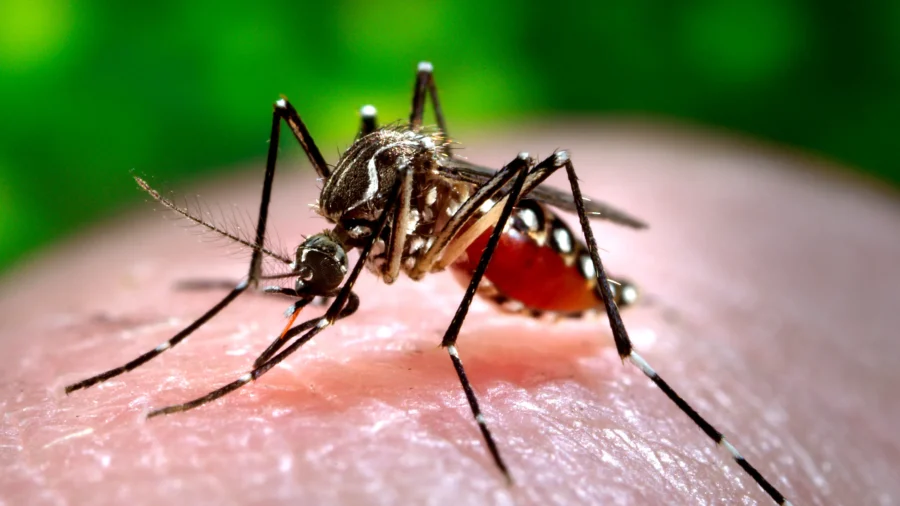
Urgent Response to China Chikungunya Outbreak in Guangdong Province The China chikungunya outbreak has intensified, with over 7,000 cases reported across Guangdong province. This rare and widespread mosquito-borne illness has prompted authorities to launch aggressive containment efforts, reminiscent of past pandemic controls, to curb the spread and calm public anxiety. Foshan city, the epicenter of the outbreak, has enforced strict hospital stays for infected patients. Individuals must remain under care for at least a week or until they test negative, with beds enclosed in mosquito nets to prevent further transmission. How the Chikungunya Virus Is Spreading in Southern China Besides Foshan, at least a dozen cities in Guangdong have reported chikungunya infections. Over 2,900 new cases were recorded in just the past week. Hong Kong health officials confirmed their first case—a 12-year-old boy who developed symptoms after traveling to Foshan in July. While the virus is not contagious through human-to-human contact, it spreads when infected individuals are bitten by mosquitoes that subsequently infect others. Officials say 95% of cases have been mild, with most patients recovering in under seven days. Nonetheless, concerns are rising among the public due to the virus’s unfamiliarity and reports of long-lasting joint pain. Public Anxiety and Online Reactions to the Chikungunya Outbreak Chinese social media platforms have seen a wave of user reactions to the outbreak. On Weibo, several individuals expressed concern over the potential for lingering symptoms, particularly the long-term joint pain some patients experience. China chikungunya outbreak. “This is scary. The prolonged consequences sound very painful,” one user commented. Others questioned the necessity of such strict control measures, given the virus’s non-contagious nature. Control Measures in China Chikungunya Outbreak Resemble Past Pandemic Responses With China reporting thousands of chikungunya virus cases, authorities are ramping up anti-mosquito efforts. Residents are being instructed to eliminate all sources of stagnant water in and around their homes, including unused containers, flowerpots, and appliances. Violators may face fines of up to 10,000 yuan (around $1,400). Drones are being deployed to detect water accumulation in hard-to-reach areas, while thousands of mosquito-eating fish and “elephant mosquitoes” are being released into lakes and ponds to target virus-carrying insects. Some cities initially mandated a 14-day home quarantine for travelers from Foshan, but this policy was later reversed following public backlash. Understanding the China Chikungunya Outbreak and the Virus Behind It Chikungunya is transmitted through the bite of infected mosquitoes, primarily the Aedes species. Symptoms typically appear three to seven days after infection and include: Although many recover within a week, joint pain can persist for months or even years in severe cases. Vulnerable groups such as newborns, the elderly, and individuals with chronic health conditions are at greater risk of complications. There is no specific treatment or vaccine for the virus, but fatalities are rare. Pain relief and supportive care remain the primary treatment methods. Global Context and WHO Recommendations Chikungunya is more commonly reported in parts of South Asia, Southeast Asia, and Africa, but this outbreak has highlighted its potential to spread rapidly in densely populated urban areas. Since its discovery in Tanzania in 1952, the virus has reached over 110 countries. The World Health Organization emphasizes mosquito control as the most effective method of prevention, urging global vigilance as travel and climate conditions change. Travel Advisories and International Concerns Following the outbreak, the United States has advised travelers to China to exercise increased caution, particularly in Guangdong province. Tourists and residents alike are being urged to take precautions such as using insect repellent, sleeping under mosquito nets, and wearing long clothing to avoid bites. “China chikungunya outbreak”. With China reporting over 7,000 cases of chikungunya virus, the international community is closely monitoring the situation to prevent further spread across borders. Conclusion As China reports 7,000 cases of chikungunya virus, the government’s aggressive response echoes lessons learned during the COVID-19 pandemic. While most cases remain mild, the focus now is on containing the outbreak, educating the public, and strengthening mosquito control infrastructure. Continued public cooperation and preventive action remain critical to curbing the spread. “China chikungunya outbreak”.


Read More

North Korean IT Workers Abroad Secretly Fund the Regime

How North Korean IT Workers Operate Globally “Western companies secretly hire thousands of North Korean IT workers abroad, generating massive income for the regime. These workers pose as remote freelancers, using fake identities to access platforms and jobs in countries like the US, UK, and across Europe. One defector, who formerly worked in this scheme, revealed how he earned up to $5,000 a month—sending as much as 85% back to the North Korean government. His story unveils the inner workings of a covert digital operation that generates between $250 million to $600 million annually. Inside the Secret Scheme of North Korean IT Workers Many of these workers operate from countries like China, Russia, or various regions in Africa. Though still under surveillance, they have more internet access than in North Korea, allowing them to interact with job platforms, clients, and collaborators abroad. How North Korean IT Workers Fake Identities to Get Hired To bypass sanctions and raise salaries, IT workers often use layers of stolen or borrowed identities. They first pose as Chinese nationals, then acquire identities from individuals in Hungary, Turkey, or the UK. This allows them to appear as Western freelancers and apply for better-paying jobs in Europe and America. Some workers use advanced AI tools to mask their accents or even digitally alter their appearance during interviews. Most communications occur via platforms like Slack, making deception easier. Not Just Coding – Sometimes Cybercrime Although the primary goal is steady income for the regime, some IT workers go further—stealing data, hacking companies, or demanding ransom. Several have been indicted in the US for fraud and crypto crimes. Recent legal cases reveal that individuals in the West—sometimes unknowingly—facilitate these operations by helping workers secure jobs or launder payments. What Hiring Managers Are Seeing Recruiters in the cybersecurity and software sectors are becoming more aware of the trend. Some report encountering dozens of suspicious candidates during hiring rounds. Organizations now use techniques like daylight video calls and background verification to identify potential fraud. A notable red flag is candidates who refuse video calls, provide inconsistent documentation, or apply using freshly created LinkedIn accounts with limited interaction. Life Under the Regime—and Abroad IT workers may earn more abroad than the average citizen in North Korea, but their lives remain tightly controlled. Many live in confined housing, cannot go out freely, and endure constant surveillance from state minders. Still, exposure to the outside world gives some a glimpse of freedom. A few brave individuals, like the defector quoted above, risk everything to escape the system—even if it means leaving their families behind and facing danger. Why It Continues The North Korean government has long relied on foreign labor to generate cash. This digital version is harder to trace and more profitable, especially with the boom in remote work. Despite international sanctions, the demand for IT talent keeps growing, giving cover for continued infiltration. What Can Be Done? Governments, cybersecurity firms, and employers are increasingly collaborating to stop this activity. Suggestions include: A Hidden Threat in Plain Sight The story of North Korean IT workers abroad is a cautionary tale about how easily international systems can be exploited. While many of these individuals are simply trying to survive, their labor fuels a repressive regime—and the world must take notice.

Read More

AI in GP Surgeries Praised by Health Minister

Health Minister Commends AI Use at GP Surgery Health Minister Karin Smyth recently visited St George’s Surgery in Worle, Weston-super-Mare, part of the Mendip Vale Medical Group. She applauded the team for their innovative use of AI in GP surgeries to improve patient care and ease administrative pressure on staff. How AI Is Being Used in GP Surgeries The GP surgery uses AI tools to automate tasks such as note-taking during consultations and drafting letters. Clinicians review all AI-generated content to ensure it is accurate and safe before sending it. This use of AI in GP surgeries helps free up time for direct patient care. Cutting Administrative Burden with AI Smyth emphasized that healthcare staff have been “hampered by needless administrative tasks.” The AI systems now allow doctors to spend more time with patients, rather than on paperwork. In June, St George’s Surgery handled more than 9,000 appointments. Patients booked and attended over half of the appointments on the same day, highlighting how well the streamlined operations work. Supporting the NHS with AI Technology Under the government’s 10-Year Health Plan, providers will receive support to roll out similar technologies. Officials estimate this could free up the equivalent capacity of over 2,000 full-time GPs. Andy Carpenter, Digital Director at Mendip Vale Medical Group, noted that digital tools are crucial as general practice faces rising demand. “AI and technology help us meet that demand efficiently,” he said. Patient Safety and AI Acceptance Carpenter also addressed concerns about safety. He explained that robust systems are in place to protect patient data. “Most patients see AI as a benefit. It allows for more face-to-face time with their doctor,” he said. Other AI Innovations in Practice During the visit, Smyth observed other AI-driven tools in use, including remote temperature monitoring for vaccine storage. This helps prevent the loss of vital stock due to equipment failure. She concluded, “AI is key for the future of healthcare. But it must be safe and regulated. We’re working closely with clinicians to make sure we’re on the right track.”

Read More

How Noise Sensitivity Disrupts the Brain, Body, and Mind

Understanding Noise Sensitivity: When Everyday Sounds Become Overwhelming For millions of people, noise is more than a mere annoyance — it’s a source of intense distress. Whether it’s footsteps from the apartment above, distant traffic, or a vacuum running next door, noise sensitivity can disrupt concentration, trigger anxiety, and even compromise long-term health. Unlike a temporary irritation, this condition can deeply affect emotional wellbeing, sleep quality, and even heart health. Understanding Noise Intolerance and Related Disorders While often confused with hyperacusis or misophonia, noise sensitivity stands apart. People with hyperacusis perceive sounds as louder than they really are, often experiencing discomfort or pain. Misophonia, meanwhile, is characterized by intense emotional reactions to specific triggers like chewing or pen-clicking. By contrast, noise sensitivity involves a broader, generalized emotional reactivity to various sounds — regardless of their volume or nature. For those affected, seemingly benign noises can provoke feelings of irritability, dread, or stress. The Impact of Sound on the Brain and Nerves Recent neuroscience research sheds light on why some people react more strongly to sound. In those with noise sensitivity, the brain shows increased activity in response to all kinds of noise, not just those considered threatening. One area of interest is the medial geniculate nucleus, which plays a crucial role in filtering sound before it reaches conscious awareness. In noise-sensitive individuals, this filter appears to function less effectively. As a result, the brain remains “on alert,” even during sleep. This might explain why those with noise sensitivity experience disrupted sleep patterns, fewer sleep spindles (essential brainwave activity during rest), and higher levels of daytime fatigue. The Physical and Mental Health Toll of Noise Sensitivity The consequences go beyond mere annoyance. Studies have linked chronic noise exposure to increased risks of hypertension, heart disease, anxiety, and depression, particularly in people who are more sensitive to noise. A recent survey found that those who identified as highly noise-sensitive reported poorer general health, less restorative sleep, and higher rates of emotional exhaustion. For many, everyday sounds can lead to a persistent fight-or-flight response, elevating cortisol levels and keeping the body in a constant state of stress. Is Noise Sensitivity Genetic – Or Learned Over Time? Genetic studies, including research on twins, suggest that noise sensitivity has a heritable component. However, environmental factors play a major role as well. Prolonged exposure to noisy surroundings, especially during formative years, may condition the brain to react more strongly over time. Furthermore, individuals with conditions like anxiety, PTSD, schizophrenia, and autism are significantly more likely to develop heightened sound sensitivity. Why Medical Recognition Matters for People with Noise Sensitivity Despite its clear impacts, noise sensitivity often gets dismissed in medical settings. Because it lacks a formal diagnosis, sufferers are frequently left to navigate the condition without guidance. Yet for many, it affects every part of daily life — from where they live to how they work or socialize. As awareness grows, there’s hope for more targeted support. Recognizing noise sensitivity as a valid concern could lead to better accommodations in workplaces, urban planning, and mental health services. How to Cope with Noise Sensitivity: Strategies and Treatments While eliminating noise entirely is unrealistic, there are practical steps that can make a big difference: Urban Planning Solutions for a Quieter Future Cities across Europe and beyond are experimenting with quieter infrastructure — including sound-reducing road materials, noise-dampening architecture, and quiet zones in parks and public spaces. These innovations show that solutions are not only possible but effective in improving quality of life for noise-sensitive residents. Living with Noise Sensitivity: Finding Calm Amid the Chaos While the world may not quiet down overnight, understanding how works is a powerful first step. Recognizing the biological and psychological roots of the condition can validate experiences and lead to better coping mechanisms. For now, tools like noise-blocking gear, therapeutic techniques, and conscious lifestyle choices offer relief. And with growing awareness, there’s hope for broader systemic changes — so that people with can find peace not only within their own homes but in the world around them.

Read More

Why these new tourist taxes may be a good thing

Climate-Focused Tourist Taxes: A New Strategy to Protect Destinations Tourists may soon pay a little more on their vacations, but it’s for a good reason. Around the world, a growing number of places are introducing climate-focused tourist taxes to help protect the environments that attract visitors in the first place. From Hawaii to Greece, these small fees are funding wildfire recovery, coastal protection, and other essential efforts. While some travellers may balk at higher prices, many experts say these charges are a smart step toward sustainable tourism. Hawaii’s Climate-Focused Tourist Tax: The First Green Fee in the U.S. After wildfires devastated Maui in 2023, Hawaii introduced the United States’ first tourist tax tied directly to climate recovery. The Green Fee adds 0.75% to hotel bills and aims to raise $100 million annually. Funds will go toward wildfire recovery, reef restoration, and climate adaptation projects beginning in 2026. Hawaii’s leaders say it’s about more than money—it’s a shared responsibility to care for the islands’ fragile ecosystems. Climate-Focused Tourist Taxes in Greece, Bali, and Maldives: A Growing Trend Other destinations are also rolling out climate-related travel fees: These taxes are generally small in comparison to the cost of a full trip, but their impact is growing. Transparency in Climate-Focused Tourist Taxes Is Key to Gaining Trust Experts agree that these fees will only work if people trust how the money is spent. Countries like New Zealand and the Maldives lead the way in transparency. They publish detailed reports showing exactly how funds are allocated and what projects they support. For example, New Zealand uses its levy to repair popular trails, build climate-resilient infrastructure, and support community conservation efforts. Most Tourists Support Sustainable Travel Recent global surveys show that travellers are open to paying more—if the money is used responsibly. In Booking.com’s 2024 Sustainable Travel Report, 75% of travellers said they want to travel more sustainably, and 71% said they hope to leave destinations better than they found them. Many, like Japanese visitor Maho Tanaka, say the climate fee in Hawaii is a reasonable cost for protecting beaches and forests. Rethinking the Social Contract of Tourism Tourism has often been seen as a one-way exchange—visitors take memories, while locals deal with the impacts. That’s beginning to change. By introducing climate-focused tourist taxes, destinations are inviting travellers to take part in preserving the places they love, rather than just consuming them. These taxes represent a shift toward collaboration, not extraction. The Future of Travel: Sustainability by Default Tourism experts say that sustainability should be built into every part of the travel experience—not just added as a fee. When sustainable practices are standard, travellers won’t have to think twice. They’ll naturally support the environment and communities they visit. As climate challenges grow, these modest fees may become the new normal—and that might just be a good thing for everyone.

Read More

Great apes in zoos: Born Free urges boycott over animal welfare

Born Free Urges Boycott to Protect Great Apes in Zoos The Born Free Foundation has urged the public to avoid visiting zoos that keep great apes in captivity. The wildlife charity believes housing species like orangutans, chimpanzees, and gorillas in artificial environments causes long-term harm. Concerns Mount Over Conditions for Great Apes in Zoos The foundation reports that UK zoos currently keep over 300 great apes. In the North West alone, zoos house 43 of them. Chester Zoo reportedly houses 18 chimpanzees, seven Bornean orangutans, and eight Sumatran orangutans. Blackpool Zoo keeps six Bornean orangutans and four lowland gorillas. Captivity of Great Apes Called ‘Unethical’ by Born Free Born Free’s latest report describes the practice as outdated, unethical, and damaging. The foundation argues that keeping intelligent primates for public display can no longer be justified. They report cases of chronic stress, obesity, and heart disease among captive great apes. Chris Packham Joins Call to End Captivity of Great Apes in Zoos TV naturalist Chris Packham has backed the campaign. He emphasized the need for urgent reforms and said evidence of ape suffering is overwhelming. We must not imprison great apes for entertainment,” he stated. Zoo Experts Defend Their Conservation Role Chester Zoo’s conservation officer defended their approach, saying their work helps prevent extinction. She stated that without such institutions, species like the Bornean orangutan could disappear forever. Zoos Highlight Education and Welfare Standards A spokeswoman for Blackpool Zoo added that accredited zoos support education and awareness. Both zoos say they design habitats to suit ape needs and follow international standards. Born Free Calls for Change in Wildlife Ethics Chris Lewis from the foundation said science and ethics no longer justify using intelligent beings for entertainment. He added that animal welfare and public safety must now take priority. Born Free’s Legacy in Animal Advocacy Founded in 1984, Born Free was established by actors Bill Travers and Virginia McKenna. The couple, along with their son Will Travers, launched the foundation after starring in the 1966 film Born Free. Their goal has always been to promote animal rights and keep wildlife in the wild.

Read More

Danish Zoo Asks for Unwanted Pets to Feed Its Predators

Danish Zoo Asks for Unwanted Pets to Feed Its Predators Danish zoo asks for unwanted pets in a new appeal to the public, offering to use healthy animals like rabbits, chickens, and guinea pigs to feed its carnivores. Aalborg Zoo says this approach supports the natural diets of predators such as tigers, lions, and the Eurasian lynx by mimicking how they would feed in the wild. What Unwanted Pets Can Be Donated to the Zoo? The zoo accepts small animals such as rabbits, guinea pigs, and chickens. These animals are humanely euthanised by trained staff. The zoo also accepts live horses, as long as they meet specific health rules. To donate a horse, the animal must: Horse donors may also be eligible for a tax deduction, as the zoo treats these donations under livestock laws. How Feeding Unwanted Animals Mimics the Wild The zoo says feeding whole animals—fur, bones, and all—is closer to what carnivores would eat in nature. This approach helps meet both their nutritional and behavioral needs. “Small livestock are a key part of the diet of our predators,” the zoo explained. “This is especially true for animals like the Eurasian lynx.” Feeding animals this way also provides mental stimulation, similar to what they would get while hunting in the wild. How to Donate Unwanted Pets to the Danish Zoo Small animals can be dropped off during weekdays. People may donate up to four animals at a time without an appointment. Larger animals, like horses, require prior approval. All donated animals must be healthy and untreated for illness within 30 days. The zoo ensures that euthanisation is done in line with high welfare standards. Cultural Acceptance in Denmark While the idea may seem shocking elsewhere, this practice is common in Denmark. Many locals support it. They see it as a sustainable way to handle unwanted pets while helping zoo animals. Deputy director Pia Nielsen said this practice has been in place for years.“When we feed our carnivores, we aim for whole prey—fur, bones, and all. It’s healthier and more natural for them,” she explained. Danish zoo asks for unwanted pets like rabbits and chickens to feed predators, offering a natural diet and an option for ethical animal donation. Ethical Discussion: A Divisive Topic The policy has sparked debate. Some praise it as practical and humane, while others find it troubling. The zoo argues that this method respects both animal welfare and environmental responsibility. Supporters say it’s better than wastefully euthanising pets. Critics worry about the emotional impact of turning pets into food—even ethically. A Natural and Thoughtful Solution The idea that unwanted pets feed predators may be controversial, but Aalborg Zoo believes it’s the right choice. It benefits both the zoo’s animals and pet owners who can no longer care for their pets. As ethical animal care evolves, this method could become more accepted—or at least more openly discussed—around the world.

Read More

Countries gather to thrash out deal on ‘plastic crisis’

Countries Gather in Geneva to Confront the Plastic Crisis The world is drowning in plastic. With nearly 200 trillion plastic particles floating in oceans, the plastic crisis has become an urgent global issue. In a historic move, over 170 nations are meeting once again in Geneva to attempt to finalize a treaty aimed at curbing plastic pollution. The clock is ticking, and expectations are high as negotiators work to thrash out a deal that has eluded consensus for years. Why Plastics Became Indispensable—and Dangerous Plastics revolutionized human society due to their flexibility, durability, and affordability. Originally derived from natural materials like rubber and horn, plastics evolved into synthetic products made from fossil fuels in the 20th century. Their usefulness has spanned across every sector—medicine, agriculture, construction, fashion, and beyond. However, this rapid expansion has come at a cost. The very properties that make plastic so useful—its durability and resistance to degradation—also make it an environmental hazard. How the Plastic Crisis is Devastating the Planet Plastic production skyrocketed from 2 million tonnes in 1950 to 475 million tonnes in 2022. Around 60% of plastics are designed for single use, and only about 10% are recycled, according to recent studies. Once discarded, plastic waste frequently ends up in rivers and oceans, posing severe threats to marine life. Sea creatures often mistake plastics for food, leading to ingestion that damages their organs and causes death. Others become entangled in plastic debris, particularly fishing nets and packaging. Even more alarming is the breakdown of plastics into microplastics—tiny particles that have been found in the most remote corners of the Earth, including deep oceans and mountain peaks. Microplastics: Invisible and Invasive Microplastics are not just an environmental concern—they are a growing public health threat. These particles enter the food chain and are now found in human blood, lungs, and even placentas. Their long-term effects are still being researched, but scientists warn of potential cell damage, inflammation, and hormonal disruption. With the plastic crisis escalating, failure to act could triple the amount of plastic in oceans within a few decades, creating irreversible harm to ecosystems and human health. Plastics and Human Health: The Hidden Cost Plastics contain over 16,000 chemicals, many of which are toxic, including carcinogens and hormone disruptors. A recent global health review estimated the annual cost of health damages from plastics at $1.5 trillion. From production to disposal, plastics release harmful pollutants into the air, soil, and water. These pollutants contribute to respiratory illnesses, reproductive disorders, and even cancers. The lack of transparency around chemical use in plastics makes it even more difficult for consumers and regulators to understand the true risks. The Global Treaty on Plastics: Will Countries Agree? In 2022, the international community pledged to finalize a legally binding treaty to tackle the plastic crisis within two years. Despite multiple negotiation rounds, no deal has yet been signed. The current Geneva summit is being viewed as a last major chance to push the agreement forward. Key areas under discussion include: Supporters of a strong treaty include nearly 100 nations advocating for production caps. However, oil-rich countries like Saudi Arabia and Russia prefer to emphasize recycling over reducing plastic output, since plastics are a growing market for the fossil fuel industry. The Role of Business in Solving the Plastic Crisis Major companies that rely heavily on plastic packaging—such as food, beverage, and cosmetics giants—are also urging governments to act. Industry coalitions are calling for harmonized global regulations to reduce compliance costs and improve recyclability. For instance, something as simple as removing color from plastic bottles can double the value of recycled material. Uniform design rules could save money, improve recycling efficiency, and reduce the demand for virgin plastic materials. What Individuals Can Do to Reduce Plastic Waste While systemic changes are essential, individuals can also make a difference in tackling the plastic crisis: Every choice adds up, especially when multiplied across millions of consumers. A Tipping Point for the Planet The Geneva summit is more than just another round of talks—it is a crucial moment in the global effort to resolve the plastic crisis. Scientists, businesses, and civil society are united in their call for urgent, bold action. Whether or not the world’s nations can agree on a binding treaty remains to be seen, but one thing is clear: continuing on the current path of plastic overproduction and under-regulation is no longer sustainable.

Read More

Artists Create Murals with Pupils and Centre Users

Artists Create Murals with Pupils and Centre Users in Tamworth Artists create murals alongside pupils and members of a wellbeing and cancer support centre in Tamworth, turning blank walls into vibrant, meaningful artworks. The collaboration, part of an outreach programme, has empowered participants with a creative voice and lasting impact. Local Artists Create Murals at Two Rivers School and Wellbeing Centre Local artists Kate O and Wingy joined forces with pupils from Two Rivers School, a specialist school for children with additional needs, and individuals who attend the Tamworth Wellbeing and Cancer Support Centre. The non-profit arts group New Urban Era (Nue) led the initiative through its ongoing outreach programme. How Artists Helped Participants Create Meaningful Murals The project began with consultations involving the school’s deputy head and the wellbeing centre’s manager. These early conversations helped shape the programme to suit the unique needs and abilities of each group. Kate O and Wingy hosted “get to know you” sessions where participants explored their personal strengths and learned the basics of mural design. These sessions built trust and confidence, laying the foundation for creative expression. Pupils Express Their Vision Through Art At Two Rivers School, twelve pupils participated consistently throughout the mural journey. Guided by the artists, they painted multiple pieces that now brighten their school environment. One of the standout projects featured colourful fish murals, representing growth, positivity, and resilience. Wellbeing Centre Members Create Meaningful Mural Fifteen users of the wellbeing and cancer support centre also engaged in mural-making. Together, they designed and painted a mural that tells a story of healing and unity. Their collaborative efforts now appear on the centre’s walls as a reminder of shared strength and creativity. Artists Expand Their Skills to Better Support Participants To better support individuals facing emotional and physical health challenges, both artists completed an NVQ Level 2 counselling course during the programme. This training helped them engage more effectively and compassionately with participants. Artists create murals. Nue Builds Bridges Through Community Art Vic Brown, founder of Nue, highlighted the broader value of the project. “We brought art directly into spaces where people seek support and connection,” Brown said. “The murals do more than brighten walls—they foster healing, self-expression, and community.” The Legacy of the Tamworth Community Mural Project The murals now stand as bold symbols of what collaboration and creativity can achieve. Participants not only created art—they built confidence, community bonds, and lasting memories.

Read More

Italy’s undercover pizza detectives

Italy’s Undercover Pizza Detectives Warn of Global Dilution Italy’s undercover pizza detectives are on high alert as the global spread of commercialized pizza threatens the nation’s traditional culinary standards. These guardians of Neapolitan pizza are working behind the scenes to preserve the dish’s true identity. How Italy’s Undercover Pizza Detectives Enforce AVPN Rules At the heart of this mission is the Associazione Verace Pizza Napoletana (AVPN)—the True Neapolitan Pizza Association. Established in 1984 in Naples, the AVPN exists to uphold the strict rules and traditions that define real Neapolitan pizza. From the type of flour used to the exact temperature of wood-fired ovens, their standards are precise, unwavering, and backed by tradition. This isn’t just a cooking school. It’s a global institution, attracting aspiring pizzaioli from all corners of the world—from Canada to South Korea—who come to train, test, and hopefully carry the AVPN’s sacred knowledge back home. Inside the Mission of Italy’s Undercover Pizza Detectives The AVPN has defined what counts as authentic Neapolitan pizza: This is not flexible. Deviate from the formula, and the AVPN won’t hesitate to deny accreditation—or revoke it. The Secret World of Pizza Espionage To ensure standards are upheld globally, the AVPN has something many food organizations do not: undercover pizza inspectors. These agents, operating like culinary spies, travel anonymously to accredited pizzerias across the globe, sampling pies and checking for compliance. Italy’s undercover pizza detectives. If a restaurant fails to meet the requirements, its name is struck off the registry. In one famous case, a restaurant in Japan was stripped of its AVPN status—and officials flew to Osaka to physically remove the certificate from its walls. A Pizza Test Like No Other The road to becoming a certified Neapolitan pizza chef is no casual stroll. Trainees endure a 9-day intensive course where they may bake over 40 pizzas a day, studying everything from yeast hydration to the angle at which dough is slid into the oven. The final exam? Make a perfect Margherita, under pressure, under the eyes of Naples’ master pizzaioli. And that’s just the beginning. Once back home, chefs must uphold the AVPN’s rigorous standards every day to keep their pizzerias in the club. Why Pizza Purity Matters According to AVPN leaders and food historians, this isn’t just about flavor. It’s about preserving the soul of Naples—a city whose cultural identity is inseparable from its culinary traditions. Much like wine from Champagne or cheese from Parma, Neapolitan pizza is a product of place and history. Despite its reputation for tradition, the AVPN isn’t entirely rigid. In recent years, the group has acknowledged shifts in baking technology and global taste. For example, in 2013, it controversially allowed electric ovens in certified kitchens. And while pineapple still sparks outrage among purists, AVPN examiners themselves are experimenting with new toppings in Naples, sparking lively debates over how far innovation can go. Maintaining these standards doesn’t stifle creativity—it elevates the product. And in the words of one AVPN official, “Pizza napoletana is not necessarily the best. But it’s the pizza with the deepest roots.” A Living Tradition, Not a Frozen Recipe Despite its reputation for tradition, the AVPN isn’t entirely rigid. In recent years, the group has acknowledged shifts in baking technology and global taste. For example, in 2013, it controversially allowed electric ovens in certified kitchens. And while pineapple still sparks outrage among purists, AVPN examiners themselves are experimenting with new toppings in Naples, sparking lively debates over how far innovation can go. Despite its reputation for tradition, the AVPN isn’t entirely rigid. In recent years, the group has acknowledged shifts in baking technology and global taste. For example, in 2013, it controversially allowed electric ovens in certified kitchens. And while pineapple still sparks outrage among purists, AVPN examiners themselves are experimenting with new toppings in Naples, sparking lively debates over how far innovation can go. Pizza With a Passport From Naples to New York, Tokyo to Toronto, Italy’s pizza authenticity detectives are shaping the way the world sees—and eats—Neapolitan pizza. Through secret inspections, strict certifications, and global training programs, they’re not just defending a food. They’re preserving an art form. Italy pizza authenticity detectives. So next time you bite into a pie and see that AVPN seal, know this: you’re tasting a slice of history, protected by some of the most passionate food guardians on Earth.

Read More