
Sofia Catherine

Why Wild Venison is a Climate-Friendly Swap for Beef

Discover why wild venison can be a climate-friendly swap for beef. Learn how culling, methane emissions, and local hunting practices make venison a sustainable protein option. Why Wild Venison is a Climate-Friendly Choice Seven years ago, I decided to reduce my meat consumption. While my family enjoyed a final steak dinner before flying home to Costa Rica, I marked it as my farewell to a diet rich in red meat. Since then, my meals have been mostly vegetarian, with occasional seafood or a carefully chosen animal product that has a lower environmental impact. This change came from covering the climate crisis. Foods like mussels or other low-carbon options still appear on my plate regularly. But high-carbon meats, such as beef and pork, are rare indulgences, reserved for festive occasions or nostalgic cravings. For me, eating sustainably isn’t about eliminating meat entirely, but about reducing emissions tied to food choices. That approach has been challenged and reshaped since I moved to Scotland—where venison has become part of the sustainability debate. Deer Populations and the Case for Sustainable Venison Scotland is home to nearly a million wild deer, almost double the number recorded in 1990. With natural predators such as wolves and lynx long gone, deer populations have expanded unchecked, leading to overgrazing and damage to woodlands. To protect ecosystems, government agencies and landowners cull deer annually. This creates a surplus of wild venison—raising the question: could eating this meat actually help the climate? Wild Venison Climate-Friendly: Carbon Footprint Compared to Beef Beef is one of the most carbon-intensive foods, responsible for about 5% of global greenhouse gas emissions. Cattle farming drives deforestation, releases large amounts of methane, and requires significant resources for grazing and feed production. Producing 100 grams of protein from beef releases an average of 25kg of CO2 equivalent (CO2e). In contrast: Where does wild venison fit in? A 2024 study commissioned in Scotland estimated that 100 grams of protein from wild venison results in 11.9kg of CO2e. This is significantly lower than beef but higher than chicken and pork. Wild Venison Climate-Friendly? The Methane Debate The high footprint for venison comes mainly from methane produced by deer. As ruminants, they digest food in multiple stomach chambers, releasing methane just like cows. But here’s the key debate: should we count methane from wild deer toward the carbon cost of venison? Unlike cattle, wild deer are not bred for human consumption. They would produce methane regardless of whether they are culled. Many experts argue that since venison is a byproduct of necessary culling, its methane should not be treated the same as livestock emissions. If methane from wild deer is excluded, venison’s footprint drops dramatically—making it more sustainable than beef, chicken, and pork. Hunting Efficiency Matters Another factor influencing venison’s climate impact is the efficiency of hunters. Studies show that travel fuel for hunters accounts for up to 90% of venison’s non-methane emissions. For example, in one case study, many hunters traveled long distances but failed to cull any deer. If fewer, more skilled hunters covered the same territory, the carbon footprint of venison could be cut nearly in half. This raises important questions: should hunting licenses prioritize skilled shooters, or should more training be offered to reduce unnecessary travel and emissions? Limits of Scaling Venison Consumption Even if every deer in Scotland were culled, venison could only provide a fraction of the country’s total meat demand. Similar studies in the US found that all wild game harvested nationally made up only about 3% of total meat calories consumed. wild venison climate-friendly. This means venison cannot replace industrial meat at scale. Instead, it works best as a local, niche, climate-conscious alternative where deer overpopulation is already a problem. Venison and Forest Carbon Storage Beyond emissions, deer heavily influence carbon storage in forests. They browse on seedlings and saplings, slowing woodland regeneration and reducing the ability of forests to capture and store carbon. In Scotland, deer impact was recorded on up to 20% of young trees. Managing deer numbers through culling improves forest health, which in turn boosts carbon sequestration. Eating the venison generated by these culls supports ongoing woodland recovery efforts. Can Venison Become a Mainstream Choice? Challenges remain before wild venison can be widely adopted. Price, availability, and unfamiliarity in cooking prevent many households from choosing it over more common meats. Yet, experts argue that encouraging venison consumption can reduce waste from culling programs and provide a lower-carbon meat option. For those unwilling to give up meat altogether, venison offers a compromise—satisfying taste preferences while aligning more closely with climate goals. wild venison climate-friendly. Conclusion: A Pragmatic Climate-Friendly Swap Wild venison is not a magic solution for the global meat industry. But in regions like Scotland, where deer overpopulation damages ecosystems, it represents a practical, lower-carbon swap for beef.


Read More

Food-Drug Interactions: How Food Messes with Medicine

Introduction to Food-Drug Interactions Most of us think of food and medicine as separate parts of our daily lives. But in reality, the meals we eat can sometimes interfere with the way medications work. These food-drug interactions can either increase a drug’s potency, reduce its effectiveness, or even cause dangerous side effects. While doctors are still uncovering new cases, researchers are now exploring how these effects could be used to improve treatments. A Painful Case of Food-Drug Interactions: When Pomegranate Met Viagra One unusual case involved a man who took sildenafil (Viagra) for erectile dysfunction. Despite sticking to safe doses, he developed a prolonged and painful reaction. Doctors soon discovered the cause: a large glass of pomegranate juice, which had amplified the drug’s strength. This incident highlights how something as simple as fruit juice can dramatically alter a medication’s effect. Grapefruit and Food-Drug Interactions: The Most Famous Culprit Grapefruit is perhaps the best-known food to interfere with medicines. It blocks an important enzyme, cytochrome P450 3A4, which helps break down drugs in the body. As a result, normal doses of medications like statins, blood pressure pills, and even some antivirals can become dangerously strong or toxic. Cranberries and Warfarin: Food-Drug Interactions in the Blood-Thinning Debate For years, doctors suspected that cranberries might interfere with warfarin, a common blood thinner. Some patients reported unusual bleeding after drinking cranberry juice or eating cranberry products. While recent studies suggest the risk is low in normal consumption, experts still recommend caution, as different forms (juice, extract, or sauce) may behave differently. Herbal and Natural Remedies: Not Always Harmless It’s not only fruits that interact with medications. Herbs and supplements can be just as risky: These examples show why “natural” doesn’t always mean safe. When Foods Weaken Medicines Sometimes food doesn’t make drugs stronger but weaker. Dairy products, for example, can reduce the absorption of antibiotics like ciprofloxacin, while fibre-heavy meals can block medicines from entering the bloodstream. Patients are often advised to avoid milk, cheese, or cereal within a few hours of taking certain prescriptions. Harnessing Interactions for Better Treatments Not all interactions are harmful. Researchers are exploring how specific diets can actually improve medical outcomes. For instance, low-carb or ketogenic diets may help some cancer drugs work more effectively by limiting the sugar available to tumors. Scientists are even developing databases to track food-drug interactions, hoping to tailor diets alongside prescriptions in the future. Conclusion Food and medicine interact in surprising ways—sometimes beneficial, sometimes dangerous. From pomegranates boosting Viagra to grapefruit making blood pressure drugs toxic, these interactions show just how complex the human body can be. For now, the best advice is to stay consistent with your diet and talk to your doctor about any concerns.

Read More

Billy Connolly Artwork Inspired by Elton John

Billy Connolly Artwork Inspired by Elton John Legendary Scottish comedian and artist Sir Billy Connolly has unveiled a stunning collection of Billy Connolly artwork that captures some of his most cherished life memories. Among the highlights is a vibrant piece inspired by Elton John’s dynamic stage performances, which Connolly witnessed firsthand during their tour together in the 1970s. At 82, Connolly continues to reinvent himself through art. Diagnosed with Parkinson’s disease in 2013 and retired from stand-up comedy since 2018, he now describes drawing and painting as his greatest joy and creative outlet. His latest works, released under the Born On A Rainy Day series, showcase both humor and nostalgia. Elton John’s Influence on Billy Connolly Artwork One standout piece, titled Saturday Night, depicts a flamboyant rock ’n’ roll piano player mid-performance. Connolly explained that the character’s dramatic leg movement is “pure Elton,” recalling the way Sir Elton John would leap across the keys during concerts. The artwork even captures the moment when Elton would kick back a stool, sending it tumbling across the stage, with roadies diving to prevent it from breaking. Connolly, who once toured America with Elton John in 1976, described the musician as “an amazing performer, one of the greatest I have ever seen.” Personal Stories Behind Billy Connolly’s Other Artwork Beyond Elton John’s influence, Connolly’s new collection draws heavily from his personal life and Scottish heritage: Confidence and Joy in Later Life Connolly admitted that it took him years to feel comfortable calling his own artwork “beautiful.” For a long time, he worried that critics would dismiss it. Today, however, he embraces his talent and the ability to make people smile through visual storytelling. “I can make people happy,” he said. “That’s a wonderful thing to achieve through art.” Scotland as a Source of Inspiration Although known worldwide for his comedy and music, Connolly’s creative roots remain tied to Scotland. From landscapes and weather to the humor of everyday life, Scotland continues to shape his artistic voice. He calls the country “extraordinary and magical,” qualities that shine through in his latest works. Conclusion: Billy Connolly’s Art as a Living Legacy The new series proves that Connolly’s creativity shows no signs of slowing down. With Billy Connolly artwork inspired by Elton John at the forefront, these pieces highlight the comedian’s lifelong ability to blend humor, music, and storytelling into every form of art he embraces. His collection is not only a celebration of personal memories but also a lasting legacy that bridges comedy, music, and painting.

Read More

The Unseen Masterpieces of Frida Kahlo

Introduction to the Unseen Masterpieces of Frida Kahlo The unseen masterpieces of Frida Kahlo shine a fresh light on the legendary Mexican artist. Beyond her iconic self-portraits and instantly recognizable image, a number of little-known works offer a deeper perspective on her creativity, inspirations, and struggles. These rarely exhibited pieces, brought together in a new comprehensive book, remind us that Kahlo was not only a cultural icon but also a painter of remarkable range and vision. Frida Kahlo Beyond the Icon – Exploring the Unseen Masterpieces Frida Kahlo is one of the most recognizable figures in art history. Her unibrow, floral headpieces, and traditional Mexican attire have turned her into a global symbol of resilience and creativity. Yet, the endless fascination with her personal life — her tumultuous relationship with Diego Rivera, her lifelong battle with pain, and her political passions — often overshadows the full scope of her artistry. Early Works and Hidden Influences Behind the Unseen Masterpieces A new volume, Frida Kahlo: The Complete Paintings, brings together 152 of her works, including several long-forgotten and previously unseen masterpieces. Art historian Luis-Martín Lozano and collaborators Andrea Kettenmann and Marina Vázquez Ramos present not just her famous canvases, but also early experiments, lost pieces, and works tucked away in private collections. Lost and Rarely Seen Paintings – True Unseen Masterpieces Among the least-known creations are Kahlo’s still lifes and symbolic studies, some inspired by her father’s photography and painting. Works such as Still Life (with Roses) from 1925, rarely shown to the public, highlight her interest in symbolism and reveal connections to Renaissance portraiture and European modernist trends. Rediscovering Symbolism in Frida Kahlo Paintings Many of Kahlo’s overlooked still lifes and flower paintings are deeply layered with meaning. For instance, her painting Tunas (1938), depicting prickly pears in different stages of ripening, may symbolize the stages of human growth and sacrifice. These works demonstrate her philosophical depth, often overshadowed by the narrative of her physical suffering. Lost and Rarely Seen Frida Kahlo Paintings Despite her fame today, Kahlo produced a relatively small body of work. Some paintings have been lost, sold directly to private admirers, or hidden away in collections for decades. Rare pieces like Girl with Death Mask II and The Airplane Crash reveal a darker side of her imagination, blending personal pain with political commentary. Frida Kahlo Paintings: Political Art and Late Works In the final years of her life, Kahlo’s art took on a more explicitly political tone. Works such as Congress of the Peoples for Peace (1952) expressed her fears of nuclear war and her commitment to Communist ideals. At the same time, her late still lifes incorporated patriotic symbolism, including the colors of the Mexican flag, alongside doves and fruits representing renewal. Frida Kahlo Paintings in Flames: Her Final Self-Portrait Perhaps the most haunting of Kahlo’s unseen masterpieces is Frida in Flames (Self-Portrait Inside a Sunflower). Painted shortly before her death, it combines vivid impasto with destructive slashes across the canvas — an act of frustration and self-destruction. This final work embodies both the fragility and intensity of Kahlo’s art, cementing her legacy as a visionary who fused personal suffering with universal themes. Conclusion – The Legacy of the Unseen Masterpieces of Frida Kahlo The unseen masterpieces of Frida Kahlo offer a rare opportunity to look past the myths and rediscover the painter’s evolving style, intellectual engagement, and symbolism. They remind us that Kahlo’s artistry was not confined to her self-image but was part of a much larger dialogue with art history, politics, and identity.

Read More

Europe’s Oldest Language on US Trees: How It Ended Up There

Europe’s Oldest Language in the American West In the rugged mountains and valleys of the American West, you can still find Europe’s oldest language on US trees. Traces of Euskara – the ancient Basque tongue – survive not in books or monuments, but carved into the bark of quaking aspens. These arborglyphs were etched by Basque immigrants in the 19th and 20th centuries as they herded sheep and built new lives. Basque Immigration and the Sheepherding Tradition Drawn by opportunities after the Gold Rush, Basque migrants settled across California, Nevada, Idaho, and Wyoming. Many spoke little English and turned to sheepherding, a job that required endurance more than words. Their months of solitude in the mountains fostered creativity — and loneliness. Carving names, dates, symbols, and messages into aspen trees became a way of expressing identity and connection. Arborglyphs: The Language Written on Trees These tree carvings, known as arborglyphs, became a canvas for personal and cultural expression. Names, dates, portraits, and phrases in Euskara reveal how herders longed for home while adapting to an unfamiliar land. Some carvings honored their villages in Spain or France, while others carried political slogans like “Gora Euskadi” (“Long live the Basque Country”). Preserving a Unique Cultural Legacy Since the 1960s, researchers and Basque descendants have documented more than 25,000 arborglyphs through photographs, rubbings, and 3D imaging. Aspen trees were chosen because their soft bark was easy to carve, but these trees live barely a century — and many carvings are already vanishing due to drought, wildfire, and disease. Threats to the Carvings and Ongoing Preservation Conservationists warn that logging, land development, and natural decline put countless carvings at risk. Efforts are now underway to record as many as possible, often relying on hikers and outdoor enthusiasts to share their discoveries with digital databases. Every carving documented is a piece of history saved. Europe’s oldest language on US trees. Why This Story Matters Euskara is a linguistic mystery — unrelated to any other known language, with origins that may predate Indo-European tongues. That messages in this ancient language exist on American trees thousands of miles from the Pyrenees highlights both the resilience of culture and the human need for connection. For the Basque immigrants who spent years alone in mountain meadows, these carvings were more than graffiti. They were a statement: “I am here, and I belong.” Europe’s oldest language on US trees.

Read More

Extreme hurricanes in history: Deadliest storms ever

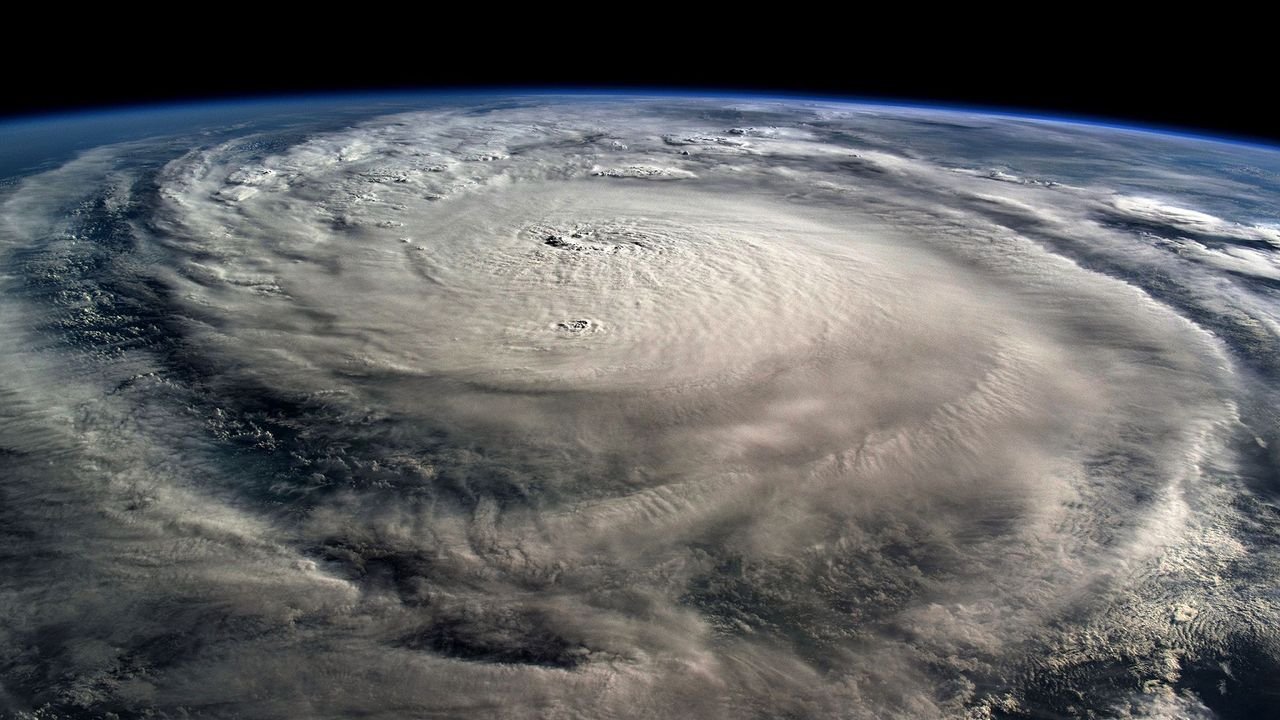
Extreme Hurricanes in History: The Great Hurricane of 1780 Hurricanes are no longer rare natural events; they are increasingly breaking records for strength, speed, and destruction. The most extreme hurricanes in history reveal how storms have grown deadlier and more unpredictable. In 2005, Hurricane Katrina devastated south-east Louisiana, killing 1,833 people and overwhelming New Orleans with floodwaters. The city was left without food, power, or shelter, as nearly 80% of it lay submerged. Even two decades later, Katrina remains a symbol of catastrophic hurricane damage. But Katrina is only one chapter in a long and devastating record. From the Great Hurricane of 1780 to Hurricane Erin in 2025, storms have reshaped nations, economies, and lives. Extreme Hurricanes in the US: The Galveston Disaster On 9 October 1780, the Caribbean island of Barbados awoke to a nightmare. A massive storm, later called the Great Hurricane of 1780, swept across the region. With winds believed to exceed 200 mph (322 km/h), it remains the deadliest Atlantic hurricane on record. The hurricane killed an estimated 20,000 to 27,500 people as it tore through Barbados, Martinique, Saint Lucia, and Sint Eustatius. Waves as high as 25 ft (7 m) erased villages, while fleets of naval ships were swallowed by the sea. Survivors described a landscape reduced to mud, wreckage, and silence. Historic Hurricanes That Shaped Modern Preparedness The United States experienced its deadliest hurricane on 6 September 1900, when a Category 4 storm slammed into Galveston, Texas. Between 6,000 and 8,000 people lost their lives as the hurricane leveled homes and left the city in ruins. The destruction prompted one of the largest recovery efforts of its time and led to the construction of Galveston’s seawall, a defensive measure still standing today. Cyclone Bhola of 1970: The Deadliest Tropical Cyclone Outside the Atlantic, storms are known as cyclones or typhoons. The deadliest of them all was Cyclone Bhola, which struck present-day Bangladesh and northeast India in November 1970. The storm brought a surge nearly 35 ft (10.5 m) high, wiping out entire coastal regions. As many as 500,000 people perished, making it one of the greatest humanitarian disasters in modern history. The Costliest Hurricanes: Katrina and Harvey When measuring destruction in financial terms, Hurricane Katrina remains the most expensive hurricane in US history. With winds of 140 mph (225 km/h) and a storm surge as high as 28 ft (8.5 m), it left New Orleans devastated. Katrina destroyed or damaged up to 300,000 homes, caused 59 tornadoes across eight states, and submerged neighborhoods under 20 ft (6 m) of water. Its total cost reached $201.3 billion (adjusted to 2024 dollars). The second costliest hurricane was Hurricane Harvey in 2017, which drenched Houston and parts of Louisiana with record rainfall, causing $160 billion in losses. Central America’s Monster Storm: Hurricane Mitch In October 1998, Hurricane Mitch struck Central America with unprecedented force. Initially a Category 5 storm, Mitch weakened before landfall in Honduras but stalled over the region, dumping relentless rain. Flooding and landslides killed between 10,000 and 19,000 people across Honduras, Nicaragua, Guatemala, Belize, and El Salvador. More than 200,000 homes were destroyed, and half a million people were left homeless. In Honduras alone, 70,000 homes and 92 bridges were swept away. Record-Breaking Winds: Hurricane Patricia Not all extreme hurricanes in history caused massive casualties, but some stunned the world with their strength. In 2015, Hurricane Patricia set a Western Hemisphere record with sustained winds of 221 mph (356 km/h). Patricia grew from a tropical storm to a Category 5 hurricane in just 24 hours. Fortunately, it struck a sparsely populated part of Mexico, where mountains quickly weakened it. Only a handful of lives were lost, but the storm demonstrated how quickly hurricanes can evolve into record-shattering events. Rapid Intensification: Erin and Other Modern Storms In 2025, Hurricane Erin shocked forecasters when it intensified from Category 1 to Category 5 in just over a day. Erin became one of the fastest-intensifying hurricanes recorded so early in the season, before September – the traditional peak of hurricane activity. Rapid intensification, defined as a storm’s winds strengthening by at least 35 mph in 24 hours, has become more common. This trend leaves less time for evacuation and preparation. Erin follows recent examples: Past hurricanes like Wilma (2005) and Felix (2007) also intensified at record speeds. But studies show intensification rates are now climbing faster due to warming oceans. Climate Change and the Future of Extreme Hurricanes The warming of ocean waters fuels more powerful and faster-growing hurricanes. Hurricane Erin, for example, passed over seas that were on average 1.1°C warmer than historical levels. This means extreme hurricanes in history may be surpassed by storms yet to come. Communities now face shorter warning times, greater flood risks, and rising financial losses. Unless adaptation and climate resilience efforts expand, future storms may cause devastation on a scale greater than Katrina, Mitch, or Bhola.

Read More

Trick to Stop Wasps at Picnic – Simple Outdoor Hack

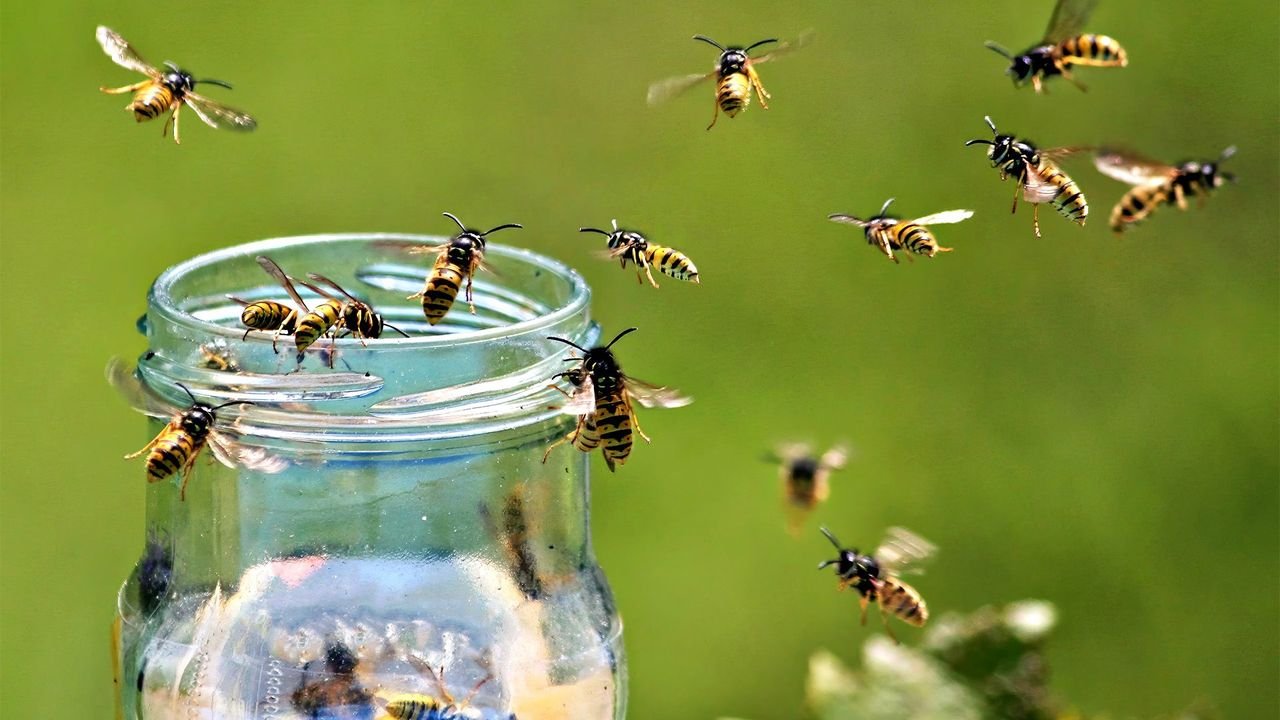
Trick to Stop Wasps at Picnic: Why They Crash Your Meal Trick to stop wasps at picnic gatherings is something every outdoor food lover needs to know. Sunny days invite us outdoors for al fresco meals, but these occasions often attract uninvited guests – wasps. These insects, particularly the common wasp (Vespula vulgaris) and the German wasp (Vespula germanica), are notorious for appearing suddenly when food is around. Although they may seem like pests, wasps play an essential role in nature. They are valuable pollinators and also act as natural pest controllers by preying on flies, caterpillars, and aphids. Learning a little about their behavior can help you enjoy your meal without fear. Trick to Stop Wasps at Picnic: Stay Calm and Still If a wasp hovers near your food, your first reaction may be to swat it away. But sudden movements signal danger. Wasps associate erratic motion and heavy breathing with predators, triggering their defensive instincts. Instead, remain calm and avoid flapping your hands. Keeping still makes you less of a target. How to Stop Wasps at Picnic by Watching What They Eat Every worker wasp is on a mission to collect food for the colony. Depending on the season, she may take a chunk of ham, a sip of jam, or a taste of your sugary drink. By observing what the wasp is interested in, you can anticipate what to offer her. The Wasp-Offering Method Here’s the simple trick: give the wasp her own share of food. Place a small portion of whatever she took – a bit of meat or something sweet – a short distance away from your picnic spot. The wasp will focus on this offering, leaving the rest of your meal undisturbed. Over time, you can move the offering further away to create a safe zone. This method is widely used in outdoor dining settings to prevent wasps from constantly buzzing around people’s food. Will One Wasp Bring a Swarm? Unlike bees, wasps are poor recruiters. They don’t perform dances or call large numbers of nestmates to food. At most, a few more wasps might arrive by chance if the nest is nearby. However, too many wasps in one spot usually discourages others from joining. trick to stop wasps at picnic. Why Wasps Want Protein in Summer and Sugar in Autumn Wasps’ food preferences change with the season. Early in summer, they crave protein like ham, chicken, or insects. This is because worker wasps must feed growing larvae, which are carnivorous. By late summer, the larvae pupate and no longer require feeding. At this stage, workers shift their focus to sugary substances for energy – which is why your jam tarts and lemonade become irresistible. Fascinating Facts About Wasps Coexist Peacefully with Wasps Instead of viewing wasps as picnic destroyers, think of them as natural pest controllers. By offering a small distraction portion of food and avoiding sudden movements, you can enjoy a peaceful outdoor meal. With a little knowledge and patience, it’s possible to balance your love for summer picnics with respect for these important insects. trick to stop wasps at picnic.

Read More

Bittern Breeding Record at Middleton Lakes: Rare Birds Thrive

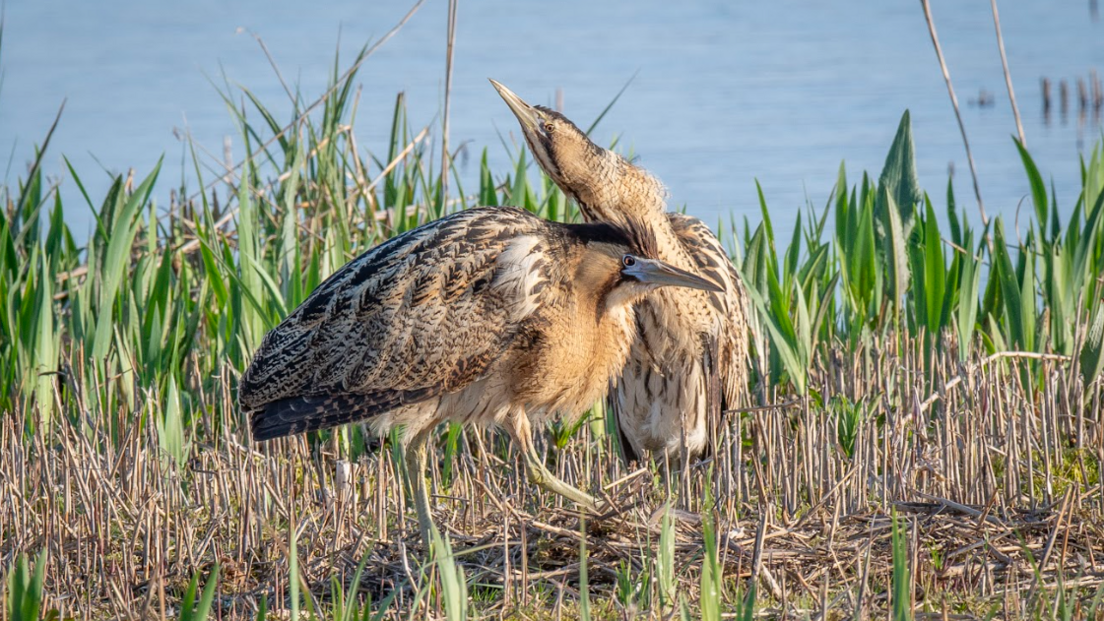
Bittern Breeding Record Marks Thriving Season at Middleton Lakes Middleton Lakes in Staffordshire has marked a record-breaking breeding season for one of the UK’s rarest birds: the bittern. Once extinct in Britain, bitterns have made a remarkable comeback thanks to dedicated conservation efforts. In 1997, only 11 booming males were recorded in the country, highlighting the species’ fragility. This year, the RSPB confirmed two males and two active nests at Middleton Lakes. At least five chicks have fledged so far, though the exact number remains uncertain due to the birds’ secretive habits. Despite their elusive nature, male bitterns are known for their loud, booming calls, which can travel up to three miles to attract a mate. Conservation Efforts Drive Bittern Breeding Record in the West Midlands Careful habitat management has played a pivotal role in the bitterns’ recovery. Since bitterns successfully bred in the West Midlands for the first time in over a century in 2021, Middleton Lakes has continued to see fledging each year. Kate Thorpe, site manager at RSPB Middleton Lakes, says, “We are thrilled to see bitterns and other wading birds thrive. This highlights how resilient habitats can help species bounce back even with the challenges posed by climate change.” Wader Breeding Success Adds to Record-Breaking Year Middleton Lakes has also celebrated significant success for other wading birds. Avocets have raised ten families totaling 16 chicks, while lapwings have produced 14 young from 11 pairs. Other wader species at the reserve have also fledged chicks this season, reflecting the effectiveness of RSPB’s habitat management and favorable weather conditions. Bittern Breeding Record. From Quarry to Wildlife Haven Once a gravel quarry, Middleton Lakes was transformed into a sanctuary for wildlife when the RSPB took over in 2007. Over the years, the reserve has become a vital refuge for threatened birds and an example of how careful conservation can restore ecosystems.Bittern Breeding Record. Thorpe adds, “Our success shows that protecting and improving habitats pays off. Every chick that fledges represents hope for the future of these iconic birds.”

Read More

Is it time to ditch the bucket list? How modern travel is changing

Is it time to ditch the bucket list? Once considered the ultimate symbol of travel aspiration, bucket lists are now being questioned for promoting overconsumption, wasteful tourism, and superficial experiences. From all-you-can-eat hotel buffets to overcrowded landmarks, travelers are rethinking what truly matters in their journeys. Is it time to ditch the bucket list and rethink abundance? Towering stacks of pancakes, overflowing baskets of pastries, trays of sausages, and endless rows of fruit may look indulgent — but they come with a heavy price. According to the UNEP Food Waste Index Report 2024, global food waste reached 1.05 billion tonnes, with hotels and restaurants contributing 28%. Buffet breakfasts are among the worst offenders, wasting around 300g of food per guest compared to 130g with plated meals. “Wasted food means wasted land, water, and energy — and once in landfill, it creates greenhouse gases that damage the planet,” says Jocelyn Doyle of the Sustainable Restaurant Association. “Breakfast is one of the simplest places to start cutting waste.” How hotels are rethinking buffets in the age of bucket list travel Hotels worldwide are experimenting with small but effective changes. These subtle nudges reduce waste while still offering variety. Why buffets make us overeat and how that shapes our travel choices Consumer behavior expert Dr. Kelly L. Haws explains that buffets trigger the “variety effect” — the more options available, the more people tend to eat. Combined with the fixed-price mindset (“I need to get my money’s worth”), this leads to both overconsumption and excess waste. Even eco-conscious travelers often underestimate their impact while in “vacation mode,” treating indulgence as part of the experience. Is it time to ditch the bucket list. Is it time to ditch the bucket list? Shifts toward mindful dining Hotels are adopting new approaches that align with changing guest values: For many travelers, fewer choices create a sense of quality over quantity. Frequent traveler Dhanashree Thosar recalls a recent plated breakfast in Bangalore: “It felt intentional, not excessive; mindful, not indulgent. I left satisfied instead of guilty.” Is it time to ditch the bucket list? Luxury redefined: From excess to intention High-end hotel brands are reshaping the breakfast experience: Hilton Worldwide has pledged to cut food waste sent to landfills by 50% by 2030, with initiatives ranging from AI-powered kitchens in Tokyo to food donations in the Philippines and Indonesia. The future of the breakfast buffet Hospitality experts suggest that the buffet era may be fading. “Buffets once symbolized abundance, but today’s luxury is about care and thoughtfulness,” says chef Pichaya “Pam” Soontornyanakij. “A smaller, cooked-to-order menu creates less waste and a richer experience for guests.” As hotels balance sustainability with service, the once-iconic cereal towers and bread mountains may give way to intentional, curated breakfasts that feel indulgent without excess. Is it time to ditch the bucket list.

Read More

Is it Time to Ditch the Bucket List?

Is it time to ditch the bucket list? In an age dominated by viral travel trends, many classic destinations feel overdone, pushing travelers and countries alike to rethink how and where people explore. Is it time to ditch the bucket list and find new ways to travel? Bucket list travel remains one of the most popular ways for travelers to plan dream trips and once-in-a-lifetime experiences. Popularized by films and social media, the idea has become part of modern travel culture. But as algorithms shape what we see online, many bucket lists are beginning to look nearly identical. “Social media is now the main source of inspiration for many travelers,” explains travel editor Grace Beard. “When the same destinations go viral, it creates identical wish lists worldwide.” While this digital inspiration brings global beauty to our screens, it also creates homogenized travel dreams. The result? Long queues, overcrowded attractions, and disappointed travelers when expectations don’t meet reality. Sustainable travel trends pushing us to ditch the bucket list Italy is one of the most visited countries in the world, but most international travelers head to only a handful of cities. To challenge this trend, Visit Italy launched its “99% of Italy” campaign, designed to highlight overlooked regions. “We want to shift attention from the crowded hotspots to the authentic villages and landscapes most travelers never see,” says Dr Ruben Santopietro, CEO of Visit Italy. Instead of ticking off Venice or Florence, the campaign highlights charming alternatives like the medieval villages of Le Marche, the Etruscan town of Sorano, and the coastal hamlet of Varigotti. These areas promise authentic beauty without the pressure of mass tourism. How undertourism is reshaping the bucket list Japan has also faced overtourism, especially in iconic cities like Tokyo and Kyoto. Specialist operator InsideJapanTours is promoting undertourism, a strategy that shifts travelers toward under-visited regions. “Post-pandemic, many visitors focused only on the top-ten destinations,” says Rob Moran, head of sustainability. “We wanted to help balance that by introducing alternatives.” New itineraries now include Toyama, where visitors can explore snowy peaks, emerald rivers, and traditional crafts alongside the usual highlights of Kyoto and Osaka. Even a short visit to lesser-known prefectures can make a big difference in cultural preservation and rural regeneration. Mystery touring in the Faroe Islands – a new sustainable travel trend The Faroe Islands are not yet overwhelmed by mass tourism, but local leaders are planning ahead. One creative solution is the Self-Navigating Car, a rental vehicle that follows a surprise route curated by locals. “The goal is to spread visitors across the islands and encourage exploration beyond the usual hotspots,” explains Súsanna Sorensen of Visit Faroe Islands. With dramatic cliffs, sheep-dotted roads, and seabird colonies, the Faroes have no shortage of natural wonders. The mystery-tour initiative allows travelers to experience hidden gems while avoiding crowded trails and viewpoints. How undertourism is reshaping the bucket list Travel experts agree that overtourism is changing how destinations present themselves — and how travelers should think about bucket lists. Is it time to ditch the bucket list. Is it time to ditch the bucket list. “Tourism has lost depth. People often collect photos instead of memories,” says Santopietro. “By shifting focus, we can restore authenticity to places and create deeper experiences for travelers.” Instead of checking off the same viral landmarks, today’s smarter bucket list may be about seeking authenticity, protecting local culture, and embracing the unknown.

Read More