
Sofia Catherine

Elio Box Office Flop: Why Pixar’s Original Film Failed to Launch

Elio Box Office Flop Signals Trouble for Original Animated Films Elio box office flop headlines are dominating conversations in Hollywood, as Pixar’s latest original film failed to take off at theaters. Meant to be a heartfelt cosmic journey, Elio opened to just $21 million domestically and $14 million globally — the worst box office debut in Pixar’s history. This dismal performance is particularly stark when compared to franchise-driven competitors like How to Train Your Dragon, which nearly doubled its earnings in its second week. Just a year ago, Inside Out 2 soared to nearly $1.7 billion worldwide, helping fuel optimism for a post-pandemic revival of family films. But those box office hits — including Despicable Me 4, Moana 2, and Sonic the Hedgehog 3 — all have one thing in common: franchise familiarity. From Innovation to Indifference – Why Original Ideas Struggle Despite past hits like Toy Story, Frozen, and The Lion King, today’s original family films are floundering. The Elio box office flop underscores this broader trend — it’s not just a Pixar problem. Across Hollywood, the only successful “originals” are based on books or graphic novels, such as The Bad Guys and The Wild Robot. Films built on wholly new ideas and without pre-established branding are struggling to gain traction with audiences. Recent misfires like Strange World, Wish, and Onward from Disney, as well as DreamWorks’ Ruby Gillman: Teenage Kraken and Illumination’s Migration, have further highlighted the market’s shift. And just like the Elio box office flop, titles such as Soul and Turning Red were quietly diverted to Disney+ rather than tested in theaters.. Post-Pandemic Problems: Why Elio’s Failure Wasn’t Just About Timing Some blame the pandemic for a shift in viewing behavior. The lockdowns accustomed families to home viewing, shrinking the market for theatrical releases. However, this doesn’t fully explain the repeated underperformance of original titles. At the core of the issue may lie the content itself—particularly the complexity of modern plots. Narrative Overload: How a Confused Plot Contributed to the Elio Box Office Flop Elio tells a charming story of a lonely boy mistakenly identified as Earth’s ambassador by aliens. But its storytelling is erratic. The plot bounces between Earth, an alien craft called the Communiverse, a villain’s spaceship, and back again—multiple times. A clone subplot adds further confusion. Multiple directors and three credited screenwriters hint at a disjointed creative process. Originally Adrian Molina’s personal story, the project expanded to include Domee Shi and Madeline Sharafian as directors. The result? A narrative that feels overcooked, its emotional core buried under structural sprawl. Too Many Cooks: How Studio Interference Fueled the Elio Box Office Flop Animated films are expensive—Elio reportedly cost $150 million. With that kind of investment, studios often opt for heavy oversight and constant retooling. Writers are brought in to refine, expand, and smooth over any rough edges. But the over-polishing process can remove spontaneity and coherence. British film critic and producer Jason Solomons observes, “You can feel the mechanism creaking… maybe a little craziness, a rough edge here and there, would do them the world of good.” Franchises Offer Familiar Comfort in a Distracted World Sequels and remakes may not always offer brilliant storytelling, but they don’t need to. Today’s audiences are more distracted than ever. With phones in hand and shorter attention spans, audiences are drawn to what they already know. When watching Lilo & Stitch or Minecraft: The Movie, they don’t need to pay close attention—they already know the plot beats. This explains why films like Moana 2 or Mufasa: The Lion King attract more viewers than anything new. It’s not just branding; it’s cognitive ease. Parents feel safer spending money on a known quantity, while kids gravitate toward familiar characters. When Stories Lack Simplicity and Heart Pixar’s early success hinged on simple, emotionally resonant stories. Finding Nemo is literally about finding Nemo. Up opens with a four-minute montage that conveys a lifetime of emotion. In contrast, films like Soul and Strange World require extensive explanation to summarize. Their thematic complexity might engage adults, but they lose children along the way. The most powerful family films strike a balance between depth and accessibility. By trying to do too much, modern originals risk doing very little that truly connects. The Pressure to Launch Franchises Studios don’t just want successful films—they want franchises. Merchandise, streaming series, theme park rides, spin-offs, and Broadway adaptations are the end goal. But for a new franchise to succeed, it must start with a story worth retelling. Films like Frozen weren’t engineered for success—they earned it by touching hearts. Studios now chase that formula mechanically. The disappointment of Elio reflects an industry overreliant on data, focus groups, and formula. Yet audience connection remains unpredictable. A Glimmer of Hope? There’s still a path forward for original children’s films. Success won’t come from massive budgets and endless rewrites. Instead, studios need to trust in the power of a well-told, emotionally sincere story. The next Frozen or Toy Story won’t be created in a committee—it’ll be sparked by a singular vision with a universal message. Until then, audiences will continue to vote with their wallets, and unfortunately for Elio, the vote is clear.

Read More

Montecito Mudflow Recovery: How the Town Rebuilt Smarter

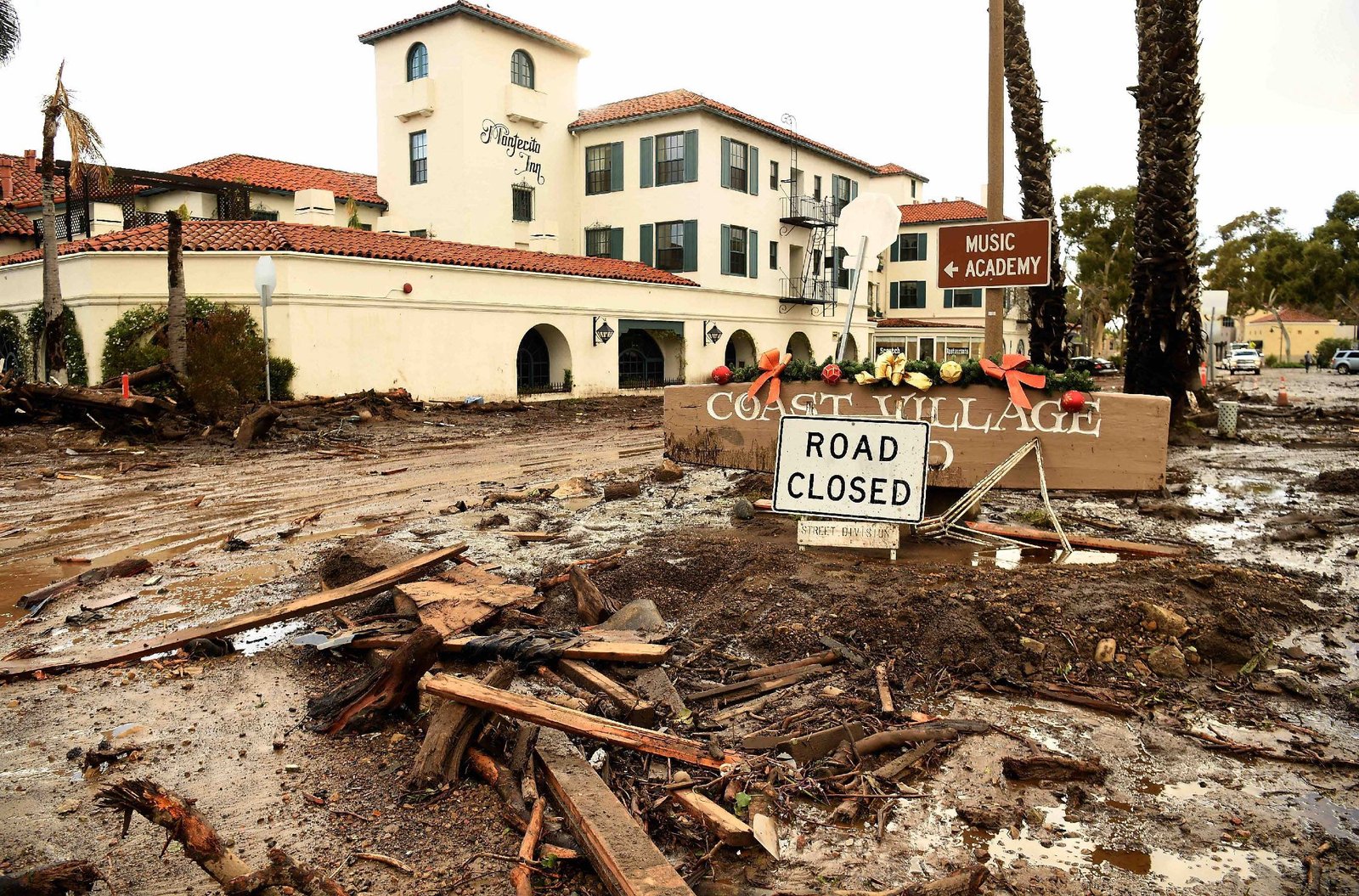
A Town on the Edge of Disaster In the early morning hours of 9 January 2018, a devastating wall of mud swept through Montecito, California, leaving destruction in its wake. The Montecito mudflow recovery effort that followed became a powerful example of how a community can come together after disaster. Triggered by heavy rains following months of wildfire, the debris flow claimed 23 lives and destroyed hundreds of homes. For survivor Curtis Skene, it marked the beginning of a mission to ensure his town would never face such devastation again. His and others’ actions have since become a blueprint for community-driven climate resilience. Remembering the Montecito Mudslides The Montecito mudslides weren’t simply a freak event; they were the result of a dangerous chain reaction. Months of wildfire had stripped the hillsides of vegetation, leaving the soil vulnerable. When the rains arrived in early January, they turned these slopes into rivers of mud and debris. Residents, many of whom had only just returned after evacuating due to wildfires, were caught off guard. Curtis Skene was awakened by torrential rain and a blinding light. Within seconds, a car smashed through his bedroom wall, carried by a torrent of mud. Trees, boulders, and debris raced past his home. He escaped by climbing to higher ground, barely surviving the event that would redefine his life — and later help spark the Montecito mudflow recovery movement, which focused on building a more resilient and prepared community. Learning from History: Montecito’s Geological Risks It was later revealed that Montecito had faced similar mudflows before — in 1964 and 1971 — but the events had faded from memory. Historical research found that at least four major mudflows had struck the area in the last two centuries. Santa Barbara County’s steep slopes and arid terrain made it especially prone to such disasters, particularly when wildfires weakened the land. Experts agree that the Montecito mudflow recovery efforts must be informed by this long history. Andrew Raff, environmental manager for the Santa Barbara County Flood Control District, notes that climate change is altering the rhythm of disasters. Where once there was a clear separation between wildfire season and rainy season, now fire rolls directly into storm season, compounding the risks. Montecito Mudflow Recovery: Rebuilding with Purpose Montecito chose not just to rebuild but to build smarter. One of the first steps in the Montecito mudflow recovery was enhancing sediment management. County officials began regularly inspecting debris basins built in the 1960s, using drones and bulldozers to keep them clear. Sediment collected from these basins is now reused for beach nourishment and other restoration efforts. Community leaders like Curtis Skene played a crucial role. Having no prior experience in public works or policy, he quickly became one of the town’s most influential advocates. After seeing the devastation on Randall Road, where four lives were lost and dozens of homes destroyed, Skene proposed building a new debris basin. A Key Step in the Montecito Mudflow Recovery: Randall Road Debris Basin Skene approached the county with an ambitious idea: to purchase and repurpose the destroyed Randall Road properties into a massive debris basin. With support from Santa Barbara residents and county officials, he helped raise $1.5 million for feasibility studies. The basin project eventually received FEMA approval and funding, with construction beginning in May 2021. By October 2022, the new Randall Road basin was operational. In January 2023, during another round of heavy rainfall, it proved its worth by capturing thousands of cubic yards of debris and preventing damage to surrounding neighborhoods. Private Action in the Montecito Mudflow Recovery: Project for Resilient Communities While public infrastructure was essential, private action also played a key role. Pat McElroy, former Santa Barbara fire chief, founded the non-profit Project for Resilient Communities. Backed by over $6 million in private donations, McElroy’s team installed six metal debris nets in key creek beds. These nets, commonly used in landslide-prone regions, were designed to trap smaller debris before it could reach populated areas. The group coordinated with private landowners and received county permits. By 2019, all six nets were installed, and in January 2023, they successfully intercepted massive amounts of debris. Proving the Concept: The First Big Test for Montecito Mudflow Recovery The storm on 9 January 2023 marked the fifth anniversary of the tragedy. Over 215,000 cubic yards of debris surged through Montecito’s waterways, but this time, the outcome was different. The debris nets and the Randall Road basin worked exactly as intended. McElroy viewed it as proof of concept. The proactive measures taken by both the public and private sectors had saved lives and property. While the nets were later removed due to permitting limits, county officials believe the permanent basins now in place will serve the community for decades. A Model for Other Communities Montecito’s experience is now serving as a case study for disaster-prone regions. Pat McElroy has shared his knowledge with officials in Fresno, Santa Cruz, and even Los Angeles, which is preparing for its own climate-related challenges. Engineers and emergency managers are learning from Montecito’s rapid, community-led response. Andrew Raff and others from Santa Barbara have offered input to Los Angeles County as it confronts the risks of back-to-back wildfires and mudslides. Local officials there have already begun reinforcing defenses, laying sandbags and concrete barriers in anticipation of future storms. Looking Ahead: Long-Term Resilience Montecito isn’t resting on its success. Plans are in motion to build an additional debris basin along another vulnerable creek. The community’s vigilance has become a symbol of how local action can outpace government inertia. For emergency staff like Raff, storm season is now a high-alert period. “Rainfall is no longer calming,” he says. “It’s a trigger.” Yet, thanks to foresight and community resolve, Montecito is better prepared than ever. A Blueprint for Resilient Futures What began as a night of horror has evolved into a remarkable story of survival, leadership, and community determination. Montecito has shown that disaster recovery isn’t about returning to normal—it’s about building something…

Read More

Self-Drive Tuk-Tuks: Transforming Travel Across Sri Lanka

Self-Drive Tuk-Tuks: A New Way to Explore Sri Lanka Imagine cruising through the misty hills of Ella in one of Sri Lanka’s self-drive tuk-tuks, navigating serpentine roads lined with lush tea plantations, palm-fringed valleys, and sapphire-blue reservoirs. Purple-faced langurs with curious expressions peer from the treetops, while elephants casually amble across your path. And you’re not a passenger—you’re in control, driving a three-wheeler that offers more than just transport. In Sri Lanka, these self-drive tuk-tuks open up a new way to explore the country—authentic, immersive, and unforgettable. The rise of self-drive tuk-tuks in Sri Lanka is redefining adventure tourism. These iconic three-wheelers, once the exclusive domain of locals, are now becoming tools for travellers to explore the country freely—while directly benefiting the communities they visit. The Humble Tuk-Tuk: A Sri Lankan Symbol Tuk-tuks—locally referred to as “three-wheelers”—have been a part of Sri Lanka’s transportation network for more than five decades. Originally introduced in the late 1970s by India’s Bajaj Auto Company, these compact motorised tricycles quickly became essential to everyday life. Today, nearly one million tuk-tuks operate across Sri Lanka. They serve as taxis, delivery vehicles, mobile food stalls, and even emergency transport in some areas. Despite their widespread use, until recently, tourists were only able to ride in tuk-tuks as passengers. Driving one was out of the question—until a local startup challenged that norm. Self-Drive Tuk-Tuks and TukTuk Rental: A Game-Changer in Responsible Tourism In 2016, TukTuk Rental, a social enterprise based in Katunayake, introduced a novel concept: enabling tourists to hire and drive tuk-tuks across Sri Lanka. This wasn’t just about offering tourists a fun experience—it was a calculated move to create a sustainable travel ecosystem that benefits both visitors and locals. What sets TukTuk Rental apart is its unique model: the company leases tuk-tuks from local owners, ensuring the income flows directly into Sri Lankan households. Since its launch, the initiative has generated over Rs 300 million (approximately US$1 million) for more than 1,000 families. How a Cycling Accident Inspired the Self-Drive Tuk-Tuks Movement The origin story of TukTuk Rental is as inspiring as the concept itself. Australian civil engineer Thomas Cornish was cycling through India when he had an accident. A kind local lent him an old tuk-tuk to complete his journey. That ride, filled with charm and simplicity, planted the seed of an idea: what if tourists could experience the same joy? Alongside co-founders Richard McKeon and Wietse Sennema, Cornish explored countries where tuk-tuks were a mainstay of transport. They chose Sri Lanka, where Sennema had spent his childhood, and launched the pilot project by collaborating with local tuk-tuk owners. Empowering Locals Through Self-Drive Tuk-Tuks in Sri Lanka One of the earliest adopters of the program was Shalitha Sankalpa from Mount Lavinia. Previously earning just 200 rupees a day by driving his tuk-tuk in the evenings after his hotel job, he joined TukTuk Rental in 2017. Within weeks, his income doubled. “I was hesitant at first,” said Sankalpa. “Friends warned me not to hand over my vehicle to tourists. Now they’re all asking how they can sign up.” With steady income, Sankalpa transformed his life—he built a new house, bought a car, and even saw his tuk-tuk hired by cricket legend Jonty Rhodes. “It was a dream come true,” he recalled. How Self-Drive Tuk-Tuks in Sri Lanka Survived Bombings and a Pandemic Despite its promising start, TukTuk Rental faced significant hurdles. The Easter Sunday bombings in April 2019 triggered nationwide curfews and a tourism collapse. Just as things began recovering, the Covid-19 pandemic struck. Borders closed, and tourist numbers plummeted. For months, Sri Lanka’s tourism industry lay dormant. But TukTuk Rental endured. By pivoting operations and supporting drivers during the crisis, the company remained resilient. By 2022, tourists slowly returned—and so did hope. Rebuilding with Resilience: New Drivers, New Dreams Charith Rajindra, a former garment factory worker, exemplifies post-pandemic recovery. Before Covid, he also worked as a baggage handler at the airport. When both jobs vanished during the lockdown, Rajindra took a risk: he leased a $4,500 tuk-tuk to TukTuk Rental. Within two years, he had cleared his loan, opened a homestay, and bought a second tuk-tuk for rental. “It’s not just about income,” Rajindra says. “It’s about pride and purpose. Tourists are getting an authentic experience, and we’re building futures.” Tourist Tales: Why Travellers Are Embracing Tuk-Tuks Diana Hiptmair, a content creator from Toronto, rented a cabriolet tuk-tuk for 26 days in April 2025. She and her husband traversed the island from Negombo to Mirissa, stopping in offbeat towns, sipping chai, and even learning how to cook kottu roti at a roadside eatery. “Traveling by tuk-tuk allowed us to engage with communities we would’ve otherwise passed by,” Hiptmair said. “Supporting a business that gives back was equally important.” Kate Dicks, a UK traveller, shared a similar sentiment. A 10-day trip with her boyfriend turned magical when they encountered a herd of wild elephants up close. “It was like living a David Attenborough documentary,” she said. Safety First: Driving Licences, Lessons, and Maintenance Letting foreign tourists loose on Sri Lankan roads may seem risky, but TukTuk Rental leaves nothing to chance. Every renter must obtain a Sri Lankan driving licence, facilitated with help from the Automobile Association of Ceylon. The startup also offers: Why Self-Drive Tuk-Tuks Are Gaining Popularity The growing appeal of self-drive tuk-tuks in Sri Lanka is rooted in their unique combination of freedom, authenticity, and sustainability. Here’s why they are resonating with modern travellers: 1. Cultural Immersion Driving a tuk-tuk brings travellers closer to the everyday experiences of locals—far removed from the sanitized bubble of packaged tours. 2. Sustainable Travel By supporting a community-based model, tourists ensure their spending has a direct impact on local families. 3. Flexibility With no fixed schedules, travellers can stop anywhere, anytime—be it for a spicy roadside snack or a temple visit. 4. Affordability Tuk-tuks are a low-cost alternative to car rentals and private taxis, especially for longer journeys. An Eco-Friendly Shift in Tourism Self-drive tuk-tuks…

Read More

Juneteenth Birthplace Galveston: A Year-Round Tribute

Juneteenth Birthplace Galveston: Where Freedom Day Began On June 19, 1865, Union General Gordon Granger arrived in Juneteenth Birthplace Galveston to announce the emancipation of enslaved African Americans. Although the Emancipation Proclamation had been signed two years earlier, the order had not been enforced in this remote island city until the Civil War ended. When the news finally reached Galveston, it marked a historic moment of liberation. The emotional response from newly freed Black residents — ranging from shock to joy — laid the foundation for Juneteenth. Today, Juneteenth Birthplace Galveston is recognized nationwide for preserving this powerful legacy and sharing it with future generations. From Juneteenth Birthplace Galveston to Nationwide Recognition Originally rooted in Juneteenth Birthplace Galveston, this significant day began as a local observance and gradually became a national tradition. As Black Texans migrated across the United States, they brought the spirit of Juneteenth with them. Officially recognized as a Texas state holiday in 1980 and later as a federal holiday in 2021, Juneteenth — also known as Freedom Day, Emancipation Day, and Jubilee Day — is now celebrated nationwide with parades, cultural festivals, and communal gatherings that honor emancipation and African American heritage. Galveston Leads with Year-Round Celebrations While cities like Philadelphia, Atlanta, and Tulsa host large-scale Juneteenth events, Galveston remains the symbolic heart of the movement. The island city embraces its historical significance not just on June 19 but throughout the year. “It’s about more than one day,” said Mary Beth Bassett, public relations manager at Visit Galveston. “Visitors can come any time to understand the importance of Galveston’s role in American freedom.” Juneteenth Birthplace Galveston Marks 160 Years with Special Events To commemorate the 160th anniversary, Galveston has organized a diverse lineup of activities. In addition to the annual parade and fireworks show, a reenactment of General Order No. 3 at Ashton Villa allows visitors to relive the original announcement. From lectures on local African American heroes like educator John Rufus Gibson to panel discussions with the family of George Floyd, these events provide context and connection. The Legacy Project and the Future Museum Local historian and activist Sam Collins III is the driving force behind The Juneteenth Legacy Project. “Our shared history is incomplete without these stories,” Collins stated. He is leading the development of the International Juneteenth Museum, which aims to preserve and highlight African American narratives, both historical and contemporary. Cultural Tours and Historic Sites For those eager to delve deeper, Dr. Araminta Coleman Sorrell’s “Juneteenth and Beyond” tours offer a rich exploration of Galveston’s African American heritage. Stops include the Reedy Chapel AME Church, the first Black church in Texas, and the NIA Cultural Centre. This centre also hosts the Juneteenth Headquarters and a vibrant art gallery featuring African American artists. One of the tour highlights is the Absolute Equality mural, a 5,000-square-foot visual timeline tracing Black history from the transatlantic slave trade to the modern day. “It’s an impactful way to educate through art,” said Coleman Sorrell. Museums and Educational Trails Galveston museums have committed to preserving this legacy through exhibitions like “And Still We Rise…” at Ashton Villa. This interactive experience uses multimedia storytelling to bring history to life. In addition, two self-guided walking tours—the Freedom Walk and the African American History Tour—provide immersive historical context for visitors. Ongoing Support for Cultural Heritage The city has shown strong institutional support for Juneteenth. “They’re backing up their words with real action,” noted Coleman Sorrell. From grant programs for Juneteenth events to a dedicated website listing ongoing festivities, the commitment to cultural preservation is tangible. Galveston’s Lasting Role in American Freedom Juneteenth in Galveston is not just a date on the calendar; it’s a living legacy. Through museums, public art, lectures, and reenactments, the city educates locals and tourists alike about the ongoing journey toward equality. With each passing year, Galveston’s commitment strengthens, ensuring that the significance of June 19, 1865, is never forgotten.

Read More

Israel Iran Conflict: Reactor and Hospital Attacked

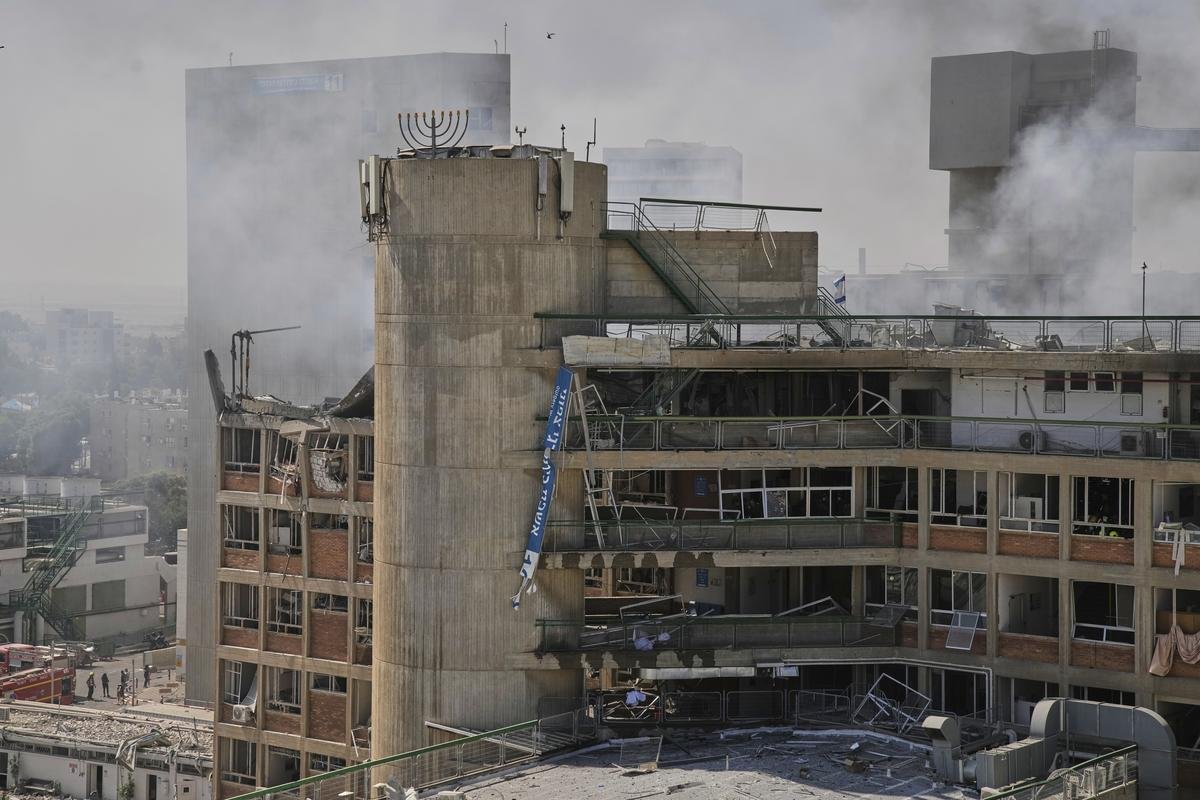
A Rapidly Escalating Israel Iran Conflict The Israel Iran conflict has escalated dramatically, with both nations engaging in direct strikes for a seventh straight day. This volatile standoff marks one of the most perilous moments in the region’s recent history. Israeli fighter jets carried out a targeted assault on Iran’s Khondab heavy water nuclear reactor, while Iranian missiles severely damaged Israel’s Soroka Medical Center. With strategic and civilian sites now under fire, the conflict has entered a dangerous new phase that threatens regional stability and humanitarian infrastructure alike. Israel Iran Conflict: Israeli Warplanes Strike Nuclear Facilities The Israel Iran conflict intensified further on Thursday as the Israeli military confirmed a targeted airstrike on Iran’s Khondab nuclear facility, formerly known as the Arak reactor. This marked a major escalation in the ongoing Israel Iran conflict, with Israeli forces aiming at the reactor’s core seal—an integral component for plutonium production. International observers have long regarded the site as a potential source of weapons-grade nuclear material, raising concerns over regional nuclear proliferation. In response to the attack, Iranian officials evacuated the facility in advance, and state media reported no casualties or radiation leaks. However, Iran’s activation of air defenses near the Khondab site highlighted the country’s heightened alert status amid the worsening Israel Iran conflict. Israel Iran Conflict: Iranian Missiles Hit Israeli Hospital In a retaliatory strike, Iranian missiles hit multiple sites within Israel, with one striking the Soroka Medical Center in Beersheba. This hospital serves over a million people and is one of Israel’s largest medical facilities. According to medical officials, the hospital suffered extensive damage in several wings. The emergency department remained operational but limited its intake to life-threatening cases only. Emergency crews reported injuries to at least 50 individuals across multiple cities, including Tel Aviv and the districts of Holon and Ramat Gan. Four of the injured remain in critical condition. The escalating crisis has overwhelmed emergency services, prompting hospitals nationwide to activate wartime protocols. Israel Iran Conflict: Strategic Target or Civilian Collateral? Iran maintains that its missile was targeting a nearby Israeli military command and intelligence facility located in the Gav-Yam Technology Park. This facility is adjacent to the Soroka Medical Center. Iranian reports suggest that the hospital suffered only indirect damage from the blast’s shockwave. Due to strict military censorship in Israel, official information about such sensitive facilities remains classified. Israeli officials, however, have publicly condemned the attack as a war crime, emphasizing that striking a hospital violates international humanitarian laws. The Israeli leadership has vowed a strong retaliatory response, warning Iran of a “heavy price” for its actions. The Wider Toll: Civilian and Military Casualties The Iranian Human Rights Council based in Washington, D.C. reported that over 630 people have been killed in Iran over the past week due to Israeli airstrikes, including 263 civilians. More than 1,300 others have sustained injuries. On the Israeli side, Iran has launched over 400 missiles and hundreds of drones, resulting in at least 24 deaths and hundreds of injuries. As the violence spreads, civilian infrastructure—residential areas, medical centers, and energy facilities—are increasingly becoming part of the battlefield. This alarming trend is raising concerns among humanitarian organizations and international observers. Nuclear Dangers and Environmental Risks Targeting a nuclear facility, even one that is partially decommissioned or restructured like Khondab, raises significant environmental and geopolitical concerns. While Iran claims there is no radiation risk, military experts warn that such strikes could have catastrophic consequences if containment measures fail. Experts also note that the strike may have implications for nuclear non-proliferation efforts. Damaging nuclear infrastructure sets a precedent that could destabilize future diplomatic negotiations or efforts to revive previous nuclear agreements. Military Tactics and Civilian Shielding Some analysts argue that the placement of military installations near civilian infrastructure complicates modern warfare. Urban combat zones, where military assets are embedded within cities, increase the likelihood of civilian casualties and make proportional response difficult. Critics say that both sides must take greater responsibility to avoid unnecessary harm to non-combatants. With both Iranian and Israeli officials accusing each other of using civilians as shields, the reality remains that civilians are bearing the brunt of the conflict. Call for International Intervention International organizations, including the United Nations, have called for an immediate ceasefire. Diplomatic channels have opened between neutral countries seeking to de-escalate the situation, though little progress has been made. The United States and European Union have both urged restraint and warned of regional destabilization. The Iranian Supreme Leader, meanwhile, dismissed U.S. appeals for a ceasefire, stating that any American intervention would result in “irreparable damage” to its forces. This further complicates potential negotiations. Strategic Fallout and Future Projections The ongoing strikes indicate a shift from covert cyber warfare and proxy engagements to direct state-on-state conflict. With civilian targets now included in the crossfire, the humanitarian and geopolitical implications are enormous. If these attacks continue, the conflict could draw in neighboring countries or spark broader regional warfare. The targeting of nuclear facilities and hospitals has already sparked international alarm. Without swift and coordinated diplomatic efforts, the region may face long-term instability and irreversible damage. A Perilous Path Forward This week’s exchange of attacks between Israel and Iran marks a turning point in an already volatile region. The targeting of the Khondab nuclear reactor and Soroka Medical Center suggests that the lines once drawn between military and civilian targets are beginning to blur. The international community must act quickly to mediate before the conflict results in further humanitarian catastrophes or sparks a broader war. As the world watches, the need for de-escalation has never been more urgent.

Read More

Shakespeare Play by Refugee Students at Bradford College

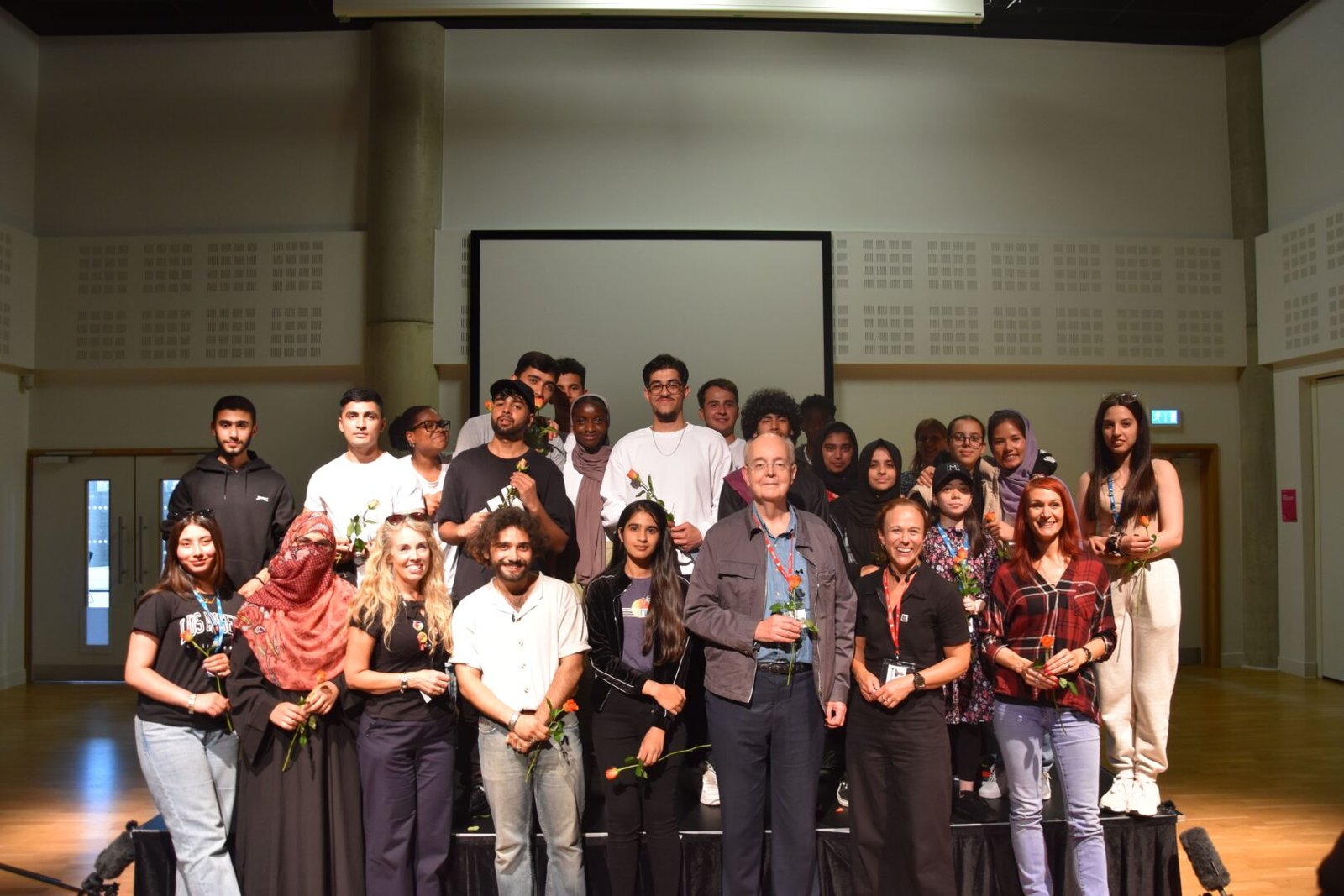
Shakespeare Play by Refugee Students in West Yorkshire A powerful Shakespeare play by refugee students is set to take the stage at Bradford College, where teenagers seeking asylum are using the Bard’s timeless drama The Tempest to master English. These learners, many of whom have been studying the language for less than a year, are not simply reciting lines — they’re transforming Shakespeare’s work into a bridge between cultures and a tool for communication. Refugee Students Learn English Through Shakespeare Play The unique initiative — a Shakespeare play by refugee students — is part of an ongoing collaboration between Bradford College and the Royal Shakespeare Company (RSC). For the past seven years, this partnership has brought Shakespeare’s works into the classroom for students learning English as a second language (ESOL). Bradford College stands out as the only institution in the UK where nearly all ESOL students participate in this program, making it a pioneering effort in education. ESOL teacher Esther Wilkey emphasizes that the Shakespeare play by refugee students is far more than just a performance. “It’s about understanding where language comes from,” she explains. “We don’t just teach students what Shakespeare says, we explore how to interpret and use language. It’s incredibly empowering for students who are new to English.” How a Shakespeare Play by Refugee Students Brings Language and Literature to Life Rather than simply translating Shakespeare line by line, the approach focuses on interpretation through context. Wilkey recalls classroom moments where students collaboratively decipher lines of Elizabethan English: “I’ll ask, ‘What do you think that means?’ If they don’t know, I’ll say, ‘Neither do I, let’s figure it out together.’ That process mirrors real-life language acquisition and boosts their confidence.” This method helps bridge the gap between Shakespearean vocabulary and the language skills needed to excel in contemporary English courses, such as GCSE English. Refugee Stories Mirror Shakespeare’s Narrative The Tempest, a story of shipwrecked individuals encountering strange new lands and forming unexpected alliances, strongly resonates with the students. Many of them, having fled conflict or hardship in their home countries, identify with the play’s themes of displacement, resilience, and transformation. Student Daniel Ghadiri candidly reflects, “To be honest, at first Shakespeare was boring for me. I didn’t understand why we were studying this. But once we started rehearsing, it became meaningful. If I return to Bradford College next year, I definitely want to do Shakespeare again.” Fostering Peace, Unity, and Collaboration One of the most inspiring elements of this initiative is its impact on community building. With over 20 nationalities represented among the 40 students participating in the Shakespeare play, their collaboration stands as a powerful symbol of unity. As Ms. Wilkey notes, “Some of these countries are at war with each other, yet here we have peace in our department.” The process of preparing for the play cultivates not only language proficiency but also teamwork and mutual respect. Students like Habiba Syedi share how the experience goes beyond the classroom: “It improves everything—speaking skills, friendships, teamwork.” Personal Growth Through Character Exploration Performing Shakespeare allows students to explore and express their identities through the characters they portray. Abdurrakhman Korzhavin says, “I enjoy it because I can show my vision of the character to everyone. And the teamwork—it’s really helpful.” This type of character exploration not only improves their command of English but also allows students to gain confidence and take ownership of their learning journey. Celebrating Success and Innovation The success of Bradford College’s Shakespeare initiative was recently recognized when it received the 2025 Association of Colleges’ Bell Foundation Excellence in ESOL Award. This national recognition highlights the innovative and inclusive nature of the program, which seamlessly combines the arts with academic achievement. The upcoming performance coincides with Refugee Week, the world’s largest arts and culture festival celebrating the resilience, creativity, and contributions of refugees. The event provides the perfect backdrop for this remarkable student-led performance of The Tempest, showing how the arts can bridge cultures and build futures. Redefining the Role of Shakespeare in Modern Education The use of Shakespeare’s works in ESOL programs marks a significant departure from traditional English language learning methods. It validates students’ experiences and invites them into the rich heritage of English literature, empowering them to claim ownership of the language they are learning. Esther Wilkey believes this method holds broader implications: “This approach can be a model for other schools. Shakespeare doesn’t have to be intimidating. When we break it down together, it becomes a shared journey—not just into English, but into expression, empathy, and belonging.” A Stage for Every Voice The Shakespeare play by refugee students at Bradford College is more than just a school performance. It’s a vibrant, transformative educational experience that amplifies student voices and unites communities through language and art. It showcases how classic literature can speak to modern realities, and how English learning can be reimagined through creative, compassionate pedagogy. As the curtain rises on The Tempest, the audience will witness not only Shakespeare’s world brought to life but the real-world journeys of students who are shaping new narratives—one line, one word, and one performance at a time.

Read More

Great White Shark Photography: Changing Public Perception

The Legacy of Fear and How Great White Shark Photography Is Changing It Great white shark photography is reshaping how we see one of the ocean’s most misunderstood predators. Fifty years after the release of Jaws, the species still conjures images of fear and danger. But a new wave of conservation-focused photographers is challenging that narrative, capturing the intelligence, grace, and ecological importance of great whites. Their powerful imagery replaces myth with reality and fear with respect. From Tragedy to Advocacy: Mike Coots and His Mission in Great White Shark Photography Hawaiian photographer Mike Coots was just 18 when a tiger shark attack left him without a leg. Instead of harboring fear, Coots returned to the ocean just a month later, armed with a prosthetic limb and a new mission. His work in great white shark photography has since gained international attention. Through striking images—like his viral shot of a great white spy-hopping—Coots showcases the animals’ curiosity, elegance, and misunderstood nature. This approach to great white shark photography challenges decades of fear-driven narratives, offering a more accurate and compassionate view of these apex predators. A Softer Gaze: Sharks Through a New Lens Coots’ now-iconic 2009 image of a spy-hopping shark off the coast of New Zealand challenged the traditional narrative. Rather than inspiring terror, the image sparked fascination. Comments focused on the shark’s apparent curiosity and intelligence. That moment was a turning point for Coots—proof that the right image could challenge the fear embedded in our cultural psyche. Photographers like Kimberly Jeffries, George Probst, Caterina Gennaro, and Renee Capozzola have joined Coots in this visual revolution. Their close-up images focus on natural behaviors like schooling and cruising, often capturing sharks peacefully interacting with their surroundings. By rejecting bait-driven, aggression-staged imagery, they promote authenticity over spectacle. The Shadow of Jaws: A Lasting Cultural Impact Despite efforts to shift the narrative, the legacy of Jaws continues to cast a long shadow. Released in 1975, the film gave rise to a genre of shark-themed horror that portrays great whites as relentless killers. This narrative has persisted in movies from Deep Blue Sea to The Meg and more recently Under Paris, reinforcing a singular, threatening image of sharks. Researchers like marine biologist David Shiffman and policy expert Christopher Pepin-Neff have documented the sociopolitical effects of sharkphobia. From exaggerated media reporting to fear-driven policy decisions, this misinformation hampers conservation efforts at a time when sharks are increasingly endangered. Challenging the Narrative: Ethical Shark Photography Jeffries, who shoots for National Geographic and consults on major film projects, emphasizes the need for ethical storytelling. Her photographs of great whites swimming beside dolphins or interacting with divers without aggression foster a sense of connection rather than fear. One of her most recognized images features Deep Blue, one of the largest recorded great white sharks, portrayed not as a monster but as a graceful marine presence. Meanwhile, Coots explores portraiture using specialized lenses that reveal details often obscured in traditional shark photography—like the iris and expressive light in a shark’s eye. These elements humanize the shark and help shift perceptions from mindless predator to complex creature. Shark Conservation in Crisis: Why Representation Matters The stakes of this visual reframing are high. According to conservation organizations like Save Our Seas and the Shark Foundation, over 80 million sharks are killed each year, with 25 million from threatened species. Despite their rarity, shark attacks receive disproportionately high media coverage compared to the minimal attention given to conservation issues. Studies show that even music can influence shark perception. One 2016 experiment found that viewers who watched shark footage set to ominous music rated the animals more negatively than those who saw the same footage with uplifting music. Public fear leads to apathy, allowing destructive practices like finning and by-catch to go unchecked. From Screen to Policy: The Real-World Effects of Shark Representation Misrepresentation in media doesn’t just shape public opinion—it affects policy. Politicians often rely on fear-driven narratives to justify shark culling or neglect marine protection. Pepin-Neff’s research suggests that even when public attitudes are more sophisticated, political rhetoric clings to outdated tropes. Entertainment mediums such as Shark Week have come under fire for promoting sensationalist content. A 2022 study led by Lisa Whitenack found that 74% of episodes included fear-mongering language. These portrayals overshadow the critical ecological role sharks play in maintaining marine balance. A Changing Tide: Public Engagement and Education The tide is slowly turning. The Ocean Lovers Festival in Australia now hosts the Jawsie Awards, which satirize fear-mongering media about sharks. Photographers and conservationists alike are gaining platforms to tell more truthful stories. Jeffries observes a growing appetite for content that is respectful and fact-based. Mike Coots’ own images, such as his 2016 return to tiger sharks—the species that took his leg—demonstrate a full-circle journey from fear to compassion. These photos show not just a subject but a philosophy: that we protect what we understand, and we fear what we don’t. The Future of Shark Storytelling The movement to reframe the narrative around great white sharks is gaining momentum. With every honest image captured by ethical photographers, we take another step away from myth and toward coexistence. This shift isn’t just about sharks—it’s about reshaping our relationship with nature and correcting decades of sensationalism. By continuing to support balanced representation and promoting shark conservation, we can ensure that the next generation knows sharks not as villains, but as vital, majestic stewards of the sea.

Read More

Oslo City Break: Why It’s Europe’s Most Liveable Urban Escape

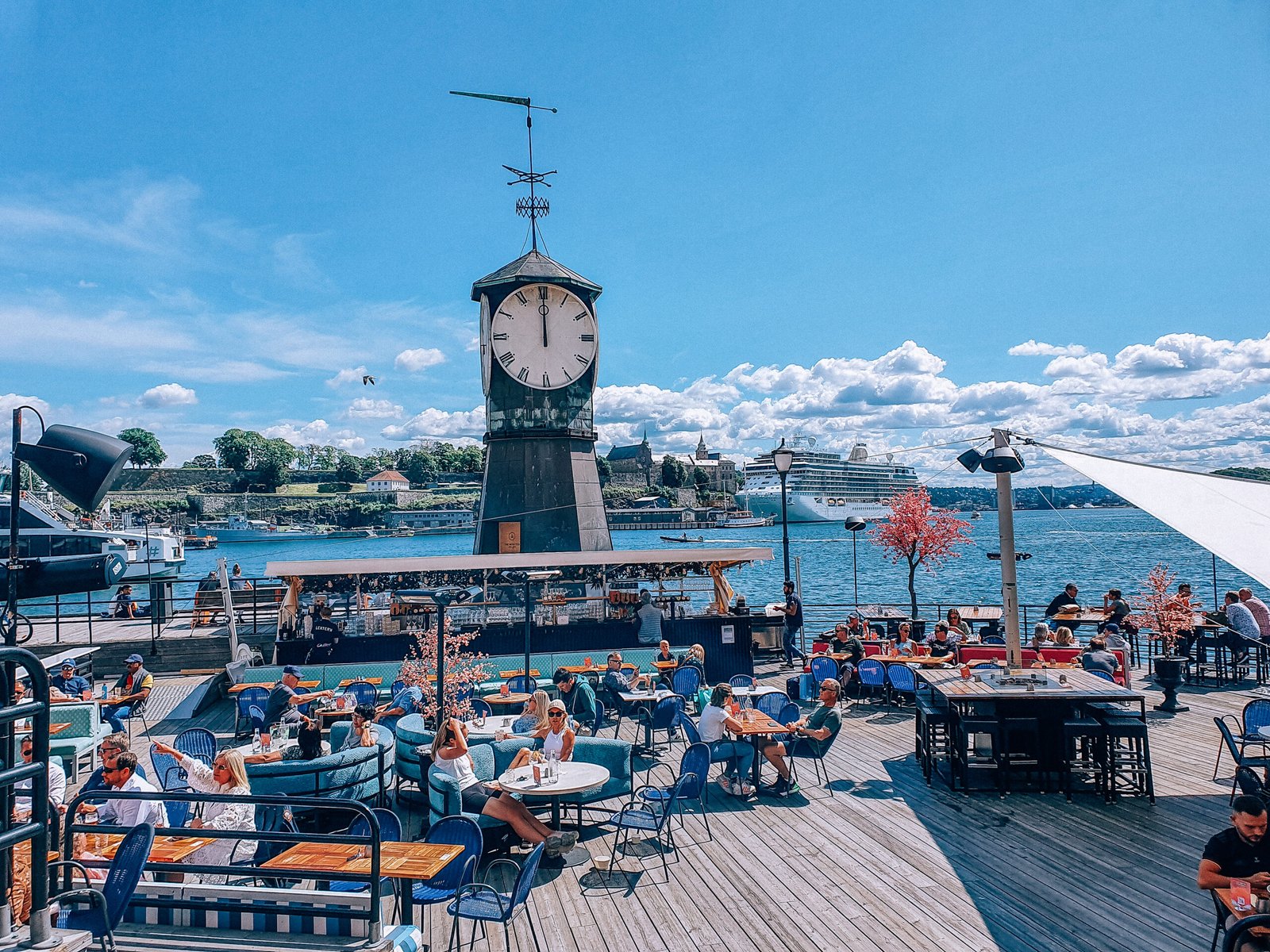
Oslo City Break: Exploring Vulkan, the Walkable Green Hub If you’re searching for a city break that effortlessly combines culture, comfort, and cutting-edge sustainability, Oslo might just surprise you. This Oslo city break explores how the Norwegian capital delivers a uniquely tranquil experience, seamlessly blending innovation with daily ease. From geothermal-powered neighborhoods to all-electric transport systems, the city has redefined what it means to live—and travel—well. Starting Your Oslo Escape: Walkable Vulkan and Urban Renewal I began my 24-hour Oslo experience in Vulkan, a revitalized industrial zone now transformed into one of Europe’s most forward-thinking urban villages. Nestled along the Akerselva River, Vulkan is packed with culture, cuisine, and creativity. The square buzzed with locals enjoying coffee and conversation, while eco-conscious vendors stocked up for the evening rush. From concert venues to climbing gyms, the energy was palpable. Vulkan’s design and ethos are rooted in sustainability. Once a derelict area, it has been reborn with geothermal wells, solar panels, and zero-emissions infrastructure. It’s a neighborhood built for the future, yet fully grounded in the present, showing just how impactful conscious city planning can be. Oslo City Break Highlight: History Reimagined from Foundries to Food Halls This area wasn’t always inviting. Just two decades ago, Vulkan was a gritty, abandoned space full of broken glass and graffiti. Everything changed in 2004 when developers Aspelin Ramm and Anthon B Nilsen began reimagining the area. By 2008, Dansens Hus—the country’s national contemporary dance theatre—opened. Mathallen followed in 2012, becoming Norway’s first modern food hall housed in a former ironworks building. Today, Mathallen features over a dozen eateries and shops. I indulged in local oysters, bao buns, handmade cacio e pepe, and freshly brewed beer. Just steps away is the Vulkan Arena, which regularly hosts international artists and offers another layer to the area’s cultural texture. Urban Innovation in Oslo: A City Break Model for Sustainable Living But Vulkan is more than just lively—it’s a living example of urban sustainability. The geothermal wells that run beneath the square, the rooftop solar panels, and buildings designed for maximum energy efficiency demonstrate that eco-friendly living doesn’t mean sacrificing comfort. The neighborhood even includes the 149-room Scandic Vulkan hotel, certified as Norway’s first EU energy class A hotel. Rooftop beehives support biodiversity and produce fresh, local honey served just meters away. All this takes place within a compact 9,400 sq m footprint—roughly the size of a single city block—proving that small spaces can yield big results. Oslo’s Electric Charm: Citywide Clean Transport Leaving Vulkan, Oslo’s commitment to sustainability continues throughout its city core. Since 2017, only electric vehicles are allowed within the city center, reducing noise and pollution. Streetcars and bicycles glide through traffic-free streets, and the air feels crisp and breathable. The absence of combustion engines lends Oslo a serene, open atmosphere rarely found in capital cities. It’s not just transportation—it’s a lifestyle. And it’s one that feels incredibly accessible. Bigger Picture: Vulkan as a Symbol of Oslo’s Vision Vulkan isn’t an isolated success; it mirrors a national movement. Norway is aiming for carbon neutrality by 2030 and net-zero emissions by 2050. The Oslo city break experience provides a glimpse into this forward-thinking ambition, where even tourism aligns with long-term sustainability goals. Every aspect of the neighborhood—from architecture to energy use to cultural programming—echoes the city’s values: smart density, eco-consciousness, and quality of life. Vulkan distills those values into a compact, walkable space that perfectly captures Oslo’s essence. A Floating Sauna and the Art of “Life-Seeing” To cap off my stay, I headed to Bjørvika, another revitalized district that represents Oslo’s dedication to multifunctional urban space. There, I experienced a quintessential Nordic ritual: a floating sauna on the Oslofjord. Moving between steaming wooden cabins and icy waters, I felt fully immersed in the Norwegian way of living. In a world obsessed with fast-paced travel, Oslo encourages something different. Their 2024 tourism campaign invites visitors to “life-see” rather than simply sightsee. This Oslo city break delivered exactly that—a chance to slow down and appreciate thoughtful, human-scale design. Final Thoughts: Why Oslo Deserves the Spotlight Oslo may not be the first city that comes to mind for a quick getaway, but it’s exactly that unpredictability that makes it so rewarding. It’s a capital that dares to be calm, clean, and quietly radical in how it reinvents urban life. Whether you’re drawn by the geothermal tech, cultural richness, or just the clean air, this Oslo city break proves that the city is far more than just a stopover. It’s a blueprint for the sustainable cities of tomorrow—one square, one street, and one floating sauna at a time.

Read More

28 Years Later Review: A Gripping but Uneven Horror Sequel

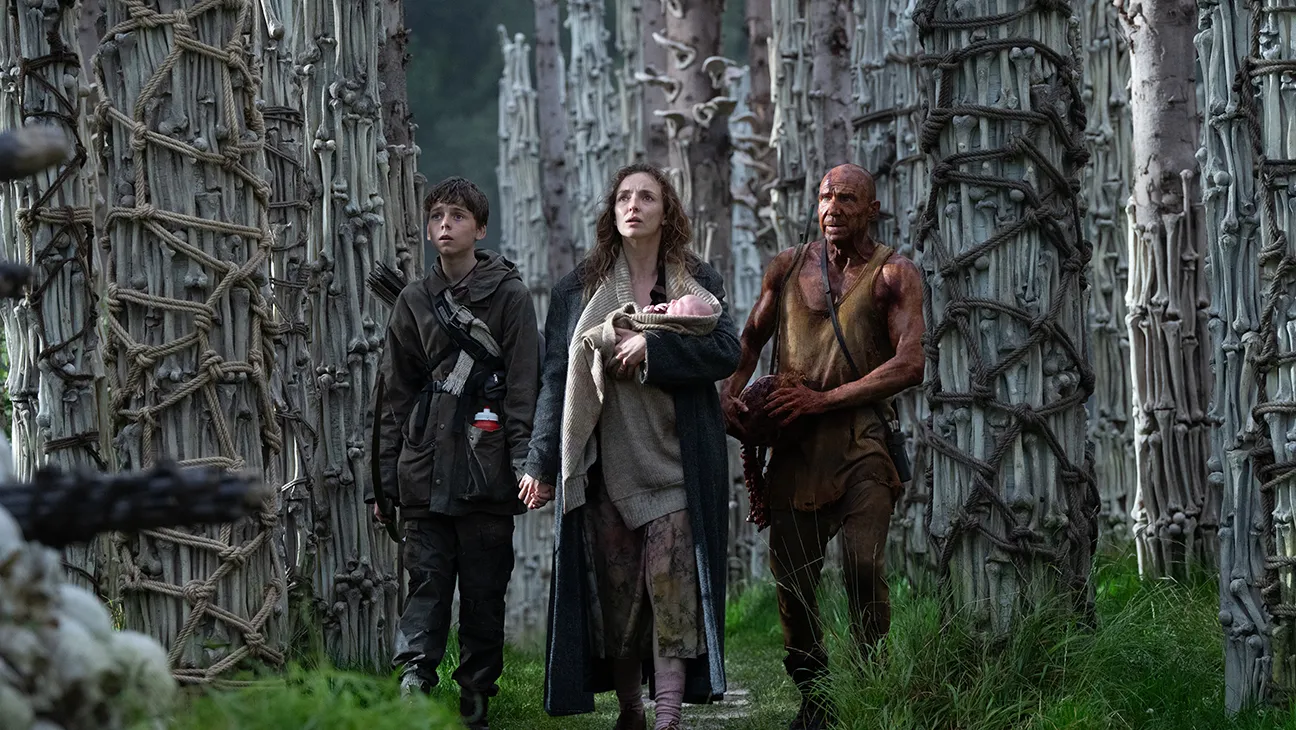
28 Years Later Review: Return of the Rage Virus and the Monster Mythos This 28 Years Later review explores how the film reawakens the chilling world of the Rage virus with a bold, genre-blending continuation that merges horror with medieval survivalist themes. Directed by Danny Boyle and penned by Alex Garland, the film is a long-awaited sequel to the original 2002 cult hit. It paints a harrowing picture of a dystopian Britain abandoned by the world and quarantined from civilization. While it dazzles with stylistic finesse and haunting adversaries, the film stumbles when it leans too heavily into sentimentality and disjointed storytelling. Post-Apocalyptic Britain in 28 Years Later: A World Rebuilt from Ruins In this 28 Years Later review, we explore how the story opens in a starkly altered Britain, where a small island community survives in near-medieval conditions, isolated from the infected mainland. The survivors, cut off for decades, have learned to live with rudimentary tools, crafting weapons from scratch and burning wood for fuel. It is in this haunting and primitive environment that we meet Jamie, played with stoic strength by Aaron Taylor-Johnson, and his ailing wife Isla, portrayed by Jodie Comer. This setting offers an evocative contrast to the fast-paced modern terror of the original film. Their son Spike is at the center of a traditional rite of passage: a hunting expedition to the infected mainland to make his first kill. But it is this journey that exposes deeper horrors, both external and internal. Zombie Horror in 28 Years Later: A Visually Striking, Intense Experience Danny Boyle proves once again that his command over kinetic visuals remains unmatched. The hunting sequences, framed with chaotic energy and visceral tension, thrust viewers directly into the chaos of a world still overrun by the virus. The infected have evolved—some crawl like beasts, others display intelligence and alarming agility. Though still technically not zombies, their horrific transformations heighten the threat level with each encounter. The infected, now dubbed “Slow-Lows” and other mutated forms, burst into geysers of blood when wounded, their bodies caked in dirt and decay. These scenes are expertly constructed, with frantic camera work and pulse-pounding urgency. Boyle’s visual language captures the primal dread of this desolate world. 28 Years Later Review: Politics, Isolationism, and Thematic Depth As noted in this 28 Years Later review, the narrative attempts to layer in political subtext, referencing a quarantined Britain left to rot while European powers enforce maritime boundaries. French and Swedish vessels patrol the waters, ensuring no one leaves or enters. This isolationist theme offers potential relevance in today’s geopolitical climate, but it’s touched on only briefly, lacking the follow-through needed to make it truly impactful. 28 Years Later Review: Family Bonds and Emotional Disconnect The relationship between Jamie, Isla, and Spike is designed to provide emotional depth. However, it often comes off as hollow, with Isla relegated to a passive, bedridden figure. Spike’s character, while central to the narrative, feels underdeveloped and emotionally flat. A bizarre twist involving a pregnant infected woman stretches plausibility, even within the horror genre’s boundaries. At its weakest, the film resembles a more stylized and ambitious cousin to other recent post-apocalyptic media, such as The Last of Us, but without the emotional gravity that made those stories resonate. Ralph Fiennes: The Undeniable Heart of the Film It’s only when Ralph Fiennes enters the narrative as Kelton—a once-doctor now perceived as a madman—that the film transforms into something deeply compelling. Painted in iodine, living in solitude on the mainland, Kelton greets the visitors with eerie politeness and haunting wisdom. He introduces them to his creation: a Memento Mori temple constructed from bones and skulls, each representing a lost soul, not a monster. As highlighted in this 28 Years Later review, Fiennes plays Kelton with eerie warmth and tragic humanity, blurring the line between madness and compassion. His presence elevates the film, making the final act more psychological and introspective. His character becomes a philosophical lens through which to view the horror, and the ambiguity of his sanity leaves a lasting impression. Artistic Symbolism and Haunting Flourishes Stylistic choices, like the recurring audio of Rudyard Kipling’s war poem Boots, add eerie historical resonance. Visions of historical conflicts flash across the screen, linking past violence with the present chaos. Yet these ambitious touches, while visually compelling, often serve more as garnish than substance, leaving thematic threads dangling. Setting the Stage for a New Trilogy “28 Years Later” is the first installment in a new trilogy. The next film, titled 28 Years Later: The Bone Temple, has already been filmed and is scheduled for release in January. With this promising title and the strong foundation laid by Fiennes’s character, there is hope that future entries will refine the narrative, strengthen emotional arcs, and fully realize the potential of this world. Final Verdict: Ambitious but Flawed “28 Years Later” is an ambitious, uneven, and often mesmerizing expansion of its iconic predecessor. It melds striking visuals, grotesque horror, and philosophical musings into a unique cinematic experience. While the emotional threads and political undertones may not land as effectively as intended, the film remains a must-watch for fans of the genre, buoyed by Ralph Fiennes’s magnetic performance.

Read More

Sea Turtle Nesting in Florida: Melbourne Beach’s Vital Role

Florida’s Coastal Refuge for Sea Turtle Nesting Sea turtle nesting in Florida reaches its peak at the Archie Carr National Wildlife Refuge, located just 90 minutes from the bustle of Orlando’s theme parks. Stretching across 33 kilometers of pristine coastline between Melbourne Beach and Wabasso Beach, this vital ecological sanctuary hosts one of the world’s largest nesting populations of loggerhead, green, and leatherback sea turtles. Despite growing tourism and residential development nearby, the refuge remains a critical stronghold where sea turtles return year after year to lay their eggs. How Sea Turtle Nesting in Florida Endures at Melbourne Beach From the dunes overlooking Melbourne Beach, one might glimpse the serene Atlantic, unaware of the dynamic natural processes taking place beneath the surface. Sea turtle nesting in Florida is especially active here, with green sea turtles gliding just offshore while hundreds of nests lie hidden beneath the sand. This region is one of the most important hubs for sea turtle nesting in Florida, where conservation efforts have maintained a delicate balance between nature and human activity. Few places highlight the success of protecting wildlife better than this coastal refuge, making sea turtle nesting in Florida a powerful symbol of coexistence. The Refuge That Redefines Sea Turtle Nesting in Florida Named after sea turtle biologist Dr. Archie Carr, the refuge was established in 1991 as a collaborative conservation zone blending protected lands with privately owned property. It doesn’t segregate humans from wildlife but instead fosters their coexistence. Rows of pastel beach homes line the shore, yet turtles keep returning in record numbers. Witnessing Sea Turtle Nesting in Florida: A Night Tour Experience To better understand this coexistence, I joined a guided sea turtle nesting tour. These tours, regulated by state permits and limited in size, begin with educational sessions before scouts lead participants onto the beach under cover of night. Sea turtles, especially females preparing to nest, are highly sensitive to light and sound. As a result, nighttime beachgoers must adhere to strict rules to minimize disruption. When a female turtle emerges, digs a nest, and begins laying eggs, she enters a trance-like state. During this time, observers can quietly watch her ancient ritual up close. It is a powerful moment, connecting modern humans with a process that has been occurring for over 100 million years. Threats to Nesting and Survival Despite the refuge’s protections, challenges persist. Light pollution, coastal construction, and human interference all threaten nesting success. Female turtles instinctively return to the same beaches where they were born. However, excessive lighting or artificial barriers such as sea walls and groynes can deter them from nesting. In some cases, turtles may abandon nesting altogether, releasing their eggs into the sea—where survival is impossible. Even among successfully laid eggs, the odds are grim. Only about 1 in 1,000 hatchlings reach adulthood. Disorientation from light and being blocked by man-made structures are leading causes of early mortality. Smart Conservation: Laws and Lights To counter these threats, conservationists have implemented stringent lighting ordinances. Private homes must install low, shielded lights that emit long wavelengths, which are less visible to turtles. During the nesting season (March to October), beaches must remain dark and quiet at night. Beachgoers are prohibited from using flashlights or phone lights, and guided tours are the only sanctioned nighttime activity. These efforts are working. When turtle surveys began in 1983, only about 13,000 nests were documented. By 2023, that number exceeded 44,000. The refuge is now considered to have the highest number of loggerhead turtle nests in the world. Conflicts and Cooperation Although most residents and visitors are compliant, tensions still arise. On the tour I joined, a nesting turtle was scared off by a group of fishermen using bright lights. Rangers quickly intervened, and the group agreed to reduce the disturbance. While many tourists respect the rules, others may resist. Some local volunteers have faced backlash when asking night beachgoers to dim their lights. Short-term rentals like Airbnbs are often less compliant due to absent property owners. The Power of Community-Based Conservation The Archie Carr model shows how development and wildlife can coexist. Rather than isolating nature in remote parks, this refuge integrates it within human communities. Local education, volunteer involvement, and government investment have helped shape a conservation culture where sea turtles are respected. Guided nesting tours play a crucial role. They allow people to witness the turtles without harming them, fostering a deeper understanding and emotional connection. The revenue generated and the attention drawn to the refuge reinforce its importance and drive continued support. Beyond Turtles: A Biodiverse Sanctuary The refuge doesn’t just protect turtles. During my daytime visit, I encountered yellow rat snakes, bobcat claw marks, burrowing crabs, tortoises, and thriving mangrove forests. Coyotes, manatees, and rabbits also call this habitat home, forming an intricate web of biodiversity. A Turtle Named Jolene Later that night, after the initial turtle was scared off, we met another. A loggerhead we affectionately named Jolene emerged from the waves, dug her nest, and began laying eggs. The group watched in reverent silence as she performed her ancient task. Jolene will likely return to nest multiple times this season. Before crawling back to sea, she carefully camouflaged her nest by scattering sand and disturbing the surface to confuse predators. She paused at the water’s edge, then vanished into the Atlantic. Her hatchlings, if they survive, may return to this same beach in decades to come. A Legacy Worth Protecting Sea turtles are survivors from the time of dinosaurs. Yet today, it is not natural predators or extinction-level events that threaten them, but human activities. Places like the Archie Carr National Wildlife Refuge demonstrate that with proper planning, laws, and respect, humans and ancient species can share the shoreline. As modern development presses ever closer, this Florida sanctuary remains a hopeful example of conservation that works—where a loggerhead turtle can return to a dark, quiet beach to do what her ancestors have done for millennia.

Read More