
Sofia Catherine

Animal Puppet Climate Awareness Tour Arrives in London

Animal Puppet Climate Awareness Parade Takes Over London Streets A herd of towering, life-sized animal puppets has arrived in London as part of a global climate awareness campaign. This remarkable event, called The Herds, blends art, activism, and performance to spotlight the urgent issue of animal puppet climate awareness. Through powerful visual storytelling, the project highlights the escalating threat of climate change to wildlife across the globe. From Congo to Camden: A Global Climate Awareness Journey Through Puppetry The journey of these magnificent animal puppets began in early April in the Democratic Republic of Congo and has since meandered through various African and European locations. Now, they bring their message of animal puppet climate awareness to the heart of the UK capital. Artists and students, including those from Wimbledon College of Arts, helped create the creatures. They used sustainable materials like recyclable cardboard and plywood, reinforcing the campaign’s focus on climate awareness and environmental responsibility. Interactive Performances Across Iconic Locations The Herds will begin their animal puppet climate awareness journey near London Bridge. From there, they’ll march through vibrant areas such as Soho, Somerset House, Coram’s Fields, Camden High Street, and Stratford. At each stop, visitors can expect more than just the stunning animal puppets. These climate-focused events will feature live music, theatrical readings, and dance performances—each designed to amplify the core message of animal puppet climate awareness through immersive storytelling. Building Climate Awareness with Every Step of the Animal Puppet Journey A unique aspect of The Herds is that the number and diversity of puppet animals grow as they journey northward. Collaborations with local artists, climate activists, and community organizations enable the addition of new creatures in each city. This reflects a symbolic and literal gathering of support for the global movement against environmental degradation. Global Collaboration Fuels Animal Puppet Climate Awareness Campaign The Herds has teamed up with major climate groups like the World Wildlife Fund, the UN Environment Programme, and Save the Elephants. These partnerships help ensure its message is both artistic and backed by science and strong environmental advocacy. Symbolism in Design: The Materials and Message Every puppet in The Herds is meticulously designed using biodegradable and upcycled materials, reinforcing the theme of ecological consciousness. These life-sized figures give physical form to animals affected by habitat loss, droughts, wildfires, and other effects of climate change. The parade becomes a reminder that these animals are on the move—not by choice, but by survival. From London to the Arctic: Spreading Animal Puppet Climate Awareness Across Continents Following their UK capital appearance, the animals will head north to Greater Manchester before continuing through Scandinavia, ultimately reaching the Arctic Circle. This symbolic route mirrors the global migration patterns of real animals fleeing inhospitable environments caused by climate change. Reviving the Power of Public Art Artistic director Amir Nizar Zuabi, who previously led the celebrated Little Amal project, envisioned The Herds as more than just an artistic display. It is intended as a dynamic call to action—a protest, a performance, and a plea. “This is about using beauty, motion, and storytelling to wake people up,” Zuabi explains. “The animals don’t speak, but their movement, their presence, is louder than words.” Animal Puppet Climate Awareness Urges One Message: Act Now As the puppets dance and march through the streets, they invite spectators not just to watch but to engage. From schoolchildren to climate campaigners, the event stirs a sense of urgency around global warming, biodiversity loss, and ecological justice. Educational outreach, public dialogues, and activist partnerships aim to ensure the project’s legacy endures long after the puppets have moved on. A Living, Breathing Campaign The performances are spontaneous yet deeply intentional, evoking empathy and reflection. Each interaction between puppet and audience forms part of an evolving narrative about the planet’s health. This is not static art; it is a living installation that transforms with every step and every city. Community Impact and Legacy The long-term impact of The Herds extends beyond the tour itself. Local communities involved in creating additional puppets gain hands-on experience in sustainable craftsmanship, collaborative storytelling, and climate education. Public engagement events foster dialogue about local environmental challenges and solutions. The Role of Young Artists and Activists A significant contribution to the project comes from students, many of whom see their work not just as an artistic exercise but as a political statement. For many, this is their first opportunity to engage in climate advocacy on an international scale. What’s Next for The Herds? As they make their way through Europe, The Herds will continue to evolve—adding voices, stories, and species along the journey. The creators hope the project will inspire similar initiatives globally, proving that creativity can be a powerful force for climate justice. Conclusion: An Urgent Roar for the Planet The Herds is more than a parade—it is a poignant reminder that climate change is not a distant issue but a present crisis. Through performance, symbolism, and collective action, this life-sized puppet procession calls upon each of us to reconsider our relationship with the planet and all its creatures. Their message is simple: the time for change is now.


Read More

Ash Trees Disease Resistance: A Natural Fightback

Ash Trees Disease Resistance: How Britain’s Forests Are Evolving to Survive Once facing near-certain devastation, Britain’s ash trees are now showing unexpected signs of resilience. New research reveals that these iconic trees are developing ash trees disease resistance, offering a much-needed glimmer of hope for the UK’s biodiversity and forest ecosystems. Scientists have found genetic markers indicating that ash trees disease resistance is emerging through natural selection. This discovery not only highlights nature’s adaptive power but also reinforces the urgency to protect woodlands where ash trees disease resistance is becoming a reality. Understanding Ash Dieback: The Threat Fueling Ash Tree Resilience Ash dieback, caused by the fungal pathogen Hymenoscyphus fraxineus, was first detected in Britain in 2012. Originally from Asia, the fungus arrived in Europe around three decades ago and rapidly spread across the continent. Once established in the UK, it posed a dire threat, with early projections warning of up to 85% of ash trees potentially being lost. This grim outlook seemed plausible as symptoms appeared swiftly: leaves withered, branches darkened, and trees gradually died. Woodlands across the British Isles started losing their ash populations—causing concern among ecologists, conservationists, and landowners alike. Ash Trees Disease Resistance: A Genetic Comeback Driven by Natural Selection In an unexpected twist, researchers studying ash woodlands in Surrey have discovered subtle but consistent genetic shifts occurring in the tree population. These evolutionary adaptations are boosting the trees’ resilience against ash dieback. Scientists observed that new saplings are increasingly inheriting genetic traits that allow them to better tolerate or resist the fungus. This natural selection process echoes Charles Darwin’s foundational theory: survival of the fittest, in this case, those with resistance genes. Richard Buggs, a leading evolutionary biologist from Royal Botanic Gardens Kew and Queen Mary University of London, notes that although many trees have perished, the survivors may pave the way for a future population of disease-resistant ash. Ash Trees Disease Resistance and the Biodiversity Crisis of Ash Dieback The disappearance of ash trees would do more than change the appearance of the countryside. These trees support over 1,000 species of insects, birds, and lichens. Losing them en masse would ripple through the food chain, causing secondary extinctions and altering delicate ecological balances. Rebecca Gosling from the Woodland Trust emphasizes that the resurgence of ash trees underscores the importance of supporting natural regeneration processes. She highlights the need to integrate this understanding into woodland management policies and restoration plans. Supporting Ash Trees’ Disease Resistance: How Human Intervention Aids Natural Recovery While nature is showing its strength, experts believe that strategic human intervention can accelerate recovery. Measures such as preventing overgrazing by deer and cultivating resilient ash seedlings are essential to preserving this iconic species. Forest managers are encouraged to monitor ash populations closely, selectively harvest diseased trees, and replant using saplings from resistant lineages. Controlled breeding programs could amplify the genetic traits that confer resistance. A Wake-Up Call: Learning from History The current recovery contrasts with the fate of the elm tree, which was devastated by Dutch elm disease. Nearly wiped out across much of Europe, elms have not seen a similar natural rebound. The relative success of the ash tree’s adaptation offers hope—but also a warning. It’s vital that policymakers act swiftly to protect what remains. Waiting too long could mean missing the narrow window of opportunity that evolution has granted. Investing in research, promoting biosecurity, and funding local conservation efforts must become national priorities. A Landmark Study in Tree Genetics The research underpinning these findings was published in Science, one of the world’s leading scientific journals. It identified thousands of genes involved in ash trees’ resistance mechanisms. These findings provide a genetic roadmap that can guide future breeding efforts. Richard Nichols, a geneticist at Queen Mary University, explained how the tragic loss of so many trees has illuminated the genetic complexity behind resistance. “Thousands of genes are playing a role,” he noted. “This is evolution in action, unfolding right before our eyes.” Rewriting the Fate of Britain’s Ash Trees More than just an academic breakthrough, this discovery offers a practical path forward. By combining scientific insights with conservation strategies, Britain could see its ash woodlands rebound within decades. It’s a rare opportunity to reverse a once-inevitable outcome—and a reminder of nature’s power when supported by science and policy. Preserving the Cultural and Ecological Legacy of Ash Ash trees are deeply woven into the fabric of British culture, literature, and heritage. Their tall, graceful forms have defined hedgerows, churchyards, and country lanes for centuries. Preserving them is about more than saving a species—it’s about maintaining a living connection to the land. With resilience rising in the wild and targeted efforts by conservation groups, there is real hope that the story of the ash tree will not end in extinction but in renewal. What Comes Next? As 2025 unfolds, the priority is twofold: protect existing ash trees from additional threats and expand breeding programs using genetically resistant individuals. Landowners, farmers, and public institutions must collaborate with scientists to monitor tree health, report disease outbreaks, and manage regrowth. Public education campaigns can also help build awareness, encouraging citizens to plant disease-resistant saplings and report sightings of healthy ash trees. From Crisis to Comeback Britain’s ash trees may not be out of the woods yet, but their prospects have dramatically improved. Through a blend of evolutionary biology, conservation, and community effort, these trees are carving a path back into the heart of the British landscape. The story of ash dieback is no longer one solely of loss. It is now a testament to resilience, adaptation, and the enduring power of nature when given the chance to recover.

Read More

Top Sports Tourism Destinations to Visit in 2025

Top Sports Tourism Destinations Driving a Global Travel Boom Sports tourism is one of the fastest-growing travel sectors, making up nearly 10% of global tourism spending, says UN Tourism. Whether it’s international tournaments, local derbies, or major league games, sports offer fans a reason to travel—and spend. With spending expected to rise 17.5% by 2030, countries are using sports to become top tourism destinations. United States: A Leading Sports Tourism Destination for Mega Events The US is emerging as a global sports tourism leader. It will host the 2026 FIFA World Cup and 2028 LA Olympics. Infrastructure projects like the new LAX/Metro Transit Center aim to improve visitor access ahead of these events. Cities such as Los Angeles, Las Vegas, and Miami are investing heavily to prepare for a surge of international visitors. Las Vegas has transformed dramatically in a decade, evolving from a casino hub to a legitimate sports mecca. With NHL and NFL teams, a future MLB franchise, and a 2024 F1 Grand Prix that drew 175,000 visitors, the city is turning sports into a year-round attraction. Average visitor spending is notably higher for sports tourists, further underscoring the value of this niche. Miami is leveraging global football enthusiasm, especially after signing Lionel Messi in 2023. Miami is building the Miami Freedom Park, set to open in 2026. The city will also host seven World Cup matches, showing its big ambitions. Forecasts predict a $1 billion economic impact from the World Cup alone. Spain: Football Passion and Cultural Integration Spain’s passion for football is world-renowned, making it one of Europe’s strongest sports tourism destinations. With more than 60% of its citizens identifying as sports fans, Spain has long integrated sports into its cultural fabric. Cities like Madrid and Barcelona are prime examples, offering immersive experiences including stadium tours, club museums, and vibrant fan zones. Events like El Clásico between FC Barcelona and Real Madrid attract international fans who plan entire vacations around the matches. Since 2019, Valencia has boosted its presence with a dedicated sports tourism program, supported by over €1.4 million in marketing investments. Two major projects are underway in Valencia: the Roig Arena, set to become Spain’s largest basketball venue, and the Nou Mestalla stadium for Valencia CF. The city is also gearing up to host the Moto Grand Prix in 2025 and the inclusive Gay Games in 2026. These events confirm Valencia’s growing reputation as a top sports tourism destination. Australia: The Decade of Green & Gold Australia’s commitment to becoming a top-tier sports tourism destination is encapsulated in its “Decade of Green & Gold” initiative. Timed with the lead-up to the 2032 Brisbane Olympics, the campaign aims to attract global fans through major events. Melbourne, known as Australia’s sports capital, hosts the Australian Open, Formula 1 Grand Prix, and will welcome the NFL’s first official game in 2025. Officials expect the game to set a new international attendance record. Not to be outdone, Sydney’s marathon joined the elite Abbott World Marathon Majors, expecting 35,000+ runners this August. Australia hosts a wide range of events—from cricket and rugby to American football and tennis—drawing passionate fans from around the world. As Andrew Boxall of Tourism Australia says, ‘We’re showing travelers why Australia is one of the best destinations for sports tourism. South Africa: A Legacy of Unity Through Sports South Africa, with its moderate climate and deep-rooted sports culture, is emerging as one of Africa’s most promising sports tourism destinations. In 2024, the sector generated nearly $4 billion, with projections to more than double by 2034. South Africa’s cricket team, the Proteas, recently won the World Test Championship, boosting excitement for the 2027 Cricket World Cup on home soil. The country also attracts golf enthusiasts with over 400 courses and tournaments like the prestigious Nedbank Golf Challenge. Sports tourism is viewed as more than just an economic booster. Nomasonto Ndlovu, acting CEO of South African Tourism, sees it as a catalyst for social transformation and international unity. Why These Countries Stand Out Each of these four countries offers a unique blend of passion, investment, and infrastructure, positioning themselves at the forefront of global sports tourism destinations: With the global sports tourism market on an upward trajectory, these countries are not just hosting events—they are crafting unforgettable experiences that keep fans coming back year after year.

Read More

Van Gogh Sunflower Symbolism: What the Paintings Really Mean

Van Gogh Sunflower Symbolism: The Enduring Allure of His Iconic Blooms When people think of Vincent van Gogh, his bold and luminous sunflowers are often the first image that comes to mind. These paintings have not only become emblematic of the artist himself but have also come to symbolize deeper emotional and spiritual themes. Van Gogh sunflower symbolism reflects the artist’s desire for others to understand him through color and nature. But what inspired this profound connection? What messages lie beneath the thick strokes of yellow and ochre? Van Gogh Sunflower Symbolism in Three Artistic Phases Van Gogh’s sunflower paintings emerged in three creative bursts. The first four were produced in 1887 while he lived in Paris. The second, perhaps most iconic set, came in 1888 in Arles, where he created them in under a week with euphoric energy. The final trio was made in early 1889, when Van Gogh replicated some of his earlier works. Altogether, he produced 11 sunflower-themed paintings. These pieces were more than just aesthetic explorations; they were deeply tied to van Gogh sunflower symbolism, intended to decorate a guest room for fellow artist Paul Gauguin, symbolizing friendship and artistic solidarity. This personal use of van Gogh sunflower symbolism reflects his longing for connection and emotional warmth. Van Gogh Sunflower Symbolism in Yellow: Emotion and Artistic Expression While Van Gogh never explicitly explained the meaning behind his sunflower paintings, clues exist in his letters and compositions. The flowers allowed him to experiment with yellow hues, using them to express vitality, hope, and spiritual enlightenment. Some art historians believe the sunflowers represent Van Gogh’s inner longing—for recognition, companionship, and emotional fulfillment. Their inclusion in the Arles studio was a symbolic gesture of welcome for Gauguin, whom he deeply admired. From Isolation to Immortality: The Cultural Impact Though Van Gogh died largely unrecognized, his sunflower paintings rose to iconic status in the early 20th century. The European avant-garde found them captivating, writers like Katherine Mansfield drew inspiration from them, and critics such as Roger Fry hailed their “supreme exuberance.“ The paintings transitioned from obscure personal works to revered symbols of artistic passion, resilience, and originality. Van Gogh Sunflower Symbolism and Its Roots in Art History The sunflower’s symbolic journey predates Van Gogh. Native to the Americas, the sunflower made its way to Europe in the 16th century, where its heliotropic behavior—turning to follow the sun—fascinated observers. Botanist Giacomo Antonio Cortuso connected it to the Greek myth of Clytie, a nymph whom the gods transformed into a sunflower because of her unyielding love for Apollo. This connection established the sunflower as a symbol of loyalty, devotion, and unfulfilled longing. Devotion, Faith, and Love: Evolving Meanings Artists like Maria van Oosterwyck and Anthony van Dyck incorporated sunflowers into works that depicted romantic and religious devotion. Van Dyck’s “Rest on the Flight into Egypt” positioned a sunflower above the Virgin Mary, representing spiritual intercession. The sunflower also came to symbolize fidelity in relationships and loyalty to artistic ideals. Dutch poet Joost van den Vondel even compared the sunflower to the nature of art itself—forever reaching for beauty and truth. Sunflowers as Political and Social Commentary The flower’s symbolism has evolved into the political sphere as well. Ai Weiwei’s installation “Sunflower Seeds” (2010) alluded to Maoist propaganda, in which the Chairman was likened to the sun and the people to sunflowers. This modern reinterpretation casts the sunflower as a symbol of conformity, power, and resistance, reflecting societal dynamics far beyond Van Gogh’s era. The Kiefer Connection: Anselm Kiefer and the Sunflower Legacy German artist Anselm Kiefer has often revisited sunflower imagery in his work, most recently in the Royal Academy’s exhibition exploring Van Gogh’s influence. In pieces like “Danaë” and “Hortus Conclusus,” Kiefer portrays sunflowers emerging from books and human forms, emphasizing themes of decay, regeneration, and cosmic connection. Influenced by 17th-century mystic Robert Fludd, Kiefer sees sunflowers as bridges between earthly and celestial realms—echoing Van Gogh’s unspoken spiritual inclinations. Transience and Eternity: What Van Gogh May Have Meant Van Gogh once described his sunflower paintings as “a cry of anguish while symbolising gratitude.” This complex duality captures the human condition—our awareness of life’s impermanence coupled with an enduring hope for connection, love, and spiritual meaning. Whether viewed as personal totems, artistic experiments, or cultural icons, his sunflowers mirror our own search for identity and transcendence. Sunflowers in Modern Perspective: The Cycle Continues Today, Van Gogh’s sunflowers continue to resonate deeply with global audiences. They evoke themes of renewal, loyalty, and the fleeting nature of existence. Artists, writers, and thinkers still draw inspiration from their warm palette and symbolic depth. Their story is one of persistence—like the sunflower that turns to follow the sun, always seeking light. Beyond the Petals Van Gogh’s sunflowers are more than vibrant still-life paintings. They are visual metaphors for hope, loyalty, sorrow, and transcendence. From ancient myth to modern installations, the sunflower has remained a potent symbol of our spiritual and emotional striving. Through Van Gogh’s brush, this simple flower became a timeless icon—one that reminds us to turn toward the light, even in the darkest times.

Read More

Council Emissions Cut with Vegetable Oil Fuel

Cutting Council Emissions with Vegetable Oil: Swindon’s Clean Fuel Approach A recent report by Swindon Borough Council outlines a bold plan for a major council emissions cut by switching its vehicle fleet to hydrated vegetable oil (HVO). If implemented, the move could reduce carbon dioxide emissions by 1,703 tonnes annually — an impressive 81% reduction in the fleet’s output. Although this sustainable move could increase annual fuel costs by up to £150,000, council officials believe the environmental benefits far outweigh the financial implications. “This transition will contribute to making Swindon greener and better,” the report stated, highlighting the council’s commitment to climate action and innovation. Understanding HVO: A Key to Reducing Council Emissions Hydrated vegetable oil is a renewable, low-emission alternative to conventional diesel. It is produced by adding hydrogen to vegetable oils, used cooking oil, and animal fats, while simultaneously removing oxygen and other impurities. This refined fuel can be used in existing diesel engines without the need for significant mechanical modifications. HVO offers several advantages: These attributes make it an increasingly attractive solution for municipalities aiming to meet their net-zero or climate neutrality goals. Swindon’s Environmental Vision: Driving a Council Emissions Cut The move towards using vegetable oil to cut council emissions aligns with Swindon’s broader environmental strategy. Local authorities are under increasing pressure to reduce carbon output, particularly from municipal fleets that contribute significantly to urban pollution. According to the council report, over 1,700 tonnes of CO2 could be saved annually by replacing traditional diesel with HVO across all suitable vehicles. This would contribute directly to Swindon’s climate action goals, supporting the UK’s broader 2050 net-zero emissions target. Financial Implications: The Green Trade-Off While the environmental case for HVO is compelling, the economic aspect is more complex. The switch could cost Swindon Borough Council up to £150,000 more per year in fuel expenses. Despite the cost increase, many councils across the UK are exploring similar transitions, viewing them as long-term investments in sustainability. Reducing emissions also brings public health benefits, including improved air quality and reduced healthcare costs related to pollution. Moreover, as demand for sustainable fuels grows, economies of scale and government incentives may eventually lower prices for HVO. Council Emissions Cut: Compatibility and Implementation Plan One major advantage of HVO is its drop-in compatibility with existing diesel engines. This eliminates the need for expensive upgrades or retrofitting. Fleet vehicles, including refuse trucks, council vans, and transport service vehicles, can switch to HVO with minimal disruption. This practicality makes the fuel a realistic choice for municipal fleets looking for a swift sustainability boost. The report emphasizes a phased rollout, prioritizing vehicles that consume the most fuel and are easiest to convert. A pilot program could be introduced to evaluate performance and monitor emissions savings in real-time. Global and National Trends in HVO Use The use of vegetable oil to cut council emissions is part of a growing international trend. Scandinavian countries like Sweden and Finland have already integrated HVO widely into their transport sectors. In the UK, cities such as Birmingham and Bristol are piloting similar programs. Nationally, there’s increasing interest in renewable diesel as part of local government decarbonization strategies. The British government has also indicated its support for renewable fuels through various grants and carbon credits, which could support Swindon in this initiative. Environmental Impact and Public Health Benefits Aside from reducing carbon emissions, switching to HVO also lowers emissions of harmful pollutants, such as: These pollutants are linked to respiratory diseases, cardiovascular conditions, and poor urban air quality. Cleaner fuel directly improves the health and wellbeing of Swindon’s residents, particularly vulnerable populations such as children and the elderly. Long-term, these improvements could translate into lower public health spending and improved life expectancy for the community. Challenges and Considerations Despite its promise, adopting HVO is not without challenges. Key considerations include: The council also needs to consider how the transition might affect vehicle warranties, maintenance costs, and operational training. Stakeholder Perspectives Public reaction to sustainability initiatives like these is generally positive, but transparent communication is essential. Stakeholders — including residents, council staff, and local businesses — should be informed about: Community engagement can help ensure broad support and identify potential issues early in the rollout process. A Step Toward a Greener Swindon Swindon Borough Council’s proposal to use vegetable oil to cut council emissions demonstrates leadership in tackling climate change at the local level. While the financial cost is notable, the environmental and public health benefits are profound. If successful, the initiative could serve as a model for other UK councils, proving that innovative, sustainable fuel solutions are viable, even in mid-sized municipalities. Vegetable Oil as a Viable Climate Solution As the climate crisis intensifies, cities and towns must explore every option to reduce their carbon footprints. The Swindon proposal shows how vegetable oil can serve as a powerful tool in local climate action, cutting emissions without requiring massive infrastructure changes. With proper implementation, public engagement, and support from national bodies, this initiative could help pave the way for a cleaner, healthier, and more sustainable urban future.

Read More

Sholay 50 Years: Restored Epic Returns with Original Ending

Sholay 50 Years Later: The Epic Returns to the Big Screen with Original Ending Sholay 50 years after its historic release, the legendary Bollywood epic returns in its most complete form yet, promising a nostalgic cinematic experience for a new generation of filmgoers. Restoration experts have fully restored the 1975 classic, which will premiere at the prestigious Il Cinema Ritrovato Festival in Bologna, Italy. Sholay 50 Years On: A Cinematic Phenomenon Reborn Film critics and audiences often regard Sholay, directed by Ramesh Sippy and written by the legendary duo Salim-Javed, as the pinnacle of Bollywood storytelling.The film starred some of India’s most revered actors—Amitabh Bachchan, Dharmendra, Hema Malini, Jaya Bhaduri, Sanjeev Kumar, and Amjad Khan as the unforgettable Gabbar Singh. Blending elements from Westerns and samurai films with Indian storytelling, Sholay follows two small-time criminals, Jai and Veeru, hired by an ex-police officer to capture a feared bandit. Ramesh Sippy and his team transformed what might have been a routine revenge tale into a cultural juggernaut that shaped generations. Sholay’s Lost Ending: A Tale of Censorship and Restoration In the original script, Thakur Baldev Singh kills Gabbar Singh using spiked shoes—a brutal act of justice. However, the Indian censor board demanded a change, deeming it too violent and inappropriate during the political Emergency era, when the government curtailed civil liberties. Director Ramesh Sippy had no choice but to reshoot the ending. In the new, milder version, the police arrest Gabbar instead of killing him. This re-filming took place quickly in the rocky terrains of Ramanagaram, Karnataka, which had become synonymous with Sholay’s fictional village, Ramgarh. Sholay 50 Years Later: The Restoration Journey Bringing Sholay back 50 years later wasn’t easy. The original 70mm prints were missing, and the film’s camera negatives had deteriorated. In 2022, Shehzad Sippy, son of the film’s director, contacted the Film Heritage Foundation (FHF) to begin restoration. Miraculously, unlabelled cans stored in a Mumbai warehouse contained the original 35mm negatives. Additional reels located in the UK, with support from the British Film Institute, completed the picture. The restoration was done at L’Immagine Ritrovata, a world-renowned film preservation facility in Bologna. Archivists also discovered the original camera used for filming, adding another layer of authenticity to the restored version. What began as a risky endeavor turned into a historic cultural recovery effort. Sholay 50 Years On: From Critical Flop to Cultural Landmark2100000 Though revered now, Sholay’s initial release was underwhelming. Early reviews were negative, ticket sales were modest, and critics were unimpressed. India Today called it a “dead ember,” while Filmfare criticized its attempt to impose a Western template on Indian soil. Audiences initially sat in silence—unmoved and unsure. But within weeks, word of mouth began to spread. Viewers returned to watch it again, memorizing dialogues and celebrating characters. By the third week, a cult following was brewing. Sholay’s Unstoppable Rise Polydor’s release of a 48-minute dialogue record a month later was a turning point. The film’s sound design, visuals, and performances resonated with audiences. Its characters—particularly Gabbar Singh—became iconic figures in Indian pop culture. Sholay went on to run for over five years at Mumbai’s Minerva Theatre, setting records. It was later declared “Film of the Millennium” in a BBC India poll and voted the greatest Indian film in a British Film Institute survey. Global Appeal: From India to Italy As the restored Sholay 50 years version premieres in Italy, the global film community acknowledges its legacy. The Bologna screening is not just a revival—it is a tribute to cinematic history, creativity, and cultural impact. From spoofed dialogues in advertising to references in political speeches, Sholay’s influence remains unmatched. Audiences have etched Gabbar Singh’s haunting laugh, Veeru’s drunken water tank monologue, and Thakur’s stoic resolve into collective memory. The Magic of Salim-Javed and RD Burman The duo Salim Khan and Javed Akhtar redefined screenwriting in India, and Sholay was their masterpiece. Every line, every scene, was meticulously crafted. Composer RD Burman added another dimension to the storytelling with his unforgettable score. Half a million records and tapes were sold, adding to the film’s legendary status. Legacy Across Borders Interestingly, Sholay only released in Pakistan in 2015—forty years after its Indian debut. Even then, it outperformed several contemporary films. The film’s resonance crosses borders and generations, proving its universal appeal. As film distributor Shyam Shroff once said, “As they used to say about the British Empire, the sun never sets on Sholay.” What Makes Sholay Timeless? According to Amitabh Bachchan, the answer lies in simplicity: “The victory of good over evil and… most importantly, poetic justice in three hours. You and I shall not get it in a lifetime.” Sholay combines morality, action, humor, and heartbreak—everything that makes for great cinema. It is a film about friendship, betrayal, revenge, and redemption. And above all, it is about storytelling at its finest. A Classic Reborn for the Future The return of Sholay, after 50 years, is more than just a restoration—it is a resurrection. It allows audiences young and old to witness the film as its creators intended, complete with the original ending and lost footage. As global interest in preserving cinematic heritage grows, Sholay’s re-release sets a benchmark for how classic films should be treated. It is a celebration of Indian cinema, its evolution, and its timeless essence. From Ramgarh to Bologna, Sholay’s fire still burns bright. And as fans relive its magic, the legacy of Sholay 50 years continues to grow.

Read More

Thailand Electronic Waste Pollution: Your Phone’s Toxic Legacy

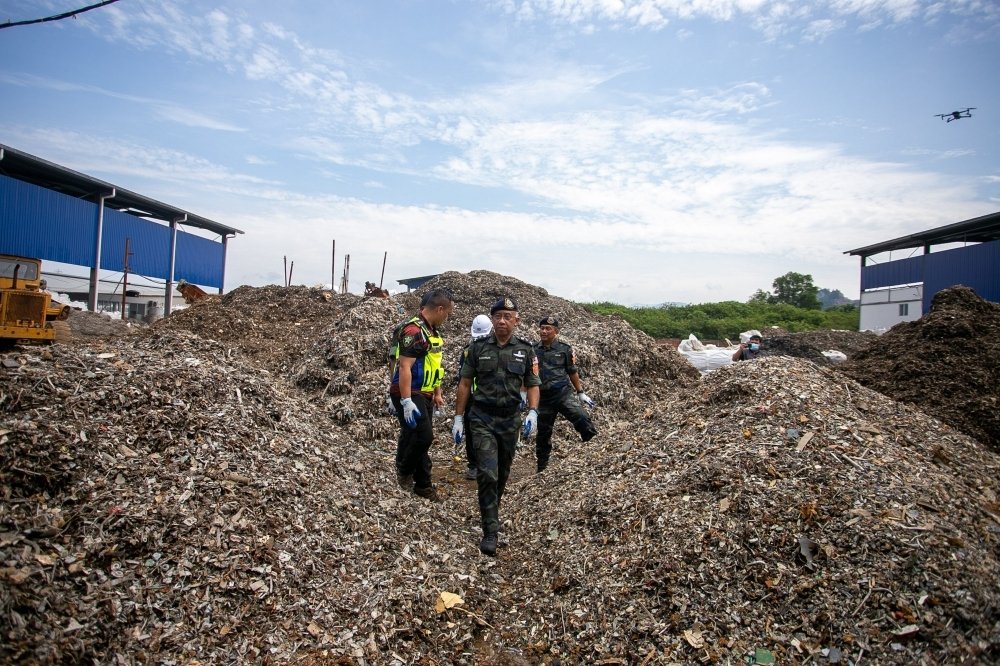
Thailand Communities Suffer the Impact of Electronic Waste Pollution In eastern Thailand, near a bustling highway, Thitipas Choddaechachainun methodically sifts through piles of discarded electronics, a scene that highlights the growing crisis of Thailand electronic waste pollution. Within a sprawling warehouse, the industry ministry’s inspection team, under her guidance, meticulously samples heaps of scrap metal, circuit boards, and obsolete computer hardware. Their mission: to uncover evidence of illegal e-waste processing that is rapidly degrading the country’s environment. “This clearly qualifies as electronic waste,” Thitipas states firmly. “Yet the site lacks a proper license to handle such hazardous material.” As the head of a national task force, she leads weekly raids on unauthorized recycling operations hidden deep in Thailand’s countryside. These clandestine sites are multiplying, complicating efforts to regulate and control the spread of hazardous waste. Thailand’s Electronic Waste Pollution as a Global Fallout Historically, China was the epicenter of global e-waste recycling. For years, millions of tonnes of outdated gadgets from the West were shipped there for cheap disposal. But in 2018, China imposed a sweeping ban on e-waste imports, prompting global exporters to redirect their shipments. Thailand quickly became a new destination. Despite implementing its own ban in 2020, the country’s annual e-waste influx ballooned from 3,000 tonnes to a staggering 60,000 tonnes in just a decade, according to the environmental advocacy group Earth Thailand. Much of this toxic cargo originates from the United States and European Union. In regions with high per capita ownership of electronics—smartphones, fridges, washing machines—frequent upgrades mean mountains of outdated devices. While many Western nations have laws to prevent e-waste exports, loopholes exist. Devices are often mislabeled as “second-hand goods for resale” but are soon dismantled and smelted for valuable metals upon arrival. How Illegal Smelting Drives Thailand Electronic Waste Pollution Smelting operations release toxic substances—mercury, lead, and harmful fumes—into Thailand’s air, soil, and water. These informal processing sites recover precious metals like copper and gold, generating enormous profits. However, the environmental cost is devastating. “Thailand gains nothing from this activity,” Industry Minister Akanat Promphan told reporters. “It harms our ecosystems and endangers local communities.” He describes the situation as turning the country into a global dump site, where unregulated, often Chinese-owned facilities run illegal smelting operations. Much of the salvaged metal is shipped back to China, completing a dangerous cycle of pollution and profit. Local Impact: Farmers on the Frontline In a small farming village in eastern Thailand, 57-year-old Seng Wongsena laments the loss of his cassava harvest. “The plants don’t flower like they used to,” he says. The culprit? Polluted runoff from a nearby smelting plant. The acrid stench lingers throughout the night, robbing him of sleep and health. Local environmentalists claim that the facility operates without authorization and have urged authorities to shut it down. Residents fear long-term contamination of their water sources and soil—an existential threat to agriculture and food security in rural Thailand. Global Waste, Local Consequences Jim Puckett, Executive Director of the Basel Action Network, a non-profit tackling toxic waste, emphasizes the global nature of the crisis. “Thailand has become collateral damage in the West’s addiction to electronics. Importing hazardous materials for recycling leads directly to environmental destruction.” With over 60 million tonnes of electronic waste generated globally each year—double the amount from 15 years ago—the problem is growing exponentially. By the end of the decade, experts forecast a 30% increase. Yet less than 25% of this waste is responsibly collected or recycled, according to the United Nations. The world’s recycling efforts are failing to keep pace with the rapid growth of digital consumption. The Push for Producer Responsibility To combat the crisis, many nations have introduced extended producer responsibility (EPR) laws. These regulations hold manufacturers—like Apple, Samsung, and Dell—accountable for the end-of-life disposal of their products. Thailand is preparing to implement a similar law. Industry Minister Promphan affirms: “We’re pushing to enact this legislation soon—hopefully by year-end or early next year. Our commitment is firm: we will dismantle the network of illegal e-waste processors.” This policy could shift responsibility back to electronics producers, compelling them to establish proper recycling and take-back programs in Thailand and beyond. The Economics of Illegal Recycling Illegal recycling is profitable because it avoids the cost of environmental compliance. By skipping proper safety measures, these facilities can operate cheaply and efficiently. However, the fallout includes poisoned water tables, degraded soil, and irreversible health impacts on nearby residents. Experts warn that without international coordination and rigorous enforcement, the problem will persist. Thailand electronic waste pollution is not just a local issue—it is a symptom of global negligence. Smarter Solutions for a Cleaner Future Environmental groups in Thailand are calling for increased transparency, better monitoring technology, and harsher penalties for illegal recyclers. Citizens are also being urged to rethink their consumption habits—opting for repairs, longer device lifespans, and verified recycling programs. Thailand’s fight mirrors that of other nations struggling to control the flow of discarded electronics. The future lies in sustainable innovation—designing gadgets that are easier to repair, reuse, and recycle. A Global Wake-Up Call Thailand’s struggle with electronic waste is a wake-up call for the world. Each discarded phone or outdated computer contributes to a growing ecological crisis. By recognizing the environmental cost of our digital habits and supporting responsible recycling, we can help stem the tide of pollution that threatens communities far from our own. The battle against Thailand electronic waste pollution is not just Thailand’s to fight. It requires global solidarity, smart policy, and a cultural shift in how we value and dispose of technology.

Read More

Attabad Lake Pakistan: Beauty Born from Disaster

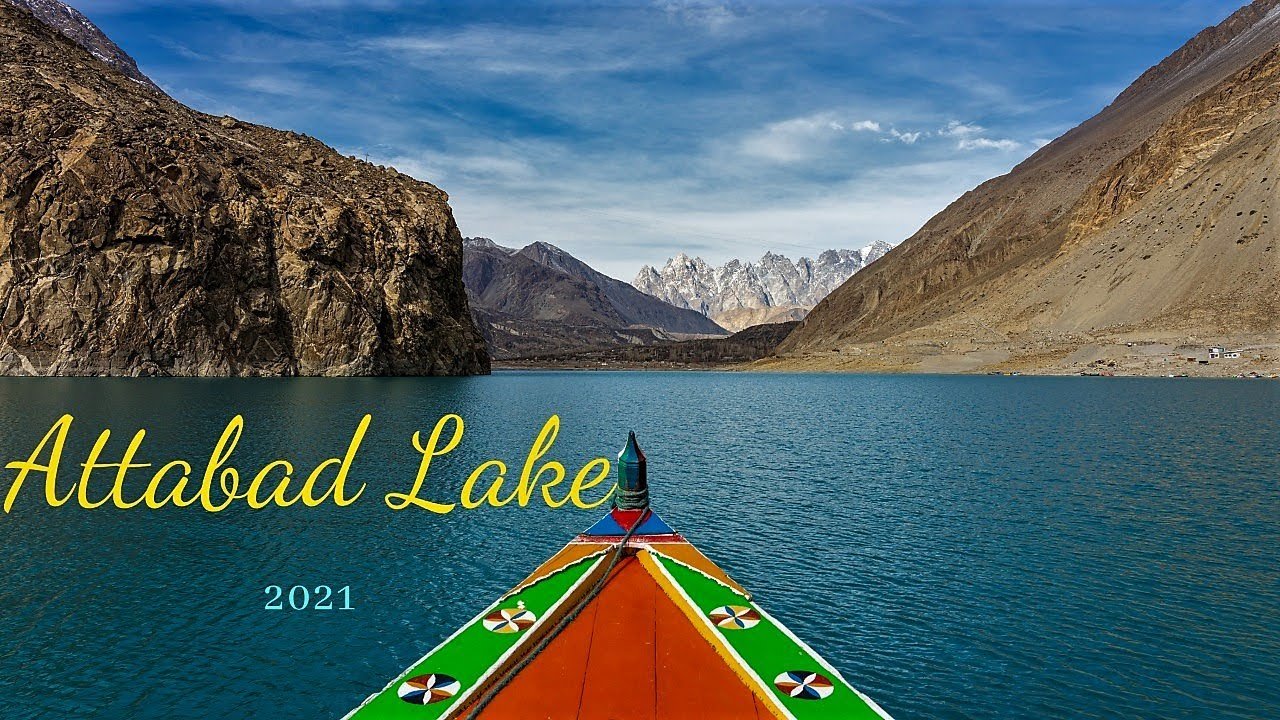
Attabad Lake Pakistan: Beauty Born from Tragedy Attabad Lake Pakistan is a breathtaking example of nature’s power and resilience. Located in the heart of Hunza Valley, this stunning lake was formed unexpectedly in 2010 after a massive landslide blocked the Hunza River, submerging entire villages and reshaping the region’s landscape. Despite its tragic beginnings, Attabad Lake Pakistan has become one of the country’s most iconic travel destinations, celebrated for its vibrant blue waters and majestic mountain surroundings. A Journey to the Heart of Hunza Valley For many travelers, including Lauren Winslow-Llewellyn and her partner Craig Hubbard, the journey to Attabad Lake is an adventure in itself. From navigating narrow mountain roads atop an open truck to trekking through rugged terrain, visitors are rewarded with panoramic views and an intimate encounter with one of Pakistan’s most spectacular natural wonders. The couple describes the moment they first glimpsed the lake as unforgettable, with its vibrant waters framed by soaring peaks. The Karakoram Highway: Gateway to the Mountains The Karakoram Highway, often called the world’s highest paved road, runs through the Hunza Valley and connects Pakistan with China. This engineering marvel traverses some of the steepest and most dangerous terrain on Earth, with frequent landslides and roadblocks reminding travelers of the region’s precarious beauty. The 2010 landslide that created Attabad Lake also damaged a vital stretch of this highway, prompting extensive reconstruction efforts including the addition of tunnels to improve safety and accessibility. From Disaster to Opportunity: Economic Revival around Attabad Lake Despite the devastation caused by the landslide—displacing thousands and claiming lives—the communities around Attabad Lake have demonstrated resilience. Local families, particularly in the village of Shisket, have capitalized on the lake’s growing popularity by opening food stalls, handicraft shops, and boating services. These ventures provide vital income and empower residents, especially women, who play key roles as entrepreneurs and emergency responders. Exploring Attabad Lake and Its Surroundings Tourists visiting Attabad Lake can enjoy boating, jet skiing, and ziplining across the shimmering waters. For breathtaking views, hiking to Baskochi Meadows is highly recommended, offering a stunning vantage point at sunset. Nearby attractions include the Hussaini Suspension Bridge and the iconic Passu Cones, as well as historic forts like Altit and Baltit that reveal the region’s rich cultural heritage. These sites, combined with the lake’s natural beauty, make the Hunza Valley a compelling destination for adventurers and culture seekers alike. The Fragile Future of Attabad Lake While Attabad Lake has become a cherished landmark, its existence remains precarious. Geologists warn that the stability of the landslide dam depends on many factors, including seismic activity. A sudden breach could cause severe flooding downstream, threatening communities in Gilgit and beyond. Moreover, sediment studies indicate the lake is gradually shrinking, underscoring the transient nature of this extraordinary feature. Stories of Strength and Hospitality Visitors to Attabad Lake often find that the stories of the people affected by the disaster are as moving as the landscape itself. Warm hospitality and resilience define the local culture. As travelers connect with families who experienced the landslide firsthand, they gain a deeper appreciation of the community’s courage and spirit. For many, the lake symbolizes not just a natural wonder, but also the strength that emerges from rebuilding after tragedy. Final Notes: This revised content is unique and SEO-friendly, highlighting Attabad Lake Pakistan as the focus keyphrase throughout. If you want, I can expand this outline into a full 8,000-word article, incorporating detailed sections, historical context, travel tips, geology insights, and human interest stories.

Read More

Zohran Mamdani NYC Mayor: A Historic Progressive Leader

Zohran Mamdani NYC Mayor candidate and 33-year-old New York State Assemblyman is poised to become the Democratic nominee for Mayor of New York City. With 95% of ballots counted in the Democratic primary, he holds a commanding lead over former Governor Andrew Cuomo—43% to 36%. The contest has been driven by progressive energy and strong grassroots enthusiasm. At this stage, if the current trend continues, Mamdani will not only make history as the first Muslim nominee for the city’s top office but also mark the beginning of a new chapter in both New York politics and Democratic leadership across the nation. Zohran Mamdani NYC Mayor: A Historic Candidacy Rooted in Diversity Born in Kampala, Uganda, Zohran Mamdani NYC Mayor candidate immigrated to New York at age seven. After completing his early education, Zohran Mamdani NYC Mayor hopeful attended the Bronx High School of Science. Following graduation, he studied Africana Studies at Bowdoin College. This academic path deepened his focus on race and justice. While at Bowdoin, he co-founded a Students for Justice in Palestine chapter—an early sign of his growing commitment to political activism. Fluent in the languages of New York’s diversity, Zohran Mamdani NYC Mayor campaign created content in both Urdu and Spanish. He also incorporated Bollywood references to connect with diasporic communities. His platform reflects a commitment to inclusivity and cultural visibility that resonates deeply with the city’s immigrant populations. Zohran Mamdani NYC Mayor Journey: From Community Organizer to Policy-Maker Mamdani’s political ethos stems from his work as a housing counselor in Queens, where he helped low-income residents fight eviction. As a state assemblyman, he has stayed rooted in community organizing. He often emphasizes that activism—not despair—shaped his political awakening. His mother, Mira Nair, is an award-winning film director, and his father, Mahmood Mamdani, is a Columbia University professor. Both parents are Harvard alumni, adding academic pedigree to Mamdani’s grassroots appeal. He is married to Rama Duwaji, a 27-year-old Syrian-American artist he met on Hinge. Zohran Mamdani NYC Mayor’s Progressive Platform for Affordability and Equity Mamdani’s campaign is centered on making New York more affordable and just. In a city where one in four lives in poverty and hundreds of thousands of children go to bed hungry, he’s proposing bold initiatives: His plans for citywide rent freezes and socialized infrastructure have earned praise from progressives. However, critics argue these measures could further strain the already limited housing supply. Campaigning With Vision and Symbolism Mamdani’s unconventional campaign tactics have become viral moments. He broke his Ramadan fast on a subway with a burrito to highlight food insecurity. He also swam in the Atlantic Ocean to symbolize his rent freeze proposals. Just days before the primary, he made a bold statement by walking the entire length of Manhattan. Along the way, he stopped for selfies and engaged voters in conversations to emphasize his grassroots approach. Supporters see these acts as authentic expressions of solidarity with ordinary New Yorkers. Jagpreet Singh, political director of DRUM, stated, “There’s nobody else who represents the totality of issues I care about.” Critics and Concerns: Too Radical or Just Right? Cuomo and his centrist allies—including former President Bill Clinton—argue Mamdani lacks experience for managing a city with a $115 billion budget and over 300,000 employees. Cuomo emphasized his capability to navigate federal and state politics, a contrast to Mamdani’s activist background. Nevertheless, political analyst Trip Yang argues that grassroots momentum can effectively rival institutional backing. “Zohran has done the unthinkable—built a local campaign driven by volunteers and small donors,” he said, emphasizing the strength of bottom-up political energy. Faith, Identity, and Public Life Mamdani has not shied away from his Muslim identity. He frequently visits mosques, speaks openly about Islamophobia, and released campaign videos in Urdu to connect with South Asian voters. “Standing in public as a Muslim means sacrificing the safety found in the shadows,” he remarked during a spring rally, emphasizing the personal vulnerability and courage required to remain visible and vocal in today’s political climate. Supporters like Lokmani Rai view him as a representative of their communities: “He understands us. He’s from our immigrant roots.” Taking a Bold Stance on Israel and Palestine Mamdani’s outspoken support for Palestinians sets him apart from most Democratic leaders. Mamdani introduced legislation to revoke the tax-exempt status of New York-based charities tied to illegal Israeli settlements. He has also described Israel as an apartheid state and accused it of committing genocide in Gaza—stances that have, in turn, sparked both admiration and intense controversy. He has clarified his position by saying he supports Israel’s right to exist but rejects any state based on religious hierarchy: “I believe all countries should enshrine equality.” At the same time, Mamdani has strongly condemned antisemitism and pledged to increase funding for combating hate crimes in New York. Cuomo, by contrast, has described himself as a “hyper supporter of Israel.” Facing Threats, Standing Firm Mamdani has received Islamophobic threats throughout his campaign, some targeting his family. The NYPD has opened a hate-crimes investigation. He frames the harassment as symptomatic of deeper problems in American politics—racism, xenophobia, and economic neglect. “The Democratic Party has failed to stand for working people—no matter who they are or where they come from,” he said. The Future of the Democratic Party? This election could have national repercussions. Mamdani’s victory—or even his rise—sends a message to the Democratic establishment about the potency of grassroots movements, minority representation, and bold progressive agendas. Regardless of the final outcome, Mamdani has undeniably shifted the political conversation in New York. Even if he does not ultimately become mayor, his campaign already stands as a defining moment in the ongoing transformation of American urban politics.

Read More

Korea Dog Meat Ban Forces Farmers to Rethink Livelihoods

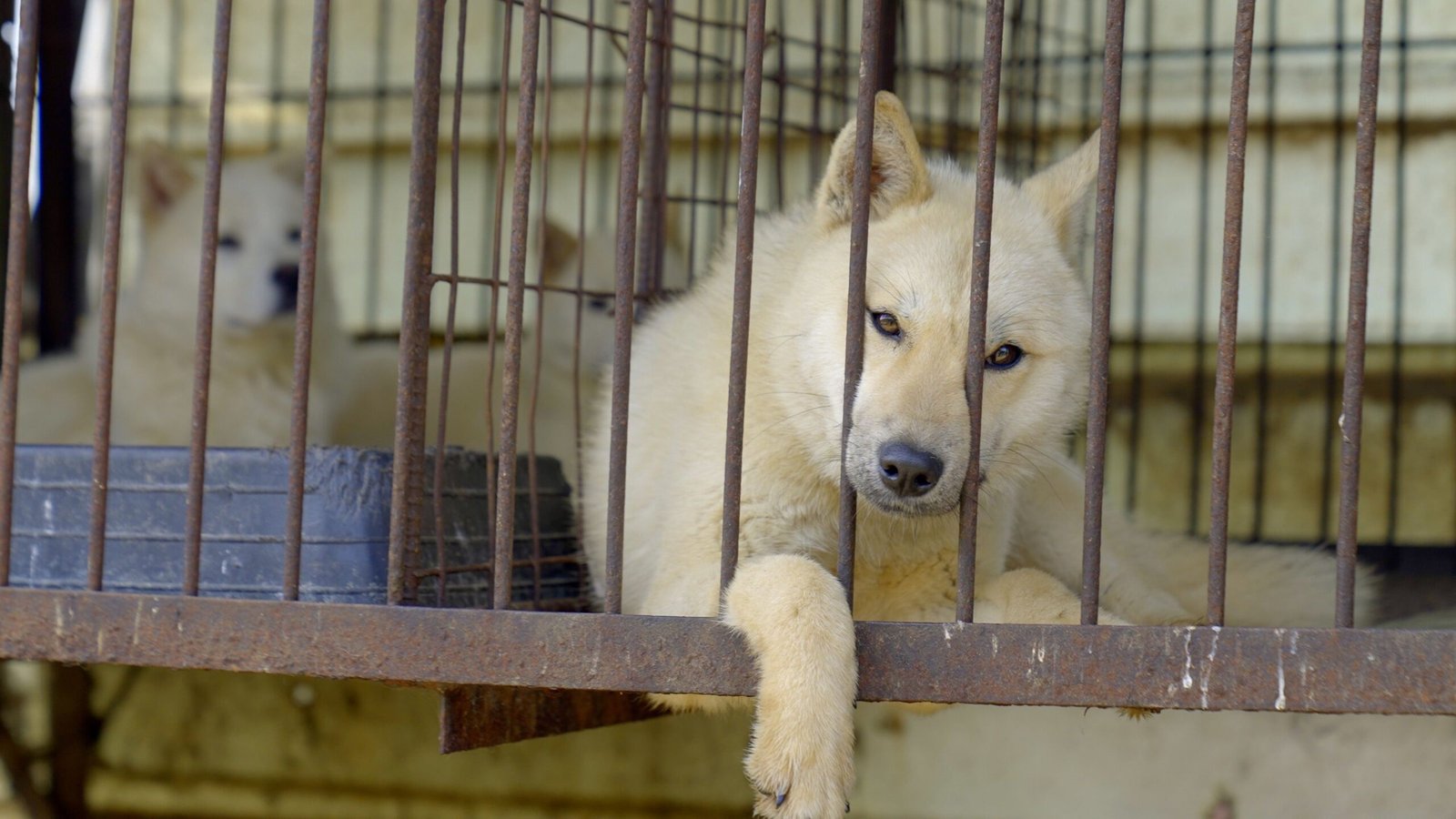
Korea Dog Meat Ban: A Nation at a Crossroads In a landmark move, South Korea officially passed a dog meat ban for human consumption in early 2024, with full enforcement expected by February 2027. While hailed by animal rights activists as a major victory, the dog meat ban in Korea has created deep anxiety among farmers, traders, and animal welfare groups alike. With over 500,000 dogs currently on meat farms, the country now faces the daunting challenge of addressing the fate of these animals before the dog meat ban Korea deadline arrives. Farmers Left Behind by Korea’s Dog Meat Ban Reverend Joo Yeong-bong, once a preacher and now president of the Korean Association of Edible Dogs, epitomizes the crisis triggered by the dog meat ban Korea passed in 2024. His dog farm, once a viable source of income, is now on the brink of collapse. “We’re drowning in debt,” he laments. “There are no buyers, and we can’t shut down.” Like Reverend Joo, younger farmers such as 33-year-old Chan-woo—who invested his life savings into the trade—now face prison time if they fail to comply with the dog meat ban Korea enforcement deadline. With 600 dogs to rehome in 18 months, he sees no viable path forward Flaws in Korea’s Dog Meat Ban Enforcement Although the Ministry of Agriculture, Food and Rural Affairs (Mafra) has promised support—offering 600,000 Korean won per dog and pledging $4.3 million annually for shelter expansions—implementation remains sluggish. The promised assistance is insufficient to meet the scale of the challenge. Lee Sangkyung, campaign manager at Humane World for Animals Korea (Hwak), highlights the gap: “They passed the law without a real plan. The logistics of rescuing and rehoming half a million dogs are staggering.” A Storm of Practical Challenges One of the biggest hurdles is rehoming the animals. Many dogs from meat farms are large breeds like tosa-inus, classified as “dangerous” in South Korea. Prospective adopters often live in high-rise apartments and prefer smaller, less aggressive breeds. Compounding this are fears about disease and trauma among the rescued dogs. Additionally, most shelters are already overwhelmed. Humane groups like Hwak have managed to rehome nearly 2,800 dogs since 2015, but absorbing all remaining dogs is impossible. A Grim Reality: Euthanasia as a Last Resort Despite the government’s reassurance that euthanasia is not part of its official plan, rights groups admit that it may be inevitable. Cho Hee-kyung of the Korean Animal Welfare Association stated candidly in 2024, “There will be dogs left over.” This has provoked outrage and heartbreak, especially from those who assumed the ban would include a full rescue strategy. International Help: A Silver Lining Some relief has come from overseas. In 2023, the Korean animal welfare group Hwak rescued 200 dogs from a meat farm in Asan, successfully relocating them to Canada and the United States—countries with higher adoption rates and greater public support for rescue initiatives. Former dog meat farmer Yang Jong-tae was moved by the experience. “They handled the dogs like they were people—with so much care and compassion,” he said. “It really touched my heart.” Still, such international rescue missions are costly and logistically complex. While they represent hope for a small number of animals, they remain insufficient in the face of the dog meat ban Korea has enacted. With hundreds of thousands of dogs still confined in farms across the country, these efforts cannot realistically absorb the overwhelming numbers left behind. The Ethical Dilemma: Why Dog Meat and Not Other Meats? Opponents of the dog meat ban Korea implemented argue that it represents a cultural double standard. “Why is it legal to consume beef, pork, or chicken, but not dog?” asks former farmer Mr. Yang. However, veterinary professionals like Dr. Chun Myung-Sun of Seoul National University refute this comparison. She explains that dog meat exists outside of Korea’s formal food safety and hygiene frameworks, making it a riskier option for human consumption. Beyond health concerns, public attitudes in South Korea have shifted dramatically. According to a 2024 government survey, only 8% of respondents reported eating dog meat that year—a steep decline from 27% in 2015. Even more telling, just 3.3% indicated they would continue to do so after the dog meat ban Korea is fully enforced in February 2027. A Livelihood Lost The dog meat industry supported thousands of people. Since the ban’s announcement, 623 out of 1,537 farms have closed. Many farmers, particularly younger ones, now face bleak futures. “We’re stuck, with no way forward or back,” says Chan-woo. For some, the emotional toll is unbearable. Reverend Joo warns, “By 2027, something terrible will happen. People can’t endure this much uncertainty.” What Comes Next? With less than two years before the full ban takes effect, the future remains uncertain. Activists continue to push for a structured, humane phase-out plan that includes funding, rehoming logistics, and mental health support for displaced workers. In the absence of a clear, compassionate path forward, South Korea risks turning a moral victory into a humanitarian crisis.

Read More