Sofia Catherine

Squid Game Reality: How a Korean Drama Reflects Real Life

Squid Game South Korea reality” is more than just a trending topic — it’s a reflection of a harsh truth. As the cultural juggernaut comes to an end with its third and final season, global fans are saying goodbye to the blockbuster Korean drama. But in South Korea, viewers are reflecting on something far deeper: the real-life struggles and societal inequalities that inspired the show’s dark, dystopian narrative. Squid Game Reality Check: A Dystopia That Mirrors South Korean Society The premise of the show may be fictional, but the world it reflects is grounded in truth. Squid Game South Korea reality exposes the widening social inequality, cut-throat job market, and crushing academic pressure that many citizens face daily. These intense challenges form the backdrop of the series and resonate deeply with South Korean audiences. For instance, Gi-hun, the main character, is a laid-off car factory worker — a direct reference to the real 2009 SsangYong Motor plant strike. Through his struggles and those of others in the game, Squid Game South Korea reality becomes a mirror of the country’s ongoing socio-economic crisis. Squid Game Reality in Characters: When Fiction Echoes Real Lives From migrant workers to salarymen and crypto con artists, the characters feel plucked straight from Korean life. Their desperation and vulnerability highlight a system where many feel trapped with no real escape — a theme that resonates strongly with viewers in a country grappling with precarious work and declining birth rates. Celebrations and Symbolism: Squid Game’s Global Send-Off Despite the bleakness, the series was celebrated with grandeur. A massive parade in Seoul featured iconic motifs like the killer doll and the masked guards, blending pop culture with deeper social messaging. This spectacle signifies how the show became not just entertainment, but a mirror held up to society. The Power of K-Content: Beyond Entertainment to Influence South Korea’s government has eagerly embraced Squid Game as a cultural export, adding it to a portfolio of global hits like BTS and Parasite. Newly elected President Lee Jae Myung has expressed interest in using K-culture as soft power to promote the nation’s global image. A Possible Spin-Off? Squid Game’s Influence Reaches Hollywood The final scene, featuring Cate Blanchett engaging in a traditional Korean game in Los Angeles, has ignited speculation about an American continuation. While the Korean series ends, its themes and influence may just be getting started. Ending on Controversy: Gi-hun’s Sacrifice Divides Audiences The finale saw protagonist Gi-hun make the ultimate sacrifice, a plot twist that polarized audiences. While some viewers criticized the act as unrealistic or overly altruistic, others interpreted it as a powerful statement on humanity’s enduring capacity for kindness amidst cruelty. Creator Responds to Feedback: Expectations Were Sky High Show creator Hwang Dong-hyuk acknowledged the mixed reactions to the final season. The absence of surprise, unlike in season one, and varied audience expectations — from more games to character development — made it a challenging project. Kindness in a Cruel World: A Philosophical Takeaway Despite the violence and cynicism portrayed in the series, many South Koreans found solace in its underlying message: that compassion can still shine through in dark times. For viewers like Jeong Cheol Sang, the ending wasn’t about winning or losing, but about human dignity and moral choice. Squid Game Ends, But Its Message Lingers As the global phenomenon wraps up, its real achievement lies in how it reflected South Korea’s socioeconomic fault lines. The show’s gritty realism, emotional depth, and cultural symbolism will continue to spark conversations — long after the final game ends.


Read More

Hot Dog History: The Birth of America’s Favorite Snack

Coney Island Origins: The Beachside Start of Hot Dog History Hot dog history is deeply woven into the fabric of American culture. These sizzling, bun-wrapped sausages are as American as fireworks on the Fourth of July — served at barbecues, ballgames, and bustling street corners from coast to coast. But the story behind this iconic snack doesn’t begin in a modern diner or stadium; it starts on the sandy shores of Coney Island. Hot Dog History: How a German Immigrant Created America’s Favorite Snack In the aftermath of the American Civil War, German immigrant Charles L. Feltman arrived in Brooklyn with a passion for baking and a fondness for frankfurters, a sausage common in his homeland. Initially selling pies and clams from a cart to beachgoers in Coney Island, Feltman soon noticed a growing demand for warm, portable food. In 1867, he transformed his pie cart with a custom charcoal grill and bread warmer to create what we now call the hot dog: a frankfurter served in a long bun. Hot Dog History: Feltman’s Legacy from Pushcart to Culinary Empire The beach-friendly sausage sandwich quickly caught on. That summer, Feltman sold thousands of his new creation, dubbed “Coney Island red hots,” at just five cents each. His entrepreneurial spirit led him to open Feltman’s Ocean Pavilion in 1871. Over the decades, it expanded into an entertainment complex spanning an entire block, featuring restaurants, a carousel, a beer garden, and even hosting President William Howard Taft. By the 1920s, Feltman’s was considered the world’s largest restaurant, churning out up to 40,000 hot dogs a day. His success shaped not just food culture in New York, but also inspired other entrepreneurs. Nathan’s Famous: A New Challenger Emerges Among Feltman’s many employees was a young Polish immigrant named Nathan Handwerker, who worked slicing rolls. In 1916, with a $300 loan and a family recipe, Nathan opened his own hot dog stand just blocks away, selling his franks at half the price of Feltman’s. His business strategy appealed to the masses and soon Nathan’s became a fixture of the boardwalk. Despite economic downturns, Nathan’s survived and eventually outlived its original rival. Feltman’s closed in 1954, leaving behind a flavorful legacy and countless fans who remembered its larger, juicier hot dogs. A Family Recipe Reborn: The Feltman’s Comeback For Coney Island native Michael Quinn, the hot dog history was personal. Inspired by his grandfather’s stories about Feltman’s and motivated by a desire to honor his late brother, Quinn resurrected the brand in 2015. He secured the original spice blend recipe and reopened Feltman’s in its original Coney Island location in 2017. Today, Feltman’s red hots are once again a local favorite, bridging past and present. Hot Dogs and American Identity Hot dog history isn’t just about food. It’s about immigration, innovation, entrepreneurship, and culture. It tells a story of how a German sausage transformed into a distinctly American tradition. From presidential visits to backyard grills, hot dogs remain an enduring symbol of comfort and celebration. Where to Taste the Legacy For those seeking an authentic taste of hot dog history, a visit to Coney Island is essential. Feltman’s and Nathan’s still serve their iconic franks within walking distance of each other. Whether you prefer the original red hot or the modern classic, there’s no better way to experience Americana than through a bun and sausage on the boardwalk. The Evolution Continues Today, hot dogs have evolved into gourmet variations with international twists. But the story always circles back to that pivotal moment on a Brooklyn beach. Hot dog history is a reminder that great ideas can start small — even in a bun pushed on a sand-covered cart.

Read More

Fly Larvae Food Waste: Insects Transforming Recycling

Most people instinctively shoo flies away from food, and the idea of maggots crawling in kitchen bins tends to trigger disgust. Yet a quiet revolution is taking place: cities are discovering the remarkable potential of fly larvae food waste processing. Far from being pests, fly larvae are emerging as essential allies in sustainable waste management. Lithuania Adopts Fly Larvae Food Waste Recycling In Vilnius, the capital of Lithuania, fly larvae are now part of the city’s waste infrastructure. Partnering with the waste management firm Energesman, the city is using insect larvae to process over 2,700 tonnes of food waste annually. By 2026, the goal is to scale that up to 12,000 tonnes. This initiative not only cuts down food waste but also saves the city around €2 million per year. Energesman introduced orange food waste collection bags to households and launched a local awareness campaign to improve waste sorting. Fly Larvae Food Waste Process: Turning Waste Into Wealth Energesman hosts over six million flies in its plant, each mating every six hours. With females laying up to 500 eggs in their short lifespan, the company handles over three million larvae per month. These larvae devour up to 11 tonnes of food waste in their initial growth stage. Before transforming into adult flies, the larvae are harvested and processed. They become raw material for animal feed, industrial compounds (like glue, paint, and furnishings), and even organic fertilizer known as frass. Their use extends into research, fishing bait, and agriculture. Fly Larvae Products: Promising but Complex While the concept of insect-based recycling is gaining traction, it’s not without challenges. Energesman’s attempts to develop products like fly-larvae-infused paint faced issues with color accuracy. However, early prototypes of furniture and lampshades are promising. The company is also collaborating with universities for further experimentation. The Regulatory Roadblock One major hurdle is regulation. In the EU, larvae that consume mixed household waste cannot be repurposed for human-edible insect products due to contamination risks from meat or fish scraps. Despite these restrictions, fly larvae are widely used in non-edible applications. In Kenya, for instance, Project Mila turns larvae into protein and fertilizer, helping Mombasa tackle food waste and empower farmers. International Case Studies in Insect Recycling In Australia, Goterra has used fly larvae for food waste recycling in Sydney and other municipalities as part of a pilot program. For three years, it has supported food waste processing for communities in the Queanbeyan-Palerang Regional Council, handling about 10 tonnes of food waste. UK’s Fly Larvae Food Waste Future: Waiting on Law Back in the UK, Flybox CEO Larry Kotch believes it’s only a matter of time before councils adopt this approach. His company builds insect waste processing units for private businesses and supermarkets. Kotch is confident the first UK council insect plant could launch within two years — if regulations evolve. Currently, DEFRA regulations prevent insects from processing household food waste due to biosecurity concerns. Still, with new mandates for weekly food waste collections in England from March 2026, the pressure to adopt effective alternatives is mounting. The Global Food Waste Crisis Needs Innovative Solutions Worldwide, over 1.3 billion tonnes of food is wasted each year. Experts estimate that up to 40% of this waste could be upcycled using insect waste management systems. Compared to traditional disposal methods like landfills or anaerobic digestion, insect recycling offers a low-emission, high-value alternative. Not only does it reduce landfill methane emissions, but it also generates valuable by-products such as protein and fertilizer. As cities like Vilnius and organizations in Australia and Kenya lead the way, the case for fly larvae food waste solutions continues to grow stronger.

Read More

Jurassic World Rebirth Review: Flat Story, Big Stars

The highly anticipated Jurassic World Rebirth arrives as the seventh entry in a franchise that once redefined cinematic wonder. Yet despite its promise of revitalization and an all-star cast, the film struggles to live up to its legacy. In this Jurassic World Rebirth review 2025, we find that dazzling effects and familiar thrills are no longer enough to mask a formula that feels worn and uninspired. A Familiar Setup in Jurassic World Rebirth Starring Scarlett Johansson as mercenary Zora Bennett and Jonathan Bailey as palaeontologist Dr. Henry Loomis, the film follows a mission to retrieve dinosaur DNA from a dangerous island where past experiments went wrong. Their goal? To harness prehistoric genes to develop a miracle drug for heart disease – and generate massive profits. The plot mirrors the original Jurassic Park structure: a scientific pursuit that spirals out of control. While the premise holds promise, the film never fully commits to originality. It plays it safe, echoing story beats we’ve seen for over three decades, now without the tension that made the original unforgettable. Subplots That Outshine the Main Narrative Oddly enough, the subplot involving a stranded family proves far more engaging than the central story. Manuel Garcia-Rulfo plays Reuben, a father on a boat trip with his daughters Teresa (Luna Blaise) and Isabella (Audrina Miranda), along with Teresa’s boyfriend Xavier (David Iacono). Their adventure begins with a gripping Mosasaur attack that evokes Jaws-style suspense. As the family is separated on the island, their storyline carries more weight and emotion. The stakes feel real, the dangers more immediate. Unlike the stars, who are unlikely to meet a grim fate, the family’s vulnerability provides genuine tension. This dynamic makes the central expedition – led by Zora and Henry – feel oddly muted in comparison. Weak Thrills and Underused Stars in Jurassic World Rebirth Despite Scarlett Johansson’s action credentials and Bailey’s charisma, their characters lack tension-filled arcs. Director Gareth Edwards, known for “Rogue One” and “The Creator,” keeps the stars too distant from the teeth and claws of the film’s primary attraction — the dinosaurs. Even when Henry dangles from a cliff, the moment feels like a stale cliché rather than a pulse-raising set piece. In an awkward attempt at humor, Edwards includes repetitive scenes of Henry chewing mints, which land more as distractions than character-building moments. The pacing drags in the middle, and the island never quite becomes the thrilling landscape it should be. Jurassic Creatures: Awe Over Fear Rebirth does deliver when it comes to the design and scale of its prehistoric cast. The Titanosaurus, Quetzalcoatlus, and Mosasaurus dominate the screen with striking visuals. In one particularly majestic scene, herds of long-necked dinosaurs graze peacefully under soaring orchestral music. Composer Alexandre Desplat integrates John Williams’ original theme beautifully, reigniting nostalgic awe. Yet the sheer beauty of these creatures can’t compensate for the lack of real suspense. The film leans too much into wonder and not enough into fear — a misstep in a series that once thrived on nail-biting tension. Jurassic World Rebirth Review 2025: A Franchise in Decline? Despite Spielberg’s reported involvement in shaping the story, the absence of his directorial presence is deeply felt. Edwards tries to honor the spirit of the original but doesn’t take bold enough risks to evolve the franchise. While the visuals are technically impressive and the cast is talented, Rebirth lacks the magic – and menace – that made Jurassic Park a timeless classic. Final Verdict: Has Dino Fatigue Set In? The line in the film that says “public interest waned” in dinosaurs may unintentionally reflect reality. With Jurassic World Rebirth, the franchise continues, but perhaps not with the roaring success it once knew. For devoted fans, it may be a passable chapter. For newcomers, it’s a lukewarm introduction. This Jurassic World Rebirth review 2025 finds the latest dino outing beautiful to watch but emotionally hollow — more spectacle than storytelling, more repetition than rebirth.

Read More

US Worldwide Caution Alert 2025: Travel Reactions Mixed

Just ahead of the peak summer travel season, the United States State Department issued a rare US worldwide caution alert 2025, warning American citizens to remain vigilant due to rising global tensions. Prompted largely by geopolitical instability in the Middle East, including the ongoing Israel-Iran conflict, the advisory encourages Americans to be aware of the possibility of anti-American protests, sudden disruptions to travel routes, and airspace closures. Although layered atop the routine country-by-country travel advisories, this global alert has added fresh concerns for many would-be travellers. The current environment, marked by heightened airline security, increased border screenings, and previous aviation near-miss incidents, has already made 2025 a tense travel year. This new advisory adds a level of complexity — yet most American travellers seem determined not to let it derail their plans. Traveller Reactions to US Worldwide Caution Alert 2025: From Caution to Confidence For some US citizens, the alert hasn’t changed much. American comedian Dan Nainan remains unfazed and is sticking to his plans to visit Italy, Singapore, and the Galapagos. “Unless World War Three breaks out, I think we shouldn’t let fear stop us from experiencing the world,” he says. Similarly, seasoned traveller Hilary Reiter Azzaretti recently returned from a tour through Italy, Croatia, and Bosnia and Herzegovina. She describes feeling completely safe abroad. “While I’ll avoid very crowded tourist sites, I still plan to travel,” she notes, emphasizing the value of visiting places while others are hesitant. Others, however, are responding with greater caution. Vanessa Gordon, a publisher and mother, initially planned to take her children to Europe this summer. She’s now opted for a domestic stay, citing safety concerns for her kids. “I’ll continue travelling overseas solo, but it’s different when you’re responsible for young children.” Travel Habits Shift in Response to US Worldwide Caution Alert 2025 Many travellers aren’t cancelling trips entirely but are adjusting their destinations. Colleen Kelly, a TV travel host, has decided to postpone international travel in favor of domestic locations and Canada. “A global caution alert is rare. I’m taking it seriously but still want to travel.” This shift has opened opportunities for destinations seen as safer and closer to home. Canada, for example, is actively courting American tourists with favorable exchange rates, mild weather, and an abundance of direct flights. Edmonton, known as Canada’s “Festival City,” is promoting its summer events like the historic K-Days and the world-famous Fringe Theatre Festival to entice US visitors. International Destinations Respond to US Worldwide Caution Alert 2025 Mexico, too, is offering calming travel experiences to attract cautious American travellers. Resorts like The Westin Puerto Vallarta have launched wellness packages such as the “Calm They’ve Been Craving” experience, featuring spa treatments and relaxation therapies for arriving guests. Other countries have shifted marketing strategies to focus on peace, serenity, and wellness. Leah Miller, a marketing strategist, says that tourism boards are not backing away but pivoting their messaging. “We’re seeing a move from aggressive adventure travel ads to visuals of quiet nature, small group tours, and restorative activities. It resonates in uncertain times.” Safe Travel Alternatives Amid US Worldwide Caution Alert 2025 Australia and New Zealand — both ranked among the safest destinations globally — are positioning themselves as long-haul yet secure options. Tasmania continues its successful “Come Down For Air” campaign, emphasizing space, calm, and tranquility. Great Journeys New Zealand, a train travel company, is increasing its U.S. marketing budget to highlight affordable travel due to favorable currency exchange rates and the country’s top ranking in global peace indexes. Expert Advice: Remain Cautious, Stay Informed Travel agencies report a rise in inquiries but relatively few cancellations. Christina Nagy Ernst, president of VIP Alpine Tours, notes only two clients pulled out of a European cruise. “People are cautious, but the interest in travel remains strong. I even had two new bookings today for winter tours.” She urges travellers to enroll in the Smart Traveler Enrollment Program (STEP), a service from the US government that allows local embassies to alert travellers during emergencies like political unrest or natural disasters. Communication and Flexibility Are Key Miller highlights the importance of communication in 2025’s travel landscape. “Destinations that provide real-time safety updates and transparent policies are gaining traveller trust.” She explains that education and flexibility will define how well countries retain tourist interest during this sensitive time. A Cautious Yet Determined Travel Season The US worldwide caution alert 2025 may have reshaped some summer travel decisions, but it hasn’t stopped the majority of Americans from pursuing travel altogether. With evolving risk management strategies, better communication, and adaptive tourism offerings, the global travel ecosystem continues to respond in real-time. For many travellers, the world remains open — albeit with a slightly more cautious lens

Read More

Europe Heatwave 2025: Spain Records 46°C in June

Europe Heatwave 2025: Spain Hits Record 46°C Amidst Soaring Temperatures The summer of 2025 is turning out to be one of the most extreme on record for Europe, as scorching temperatures blanket much of the continent. The Europe heatwave 2025 has seen mercury levels reach staggering highs, with Southern Spain bearing the brunt of the extreme heat. A record-breaking 46°C was reported in the town of El Granado, marking the highest June temperature ever recorded in Spain. Europe Heatwave 2025 Intensifies: Southern Spain Records 46°C Spain’s national weather agency, AEMET, confirmed that June 2025 is on track to become the hottest June in the country’s history. The town of El Granado, located in the Andalusian region near the Portuguese border, became the focal point of this weather anomaly when it hit 46°C – the highest temperature ever recorded in June in the country. Nearby cities like Seville and Córdoba also reported searing heat, with thermometers regularly hitting the mid-40s. Roads shimmered with heatwaves, and locals remained indoors during peak daylight hours to avoid the worst of the heat. Red Alerts and Emergency Protocols During Europe Heatwave 2025 As the heatwave continues to spread, authorities in Portugal, Italy, and Croatia have issued red-level heat warnings, the most severe alerts for heat-related threats. The red alerts are often triggered when sustained high temperatures are likely to pose a serious risk to human health, infrastructure, and water supplies. In addition, amber alerts – indicating serious but slightly lower threats – are in place in several countries, including: Tragic Fatalities and Rising Heat-Related Illnesses Tragedy struck in Barcelona, Spain, where a woman collapsed and died after finishing her shift as a road sweeper. Local media report that she had been working during the hottest hours of the day. Authorities are investigating her death, which they believe could be heat-related. Emergency services in Italy are dealing with a sharp increase in heatstroke cases, especially among: Mario Guarino, vice president of the Italian Society of Emergency Medicine, stated that the heatwave is placing immense strain on hospitals across the country. Facilities such as Ospedale dei Colli in Naples have set up special heatstroke units, offering cold water immersion and rapid rehydration therapies. In Bologna, a city in northern Italy, officials have opened seven air-conditioned shelters to help vulnerable populations stay cool. In Rome, residents over the age of 70 can now access public swimming pools for free, a move aimed at preventing further fatalities. Portugal Urges Citizens to Stay Indoors In Lisbon, Portugal’s capital, healthcare professionals are urging residents to avoid going outdoors during peak heat. A local pharmacist told Reuters, “Despite warnings, we’ve already seen multiple cases of heatstroke and skin burns. People are underestimating the intensity of the sun.” The Portuguese Institute for Sea and Atmosphere (IPMA) has placed large parts of the country under heat alerts and emphasized the need for hydration, shade, and sunscreen. Record Temperatures Break Across the Western Balkans The Western Balkan nations are also suffering under the unrelenting heatwave. Temperatures soared past 40°C, with cities across the region experiencing the hottest days in years. The Balkans, typically warm in summer, are now grappling with intense heat that is pushing infrastructure and healthcare to their limits. In many cities, power outages due to overloaded grids have become common, and bottled water supplies are reportedly dwindling in smaller towns. UK, Germany, and France Brace for Climbing Temperatures The Europe heatwave 2025 is not limited to the southern half of the continent. As the high-pressure system responsible for the heat shifts eastward, countries like Germany, France, and the United Kingdom are bracing for their own temperature spikes. In the UK, the Met Office has issued yellow and amber heat alerts, warning that parts of London could reach 35°C on Monday. These alerts advise people to: Paris and Berlin are also expected to see temperatures near or above 40°C, with similar public health warnings issued across both nations. Understanding the Meteorological Cause: High Pressure Dome Meteorologists point to a massive high-pressure system – sometimes called a “heat dome” – that has settled over Southern and Central Europe. This system causes dry air to sink, compress, and warm up, leading to rising surface temperatures. As the heat dome remains stagnant, each day’s solar radiation adds more heat to the air and ground, compounding the effect. The dry conditions also mean that evaporative cooling (such as sweating or water evaporating from surfaces) is less effective, increasing the risk of heatstroke and dehydration. Heatwaves and Climate Change: A Dire Warning from Scientists According to the Intergovernmental Panel on Climate Change (IPCC), human-induced global warming is making heatwaves more frequent, more intense, and longer-lasting. How Climate Change Is Driving the Europe Heatwave 2025 Extreme weather, like the Europe heatwave 2025, is consistent with scientific models that predict a hotter, more volatile climate. Many researchers see this event as another urgent warning about the need for rapid carbon emissions reductions. Impacts on Daily Life: Travel, Agriculture, and Energy The heatwave has wide-reaching impacts beyond health. Transportation networks, agriculture, and energy supply systems across Europe are under pressure. Transport Agriculture Energy What Are Governments Doing to Mitigate the Crisis? European governments have mobilized emergency resources to protect their citizens. Spain France Germany Tips for Surviving the Europe Heatwave 2025 With temperatures soaring, it’s important for everyone to follow basic heat safety tips: Do: Don’t: Looking Ahead: More Heat in the Forecast Weather models suggest the heatwave will intensify further into the week, with: Global Reactions and Climate Justice The Europe heatwave 2025 has reignited global conversations about climate equity. While European countries have resources to mitigate some of the impacts, developing nations often do not. Climate activists argue that the global North must accelerate its green transition and provide financial support to vulnerable nations already suffering from climate-related disasters. The Heatwave That Changed Europe’s Summer The Europe heatwave 2025 is not just a weather anomaly; it is a stark reminder of how fragile our infrastructure, ecosystems, and health…

Read More

Endangered Moon Bears Arrive at Welsh Wildlife Park

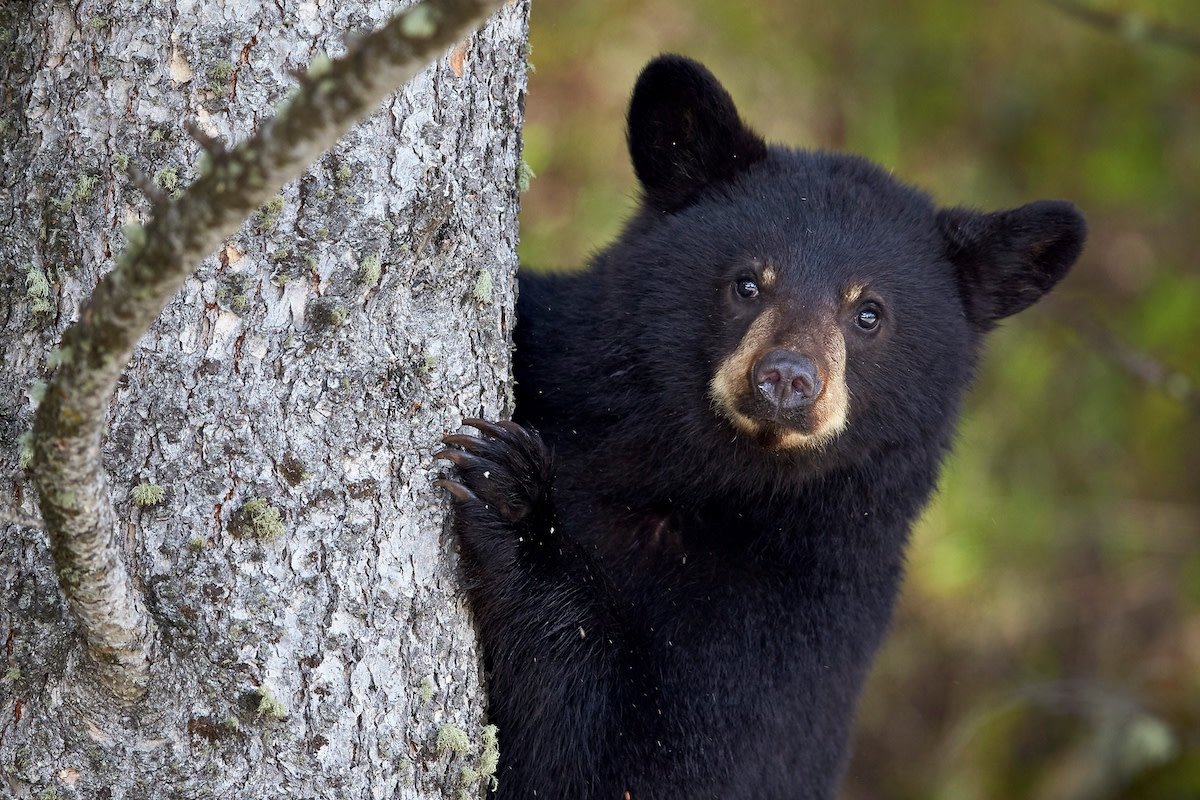
The Arrival of Endangered Moon Bears in Wales A remarkable milestone in wildlife conservation has taken place in the heart of Pembrokeshire, Wales. Four endangered moon bears arrive at a wildlife park for the first time, bringing hope and global attention to the fight against extinction. These Asian black bears—Martha, Irene, Gigi, and Coco—made their journey from France to Manor Wildlife Park in Tenby on 27 June 2025, where they now reside in a carefully designed, enriching habitat tailored to their natural instincts. This momentous event reflects years of collaboration between breeding programmes, conservationists, and passionate animal welfare organizations. Furthermore, their arrival is more than just an addition to the park—it represents a renewed commitment to protecting one of Asia’s most vulnerable species. Who Are the Endangered Moon Bears? Understanding Their Identity Recognizing the Species People call moon bears, also known as Asian black bears (Ursus thibetanus), by that name because of the distinctive crescent-shaped white markings on their chests. In addition, these medium-sized bears are native to forested regions across 18 countries in Asia, including China, Vietnam, India, and Japan. Although moon bears display an adorable and playful demeanor, they now face a harsh reality—they are critically endangered. Consequently, their population continues to decline due to widespread habitat loss, illegal poaching, and the horrific practice of bile farming. Why Are Endangered Moon Bears at Risk? The species has long suffered from human exploitation. Experts estimate that more than 10,000 moon bears still live in confinement at bile farms, where workers keep them in cages and extract their bile painfully for use in traditional medicine. Key Threats: These challenges, compounded by limited breeding in the wild, make their conservation an urgent mission. A New Home for Endangered Moon Bears at Tenby’s Manor Wildlife Park When the four endangered moon bears arrived at the wildlife park, they were welcomed into a custom-built habitat, specifically designed to provide both physical and mental stimulation. The enclosure features: Anna Ryder Richardson, owner of Manor Wildlife Park, expressed deep joy at their arrival. “These charismatic creatures, with their striking crescent-shaped chest markings and playful personalities, have already stolen the hearts of our team,” she said. She added that welcoming the bears marks a bold new direction for the park’s conservation strategy. How the Wildlife Park Supports Global Conservation Efforts The park is not working alone. This initiative is part of an international breeding programme, linking wildlife institutions across Europe and Asia with the shared mission to eliminate cruelty and preserve endangered species. Collaboration with Free the Bears The well-known charity Free the Bears, which has rescued over 1,000 black bears across Asia, worked closely with Manor Wildlife Park to make this transfer possible. Founded in 1995, the organization has grown to become a leading advocate for bear welfare, operating sanctuaries in Laos, Cambodia, and Vietnam. Matt Hunt, the charity’s CEO, praised the collaboration, saying: “Despite the enormous challenges, we remain committed to protecting, preserving, and enriching the lives of bears worldwide—alongside dedicated partners like Manor Wildlife Park.” Endangered Moon Bears: Physical Traits and Lifespan To better understand and appreciate these creatures, here are some key facts about the Asian black bear: Nevertheless, despite their potential size, moon bears are well known for their gentle temperament and remarkable intelligence. Meet the Endangered Moon Bears: Martha, Irene, Gigi, and Coco Each of the four moon bears has a unique personality. Although their backstories remain private—due to their origin in a French zoo that participates in the same breeding programme—early observations by keepers suggest the following Their adjustment to the new home is being carefully monitored, with keepers using positive reinforcement training to build trust. A World-First Habitat Feature: The Tunnel System In a move that underscores innovation and commitment to enrichment, Manor Wildlife Park is creating a “world-first” tunnel system that links the moon bear habitat with those of the park’s tigers. This design allows: Anna Ryder Richardson explained, “This will let both species experience new sights and smells, enhancing their quality of life in captivity. It’s all about emotional and mental enrichment.” The Bigger Picture: Conservation Beyond Borders The arrival of these endangered moon bears is part of a larger global strategy that includes: By welcoming the bears, Manor Wildlife Park contributes not just to their care but to the symbolic dismantling of wildlife exploitation. Education and Visitor Engagement Visitors are encouraged not just to view the bears but to learn about their plight. Educational signage, scheduled talks, and interactive zones will give families insight into: This immersive approach transforms tourism into activism. What’s Next for the Wildlife Park? Alongside the moon bear programme, the park is expanding its conservation initiatives with the arrival of: These developments form part of the park’s long-term vision to become a center for education, rescue, and international collaboration. Public Response and Community Support The arrival of the moon bears has sparked widespread excitement and emotional response from the local community and wildlife enthusiasts across the UK. Early visitors have expressed awe at seeing these rare animals in such a naturalistic environment. Social media posts, shares, and media coverage have helped spread awareness about the park’s mission and the larger fight to end bile farming. The Role of Ethical Zoos in Conservation As zoos evolve from entertainment hubs to ethical conservation centers, Manor Wildlife Park stands out as a model. The emphasis on animal welfare, enrichment, and global partnerships sets a high standard for other institutions. By providing sanctuary and purpose for animals like the moon bear, they demonstrate that responsible wildlife tourism can serve a higher cause. A Symbol of Hope for Endangered Species The fact that four endangered moon bears arrived at a wildlife park in Wales is more than a headline—it’s a hopeful symbol of what’s possible when compassion, science, and cooperation come together. These bears are not just survivors of a cruel system; they are now ambassadors for their species. With continued support from the public, conservationists, and partner organizations like Free the Bears, the dream…

Read More

Eliminate Hand Luggage Fees: EU Travel Rule Change 2025

A Landmark EU Policy to Eliminate Hand Luggage Fees in Air Travel A significant reform is on the horizon for passengers flying within, to, and from the European Union. With the upcoming legislation proposed by EU lawmakers, the big change affecting European travel aims to eliminate hand luggage fees, bringing long-awaited relief to millions of airline passengers. The new rule specifically targets the practice of charging extra for cabin bags—especially among budget airlines that often rely on such fees for added revenue. This development marks a major shift toward transparency and fairness in the airline industry. EU authorities could implement the move to eliminate hand luggage fees as soon as July 2025. For years, flyers have dealt with confusing pricing structures, unexpected charges at boarding, and inconsistent baggage rules across airlines. The proposed law seeks to eliminate hand luggage fees and standardize the experience, making air travel simpler and fairer for everyone. What the EU Proposal to Eliminate Hand Luggage Fees Includes On 24 June 2025, the European Parliament voted in favor of a resolution that would standardize hand luggage policies across all EU member states and flights operating within or linked to the EU. Here’s what the new regulation proposes: If passed by at least 55% of EU member states, the regulation will become law and will apply to all airlines operating flights within the EU, as well as those entering or exiting the EU airspace. Why Eliminating Hand Luggage Fees Is a Big Change Affecting European Travel This legislation addresses one of the most controversial practices in the airline industry—charging passengers for hand luggage. Historically, low-cost carriers such as Ryanair, Wizz Air, and EasyJet have monetized cabin luggage as an additional revenue stream, often surprising travelers with steep fees for basic carry-ons. The big change affecting European travel is more than just about bags; it reflects a wider movement to protect consumer rights and ensure clarity and fairness in air travel policies. For travelers, it means: The Push to Eliminate Hand Luggage Fees: Years of Passenger Complaints and Legal Battles The push to eliminate hand luggage fees didn’t happen overnight. Over the past decade, passengers, consumer advocacy groups, and several EU governments have repeatedly raised concerns about so-called “abusive practices” in airline pricing. Responding to these complaints, Spain’s Consumer Rights Ministry fined five budget airlines in November 2024, issuing a combined penalty of €179 million for charging passengers extra to bring carry-on bags onboard. This legal action sparked renewed debate across Europe, leading to heightened pressure on lawmakers to act. Data supported the fine by revealing that airlines often failed to clearly disclose hand luggage fees during the booking process, which left passengers feeling misled. Consumer groups like BEUC (The European Consumer Organisation) have long argued that air passengers should have basic entitlements, such as bringing a small suitcase onboard, without having to pay extra for it. Carry-On Rules Across Europe: A Patchwork of Confusion Currently, airline policies vary widely even among carriers operating the same routes. For instance: This inconsistency has made it difficult for consumers to compare flights fairly, especially when trying to calculate the true cost of travel. What the New Rules Mean for Families Another critical provision of the new EU proposal involves seating arrangements for families. Lawmakers voted in favor of a policy requiring airlines to seat children aged 12 and under next to their parents or guardians without charging extra for seat selection. This decision follows numerous complaints from parents who had to pay premiums to sit next to their children or, worse, found themselves separated from them during flights. The new law aims to eliminate this scenario, ensuring both family safety and financial fairness. Enhanced Transparency for Flight Pricing and Compensation The proposed legislation also tackles the complexity of airline pricing and reimbursement procedures. If passed, the law will mandate: This expansion of rights makes the big change affecting European travel not only about bags and seats but about creating a more accountable and passenger-friendly travel system. Pushback from Airlines: The Opposition Grows Despite widespread public support, not everyone is in favor of the legislation. Airlines, particularly low-cost carriers, have expressed strong opposition to the carry-on fee ban. Industry representatives argue that the move undermines the “pay-as-you-choose” model, which has become central to budget travel. Ourania Georgoutsakou, Managing Director of Airlines for Europe, the continent’s largest airline association, said: “Europe’s airline market is built on choice. Forcing a mandatory trolley bag strips passengers of that choice and obliges them to pay for services they may not want or need.” Airlines contend that if they’re forced to include carry-on luggage in the standard fare, they will simply raise ticket prices. This, they argue, could disadvantage passengers who travel light and prefer the current pricing flexibility. Could Prices Rise Across the Board? The central argument from airlines is that hidden fees will be replaced by higher upfront fares. While it’s true that making carry-on luggage a basic inclusion might raise ticket prices slightly, many consumer advocates say this would be a fairer and more transparent approach. Instead of springing charges on passengers at check-in or boarding, airlines must now show the real cost of flying—a change that helps consumers make informed decisions. Implementation Timeline: When Will the Rule Take Effect? If a majority of EU member states (at least 15 countries representing 65% of the EU population) approve the law, EU officials could begin implementation as early as July 2025. There will likely be a transition period for airlines to adjust their policies, update systems, and retrain staff. During this time, travelers should expect to see a gradual harmonization of luggage policies, especially on routes operated by multiple airlines. What Travelers Should Do in the Meantime Until the law is fully adopted and implemented, travelers should: Once the new rules are in place, passengers will no longer have to go through the tedious process of decoding complicated luggage policies just to bring a cabin bag. Broader Impact: Could This Inspire Global Reform?…

Read More

Best Films July 2025: 10 Must-Watch Movies This Month

The best films July 2025 has to offer span superhero revivals, dystopian thrillers, nostalgic horror, and quirky romantic comedies. Whether you’re planning a trip to the cinema or prefer streaming at home, this month’s movie lineup has something for everyone. From box office spectacles to indie surprises, the best films July 2025 will deliver unforgettable entertainment. 1. Eddington – One of the Best Films of July 2025 for Satirical Comedy Fans Known for horror hits like Hereditary and Midsommar, Ari Aster pivots to satire in Eddington. Set in a remote desert town in New Mexico, the story follows a power struggle between the sheriff (Joaquin Phoenix) and the mayor (Pedro Pascal), with Emma Stone as a key player. A blend of pandemic-era politics and absurd comedy, this film unpacks the chaos of recent years through dark humor and striking performances. Release Date: July 18 (US), July 24 (Australia) 2. Heads of State – Among July 2025’s Top Action-Comedy Films John Cena stars as a former Hollywood actor turned US President, paired with Idris Elba as the UK’s Prime Minister. After their plane is shot down, the unlikely duo must survive behind enemy lines. Filled with explosive action and sharp comedy, Heads of State promises a fun ride. Release Date: July 2 on Prime Video (Worldwide) 3. Together – One of the Best Films in July 2025 for Horror Romance Fans In this unique horror-romance, Allison Brie and Dave Franco play a couple who relocate to the Australian countryside. After a strange encounter with cave water, their physical and emotional bond begins to manifest literally—as they start fusing together. With critical acclaim for its originality, Together blends body horror with emotional depth. Release Date: July 30 (US, Canada, UK), July 31 (Australia) 4. 40 Acres – One of the Best Films in July 2025 Exploring Dystopian Survival Set in a near-future Canada where food scarcity has turned farms into fortresses, 40 Acres explores the intersection of survival and race. Starring Danielle Deadwyler and Michael Greyeyes, this dystopian thriller delivers high-stakes drama and thought-provoking themes. Release Date: July 2 (US) 5. Superman – A Hopeful Reboot David Corenswet takes flight as the new Superman in this reboot of the DC Universe. With characters like Lois Lane, Lex Luthor, Green Lantern, and even Krypto the Superdog, the film leans into a brighter, more optimistic take on the Man of Steel. Director James Gunn aims to portray Superman as a symbol of compassion and hope. Release Date: July 11 (International) 6. Smurfs – Rihanna Brings Music to Magic The beloved blue characters return in a live-action/animated hybrid set in Paris. With Rihanna voicing Smurfette and contributing original music, this musical adventure blends nostalgia with fresh energy. Inspired by the original Belgian comics, the film offers vibrant animation and heartfelt storytelling. Release Date: July 16 (International) 7. I Know What You Did Last Summer – A Legacy Thriller Returns Jennifer Love Hewitt and Freddie Prinze Jr return in this legacy sequel that introduces a new generation of teens plagued by a deadly secret. The film explores the emotional aftermath of past trauma, while delivering the chills that made the original a cult classic. Release Date: July 16 (International) 8. The Fantastic Four: First Steps – A Retro Sci-Fi Reimagining The iconic superhero team gets another reboot, but this time with a twist. Set in a 1960s utopia, the film imagines the team as celebrity astronauts during the Space Race. Pedro Pascal, Vanessa Kirby, Joseph Quinn, and Ebon Moss-Bachrach bring fresh charisma to the Marvel franchise. Release Date: July 23 (International) 9. Apocalypse in the Tropics – Political Power and Faith Petra Costa returns with a powerful documentary that investigates the influence of evangelical leaders in Brazil’s political system. Apocalypse in the Tropics uses intimate storytelling to explore the complexities of faith, democracy, and public trust in volatile times. Release Date: July 14 on Netflix (International) 10. Jurassic World Rebirth – Back to Dinosaur Basics This new entry strips away the globe-trotting spectacle of its predecessor and brings the focus back to a tight, terrifying adventure. With Scarlett Johansson, Mahershala Ali, and others stranded on a dinosaur-infested island, the film pays homage to Spielberg’s original Jurassic Park. Release Date: July 2 (International) Final Thoughts From nostalgic reboots and thrilling horrors to sci-fi adventures and political documentaries, July 2025 is jam-packed with cinematic gems. Whether you’re streaming from home or catching a blockbuster on the big screen, these films offer something unique for every type of viewer.

Read More

Cat Meow Genetics: Why Some Cats Talk More

Decoding Cat Behavior: What Genetics Reveal About Meowing and Temperament New findings on cat meow genetics suggest that a feline’s vocal personality might be rooted in its DNA. A recent study led by wildlife expert Yume Okamoto at Kyoto University analyzed DNA samples and behavioral traits of over 280 domestic cats. The research found a strong link between variations in the androgen receptor (AR) gene and differences in vocalization and temperament. Cat Meow Genetics: How the Androgen Receptor Gene Influences Feline Vocalization The AR gene, central to hormone regulation like testosterone, includes a repeat DNA sequence that varies in length. Shorter sequences make the receptor more responsive to hormones. In other animals, such as dogs and humans, shorter repeats have been linked to increased aggression and sociability. Vocal Cats and the Short AR Variant Among the cats studied, those with shorter AR gene sequences purred and meowed more frequently, especially males. These felines tended to be more assertive in their interactions with humans, vocalizing to be fed or to go outside. In contrast, cats with longer gene variants were generally quieter and more docile, a trait common among pedigree breeds bred for calmness. Aggression in Female Cats Interestingly, female cats with the same short AR variant exhibited more aggressive behavior toward strangers. This highlights how genetics can manifest differently depending on sex. The link between the short AR gene and assertiveness, however, doesn’t follow the typical narrative of domestication making animals more sociable. Domestication: A Complex Genetic Story The short AR gene variant is not exclusive to domestic cats; it’s also found in wild feline species like lynxes. This challenges the assumption that domestication always selects for gentler traits. In fact, traits like boldness or aggression might be advantageous in urban or high-stress environments where resources are limited and attention from humans must be earned. Environmental Influence on Animal Behavior This idea isn’t unique to cats. A similar pattern is seen in urban gulls. A study from Liverpool John Moores University revealed that urban gulls are bolder and more aggressive than their rural counterparts. These birds, often labeled as nuisances in the media, show that living among humans can encourage more confrontational behavior. Urban Gulls: A Parallel Tale Urban environments present both opportunities and challenges for animals. Just like cats, gulls in cities must compete fiercely for food, leading to more assertive behavior. These adaptations show that proximity to humans doesn’t always result in docility. Sometimes, pushy traits improve survival odds. Cat Meow Genetics: A Delicate Balance The Kyoto study illustrates a genetic trade-off. Cats with the short AR gene variant may gain human attention more easily through vocalization and assertiveness, which is beneficial in competitive settings. Yet, this same genetic trait might lead to increased aggression, especially in females. This complex relationship underscores that domestication can lead to both desirable and challenging behaviors. Evolution Needs Variation Variation in behavior is a cornerstone of evolution. Without it, species would be ill-equipped to adapt to new environments. In cats, a wide range of temperaments may serve a purpose. Some thrive as social lap cats, others as independent observers. There is no single “perfect” feline personality. Genetics Aren’t Destiny While cat meow genetics play a role in behavior, they are just one part of the puzzle. Environment, upbringing, and human interaction shape feline temperament just as much. A quiet kitten may become vocal in a stimulating household, while a naturally chatty cat might mellow out with age. Final Thoughts: Understanding Our Feline Friends Understanding the genetic factors behind cat behavior helps owners better appreciate their pets’ unique personalities. Rather than expecting uniform behavior, embracing the diversity of feline communication can lead to stronger human-animal bonds. Encouraging Further Research The connection between cat genetics and vocalization opens new avenues for behavioral research. More studies across various breeds and environments could help pinpoint how specific genes interact with life experiences to shape personality. This research could one day lead to more personalized care for cats based on their genetic profiles. Conclusion: The Genetic Symphony of the Cat Meow From ancient wildcats to modern housecats, vocal behavior has always served a purpose. Whether it’s a soft purr or an assertive meow, these sounds reflect a blend of genetic heritage and life experience. By understanding the underlying genetics, like the AR gene’s role in vocalization and aggression, we can better care for and understand the cats who share our homes. And as science continues to unravel the genetic code, one thing becomes clear: every meow carries a story.

Read More