
Sofia Catherine

Easter Island Moai Statues Face Climate Threat and Decay

The Fragile Future of Easter Island Moai Statues Rapa Nui, known to the world as Easter Island, is home to the iconic moai statues—majestic stone figures carved by Polynesian ancestors to honor lineage and tradition. Yet, these once-mighty guardians of heritage are now at the brink of collapse. Erosion, intensified weather conditions, and human activity are accelerating their decay. The question now looms: can we save them before it’s too late? A Landscape Shaped by the Legacy of Easter Island Moai Statues Nestled in the Pacific Ocean, about 3,500km off Chile’s coast, Easter Island boasts nearly 1,000 moai statues scattered across its terrain. Most are carved from volcanic tuff, a porous and fragile rock that weathers quickly when exposed to wind, salt, and rain. Their expressions are stoic, yet their surfaces are cracked, pitted, and in many cases, crumbling. These figures, some standing more than 10 meters tall, were shaped between 1100 and 1600 AD. Their creation required immense craftsmanship and communal effort. The quarry at Rano Raraku, an extinct volcano, still houses unfinished moai, frozen mid-journey from stone to symbol. Over centuries, many statues have been worn by the elements, toppled by conflict, or lost during transport. Climate Change: A Modern-Day Threat to Easter Island Moai Statues More than 90% of standing moai are located along the coast, making them especially vulnerable to rising sea levels, coastal erosion, and violent weather patterns. In recent years, sporadic yet intense rainfall has damaged foundations, while droughts have left vegetation unable to retain soil, exposing the ahu (ceremonial platforms) to further degradation. A devastating wildfire in 2022 blackened dozens of statues, prompting fears that irreversible harm may become the norm. According to conservationists, these effects are not simply a matter of natural aging—they’re being accelerated by climate change. Conservation Versus Cultural Philosophy The debate over how best to preserve the moai reflects broader cultural and philosophical divisions. Some locals argue that the statues should return to the earth naturally, in keeping with the cycle of life and death. Others believe their preservation is a sacred duty, crucial not only for heritage but for the local economy, which relies heavily on tourism. Efforts to restore and protect the moai are already underway. Local conservation group Ma’u Henua, which manages Rapa Nui National Park, is spearheading modern restoration strategies, from chemical stone treatments to 3D modeling. These technologies allow conservators to track changes over time and develop intervention plans with minimal disruption. Global Aid and Local Expertise International collaboration has become vital. Projects with organizations like CyArk and the University of Florence have provided technical expertise and funding. Drones, laser scanning, and non-invasive imaging are helping document and stabilize the most endangered sites. In 2023, Unesco allocated nearly $100,000 to support conservation planning and damage repair on fire-damaged moai. Despite these advances, funding remains scarce. Import taxes on specialized chemicals and equipment challenge local efforts. While five moai are currently undergoing restoration, dozens more wait in peril, with limited resources to help them. Building a Blueprint for Preservation A key initiative by Ma’u Henua involves using the restoration of five specific moai as a prototype for island-wide conservation. By streamlining approval processes and creating standard treatment protocols, the group aims to make future preservation efforts more efficient. Meanwhile, locals like Maria Tuki continue to honor their ancestors by sharing stories and preserving traditions. Some of her father’s sculptures now stand in cities across Chile, Japan, and Spain—new representations of an old culture still alive. Museums: Protection or Displacement? The idea of relocating moai to museums divides opinion. On one hand, a controlled environment offers superior protection from natural degradation. A new museum on Rapa Nui may provide such shelter. On the other, many locals believe the statues belong on the island, not behind glass. Disputes about statues held overseas, like the Hoa Hakananai’a in the British Museum, reflect this tension between conservation and cultural sovereignty. A Living Tradition, Not a Frozen Relic Conservation isn’t only about preservation—it’s about continuation. Ma’u Henua plans to train a new generation in traditional carving techniques, ensuring that Rapa Nui’s artistic heritage endures. New moai, inspired by ancient ones, are already being created and displayed, reinforcing the cultural identity of the island’s people. A Call to Action Whether through international cooperation, technological innovation, or indigenous leadership, saving the moai demands urgent and united action. Their loss would be more than physical—it would be a fading of memory, artistry, and identity. The moai aren’t just stones; they’re silent witnesses to a civilization’s rise, resilience, and revival. The future of Easter Island’s moai is uncertain—but with care and commitment, their story doesn’t have to end.
Read More

Why Honey Doesn’t Spoil: Nature’s Sweetest Preservative

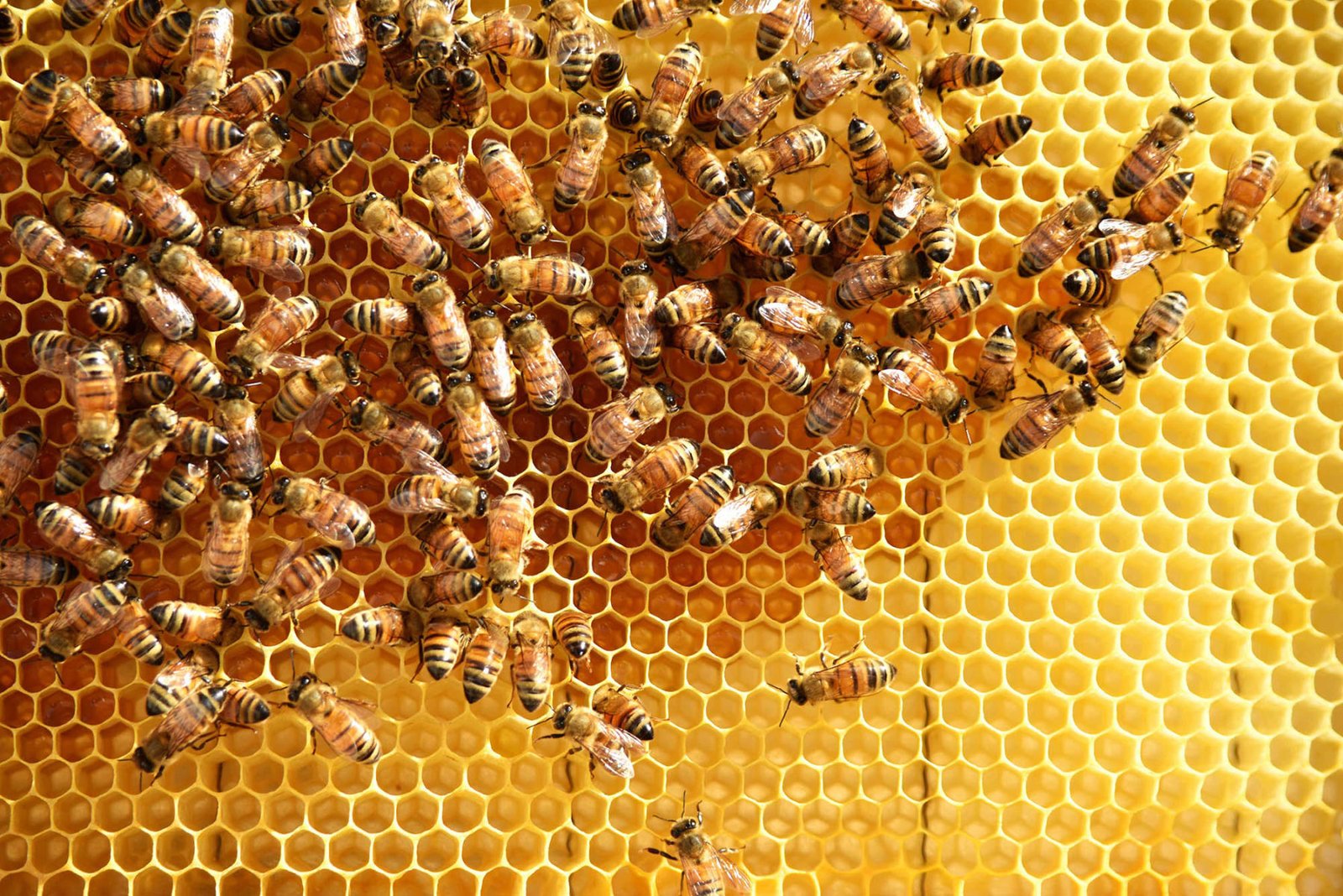
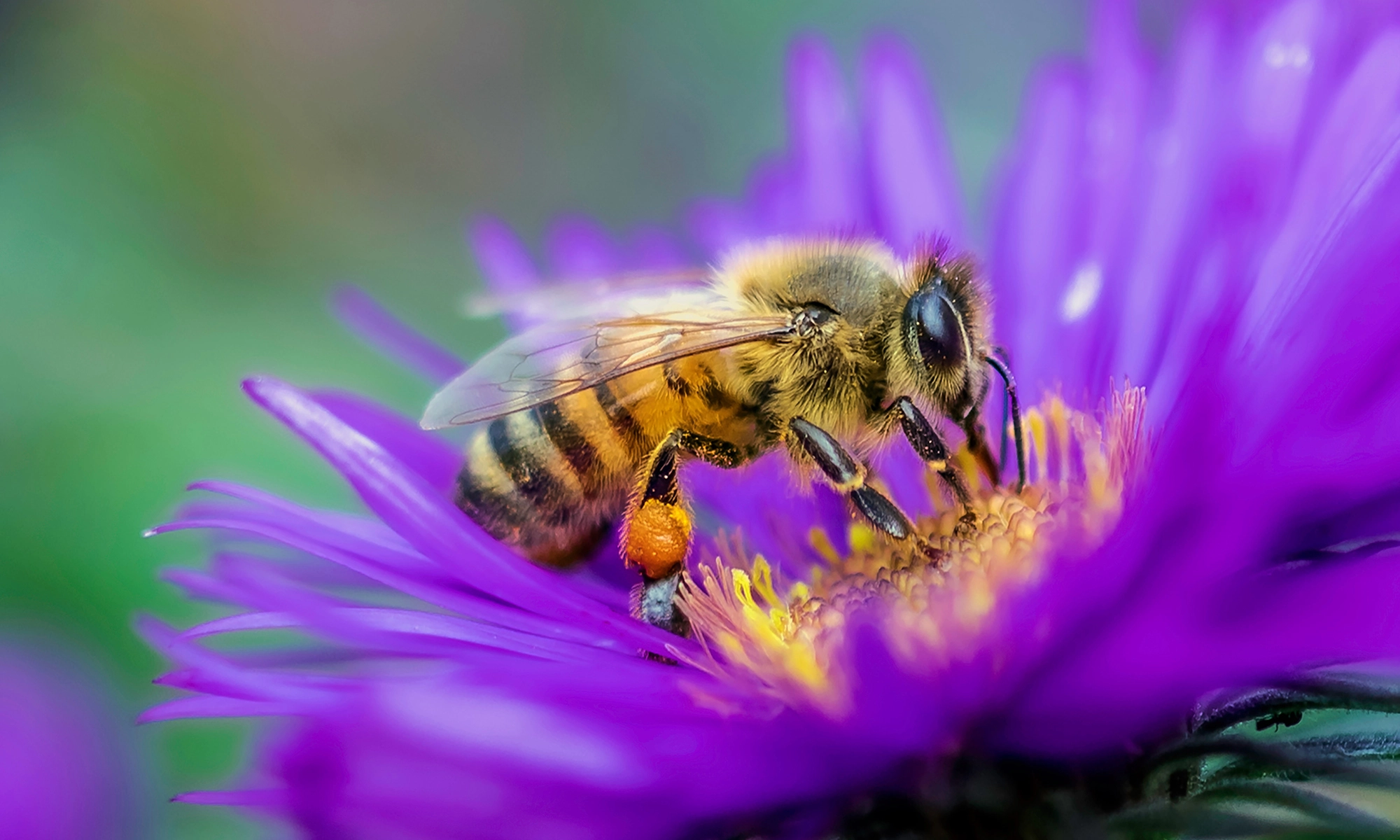
Why Honey Doesn’t Spoil: Nature’s Most Durable Sweetener Why honey doesn’t spoil has fascinated scientists and food lovers alike. Unlike most foods that go bad within weeks or months, honey can last indefinitely when stored properly. This remarkable longevity isn’t magic — it’s due to a unique combination of natural chemistry and the sophisticated processes honeybees use to create and preserve it. The Science Behind Why Honey Doesn’t Spoil Typically, when food “goes bad,” it means bacteria, fungi, or mold have begun to break it down. These microbes thrive in warm, moist, and oxygen-rich environments. Even foods that are canned, refrigerated, or preserved with additives eventually succumb to spoilage, especially when exposed to air or contaminated utensils. Jars of sauces or spreads, for example, often grow mold or develop unpleasant smells if left unused for too long. But honey stands apart. Despite being a sugary, moist-looking substance—an ideal breeding ground for microbes—it remains edible indefinitely. What Makes Honey Immune to Spoilage? The secret to honey’s longevity lies in its low water content and high acidity. Initially, nectar gathered by bees contains a high percentage of water—70-80%.—But honeybees dramatically reduce this. On their way back to the hive, bees begin concentrating the nectar by digesting and regurgitating it repeatedly, mixing it with special enzymes. One key enzyme, glucose oxidase, breaks down glucose into gluconic acid and hydrogen peroxide. This increases the honey’s acidity and introduces natural antibacterial agents. Once in the hive, bees further dehydrate the substance by fanning it with their wings, reducing the water content to a mere 15-18%. This dehydration creates an environment hostile to microbial life. In scientific terms, honey has low “water activity,” meaning there’s not enough unbound water for bacteria or mold to thrive. The Role of Acidity and Enzymes Honey’s pH level typically ranges between 3.2 and 4.5, making it acidic enough to inhibit the growth of most bacteria and fungi. The acidity, coupled with the presence of hydrogen peroxide and other antioxidants, creates a powerful antimicrobial cocktail that naturally preserves the honey. Additionally, sugar itself is a preservative. The high concentration of sugars in honey acts osmotically, pulling water out of microbial cells and dehydrating them to death. Bee Engineering: A Natural Food Processor Bees don’t just gather nectar—they process and preserve it. Their entire method of transforming nectar into honey is a natural food preservation technique: Once humans extract and seal honey in clean containers, this preservation continues almost indefinitely. Why Honey Crystallizes but Doesn’t Spoil Over time, honey can crystallize—a process where glucose separates from water and forms crystals. This is a natural, harmless change in texture, not a sign of spoilage. Gently warming the jar can re-liquefy crystallized honey without damaging its quality. Crystallization is more common in raw, unfiltered honey and is affected by storage temperature, the ratio of glucose to fructose, and even the type of flower nectar used. When Honey Can Spoil Though honey has impressive staying power, it’s not entirely invincible. Once a jar is opened and used regularly, it is exposed to moisture and contaminants from the air or from utensils. Double-dipping or using wet spoons introduces water and microbes, which can eventually lead to fermentation or mold growth. However, if kept tightly sealed, stored in a dry, cool place, and handled hygienically, honey can stay good for decades—even centuries. From Preservation to Fermentation: Turning Honey into Mead Interestingly, when water is deliberately added to honey, and yeast is introduced, it ferments into mead, one of the oldest alcoholic beverages in human history. The very conditions that spoil most foods can, when applied intentionally, create a delightful honey wine. A Sweet Wonder of Nature Honey is far more than a sugary treat; it is a natural marvel engineered by bees through sophisticated biological processes. Its resistance to spoilage is due to a perfect storm of low moisture, high acidity, natural enzymes, and careful bee-crafted storage. For thousands of years, honey has sweetened lives—and thanks to its chemistry, it will continue to do so for many more.

Read More

Purple Honey in North Carolina: Nature’s Sweetest Mystery

Purple Honey in North Carolina: Nature’s Sweetest Mystery Deep within the Sandhills of North Carolina, a natural marvel leaves beekeepers, scientists, and visitors utterly mystified. Known as purple honey, this rare, violet-hued delight defies logic and science. It’s found only in select pockets of North Carolina, and even then, only when conditions—known only to the bees—align. With no known definitive cause behind its color or appearance, purple honey in North Carolina has become the stuff of legend and curiosity. The Sandhills: Home of Rare Purple Honey and Wild Beauty The Sandhills, located between Raleigh and Charlotte, are defined by their unique geological past. Once coastline, the region is now home to endangered species like the Carolina gopher frog and the southern hognose snake. But its ecological diversity doesn’t stop with fauna—it also breeds botanical mystery. It’s in this richly biodiverse terrain that the purple honey emerges. Theories Behind Purple Honey in North Carolina’s Unique Hue Despite numerous theories, no one knows for sure what gives purple honey in North Carolina its distinctive color. Paige Burns, a local agricultural extension director, suggests possible culprits: soil alkalinity, wild berries, and even the notorious kudzu vine. Each theory has its advocates, but no explanation has been universally accepted. What Causes Purple Honey in North Carolina? Drought, Berries, or Kudzu? Apiarist Don Dees of Dees Bees Apiary believes the phenomenon may be linked to drought-like conditions and the consumption of blue-black huckleberries by bees when traditional blooms are scarce. Meanwhile, others like master beekeeper Rusty Burlew attribute the hue to kudzu, pointing to anecdotal and environmental clues. Yet, the scientific community remains unconvinced, and the mystery deepens. The Unique Taste of Purple Honey in North Carolina Described by some as having a “grape-y” or jammy flavor, purple honey doesn’t just look different—it tastes distinct, too. Beekeepers often report that its texture and sweetness differ from typical amber honey, giving it gourmet appeal and a high market value. A small jar can cost as much as $75, reflecting both its rarity and its mystique. When and Where to Find It If you’re hoping to find purple honey in North Carolina, aim to visit during the summer months, particularly July. Beekeepers usually update their offerings on social media platforms as soon as the elusive honey is harvested. It’s a seasonal wonder with no guarantees—one year it appears; for the next ten, it may not. A Beekeeper’s Dilemma Even seasoned apiarists struggle to predict purple honey yields. Burns shared her own frustration: her neighbor, located just two miles away, frequently harvests purple honey, while she has never seen it in her hives. This inconsistency is part of what fuels its allure. The Cultural Fascination The mystery of purple honey in North Carolina has not only captivated locals but also drawn the attention of travelers, culinary experts, and folklore enthusiasts. Some consider it edible folklore—a regional treasure wrapped in myth and soil. Eco-tourism and Conservation The increasing curiosity around purple honey is also bolstering eco-tourism in the Sandhills. Visitors come for outdoor adventures, wildlife sightings, and now, a taste of this enigmatic treat. It has unintentionally become an ambassador for regional conservation efforts, drawing attention to endangered species and delicate habitats. Why the Mystery Matters In an age where scientific knowledge is expanding rapidly, the unsolved mystery of purple honey in North Carolina reminds us that nature still holds secrets. It’s a humbling, beautiful reminder of how much we have yet to learn. Final Thoughts: A Taste Worth the Trip There’s something profoundly poetic about a place that keeps its secrets—even from the people who live closest to it. Standing in a longleaf pine forest, hearing the hum of busy bees and hoping, just hoping, to glimpse that violet stream of honey is an experience of pure wonder. Whether you find it or not, the journey alone is worth it.

Read More

Dance in Wales Branded Elitist: Urgent Reforms Recommended

Dance in Wales Branded Elitist: Report Sparks Call for Urgent Reform Dance in Wales branded elitist—that’s the conclusion of a new independent report that scrutinises the nation’s dance sector. The review, led by consultant Karen Pimbley and commissioned by the Arts Council of Wales, highlights poor funding, limited cultural diversity, and weak links with education and communities. The report is part of a wider investigation into traditional arts in Wales, following recent reviews of folk singing. It identifies major gaps in funding, planning, and representation. The document outlines 11 key recommendations to help revitalise dance in the region. Barriers to Access in Dance in Wales: Funding Gaps and Cultural Exclusion The findings paint a concerning picture of dance in Wales. Contributors expressed that dance is often seen as elitist and inaccessible, especially for those from rural and working-class communities. Traditional forms, such as clog dancing and Welsh folk dancing, are at risk of disappearing without urgent support. These styles are frequently dismissed as outdated, despite their cultural and historical significance. The review emphasizes the lack of proper infrastructure to support diverse forms of dance. It also points out that dance training is often limited to those who can afford private lessons, deepening inequality. Several educators and performers warned that without investment, Wales risks losing a crucial element of its cultural heritage. Reviving Dance in Wales: Key Recommendations for Equity and Inclusion To address the issues, the report proposes: The report also praises Project Eight, a two-year plan aimed at preserving and promoting traditional dance, citing it as a strong example of best practice. Folk Dance in Wales at Risk: A Cultural Heritage Wake-Up Call One of the most striking insights comes from the Welsh Folk Dance Society, whose members fear that people are forgetting traditional forms of dance. Without intervention, folk dancing could become a relic of the past, rather than an evolving art form that reflects Welsh identity. However, the report is not without hope. It describes traditional dance as having “untapped potential” in educational settings, especially for teaching the Welsh language. It argues that integrating dance more deeply into schools could transform it into a vibrant, modern expression of national pride. Arts Council of Wales Responds to ‘Dance in Wales Branded Elitist’ Report with Bold Action Plan In response, the Arts Council of Wales has launched a comprehensive action plan with an initial investment of £350,000 for the 2025-2026 period. The initiative includes the appointment of two dance specialists, Emily Bamkole and Julia Sangani, who will work on expanding training programs, improving access, and ensuring a broader cultural representation within dance projects. Chief Executive Dafydd Rhys praised the dance community for its resilience in the face of longstanding structural challenges. He reaffirmed the Arts Council’s commitment to rebuilding the sector through sustainable and inclusive policies. Welsh Government Endorses ‘Dance in Wales Branded Elitist’ Reform with Increased Arts Funding The Welsh government has echoed the urgency outlined in the report. Officials confirmed a 9.2% increase in funding for the Arts Council this year and emphasized the need to safeguard the nation’s intangible cultural heritage through proactive arts policy. With both the government and the Arts Council now aligned in their mission, there’s cautious optimism that dance in Wales can become more inclusive, community-rooted, and culturally resonant. Looking Ahead: Reimagining the Future of Dance in Wales Karen Pimbley concluded the report by stressing the need to “reimagine, rebuild, and reinvest” in the dance sector. As Wales confronts its cultural future, this report could mark the turning point in transforming dance into a more equitable, representative, and celebrated art form. For dance in Wales to thrive, it must shed its elitist perception, open doors for diverse voices, and be rooted in community—not just in performance halls but in schools, town centres, and village halls.

Read More

Beer Diplomacy: How Czech Brewers Influence the World

Beer Diplomacy Begins in Bohemia: A Global Toast to Tradition In the heart of Europe, the Czech Republic has quietly launched an unexpected but highly effective form of cultural outreach: beer diplomacy. For the past six years, this Central European nation has invited craft brewers from around the world to immerse themselves in its time-honored brewing traditions. The effort, spearheaded by the Czech Ministry of Agriculture, aims to spread appreciation for Czech-style lagers and position the country as the global capital of beer culture. Brewing Bonds Through Beer Diplomacy: Inside the Czech Initiative During these week-long beer summits, invited brewers from countries like Australia, Canada, and the United States are given a crash course in Czech brewing methods. The itinerary is anything but a vacation. Participants engage with hops farmers, meet with both large and small-scale brewers, learn from seasoned bartenders, and tour historic breweries like Pilsner Urquell in Plzeň and Budvar in České Budějovice. The program, though informal, functions as a strategic cultural export, with the goal of spreading Czech beer practices and building lasting international partnerships. It is a form of soft power reminiscent of Thailand’s ‘gastro-diplomacy’ campaign that successfully globalized Thai cuisine. Czech Lager: A Rich and Underrated Heritage While Czech beer has existed for over a millennium, its global recognition has lagged behind that of Belgian ales and German pilsners. This discrepancy is partly due to geopolitical hurdles. For decades, Cold War isolation restricted Czech beer exports, and post-communist era privatization forced many breweries to modernize rapidly. Today, the resurgence of interest in traditional lagers is giving Czech beer its long-overdue spotlight. Lagers brewed in the Czech Republic are known for their golden hue, crisp body, and frothy head. They often feature a slight bitterness and a buttery finish, qualities that have earned them admiration among connoisseurs. Brewers learning these techniques abroad take home a deeper appreciation for decoction mashing, open fermentation, and other traditional methods rarely practiced outside Bohemia. Craft Brewers Spread the Word The results of beer diplomacy are beginning to show. North American brewers who have participated in the programme have introduced Czech-style lagers to their taprooms and menus. Breweries like Sacred Profane in Maine and Good Word Brewing in Georgia are now known for their authentic pours. Even the hardware is spreading: Lukr, a Plzeň-based company that manufactures side-pull taps, has increased its sales in North America from just a dozen units in 2015 to over 2,000 units annually. These specialized taps are integral to achieving the foamy, creamy pour that defines a true Czech lager. Ondřej Rozsypal, a tap master from Lukr and a past Master Bartender of the Year, notes that the foam adds a sweetness and richness that lingers until the last sip. Pouring Respect: The Art of Serving In the Czech Republic, the ritual of pouring beer is just as important as the brewing process. Institutions like Institut Pivo in Prague educate both locals and international visitors on how to serve beer with care and precision. Lucie Janečková, a manager at the institute, believes that improper pouring is a disservice to the craft and culture. “We want to teach foreign brewers the respect that Czech beer deserves,” she says. Taste That Doesn’t Travel Despite international enthusiasm, Czech beer doesn’t always travel well. It loses its freshness and often its characteristic taste, leading many brewers to insist that the only way to truly understand Czech lager is to drink it in its homeland. “It just doesn’t taste the same in Canada,” says Ryan Moncrieff of Rafter R Brewing in Saskatchewan. “You need to come to the Czech Republic to taste the real thing.” A Cultural Exchange Beyond Borders For the Czech government, beer diplomacy isn’t just about beer; it’s about fostering cultural exchange and building mutual respect. As brewers return to their home countries, they don’t just bring back techniques and equipment. They carry with them stories, experiences, and a commitment to uphold Czech standards. Their breweries become informal embassies of Czech beer culture, educating local customers and raising global awareness. The Bigger Picture: Edible Soft Power This approach to diplomacy mirrors a broader trend where nations leverage culinary or beverage heritage as cultural exports. From Japan’s sake promotion to South Korea’s kimchi campaigns, food and drink are proving to be powerful tools of influence. In this arena, the Czech Republic has found its niche. Unlike Czech cuisine, which remains relatively underappreciated internationally, beer has universal appeal. Where to Sample the Result of Beer Diplomacy If you’re curious to taste Czech-style lagers brewed outside the Czech Republic, start with these alumni of the beer diplomacy program: United States: Canada: Cheers to a Growing Tradition Whether you’re a seasoned brewer, casual beer lover, or someone discovering lagers for the first time, the Czech Republic’s beer diplomacy is leaving a mark. With centuries of brewing wisdom and a culture that reveres every aspect of the pint, the country is not just exporting a beverage – it’s exporting a philosophy. So next time you sip a Czech-style lager, remember: you’re not just tasting beer. You’re tasting centuries of tradition, a carefully curated craft, and the growing reach of Czech beer diplomacy.

Read More

UK’s Oldest Polar Bear Dies at 28 After Health Declines

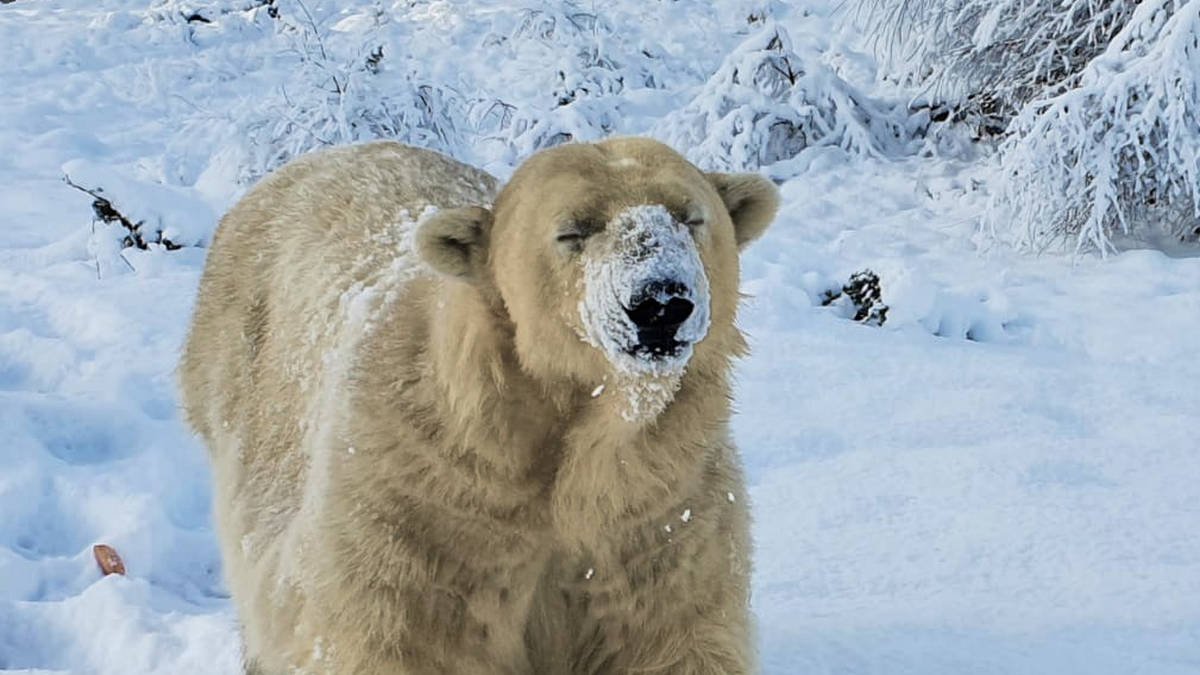
Final Days of the UK’s Oldest Polar Bear: A Life of Care and Compassion Veterinarians at the Highland Wildlife Park euthanised Victoria, the UK’s oldest polar bear, due to age-related health complications. As the UK’s oldest polar bear, she had received months of specialized geriatric care to ease her discomfort. The Royal Zoological Society of Scotland (RZSS) made the decision after consulting experts, who confirmed that the quality of life for the UK’s oldest polar bear had severely declined. The Journey of the UK’s Oldest Polar Bear: From Germany to the Highlands Born in 1996 at Rostock Zoo in Germany, Victoria lived a life that spanned three countries. She gave birth to her first cub, Malik, at Aalborg Zoo in Denmark in 2008. She later arrived at the Highland Wildlife Park in Scotland in March 2015. There, she continued to contribute to conservation efforts through the European Endangered Species Programme (EEP). Motherhood and Milestones: A Pioneering Polar Bear Victoria is best remembered as the mother of Hamish — the first polar bear cub born in the UK in 25 years. Hamish’s birth in December 2017 marked a turning point in captive breeding programmes for polar bears in the UK. In 2020, the Highland Wildlife Park transferred Hamish to the Yorkshire Wildlife Park Resort in Doncaster, where he now lives among a group of six polar bears. Victoria also shared her enclosure with her second cub, Brodie, now three years old. Keepers noticed in late 2023 that Victoria was having difficulty keeping up with the younger bear. Her care included expert veterinary supervision and a specialized diet. She was fed oily fish such as sardines, mackerel, and salmon, along with supplements like cod liver oil and lard to replicate the health benefits of a wild seal-based diet. Veterinary Expertise and Collaborative Care The decision to euthanize Victoria was not made lightly. RZSS staff relied on extensive resources, including the experiences of other zoological institutions and skeletal studies of polar bears, to evaluate the impact of aging on her bones and joints. Comparisons to geriatric care in domestic cats and dogs also informed her treatment strategy. Caretakers managed Victoria’s arthritis and joint pain with medication and adjusted her living conditions to accommodate her changing mobility. According to the RZSS, Victoria’s age of 28 was like being in her 90s in human years. This was remarkable for a species that usually lives 15 to 18 years in the wild and up to 30 in captivity. A Lasting Conservation Impact Though Victoria’s life came to a natural close, her contribution to polar bear conservation lives on. Victoria continues to contribute to conservation through her cubs, Hamish and Brodie. They are part of genetic diversity initiatives managed by the European breeding programme. These efforts aim to strengthen the captive polar bear population. They may also support future rewilding or scientific research on species survival. In a statement, RZSS expressed both sadness and gratitude. “Victoria leaves an incredible legacy through her cubs,” the statement read. “They play an essential role in the European breeding programme, which helps maintain a healthy and genetically diverse population of polar bears in human care.” Living with Polar Bears: The Highland Wildlife Park’s Ongoing Commitment The Highland Wildlife Park continues to care for several polar bears, including Walker (aged 16) and Arktos (aged 17), who fathered both of Victoria’s cubs. With Brodie still housed at the park, the legacy of polar bear conservation remains strong in the Scottish Highlands. The Park previously housed another elderly polar bear, Mercedes, who passed away in April 2011 at the age of 30. The experience of caring for long-lived bears like Mercedes and Victoria has shaped the park’s approach to advanced animal welfare, especially for species sensitive to climate and habitat shifts. Raising Awareness Through Individual Stories Victoria’s life underscores the importance of individualized care and the human responsibility in animal stewardship. While captive bears can never replicate the full experience of wild polar bears, thoughtful, science-informed practices can improve welfare and enhance public education around the threats facing Arctic wildlife. The story of Victoria is more than a farewell — it’s a reminder that conservation is built on dedication, compassion, and continuity. Her presence in the UK helped raise awareness about the challenges polar bears face due to habitat loss, climate change, and dwindling prey availability.

Read More

slow-moving global catastrophe worsens as droughts spread

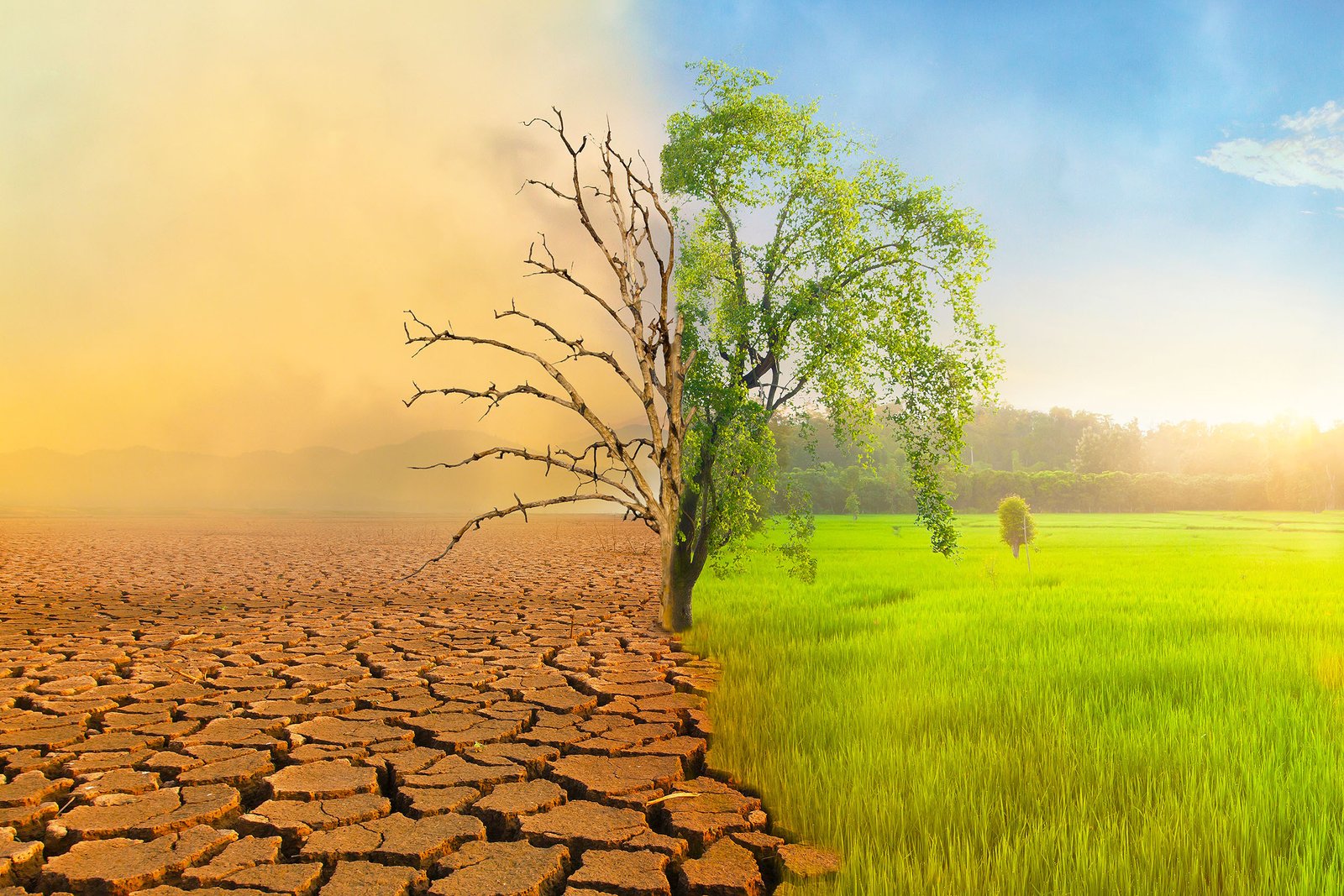
Slow-Moving Global Catastrophe: Droughts Deepen Worldwide Over the past two years, the planet has witnessed some of the most extreme and devastating droughts in recorded history. A UN-supported report describes this crisis as a slow-moving global catastrophe, warning that prolonged dry spells across continents are wreaking havoc on lives, livelihoods, and ecosystems. Experts emphasize that this slow-moving global catastrophe is driven not only by climate change but also by unsustainable water use, poor planning, and inadequate response systems. As the slow-moving global catastrophe continues to unfold, communities worldwide face escalating threats to food security, public health, and biodiversity. Record low water levels in critical regions such as the Amazon basin have disrupted drinking water supplies for hundreds of thousands. From East Africa to southern Europe and Southeast Asia, severe drought has become the defining environmental challenge of our era. Drought: A Silent Climate Disaster Fueling the Global Catastrophe The report refers to drought as a “silent killer” that “creeps in, drains resources, and devastates lives in slow motion.” It emphasizes that while drought unfolds gradually, its impacts are far-reaching and enduring. The convergence of climate change and El Niño, a natural phenomenon where Pacific Ocean surface waters warm unusually, has dramatically worsened conditions in many parts of the world. Regions such as southern Africa, northern South America, and Southeast Asia frequently experience drier-than-average conditions during El Niño years. Combined with human pressure on freshwater systems — including excessive agricultural irrigation and land degradation — these patterns have resulted in acute water shortages. Impact Zones in the Slow-Moving Global Catastrophe: Who’s Suffering Most? Horn of Africa: A Region in Peril By January 2023, the Horn of Africa was experiencing its worst drought in 70 years. Years of failed rainy seasons in Kenya, Ethiopia, and Somalia led to the deaths of an estimated 43,000 people in Somalia alone during 2022, largely due to drought-induced hunger. As of early 2024, an estimated 4.4 million people in Somalia were facing crisis-level food insecurity. Wildlife suffered too — hippos in Botswana became stranded in dried riverbeds, while elephants were culled in Zimbabwe and Namibia to prevent overgrazing and feed struggling communities. Amazon Basin: Record Water Lows Threaten Biodiversity The Amazon basin, often considered the lungs of the Earth, faced record-low water levels between 2023 and 2024. This dramatic drop disrupted drinking water systems, killed fish en masse, and placed endangered river dolphins at higher risk. Indigenous and river-dependent communities were left without clean water access. Europe: Agriculture and Trade Disrupted In southern Europe, two consecutive years of drought and extreme heat devastated crop yields. Spain’s olive harvest was slashed by 50%, sending ripple effects through global markets. Farmers faced rising costs, falling profits, and growing uncertainty. At the same time, world trade suffered. The Panama Canal, a key international shipping route, experienced drastically reduced water levels. Between October 2023 and January 2024, the number of ships passing through dropped from 38 to 24 per day, due to water scarcity. Social Fallout: Vulnerable Groups Hit Hardest Drought doesn’t affect all people equally. The report stresses that women and children suffer disproportionately in crisis-hit areas. In four regions of Eastern Africa hardest hit by drought, the number of forced child marriages more than doubled. Families desperate to survive pulled girls from school to exchange them for dowries. Lead author Paula Guastello remarked, “The coping mechanisms we saw during this drought grew increasingly desperate. Girls pulled from school and forced into marriage, hospitals going dark, and families digging dry riverbeds for contaminated water — these are signs of severe crisis.” Environmental, Economic, and Social Emergency Experts stress that drought must be seen as more than a weather event. It is a complex emergency that affects food security, health systems, global trade, and ecosystems. Dr. Mark Svoboda, co-author and founding director of the US National Drought Mitigation Center, called it “the worst I’ve ever seen.” Dr. Kelly Helm Smith, another co-author, added, “Drought is not just a weather event — it can be a social, economic, and environmental emergency. The question is not whether this will happen again, but whether we will be better prepared next time.” Urgent Recommendations for a Changing World The report calls on governments worldwide to prepare for a “new normal” — one where drought is a constant threat. Key recommendations include: The authors argue that resilience-building is no longer optional but essential. As global temperatures rise and weather patterns shift, drought will become a more frequent and deadly phenomenon. A Global Wake-Up Call to the Slow-Moving Global Catastrophe The world is facing a slow-moving global catastrophe. Droughts — once rare and region-specific — are now global, persistent, and intertwined with climate, economic, and social issues. The report is not just a warning but a call to action. To avoid further humanitarian disasters, protect biodiversity, and ensure water and food security, global cooperation and immediate action are vital.

Read More

Cairngorms Lynx Given Names After Highlands Rescue

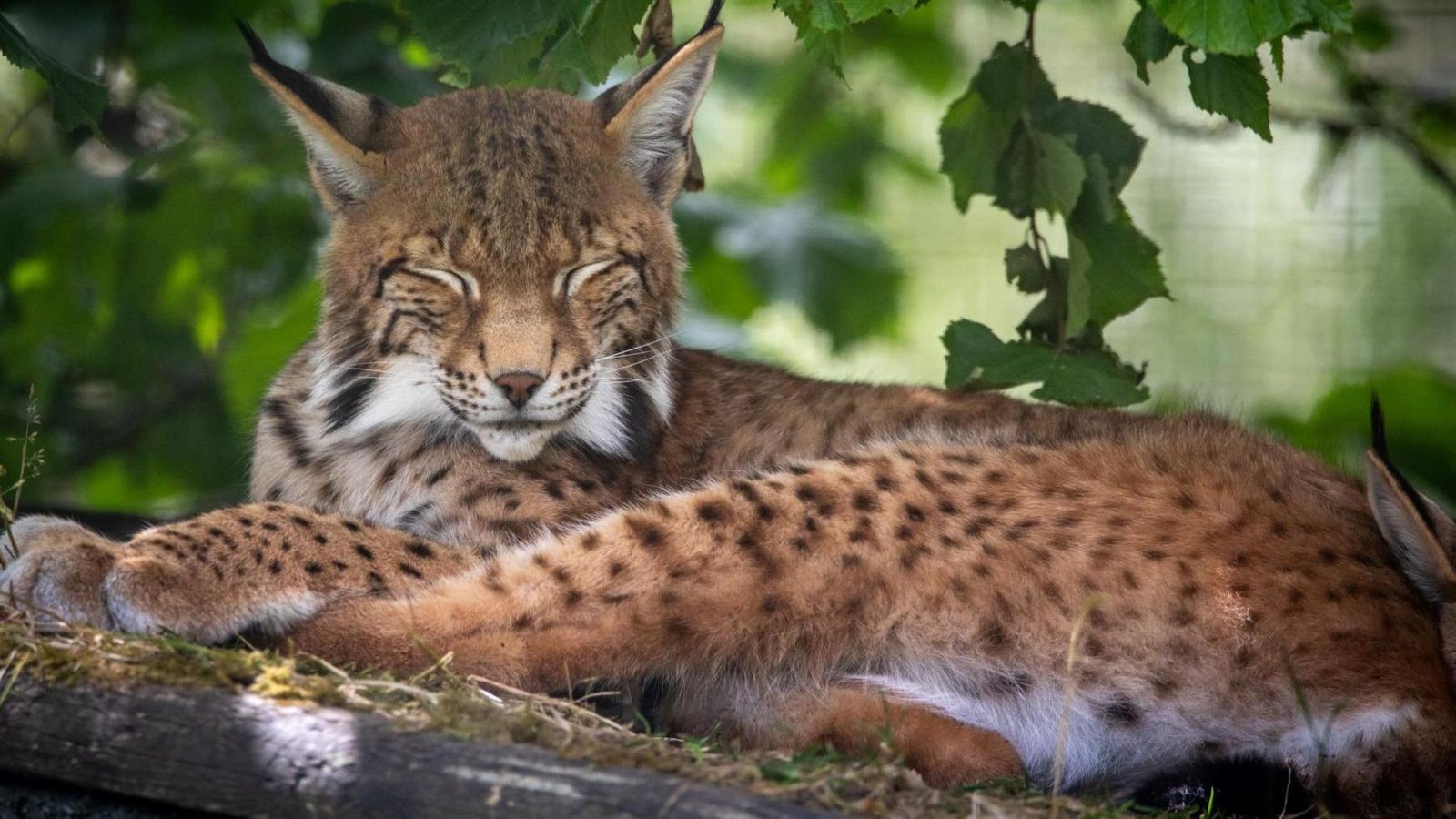
The Cairngorms lynx given names have captured national attention as a powerful symbol of wildlife recovery and public engagement. This high-profile rescue began earlier this year when conservation teams discovered three abandoned female lynx roaming freely in Cairngorms National Park. The Royal Zoological Society of Scotland (RZSS) later relocated the animals—Caledonia, Cardrona, and Bluebell—to a secure, permanent habitat at the Highland Wildlife Park in Kincraig. Schoolchildren across the nation carefully chose the Cairngorms lynx given names through a national competition, reinforcing the importance of community involvement in conservation.The rescue not only safeguarded the animals but also highlighted the urgent need for responsible wildlife monitoring. Following the rescue, experts are now calling for stricter protections against the illegal release of non-native species into fragile ecosystems. From Mystery to Sanctuary: The Rescue Behind the Cairngorms Lynx Given Names The Cairngorms lynx rescue story began in early January, when observers first spotted the elusive wildcats in the snowy expanse of the Cairngorms—a region celebrated for its breathtaking landscapes and ecological diversity. The Cairngorms lynx rescue operation quickly gained national attention, sparking conversations about illegal wildlife releases, rewilding ethics, and animal welfare. Authorities suspected that someone had deliberately abandoned the lynx, raising serious ecological and public safety concerns Acting swiftly, wildlife officers launched a coordinated search operation. The cats were eventually located and safely captured near the town of Aviemore, with no harm caused to them or the surrounding environment. Experts immediately began evaluating their condition, given the dangers of prolonged unsupervised exposure in unfamiliar terrain. Rehabilitation and Relocation: What Followed After Schoolchildren Gave the Cairngorms Lynx Their Names After the rescue, the team transported the trio to Edinburgh Zoo for a mandatory quarantine period. During this time, veterinarians conducted thorough health checks and monitored their behavior to ensure the lynx had not suffered from malnutrition, disease, or stress. The successful completion of this quarantine paved the way for their next chapter—life at the Highland Wildlife Park. In May, Caledonia, Cardrona, and Bluebell were moved to their spacious new enclosure in the Highlands. Designed to mimic their natural habitat, the enclosure allows them to climb, rest, and explore in safety. The RZSS confirmed the lynx are adapting well and showing signs of comfort and curiosity in their environment. A Community Effort: Naming the Lynx To celebrate the arrival of the lynx, the Royal Zoological Society of Scotland held a nationwide school competition. Schools from across Scotland submitted creative name ideas for the three animals. The final names—Caledonia, Cardrona, and Bluebell—were chosen to reflect national pride and natural beauty. Caledonia honors Scotland’s ancient name. Cardrona was inspired by a village in the Borders. Bluebell is named after a vibrant native flower. The initiative raised awareness about the lynx and taught schoolchildren about wildlife conservation. It also highlighted the importance of caring for native species responsibly. Why the Story Matters: The Bigger Picture of Lynx Conservation The naming of the Cairngorms lynx may seem like a small story, but it points to a much bigger issue. It highlights the ongoing debate around rewilding and the reintroduction of species once native to the British Isles. The Eurasian lynx disappeared from the UK nearly 1,300 years ago due to habitat loss and hunting. Today, modern conservationists support their return as a way to help restore natural ecosystems. However, the unregulated release of wild animals—believed to be the case with Caledonia, Cardrona, and Bluebell—raises legal, environmental, and ethical questions. The RZSS, alongside other conservation groups, continues to emphasize the need for scientific planning, habitat assessments, and legal frameworks before any rewilding initiative can take place. Public Response and Future Hopes The public has responded positively to the naming and rehoming of the lynx. Many visitors to the Highland Wildlife Park have expressed fascination with the story, eager to see the trio in their new environment. Conservationists hope that this engagement will lead to deeper conversations around Scotland’s native wildlife and the roles humans play in both damaging and restoring ecological balance. The RZSS is also working to monitor the lynx’s behavior, diet, and health, contributing valuable data to the broader field of carnivore conservation. These cats, once abandoned and at risk, may now become symbols of resilience and education in Scottish wildlife care.

Read More

Chiwetel Ejiofor Summer in London: His Top Picks

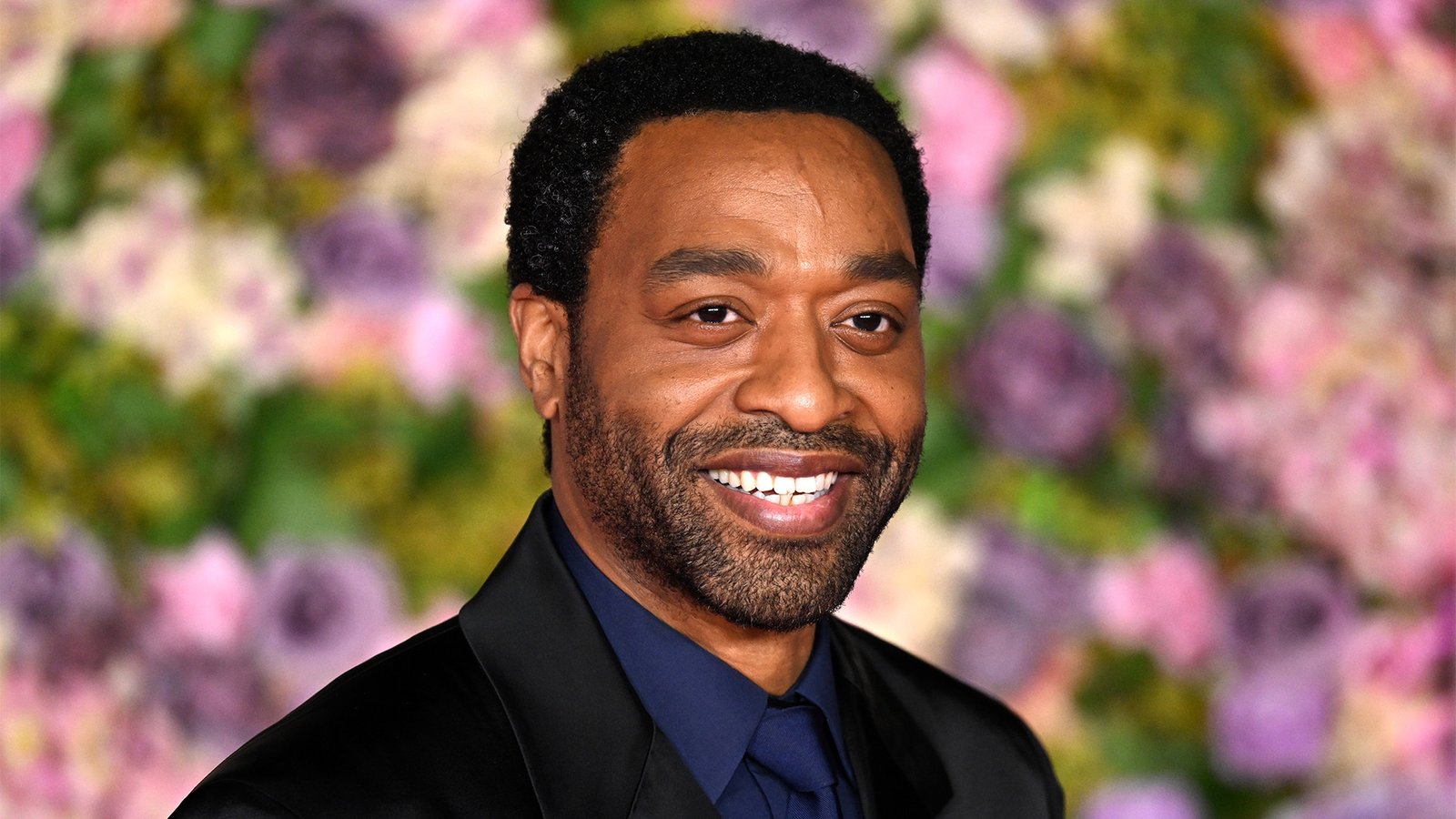
Chiwetel Ejiofor summer in London is a vibrant celebration of culture, heritage, and personal connection. When the sun emerges over the capital, the BAFTA-winning actor—renowned for his performances in 12 Years a Slave, Doctor Strange, and The Martian—relishes the chance to reconnect with the city he calls home. From bustling street markets to world-class museums and the peaceful greenery of Hyde Park, Chiwetel Ejiofor summer in London offers a glimpse into how the celebrated actor embraces the best of the season in one of the world’s most dynamic cities. How Chiwetel Ejiofor Spends Summer in London The summer of 2025 is especially eventful for Ejiofor. His performance in The Life of Chuck, the much-anticipated adaptation of Stephen King’s novella, has been making headlines. Additionally, fans are eager to see him reprise his role as former CIA operative James Copley alongside Charlize Theron in The Old Guard 2, releasing on July 2. Yet even with a packed film schedule, Ejiofor finds time to enjoy London’s seasonal delights. “Everybody’s so hyper-excited when they finally see the sun,” he says. “The long days, the late sunsets—it’s a fun place to be. It just makes everything feel more alive.” Chiwetel Ejiofor’s Favourite Summer Market in London: Exmouth Ejiofor’s connection to Exmouth Market goes back two decades. “I lived there in the early 2000s, and I still visit when it’s especially sunny. The area holds so many memories for me, and I just love the vibe.” His affection for London’s outdoor markets reflects the city’s essence in the summer—lively, communal, and filled with culture. He adds that different neighborhoods truly come alive in warmer months, especially with people gathering in parks and pub gardens. London Parks That Inspire Chiwetel Ejiofor in Summer While Hyde Park is now more accessible from where he currently lives, Ejiofor holds a deep fondness for Regents Park. “Regents Park is where I spent the most time running and playing tennis,” he recalls. “It’s a beautiful park with a lot of history for me.” Whether it’s jogging, relaxing under the trees, or catching a spontaneous musical performance, London’s parks are central to Ejiofor’s summer experience. Chiwetel Ejiofor’s Summer in London Includes Wimbledon Magic Ejiofor keeps a close eye on Wimbledon. “I’ve attended a few matches over the years. There’s nothing quite like the atmosphere. Hopefully I’ll get to see a match in person this year.” As a devoted Crystal Palace fan, the highlight of his year was their unexpected victory over Manchester City in the FA Cup Final. Though he couldn’t attend due to filming, his enthusiasm remains evident. Rainy Day Retreats: Where Art and Culture Take Over London isn’t always sunshine and clear skies, but even rainy days hold charm for Ejiofor. Rather than stay cooped up, he seeks inspiration in the city’s premier institutions. “I’m more likely to be found at the Royal Academy of Arts, or a museum or gallery. The British Museum is one of my favorites—some of it is for research, but a lot is just for personal curiosity.” He also mentions the British Library as a place of quiet retreat and intellectual stimulation. “You can get lost in those historical tomes. It’s a museum experience without an exhibition.” The South Bank: A Personal and Professional Hub Ejiofor’s ties to the South Bank are both nostalgic and creative. “I have a personal history there from my time performing at the National Theatre. The whole area—the Hayward Gallery, the Royal Festival Hall—has this cultural electricity that I love.” Theatre Roots: Where It All Began When it comes to London’s performing arts scene, the National Theatre and the Young Vic stand out. “Performing at the National, especially The Olivier Theatre, has always been special. And the Young Vic—I’ve done workshops and plays there for years. My connection to that theatre is deeply personal.” Even with an international career, Ejiofor continues to support local theatre and appreciates the dynamic direction these institutions are heading. A London Summer Like No Other From local markets to historic institutions, from world-class sporting events to quiet literary escapes, Chiwetel Ejiofor’s summer in London reflects a man deeply connected to his roots, yet always evolving. His favourite haunts—Exmouth Market, Regents Park, the British Museum—reveal a love for the city that shaped him. In a capital known for its diversity and dynamism, Ejiofor’s summer itinerary blends reflection, recreation, and cultural curiosity, offering a rich blueprint for anyone seeking to make the most of London’s warm season.

Read More

Deep Sea Mining Impact: 50 Years of Ocean Scars

A Legacy of the Deep: Tracing the Long-Term Deep Sea Mining Impact The deep sea mining impact on Earth’s most unexplored ecosystems is coming into stark focus as nations revisit old test sites and fast-track new underwater excavation efforts. The Blake Plateau, off the coast of North Carolina, still bears the scars of the world’s first deep sea mining experiment from 1970—proof that such disruptions have long-lasting consequences. As President Donald Trump moves to accelerate seabed extraction in 2025, scientists and environmentalists warn that we may not yet grasp the full ecological cost. Blake Plateau and the Deep Sea Mining Impact: The 1970 Seafloor Test That Still Echoes Today In July 1970, a project by Deepsea Ventures sent a prototype mining vehicle plunging into the ocean’s depths. It vacuumed up more than 60,000 manganese-rich nodules from a silty abyss now known as the Blake Plateau. These nodules, containing valuable metals like nickel and cobalt, were considered critical to industrial development and national security. But this pilot test left more than just data—it etched 43 kilometers of dredge marks into the seabed that remain visible half a century later. An Ecological Time Capsule: The Deep Sea Mining Impact of the 1970 Test Biologist Samantha Joye, who has explored the plateau, describes the contrast vividly. Surrounding areas teem with marine life—starfish, sponges, giant mussels—but the test site itself is barren. No regrowth, no curious squid, and no coral—only silence and scars remain. The tracks, still visible in 2025, offer scientists a somber warning of the deep sea mining impact on marine ecosystems, even after decades of inactivity. Global Interest Resurges: The Deep Sea Mining Impact and Why It Matters Now In April 2025, President Trump signed the “Unleashing America’s Offshore Critical Minerals and Resources” executive order, fast-tracking deep-sea mining permits. This comes amid a surge in demand for minerals essential to electric vehicles, batteries, and green energy technologies. Companies like The Metals Company and Impossible Metals argue that technological advances make mining less invasive than ever—but critics urge caution, citing historical and scientific evidence. From Innovation to Exploitation: The Deep Sea Mining Impact of Commercial Expansion Modern seabed mining firms claim to be using delicate, selective technologies instead of dredging. Impossible Metals, for example, markets its robotic nodule pickers as non-invasive. However, recent exploration around American Samoa and the Clarion-Clipperton Zone (CCZ) raises concerns about future consequences. Marine scientists note that even these sophisticated methods disturb sensitive environments. The Clarion-Clipperton Zone: Deep Sea Mining Impact – Treasure Trove or Ecological Minefield? Spanning between Hawaii and Mexico, the CCZ contains more nickel, cobalt, and manganese than all land-based reserves combined. But it is also home to thousands of previously unknown species. A 2023 survey found more than 5,000 unique organisms, 90% of which are new to science. Disturbing this biodiversity hotbed without proper regulation could cause irreversible damage. Reefs, Ridges, and Resources: Discovering a Deep Sea Marvel Amid Deep Sea Mining Impact In 2024, researchers mapped the largest deep-sea coral reef system ever discovered—stretching 500 kilometers along the Blake Plateau. This revelation intensified calls for its protection, highlighting the contradiction between mineral exploration and conservation. Preserving such ecosystems may be key to future pharmaceutical breakthroughs, as over 20 medicines have already originated from deep-sea organisms. Ecosystem Resilience and Recovery: A Timeline Measured in Centuries Evidence from a 1989 mining simulation in the Pacific suggests that deep-sea ecosystems recover at an excruciatingly slow pace. Microbial populations, critical to ocean nutrient cycles, remained diminished even 26 years after a single test. Filter feeders and other benthic organisms were also drastically reduced. Joye’s team confirmed in 2025 that microbial recolonization in disturbed zones remains incomplete. Sediment Plumes: The Hidden Threat of Underwater Mining Mining machines don’t just impact the seabed; they churn up plumes of fine sediment that linger in the water column. These suspended particles can stress out marine organisms, disrupt bioluminescent communication, and even interfere with filter feeding. Jellyfish, shrimp, and fish may ingest these sediments, affecting their health and breeding. Carbon Sink Disruption: Seabed Mining and Climate Change One of the lesser-known deep sea mining impacts is on carbon sequestration. Abyssal creatures and microbial life play a key role in locking away atmospheric carbon. Stirring up the seabed may release stored carbon, potentially undermining climate goals. Research indicates that up to 172 tonnes of carbon could be released per square kilometer mined. Fishing Industry Fallout: Clashing Economic Interests Many fish species, including yellowfin and bigeye tuna, migrate through potential mining zones. Plumes from mining activity could overlap with key migration routes, posing a risk to fisheries that provide livelihoods for small island nations. Reports suggest that 10% of global tuna catch may come from areas under mining consideration. Legal Gray Zones: US Policy vs. International Frameworks While the US has never ratified the UN Convention on the Law of the Sea (UNCLOS), its participation in international waters raises diplomatic questions. If the US grants mining licenses beyond its exclusive economic zone, it could contradict global marine governance structures, potentially sparking legal and political tensions. NOAA’s Role: A Balancing Act Between Regulation and Extraction The National Oceanic and Atmospheric Administration (NOAA) finds itself in a paradox. Tasked with protecting marine resources, it’s now required to expedite mining permits. The agency says it will uphold rigorous environmental standards through impact assessments, interagency consultation, and public transparency—but critics remain skeptical. Expert Perspectives: Voices from Academia and Industry At a 2025 congressional hearing, MIT professor Thomas Peacock argued that new data may reduce worst-case assumptions. His studies for The Metals Company show that sediment plumes can be localized. However, he also emphasized the need for large no-mining zones and better environmental modeling tools. Global Pushback: Calls for a Moratorium on Seabed Mining Over 900 scientists and policy experts have signed an open letter urging a moratorium on commercial mining until sufficient environmental safeguards are in place. Nations including France, Germany, and Chile have echoed this call, emphasizing the need to “pause and learn” before unlocking the…

Read More