
Sofia Catherine

Kolhapuri Sandal Controversy: Prada Faces Backlash

Kolhapuri Sandal Controversy Sparks Global Debate Over Design Rights The Kolhapuri sandal controversy has thrust the quaint town of Kolhapur in western India into the global spotlight. Thousands of skilled artisans are accusing luxury fashion house Prada of replicating their iconic handcrafted footwear designs without credit or compensation. As this cultural appropriation claim gains momentum, the voices of India’s traditional shoemakers are finally echoing beyond their workshops. Generations of Kolhapuri Craftsmanship at Risk In a dimly lit workshop, the rhythmic tapping of hammers echoes as Sadashiv Sanake, 58, diligently shapes leather into the renowned Kolhapuri sandals. “I learnt this craft during my childhood,” he says, as he carves intricate patterns into the leather. Each day, he manages to produce about eight to ten pairs of these sandals, which are sold locally for just $8 to $10. Kolhapuri sandals are not merely footwear; they are the result of generations of artisanal skill. Yet, only about 5,000 artisans remain in the trade, struggling to sustain a livelihood amid increasing costs, poor working conditions, and competition from mass production. When High Fashion Imitates Tradition: The Kolhapuri Sandal Controversy The dispute erupted when Prada unveiled a collection of luxury leather sandals at Milan Fashion Week that bore a striking resemblance to the Kolhapuri design. Though the brand later acknowledged the design’s Indian roots, local artisans and cultural experts viewed the move as a textbook case of cultural appropriation. Kolhapuri sandal maker Mr. Sanake, upon seeing Prada’s designs, was astounded to learn that such sandals might retail for hundreds of pounds in international markets. “Do they have gold in them?” he asked mockingly. Kolhapuri Sandal Controversy: A Legacy Spanning Centuries The roots of Kolhapuri sandals trace back to the 12th century. Originally crafted by the Charmakar community, who traditionally worked with leather, these sandals gained recognition and royal patronage in the early 20th century under Chhatrapati Shahu Maharaj, a progressive ruler of Kolhapur. According to the Maharashtra Chamber of Commerce, Industry and Agriculture (MACCIA), approximately 100,000 artisans across India are still engaged in this traditional craft. Despite this, the majority of these workers remain underpaid and undervalued. Kolhapuri Sandal Controversy: Women Artisans Behind the Craft Women artisans, like 60-year-old Sunita Satpute, play a crucial role in the production process, especially in engraving delicate patterns. “I was never educated. This is the only skill I know,” she says, revealing that she earns only about $4-5 a day. For this reason, her children are reluctant to continue the family trade. Traditional Trade vs. Modern Challenges In Kolhapur’s famous ‘Chappal Gully’, or sandal lane, storefronts line the streets, but many are struggling to stay open. Rising leather prices have made production more costly. Furthermore, the 2015 Maharashtra ban on cow slaughter has forced artisans to switch from cowhide to buffalo leather, which is more expensive and harder to source. These challenges are compounded by the flood of synthetic replicas in the market, making it harder for authentic Kolhapuri sandals to compete. “Customers often can’t distinguish between genuine leather and synthetic copies,” explains Rohit Balkrishna Gavali, a second-generation shop owner. Legal and Global Implications In 2019, Kolhapuri sandals received the Geographical Indication (GI) tag, granting them legal protection within India. However, this protection does not extend globally. Legal experts argue that India can file a case under the WTO’s TRIPS agreement, but such measures are costly and difficult to enforce. MACCIA President Lalit Gandhi plans to seek an international patent for the Kolhapuri design, aiming to create a precedent that protects traditional Indian crafts in global markets. The Need for Ethical Recognition Fashion designers and industry veterans argue that true change requires ethical and cultural recognition. “India must advocate for co-branding and royalty-sharing arrangements,” suggests fashion designer Ritu Beri. “Only by valuing our traditions can we prevent their exploitation.” This sentiment resonates with artisans who hope for more than just temporary attention. They seek respect and a fair share of the profits generated from their designs. Global Brands and Cultural Appropriation This isn’t the first instance of international brands facing backlash over Indian craftsmanship. Techniques like Chikankari embroidery, Ikat weaving, and mirror work have long been used by luxury fashion houses without proper credit or collaboration with artisans. “The artisans remain invisible, while brands thrive off their creativity,” Beri adds. A Silver Lining? Interestingly, the controversy may have inadvertently increased demand for Kolhapuri sandals. Gavali notes a spike in international orders, particularly from clients in Dubai, the U.S., and Qatar. “Sometimes, controversy can actually help,” he remarks. “But we also want it to bring dignity and better compensation.” Toward a Collaborative Future Legal action has already been initiated, with a plea filed in an Indian high court seeking compensation from Prada and a possible collaboration overseen by judicial authorities. While Prada has acknowledged discussions with MACCIA, the outcome remains uncertain. However, artisans like Sadashiv and Sunita remain hopeful. With international attention, there may finally be a chance for meaningful recognition of their heritage and hard-earned craft. Conclusion The Kolhapuri sandal controversy has ignited a critical conversation about cultural ownership, global fashion ethics, and the dignity of traditional artisans. As the legal and moral debate unfolds, the focus must remain on preserving this invaluable legacy and ensuring that the hands behind the heritage are not left behind.


Read More

Six Summer Travel Books That Inspire Wonder

Six Summer Travel Books to Spark Wonder and Wanderlust Just as travel can alter our understanding of the world, great travel writing can transport, educate, and inspire us. These six summer travel books offer bold and uplifting journeys. From motorcycle rides across continents to treks through New Zealand’s rugged trails, each story inspires adventure. Like a good passport stamp, each story leaves a lasting impression on the soul. Summer Travel Book: Free Ride by Noraly Schoenmaker — A Journey of Reinvention In Free Ride, Noraly Schoenmaker recounts her 20,000-mile solo motorcycle journey from India to the Netherlands. Sparked by heartbreak, her solo expedition becomes a powerful narrative of personal transformation. In Tajikistan’s Pamir Mountains, she captures solo travel’s paradox: “I was freezing, I was scared… Yet I had never felt more alive.” Schoenmaker’s unfiltered, heartfelt writing immerses the reader in treacherous roads, broken motorcycles, and the warmth of strangers. Her optimism, resilience, and openness stand out—qualities that inspire the world to embrace her in return. Summer Travel Book: Northbound by Naomi Arnold — For Determined Seekers of Solitude Northbound follows Naomi Arnold on her nine-month, 3,000km solo hike along New Zealand’s Te Araroa trail. Arnold begins at the southern tip and treks to Cape Reinga, crossing some of New Zealand’s wildest landscapes. Her story blends vivid nature imagery with self-discovery, like during her climb of Mt Crawford: “Spiderwebs caught between trees were glistening with diamonds of moisture.” This low light changed everything.” Through blisters, fatigue, and moments of transcendent beauty, Arnold’s journey evolves into a meditation on endurance, vulnerability, and the gifts of solitude. It’s a moving testament to the inner landscapes uncovered when we dare to walk alone. On the Hippie Trail by Rick Steves: For Romantic Road Warriors Before he became a household name, Rick Steves journeyed along the famous hippie trail from Istanbul to Kathmandu in 1978. On the Hippie Trail is a raw and sincere account of that early adventure, culled from his personal journals. His young voice captures the thrill and confusion of encountering unfamiliar worlds: “I lost myself in Durbar Square…children, oblivious to it all, playing tag among the frozen Buddhas.” Filled with cultural curiosity and reflections on the absurdities and wonders of travel, Steves’ account reminds readers that awe is always just around the next bend. Fiesta by Daniel Stables: For Ritual Seekers and Cultural Explorers In Fiesta, Daniel Stables explores the world’s most vibrant festivals and the human longing for ritual and connection. Drawing from a decade of immersive fieldwork, he profiles 11 festival types—each with its own symbolism and sense of belonging. Stables blends anthropology and raw experience — from dancing with dervishes in Turkey to plunging into the sea with Romani pilgrims. His vivid prose captures the moment: “Riding a white horse across the sand, necking plum brandy, and running barefoot into the sea… these are things which make life voluptuous.” Go West by Steve Silk: For Local Adventurers and Slow Travelers With Go West, Steve Silk proves that world-expanding journeys can happen close to home. Over eight days, he pedals from London to Wales, embracing a philosophy of “undertourism”—seeking meaning in overlooked places. Along the way, he uncovers unexpected gems: an ancient yew tree, a mossy Welsh valley, and a museum offering “Coffee, Pies and Assemblies since 1721.” Silk’s narrative champions the joys of slow travel, the power of curiosity, and the richness found in the everyday when we choose to explore deliberately. It’s a reminder that adventure is not about distance—it’s about presence. Small Earthquakes by Shafik Meghji: For History Lovers and Global Thinkers Small Earthquakes by Shafik Meghji explores South America, uncovering the deep and lasting ties between Britain and nations like Argentina, Chile, and Uruguay. Meghji blends rich travel stories with history, highlighting whaling stations, Victorian missionaries, Patagonian cowboys, and Southern Cone cultures. At Orongo on Rapa Nui, Meghji writes, “With cliffs in front and a volcanic crater behind… it felt like the edge of the world.” His reflection on a statue taken to the British Museum reveals both personal and cultural reckoning. Small Earthquakes connects past and present, revealing how colonial legacies shape modern identity and echo in personal discovery. Let These Pages Be Your Journey These six summer travel books offer more than entertainment—they offer transformation. Whether you’re biking locally, crossing Tajikistan’s wild terrain, or exploring history through personal stories, these books reveal how travel leads to self-discovery.

Read More

Zooplankton Carbon Storage Slows Climate Change

The Microscopic Champions of Climate Control Tiny marine organisms often ignored or known only as fish food are quietly performing one of the planet’s most essential climate services. These creatures, known as zooplankton, are central to a natural carbon storage mechanism that helps reduce the planet’s warming. Their ability to gorge on phytoplankton, transform it into fat, and descend to the deep sea creates a powerful carbon sequestration process known as zooplankton carbon storage. Understanding Zooplankton Carbon Storage Each spring, copepods and other forms of zooplankton feed voraciously on phytoplankton—tiny plant-like organisms that absorb atmospheric carbon dioxide via photosynthesis. The carbon consumed is stored in the form of lipid reserves, which these creatures carry within their small bodies. As the Antarctic winter nears, they descend hundreds to thousands of meters below the ocean surface and burn this fat slowly to survive the cold months. This seasonal journey results in carbon being deposited deep within the ocean, away from the atmosphere. The process is known as the seasonal vertical migration pump, and it is responsible for storing approximately 65 million tonnes of carbon annually—an amount equivalent to emissions from 55 million diesel cars. The Creatures Behind the Carbon Process Copepods, the most abundant type of zooplankton, play a starring role in this process. These minuscule crustaceans, related to lobsters and crabs, are only 1 to 10 millimeters long. Despite their small size, they are remarkably efficient at absorbing and storing carbon. Photographic evidence under microscopes shows long lipid sacs inside their bodies, filled with carbon-rich fat. Krill and salps also participate in this deep-sea migration, but copepods dominate due to their high numbers and lipid density. Although they are often sold as fish food, their global ecological impact is massive. Why Zooplankton Carbon Storage Matters The Southern Ocean is vital to global carbon regulation, absorbing about 40% of the ocean’s share of carbon dioxide despite covering only 6% of Earth’s surface. Zooplankton help lock this carbon in the deep sea, preventing it from reentering the atmosphere for decades or even centuries. Without this process, atmospheric CO2 levels would be significantly higher. Their fat essentially functions like a biological battery, burning slowly in the ocean’s depths. This delays the return of CO2 to the surface and the atmosphere, buying time for humans to reduce fossil fuel emissions. Scientific Insights on Zooplankton Carbon Storage Recent studies spanning nearly a century of data, from 1920s records to current deep-ocean expeditions, have quantified the impact of zooplankton carbon storage. Using research ships like the Sir David Attenborough, scientists have collected and analyzed these creatures at different depths and times of the year. Dr. Jennifer Freer and Professor Daniel Mayor led missions to regions like the South Orkney Islands and South Georgia. They conducted midnight net samplings when the creatures ascend toward the surface. These samples were studied in labs maintained at Antarctic temperatures (3-4°C) under red light to avoid stressing the zooplankton. Through this meticulous work, researchers calculated the immense scale of the seasonal vertical migration pump. The Climate Threats Facing Zooplankton Unfortunately, this natural carbon sink is under threat. Rising ocean temperatures, changes in salinity, commercial krill harvesting, and increasing storm activity are altering ocean layers and disrupting zooplankton behavior. In 2020, nearly half a million tonnes of krill were harvested, legally but controversially. Environmentalists warn that commercial exploitation of zooplankton and their food sources could reduce carbon storage efficiency and threaten the wider marine food chain. Global warming also shifts ocean stratification patterns, which can delay or disrupt the animals’ seasonal descent. These changes may have devastating consequences for the planet’s natural carbon storage system. Zooplankton’s Role in Climate Modeling Despite their importance, zooplankton were previously underestimated in global climate models. The new findings about zooplankton carbon storage are prompting scientists to re-evaluate climate projections. Accurate modeling of carbon budgets requires including biological processes like vertical migration. By factoring zooplankton into models, scientists can better predict the Earth’s warming trajectory, the role of oceans as carbon sinks, and the effectiveness of human interventions. The Ongoing Discovery and Exploration Research on zooplankton carbon sequestration is expanding. New instruments, including deep-sea sensors and autonomous underwater vehicles, are being deployed to track zooplankton migration and fat utilization. Oceanographers continue to study seasonal timing, temperature responses, and migration depths. Such research is critical not just for understanding current carbon dynamics, but also for forecasting how resilient zooplankton systems will be under future climate stress. What Can Be Done to Protect This System? Policymakers and conservationists are beginning to recognize the need for protecting zooplankton populations. Suggested actions include: Educating the public about the role of zooplankton carbon storage can build support for protecting this essential ecosystem service. Small Beings, Big Impact The planet’s tiniest marine creatures are performing one of its most vital climate functions. The natural ability of zooplankton to consume, store, and isolate carbon in the deep sea makes them silent climate heroes. Understanding and protecting zooplankton carbon storage is not only a scientific necessity—it is a global imperative. By valuing their contribution and taking steps to shield their habitat, we can strengthen our fight against climate change and ensure that this natural buffer continues to work silently beneath the waves.

Read More

Texas Flood Kerr County: 24 Dead, 25 Children Missing

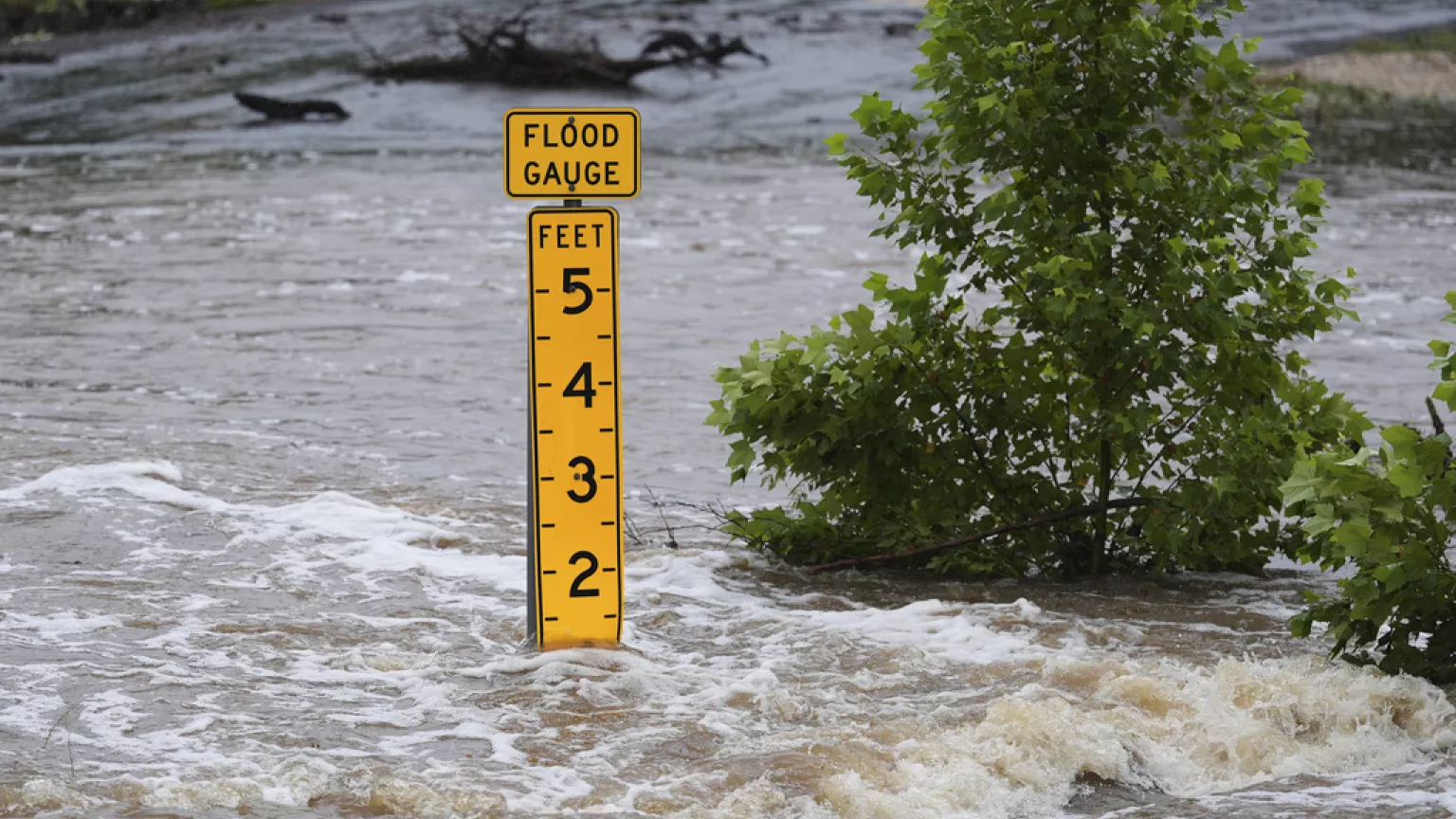
Texas Flood Kerr County: A Sudden Natural Catastrophe Unfolds Flash flooding devastated Kerr County during a shocking Texas flood on Independence Day, killing 24 people and leaving up to 25 children missing. The disaster unfolded rapidly, catching authorities and residents off guard. Kerr County, a region northwest of San Antonio, experienced extreme rainfall in a short time span, leading to what officials described as an unprecedented flooding event. The Guadalupe River rose by 26 feet within just 45 minutes, submerging entire neighborhoods, sweeping away vehicles, and tragically taking lives. The floods affected several counties, but Kerr County bore the brunt of the damage. Texas Flood Kerr County: Search and Rescue Efforts Intensify Texas Governor Greg Abbott confirmed that federal assistance had been pledged. In the wake of the Texas flood Kerr County event, over 400 personnel were deployed, including rescue swimmers, tactical vehicles, and military helicopters. The Texas Parks and Wildlife Department, along with FEMA and local law enforcement, coordinated search operations targeting high-risk zones such as summer camps, riverbanks, and rural homes. Authorities reported more than 20 children missing at Camp Mystic, a popular girls’ summer retreat. Parents and families gathered at nearby shelters awaiting news, as telecommunication breakdowns further hampered communication. Texas Flood Kerr County: Why No Warning System Was in Place Kerr County officials were questioned about the lack of prior evacuation and alert systems. County Judge Rob Kelly responded, stating, “We didn’t know this flood was coming,” acknowledging that the area lacks a flood early warning system. This lack of infrastructure mirrored the tragedy of 1987 when a flash flood in the same region killed 10 teenagers at a church camp. Without a formal alert network, residents were largely unaware of the looming danger. The Kerrville Breaking News Facebook group became an impromptu information hub, with residents posting about missing relatives, shelter locations, and recovery resources. Texas Flood Kerr County: The Emotional Toll on Families Heartbreaking stories continue to surface. One mother posted that her daughter and son-in-law were missing after floodwaters washed away their home near Kerrville Lake. A woman in Austin reported losing contact with her grandparents along the Guadalupe River. Social media has become the only tool for many desperate families to connect. Officials from National Weather Service and FEMA recommend families register for local emergency alerts and have evacuation plans ready, especially in flood-prone areas. Infrastructure and Climate Concerns Experts have noted that Kerr County and surrounding regions have faced increasing vulnerability to flash floods due to climate change, urban development, and outdated infrastructure. The region received several months’ worth of rainfall in just hours — a phenomenon that’s becoming more common. The Texas Department of Agriculture has urged residents to stay off flooded roads and heed evacuation orders. Commissioner Sid Miller reminded the public, “Turn around, don’t drown.” Displaced Communities and Ongoing Support The Texas flood Kerr County incident displaced hundreds. Rescue teams saved over 237 people and opened temporary shelters throughout the Hill Country and Concho Valley. Local churches, schools, and community centers opened doors to evacuees. Texas Maj Gen Thomas Suelzer confirmed that officials paired rescue teams with helicopters and boats to reach otherwise inaccessible areas. With 12 drones scanning submerged zones and 14 choppers in rotation, rescuers continued working around the clock. The Tragedy at Camp Mystic Camp Mystic, located on the banks of the Guadalupe River, became a central focus of rescue efforts. With over 100 girls in attendance, the sudden floodwaters overwhelmed staff efforts to move campers to safety. Many girls have since been accounted for, but more than 20 remained uncontacted as of Friday evening. Lieutenant Governor Dan Patrick emphasized that if officials had not contacted families, their children were likely safe but unreachable due to signal disruptions. New Jersey Also Suffers Storm Casualties In a related weather event, severe storms hit New Jersey, killing three people. A 79-year-old man and a 25-year-old man died when a tree fell on their car in Plainfield, while a tree struck and killed a 44-year-old woman under similar circumstances in North Plainfield. Lessons and the Road Ahead The Texas flood Kerr County disaster has sparked conversations about the state’s emergency preparedness, infrastructure, and climate resilience. Critics argue that Texas must prioritize flood detection systems, modernize its drainage infrastructure, and invest in public awareness campaigns. Officials encourage Texas residents to follow updates from Texas Emergency Management and donate to reputable organizations providing aid to displaced families. What Can Be Done? Improved emergency alert systems, updated infrastructure, and better planning for summer camps and recreational zones near rivers must become a priority. Communities should collaborate with meteorological agencies and disaster relief organizations to prevent future tragedies. A Wake-Up Call for Texas The Texas flood Kerr County event reminds us how unpredictable nature can be and underscores the need for communities to actively prepare. As families mourn, communities rebuild, and agencies respond, the need for systemic change becomes increasingly clear.

Read More

Zambia Elephant Attack: Tourists Killed on Safari

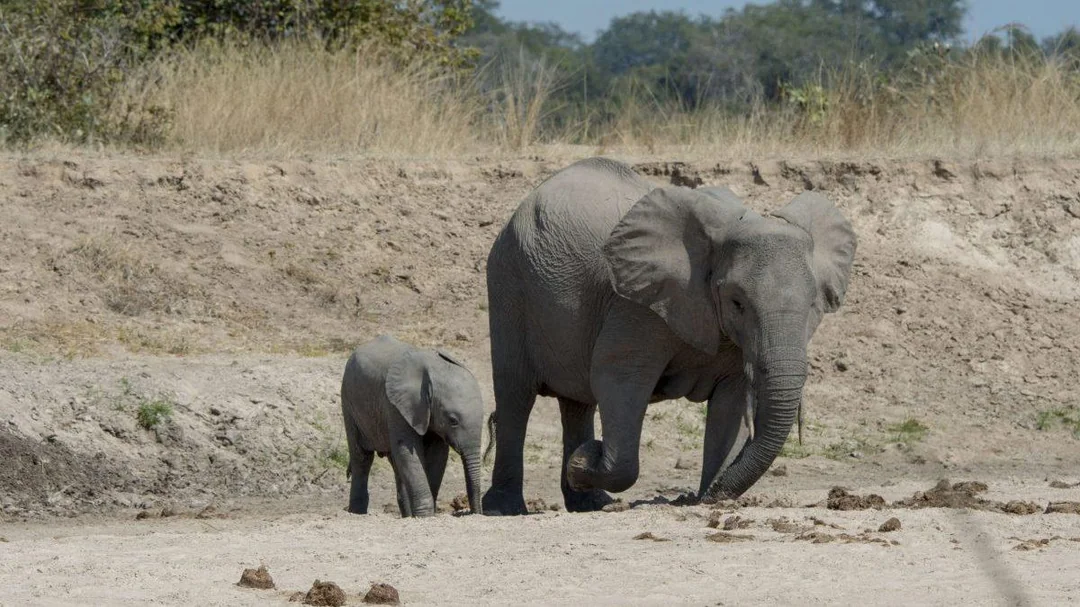
Zambia Elephant Attack Highlights Dangers of Wildlife Encounters In a tragic Zambia elephant attack, a British woman and a New Zealand tourist were killed by a charging elephant during a guided walking safari in South Luangwa National Park. The Zambia elephant attack occurred when a female elephant, believed to be protecting her calf, suddenly charged the group. Witnesses described the Zambia elephant attack as swift and violent, leaving no time for guides to prevent the fatal outcome. This shocking Zambia elephant attack has raised new concerns over tourist safety and wildlife encounters in African safari parks. The focus keyphrase for this blog is: Elephant kills British and New Zealand tourists in Zambia This blog explores the circumstances of the tragic event, the behavioral patterns of elephants, safety protocols for safari tourism, and Zambia’s broader wildlife tourism landscape. It also reflects on how such incidents can shape policy and awareness regarding human-animal interactions. What Happened During the Zambia Elephant Attack? Tourists Trampled During Guided Safari The fatal incident took place in the South Luangwa National Park, located approximately 600 kilometers from Zambia’s capital, Lusaka. The two women had been staying at a luxury tented lodge, the Big Lagoon Camp, for four days as part of their Zambian safari itinerary. On Thursday morning, while walking in the park with an official guide, they were attacked from behind by a charging female elephant. Despite efforts by the guides to deter the animal by firing warning shots, the elephant managed to reach the women. Both were trampled to death on the spot. Authorities believe the elephant acted in defense of her calf, a behavior not uncommon among female elephants when they perceive a threat. Victim Identities and Details The victims have been identified as Easton Taylor, a 68-year-old British woman, and Alison Taylor, 67, from New Zealand. Authorities have not confirmed whether the two were related. Both were part of a group on a walking safari, an increasingly popular but risk-prone activity in Zambia’s wildlife parks. Elephant Behavior and Protective Instincts Why Do Elephants Attack? Elephants, particularly females with young calves, are known for their heightened sensitivity to perceived threats. The female that charged the tourists was likely reacting defensively, protecting her calf from what she interpreted as an intrusion into her territory. Understanding Elephant Body Language Wildlife experts advise that elephants exhibit certain signs before charging: flaring ears, trunk curling, loud trumpeting, and mock charges. However, sometimes elephants do not give enough warning, especially when under stress or when a calf is present. Defensive Aggression vs. Predatory Behavior Unlike predators such as lions or leopards, elephants do not attack humans for food. Their aggression is typically a form of defensive behavior, often triggered by fear, surprise, or provocation. In this case, the presence of a calf could have intensified the elephant’s need to protect her young. Zambia Elephant Attack Sparks Safety Concerns Over Walking Safaris The Appeal of Walking Safaris in Zambia Zambia is known for pioneering walking safaris—a unique form of wildlife tourism that allows visitors to experience animals in their natural habitat at ground level. South Luangwa National Park, in particular, is famed for offering intimate, immersive walking experiences with trained guides. Safety Protocols: Are They Enough? While walking safaris are led by trained guides and often accompanied by an armed scout, the unpredictability of wild animals always presents risks. In remote areas with dense bushland, visibility can be limited, making it difficult to spot charging animals in time. Guidelines Tourists Should Follow Zambia Elephant Attack Highlights Risks of Wildlife Tourism Wildlife Diversity in South Luangwa South Luangwa is home to a wide range of species, including elephants, lions, leopards, hippos, and crocodiles. The park plays a critical role in Zambia’s ecotourism and conservation economy. Human-Wildlife Conflict on the Rise? While Zambia markets its parks as safe for tourists, fatal wildlife incidents have been reported in recent years. Last year, two American tourists were killed in separate elephant-related accidents, both while inside safari vehicles. These incidents point to the need for improved tourist awareness and strengthened park protocols. Impact on Zambia’s Tourism Industry A Blow to the Safari Reputation Zambia’s tourism sector, particularly its safari offerings, could face scrutiny following repeated fatal incidents involving tourists. These events can lead to international travel advisories and reduced bookings. Need for Enhanced Safety Measures Calls are growing for the implementation of advanced safety measures such as: Government Response and International Reactions Local authorities expressed deep regret over the incident and reiterated their commitment to tourist safety. International agencies have extended support to the families of the victims, while consular assistance is being provided. Zambia Elephant Attack Raises Questions on Ethical Wildlife Tourism Balancing Conservation and Tourism Zambia walks a fine line between promoting conservation and sustaining its tourism revenue. Elephants, being keystone species, are protected under national and international law, complicating decisions to control or relocate aggressive individuals. Ethical Safari Practices Eco-conscious tourists and operators are emphasizing: Psychological Impact on Survivors and Witnesses Trauma Among Safari Participants The incident is likely to have long-term psychological effects on fellow tourists and guides who witnessed the attack. Immediate psychological support and debriefing are essential to reduce trauma. The Burden on Safari Guides Safari guides face the dual responsibility of ensuring tourist safety and protecting wildlife. Incidents like this can impact their careers, mental health, and future employment opportunities. Global Patterns of Elephant-Related Fatalities A Rising Global Concern Elephant attacks are not unique to Zambia. India, Thailand, Kenya, and Botswana have also reported fatal elephant encounters involving tourists and locals alike. These incidents often occur in areas where human settlements encroach on elephant corridors or during peak breeding seasons. Elderly Tourists at Greater Risk? Several cases, including this one, have involved elderly tourists who may have slower reaction times and limited mobility. Some safari operators are considering age-specific safety guidelines as a precautionary measure. Prevention: Can Future Incidents Be Avoided? Technological Solutions Innovations such as: Enhanced Training for Safari Staff Guides must undergo rigorous re-training on…

Read More

Kids the Heroes of Their Own Story with Lapp

Lapp Helps Make Kids the Heroes of Their Own Story Through Personalized Tales Jason, a 40-year-old father from Bradley Stoke in Bristol, is changing how children read with Lapp—his personalized story app that helps make kids the heroes of their own story. A former Royal Marine turned tattoo artist, Jason was inspired by his son’s growing interest in screens. Wanting to use technology for good, he created Lapp to promote confidence, imagination, and literacy. By placing children at the center of each tale, Lapp empowers kids to see themselves as heroes, helping them build emotional resilience and face real-life challenges with courage. Launched in August 2023, Lapp is the product of 18 months of collaboration with child psychologists, writers, and educators. The app allows children to upload their own photos, select emotions, and choose skin tone—creating personalized, empowering narratives where they become the heroes of their own story. These custom stories help children process emotions and develop resilience by walking through challenging situations in a safe, imaginative way. Whether it’s a first day at school or everyday worries, Lapp helps make kids the heroes of their own story by guiding them to see themselves as brave, capable, and resourceful. “When a child sees themselves solving problems in a story, real-life situations feel less intimidating,” says Jason. The app is free to download, ad-free, and offers optional upgrades for deeper customization and additional educational tools. By giving children ownership of their narratives, Lapp turns kids into heroes of their own story, nurturing emotional strength, literacy, and self-belief in the digital age.. Turning Reading into an Adventure Where Kids Are the Heroes I want to balance screen time with real-world engagement,” Jason explains. When kids become the heroes of their own story, seeing themselves overcome challenges like a first day at school in a story can reduce fear and build emotional resilience in real life. “I want to balance screen time with real-world engagement,” Jason explains. Seeing themselves handle a first day at school in a story helps children feel less afraid when it happens in real life. From Screen Time to Story Time Jason acknowledges that screens play a major role in children’s lives today, but he believes we can use technology as a force for good. By using Lapp, parents can turn passive screen time into interactive, meaningful storytelling sessions. The app is currently available for iPads, with plans to expand to iPhones and Android devices. Lapp is free and ad-free, with optional subscriptions for advanced story customization and extra educational tools. Supporting Emotional Growth Through Storytelling Lapp’s design goes beyond entertainment—it’s intentionally built to support emotional development. Each personalized story helps make kids the heroes of their own story, addressing everyday childhood anxieties such as starting school, making new friends, or handling unfamiliar situations. By seeing themselves overcome challenges in a narrative, children gain the emotional tools and confidence to face real-life experiences with resilience. Jason plans to expand the app to better support children with special educational needs. “This is about inclusion,” he says, “and helping every child see themselves as capable, brave, and resourceful.” Family Feedback: Real Impact, Real Pride Jason’s children, Theo and Olive, have been enthusiastic users of the app. “Theo told me, ‘I’m really proud of you and excited for you, Daddy.’ That meant everything to me,” Jason shares. His four-year-old daughter Olive also loves the experience, often calling her personalized story “her favorite part of the day.” For Jason, seeing his kids become the heroes of their own story is the most rewarding part. By making kids the heroes of their own story, Lapp reinforces self-esteem and makes storytelling a truly personal journey. Looking Ahead: Connecting Children Through Shared Stories The journey of building Lapp was long and challenging, but Jason is determined to continue its growth. Future updates include options for children to read and play with friends in shared storytelling experiences. “Creating this app has been a labor of love,” Jason reflects. “Even if it failed, I knew I was doing something that mattered. Now, I just hope it inspires more parents to see the power of storytelling.” With a mission rooted in empathy, creativity, and literacy, Lapp isn’t just another app—it’s a gateway for children to explore their emotions, build confidence, and see themselves as heroes in their own lives.

Read More

Superman’s Radical Origins: From Violent Socialist to Cultural Icon

Unmasking Superman’s Radical Origins: The Forgotten Rebel of 1930s Comics When James Gunn’s new Superman film debuts in cinemas, audiences may be expecting the familiar moral paragon of truth, justice, and the American way. But Superman’s radical origins in the 1938 comic books reveal a very different hero. Created by Jerry Siegel and Joe Shuster, the earliest version of the Man of Steel was no patriotic boy scout—he was a violent, anti-authoritarian figure who fought injustice with his fists, not diplomacy. Long before he became the symbol of idealized American values, Superman was the hammer of the oppressed and a thorn in the side of the elite. These radical origins of Superman reflected the creators’ frustration with social inequality, and Superman’s radical origins continue to fascinate readers seeking the deeper, rebellious roots of superhero mythology. From Violent Socialist to Icon: Tracing Superman’s Political Transformation The first Superman, published in Action Comics #1, was far more radical than today’s audiences might imagine. Brimming with righteous fury, he took down slumlords, corrupt businessmen, wife-beaters, and greedy politicians. He smashed through walls, hurled abusers out of windows, and bent iron bars around the necks of the corrupt. His methods were aggressive, his sense of justice unyielding. Some historians, like comic scholar Paul S. Hirsch, even label him a “violent socialist.” This original Superman wasn’t asking politely for change—he was demanding it. Superman’s radical origins are evident in his no-nonsense, working-class attitude and his deep commitment to protecting the oppressed. Unlike the polished, patriotic hero he later became, Superman’s radical origins show a character forged in the fires of economic hardship and social unrest. These early stories underscore Superman’s radical origins as a fierce social crusader, not merely a superhero in tights. The Political Climate Behind Superman’s Radical Origins Siegel and Shuster, two Jewish teenagers from working-class Cleveland, created Superman at the height of the Great Depression. Raised in a time of financial despair and global instability, their superhero emerged from real-life hardship. Siegel once said that Superman was a champion of the downtrodden, a product of their own experiences with poverty and discrimination. In an era where the powerful often trampled the working class, Superman’s early stories served as a wish-fulfilling fantasy: what if the powerless could strike back? Punching Up: How Superman’s Radical Origins Targeted Real-World Villains Unlike most caped crusaders, Superman initially avoided battling mad scientists or alien invaders. Instead, he attacked capitalism’s failures. Superman demolished unsafe tenement housing to force the government into action. Factory owners who cut corners to boost profits at the expense of worker safety became his next targets. Then, he waged a one-man war against reckless drivers, shady used car dealers, and city officials complicit in public negligence. These weren’t fantastical foes—they were painfully real enemies to the everyday American. Why Superman Changed Superman’s radical edge didn’t last. As his popularity soared, so did corporate interest. DC Comics quickly realized the character’s market potential and sanitized him for mass consumption. Gone were the gritty street-level confrontations. In their place came colorful villains, romantic subplots, and more family-friendly adventures. The shift wasn’t just creative—it was political. With World War II on the horizon and American patriotism surging, Superman was molded into a flag-waving icon. Moreover, creators Siegel and Shuster lost control of their creation. Having sold Superman’s rights for a mere $130, they watched from the sidelines as he was repackaged to suit commercial and political agendas. Their personal stories mirrored the very oppression their hero once fought against. A Legacy Muzzled by Profit and Politics By the 1950s, the Comics Code Authority stifled creative expression in the industry. Superman became a clean-cut father figure, battling aliens and interdimensional threats while avoiding controversial topics. The rebellious crusader who once took on slumlords was now delivering moral lessons to children. This “blandification” was driven not only by commercial interests but also by wartime patriotism and Cold War censorship. Creators and publishers were incentivized to avoid political commentary that could jeopardize sales or government approval. The Man Behind the Myth: Jerry Siegel and Joe Shuster The injustice done to Superman’s creators only adds to the character’s layered legacy. Despite inventing one of the most enduring cultural icons of the 20th century, Siegel and Shuster were sidelined by their publisher. Legal battles failed to win them back the rights, and they spent years struggling financially. In many ways, the real-life treatment of Siegel and Shuster underscores the early Superman’s message: that power, left unchecked, often exploits the very people who build it. Superman as a Mirror of America Superman’s evolution is a mirror reflecting America’s cultural tides. In times of war and prosperity, he’s been a patriotic symbol. In eras of unrest, he’s shown flashes of his former radicalism. Creators and storytellers have occasionally attempted to restore his social conscience. From tackling poverty in graphic novels to confronting political corruption in modern story arcs, there remains a glimmer of the original Man of the People in today’s Superman. Which Superman Will We See in 2025? With James Gunn’s reboot on the horizon, speculation is rife about which version of Superman will soar onto the big screen. Will he be the smiling symbol of hope or the social crusader challenging systemic injustice? Perhaps audiences are ready for a revival of the rebellious figure from 1938—a Superman who doesn’t just protect the status quo but questions it. A Timeless Hero with a Forgotten Edge Today’s mainstream image of Superman as a moral, unflappable figure has overshadowed his radical roots. Yet the early Superman—born from economic despair and cultural marginalization—remains a powerful symbol of resistance. His origin story isn’t just about escaping a doomed planet; it’s about fighting for justice on one. In remembering this forgotten version, we rediscover not only the radical beginnings of a comic book icon but also a call to action. Superman didn’t just save lives—he shook the foundations of a broken system.

Read More

Ancient DNA Egypt: New Findings Rewrite Civilization’s Origins

Ancient DNA Egypt: A Revolutionary Breakthrough in Understanding History Ancient DNA Egypt research has unveiled groundbreaking insights into early human migration. Scientists have extracted DNA from a 4,500-year-old skeleton in the Nile Valley. This discovery could reshape our understanding of ancient history. The results revealed surprising genetic links between early Egyptians and the distant Mesopotamian civilization. This marks the first direct biological evidence of human migration between these two ancient cultures and suggests that Egyptian society may have evolved through interactions with Mesopotamian communities. The Ancient DNA Egypt study focused on the remains of a man buried in the village of Nuwayrat, approximately 265km south of Cairo. Using advanced DNA extraction methods, researchers uncovered that nearly 20% of the man’s genome originated from populations in Mesopotamia, modern-day Iraq. These Ancient DNA Egypt findings offer compelling evidence that early civilizations were not isolated but actively exchanged ideas and innovations. Experts believe that major advances like writing and agriculture spread through direct human interaction. This groundbreaking Ancient DNA Egypt research now strongly supports that theory. Reconstructing a Life: Insights from Ancient DNA in Egypt Beyond the DNA evidence, researchers were able to piece together a remarkably detailed profile of the individual. Believed to be around 60 years old at the time of his death, the man likely worked as a potter. His skeletal structure showed signs of intense physical labor: enlarged seat bones from sitting on hard surfaces, a hooked occipital bone from tilting his head down frequently, and well-developed arm muscles indicating repetitive lifting motions. Analysis of chemical residues in his teeth revealed he had grown up locally in Egypt, further highlighting that although he lived his life in the Nile Valley, his ancestry traced back to communities 1,500km away. The convergence of local upbringing and foreign lineage provides a compelling case for long-distance migration and gene flow. Ancient DNA Egypt Reveals Early Cultural Exchange Between Civilizations This discovery strengthens a long-standing theory in archaeology: ancient civilizations such as Egypt and Mesopotamia were not isolated. Instead, they belonged to a broader network of cultural and intellectual exchange. Both societies developed early writing systems and practiced organized agriculture—advancements that may have spread through contact between the two regions. Scholars have long suspected that these similarities came from some level of direct contact. Until now, however, there was no concrete genetic evidence to back up these claims. DNA from the man’s inner ear bone confirms that people migrated between the Fertile Crescent and the Nile Valley. This movement may have helped Egypt evolve from scattered farming villages into one of the world’s earliest advanced civilizations. An Archaeological Marvel Preserved Through Time The skeleton was unearthed in 1902 and survived both storage for over a century and WWII bombings in Liverpool. The man had been buried in a ceramic coffin, typical for his era, before the widespread adoption of mummification. This unique burial method helped preserve his DNA, enabling researchers to analyze it centuries later. Scientists believe more discoveries like this will reveal deeper links between ancient civilizations through migration and shared ideas. This breakthrough may be the start of stronger evidence connecting early societies across regions via trade, movement, and innovation. How Science is Rewriting Human History The study reflects a broader shift in the way historians and archaeologists approach ancient narratives. Traditionally, elites such as kings, priests, and the powerful have documented much of human history. But DNA helps researchers uncover the lives of ordinary people who rarely appeared in written records yet shaped ancient societies. Genetic research, when combined with archaeology and anthropology, gives scientists a fuller picture of human history. In Ancient Egypt, this approach reveals how everyday people—potters, farmers, and traders—helped shape one of history’s greatest civilizations. A New Era in Egyptology This remarkable DNA study has opened the door to a new era in Egyptology—one where genetic data complements historical texts and artifacts to paint a fuller picture of how this ancient civilization came to be. More importantly, it underscores the importance of interdisciplinary collaboration in uncovering humanity’s shared past. Future research could include analyzing additional skeletal remains from the same period, potentially providing further evidence of genetic mixing between Egyptians and neighboring cultures. Researchers hope to develop a broader genetic map of the Nile Valley’s early population, charting migration patterns and cultural interactions with unparalleled precision. Looking Ahead The implications of this study reach far beyond Egypt and Mesopotamia. They highlight the power of ancient DNA analysis to unravel the complex stories of human migration, adaptation, and cultural exchange that shaped our world. As scientists continue unlocking our ancestors’ genetic code, they may rewrite history and redefine what we know about early human civilizations. The man buried in Nuwayrat has, after thousands of years, offered a voice to history. Through his bones and DNA, we are beginning to understand the intricate tapestry of relationships that defined the ancient world and ultimately laid the foundations for the modern era.

Read More

Bear Kills Motorcyclist in Romania’s Carpathian Mountains

Bear Kills Motorcyclist: Shocking Romanian Mountain Attack Sparks National Outcry Bear kills motorcyclist in Romania’s scenic Southern Carpathians, reigniting national debate over wildlife management and public safety. The tragic incident occurred Tuesday morning, when a brown bear attacked a man along the Transfagarasan road and dragged him down an 80-metre ravine. How the Bear Killed the Motorcyclist: A Fatal Encounter Unfolds Authorities say the victim had stopped his motorcycle near a sign that explicitly warned visitors not to feed bears. Despite wearing a helmet and full protective gear, the man was mauled to death. The bear dragged him approximately 80 meters (262 feet) into a ravine before rescuers arrived. “Unfortunately, he was already dead when we arrived,” confirmed Ion Sanduloiu, head of the Arges County Mountain Rescue Service. “The injuries were extremely severe. Even though he was properly equipped, it wasn’t enough.” Romania’s Brown Bear Dilemma: After Bear Kills Motorcyclist, Calls for Reform Intensify Romania is home to the largest brown bear population in the European Union. Recent genetic studies by the environment ministry estimate Romania’s bear population at 10,400 to 12,800—far above the 4,000 considered sustainable by the former environment minister. As bear-human interactions rise, so do safety concerns. Several fatal incidents in recent years have prompted growing calls for improved prevention strategies, population monitoring, and local authority empowerment. Transfagarasan: A Danger Zone for Wildlife Encounters The Transfagarasan highway, often hailed as one of the most beautiful roads in Europe, has become a hotspot for dangerous bear encounters. Tourists frequently stop to photograph or feed bears, often ignoring safety signs. Sanduloiu stressed the need for immediate deterrents. I believe the solution is simple: impose higher fines and even prison sentences on people who feed bears. Calls for Coexistence — Not Culling While some government officials advocate for simplifying euthanasia laws for bears entering residential zones, conservationists argue the real issue lies in mismanagement, not overpopulation. Gabriel Paun, founder of the environmental NGO Agent Green, blames systemic failure for the recent tragedy. “This is the result of multiple failures: irresponsible tourist behavior, inadequate local deterrents, and poor national implementation of wildlife coexistence plans,” he said. Paun also highlighted climate change, deforestation, and persecution as existential threats to Romania’s bear population, warning against scapegoating wildlife. “Romania is becoming a key destination for international trophy hunters — that’s the real threat.” Risk Zones and the Way Forward To address the growing number of conflicts, the Romanian Environment Ministry has proposed introducing risk zone maps to better manage bear populations. These would help authorities balance conservation with public safety by identifying high-conflict areas for targeted action. Former environment minister Mircea Fechet has called for legislative changes that would streamline intervention protocols and give local authorities the power to act swiftly in dangerous situations. Critics argue, however, that without adequate funding and education, these reforms may fall short. Preventable Tragedies? This latest incident underscores the urgency of both public education and policy reform. As Romania continues to grapple with its iconic — and increasingly endangered — bear population, one thing is clear: a sustainable, humane, and enforceable strategy is desperately needed.

Read More

Bradford 2025: Celebrating the UK’s New Cultural Capital

Bradford 2025 UK City of Culture: Redefining Northern Identity through Art and Community Bradford 2025 UK City of Culture marks a turning point for the northern English city, once weighed down by outdated stereotypes and an industrial past. This year-long celebration features over 1,000 events that highlight Bradford’s rich artistic heritage, youthful energy, and remarkable diversity. From Industrial Heritage to Cultural Powerhouse: Bradford’s Road to Becoming UK City of Culture Stories of immense prosperity have shaped Bradford’s past. As a result of its booming textile industry, the city became a global industrial powerhouse during the 19th century. Its grandeur lives on in stunning Victorian and Gothic architecture and sprawling textile mills. Bradford has long been home to creative icons like David Hockney, JB Priestley, and the Brontë sisters. Their legacy reflects the deep artistic roots driving the city’s 2025 cultural celebrations. Bradford 2025 UK City of Culture: Celebrating Diversity Through Creative Expression Bradford is the UK’s youngest city, with a quarter of its population under 20. It’s also one of the most diverse. About 32% of residents have Asian heritage, making it a cultural mosaic where Islamic, Christian, Hindu, and Sikh traditions coalesce. The 2025 cultural programme reflects this mix with bhangra concerts, Roma music, and Polish and Ukrainian exhibitions. Highlights of Bradford 2025 The City of Culture calendar is packed with engaging experiences, from open-air performances to immersive digital art. Iconic Spaces and Institutions Bradford’s transformation is visible in its architecture. The grand Victorian Wool Exchange now houses a striking Waterstones bookshop. The Alhambra Theatre and the National Science and Media Museum stand as key hubs for artistic expression. Kala Sangram is currently being renovated. Once complete, it will reopen as the Bradford Arts Centre, focusing on South Asian arts and community creativity. Beyond the City: Cultural Treasures in the Region A short train ride away, Saltaire—a Unesco World Heritage Site—offers even more cultural immersion. The 19th-century Salts Mill features one of the largest permanent collections of Hockney’s work, alongside exhibitions of photography and industrial heritage. Celebrating Food and Family Traditions Interactive experiences like Deepa Mann-Kler’s Meet Our Mothers, a digital cookbook launching in autumn 2025, showcase the importance of food in shaping identity. The Sweet Centre, run by the same family for four generations, shows how food is both nourishment and a symbol of cultural unity. A City Reimagined From the poetry of schoolgirl Iqra Khan displayed at Forster Square to the immersive sculpture walks across the Yorkshire moors, Bradford’s 2025 programme is a celebration of the past, present, and future. It challenges misconceptions and demonstrates how communities can reclaim and reshape their narratives. As local restaurateur Waqar Mughal notes, “This is going to be an important year for us in Bradford… we’re showing the world that we can all work together in a positive way.”

Read More