Sofia Catherine

Embarrassing Ancestor Henry Cyril Paget Becomes a Cultural Icon

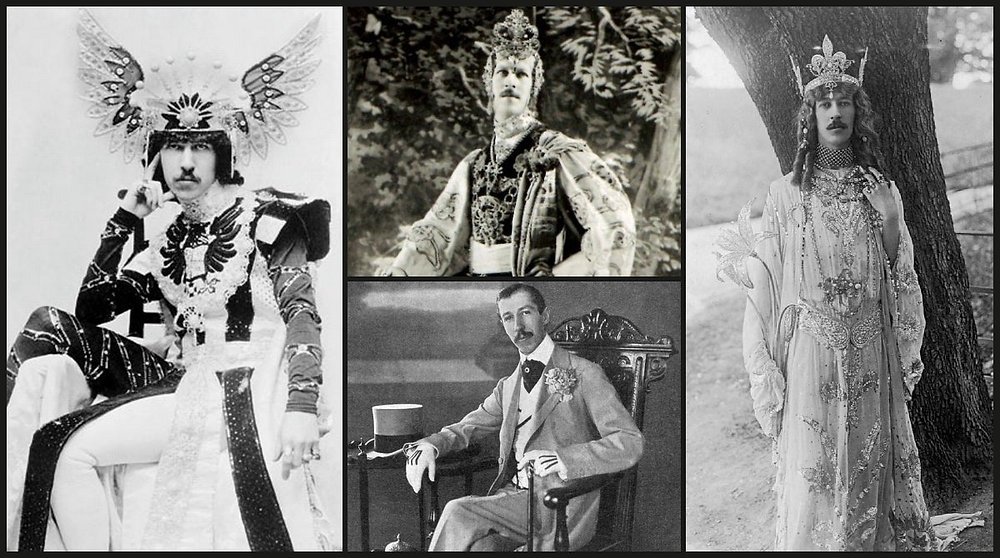
From Embarrassing Ancestor to Icon: The Redemption of Henry Cyril Paget In aristocratic family histories filled with statues and battlefield legends, few figures have undergone a more dramatic reappraisal than an embarrassing ancestor. Henry Cyril Paget, the 5th Marquess of Anglesey, was once seen as a flamboyant misfit. He squandered his inheritance on lavish performances and extravagant costumes. For years, his image was reduced to photos stuck to a bathroom wall. Yet today, this so-called embarrassing ancestor is embraced as a queer icon and visionary of Edwardian theatre. Once spoken of with discomfort, he is now celebrated for his bold individuality. Henry Cyril’s story shows how even an embarrassing ancestor can become a symbol of pride and cultural change. How One Embarrassing Ancestor Became the Unlikely Star of Plas Newydd Henry Cyril Paget inherited vast wealth and privilege in 1898. Rather than follow the traditions of military service or political duty, he embraced a life of extravagant self-expression. He converted the chapel at Plas Newydd in Anglesey into the ‘Gaiety Theatre,’ where he produced and starred in elaborate plays, donning diamond-studded costumes and ornate gowns. In an era when such displays were scandalous, his actions shocked the establishment. While his contemporaries may have seen him as an eccentric with little regard for tradition, modern audiences interpret his choices differently. As the world gradually learns to accept and celebrate LGBTQ+ identities, many now view Paget’s rejection of convention as visionary. Family Reactions: Embracing an Embarrassing Ancestor’s Legacy Today, the 8th Marquess of Anglesey, Alex Paget, speaks fondly of his predecessor. He first learned of Henry Cyril from a photo tucked in a bathroom—a subtle reminder of how the family once handled his memory. People now embrace what they once dismissed as a ‘bit of a giggle’ as a symbol of individuality and creative spirit. Alex reflects, “He wasn’t denied, but he wasn’t celebrated either. Now, we’re happy to acknowledge his extraordinary and marvellous life.” Gender, Identity, and the Legacy of an Embarrassing Ancestor in Edwardian Times Although Henry Cyril married his cousin, they never consummated the union, and she later annulled the marriage. While no definitive evidence about his sexuality exists, many believe he belonged somewhere on the LGBTQ+ spectrum. His affinity for ornate women’s clothing and theatrical self-expression suggested an identity that defied binary definitions. In a society where alternative sexualities were not only taboo but illegal, Henry’s audacity was both radical and isolating.Yet it also paved the way for the visibility and self-expression that queer communities would champion in the decades that followed. A Life of Theatre, Art, and Defiance Henry spent part of his early life in Paris, where he immersed himself in European theatrical culture, before returning to the rigid structures of English nobility Upon inheriting his fortune, he resisted those norms. Renaming the family estate “Anglesey Castle,” he filled his life with art, performance, and opulence. Inviting local villagers and elites alike to witness his plays, he acted as both performer and patron. His shows were not commercial enterprises—they were grand gestures of self-expression. Despite accusations of wastefulness, his artistic legacy now resonates with a generation exploring gender fluidity and performative identity. Creative Tributes: From Humour to Homage The musical How to Win Against History and the film Madfabulous have revived interest in Henry’s life. These productions aren’t meant as strict biographies. Instead, they use Henry’s life to explore broader themes like identity, alienation, and bold self-expression. Playwright Seiriol Davies first discovered Henry’s story during a childhood visit to Plas Newydd. There, amid grand family portraits, a few small laminated photos of Henry were casually Blu-tacked beside the toilet — a contrast that left a lasting impression. That moment sparked a creative mission to bring Henry’s story to life—not as a joke, but as a reclamation. The Inventor of the Selfie? A Modern Connection Henry Cyril’s obsession with self-image, theatricality, and transformation has led some to dub him the “inventor of the selfie.” While tongue-in-cheek, the nickname reflects his understanding of image as identity. His costumes, some painstakingly recreated for modern productions, were statements not just of wealth but of selfhood. The modern resurgence of interest in his life highlights how ahead of his time he truly was. In an era that celebrates authenticity, self-love, and breaking barriers, Henry Cyril Paget’s story feels less like an oddity and more like a prophecy. Family Fortunes and Lost Inheritance Henry’s financial decisions drastically altered the family’s trajectory. He spent an estimated modern equivalent of £60 million on his lavish lifestyle. Upon his death in Monte Carlo, bankrupt and estranged, the title and remaining estate passed to his cousin—ancestor of the current Marquess. Although Alex Paget wryly remarks, “It’s a pity he spent all the money,” he also acknowledges that Henry belonged to a wider artistic and cultural movement. Like Oscar Wilde and Marcel Proust, Henry valued beauty, performance, and self-expression over social conformity and respectability. The Personal as Political: Queer Icons in History Henry Cyril Paget joins a lineage of historical figures whose lives challenge the mainstream narratives of history. By reclaiming his legacy, today’s world recognizes that identity is complex—and that queerness has always existed, even within the halls of aristocratic power. His story speaks to those who have felt out of place, who have used creativity to survive, and who seek to be remembered for who they truly are—not just how others saw them. From Shame to Spotlight No longer the black sheep of the family, Henry Cyril Paget is now celebrated as an icon of individuality and creative resistance. The bathroom photos may remain, but they are now symbols of transformation—not exclusion. In a society that once erased him, Henry now takes center stage.


Read More

Pelvic Mesh Reforms Ignored by Government

Pelvic mesh reforms have become a critical issue in the UK’s healthcare system, as thousands of women continue to suffer severe complications from these once widely used surgical implants. Designed to support weakened pelvic tissue and treat incontinence, pelvic mesh procedures have instead left many patients with chronic pain, disability, and psychological distress. Although the First Do No Harm report in 2020 outlined essential recommendations for reform, campaigners argue that progress on pelvic mesh reforms has been painfully slow—leaving victims without justice, compensation, or adequate medical support. The Pelvic Mesh Reform Delay: A Devastating Medical Crisis Calls for urgent pelvic mesh reforms have intensified in recent years, as thousands of women continue to suffer from the life-altering complications of pelvic mesh implants. In 2020, the First Do No Harm report by Baroness Julia Cumberlege exposed systemic failures in the regulation and monitoring of these implants, alongside the drugs Primodos and sodium valproate. The review featured testimonies from over 700 affected individuals, revealing widespread harm and a healthcare system slow to act. Pelvic mesh, designed as a net-like implant to support pelvic organs, often caused severe complications. The mesh could harden or erode, cutting through internal tissues and leaving women with permanent, debilitating pain. Many victims reported being unable to walk, return to work, or maintain intimate relationships. Drugs like Primodos and sodium valproate also caused devastating outcomes. Researchers linked Primodos to birth defects and miscarriages. Sodium valproate, a medication for epilepsy, caused major birth defects when pregnant women used it. Critics argue that doctors and manufacturers failed to adequately inform patients about these risks. From Pelvic Mesh Victim to Reform Advocate Kath Sansom never imagined she would become a national voice for medical safety reform. After receiving a mesh implant to treat post-childbirth incontinence, she began experiencing “terrible pain” that altered her daily life. Realizing that countless other women had suffered similarly, she founded Sling The Mesh, a grassroots campaign advocating for recognition, justice, and reform. “The pelvic mesh reform delay reflects an institutional failure to take women’s health seriously,” Sansom said. “Baroness Cumberlege’s report was a landmark in exposing medical negligence, but five years later, too many of its critical recommendations remain untouched.” Pelvic Mesh Reform Delay: Progress and Stalemates Authorities have fully implemented only three of the nine key recommendations from the First Do No Harm report. Work is still underway to create a national database that tracks patients fitted with medical devices. However, major gaps remain. Chief among them is the absence of any government-backed compensation scheme for victims. Women who trusted their doctors and followed medical advice now find themselves abandoned by the very system meant to protect them. Political Frustration Sharon Hodgson, Labour MP and chair of the All-Party Parliamentary Group on medical harm, also criticised the government’s inaction. “The pelvic mesh reform delay is deeply disappointing. Five years ago, we felt that the system would begin to listen to women. But the silence is deafening.” She pointed out that thousands of women and children have been harmed by medical products whose risks were underestimated or ignored. “These families deserve compensation and a commitment to reform—not bureaucratic stalling.” Shifting the Safety Role One major concern voiced by campaigners is the recent decision to move the role of the Patient Safety Commissioner from the Department of Health and Social Care (DHSC) to the Medicines and Healthcare products Regulatory Agency (MHRA). Sansom sees this as a move that weakens accountability. “Transferring the commissioner to MHRA undermines the independence of the patient voice,” she said. “It feels like an attempt to dilute advocacy rather than strengthen it.” Government Response A spokesperson for the DHSC acknowledged that the effects of pelvic mesh harm are still being felt today and expressed sympathy for affected women. “The Department of Health is carefully considering all the recommendations and will provide a full update.” Health Minister Baroness Gillian Merron reportedly met with victims and has promised further engagement. However, critics argue that sympathy must be matched with action. The Call for Compensation and Reform Campaigners are urging the government to prioritize: Until these demands are met, advocates like Kath Sansom say that women harmed by pelvic mesh will continue to suffer in silence. “This isn’t just about pelvic mesh,” she said. “It’s about how the system treats women’s health and whether it takes responsibility for the harm it has caused.” Conclusion The pelvic mesh reform delay is a stark reminder of the challenges facing women in securing justice for medical harm. Five years after a landmark report, only limited progress has been made. Campaigners continue to call for full implementation of safety reforms, meaningful compensation, and a healthcare system that truly listens to its patients.

Read More

Sourdough vs White Bread: Which Is Healthier for You?

Sourdough vs White Bread: What Should You Be Eating? Sourdough vs white bread is more than just a debate over taste — it’s a question of health, nutrition, and food quality. From crowded supermarket aisles to artisan bakeries, bread remains a daily staple for millions. But the type we choose — whether it’s a slow-fermented sourdough or mass-produced white sliced bread — can have profound implications for our overall wellbeing. This comprehensive guide explores the key differences between sourdough and white bread, from ingredients and nutritional value to how each fits into a balanced diet. Why Sourdough Rose to Popularity During Lockdown Sourdough vs white bread became a trending topic during the global lockdown of 2020, as more people explored home baking. Sourdough quickly stood out for its rich flavor, chewy crust, and artisanal appeal. What sets it apart is the use of a natural starter — a living mixture of flour and water fermented with wild yeast and beneficial bacteria. Unlike the quick rise of commercial white bread, sourdough requires a long fermentation process that can last up to 36 hours. This slow fermentation not only improves flavor and texture but also boosts the bread’s nutritional value, making it a healthier and more rewarding option. Sourdough vs White Bread: How the Chorleywood Process Changed Baking In contrast, most supermarket white breads are made using the Chorleywood Bread Process (CBP), developed in the 1950s to mass-produce bread quickly. This method uses hard fats, extra yeast, and additives like emulsifiers and enzymes to hasten fermentation and extend shelf life. Today, about 80% of commercially available loaves use CBP, prioritizing convenience and cost over nutrition and digestibility. Sourdough vs White Bread: Nutritional Differences Explained Sourdough offers more than just flavor. Its slow fermentation breaks down gluten and phytic acid, making nutrients like magnesium, iron, and B vitamins more bioavailable. It’s also lower in FODMAPs, the fermentable sugars that can cause digestive issues for some. Sourdough’s structure slows digestion, leading to more stable blood sugar levels and prolonged satiety. White Sliced Bread: Convenience with Compromise White sliced bread is undeniably convenient. Soft, cheap, and long-lasting, it fits modern lifestyles. However, this convenience often comes with trade-offs. The refined flour used lacks fiber and many micronutrients. Additives like potassium bromate (used in some countries) help with texture but raise health concerns, including potential carcinogenicity. What Are Ultra-Processed Foods (UPFs)? Many commercially baked loaves fall under the category of ultra-processed foods (UPFs), which typically include additives, colorants, preservatives, and ingredients not found in a home kitchen. A good rule of thumb: if the ingredient list has five or more items you don’t recognize, it’s likely a UPF. Studies have linked high UPF consumption to obesity, heart disease, and metabolic issues. Wholegrain Bread: The Balanced Choice in the Sourdough vs White Bread Debate Wholegrain bread, made using all parts of the wheat kernel — germ, bran, and endosperm — offers a fiber-rich alternative. These loaves are packed with nutrients like folate, vitamin E, and polyphenols. Eating wholegrains has been shown to lower the risk of heart disease and improve gut health. While not as slowly fermented as sourdough, wholegrain breads offer substantial health benefits compared to refined white loaves. Misleading Labels: Seeded Isn’t Always Wholegrain Not all brown or seeded bread is wholegrain. Some loaves include added seeds for appearance but are still made with refined white flour. It’s important to read the ingredients carefully. The term “wholemeal” or “100% whole wheat” is more reliable than “multigrain” or “brown,” which can be misleading. Innovations in Bread: A Healthier White Loaf Researchers are developing white bread alternatives enriched with pulses, bran, and underused grains like teff and millet. These hybrid loaves aim to replicate the taste and texture of white bread while offering the nutrition of wholemeal. With added fiber and micronutrients, this innovation may soon offer a best-of-both-worlds option for health-conscious consumers who prefer white bread. Making Smarter Choices at the Supermarket While baking sourdough at home is ideal, it’s not feasible for everyone. Commercial sourdough options with minimal ingredients are increasingly available. When buying bread, prioritize loaves with fewer, recognizable ingredients. Look for wholegrain labels and avoid added sugars and preservatives where possible. Freezing bread is a great way to maintain freshness without relying on chemical preservatives. Final Thoughts: Which Bread Should You Eat? The healthiest bread depends on your goals. Sourdough ranks highest for gut health and nutrient absorption, but can be expensive or time-consuming. Wholegrain bread is a convenient, nutritious alternative. White sliced bread may offer shelf life and softness, but typically falls short nutritionally. Reading labels and understanding the bread-making process can empower you to make better choices that support your health.

Read More

Beyond words: The 200-year-old hidden languages of dating

The Hidden Languages of Dating Across Time From the elegant drawing rooms of the Regency era to the neon-lit dance floors of 1920s Berlin, human beings have long relied on the hidden languages of dating to express affection and desire without speaking. These coded gestures, symbolic gifts, and discreet social cues were more than romantic quirks—they were vital tools for courtship in societies with strict rules. While today’s love lives often play out through swipes and emojis, the hidden languages of dating remind us that non-verbal communication still shapes our relationships. Across time and cultures, these timeless rituals show that the hidden languages of dating are as relevant now as ever. Regency Romance and the Hidden Language of the Fan During the Regency era, love blossomed in ballrooms and social salons where words were often replaced by gestures. Flirtation wasn’t just fun; it was an art. A popular form of silent communication at the time was “fan flirting.” Hand fans became tools of coded messages. Specific movements conveyed anything from interest to disdain. In 1797, a design called “Fanology” laid out a complete alphabet using fan positions. Although playful, it allowed women to express themselves in otherwise restrictive environments. Subtle gestures like fluttering the fan or placing it near the heart conveyed intentions that couldn’t be spoken aloud. Alongside this, lovers exchanged tokens: embroidered items, pressed flowers symbolizing virtues like modesty and fidelity, and locks of hair that served as intimate keepsakes. Books were shared with passages underlined to reveal personal values, while love letters were often scented to invoke desire. Visual Courtship and the Hidden Languages of Dating Through Portraits and Early Photography Before photographs, painted portraits played a crucial role in matchmaking, especially among the nobility. The betrothal portrait of Anne of Cleves famously swayed Henry VIII—though their union didn’t last, the portrait served its purpose in courtship. With the rise of photography in the Victorian era, portraits became more accessible. The cartes de visite, small portrait cards, became early social media equivalents. People shared these mementos with prospective partners, carefully posed to project status, personality, and attractiveness. Background props such as pets or books added layers of meaning—mirroring how today’s dating app profiles are curated with exotic travel shots or stylish aesthetics. Clandestine Communication in Berlin’s Nightlife By the 1920s, social conventions loosened. In Berlin, nightlife provided new venues for romantic pursuits. Clubs like Residenz-Casino offered unique systems of communication. Guests could send messages via pneumatic tubes directly to others’ tables. This early content moderation system included a switchboard operator who ensured messages remained polite. Trinkets, cigarettes, or even invitations to dance accompanied these notes. It was a thrilling mix of anonymity and excitement. Watching someone open a discreet message across a room created an unspoken connection—a practice echoed today in the mystery and anticipation of unread messages on dating apps. LGBTQ+ Symbols: Safety in Subtlety For LGBTQ+ individuals, hidden languages were often a necessity rather than a romantic indulgence. The green carnation, made famous by Oscar Wilde, became a symbol of queer identity. Violets and lavender, too, carried coded meanings, harkening back to ancient floriography. Jewelry, handkerchiefs, or specific fashion choices became visual markers of identity. These quiet yet powerful codes allowed queer people to signal safely and find connection within a hostile world. Even in the 20th century, coded classifieds and discreet exchanges helped queer communities navigate oppressive laws and societal judgment. Courting Through Gifting and Ritual The ritual of giving gifts to express affection spans cultures and centuries. In Regency England, women created personalized items like hand-embroidered waistcoats, while men gifted miniatures or floral arrangements. These practices persist today in digital form—couples share Spotify playlists, personalized memes, or game accounts. Whether digital or physical, the underlying message remains: “I know you. I see you.” The Art of Projection: From Cartes to Profiles Victorians crafted their image through posed cartes. Today, dating app profiles perform the same function. Users select photos, write bios, and choose hobbies to reflect their ideal selves. Props and environments, whether a surfboard or a skyline, help shape identity and compatibility. Just as 19th-century lovers treasured keepsakes, modern daters collect digital relics—screenshots of chats, saved photos, and social media tags. Each token speaks to connection and memory. The Thrill of Secrecy: Why Hidden Languages Persist Part of the allure of these secretive gestures is the thrill of shared knowledge. Whispered meanings and symbolic codes forge intimacy. Whether through the gentle flick of a fan or the careful selection of a book passage, these actions cultivate emotional closeness. In LGBTQ+ culture, this secrecy was also about protection and survival. But even beyond that, humans are drawn to the idea of romance as a private, sacred bond—a connection visible only to those within it. Modern Echoes of Old Codes Contemporary dating is steeped in the same silent signals: the double tap on a photo, the playlist sent late at night, the Snapchat streaks. Emojis carry nuanced meanings, while profile bios suggest compatibility or status through carefully chosen words and aesthetics. These modern expressions echo traditions from centuries past. Just as lovers once pressed flowers into books, today they share location pins or Venmo each other coffee money as love tokens. The Universal Language of Love Despite evolving technologies, one truth remains constant—humans crave connection. Whether through fans, photographs, coded messages, or emojis, we craft and interpret symbols to express our deepest desires. The hidden languages of dating offer more than nostalgia; they reveal how our pursuit of love is both timeless and inventive. In every era, the ways we flirt, signal, and connect reflect both cultural norms and universal emotions. Love may change shape, but its essence—quiet, creative, and deeply human—remains beautifully the same.

Read More

Hollywood Sign Restoration: Alice Cooper’s Role

The Fading Glory and the Push for Hollywood Sign Restoration Perched atop Mount Lee, the Hollywood sign has long stood as a symbol of dreams, stardom, and the magic of American cinema. But by the 1970s, the landmark was crumbling, prompting a movement for Hollywood sign restoration. Originally built in 1923 as an advertisement for a real estate project called “Hollywoodland,” the sign featured 13 massive letters and thousands of light bulbs. Though never intended to endure, it evolved into one of America’s most iconic cultural symbols. Over time, the sign transcended its marketing origins. As Hollywood became synonymous with the film industry, the sign endured—albeit battered by storms, vandalism, and neglect. By 1949, the final four letters were removed, and “Hollywood” alone remained. However, decades of wear left the structure barely standing. The Collapse of a Landmark and the Restoration Campaign In the 1970s, time caught up with the sign. Severe weather and a lack of maintenance reduced the once-majestic landmark to a sad shadow of itself. Several letters had collapsed or were missing parts. One especially stormy season left it reading “HuLLYWO D.” This dilapidated state caught the attention of rock icon Alice Cooper. During a 1978 interview, he lamented the fact that no one seemed willing to rescue the landmark. Initially thinking a benefit concert might raise enough money, Cooper later learned the structure was beyond repair. Restoring it would cost far more—it would need to be entirely rebuilt using steel columns anchored into concrete to survive the harsh hillside environment. Launching the Hollywood Sign Restoration Campaign The restoration cost was estimated at $250,000, a hefty sum for the time. That same year, the Hollywood Chamber of Commerce launched the “Save the Sign” campaign. Cooper was the first celebrity to step forward, pledging $27,000 to sponsor the letter ‘O’ in honor of his friend Groucho Marx, who had recently passed away. His involvement inspired other icons to contribute. Andy Williams, Gene Autry, and Warner Brothers were among those who sponsored individual letters. Playboy founder Hugh Hefner hosted a glamorous fundraiser at his mansion, rallying even more support. Their efforts ultimately succeeded, leading to the construction of a brand-new, fortified version of the iconic sign. Hollywood’s Symbol Reinvented By the end of 1978, a new 450-foot-long Hollywood sign, weighing 240 tons, stood proudly on Mount Lee. Built to endure the elements, it quickly reclaimed its place as the crown jewel of Los Angeles. Alice Cooper’s initiative and passion not only preserved a symbol but sparked a broader movement for Hollywood sign restoration, ensuring its legacy would endure for future generations. Today, the Hollywood sign is more than just a marker—it’s a monument to resilience, reinvention, and cultural legacy. It frequently appears in movies, TV shows, and pop culture references. It’s also been humorously altered many times: to “HOLLYWeeD” in 1976 and 2017, “HOLYWOOD” during the Pope’s 1987 visit, and “OLLYWOOD” in response to political events. Each transformation reflects a chapter of contemporary history, filtered through the lens of Los Angeles. A Monument of Entertainment History The Hollywood sign has become more than a landmark. It represents both the aspiration and the illusion of fame. Its preservation, thanks to Alice Cooper and a host of cultural figures, reminds us that symbols matter. They tell stories—of cities, industries, and people who shape them. What once was a short-lived billboard is now an eternal beacon of cinematic ambition, largely because a rock star decided it was worth saving.

Read More

Italy’s Best Food in National Parks

Discover Italy’s Best Food in National Parks and Wild Landscapes Italy is synonymous with great food, iconic cities, and sun-drenched coasts, but few realize that its national parks are home to some of the country’s finest culinary experiences. With 26 national parks stretching from the Alps in the north to the rugged southern coastline, Italy’s wilderness is not only a haven for nature lovers but also a paradise for food enthusiasts. These protected landscapes house farms, vineyards, orchards, and ancient villages that have preserved traditional food practices for centuries. Calabria’s National Parks: A Journey into Italy’s Best Food and Tradition When traveling to Calabria, located at the southern tip of Italy, many Italians prefer the train over the lengthy drive along the lorry-laden motorways. However, some journeys are worth the detour. For many Italians, visiting a national park also means returning with the region’s signature foods. During a recent trip by car, a stop at a national park wasn’t just for sightseeing—it was a culinary pilgrimage. The Overlooked Foodie Frontier While global tourists focus on Italy’s art cities and iconic coastal destinations, the parchi nazionali remain relatively undiscovered culinary gems. These protected lands are home to some of the best local food in the country. Nestled in these wild landscapes are heritage farms, small-scale vineyards, orchards, and centuries-old villages where food is more than a meal—it is a cultural identity. Italy’s national parks showcase a perfect balance of biodiversity and gastronomic heritage. As you hike through these territories, you might encounter herds of sheep or pigs, followed by open-air markets, local producers, and restaurants that offer dishes made from park-sourced ingredients. National Parks: The Heartbeat of Italian Slow Food Unlike the U.S. where protected land typically excludes agriculture, Italy’s parks often encompass agricultural communities. These parks were created around existing villages and farms, maintaining the essential human-nature connection. According to Paolo Iannicca, a guide at Parco Nazionale d’Abruzzo, Lazio e Molise, “In Italy, people and nature go hand in hand. They aren’t two separate things.” This synergy has produced a wide array of traditional food products, cultivated and perfected over centuries. From artisanal cheeses to rare legumes and ancient grains, these ingredients form the basis of regional cuisines that change from one valley to the next. Food Is a Way of Life Chef Maria Nasso, a regular collaborator with Parco Nazionale del Circeo, emphasizes the cultural importance of food: “Italians structure their days around food. When visiting a national park, food is never an afterthought—it’s central to the experience.” Italian cuisine may be globally recognized for pizza and pasta, but within Italy, regional ingredients carry immense cultural weight. Each village has its own specialties, and locals celebrate everything from wild honey in the Dolomites to ancient grains in Apulia as treasured family heirlooms. Chilometro Zero: A Taste That Stays Close to Home Italy’s national parks are a testament to chilometro zero (zero-kilometre) food practices, where ingredients are sourced locally and consumed fresh. “Typical local products are non-negotiable,” says Iannicca, who operates La Bottega di Gaia. “Italians want authentic food, and that’s exactly what these parks provide.” Teresa Maradei, founder of Terrægusto farm in Calabria’s Parco Nazionale del Pollino, adds, “Food is part of our emotional geography. Tasting the land’s offerings is living the landscape. It’s immersive ecotourism.” The Slow Food Movement and Park-to-Plate Dining Though often overshadowed by famous art cities, Italy’s national parks are gaining recognition thanks to the Slow Food movement. Established in the 1980s, the movement promotes organic farming and sustainable eating, both of which align closely with national park food culture. Travellers increasingly seek immersive food experiences—visiting vineyards, meeting cheese makers, and understanding how ingredients are grown and processed. National park websites now often list local specialties, producers, and suggested food itineraries, helping visitors plan authentic culinary trips. Parco Nazionale del Pollino: Italy’s Largest and Tastiest Wilderness Covering 193,000 hectares, the Pollino National Park spans Calabria and Basilicata and is the largest protected area in Italy. It features dramatic peaks, ancient Bosnian pine forests, and is home to Italy’s Arbëreshë community, descendants of Albanian refugees. Pollino’s food heritage is as vast as its landscape. Here, you’ll find white beans from Mormanno, white onions from Castrovillari, Sila’s caciocavallo cheese, and the prized peppers of Senise. These products aren’t just ingredients—they are stories of place and time. Base yourself in a village like Mormanno and explore the region. Enjoy antipasto platters loaded with local prosciutto and polenta covered in melted caciocavallo. Hike through wildflower-covered pine groves and finish with a traditional Arbëreshë meal in Civita—featuring pickled onions, cavatelli with ricotta and nettles, and wild boar stew. Don’t miss dessert: krustul, a sweet fried dough with cinnamon and Pollino honey, completes the experience. A Culinary Souvenir Worth the Journey Before leaving, visitors often stop at cultural hubs like the Catasta Pollino museum and food outpost to take home a piece of the park. Among the must-haves: At home, these ingredients become a bridge to the land they came from. A bean stew, spiced with garlic and peperoncino, paired with torn bread and aged cheese, is more than a meal—it’s a story told in flavor. Why You Should Add a National Park to Your Italian Itinerary Italy’s national parks offer more than breathtaking views. They are living, breathing showcases of regional food heritage. For travelers wondering where to find Italy’s best food experiences, skip the tourist-packed trattorias and head into the hills, valleys, and villages of its protected wild spaces. Food here is more than sustenance—it’s memory, emotion, and identity. And in Italy, it’s where the land itself speaks most clearly through its flavors.

Read More

Where to Go Instead of the Big US Parks This Summer

Where to Go Instead of the Big US Parks This Summer: 4 Scenic and Peaceful Alternatives With over 400 sites in the US National Park System, America offers endless natural wonders. Every summer, however, top parks like Yosemite, the Grand Canyon, and Yellowstone draw overwhelming crowds, taking away the serenity many travelers seek. If you’re wondering where to go instead of the big US parks this summer, consider quieter, lesser-known destinations. These hidden gems offer the same awe-inspiring beauty, wildlife, and adventure—just without the congestion. Knowing where to go instead of the big US parks this summer can make all the difference for a peaceful and meaningful travel experience. Dinosaur National Monument: Why This Is Where to Go Instead of the Big US Parks This Summer Dinosaur National Monument spans 210,000 acres across remote parts of Colorado and Utah. This hidden gem features rugged canyons, vivid red cliffs, and some of the world’s richest dinosaur fossil beds. Since 1909, paleontologists have unearthed over 1,500 fossilized remains from 23 dinosaur species here, transforming our understanding of prehistoric life. It’s a prime example of where to go instead of the big US parks this summer if you’re seeking scenery, solitude, and science in one trip. Today, visitors can experience the monument’s beauty by rafting the Yampa River, Colorado’s last free-flowing river. They can also explore the nearby Green River. These waterways offer challenging whitewater rapids, hidden waterfalls, and ancient petroglyphs. If you prefer staying dry, drive to Echo Park for panoramic views of towering canyon walls. Wildlife lovers can spot wild horses at the nearby Sand Wash Basin or visit the new Wild Horse Refuge—America’s largest sanctuary for mustangs. What sets Dinosaur apart is its balance between preservation and visitation. Tom Kleinschnitz, director of Visit Moffat County, says, “The Yampa River’s riparian zone remains the most natural stretch of river in Colorado.”“It’s a critical habitat and one of the last places where visitors can play in such a pristine environment.” Isle Royale National Park: Where to Go Instead of the Big US Parks This Summer for True Serenity Isle Royale National Park sits tucked in the icy blue expanse of Lake Superior. This archipelago of 450 islands offers solitude, stunning landscapes, and rich history. Accessible only by boat or seaplane, it ranks among the least-visited parks in the US—and that’s exactly what makes it special. Once home to Native Americans who mined copper 8,000 years ago, the park is now a haven for moose, beavers, and freshwater fishers. Vehicles are banned here, encouraging visitors to explore on foot, canoe, or kayak. Ferries from Copper Harbor and Grand Portage drop visitors at Rock Harbor, where rustic lodges and lakeside campsites await. Hike the Indian Portage Trail, paddle through the inland lakes, or simply relax by the water. Open only from mid-April to October, Isle Royale offers pure wilderness, far removed from everyday noise and tourist crowds. Katahdin Woods and Waters National Monument, Maine: A New England Escape If you’re planning a trip to New England, skip the overcrowded Acadia National Park and head to Katahdin Woods and Waters National Monument instead. This pristine landscape sprawls across 87,500 acres donated by Burt’s Bees co-founder Roxanne Quimby and features rich Wabanaki history, winding rivers, and majestic forests. Located in the shadow of Mt Katahdin—the northern terminus of the Appalachian Trail—this monument celebrates Maine’s logging heritage. Visitors can explore cross-country skiing trails in winter, enjoy hiking, biking, and fishing in the summer, or marvel at the wildlife. Maine has more moose than any state except Alaska, and sightings are common in the monument’s dense woods. Designated an International Dark Sky Sanctuary, Katahdin Woods and Waters offers some of the Northeast’s clearest stargazing. Head to the Katahdin Loop Road Overlook or Kimball Deadwater for unforgettable views of the night sky. North Cascades National Park, Washington: The Alpine Secret Just 2.5 hours from Seattle, North Cascades National Park is a high-mountain paradise that receives only a fraction of the visitors seen at neighboring Olympic or Mount Rainier National Parks. With more than 300 glaciers, alpine lakes, and rugged peaks, this half-million-acre wilderness is ideal for adventurous travelers. In spring, melting snow feeds dramatic waterfalls. Summer blankets the park in wildflowers—lupine, glacier lilies, columbine, and more. Hike the Maple Pass Loop for meadows and ridgelines or challenge yourself with the Cascade Pass and Sahale Arm Trail, which offers sweeping views of glaciers and granite cliffs. Prefer to drive? Cruise along State Route 20, also known as the North Cascades Highway, for epic roadside views and peaceful picnic areas. Stay overnight at North Cascades Lodge in Stehekin, nestled beside a tranquil lake, and take part in astrophotography classes under some of Washington’s darkest skies. Rethinking the Way We Explore With rising visitor numbers, national parks across the US are feeling the strain. Infrastructure lags behind, wildlife is disrupted, and the wilderness loses its wildness. In response, organizations like Western National Parks Association are encouraging travelers to explore lesser-known gems like the ones above. The nonprofit has invested over $160 million to promote responsible tourism, support rangers, and protect fragile ecosystems. Adventure tour companies, former park rangers, and nonprofits are all stepping in to guide people toward meaningful and low-impact travel. Outdoorable, for example, employs ex-rangers to offer custom trip planning, while Intrepid Travel now offers “Active-ism” tours that avoid the high-traffic zones of popular parks. These alternative parks prove that you don’t need to sacrifice beauty or experience to travel responsibly. Instead of elbowing through crowds for a photo at a famous viewpoint, you can paddle a quiet river, hike through ancient forests, or stargaze in peace.

Read More

Ancient City in Peru Peñico Discovered After 3,500 Years

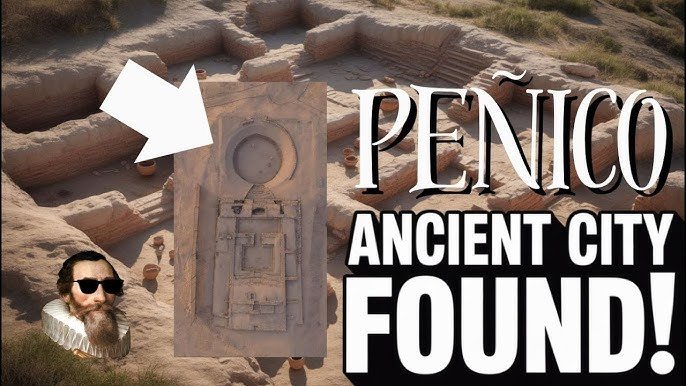
An Ancient City in Peru Rises from the Dust In a groundbreaking revelation, archaeologists have uncovered an ancient city in Peru dating back 3,500 years. Known as Peñico, this site lies in the Barranca province, about 200 kilometers north of Lima and 600 meters above sea level. Experts believe the ancient city in Peru served as a vital trading hub. It likely connected early Pacific coastal cultures with communities from the Andes and the Amazon rainforest. This remarkable discovery adds to Peru’s archaeological heritage. It also offers key clues about how civilizations in the Americas developed. Peñico now stands out as a major ancient city in Peru that bridged cultural and ecological regions. Where and When the Ancient City in Peru Was Built Peñico sits in a highland valley near the Supe Valley. This region is where the ancient Caral civilization—the oldest known in the Americas—first emerged. Radiocarbon dating shows that Peñico was founded between 1800 and 1500 BC. This timeline places it alongside other early civilizations like those in ancient Egypt, Mesopotamia, and the Indus Valley. The city sat at a strategic point between major ecological zones. Its location made it ideal for trade between diverse regions—the coast, the mountains, and the jungle. Aerial Footage Shows Monumental Architecture of Ancient City in Peru Recent drone footage released by researchers captures a stunning view of the city’s central plaza. At its heart, a circular structure stands on a hillside terrace. Various stone and adobe buildings surround the core structure, together forming an intricate urban landscape. Over the past eight years, archaeologists have uncovered 18 distinct structures. These include ceremonial temples, residential buildings, and public gathering areas. The size and organization of these constructions underscore the city’s significant social, political, and religious roles. Artifacts and Culture Unearthed in the Ancient City in Peru During excavations, researchers uncovered numerous ceremonial and artistic artifacts. Among these were: These items point to a complex society with symbolic and spiritual dimensions, highlighting the city’s cultural sophistication. Connection to the Ancient Caral Civilization Peñico’s discovery provides compelling evidence of cultural continuity and transformation in ancient Peru. Peñico lies near the ancient site of Caral, a 5,000-year-old civilization that thrived around 3000 BC. It seems to have inherited and adapted many aspects of Caral’s urban planning and religious traditions. Caral was renowned for its monumental pyramids, advanced irrigation systems, and structured urban settlements. However, scholars believe Caral eventually declined due to climate-related challenges. Peñico’s rise may signal a major shift in politics and economy. This shift likely helped Caral’s cultural legacy survive and evolve. A Strategic Hub for Trade and Exchange Dr. Ruth Shady, the lead archaeologist for both Caral and Peñico, believes the new city sat in an ideal location for trade. “The community occupied a strategic point for exchange between the coast, the highlands, and the jungle,” she explained. This connectivity likely facilitated the flow of goods, ideas, and cultural practices across regions, strengthening alliances and promoting social development among early Andean societies. Official Acknowledgment and Cultural Importance At a press conference organized by Peru’s Ministry of Culture, archaeologist Marco Machacuay emphasized that Peñico represents a critical link in the historical chain of Andean civilizations. He stated that the site serves as evidence of the ongoing evolution of society following the decline of Caral. The Ministry of Culture has pledged continued support for the preservation and further study of the site, recognizing its potential to transform our understanding of pre-Columbian history. Peñico’s Role in Understanding Ancient American Civilizations Peñico is more than just an archaeological site; it is a window into the social organization, religious beliefs, and economic systems of a bygone era. Its discovery helps address longstanding questions about the fate of early Peruvian cultures and their resilience in the face of environmental change. By studying the construction techniques, settlement patterns, and symbolic artifacts of Peñico, researchers are piecing together a narrative of cultural endurance, adaptation, and interconnectedness. Peru’s Rich Archaeological Landscape The unearthing of Peñico adds to Peru’s already impressive portfolio of ancient wonders. Home to iconic sites such as the Incan citadel Machu Picchu and the enigmatic Nazca Lines, Peru continues to captivate archaeologists and historians alike. Each new discovery affirms the country’s role as a cornerstone of early American civilization and highlights the diversity and depth of its cultural heritage. Looking Ahead: The Future of Peñico Efforts are currently underway to map the entire Peñico site, protect it from environmental damage, and prepare it for future archaeological investigations. Researchers hope to uncover additional residential areas, irrigation channels, and burial sites that will provide further insights into daily life in the ancient city. Public education and tourism initiatives are also being considered, with the aim of making Peñico an accessible and informative destination for visitors interested in ancient history. A Vital Chapter in Peru’s Ancient Story The discovery of Peñico marks a significant advancement in the understanding of early Andean civilization. As research continues, this ancient city will undoubtedly shed more light on the complex network of societies that flourished in South America long before European contact. Peñico not only bridges the historical gap between the Caral civilization and later Andean cultures but also stands as a testament to human ingenuity, adaptability, and the enduring legacy of Peru’s past.

Read More

National Glass Centre Repair Costs Called “Ludicrous”

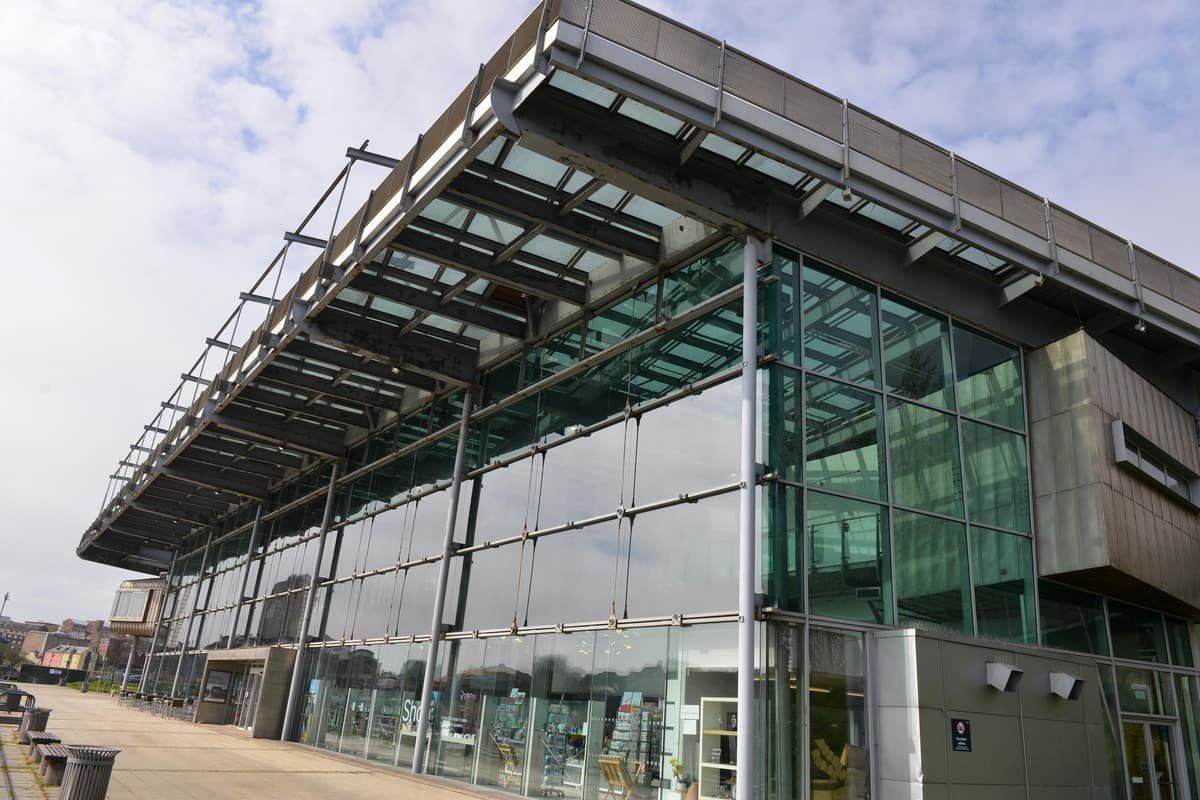
National Glass Centre Closure Sparks Backlash Over Repair Estimates Campaigners are pushing back against the planned closure of the National Glass Centre (NGC). They call the repair estimates from the University of Sunderland “ludicrous” and highly inflated. The university, which owns the NGC, plans to shut it down by July 2026. It cites unaffordable repair costs as the main reason for the decision. Campaigners are pushing back against the planned closure of the National Glass Centre (NGC). They call the repair estimates from the University of Sunderland “ludicrous” and highly inflated. The university, which owns the NGC, plans to shut it down by July 2026. It cites unaffordable repair costs as the main reason for the decision. Breaking Down the National Glass Centre Repair Costs A feasibility study commissioned by the university outlined two main renovation strategies for the ageing glass roof. The first involved replacing the roof with a mixed-glazing and solid-material structure at an estimated cost of £14 million. The second, more comprehensive option would involve additional structural work to the roof and surrounding envelope, driving costs up to a projected £45 million. Mr. Taylor emphasized the disparity between the two figures. A £31 million difference is unbelievable for a single project,” he remarked, warning that such inflated figures might deter potential investors or benefactors. He further broke down the £14 million estimate, claiming only £6.5 million was allocated to actual construction. The remaining amount comprised various allowances: “The risk and inflation factors are overly generous,” said Taylor. “It appears tailored to justify closure.” Viable Alternatives to National Glass Centre Closure Ignored? Interestingly, the report itself includes a potentially less expensive alternative: over-cladding the existing glass structure with a secondary roof. Though this would sacrifice the natural light aesthetic, it could reduce costs by £2.5 million to £4.5 million. Despite this possibility, the university maintains that even the most minimal renovation option exceeds its financial capabilities. It highlighted that its main revenue comes from student tuition, which must be allocated primarily to teaching, research, and innovation. Financial History and Lack of External Support The National Glass Centre has received over £15 million in investment from the university over the past decade. A 2022 building survey revealed extensive remedial issues requiring urgent attention and multi-million-pound investments. The university said it developed all cost estimates with independent professional advice and noted that no individual or organisation has offered funding since announcing its closure plans. As of now, no corporate sponsors, government bodies, or philanthropic donors have stepped forward to fund the restoration. Cultural Impact and Legacy Opened in 1998, the NGC has served as both an academic and cultural institution. Beyond showcasing glass art, it has been a vital centre for education, tourism, and community engagement. Taylor and fellow campaigners argue that the closure represents a cultural loss for Sunderland and the UK art scene. “This isn’t just a university asset. It’s a national treasure. We should be talking about preservation, not demolition,” he said. Broader Concerns About Heritage Conservation The controversy raises broader concerns about how public institutions handle heritage buildings. Experts argue that the lack of standardised guidelines for estimating repair costs leaves room for inflated figures that can justify closure over restoration. Dr. Ayesha Mirza, a heritage conservationist, emphasizes the importance of requiring independent third-party assessments when decisions involve closing culturally significant sites. What Comes Next? Campaigners plan to continue lobbying local government officials and MPs to intervene. A petition to preserve the National Glass Centre has already attracted thousands of supporters, and a public forum is set for next month to explore alternative funding strategies. Meanwhile, the University of Sunderland maintains that its decision will stand unless significant and verifiable financial backing is secured from external partners. With the clock ticking towards the 2026 closure, the fate of the National Glass Centre remains uncertain—caught between financial constraints and the cultural value of preserving a symbol of British craftsmanship.

Read More

Biosphere 2 Experiment: How It Changed Earth Science

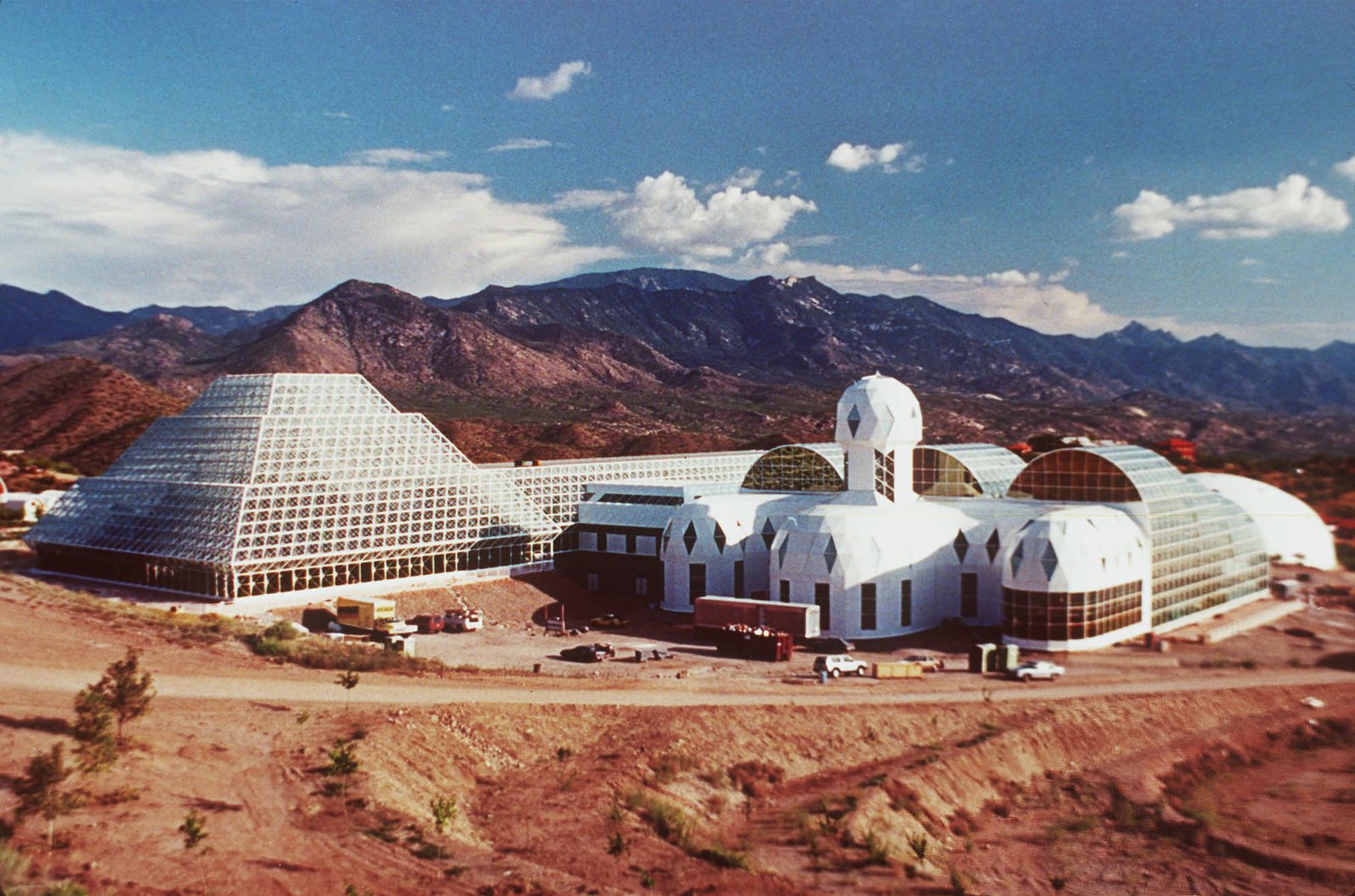
Biosphere 2: The Sealed Experiment That Redefined Earth Science The Biosphere 2 experiment was one of the most ambitious ecological projects ever attempted. Hidden in the arid landscapes of Arizona, this three-acre glass complex contains a rainforest, a desert, an ocean with a coral reef, and other ecosystems — all sealed under shimmering domes. Envisioned as a miniature Earth, Biosphere 2 aimed to test whether humans could live in a closed-loop system, offering critical insights into sustainability, climate science, and life beyond our planet. In 1991, eight individuals embarked on a daring scientific mission: to live sealed inside Biosphere 2 for two years. They cultivated food, recycled their own water and air, and attempted to survive within this closed ecosystem. Although the mission faced significant challenges, including dangerously low oxygen levels and loss of biodiversity, it left behind invaluable lessons that still shape environmental science today. The Vision Behind Biosphere 2 The Biosphere 2 experiment was the brainchild of a group of ecologists and visionaries, led by systems ecologist John Allen and financially backed by billionaire Ed Bass, who invested nearly $150 million into the project. Far from being just a rehearsal for life on Mars or the Moon, the Biosphere 2 experiment aimed to deepen our understanding of how Earth’s biosphere functions as a closed, interconnected system. Under Allen’s leadership, Biosphere 2 was constructed with the most advanced technologies of its time. Inside, it hosted miniature versions of Earth’s biomes: a tropical rainforest, mangrove wetlands, savannah, desert, and a marine system. It even included an agricultural area for growing food and an energy center to support the internal systems. Life Inside a Closed System In September 1991, the eight “biospherians” entered the sealed facility. Their mission was to prove that humans could survive in a completely closed ecological system. Initially, the experiment inspired awe and optimism, but soon, the cracks began to show. The air quality began to deteriorate as oxygen levels fell from 21% to 14%, equivalent to the oxygen levels at high altitudes. This led to fatigue, altitude sickness, and difficulty maintaining daily tasks. Scientists later discovered that oxygen was being consumed by soil microbes and was also being absorbed by the concrete walls, which had not fully cured. Meanwhile, carbon dioxide levels fluctuated wildly, and pollinating insects began to vanish, threatening crop sustainability. Crazy ants overran the system, preying on essential species. While the biospherians managed to grow food, they lost significant body weight, becoming subjects for calorie restriction research. Despite these obstacles, they persevered. They hand-pollinated plants, maintained crops, and managed the ecological balance as best they could. Their experience offered a powerful lesson: managing a miniature Earth is extraordinarily difficult — and perhaps impossible to perfect. Science, Criticism, and Legacy The experiment was criticized at the time. Critics labeled it pseudo-science due to its unconventional team of generalists rather than traditional academics, and the necessity to inject oxygen was seen by some as a failure. However, modern environmental scholars have reevaluated Biosphere 2. Rather than a failed experiment, it is now considered a pioneering step in Earth systems science. Researchers have come to understand that failure in science often brings crucial insights. Key Lessons from Biosphere 2 A New Purpose: Climate Research Today, Biosphere 2 is operated by the University of Arizona and serves as a cutting-edge research facility. Its rainforest, ocean, and desert biomes now help scientists study climate change and its impacts. For example, researchers have simulated extreme drought conditions to see how trees survive water stress. They found that deep-rooted trees tap into underground moisture while releasing aromatic compounds like monoterpenes, which may aid cloud formation and rainfall. The coral reef tank has also played a pivotal role in understanding ocean acidification. Experiments there show how rising CO2 levels reduce coral resilience, and researchers are testing heat-shock therapies and probiotics to strengthen coral health. Biosphere 2 in the Era of Climate Crisis As climate change accelerates, Biosphere 2 has become more relevant than ever. It allows for controlled studies of extreme conditions, offering a rare glimpse into future scenarios. Scientists can monitor responses in real-time, gaining insights that help develop more accurate climate models. This facility may be the ecological equivalent of the Large Hadron Collider — a monumental experiment that gives us a deeper understanding of complex natural systems. A Wake-Up Call for Humanity Perhaps the greatest legacy of Biosphere 2 lies in its reminder that Earth is uniquely hospitable. Recreating its life support systems is immensely difficult and costly. The sealed experiment showed that humans are intimately tied to the ecosystems that surround them. Mark Nelson, one of the original biospherians, wrote that living in such a self-contained world changed him forever. Every plant became precious. Every system was interconnected. “You come to understand that you are not apart from nature,” he said, “you are deeply part of it.” In this light, Biosphere 2 was not just an ecological experiment but a profound philosophical one. It illustrated both the fragility and resilience of life. It demonstrated the limits of technological solutions in the face of biological complexity. We Are All Biospherians In an age where space colonization is a hot topic and environmental degradation continues, Biosphere 2 reminds us of a crucial truth: there is no Planet B. The sealed glass domes in Arizona hold more than experimental history — they hold lessons that could guide our future on Earth. As we continue to grapple with climate uncertainty and ecological degradation, the most important experiment may be the one we’re already living. Earth itself is our original biosphere. And we, its inhabitants, are all biospherians.

Read More