Sofia Catherine

Town of Sleepy Hollow History: How a Legend Renamed a Town

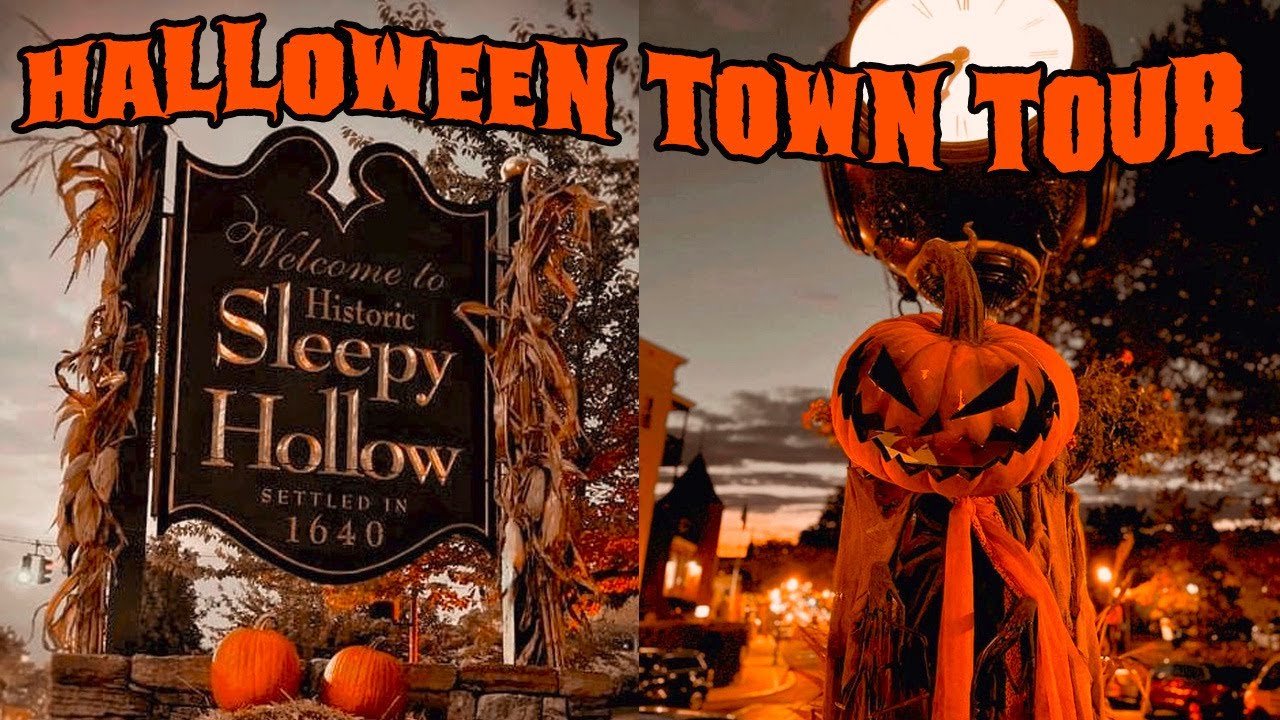
Introduction The Town of Sleepy Hollow history is a story of identity, transformation, and cultural resilience. Located along the eastern bank of the Hudson River in New York State, this once quiet industrial town reinvented itself using the power of storytelling. Today, Sleepy Hollow is known around the world for its eerie charm and deep connection to American folklore, but its reputation is not built on myth alone. The town made a conscious decision to embrace its literary past and use it as a foundation for a new future. The Legendary Roots Behind the Town of Sleepy Hollow History The Town of Sleepy Hollow history begins with the creative genius of Washington Irving. Long before the town officially adopted its famous name, Washington Irving brought the Hudson River region to life through eerie ghost tales and Dutch folklore. These stories helped shape the mysterious identity that still surrounds the Town of Sleepy Hollow history today. Irving spent much of his youth in the Hudson Valley, where the quiet landscapes and deep forests stirred his imagination. The region’s fog-covered hills, silent graveyards, and haunting stillness inspired him deeply. He also listened to the superstitions and fireside legends shared by Dutch settlers who had lived in the area for generations. These local influences became the foundation of his most celebrated story, The Legend of Sleepy Hollow, published in 1820. The tale followed Ichabod Crane, a timid schoolteacher, and his terrifying encounter with the legendary Headless Horseman. This compelling mix of suspense, folklore, and horror established the work as one of the earliest and most iconic pieces of American gothic fiction. Through this story, Irving not only entertained readers but also transformed a quiet riverside village into a place of legend. Washington Irving’s Role in the Town of Sleepy Hollow History Washington Irving not only created the Headless Horseman but also became the first American writer to gain international fame. He helped define early American literature and laid the foundation for writers who came after him. His writing style blended folklore, mystery, and a timeless setting that made Sleepy Hollow come alive in the imagination of millions of readers. The Town of Sleepy Hollow history connects closely to Irving’s influence because his story immortalized real locations and transformed ordinary landscapes into legendary settings.Unlike fictional worlds created by authors like J.R.R. Tolkien or Lewis Carroll, Irving’s Sleepy Hollow was based on actual places that readers could visit, making the story feel hauntingly real. Real Locations That Inspired the Town of Sleepy Hollow History Many locations described in Irving’s story still exist today and serve as powerful historical links to the past. The Old Dutch Church, built in 1697, appears in the original tale as the site where the Headless Horseman haunts the night. Visitors who walk through the churchyard can still see the centuries-old gravestones that inspired the eerie setting. Nearby is Sleepy Hollow Cemetery, a sprawling historic burial ground where Washington Irving himself was laid to rest. The cemetery is also the resting place of powerful American industrialists such as Andrew Carnegie and William Rockefeller. Another landmark made famous by Irving’s writing is the Headless Horseman Bridge, a symbolic site of Crane’s terrifying chase. Although builders have replaced the original wooden bridge several times, the current structure still captures the dramatic atmosphere described in the legend. From Folklore to American Gothic Tradition Irving’s story not only preserved Dutch-American folklore but also shaped the American gothic literary tradition. His powerful storytelling inspired writers such as Edgar Allan Poe and Nathaniel Hawthorne. They continued exploring themes of fear, superstition, and psychological suspense in their own works. Many scholars credit Irving with creating one of the most enduring myths in American history. His writing blurred the line between fiction and reality and shaped the future of American storytelling. The Headless Horseman quickly became a symbol of supernatural storytelling in the United States. Because of Irving’s influence, the Town of Sleepy Hollow history became a defining part of early American literature. It still attracts academics, historians, and literary enthusiasts from around the world who are eager to study its cultural impact. Preservation of Heritage Through Historic Hudson Valley The cultural legacy of Washington Irving and Sleepy Hollow is preserved today through organisations like Historic Hudson Valley. This nonprofit group manages key historical sites in the area, including Irving’s beautifully preserved home, Sunnyside, located in nearby Tarrytown. The organisation hosts educational tours and seasonal events that keep the region’s history alive.Visitors can explore the official website at https://www.hudsonvalley.org to learn more about guided tours and cultural events in the region. The site also offers historical research that helps preserve the heritage of the Hudson Valley. These ongoing efforts ensure that the true Town of Sleepy Hollow history remains accessible to the world. They help connect education with tourism in a meaningful and engaging way.
Read More

How to Join an Italian Olive Harvest in Italy

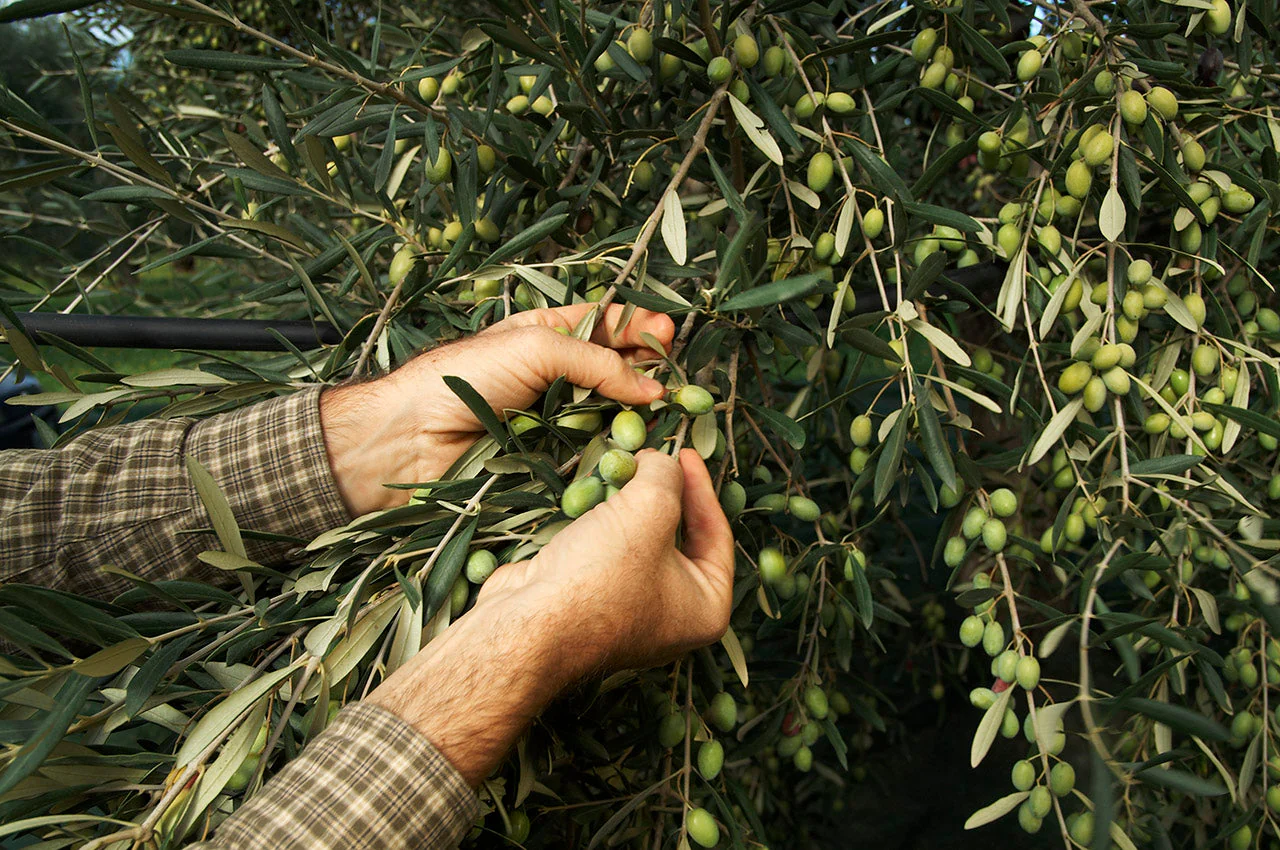
How to Join an Italian Olive Harvest Understanding how to join an Italian olive harvest has become a growing curiosity among cultural travelers. Many visitors now seek meaningful, hands-on experiences that go beyond traditional sightseeing. Every autumn, from the rolling hills of Tuscany to the rugged terraces of Calabria and the sunlit groves of Puglia, families and farmers gather to pick olives. These olives are then pressed into golden extra virgin olive oil. This centuries-old agricultural ritual was once reserved for local communities. Today, it has become one of the most authentic ways for visitors to connect with rural Italy. Standing beneath the branches of an ancient olive tree, it becomes clear why the harvest holds such emotional and cultural value in Italy. The sound of olives falling softly into nets and the fresh scent of crushed leaves create a calm rhythm in the fields. Generations work side by side, sharing stories and traditions. This simple yet meaningful routine reflects a way of life that has endured for thousands of years. In recent years, the rise of oleoturismo (olive oil tourism) has opened this world to travelers. Visitors can now join local families and farmers during harvest season. They learn how olive oil is made and experience the deep roots of Italy’s agricultural heritage. Before you pick up a rake and step into an olive grove, there are a few essential things to know. You need to understand the harvest season, the best regions to visit, and how to find farms that welcome volunteers or guests. It also helps to know what to expect from the experience. This guide will walk you through each step of joining an Italian olive harvest. It covers travel planning, cultural traditions, sustainability, and immersive olive-picking experiences. The Tradition of Olive Harvesting in Italy Olive cultivation has been a vital part of Italy’s identity for over 4,000 years. The annual olive harvest, known as la raccolta delle olive, is more than a farming activity. It is a cultural celebration that brings families and communities together. Many Italian families still care for small ancestral olive groves. They produce their own extra virgin olive oil (EVOO) for use throughout the year. Most small farms avoid heavy machinery. Instead, they harvest by hand or use simple tools to protect the trees and preserve the rich flavor of the olives. The harvest season typically runs from mid-October to early December, depending on the region and climate. During these weeks, rural life revolves around the harvest. Days begin early in the groves, and evenings often end around the family table, sharing homemade meals and tasting freshly pressed olive oil—vibrant green and rich in aroma. For many Italians, the harvest is more than work; it is a ritual, a moment of connection with the land, and a time for families to gather and celebrate their heritage. In recent years, olive oil tourism has brought renewed interest to this ancient tradition. Travelers now have the opportunity to step into this world, joining farmers in the fields, learning how to distinguish authentic extra virgin olive oil, and discovering the art and science behind olive cultivation. SEO Title: How to Join an Italian Olive Harvest – Ultimate Guide to Olive Oil Tourism in Italy Meta Description: Discover how to join an Italian olive harvest, experience authentic olive oil tourism, and immerse yourself in Italy’s timeless agricultural traditions. Learn where to go, what to expect, and how to take part in an unforgettable olive picking adventure. How to Join an Italian Olive Harvest: A Complete Guide to Olive Oil Tourism in Italy Italy in autumn is a dream—golden vineyards, crisp mountain air, and the scent of wood-fired meals drifting from rustic farmhouses. But there is one tradition that captures the true heart and rhythm of rural Italy more than any other: the olive harvest. Known as la raccolta delle olive, this centuries-old ritual brings families together each year to gather olives that will be pressed into precious extra virgin olive oil. While once a quiet, home-based custom, olive harvesting in Italy is now opening its branches—literally—to the world. Travellers seeking authentic cultural experiences are flocking to Italy not just to sightsee, but to take part in the harvest itself. From Sicily to Tuscany, olive farms now invite guests to roll up their sleeves, grab a rake, and experience the ancient joy of transforming olives into liquid gold. In this in-depth guide, you will learn how to join an Italian olive harvest, where to go, and what to expect from the experience. You will also discover how olive oil tourism is helping to revive rural traditions across Italy. Whether you are a food lover, a culture seeker, or someone dreaming of slow life in the Italian countryside, this guide will help you plan your olive harvest adventure. What Is the Italian Olive Harvest? The Italian olive harvest is more than a seasonal task—it is a ritual deeply rooted in history, family, culture, and survival. Each autumn, Italian families gather beneath ancient olive trees to harvest olives by hand. The olives are then taken to a local frantoio (olive mill) and cold-pressed within 24 hours to create extra virgin olive oil (EVOO)—one of Italy’s most treasured products. Unlike industrial farming, many small Italian producers still use traditional, eco-friendly methods. Trees are hand-combed using small rakes, nets are placed beneath branches to catch fruit, and olives are transported in wooden crates or breathable sacks to preserve quality. This artisanal approach results in high-quality, aromatic olive oil bursting with flavor. Joining this harvest means stepping into a living tradition. It connects you to the land, the seasons, and the Italian way of life. An Italian Autumn Tradition: The Heart of the Olive Harvest Every year, as summer fades and Italy’s coastal towns grow quiet, a powerful seasonal ritual begins deep in the countryside. This is the time of la raccolta delle olive – the olive harvest. From the rolling hills of Tuscany to the rugged mountains of Calabria,…

Read More

Trick to Stop Wasps at Picnic – Simple Outdoor Hack – Duplicate – [#14151]

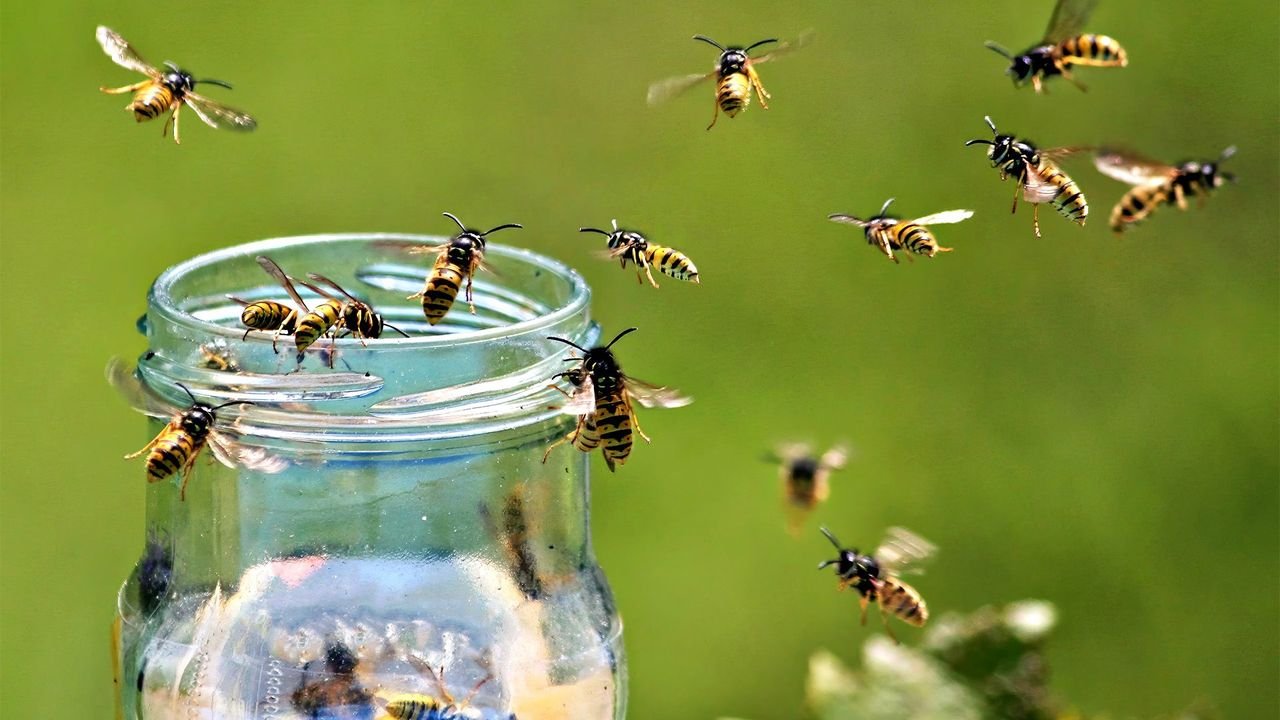
Trick to Stop Wasps at Picnic: Why They Crash Your Meal Trick to stop wasps at picnic gatherings is something every outdoor food lover needs to know. Sunny days invite us outdoors for al fresco meals, but these occasions often attract uninvited guests – wasps. These insects, particularly the common wasp (Vespula vulgaris) and the German wasp (Vespula germanica), are notorious for appearing suddenly when food is around. Although they may seem like pests, wasps play an essential role in nature. They are valuable pollinators and also act as natural pest controllers by preying on flies, caterpillars, and aphids. Learning a little about their behavior can help you enjoy your meal without fear. Trick to Stop Wasps at Picnic: Stay Calm and Still If a wasp hovers near your food, your first reaction may be to swat it away. But sudden movements signal danger. Wasps associate erratic motion and heavy breathing with predators, triggering their defensive instincts. Instead, remain calm and avoid flapping your hands. Keeping still makes you less of a target. How to Stop Wasps at Picnic by Watching What They Eat Every worker wasp is on a mission to collect food for the colony. Depending on the season, she may take a chunk of ham, a sip of jam, or a taste of your sugary drink. By observing what the wasp is interested in, you can anticipate what to offer her. The Wasp-Offering Method Here’s the simple trick: give the wasp her own share of food. Place a small portion of whatever she took – a bit of meat or something sweet – a short distance away from your picnic spot. The wasp will focus on this offering, leaving the rest of your meal undisturbed. Over time, you can move the offering further away to create a safe zone. This method is widely used in outdoor dining settings to prevent wasps from constantly buzzing around people’s food. Will One Wasp Bring a Swarm? Unlike bees, wasps are poor recruiters. They don’t perform dances or call large numbers of nestmates to food. At most, a few more wasps might arrive by chance if the nest is nearby. However, too many wasps in one spot usually discourages others from joining. trick to stop wasps at picnic. Why Wasps Want Protein in Summer and Sugar in Autumn Wasps’ food preferences change with the season. Early in summer, they crave protein like ham, chicken, or insects. This is because worker wasps must feed growing larvae, which are carnivorous. By late summer, the larvae pupate and no longer require feeding. At this stage, workers shift their focus to sugary substances for energy – which is why your jam tarts and lemonade become irresistible. Fascinating Facts About Wasps Coexist Peacefully with Wasps Instead of viewing wasps as picnic destroyers, think of them as natural pest controllers. By offering a small distraction portion of food and avoiding sudden movements, you can enjoy a peaceful outdoor meal. With a little knowledge and patience, it’s possible to balance your love for summer picnics with respect for these important insects. trick to stop wasps at picnic.

Read More

Fossil Found on Dorset Coast Is Unique ‘Sword Dragon’ Species

Introduction: A Discovery That Changed Marine Reptile History A near-complete skeleton uncovered along Dorset’s famous Jurassic Coast has rewritten the story of prehistoric oceans. The fossil, now named Xiphodracon goldencapensis, translates to “sword dragon of Dorset” — an apt name for this remarkable marine reptile. The find represents not only a new species of ichthyosaur but also one of the most complete specimens ever found from a crucial evolutionary period around 185 million years ago. Paleontologists describe this discovery as a “missing puzzle piece” in understanding ichthyosaur evolution — the dolphin-like predators that once dominated the seas while dinosaurs ruled the land. The Jurassic Coast: A Window into Earth’s Deep Past The Jurassic Coast, stretching across Dorset and East Devon in southern England, is a UNESCO World Heritage Site known for its breathtaking cliffs and fossil-rich landscapes. This coastline tells a 185-million-year-long story of Earth’s geological history — from the Triassic through the Jurassic and into the Cretaceous period. It was here, amid the shifting sands and eroding cliffs, that fossil hunter Chris Moore stumbled upon something extraordinary in 2001: a nearly complete skeleton of an ichthyosaur at Golden Cap, the highest point on England’s south coast. The discovery would later become one of the most important marine reptile finds of the 21st century. Unearthing the Sword Dragon of Dorset When Moore uncovered the fossil, he immediately recognized its significance. The specimen was later transferred to the Royal Ontario Museum in Canada, where experts could conduct detailed preservation and analysis. For over 15 years, scientists meticulously examined every bone and fracture before identifying it as a new species. In 2025, a research paper led by Dr. Dean Lomax, an ichthyosaur expert from the University of Manchester, officially introduced the world to Xiphodracon goldencapensis — a species unlike any other. What Makes Xiphodracon Unique The ichthyosaur measured around 3 meters (roughly 10 feet) in length and exhibited several unique anatomical features. Among the most striking was its elongated, sword-like snout, which inspired the name “sword dragon.” Scientists believe it used this snout to hunt small fish and squid, striking with speed and precision in the shallow Jurassic seas. Another oddity was a prong-like bone near the nostril, a feature unseen in any other known ichthyosaur. Its enormous eye sockets indicate exceptional vision — a vital trait for navigating dark or murky waters. According to Dr. Lomax: “Xiphodracon translates to sword-like dragon, a nod to its long, slender snout and the fact that ichthyosaurs have been called sea dragons for over 200 years.” A Glimpse into Ichthyosaur Evolution Ichthyosaurs first appeared about 250 million years ago, thriving in the world’s oceans for more than 150 million years. They resembled modern dolphins or swordfish, with sleek bodies built for speed and endurance. Yet despite their dominance, many species — including Xiphodracon — went extinct long before the end of the dinosaurs. During the early Jurassic period, ichthyosaurs were diversifying rapidly, evolving new hunting strategies and body shapes. Fossils from this time are rare, making the “sword dragon” invaluable for understanding how these creatures adapted and survived after mass extinction events. Dr. Lomax noted: “During this period, ichthyosaurs are incredibly rare, and Xiphodracon is the most complete individual ever found from that time. It fills a vital evolutionary gap.” The Tragic Death of the Sword Dragon Fossilized bones often tell stories of both life and death. The Xiphodracon specimen revealed gruesome details — its limb bones and teeth were malformed, suggesting injuries or diseases during its lifetime. More strikingly, marks on the skull indicate it was likely bitten by a much larger predator, possibly another ichthyosaur. Dr. Erin Maxwell from the State Museum of Natural History Stuttgart, co-author of the study, explained: “The skull appears to have been bitten by a large predator — probably another, much larger species of ichthyosaur. Life in the Mesozoic oceans was perilous.” These bite marks provided rare forensic evidence of predator-prey behavior among marine reptiles. Life in the Mesozoic Oceans The early Jurassic oceans were teeming with life — from ammonites and belemnites to giant pliosaurs and marine crocodiles. Ichthyosaurs ruled the mid-tier predatory niche, feeding on smaller fish and squid. Their streamlined bodies and powerful tails allowed them to travel vast distances, much like modern whales. But these oceans were also battlegrounds. Predatory encounters, diseases, and fluctuating sea levels made survival a challenge. The “sword dragon” serves as a snapshot of that brutal ecosystem. Mary Anning and the Birthplace of Paleontology No discussion of Dorset fossils is complete without mentioning Mary Anning, the pioneering 19th-century paleontologist who first discovered ichthyosaur fossils along this very coast. Her groundbreaking work helped establish the field of vertebrate paleontology. More than 200 years later, her legacy continues with discoveries like Xiphodracon goldencapensis, reinforcing Dorset’s reputation as the birthplace of marine reptile research. From Discovery to Museum Display After its excavation, the fossil was carefully transported to the Royal Ontario Museum (ROM), where a specialized team undertook the painstaking process of preparation and reconstruction. Fossils often require years of cleaning, stabilizing, and comparing against known specimens. It took over 15 years for the research team to fully identify the differences between Xiphodracon and other ichthyosaurs. The process involved 3D scanning, digital reconstruction, and comparative anatomy, blending traditional paleontology with modern technology. The Man Behind the Discovery: Chris Moore Fossil hunter Chris Moore, who discovered the specimen, has found around 15 ichthyosaurs throughout his career — several of which turned out to be new species. Speaking from Dorset, Moore reflected: “I don’t wish to blow my own ichthyosaur trumpet, but I have found a few of them.” His modest humor belies a lifetime of dedication to fossil hunting along the treacherous cliffs of Lyme Regis and Charmouth — areas known for landslides that frequently reveal new finds. When asked how he planned to celebrate the recognition of a new species, Moore laughed: “Champagne or a mug of tea, I’m not sure which yet.” The Scientific Importance of the Sword Dragon Beyond its…

Read More

Michelangelo to Banksy: Controversial Artworks Erased by Law

From Michelangelo to Banksy, controversial artworks that fell foul of the law have shaped society’s understanding of creativity, morality, and authority for centuries. From Renaissance frescoes that provoked church censors to modern street art that challenges government institutions, artists who push boundaries often face suppression, censorship, or destruction of their work. Banksy’s recent mural at London’s Royal Courts of Justice continues this long tradition, showing that even in the 21st century, art and controversy remain inseparable. From Michelangelo to Banksy: The Royal Courts of Justice Mural as a Modern Act of Defiance In September 2024, the world-renowned street artist Banksy painted a provocative mural on the side of the Royal Courts of Justice. The artwork depicted a British judge — complete with traditional wig and gown — striking a protester with a gavel, turning the judge’s tool of justice into a weapon of violence. Blood splatters formed the message on the protester’s blank placard, creating a grim symbol of suppressed dissent. Just three days after its creation, authorities covered the mural with black plastic and steel barriers. Officials claimed it violated the Criminal Damage Act of 1971, classifying the painting as vandalism rather than art. What remained was a ghostly imprint — a faint silhouette of Banksy’s latest act of rebellion. Banksy’s mural isn’t just about satire or street commentary. It’s a reflection of a centuries-long tension between creativity and control. His work joins a lineage of artists who have been punished for their expression — and whose creations, in some cases, were physically erased but never truly forgotten. Michelangelo’s ‘The Last Judgment’: A Defining Work in the Michelangelo to Banksy Legacy Long before Banksy’s murals sparked debate, Michelangelo’s fresco The Last Judgment scandalized 16th-century Rome. Completed in 1541, this monumental work covered the altar wall of the Sistine Chapel. It portrayed the dramatic moment when souls ascend to heaven or descend into hell — an awe-inspiring depiction of divine justice. However, its vivid display of nude figures stirred outrage among religious authorities. In 1563, the Council of Trent decreed that religious art should avoid “lasciviousness” and imagery that could excite lust. Michelangelo’s masterpiece, filled with muscular, naked saints and sinners, became the target of criticism. To appease the Church, painter Daniele da Volterra was commissioned to add draperies and coverings over the nudes. His edits earned him the mocking nickname Il Braghettone — “the breeches maker.” Though later restorations removed some of Volterra’s work, much of his censorship remains. Michelangelo’s fresco survived, but its modification stands as one of the earliest examples of how art’s moral boundaries were redrawn by religious and political powers. Frans Floris and the Iconoclasts: When Faith Turned Against Art While Michelangelo’s work endured censorship, others were not so fortunate. In 1566, religious reformers in the Low Countries launched a wave of iconoclasm — the systematic destruction of religious images. One victim of this movement was The Fall of the Rebel Angels, a triptych by the Flemish artist Frans Floris. His vibrant portrayal of saints and demons fell under attack by Protestant iconoclasts, who saw such images as idolatrous. The reformers stormed Antwerp Cathedral, tearing the triptych apart and destroying its side panels. Only the central piece survived, later restored and reinstalled when Catholicism returned. Floris’s mutilated artwork remains a haunting symbol of the fragile relationship between belief, politics, and art — and how easily beauty can become collateral in ideological wars. Goya’s ‘The Two Majas’: A Link in the Line from Michelangelo to Banksy In the late 18th century, Spanish painter Francisco de Goya faced scrutiny for two portraits that tested societal boundaries — The Nude Maja and The Clothed Maja. Painted between 1797 and 1800, the works depict the same reclining woman, one fully dressed and the other unapologetically nude. Unlike mythological nudes of classical art, Goya’s subject was a real woman — sensual, self-possessed, and unashamedly modern. Her direct gaze at the viewer defied convention. When Spanish authorities discovered that the paintings belonged to Prime Minister Manuel Godoy, the Inquisition seized them for violating decency laws. Goya was summoned to defend himself but escaped punishment, though the paintings were locked away for decades. Today, they hang side by side in Madrid’s Prado Museum — a defiant reminder of how art once challenged morality and censorship head-on. Honoré Daumier’s “Gargantua”: The Cartoon That Shook a Kingdom While Goya’s controversy centered on sensuality, French artist Honoré Daumier took aim directly at political power. His 1831 lithograph Gargantua caricatured King Louis-Philippe as a grotesque giant devouring the taxes and labor of France’s poor. The image enraged the monarchy. Authorities charged Daumier with “inciting hatred against the King,” sentencing him to six months in prison. They also destroyed the original lithographic stone to prevent further copies. Despite official efforts to suppress it, Gargantua lived on. Surviving prints circulated secretly, turning Daumier into a hero of artistic resistance. His punishment proved that satire, even when silenced, has the power to speak louder than censorship. Banksy’s Legacy: Art and Controversy from Michelangelo to Banksy Fast-forward to the present, and Banksy’s erased mural at the Royal Courts of Justice stands as both art and statement. Like Daumier, Banksy uses satire to question authority. Like Michelangelo, his art exposes society’s hypocrisy. And like Goya, he provokes moral unease. Authorities may have painted over his work, but the act of erasure itself only amplified its message. The blank wall now tells its own story — a silent protest about freedom, power, and the fine line between crime and creativity. Banksy’s mural shows that censorship, even in the modern age, remains a powerful tool. Yet history has proven that once an image captures public imagination, no law can truly erase it. Michelangelo to Banksy The Enduring Battle Between Art and Authority From the Renaissance to modern London, the artists who dared to defy power have shaped not just the art world but also society’s understanding of freedom. Whether censored for nudity, blasphemy, or rebellion, each artwork reflects a moment when creativity…

Read More

India Wedding Feast Tradition: 40 Days, 100 Dishes

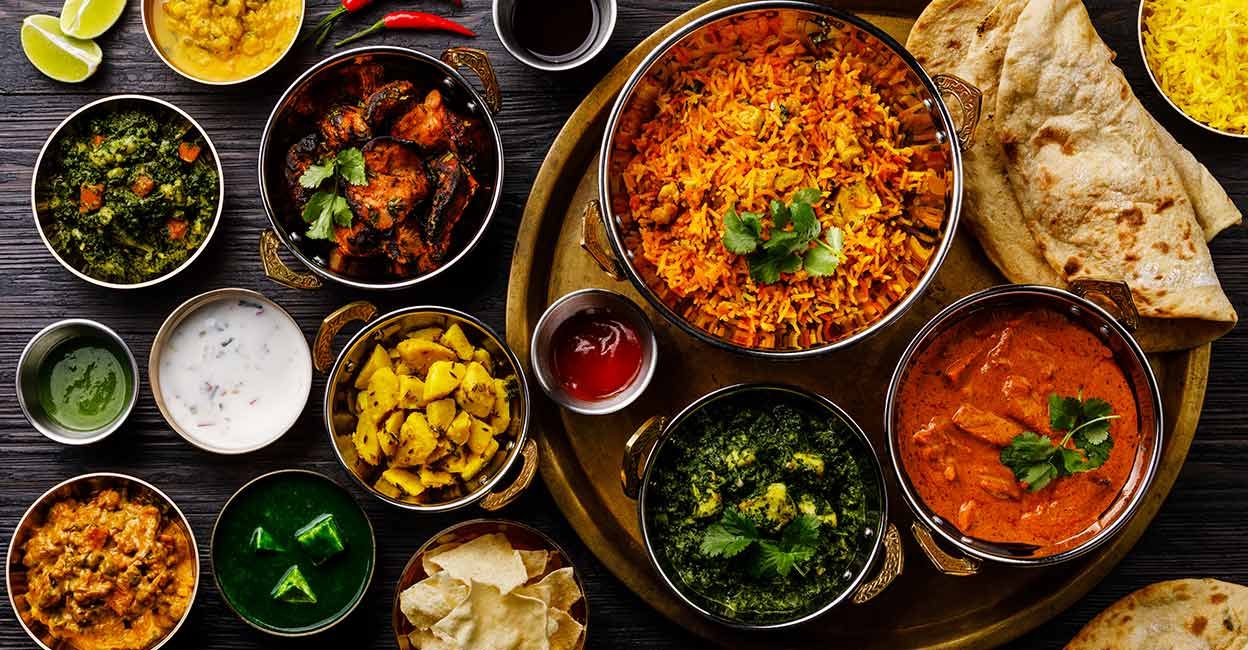
For more than 700 years, a unique culinary tradition has flourished in southern India. In this ritual, newly married grooms are treated to a grand feast prepared by their mothers-in-law. Known as Puyyappla Perukkal, this ancient Indian wedding feast tradition continues in the coastal city of Thalassery, Kerala. It beautifully blends hospitality, devotion, and heritage into an unforgettable celebration. India Wedding Feast Tradition: A 40-Day Culinary Celebration Thalassery, once a key trading port on India’s spice coast, is famous for its aromatic cardamom, pepper, and cloves. Over centuries, this seaside city absorbed influences from Arab, Persian, Dutch, and British traders, creating one of India’s richest food cultures. Among its many culinary treasures, the Puyyappla Perukkal stands apart for its warmth and endurance. The name translates to “nurturing the son-in-law”, and the ritual lives up to that meaning. For 40 days, the groom stays in his bride’s family home as a guest of honour, enjoying up to 100 dishes — many never repeated — prepared under the watchful care of his new mother-in-law and other female relatives. The roots of this practice trace back to Kerala’s ancient Marumakkathayam matrilineal system, which granted inheritance rights to women. Over time, it evolved into a gesture of generosity and respect for the groom. The feast became a way to welcome him into the family with food, laughter, and warm hospitality. Morning Meals in the India Wedding Feast Tradition The celebration begins the very next day after the wedding. At dawn, the groom is served freshly made bread sizzling in ghee with pazham vatti (banana fritters) and boiled eggs. Breakfast soon follows with pathiri (rice flatbread), ari rotti, or ney pathiri — ghee-fried bread paired with aromatic lamb curry. As local chef Rubeena Kalathiyath explains, “It’s not just about serving food — it’s about preserving our family’s recipes and memories.” Rubeena runs The Heritage 1866 homestay in Thalassery. She still prepares most of these dishes by hand using homemade garam masala. Her age-old techniques were passed down from her grandmother. A Day of Endless Dishes in the India Wedding Feast Tradition After breakfast, the groom departs for his home and returns in the evening to an even more elaborate spread. The dinner table often includes crispy lentil vadas, unnakaya (sweet plantain rolls stuffed with coconut and cardamom), and petti pathal (crispy chicken patties). Lunches and dinners feature hearty staples such as aleesa (a wheat and chicken stew with coconut milk), mutton biryani, ghee rice, moodi pathiri (layered rice bread), and mutta mala (golden egg yolk threads in syrup). The diversity of flavours showcases the creativity and depth of Mappila Muslim cuisine, a culinary tradition that evolved from centuries of trade and cross-cultural exchange. By the second week, chicken and mutton dishes dominate, each cooked differently — roasted, stewed, or grilled — ensuring the groom never tastes the same meal twice. “The items are too many to name,” Rubeena laughs, “but every dish is made with care and intention.” Rituals of Respect and Reciprocity Beyond the food, the Puyyappla Perukkal feast includes several playful rituals that reflect respect and reciprocity within families. One of these is the meen panam, or “fish money,” in which the groom offers a token amount to his mother-in-law so she can buy fish. It’s a symbolic act — and a way to show appreciation for the effort she puts into his meals. Another custom, chaaya paisa, requires a small payment for each pot of tea brewed. This practice reinforces the value of gratitude, even in daily routines. Local homemaker Khadeeja TC, who has hosted such feasts for her sons-in-law, recalls: “If the food wasn’t perfect, the groom would jokingly leave the house in protest. Then the uncles would coax him back with laughter. It was all in good spirit — a way of showing affection.” A Tradition Evolving with Time While the India wedding feast tradition remains a source of pride, modern life has changed how it’s practiced. With many families now living in cities or abroad, fewer households can devote 40 full days to the ritual. However, the spirit lives on — many families now condense the event into a single day, serving 40 symbolic dishes in one grand sitting. Culinary instructor Zafira Amin from Thalassery notes, “Even if the full feast isn’t possible today, we still honour the essence — the sharing of love through food.” The condensed celebration reflects both modern convenience and timeless devotion. India wedding feast tradition. Experiencing the Feast as a Traveller Although traditional Mappila weddings are private family affairs, travellers can still experience these legendary flavours in Kerala and beyond. At The Heritage 1866, guests can sample classic dishes like aleesa, unnakaya, and biryani prepared with the same techniques used for generations. Across Kerala, restaurants such as Paragon (in Kozhikode, Kochi, and Thiruvananthapuram), Moplah’s in Bengaluru, and Malabar Junction in London serve authentic Mappila cuisine to an international audience. Food enthusiasts can also attend interactive workshops with chef Abida Rasheed in Kozhikode, a well-known ambassador of Malabar Muslim cooking. For those who wish to bring the taste of Thalassery home, the classic cookbook Malabar Muslim Cookery by Ummi Abdulla offers treasured recipes that preserve these traditions for future generations. India wedding feast tradition. Preserving Faith, Family, and Flavour Even after the 40 days pass, the memories of Puyyappla Perukkal remain as enduring as the bonds it celebrates. Every dish carries the essence of family, respect, and faith — a reminder that food in India is more than sustenance; it’s a language of love. This timeless India wedding feast tradition continues to unite generations, blending ancient customs with modern life. Whether savoured in a Thalassery kitchen or at a Kerala restaurant, it reflects the heart of India. Each meal tells a story. Every flavour carries a rich legacy.

Read More

Best Countries for Expats in Asia 2025

Inside Asia’s Best Countries for Expats Affordable living, vibrant cultures, and promising career opportunities are drawing expats to Asia – and many say they’ve never been happier. The best countries for expats in Asia continue to dominate global rankings, offering a mix of adventure and stability that few regions can match. In the 2025 International Expat Insider Survey, which gathered insights from more than 10,000 expats representing 172 nationalities, personal finance was a key factor influencing happiness. This focus helped Asia shine — with five of the world’s top 10 expat destinations located in the region: Thailand, Vietnam, China, Indonesia, and Malaysia. China showed remarkable improvement, leaping from 19th place in 2024 to sixth overall thanks to high scores for career satisfaction and quality of life. Malaysia entered the top 10 for the first time, while Vietnam ranked fifth with outstanding results in personal finance and cost of living. We spoke to expats across these high-ranking destinations to understand what makes life there so rewarding — and what newcomers should know before moving. China: Career Growth and Convenience in One of Asia’s Best Expat Destinations China’s sixth-place ranking reflects strong results in personal finance, happiness, and job satisfaction. Expats consistently cite career prospects, competitive salaries, and modern infrastructure among their top reasons for moving. “Shanghai is an amazing spot for expats,” said Dutch travel blogger Chris Oberman. “There are plenty of international communities, bars, and businesses where expats easily connect. Beijing offers more cultural charm, but the community there is smaller.” Belgian expat Wouter Mayeur, who has lived in both Hong Kong and Shenzhen, emphasized how each city offers a unique lifestyle. “Hong Kong is vibrant and full of opportunities, while Shenzhen stands out as China’s fast-growing ‘tech capital’ with modern design, clean streets, and an efficient transport system,” he said. best countries for expats in Asia. Everyday life in China is remarkably convenient — from lightning-fast deliveries to efficient digital payment systems. “If you buy something you want to return, just leave it outside your door, and someone picks it up,” said Oberman. “These small efficiencies save huge amounts of time.” However, flexibility is key to thriving in China. “Things move fast here,” Oberman explained. “Schedules can change suddenly, and businesses evolve quickly, so you have to adapt.” Learning Mandarin is another game-changer. “If you can say simple things like ‘good job’ or ‘it tastes good’ in Chinese, people open up much more easily,” he said. “I started after eight months, but I wish I had begun sooner.” Malaysia: A Cultural Mosaic and a Top Choice for Expats in Asia Ranked number 10 globally, Malaysia stands out for its affordability, housing options, and ease of communication. English is widely spoken, making it one of the best countries in Asia for first-time expats. “Moving there and fitting in is relatively easy,” said Australian expat Christine Reynolds, who works as a relocation consultant. “You’ll find communities in Kuala Lumpur, Penang, and even in Sarawak on Borneo Island.” For many, Malaysia’s diversity is its biggest attraction. American expat Kirsten Raccuia, who runs the blog Sand in My Curls, described it beautifully: “You could be standing in a Hindu temple, smelling incense from a nearby Buddhist temple, and hearing the call to prayer from a mosque — all within minutes. It’s magical.” Affordability enhances everyday life. “Housing costs are low, and beautiful apartments with gyms and pools are common,” said Reynolds. “You can visit beaches, jungles, or even fly to Thailand for just $60.” Work-life balance also earns praise. “Malaysia takes business seriously but also values leisure and personal time,” said Farah Jaber, a general manager at a coastal resort. “It’s a place where you can grow your career while living close to nature and culture.” For digital nomads, Malaysia offers one of Asia’s easiest long-stay visas, reliable internet, and abundant co-working spaces. Long-term residents can also apply for the Malaysia My Second Home (MM2H) programme, which provides significant tax advantages for those earning abroad. Vietnam: Affordability and Warm Community Spirit Sliding into the global top five, Vietnam continues to impress with its unbeatable affordability and strong sense of community. The country ranked first in the personal finance index, proving that happiness and financial stability often go hand in hand. “It’s $360 a month for a studio apartment three blocks from the ocean,” said American expat Norman Bour, who lived in Da Nang. “Food, transport, and entertainment are all budget-friendly — it’s one of the cheapest places we’ve lived.” Beyond the savings, expats often mention how easy it is to form close connections with locals. “Neighbours, shopkeepers, and even street vendors become part of your daily life,” said Ayushi Tandon, a former Ho Chi Minh City resident. “It’s a kind of community support that surprises many newcomers.” However, patience is vital. “Setting up phone plans or extending visas often involves multiple steps and stamps,” Tandon noted. “Once you accept that pace, life feels easier.” The tropical climate can be a challenge, especially with humidity affecting books, electronics, and clothes — but many find the outdoor lifestyle worth it. Vietnam’s coffee culture is another major draw. “Wandering through small streets filled with hidden cafes and local food stalls gave me an authentic connection to the city,” said Tandon. In Hoi An, South African expat Michelle Ford starts her mornings in the Tra Que vegetable village with cold brews and baked goods. “It’s the perfect blend of simplicity and creativity,” she said. “Vietnam reminds you to slow down and appreciate the little moments.” Why Asia Continues to Lead for Expats From China’s professional energy to Malaysia’s cultural fusion and Vietnam’s low-cost lifestyle, Asia’s best countries for expats in 2025 demonstrate how diverse experiences can all deliver happiness. Expats across the region celebrate not just financial comfort, but also the balance between modern living and rich cultural traditions. Whether you’re chasing career growth, community spirit, or a fresh start, Asia offers opportunities that go far beyond expectations.

Read More

Venice Floods 2019: Salvaged 100-Year-Old Books

Venice Floods 2019: A Night That Changed the City Forever In November 2019, the Venice floods 2019 devastated the historic city, submerging nearly 85% of its streets and landmarks under water. A perfect storm of a full Moon, fierce winds, and a violent cyclone created the flooding, marking the second-worst disaster in Venice’s modern history after the catastrophic Acqua Granda of 1966. This calamity renewed global concern for the fragile future of the lagoon city. Amid the chaos, photographer Patrizia Zelano embarked on a remarkable journey of recovery and remembrance. Her mission was not only to document the destruction but also to salvage what could still be saved — books that carried the essence of Venice’s history, art, and culture. An Urgent Mission During the Venice Floods 2019 On the night of 12 November 2019, Zelano watched in disbelief as news footage revealed the rising tides consuming Venice. By dawn, she made a decision that would define her work — to head straight into the heart of the disaster. Leaving her home in Rimini, she drove for hours, then took a train into the flooded city, which was still under a state of emergency. When she arrived, the streets were covered with water nearly half a meter deep. Wearing rubber boots, Zelano waded through Strada Nova, a main pedestrian route now transformed into a canal. She visited the home of a friend’s acquaintance, where the aftermath was overwhelming. “Objects, furniture, and books were scattered everywhere — soaked and ruined,” she later recalled. Among the chaos, it was the books that captured her attention. Their pages, swollen with saltwater, appeared both fragile and resilient. One of them, so tightly sealed by silt and humidity, resembled an ancient artifact — “like an archaeological find from the Stone Age,” she said. Saving the Soul of Venice Realizing she needed to preserve more, Zelano contacted Lino Frizzo, a well-known Venetian bookseller who owns the shop Acqua Alta — aptly named “high water.” During those frantic days, Frizzo and his team were tirelessly trying to save what they could. Many of their books, however, were beyond repair. Zelano was given around 40 damaged volumes, many dating back to the early 1900s. “These were not antique books by definition,” she explained, “but they were beautifully made — with fabric covers and ornate lettering. Even in decay, they carried a deep sense of dignity.” Among them was a red-covered poetry anthology that she called an “injured book,” symbolic of the wounded soul of Venice itself. Venice floods 2019 A Gondola Full of History At 55, Zelano faced a daunting challenge — transporting these soaked, heavy relics across a flooded city. She placed them in large black plastic bags, but carrying them alone was nearly impossible. In a uniquely Venetian twist of fate, she persuaded a gondolier to help ferry her back to the train station. “Some books disintegrated at my touch,” she remembered. “Their pages turned to lace, delicate yet destroyed.” One particularly fragile book had holes in its cover that resembled sea coral — a haunting reminder of the lagoon that had both given and taken life from the city. Back in her studio, Zelano began photographing the damaged books under natural light. She didn’t open them. Instead, she let their shapes and textures speak for themselves. Each one became a symbol — of memory, fragility, and resilience. From Water to Art: Photographing the Damaged Books One of the rescued volumes was a Treccani encyclopedia from 1949, featuring an image of a Roman genie — a guardian spirit symbolizing protection. To Zelano, it felt almost prophetic. “It was as if this symbol of protection had survived to remind us that knowledge, too, must be safeguarded,” she said. Another encyclopedia, dated 1951, had warped into shapes resembling ocean waves. It was a poignant reflection of the forces that had destroyed it. With her camera, Zelano sought to transform loss into art — an act of resistance through creation. Her photographs highlight the intimate connection between Venice’s cultural heritage and its vulnerability to environmental change. As sea levels continue to rise — increasing by about 5.9mm annually according to NASA — the danger to the lagoon city grows. Compounded by land subsidence, which causes Venice to sink roughly 1.5mm a year, the future remains uncertain. A Tribute to Culture and Memory “These books are crying,” Zelano once said of her work. In one photograph, a drop of water still clings to the cover of an encyclopedia, symbolizing the tears of the city. For her, each image serves as both a eulogy and a celebration — a tribute to Venice’s enduring spirit. She described arranging several books together, their pages resembling waves or the curves of heart shapes. “When we face personal or environmental storms,” she reflected, “we learn what truly matters — what must be saved.” Among the books were encyclopedias of art history from 1978, containing reproductions of Canaletto’s paintings — the 18th-century artist famed for capturing Venice’s beauty. These volumes, warped and stained, echoed the same cityscapes that Canaletto once immortalized in oils. The irony was striking: Venice, long admired for its reflections in water, now risked being erased by it. The Rising Challenge of Venice Floods Venetians have long lived with acqua alta, the high tide that floods the city several times each year. However, the Venice floods 2019 were a stark warning that climate change and rising sea levels are amplifying these events. While the MOSE flood defense system — a series of mobile barriers designed to protect the lagoon — has been partially effective, experts warn it may not be enough in the decades ahead. For locals, floods are now an inevitable part of life. Yet, in their resilience lies the same spirit that Zelano’s photographs capture — a determination to rebuild, remember, and resist. Turning Destruction Into Hope Zelano’s work, now recognized by international art institutions, transforms devastation into meaning. Her photographic collection, part of a global sustainability exhibition, encourages reflection…

Read More

Fourth Largest City in USA: Locals Debate the Best

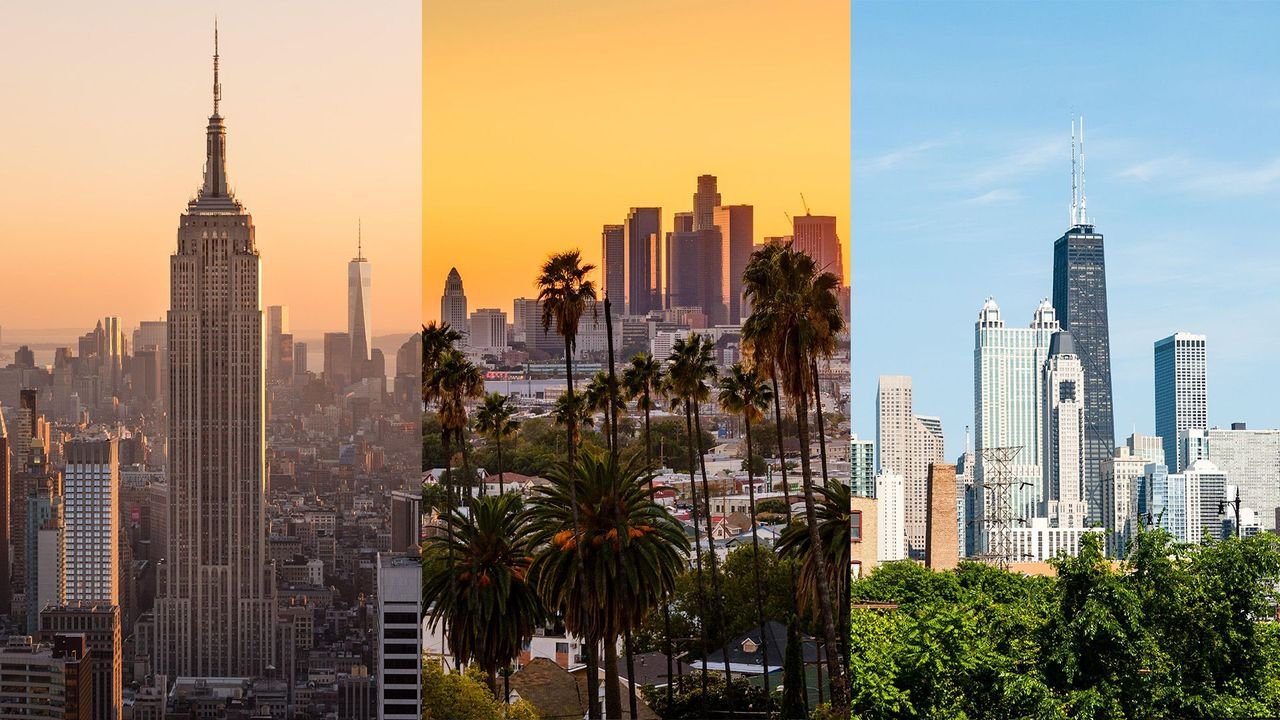
America’s Big Three Cities and the Race for the Fourth Largest City in USA The United States is home to some of the world’s most iconic cities. New York City leads the pack with 8.5 million residents, shaping global culture, finance, and fashion. Los Angeles follows as the nation’s entertainment hub, known for Hollywood, beaches, and laid-back lifestyles. Chicago holds the third spot, famous for its architecture, skyscrapers, and vibrant urban identity. Now, attention turns to which city deserves the title of the fourth largest city in USA, sparking debates among residents and city enthusiasts across the country. With these three cities firmly established, the big question arises: which metropolis should earn the title of the fourth largest city in USA? Across the country, residents are making their case, highlighting history, culture, and influence. Washington DC: A Contender for the Fourth Largest City in USA The nation’s capital was designed to stand apart from the states, built along the Potomac River with a layout by Pierre Charles L’Enfant. Anchored by the National Mall, DC houses the Capitol, Smithsonian museums, and monuments that symbolize American democracy. Residents believe Washington deserves the fourth spot due to its political importance and history. Beyond politics, the city is walkable, connected by an efficient Metro system, and rich in culture. Visitors can explore the U Street Corridor, a hub of Black culture and music, or stop by iconic eateries like Ben’s Chili Bowl. DC offers a mix of history, diversity, and accessibility that few cities can match. San Francisco: Innovation, Culture, and the Fourth Largest City Debate San Francisco blends a rich past with modern innovation. Since the Gold Rush of the 1850s, the city has attracted dreamers and entrepreneurs. Today, it stands as the gateway to Silicon Valley, shaping global technology. Locals point to the city’s creative spirit, multicultural food scene, and stunning landmarks. With its historic Chinatown, sprawling Golden Gate Park, and coastal views, San Francisco is both a tourist gem and a liveable city. The blend of culture and innovation makes it a strong contender for the fourth largest city in USA. Atlanta: A Global Hub Atlanta has risen as a cultural and economic powerhouse. Home to the world’s busiest airport, it attracts millions of travelers each year. The 1996 Olympics transformed the city, fueling growth and establishing it as a modern hub. Known as the “hip-hop capital of the world,” Atlanta thrives on music, sports, and diversity. Major attractions like the Georgia Aquarium, World of Coca-Cola, and the Beltline showcase its energy. From Broadway shows to Beyoncé’s memorable performances, Atlanta’s cultural influence keeps growing. Miami: Competing for the Fourth Largest City in USA Miami ranks high in international tourism and serves as the nation’s gateway to Latin America. With a diverse population—70% Hispanic and Latino—it is one of the most multicultural cities in the US. Locals emphasize Miami’s role in shaping global music, art, and fashion. The city also shines as a sports hub, especially with Lionel Messi’s arrival at Inter Miami CF and its hosting role in the 2026 FIFA World Cup. Colorful neighborhoods like Wynwood add to its vibrant identity. Boston: History and Education Boston, founded in 1630, is one of America’s oldest cities. It shaped the nation’s beginnings and continues to influence through education, innovation, and culture. Home to Harvard, MIT, and dozens of universities, it attracts students and researchers from around the world. The city also charms visitors with its walkable streets, historic landmarks, and seasonal beauty. From autumn foliage to modern dining, Boston blends the old and the new. Residents praise its tight-knit community feel and authentic New England character. Which City Deserves the Fourth Spot? The debate over the fourth largest city in USA highlights the diversity of American urban life. Washington DC offers political power and history, San Francisco thrives on innovation, Atlanta represents cultural energy, Miami shines as an international hub, and Boston preserves heritage while driving education. Each contender has a unique claim, and the discussion reflects just how dynamic and influential US cities are beyond the established top three.

Read More

Neptune Balls Ocean Plastic: How Seagrass Sends Trash Back

As the threat of microplastics grows worldwide, seagrass meadows in the Mediterranean are quietly playing a surprising role. These meadows form fibrous bundles known as Neptune balls, which are now being recognized as natural collectors of ocean plastic. What Are Neptune Balls Ocean Plastic Bundles? Neptune balls, scientifically called Posidonia oceanica, are dense, spherical bundles made from the fibrous remains of seagrass. While they have long been used traditionally for packaging, bedding, and even insulation, researchers have uncovered another crucial function: helping to trap plastic waste. Microplastics in the Ocean and Seagrass Meadows Microplastics – fragments smaller than 5mm – often come from discarded bags, bottles, fishing nets, and other single-use items. They pose risks to human and environmental health, affecting hormones, bones, and even brain function. Since most plastic pollution originates on land, oceans become the ultimate sink, with seagrass meadows acting as natural filters. How Seagrass Collects and Traps Ocean Plastic The long leaves of Posidonia slow down water movement, allowing carbon, sediments, and unfortunately, microplastics to settle. Over time, the fibrous remains of seagrass intertwine, trapping plastic fragments and forming Neptune balls. Each year, researchers estimate that seagrass meadows in the Mediterranean capture nearly 900 million plastic pieces. Plastic Found in Neptune Balls and Their Impact A study in Mallorca revealed that while only 17% of Neptune balls contained plastic, those that did were densely packed – with as many as 1,500 fragments per kilogram. Larger Neptune balls, sometimes called “monster balls,” were even found to contain sanitary products, wipes, and other heavier plastics. Neptune Balls Ocean Plastic Washed Ashore by the Sea During storms or strong tides, Neptune balls break loose from the seafloor and drift ashore. Scientists describe this process as “the sea returning our trash” – highlighting how the ocean pushes back the waste that never belonged there. Neptune balls ocean plastic. Not a Solution, but a Sign Despite their role, experts warn that Neptune balls should not be seen as a fix for marine pollution. They are a natural byproduct of seagrass ecosystems, not a method of ocean cleanup. If found on beaches, they should be left untouched, as they provide moisture and nutrients to coastal habitats. The Decline of Seagrass Meadows Globally, seagrass coverage has declined by nearly 30% since the late 19th century due to pollution, rising ocean temperatures, invasive species, and coastal development. In the Mediterranean, Posidonia oceanica faces increasing threats from industrial activity and heatwaves. Conservation Efforts to Restore Seagrass Despite challenges, conservation projects such as Spain’s Marine Forest in the Bay of Pollença and the Posidonia Gardeners initiative in Sicily and Malta are working to restore seagrass meadows. These ecosystems not only trap plastic but also absorb carbon dioxide, protect coastlines, and support marine biodiversity. Neptune balls ocean plastic. A Reminder From Nature Neptune balls are a striking reminder of how ecosystems interact with human pollution. While they offer a glimpse of nature’s resilience, they also underscore the urgent need to reduce plastic waste at its source. Seagrass meadows may help filter our mistakes, but long-term solutions lie in reducing plastic use and protecting marine ecosystems.

Read More