
Sofia Catherine

Texas and New Mexico Floods: Different Disaster Responses

Texas and New Mexico Floods: A Tale of Two Outcomes Texas and New Mexico floods in early July 2025 delivered a sobering reminder of how disaster preparedness can change outcomes. Although both states were hit by extreme weather, the results were dramatically different. In New Mexico, the mountain town of Ruidoso faced serious property damage but returned to near-normalcy within a day. In contrast, Texas suffered catastrophic losses, with over 100 lives lost. The response to the Texas and New Mexico floods highlights how timing, readiness, and terrain influence survival and recovery. Ruidoso’s Response to the Texas and New Mexico Floods The Texas and New Mexico floods brought contrasting outcomes, and Ruidoso, New Mexico, stood as an example of preparedness. On a stormy Tuesday afternoon, torrential rain swept through the mountain town, dumping nearly 3.5 inches (8.8 cm) of water in just a few hours. The intense rainfall surged through the canyons, pushing river levels to historic highs—some exceeding 20 feet. Despite the force of nature, this part of the Texas and New Mexico floods did not catch Ruidoso off guard. According to local business owners and residents, flood preparedness measures had been implemented in advance. Emergency protocols, flood modeling, and response plans had already been drafted—largely in response to devastating wildfires that ravaged the area in the summer of 2024. “The floods were expected, and we were ready,” said Eddie Gutierrez, a local brewery owner who watched in horror as the river swallowed neighboring houses. “It was hard to see, but within a day, the town was back to almost business as usual.” How Wildfires Worsened the Texas and New Mexico Floods The region’s vulnerability to flooding was significantly amplified by the wildfires that scorched Ruidoso the previous year. In June 2024, two massive blazes—the South Fork and Salt fires—burned over 10,000 hectares (25,000 acres) and forced mass evacuations. Hundreds of homes were destroyed, and many properties were abandoned. The fires left behind large “burn scars”—barren zones where vegetation once soaked up rainwater. With the foliage gone, the charred soil became water-repellent, causing rainfall to slide across the surface like it would on concrete. Weather agencies had warned that these burn scars would lead to dangerous runoff in future storms. And that warning proved true. Life After Wildfires and the Texas and New Mexico Floods Many of the homes destroyed in this year’s flood had already been damaged or abandoned due to the previous year’s wildfires. One of the houses seen floating down the river was among those still vacant, a tragic symbol of a community facing the cascading effects of climate-induced disasters. But Ruidoso’s residents have grown more aware of these recurring threats. Local officials had updated evacuation plans and informed citizens about possible post-fire flooding. Experts say this type of community-level learning is crucial to disaster survival. Disaster Readiness Makes the Difference Experts from climate and water institutes stress that disaster experience often leads to stronger readiness. When people experience a flood firsthand, they are more likely to heed future warnings, prepare evacuation routes, and safeguard properties. “When a community lives through disaster, it adapts,” said Upmanu Lall, director of a U.S.-based water institute. “People who have been hit before tend to take future warnings more seriously.” In Ruidoso, that preparedness translated to fewer casualties and quicker recovery—despite significant property damage. Texas Flooding: A Tragedy Unfolds Without Warning Just days before Ruidoso’s flood, Texas faced an entirely different scenario. A monstrous storm dumped nearly 100 billion gallons of water—more than Niagara Falls flows in a day—causing rivers to rise at terrifying speeds. The most devastating impact occurred in the early hours of the morning. The Guadalupe River, a major waterway in central Texas, surged by 26 feet (8 meters) in less than 45 minutes—while many residents, including children at summer camps, were still asleep. Caught off guard, communities across central Texas found themselves scrambling for safety. The human cost was immense: at least 119 lives lost, dozens still missing, and entire neighborhoods submerged. A Lack of Preparedness in Texas Raises Questions Unlike Ruidoso, many towns in Texas were not prepared for the magnitude of the flood. Officials and meteorologists were stunned by the volume and speed of the rainfall. Questions soon emerged: Joe Herring, the mayor of Kerrville, one of the hardest-hit towns, expressed deep frustration. “We didn’t even have a warning,” he told reporters. Many are now calling for urgent reviews of Texas’ flood warning systems. Timing and Location Made the Texas Flood Deadlier Several factors combined to make the Texas flood more lethal. First, the rainfall occurred just before dawn—a time when people are least likely to respond quickly. Second, some homes were built in low-lying areas close to the river, increasing their exposure to flash flooding. Lastly, the sheer volume of water was far beyond what existing drainage systems could handle. These factors led to chaotic scenes as residents attempted last-minute evacuations and rescue crews rushed to save those trapped in rising waters. The Role of Climate Change in Escalating Flood Risks Both floods—though differing in outcome—point toward a worrying trend. Climate scientists have long warned that global warming will intensify weather extremes. Higher temperatures lead to more evaporation, increasing atmospheric moisture. That, in turn, results in heavier, more sudden rainfall. Combined with land-use changes such as deforestation, wildfires, and urban sprawl, communities are becoming more susceptible to flash floods. From Tragedy to Action: What Comes Next? The sharp contrast between the two flood events presents an urgent case study in flood management. New Mexico’s proactive approach—built from previous disasters—saved lives and minimized chaos. Texas, overwhelmed by the storm’s ferocity, now faces calls to overhaul its emergency systems. As more regions face escalating climate threats, governments and communities must prioritize resilience planning. Investing in early warning systems, improving infrastructure, and educating the public could make the difference between survival and tragedy. A Tale of Two Floods, and Lessons for the Future The back-to-back floods in New Mexico and Texas offer a powerful reminder:…
Read More

Ed Sheeran Art Exhibit Opens at London’s Heni Gallery

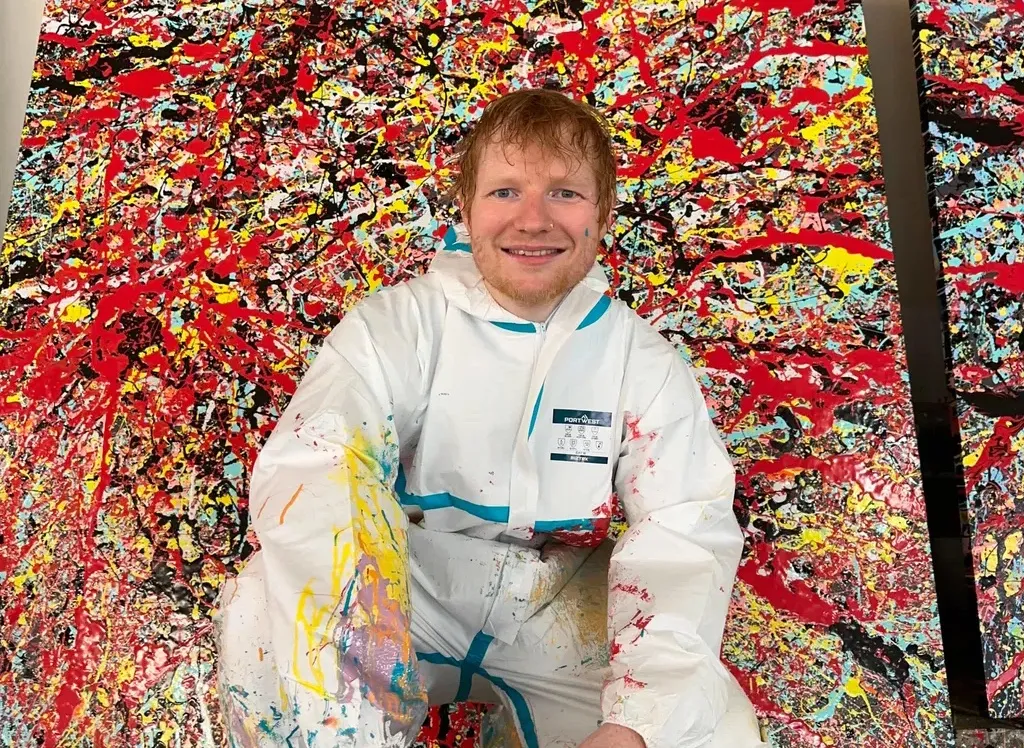
Ed Sheeran Art Debuts at London’s Cosmic Carpark Exhibition Global music icon Ed Sheeran is once again capturing attention—this time not with his music, but with his art. Ed Sheeran’s original splash-style artworks are now on display at the Heni Gallery in Soho, London. He created them in a disused car park during breaks between tour dates. Titled Cosmic Carpark Paintings, the exhibit runs until August 1st and features vibrant pieces inspired by celestial patterns. Ed Sheeran’s Artistic Journey: From Music to Splash Painting Sheeran’s journey into visual art began in 2019, towards the end of his Divide Tour. Though best known as a chart-topping singer-songwriter, he had long harbored a love for visual expression. Growing up in Suffolk with parents involved in the arts, Sheeran developed a natural interest in painting early on. I started painting at the end of my Divide Tour in 2019, and it’s been my creative outlet ever since,” Sheeran shared. “Growing up with parents deeply involved in art naturally sparked my passion for it. Ed Sheeran Art Ritual: Painting in a Soho Car Park While in the UK between tour stops, Sheeran developed a daily routine. Each morning, Ed Sheeran ran to a quiet, disused car park in Soho, where he spent hours painting in solitude before running back home. This dedicated routine helped him create a vibrant collection that showcases his bold splash painting style—now featured as the centerpiece of his first gallery exhibition. “I used a lot of my downtime in the UK to paint,” he said. Each morning, I’d run to a disused car park in Soho to paint, then head back home—repeating that routine daily until I returned to touring. The Cosmic Inspiration Behind Ed Sheeran’s Art The paintings in the Ed Sheeran Cosmic Carpark Paintings exhibition are visually vibrant and abstract, drawing influence from astronomical forms and cosmic structures. This theme complements Sheeran’s dynamic splash technique and adds a meditative quality to the pieces. Sheeran originally created the artworks as personal gifts for friends and family, but encouragement from fellow artists—like Damien Hirst and Heni founder Joe Hage—led him to share the pieces with the public. Free Public Exhibition at Heni Gallery The Heni Gallery exhibition is open to the public free of charge, with no appointment necessary. Visitors can explore Sheeran’s collection in an intimate setting, gaining a fresh perspective on the multi-talented performer. The artworks are also available for purchase, with all proceeds directed to The Ed Sheeran Foundation. The foundation supports music education initiatives, aiming to provide access and opportunities to young people from all walks of life. Combining Music and Visual Art Though best known for his chart-topping music and global tours, Ed Sheeran reveals a more personal side through his painting. His artwork captures the same emotion, rhythm, and spontaneity that define his songs—offering fans a fresh lens into his multifaceted creativity. This artistic milestone aligns with another major moment in Sheeran’s calendar—his trio of homecoming concerts at Portman Road stadium in Ipswich. The back-to-back sold-out shows are set for Friday, Saturday, and Sunday, celebrating his roots with thousands of devoted fans. More Than a Hobby: A Legacy in the Making The Ed Sheeran Cosmic Carpark Paintings exhibition is more than a celebrity art show—it’s a testament to Sheeran’s evolution as a multidimensional artist. Whether through song or stroke, he continues to inspire audiences with his creativity, humility, and commitment to giving back. Art lovers, music enthusiasts, and curious visitors can explore Ed Sheeran’s creative side at the Heni Gallery in Soho, where his painting exhibition runs until August 1st. Blending music, visual art, and philanthropy, the show adds a vibrant new chapter to the evolving story of one of the world’s most dynamic and influential artists. Stay tuned for additional updates and reflections from the exhibition.

Read More

Best Pizza in Naples: A Pizza Chef’s Authentic Guide

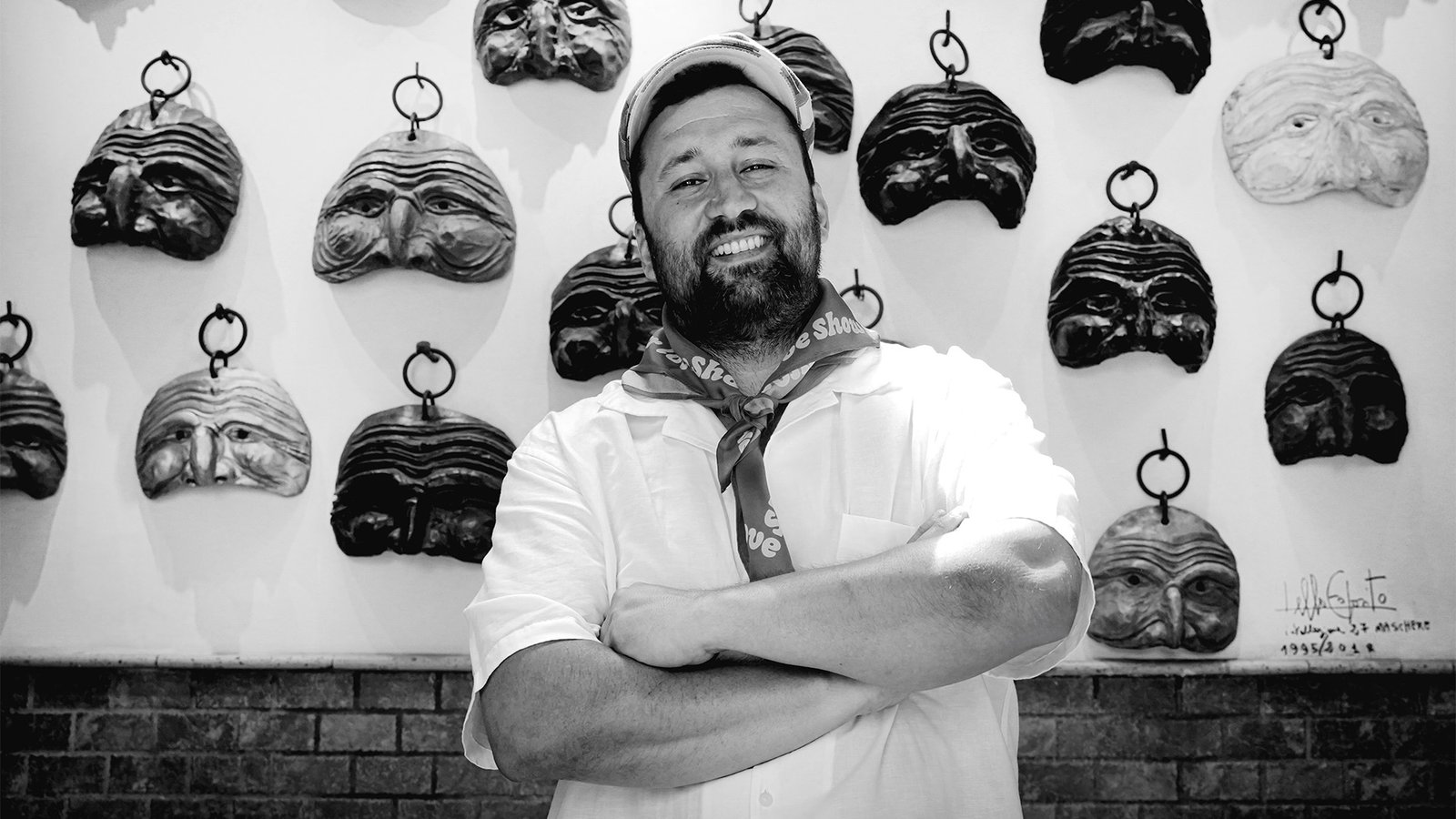
Best Pizza in Naples: Discover Authentic Picks from a Local Chef To truly understand pizza, one must journey to its birthplace: Naples. According to Daniele Uditi, a Neapolitan-born master pizzaiolo who has spent over 15 years in the United States, the soul of pizza lives on the cobbled streets of his hometown. “No matter where in the world I am, I will always be from Naples,” says Uditi, whose passion for pizza goes far beyond ingredients—it’s rooted in culture, tradition, and experience. As the owner of the acclaimed Pizzana pizzeria chain in Los Angeles and co-owner of the exclusive Lele Dinner Club in West Adams, Uditi remains a proud ambassador of Neapolitan culinary tradition. He insists that the best pizza in Naples must be experienced firsthand, eaten amid the noise of the city, folded al portafoglio, or “wallet-style,” just as locals do. The Origins of the Best Pizza in Naples Pizza, now loved across the globe, was born in Naples. Its invention is widely credited to Raffaele Esposito, who in the 19th century crafted a pizza in honor of Italy’s newly unified flag—featuring red tomato, white mozzarella, and green basil. Today, Neapolitan pizza remains a cherished artisanal product: perfectly imperfect, rich in heritage, and always evolving. “Naples isn’t a perfect circle, and neither is its pizza,” Uditi remarks. “But when you take a bite, everything makes sense.” 1. Pizzeria La Notizia: Best All-Around Pizza in Naples Perched in the Capodimonte quarter, Pizzeria La Notizia 53, led by renowned chef Enzo Coccia, is known for attracting pizza lovers from all walks of life. From professors to students, couples to tourists, this pizzeria unites them all in pursuit of one thing: a flawless Margherita. Coccia’s take on the classic is balanced to perfection. While he is known for experimenting with seasonal ingredients like courgette and thyme, it’s the traditional Margherita—where each ingredient complements the next—that keeps patrons coming back. 2. Best Montanara Pizza: Antonio Starita Located near the vibrant Rione di Sanita, Antonio Starita’s pizzeria is a beloved institution. What sets it apart? The montanara: a deep-fried pizza base adorned with rich tomato sauce, fresh mozzarella, and fragrant basil. “His montanara is light, never oily,” says Uditi. “It tastes like tradition—like sugo simmered for hours.” Starita’s personality also shines through in every slice. A legend in the community, his quiet presence and passion inspired Uditi as a young boy. For the best experience, Uditi recommends visiting during off-hours to avoid long queues. 3. Best for Reinventing Classics: Pizzeria Concettina ai Tre Santi Run by rising star Ciro Oliva, this pizzeria is both rooted in tradition and daring in its creativity. Set in the heart of Rione Sanita, it’s a must-visit for adventurous eaters seeking the best pizza in Naples with a modern twist. One of its standout creations, the Fondazione San Gennaro, features salami, smoked provola cheese, and crumbled tarallo ‘nzogna e pepe—an unexpected texture bomb that still feels authentically Neapolitan. “Ciro brings texture to pizza in a way others haven’t,” says Uditi. “It’s exciting and respectful of heritage.” 4. Best Female-Run Pizzeria: Isabella de Cham Just steps away from Concettina ai Tre Santi, Isabella de Cham specializes in pizza fritta, a fried calzone filled with ricotta, cicoli (pork cracklings), and black pepper. But what makes this spot exceptional is not just the food—it’s Isabella herself. “Pizza fritta used to be the realm of women, sold on the streets,” Uditi explains. “We need more women in pizza, and Isabella brings a soft, fresh touch. Her food is light, despite being fried.” Her approach to flavor, innovation, and tradition exemplifies the evolving scene of Naples while preserving its roots. 5. Best Gourmet Experience: Diego Vitagliano Located in Naples’s picturesque Santa Lucia neighborhood, Diego Vitagliano’s pizzeria elevates pizza to fine dining. His creations incorporate elements from classic Neapolitan cuisine—like pasta e patate—and surprise diners with innovative toppings and textures. “He tells the history of Naples through pizza,” says Uditi. “And yet, his classic Margherita still steals the show.” An insider tip from Uditi: always check the bottom of your pizza. Perfect leoparding—those dark, charred spots—signals a well-cooked, balanced dough. 6. Best Destination Pizza: I Masanielli in Caserta A short trip outside Naples brings you to Caserta, home of I Masanielli by Francesco Martucci—Uditi’s top overall choice. Here, pizza is treated like art. “Martucci is fearless,” Uditi laughs. “He’ll make pizza with scallops and sea moss powder. But everything is harmonious.” His five-onion pizza, showcasing onions prepared in five different ways, is a masterclass in flavor layering. Even more impressive, he was the first to cook his dough using three methods: steamed, fried, and baked. Savoring Naples, One Slice at a Time For Daniele Uditi, pizza in Naples is more than food—it’s identity. Every pizzeria he recommends offers a different chapter in the story of Neapolitan cuisine, from street-style folds to avant-garde experimentation. Whether you’re biting into a perfectly balanced Margherita at La Notizia or indulging in Martucci’s gourmet marvels in Caserta, these are more than just meals—they are living history. So next time you visit Naples, skip the tourist traps and follow a pizza chef’s guide to the best pizza in Naples. Your taste buds—and your understanding of pizza—will be transformed.

Read More

Lottie Woad Evian Championship: Rising Star’s Big Test

Lottie Woad Evian Championship Bid: A Future Star on the Brink England’s Lottie Woad is heading into the 2025 Evian Championship as one of the most exciting names in women’s golf. At just 21, Lottie Woad holds the top spot in the world amateur rankings and recently secured a commanding victory at the Ladies European Tour’s Irish Open. Woad, still an amateur, dominated a field stacked with professionals, winning by six shots and finishing comfortably ahead of seasoned stars like Charley Hull and Madelene Sagstrom. Now, the young talent has her sights set on a new goal: securing her LPGA Tour membership through the Elite Amateur Pathway. To do that, Woad needs just two more qualifying points, and a top-25 finish at the Evian Championship could seal the deal. Rising Golf Phenom Lottie Woad Prepares for Evian Major Test Woad’s golf journey has been defined by consistency and composure beyond her years. From her early days in regional English squads to competing and winning on the NCAA circuit for Florida State, Woad has proven time and again that she thrives under pressure. With 10 top-three finishes in 11 NCAA tournaments, her collegiate performance has been nothing short of elite. Her crowning amateur achievement came last year when she claimed the Augusta National Women’s Amateur title, birdieing three of the final holes to win. That victory marked her breakthrough on the global golf stage, and she has only grown stronger since. Lottie Woad’s Confidence Grows Ahead of the Evian Championship According to England Golf’s performance director, Nigel Edwards, who has overseen Woad’s development since her early teens, her work ethic is what sets her apart. “Early on, she recognized the need for strength and speed, and she has tirelessly developed those qualities,” he says. “Lottie understands what she needs to practice and isn’t afraid to adjust her approach if something isn’t working.” She showed her mettle again in major tournaments last year, finishing 23rd in her debut at the Chevron Championship and earning the Smyth Salver as the low amateur at the AIG Women’s Open with a share of 10th place. Each outing has been a clear signal that Woad isn’t just keeping pace with the best in the world—she’s beginning to surpass them. Top-25 in Sight at Evian Championship Heading into the Evian Championship, Woad knows what’s at stake. Two more points, or a single top-25 finish, will guarantee her LPGA Tour eligibility. The French major represents the best opportunity to reach that milestone while facing off against the strongest competition in the sport. Unlike some amateurs who shy away from turning professional too quickly, Woad has been patient. After winning the Irish Open, she reaffirmed her focus: “I’m not tempted to turn pro yet.” I want to get those final points and then take it from there.” A Calculated Path to Greatness While many young stars rush into the professional game, Woad’s careful planning and focus on development reflect a maturity that belies her age. She has considered deferring LPGA membership to complete her studies at Florida State, demonstrating her commitment to long-term success over short-term glory. And yet, she’s ready. Her results in majors, her LET victory, and her dominance in collegiate golf make a compelling case. She’s proven she can go toe-to-toe with veterans, play in high-pressure environments, and deliver results. Evian Field Stacked with Elite Talent The 2025 Evian Championship isn’t lacking in star power. World number one Nelly Korda, Olympic champion Lydia Ko, and Women’s PGA winner Minjee Lee are among the favorites. Alongside Woad, several other British hopefuls—Charley Hull, Bronte Law, Alice Hewson, and Gemma Dryburgh—will be competing, adding extra national interest. Despite the fierce competition, Woad is not daunted. Her calm demeanor, consistent ball striking, and ability to remain focused in the biggest moments have made her one of the standout names to watch this week. Final Step Before Stardom Whether she finishes in the top 25 or not, one thing is clear: Lottie Woad is the future of women’s golf. Her career thus far has been a blueprint in how to develop talent the right way—through patience, persistence, and a relentless pursuit of excellence. As her performance director Nigel Edwards put it, “She has incredibly high standards, and that shows in both practice and performance. Big names don’t intimidate her because she holds herself to even higher standards. The Evian Championship could mark the final step in Woad’s amateur career. But regardless of whether she turns pro this year or next, one thing is certain: the golf world is ready, and so is she. Stay tuned for more updates on Lottie Woad’s journey through the 2025 Evian Championship.

Read More

Sabalenka Wimbledon 2025: Through to Semi-Finals

Sabalenka Wimbledon 2025 Campaign Survives Grueling Siegemund Test Sabalenka Wimbledon 2025 campaign remains alive after a thrilling comeback on Centre Court, where world number one Aryna Sabalenka battled past Laura Siegemund in a dramatic three-set quarter-final. The Belarusian title favorite, shaken early, regrouped to win 4-6, 6-2, 6-4 and book her place in the semi-finals after nearly three hours of high-intensity tennis. With most top seeds out, the Sabalenka Wimbledon 2025 run now looks even more promising, as she prepares to face Amanda Anisimova next. If her current form holds, Sabalenka Wimbledon 2025 hopes could very well end in a maiden title at SW19. The match tested every facet of Sabalenka’s game—and patience—as she faced off against a wily veteran who repeatedly disrupted her rhythm. At 37, world number 104 Siegemund had never progressed past the second round at SW19 in singles before, but she came heartbreakingly close to producing one of the tournament’s biggest upsets. Early Struggles Threaten Sabalenka’s Wimbledon 2025 Hopes Sabalenka struggled early on, unable to find her serve or composure against Siegemund’s slow-paced but surgically precise style. Using slices, lobs, and angled drop shots, Siegemund controlled the tempo and put Sabalenka on the back foot. In a surprising turn, Sabalenka held serve only once in the first set and dropped it 4-6. “I looked at my box and thought, ‘Book the tickets, we’re about to leave,’” Sabalenka admitted. But she didn’t. Finding Her Footing Leaving the court after the opening set to reset, Sabalenka returned with renewed energy. She broke Siegemund early for a 2-0 lead, only to give up the advantage in the following game. But this time, Sabalenka held firm, finding her range with powerful groundstrokes and firing up the crowd with every hold. By the middle of the second set, she had reeled off four straight games, leveling the match with a commanding 6-2 finish. The roar of Centre Court suggested that the momentum had shifted. Deciding Set Drama Siegemund wasn’t done. She broke Sabalenka to love with a stunning passing shot early in the third set and extended her lead to 3-1. But Sabalenka dug deep, breaking back twice, including once as Siegemund served to stay in the match. A final net smash sealed the deal for Sabalenka, who fell to her knees in relief after completing the win. “It doesn’t matter if you’re a big-hitter or a big-server—you have to work, run, and earn the victory,” she said. “It was tough but beautiful.” Sabalenka’s Calm Under Pressure at Wimbledon 2025 Throughout the match, Sabalenka showed impressive emotional control—a marked improvement from her meltdown in the French Open final. “I think there’s a big possibility I would’ve lost this match if I hadn’t learned from that experience,” she noted. “I’m proud I kept my composure.” With this win, Sabalenka is now into her fourth consecutive Grand Slam semi-final. The pressure will be on as she faces American 13th seed Amanda Anisimova, who also booked her first Wimbledon semi-final appearance with a straight-set win over Anastasia Pavlyuchenkova. Anisimova’s Poised Performance—and a Sweet Ending On Court One, Amanda Anisimova delivered a clinical performance to beat Russian opponent Pavlyuchenkova 6-1, 7-6(11-9). The American raced through the first set in just 27 minutes and looked poised to close things out quickly. But nerves crept in during the second set. She missed two match points at 5-4, allowing Pavlyuchenkova to drag the contest into a tense tiebreak. Saving five set points, Anisimova eventually prevailed, collapsing face-first into the grass in celebration. Adding a heartwarming moment to her victory, Anisimova brought her young nephew Jaxon onto the court for her interview, holding his hand as they soaked in the applause—a special early birthday gift he won’t forget. Looking Ahead: Sabalenka vs Anisimova The upcoming semi-final between Sabalenka and Anisimova promises high drama. Both players bring contrasting styles—Sabalenka’s power versus Anisimova’s precision—and both are hungry for a first-ever Wimbledon final. Sabalenka will need to draw on every ounce of her grit, particularly after being pushed to the brink by Siegemund. Meanwhile, Anisimova’s ability to stay calm under pressure will be tested as she faces the top seed. Sabalenka vs Siegemund Conclusion Sabalenka’s Wimbledon journey nearly ended in heartbreak, but her resilience and lessons learned from past setbacks powered her through. With momentum and maturity on her side, the world number one remains the favorite to claim her maiden Wimbledon crown. Whether her opponent is tricky or tenacious, Sabalenka has proven that she can claw back from the brink. Stay tuned for what promises to be an electric semi-final showdown.

Read More

Superman Review: DC’s Bizarre New Universe Begins

Superman Review: A Wild New Universe or an Overloaded Experiment? This Superman review dives into James Gunn’s bold, bizarre reboot of DC’s cinematic universe, starring David Corenswet as the iconic Man of Steel. Rather than carefully setting up a franchise foundation, Gunn opts for chaos, delivering a sci-fi B-movie cloaked in superhero spandex. It’s not just a standalone film—it’s the launchpad for a new era of DC storytelling. In this Superman review, we find a universe where the Man of Steel already exists, fully formed. There’s no origin story, no quiet Kansas farm—just immediate, breathless action. Director James Gunn boldly starts in the middle, where Superman has been fighting supervillains in Metropolis for three years, dating Lois Lane (Rachel Brosnahan), and battling public opinion stirred up by tech mogul Lex Luthor (Nicholas Hoult). This bold creative choice adds weight to our Superman review, which explores how skipping the traditional backstory affects the film’s narrative flow. Superman Review: How James Gunn Reimagines the Man of Steel David Corenswet’s Superman is handsome and wholesome, with all the right looks for Clark Kent. But while his charm fits the role on paper, Gunn’s script rarely gives him space to breathe. Superman seems rushed, impatient, and prone to emotional outbursts—a far cry from the gentle iconography of Christopher Reeve’s version. Gone is the awe; in its place is a short-tempered crusader with little time for warmth. Even Lois Lane, portrayed with gusto by Brosnahan, is given little development. Their relationship feels pre-written rather than felt. Gunn assumes we already care, without building the emotional stakes. A Superhero Story Skipping Steps What’s striking is how fully Gunn leans into comic book absurdity. The film includes a floating eyeball known as a “dimensional imp,” a squad of Superman Robots, a fire-breathing kaiju, and a subplot about social media disinformation. You’ll also find clones, alternate universes, and scenes that feel plucked from Saturday morning cartoons—except with a much darker tone. While some fans will celebrate this audacity, others may find it overwhelming. Gunn packs so many ideas into the 2-hour runtime that none truly get to shine. The pacing is so frantic that significant events—city destruction, multi-verse hopping, character deaths—feel oddly hollow. The Supporting Heroes: Scene-Stealers or Clutter? Gunn introduces a ragtag group of lesser-known heroes called the Justice Gang, including Green Lantern (Nathan Fillion), Hawkgirl (Isabela Merced), and Mr Terrific (Edi Gathegi). These characters are quirky and fun, but they crowd out the main storyline. Instead of anchoring Superman, they blur his narrative. Their presence also raises an immediate question: where are the heavy hitters? Batman, Wonder Woman, and Aquaman are noticeably absent. While their own stories may come later, this fragmented introduction lacks the narrative cohesion that made Marvel’s early films resonate. Bursting with Weirdness, But Lacking Heart At times, “Superman” feels more like an inside joke for comic book purists than an accessible blockbuster. Gunn brings the same irreverent, genre-twisting spirit that made “The Suicide Squad” a cult hit, but here it borders on indulgent. There’s no space for quieter, character-building moments. Even the score leans on nostalgia, using John Williams’ classic fanfare from 1978’s “Superman: The Movie.” But it doesn’t land with the intended gravitas. Instead of rekindling the magic, it reminds viewers what’s missing—emotional resonance, wonder, and sincerity. The Verdict: Bold, Bizarre, But Not Quite Super “Superman” is a curious gamble—a film that embraces the eccentric side of comic lore, but forgets the human core of its hero. It’s glib, overloaded, and visually chaotic. Corenswet’s potential is buried under clutter, and despite some laugh-out-loud moments, the film fails to inspire awe or confidence in DC’s rebooted universe. Fans of James Gunn’s style will find familiar notes: weird humor, frenetic pacing, and unexpected characters. But those hoping for a soaring, mythic return of Superman may be left grounded.

Read More

The Cartoonist Who Fought Censorship With Humor

Abu Abraham: The Political Cartoonist Who Fought Censorship Born in 1924 in Kerala, Abu Abraham became one of India’s most influential political cartoonists — a cartoonist who fought censorship with wit and conviction. Through sharp satire, he boldly challenged authority, especially during the Emergency in India. He began his journalism career at the nationalist Bombay Chronicle, where he developed a deep fascination with politics and the power of the printed word. His early experiences witnessing India’s independence deeply shaped his voice as a cartoonist committed to truth and dissent. After working briefly at Shankar’s Weekly, Abu Abraham—the political cartoonist who would later be known as a cartoonist who fought censorship—set his sights on Europe. In 1953, a chance encounter with British cartoonist Fred Joss paved the way for his journey to London. Just a week after arriving, one of his cartoons was published in Punch, earning praise from editor Malcolm Muggeridge, who called it “charming.” Soon, Abu’s work appeared in Tribune, attracting the attention of David Astor, editor of The Observer. The editor offered him a staff position and suggested he adopt the pen name “Abu” to prevent misinterpretation of his surname in Europe.Astor guaranteed him full creative freedom—a rarity in the world of political commentary. How the Cartoonist Who Fought Censorship Rose in British Media Abu Abraham, a renowned political cartoonist, spent ten years at The Observer and three at The Guardian before returning to India. Widely respected for his empathetic satire, Abu Abraham was a cartoonist who fought censorship — especially during the Emergency in India. His fearless illustrations defined the phrase “Abu Abraham political cartoonist Emergency India” among admirers of press freedom. David Astor once told him, “You are not cruel like other cartoonists.” That remark captured Abu’s humanistic style and lasting legacy. While he achieved considerable success in Britain, Abu grew weary of British politics. By the late 1960s, he returned to India, joining The Indian Express as a political cartoonist. His return coincided with a politically volatile period in India. The Emergency: A Battle for Expression On 25 June 1975, the Indian government under Prime Minister Indira Gandhi declared a state of Emergency, marking one of the darkest periods for press freedom in India. As censorship laws took effect overnight, Abu Abraham, the fearless political cartoonist, rose to prominence for his satirical critiques. During the Emergency in India, Abu Abraham emerged as a bold voice of dissent against silenced media and shrinking civil liberties. Abu, already established as a leading voice in political satire, used his pen to critique the authoritarian measures. One of his iconic cartoons shows a grizzled editor grumbling over the phone: “It’s unfair to lift censorship suddenly. We should be given time to prepare our minds.” The irony struck deep. Another memorable cartoon featured two characters: one asks, “What do you think of editors more loyal than the censor?” Abu’s wit and incisive visual commentary challenged the fear and silence gripping the press. Satire as Resistance: How a Cartoonist Fought Censorship Abu’s cartoons during the Emergency era were bold. One unforgettable cartoon showed then-President Fakhruddin Ali Ahmed signing the Emergency proclamation from his bathtub. It captured both the absurdity and the haste of that decision. He often stamped his works with a defiant note: “Not passed by censors.” Another cartoon jabbed at the government’s forced positivity campaigns, with a placard that read “Smile!” and a character remarking, “Don’t you think we have a lovely censor of humour?” Abu didn’t shy away from critiquing Sanjay Gandhi either—the unelected son of Indira Gandhi, whose unofficial authority sparked both fear and resentment. Despite looming threats, Abu’s cartoons continued to be published, many questioning the shrinking space for democracy. Beyond Cartoons: Political Commentary and Parliament Abu viewed the world as inherently political. In a 1976 essay for Seminar magazine, he wrote, “Politics is simply anything that is controversial—and everything is controversial.” He lamented how dull newspapers had become, filled with praise and stripped of critique. In one column, he mocked the wave of political sycophancy with a fictional account of the “All India Sycophantic Society,” where the motto was, “Servility before self.” The parody ended with the declaration: “Touching all available feet and promoting a broad-based programme of flattery.” His commentary was as cutting in print as it was on paper. From 1972 to 1978, Abu served as a nominated member of India’s Rajya Sabha. He used the role to champion artistic freedom and responsible journalism. Returning Home: Kerala and the Comic Strip Era In 1981, Abu launched a comic strip called Salt and Pepper. It ran for nearly two decades, combining social commentary with everyday Indian life. It showcased his versatility—he could go from biting political critique to gentle, relatable humor. He returned to Kerala in 1988 and remained active as a writer and artist until his death in 2002. Even in his later years, Abu continued to reflect on the state of media, censorship, and the power of satire. A Legacy Etched in Ink Abu Abraham’s legacy goes far beyond the cartoons themselves. He once remarked, “If anyone has noticed a decline in laughter, it may not be due to fear of mocking authority, but because reality and fantasy, tragedy and comedy, have all somehow become blurred.” That mixture gave his work its lasting power—holding up a mirror to society, often absurd, occasionally tragic, but always honest. In a moment of sharp irony, he wrote, “The prize for the joke of the year should go to the Indian news agency reporter who praised a British newspaper’s comment that ‘trains are running on time’—not realizing it was once a classic joke about Mussolini’s Italy.” When we have such innocents abroad, we don’t really need humorists.” His pen never wavered, even as others chose silence. Through his fearless work, Abu Abraham became one of India’s most courageous and influential voices against censorship and conformity.

Read More

The Most Scottish Town in Italy? It’s Barga

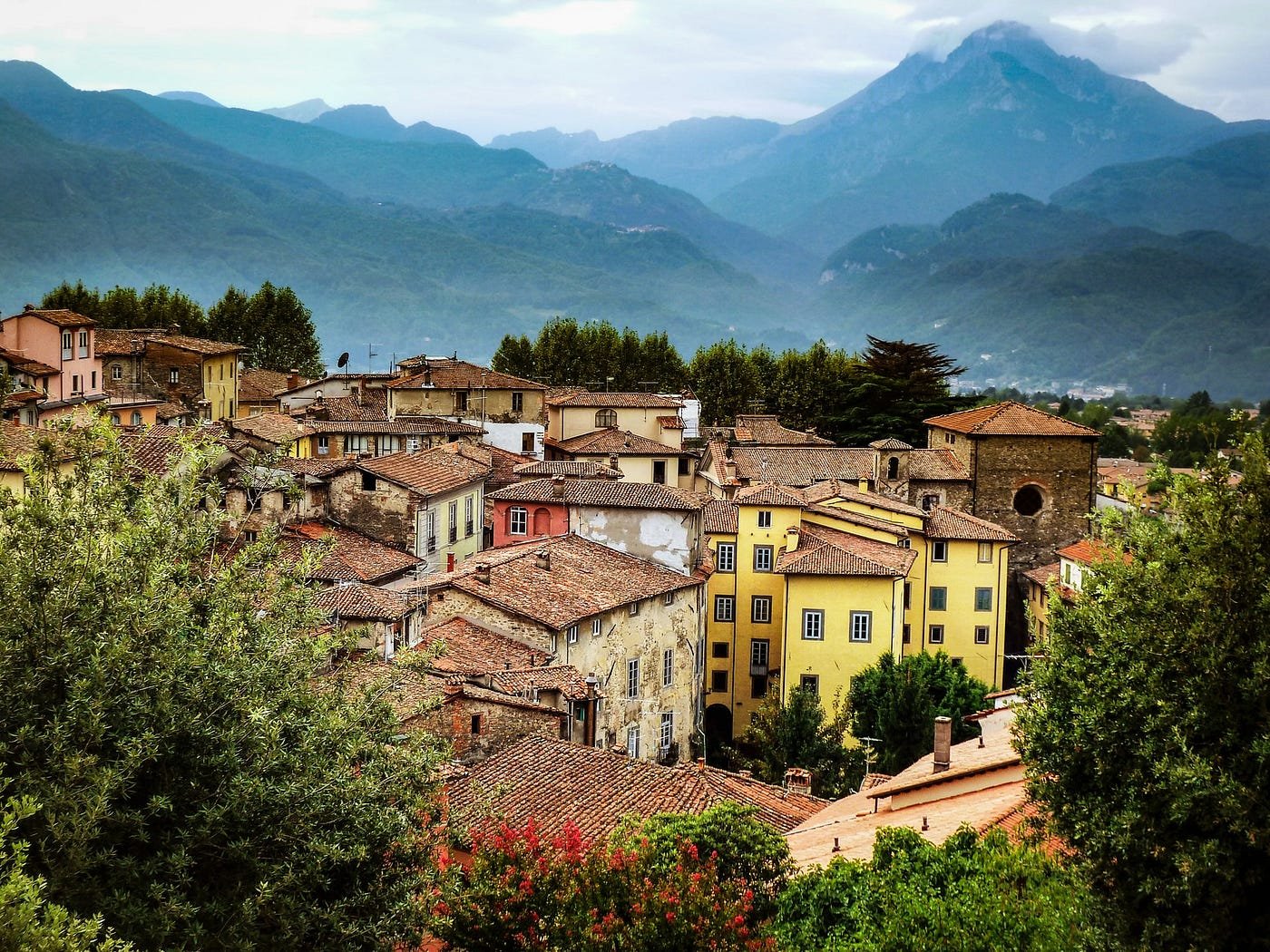
Where Tuscany Meets the Most Scottish Town in Italy Tucked in the heart of Tuscany’s serene Serchio Valley, Barga sits between the Apuan Alps and the Apennine slopes. This medieval town has an identity that surprises many. Barga doesn’t just resemble a typical Tuscan hilltop village with Renaissance charm — it proudly claims the title of the most Scottish town in Italy. Its cobbled streets echo stories of migration, identity, and cultural fusion. These tales link the Italian landscape to Scotland’s rugged coastlines. Scotland’s saltire flag flutters above Barga’s historic alleys, while the sound of bagpipes echoes through the olive groves. This Tuscan town often feels like a Celtic mirage in the Italian hills. Most surprising of all, Barga hosts an annual Fish and Chips Festival — serving the British classic with a generous splash of Chianti. A Dual Identity: How Barga Became the Most Scottish Town in Italy It might seem unusual to find a Scottish festival in the heart of Tuscany. But for Barga, it is a celebration of roots and reunion. An estimated 60% of Barga’s residents have Scottish ancestry, many of whom returned after generations abroad, bringing with them a rich tapestry of traditions, stories, and food from Scotland’s west coast. This surprising statistic isn’t merely symbolic—it’s a living, breathing connection. Year-round, visitors can hear Glaswegian and Ayrshire accents mingling with Italian. You may even stumble across homes flying both the Scottish and Italian flags side by side. The Historical Migration That Changed Barga Forever Barga’s dual cultural heritage began forming in the early 20th century. At the time, rural Tuscany faced severe economic challenges, pushing thousands to seek work abroad. Many Barghigiani families planned to reach the United States. Instead, they found opportunity in western Scotland’s industrial hubs — especially in Glasgow, Ardrossan, and Largs. Working in shipyards, forestry, and hospitality, they quickly integrated into Scottish life. Some opened Italian restaurants and gelaterias, while others famously helped shape Scotland’s love for ice cream and fried food. Many later returned to Barga, often wealthier and more established. They brought Scottish customs back with them. That’s why locals celebrate Burns Night, serve haggis in restaurants, and post signs that say, ‘We speak Italian here. Culinary Traditions in the Most Scottish Town in Italy: Where Fish and Chips Meets Chianti Food has always been a cultural bridge, and in Barga, it’s no different. The Sagra del Pesce e Patate (Fish and Chips Festival) held every August is a shining example of culinary duality. For two vibrant weeks, locals and tourists alike gather around communal tables to indulge in golden fried fish and thick-cut chips, often served on paper plates—just like in a traditional Scottish chip shop. Of course, in true Tuscan style, locals pair these dishes not with Irn-Bru but with local red wine — often a deep, fruity Chianti. The festival draws thousands each year. It has become one of Barga’s most beloved traditions, further strengthening its title as the most Scottish town in Italy. Tartan, Football, and Telephone Boxes: Symbols of Shared Identity The Scottish influence on Barga isn’t only felt through food and music. Around town, you’ll spot unmistakable red British telephone boxes. Even the local football team — Gatti Randagi, or Stray Cats — wears green and white hoops. Their kit proudly mimics Glasgow’s Celtic FC. There’s also the Barga tartan, woven in Italy’s national colors—green, white, and red—but in the traditional plaid pattern. These visual reminders deepen the town’s identity, expressing pride in its blended heritage. From Glasgow to Tuscany: Personal Stories Behind the Migration One of the many families who exemplify this cultural fusion is that of Riccardo Orsucci and Adele Pierotti. Riccardo, born in Barga, and Adele, a Glaswegian of Italian descent, met at an Italian cultural club in Scotland. Their relationship—and their return to Barga—symbolizes the emotional return of many Italian Scots to their ancestral homeland. Today, they run Giro Di Boa, a seafood restaurant in Barga that celebrates both cuisines. Their menu includes classic Tuscan dishes alongside fish and chips, and each January, they host a Burns Night to honor Scotland’s national poet, Robert Burns. Adele humorously notes that hearing thick Ayrshire accents in Tuscany can be disorienting, and even locals sometimes joke that they’ve stepped into a little corner of Glasgow in the hills. Artistic Inspirations: The Impact of Barga on Scottish Creativity Barga’s appeal has drawn not only returning families but also artists seeking inspiration. One notable figure was John Bellany, a Scottish painter known for capturing his emotional ties to the sea and his homeland. When Bellany discovered Barga, his palette transformed. Vivid reds, yellows, and Tuscan greens began to color his works, many of which were painted from his home in the town. Today, Barga hosts a gallery dedicated to Bellany’s work and continues to be a creative haven for painters, sculptors, and musicians—many of whom have Scottish roots. Twinned Across Borders: Official and Emotional Ties to Scotland Barga is officially twinned with Prestonpans, Port Seton, Cockenzie, and Longniddry—all towns located in East Lothian, Scotland. These partnerships go beyond ceremonial status; they promote cultural exchanges, student programs, and even family reunions across the generations. Locals take these bonds seriously. Ask anyone in town, and they will proudly point out which streets or homes belong to families with Scottish ties. Many Italian-Scottish families now own second homes in Barga, making it a popular retreat and a bridge between two homelands. A Walk Through the Medieval Past Even without its Scottish connections, Barga is a marvel of medieval architecture. The Duomo di San Cristoforo, with its luminous white limestone façade and hints of Knights Templar symbolism, towers above the town. Built between the 11th and 16th centuries, it’s a reminder of Barga’s former importance in trade and religion. Walking through Porta Reale, the original gateway to the old town, you transition from modern Tuscany into a labyrinth of alleys, flower-covered balconies, and timeless piazzas. And yes, if you listen closely, you might hear a bagpipe in…

Read More

Vienna Cemetery Biodiversity Thrives Amid the Graves

Vienna Cemetery Biodiversity: A Sanctuary for Endangered Species In the heart of Austria’s capital lies a remarkable case study in urban ecology: Vienna cemetery biodiversity. The Vienna Central Cemetery, famously home to the graves of cultural icons like Beethoven and Schubert, has unexpectedly become a thriving refuge for endangered wildlife. Spanning 2.4 square kilometers, the site is no longer just a place of remembrance—it now exemplifies how Vienna cemetery biodiversity initiatives can protect rare species while preserving cultural heritage. As urban areas face increasing environmental pressure, the success of Vienna cemetery biodiversity offers a compelling blueprint for integrating conservation into city landscapes. European Hamsters and Vienna Cemetery Biodiversity: A Surprising Refuge Perhaps the most astonishing residents of this vast graveyard are the critically endangered European hamsters. Once considered pests, these small mammals now burrow peacefully among the tombstones in the Park of Peace and Power. With traditional habitats destroyed by industrial agriculture and urban expansion, their numbers have plummeted across Europe. But here, in the quiet solitude of Vienna’s cemetery, they survive. These hamsters aren’t just surviving—they’re adapting. In winter, they nibble on candle wax left at graves, a high-energy substitute for natural food. Landscapers tread lightly, careful not to disturb their underground homes. This careful balance between nature and commemoration highlights the cemetery’s evolving role as both sacred ground and ecological reserve. Urban Cemeteries and Vienna Cemetery Biodiversity: A Hidden Web of Life Contrary to their solemn reputation, cemeteries can be powerful green spaces. A global review in 2019 recorded 140 protected species thriving in burial grounds. From rare orchids in Turkey to native Eurasian steppe plants, these spaces preserve ecological legacies alongside human ones. In Vienna, the Central Cemetery is no exception. Urban sprawl often fragments habitats, but cemeteries—largely untouched by modern development—remain biological stepping stones. These green oases allow animals to move safely between city parks, forests, and gardens, promoting genetic diversity and species survival. Guided by Science and Stewardship Thomas Filek, a biologist and educator, has worked since 2021 to catalogue the cemetery’s ecological treasures. Leading the Biodiversity in the Cemetery project with support from Vienna’s University of Natural Resources and Life Sciences, he collaborates with citizen scientists to gather thousands of species reports annually. His work reveals that over 240 plant and animal species now call this cemetery home. Among them are the European green toad, the Alpine longhorn beetle, and the elusive Eurasian hoopoe. Their presence signals a healthy ecosystem—one nurtured through careful planning and preservation. Nature Gardens and Wildlife Corridors Much of the biodiversity boom stems from efforts led by long-time cemetery landscape gardener Florian Ivanič. Since 2011, he has transformed neglected areas into natural gardens by adding rockeries, ponds, and decomposing woodpiles that create ideal microhabitats for insects, birds, and amphibians. These spaces defy conventional landscaping. Gardeners allow the grass to grow tall, leave seed heads uncut, and preserve dead wood to encourage nesting and natural habitats. This low-intervention approach has allowed species to reestablish themselves and flourish. Community Engagement Through Citizen Science With help from Vienna residents, Filek’s project has become a model for community-led conservation. Informational signs throughout the cemetery explain its diverse ecosystems, encouraging visitors to appreciate—not fear—the creatures that roam alongside the tombstones. Guided tours of the hamster colonies are especially popular, merging public education with conservation advocacy. The sightings of rare species—like the European ground squirrel—serve as both milestones and motivation to continue these efforts. Balancing Tradition with Biodiversity Maintaining biodiversity in a cemetery requires compromise. Some visitors expect manicured lawns and pristine paths. Others welcome the wildness. Filek works with cemetery staff to respect both views, ensuring that wildlife-rich areas don’t interfere with the cemetery’s appearance or traditions. Special care is taken when digging new graves. In hamster territory, only natural burials are allowed, and burrow sites are carefully avoided. This hybrid model shows that human needs and wildlife protection are not mutually exclusive. Cemeteries as Climate Buffers Beyond conserving species, green cemeteries help cities adapt to climate change. They cool urban temperatures, absorb rainwater, and improve air quality. As Austria and the rest of Europe face hotter summers, the importance of these green lungs grows. Lisa Pernkopf, spokesperson for Friedhöfe Wien GmbH, stresses the cemetery’s dual purpose: “It is a place of reflection and remembrance—but also of life, for both humans and wildlife.” Her organization now sees biodiversity as a key part of the cemetery’s mission. Looking Ahead: Toward Permanent Protection With the success of citizen science initiatives and the clear ecological value of Vienna’s Central Cemetery, Filek and his team hope to gain formal conservation status for parts of the site. Their data supports this push, but broader public and political support is needed. As cities grow and green spaces shrink, Vienna’s Central Cemetery offers a powerful reminder: that even in death, life can flourish. Here, among memorials to human legacy, nature carves out a future of its own.

Read More

Young Artist Open Exhibition Returns to Hull in 2025

Young Artist Open Exhibition 2025: Hull Showcases Youthful Creativity Hull’s art community is calling on young creatives to join one of the city’s most anticipated cultural events—the Young Artist Open Exhibition. Held at the iconic Ferens Art Gallery, the annual showcase gives children and teens a chance to express their creativity. It also allows them to share their artistic vision with the public. The 2025 edition promises to be even more exciting, as hundreds of young artists prepare to present their work. Nurturing Tomorrow’s Artists: A Proud Tradition of Youth Art in Hull The Young Artist Open Exhibition, originally known as the Junior Open, began in 2004. Since then, it has grown into a cherished event in Hull’s cultural calendar. Every year, the gallery features between 300 and 700 pieces created by talented individuals aged 15 and under. The works span a wide range of media including painting, drawing, pastels, collage, and printmaking. Young Artist Open Exhibition 2025: Submission Guidelines and Important Dates Submissions are open to artists in three age groups: six and under, seven to 11, and 12 to 15. Young artists can submit their entries up until Sunday, 13 July. The Ferens Art Gallery will host the exhibition from 10 October 2025 to 11 January 2026, showcasing the next generation of artistic talent. Nurturing Creative Growth Through the Young Artist Open Exhibition Councillor Rob Pritchard praised the initiative as a “wonderful opportunity to nurture the artists of the future.” The exhibition does more than showcase young talent; it inspires children to connect with art in a meaningful way. The feedback and visibility they receive can be incredibly affirming and motivating. Young Artist Open Exhibition: Prizes and Recognition Each age category in the Young Artist Open Exhibition will have the chance to win special prizes. These awards are designed to celebrate imagination, effort, and skill, ensuring that young creators feel recognized and valued for their contributions. Young Artist Open Exhibition Showcases a Variety of Mediums and Styles Hull City Council, which oversees the Ferens Art Gallery, emphasized the diversity of entries expected in this year’s event. From intricate ink drawings to vibrant mixed-media collages, the Young highlights the unique styles and visions of Hull’s young population. Young Artist Open Exhibition: A Platform That Inspires Madeline Brace, exhibitions assistant at the gallery, shared her enthusiasm: “Each year, we’re amazed by the imagination and dedication of Hull’s young artists. Their work never fails to inspire visitors of all ages.” How to Enter Entry forms are now available at the Ferens Art Gallery and online through the gallery’s official website. Each form includes submission guidelines, size requirements, and instructions for delivering artworks to the gallery. There is no entry fee, making the event accessible to all interested participants. Building Confidence Through Art Participation in the Young Artist Open Exhibition not only develops artistic technique but also boosts confidence and community engagement. For many, this exhibition serves as the first step into the world of public artistic expression. The Role of Art in Youth Development Art education and creative expression have been shown to improve cognitive function, enhance problem-solving skills, and promote emotional wellbeing in young people. Events like the Young are crucial in offering children a safe and supportive environment to explore and grow. A Community Affair The exhibition has steadily grown in popularity over the years, drawing large numbers of visitors, educators, families, and art lovers. Its success reflects Hull’s commitment to nurturing young talent and celebrating creativity across all age groups. Why This Exhibition Matters Unlike many professional shows, the Young Artist Open Exhibition creates an egalitarian space where all participants—regardless of experience—can shine. It values effort as much as outcome, offering an inclusive venue for exploration and recognition. Looking to the Future As the arts continue to play an essential role in education and wellbeing, the Young Artist Open Exhibition serves as a reminder of the importance of investing in youth creativity. It’s more than just an exhibition—it’s a movement to celebrate imagination, empower the next generation, and enrich the cultural fabric of Hull. Final Thoughts With hundreds of entries expected and a supportive community ready to celebrate their work, Hull’s Young Artist Open Exhibition 2025 is poised to be a remarkable event. Whether you’re a parent, teacher, or young creative, this is your chance to be part of something special. For submission details, rules, and updates, visit the official Ferens Art Gallery website or stop by the gallery in person to pick up your entry form.

Read More