Sofia Catherine

Free Chickens for Food Waste: A European Solution

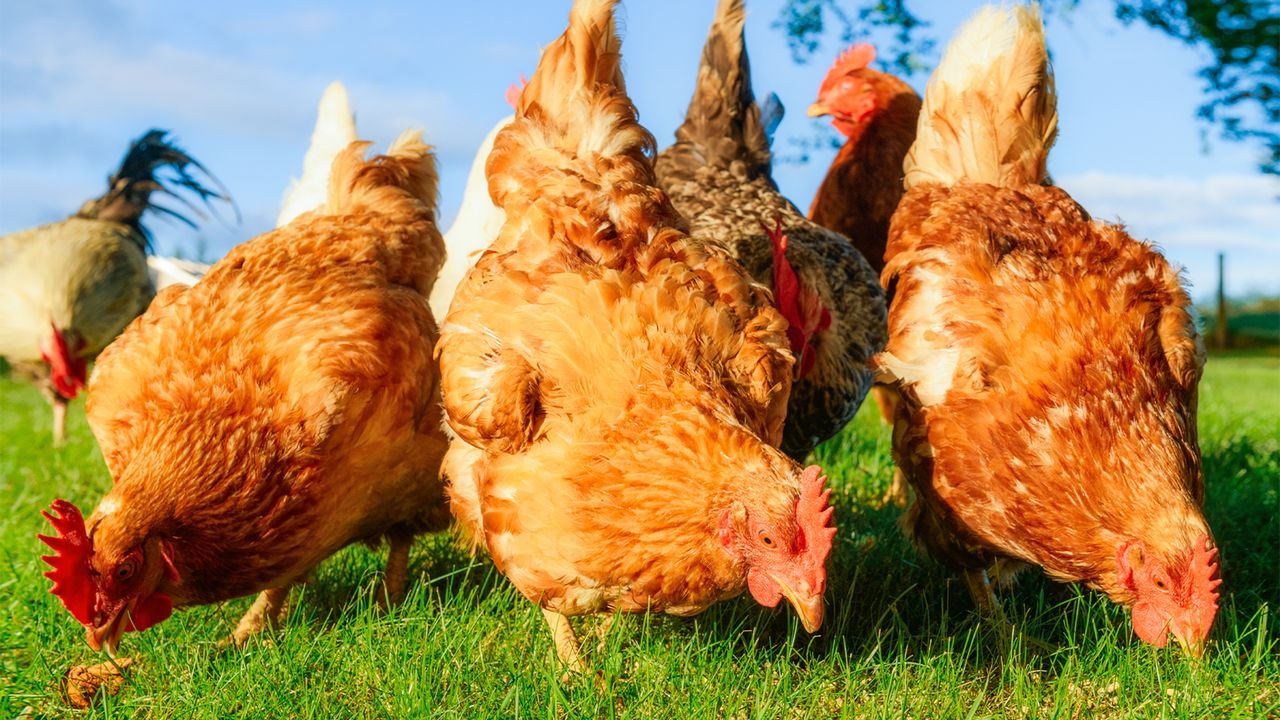
The Rise of Free Chickens for Food Waste Solutions In a small but impactful shift toward sustainability, towns across France and Belgium have adopted a unique strategy to cut food waste: giving away free chickens for food waste management. This creative approach, launched in Colmar, France, in 2015, encourages households to raise hens that consume kitchen scraps and provide fresh eggs in return. The growing popularity of free chickens for food waste initiatives shows that low-tech, community-based solutions can deliver both environmental and social benefits. Colmar’s Free Chickens for Food Waste Initiative The idea of giving away free chickens for food waste began in Colmar in 2014. Gilbert Meyer, then-president of Colmar Agglomération, campaigned with the slogan “one family, one hen.” In 2015, the town launched the project with support from two local poultry farms. Each selected household received two hens—either Poulet Rouge or traditional Alsace breeds—along with basic care instructions. Residents committed to raising the birds and signed pledges that allowed authorities to conduct occasional welfare checks. Though henhouses weren’t provided, recipients were expected to have enough outdoor space (8 to 10 square meters) to ensure humane conditions. Over time, the program grew in popularity, eventually encompassing all 20 municipalities in the Colmar area. Reducing Food Waste with Free Chickens The primary objective of Colmar’s free chicken initiative was to tackle the growing problem of food waste. Chickens consume about 150 grams of organic waste daily. According to Eric Straumann, the current president of Colmar Agglomération, the hens distributed since 2015 have collectively diverted over 273 tonnes of bio-waste from landfills. Food waste is a major contributor to methane emissions, especially when it ends up in landfills. Methane, a potent greenhouse gas, has more than 80 times the warming potential of carbon dioxide over a 20-year period. Therefore, even small local actions like feeding kitchen scraps to chickens can contribute to broader climate change mitigation efforts. Community and Educational Benefits Beyond environmental gains, the initiative has created unexpected social benefits. Chickens became more than just food recyclers; they became a source of community bonding. Neighbors worked together to care for the birds, especially when families went on vacation. For children, raising chickens also offered lessons in animal welfare, food responsibility, and the natural cycle of life. Similar Initiatives in France and Belgium Colmar wasn’t the first town to implement this idea. In 2012, Pincé, a small town in northwestern France, handed out chickens to residents as a way to reduce organic waste. What began as a light-hearted concept quickly turned into a successful waste management strategy. Belgium also embraced the approach. Cities like Mouscron and Antwerp, along with the Limburg province, distributed chickens to thousands of families. Residents were required to prove they had sufficient space and sign agreements not to slaughter the chickens for at least two years. Can Free Chicken Schemes Work Elsewhere? While the concept seems promising, experts note several hurdles. In the UK, strict regulations discourage feeding kitchen scraps to poultry due to disease control concerns. In the US, although egg prices have surged due to bird flu outbreaks, some experts argue that giving away chickens might not be feasible. Chickens require care, housing, feed, and time – resources not all families can afford. Mark Bomford of Yale University points out that low-income families might not see actual savings due to these hidden costs. Moreover, he emphasizes that food system solutions should consider accessibility and practicality. Innovations Inspired by Free Chicken Models Despite the limitations, entrepreneurs have adapted the idea. In New Hampshire, a couple launched a business called Rent The Chicken. They offer temporary chicken ownership, complete with feed and support, so families can enjoy fresh eggs without long-term commitment. Animal welfare also plays a role. Experts like Paul Behrens from the University of Oxford warn that industrial breeds often suffer due to unnatural productivity demands. He recommends using older breeds and accepting fewer eggs in return for better animal health and longevity. Waste Reduction Starts with Prevention While chickens help divert waste, experts stress that the most effective solution is to prevent food waste altogether. Some researchers suggest that composting – and now chicken keeping – might give people a false sense of environmental responsibility. The priority should always be reducing waste at the source. Building Community Through Chickens One of the most valuable takeaways from Colmar’s chicken initiative is its social impact. The project fostered neighborhood cooperation and gave families a shared purpose. According to Straumann, this sense of community has kept participation levels high and inspired similar programs in other regions. A Model Worth Considering Colmar and other European towns have demonstrated that free chickens can offer more than eggs. They reduce food waste, cut methane emissions, and bring people together. While the model may not work everywhere due to logistical and regulatory challenges, it presents a creative, low-cost solution worth exploring in communities worldwide.

Read More

LA Wildlife Crossing: Puma P-22’s Legacy Lives On

The Story of P-22: Los Angeles’ Most Isolated Mountain Lion For years, rumors swirled in the Hollywood Hills about a mysterious 90-pound mountain lion roaming after dark. Locals reported sightings in one of Los Angeles’ busiest parks. In 2012, wildlife officials confirmed the presence of the big cat. Wildlife cameras captured a photo of a young male mountain lion, later named P-22. He had traveled nearly 30 miles alone, crossing two massive freeways to reach Griffith Park. His lonely journey eventually inspired the creation of the LA wildlife crossing, a project designed to reconnect fragmented habitats and protect animals like him. P-22 quickly became a symbol of urban wildlife survival. Yet, despite his fame, P-22 lived in isolation. The sprawling city and its highways cut him off from other mountain lions, leaving him little chance of finding a mate. Understanding the Urgent Need for a Los Angeles Wildlife Crossing for Mountain Lions Beth Pratt, the California regional director of the National Wildlife Federation, met with wildlife biologist Jeff Sikich. She discovered that P-22’s isolation wasn’t an isolated case. Many mountain lions in the Santa Monica Mountains were also trapped in confined areas. Roads and freeways had carved up their habitat, blocking access to larger territories. Without a connected wildlife corridor, the animals began to suffer from inbreeding and loss of genetic diversity. Roadways and freeways in LA act as barriers that trap wildlife within limited territories, leading to dangerous levels of inbreeding and threatening the survival of species like mountain lions, bobcats, and coyotes. Mountain lions typically need home ranges of up to 250 square miles. They suffer greatly when roads and development restrict their movement. The Vision for the Largest Wildlife Crossing in Los Angeles In response, Los Angeles began building the LA wildlife crossing, the largest structure of its kind in the world. The 165-foot bridge will span the 101 Freeway at Liberty Canyon. Designers shaped it to blend with the natural terrain and reconnect mountain lion habitats. Set to open in 2026, the crossing will help animals move safely across highways. It aims to reduce roadkill and give wildlife more space to roam, lowering the risk of inbreeding. This Los Angeles wildlife crossing for mountain lions is unprecedented not only in scale but because it is located within a major urban environment. It represents a groundbreaking effort to harmonize urban development with wildlife conservation. Early Efforts to Reconnect Mountain Lion Habitats in Los Angeles Scientist Paul Edelman first studied the idea of a wildlife crossing in 1989. At the time, he worked as a consultant for The Nature Conservancy. He received a grant to explore ways to link Southern California’s mountain ranges. His goal was to improve wildlife movement across fragmented habitats.. In his 1990 report, he identified Liberty Canyon as the best location for a wildlife crossing. It would span the eight busy lanes of the 101 Freeway. Over the years, he worked tirelessly to secure land on both sides of the highway. He faced major challenges, including private ownership and competing development proposals. The Devastating Toll of Roadways on California’s Mountain Lions Vehicle collisions claim hundreds of mountain lions annually in California. A University of California, Davis study reported 613 mountain lions killed on roads from 2016 to 2023, costing over $1.6 billion in damages. The stretch of the 101 Freeway near the Santa Monica Mountains is particularly deadly, with more than a third of these deaths occurring there. Wildlife advocates hope the Los Angeles wildlife crossing for mountain lions will significantly reduce these fatalities. How P-22 Became the Face of the Wildlife Crossing Movement Beth Pratt saw the power of P-22’s story to inspire public action. She turned the mountain lion into a beloved urban icon through social media and viral campaigns. Her efforts raised awareness about the need for the LA wildlife crossing. She also helped raise over $100 million in funding. Half came from private donors, including major philanthropists and celebrities. Marketing efforts featured P-22 merchandise, limited edition collectibles, and storytelling that made the mountain lion relatable to the people of LA. This grassroots enthusiasm was critical in moving the project forward. Designing a Functional and Inviting Wildlife Bridge for Mountain Lions and More Landscape architect Robert Rock led the design of the crossing with input from biologists and engineers to ensure animals would use it. The bridge’s width, vegetation, slope, noise mitigation, and even the color of the concrete were carefully chosen to create a natural corridor. The bridge will also serve as an escape route during wildfires, a growing concern in fire-prone California. Plants on the crossing will be irrigated and maintained to support regrowth after fires. The Broader Impact: Los Angeles Wildlife Crossing as a Model for Urban Conservation The Wallis Annenberg Wildlife Crossing is already inspiring similar projects nationwide, from salamander crossings in Mississippi to tribal park crossings in North Dakota. The federal government has funded pilot programs to support such infrastructure. The success of this crossing could reshape how cities accommodate wildlife, balancing urban expansion with ecological sustainability. The Legacy of P-22: From Lonely Puma to Conservation Catalyst In late 2022, P-22 exhibited signs of illness and human interaction, highlighting the ongoing challenges wildlife face in urban areas. When Pratt met him one last time before he was euthanized, she shared how his legacy had sparked a movement. The Los Angeles wildlife crossing for mountain lions is the lasting monument to P-22’s lonely journey — a beacon of hope for wildlife survival in one of America’s busiest cities.

Read More

Norfolk Broads Photo Book Auction in London

Norfolk Broads Historical Photo Book: A Remarkable Victorian Rarity Resurfaces A rare Victorian-era photo book, “Life and Landscape on the Norfolk Broads”, is gaining attention in the art world.. The Norfolk Broads historical photo book, dating back to 1886, will go under the hammer in London this Thursday. Featuring 40 exquisite platinum prints, it captures a now-vanished way of life on England’s iconic waterways. This edition stands out as one of only 25 deluxe copies ever produced. A family in Maryland, USA, found it during a house clearance, and auctioneers expect it to fetch between £30,000 and £50,000. Uncovering the Norfolk Broads Historical Photo Book: An Unlikely U.S. Discovery The rare volume was discovered tucked away in a wardrobe at the home of a 98-year-old woman. Her family had no idea of its historical or financial significance. They believe she and her late husband may have picked it up at a yard sale—one of many they frequented while hunting for first editions and hidden treasures. The discovery surprised the family and thrilled art historians and collectors worldwide, particularly fans of 19th-century British photography. A Tribute to Norfolk’s Rural Heritage The historic Norfolk Broads photo book was a joint creation by visionary photographer Peter Henry Emerson and accomplished artist Thomas Frederick Goodall. Emerson, who was born in Cuba and spent part of his youth in America, ultimately settled in England. His photographic work focused deeply on East Anglia’s rural life, giving voice and dignity to the region’s working-class communities. The book is described by Emerson’s great-grandson, Stephen Hyde, as a “love letter to Norfolk.” Hyde, also a photographer, reflected on the emotional depth of the collection, saying: “He had a profound connection to nature, and that tenderness comes through in these photographs.” Photography as High Art Auctioneer Jack Wallis, head of sales at Roseberys, London, described the item as an “exciting find in remarkable condition.” He emphasized Emerson’s pioneering efforts to elevate photography from a scientific curiosity into a legitimate fine art form. Mounted on delicate India paper, the 40 platinum prints reflect a luxurious choice that emphasized the creators’ artistic vision. Far from mass-produced photo books, these works were crafted as lasting artifacts of visual storytelling. Velum-Covered Deluxe Edition: A Collector’s Dream Out of the 175 original copies, most were bound in green cloth. The edition up for auction is one of only 25 deluxe copies bound in vellum. These vellum editions are prized for their rarity and high-quality prints. Whether it lands in a museum, an archive, or a private collection, this book stands as a powerful symbol of Norfolk’s heritage and a landmark in British photography. The Broads: Capturing a Vanishing World Emerson and Goodall spent time traveling through the Norfolk Broads, capturing scenes of reed cutting, boating, fishing, and agricultural labor. Their photographs capture more than beauty—they document a fading way of life threatened by the rise of industrialization. The Norfolk Broads are now a famous national park and popular tourist spot. But Emerson’s photographs capture an earlier era. They show local communities living and working along the waterways before tourism changed the region forever. Why the Norfolk Broads Historical Photo Book Still Matters In a digital world saturated with fleeting images, Emerson’s methodically crafted prints offer a counterpoint—slow photography, infused with emotion and purpose. They ask viewers to pause, to feel, and to remember. For collectors, historians, and fans of British heritage, this book is more than a collectible. It’s a tribute to Victorian craftsmanship and a visual record of a uniquely English landscape. Art Market Buzz and Expectations The buzz surrounding the auction has attracted interest from institutions like the Victoria and Albert Museum, independent collectors of Victorian photography, and even international museums interested in British culture. Jack Wallis noted: “It would be fantastic if it could make its way back to Norfolk, to a buyer interested in 19th-century photography or local history. It’s a really important piece of photographic history.”

Read More

Russian Drone Attack Kyiv: Deadly Strike Kills Two, Injures 13

Russian Drone Attack on Kyiv Triggers Wave of Destruction A Russian drone attack on Kyiv overnight left at least two people dead and 13 others injured. Officials called it one of the most devastating assaults on the capital since the 2022 invasion. The strike hit several districts, sparking fires, damaging homes, and causing widespread panic across the city. Explosions lit up the sky across multiple districts, with air defenses activated for more than three hours. The Ukrainian air force reported simultaneous drone and missile threats across several regions, suggesting a large-scale coordinated attack. Residential Areas and City Infrastructure Damaged in Russian Drone Assault Kyiv’s Shevchenkivskyi district bore the brunt of the destruction. Drone debris crashed into the roof of a residential building, sparking fires across the area. Fires also erupted in other neighborhoods, damaging warehouses, vehicles, and offices. Tymur Tkachenko, head of Kyiv’s military administration, said Russian drones struck six districts. Fires broke out in homes, offices, and other buildings. Lives Lost and Critical Facilities Destroyed Among the victims of the Russian drone attack on Kyiv were a 68-year-old woman and a 22-year-old police officer stationed at a metro stop. Kyiv Mayor Vitaliy Klitschko said a Russian drone strike nearly destroyed a primary healthcare center in the Podilsky district. A local shopping mall also suffered heavy damage during the assault. Authorities urged citizens to remain in shelters during the attack and to keep their windows closed afterward because of lingering smoke contamination. Russian Drone Attack on Kyiv Marks Largest Air Assault in Ukraine’s History Ukraine labeled the earlier drone and missile barrage on Tuesday night—featuring 728 drones and 13 missiles—as the largest air attack since the beginning of the war. Although the exact number of drones involved in Thursday’s strike is still under investigation, its impact underscores Russia’s growing reliance on unmanned aerial weapons. Kremlin Silent as Global Outcry Grows Over Russian Drone Attack on Kyiv As of this writing, the Russian military has not issued a formal statement on the latest strike. However, the mounting civilian toll and infrastructure damage continue to draw strong condemnation from international allies. Ukraine’s emergency services also confirmed a separate deadly airstrike in the town of Kostiantynivka in the Donetsk region, which killed three people just hours before the Kyiv assault. International Reaction and Diplomatic Stalemate Despite regular dialogue between global powers, progress toward a ceasefire remains elusive. German Chancellor Friedrich Merz recently declared that all diplomatic avenues have been exhausted. Echoing this sentiment, Kremlin spokesman Dmitry Peskov noted the growing futility of current negotiations. US President Donald Trump voiced frustration with Russian President Vladimir Putin, saying, “We get a lot of nonsense thrown at us by Putin… it turns out to be meaningless.” Although Trump’s administration has threatened sanctions, it has yet to take meaningful action. Efforts to Protect Ukraine and Pressure Russia Intensify A bipartisan bill currently making its way through the US Congress aims to sanction countries like China and India that continue purchasing Russian fossil fuels. European nations are also collaborating on a new sanctions package aimed at crippling Russia’s war economy. These measures are expected to be key discussion points at an international conference on Ukraine’s recovery in Rome. Representatives from 77 nations are gathering to address the crisis. Later Thursday, U.S. Secretary of State Marco Rubio will meet Russian Foreign Minister Sergei Lavrov during a summit in Malaysia. Russia’s Drone Warfare Strategy Escalates The frequency and scale of drone strikes suggest a shift in Russian military tactics. These unmanned systems are cheaper, harder to intercept, and capable of striking targets deep within Ukrainian territory. Analysts believe this strategy is aimed at exhausting Ukraine’s air defense systems while spreading fear and chaos among civilians. Kyiv’s Resilience and the Road Ahead Despite the destruction, Kyiv’s emergency responders, medical staff, and volunteers continue to display remarkable resilience. As Ukraine braces for more attacks, the need for enhanced air defense support and diplomatic breakthroughs becomes increasingly urgent. The world now confronts a vital question: How far will Russia push its assault—and how fast can global leaders respond to halt the destruction?

Read More

Caddie Denied UK Entry Over 30-Year-Old Drug Conviction

Caddie Denied UK Entry Sparks Controversy Ahead of The Open Professional golfer Harris English is facing unexpected challenges ahead of The Open Championship at Royal Portrush. His longtime caddie, Eric Larson, has been denied UK entry due to a drug conviction dating back over 30 years. Larson, who has served time and reestablished himself in the professional golf world, now finds himself at the center of controversy due to new travel restrictions. Travel Ban Disrupts Major Tournament Plans Larson’s entry denial stems from updated Electronic Travel Authorization (ETA) rules in the UK. Although Larson has previously caddied at The Open, the new system requires a special exemption for individuals with past criminal convictions. Harris English expressed frustration over the situation, stating, “It’s been over three decades. He rebuilt his life and has lived it well ever since. How long does something like that follow a man?” Endorsements Fail to Overturn UK Caddie Entry Denial Efforts to support Larson’s application have been extensive. Several respected sources have submitted letters of recommendation, including: Despite these endorsements, Larson’s case appears to be in bureaucratic limbo. English believes the government may be delaying the process, saying, ‘Someone at the office is probably just letting the letter sit on their desk. Temporary Replacement for the Scottish Open With the Scottish Open underway, English is currently relying on Davis Thompson’s caddie, Joe Etter, to step in. However, Thompson is scheduled to play at The Open, which means Etter will not be available next week. “Joe was my Plan B,” English said. “Now we’re going to have to get a new Plan B.” Eric Larson’s Redemption: Caddie Denied UK Entry Despite Clean Record Eric Larson’s story is one of personal redemption. After serving 10 years in prison for drug offenses, he rebuilt his life and returned to the PGA Tour as a respected and trusted caddie. His track record since 2006 has been exemplary, working with multiple top-tier golfers and contributing positively to the sport. Call for Policy Reevaluation The incident has reignited discussions on whether long-past criminal convictions should still weigh so heavily in travel and employment opportunities. Golf professionals and fans alike are questioning the fairness and rigidity of the current travel policies, especially when they impact international sporting events. The Stakes Ahead at The Open Championship With one of golf’s most prestigious tournaments just days away, English remains uncertain who will be by his side on the course. The absence of a trusted caddie like Larson could affect performance under high-stakes conditions. Larson’s potential continued exclusion adds pressure to an already competitive event. Broader Implications for International Sporting Events The situation also raises broader questions about international mobility for athletes and their teams. In an era where background checks are increasingly digitized and automated, athletes may face mounting barriers tied to past personal histories — even decades old. Final Decision Pending At the time of writing, no final decision has been issued regarding Larson’s visa status. English and his team continue to explore options as they await official word from UK authorities.

Read More

Reverse Wildlife Decline: Nations Unite for Biodiversity Funding

A Milestone Agreement to Reverse Wildlife Decline After years of negotiation setbacks and global disagreement, nations have finally reached a groundbreaking funding agreement to reverse wildlife decline. At recent UN-hosted discussions in Rome, member countries overcame previously unresolved issues that stalled talks at last year’s COP16 summit in Colombia. The newly agreed strategy aims to bridge a significant financial gap and provide critical support for biodiversity protection worldwide. Biodiversity in Crisis: The Urgency to Reverse Wildlife Decline Scientists continue to raise alarms over the accelerating rate of species extinction—warning that humanity may be driving the planet toward a sixth mass extinction. Wildlife populations and plant diversity have sharply declined due to habitat destruction, pollution, climate change, and overexploitation. Despite a 2022 landmark pledge to protect 30% of global land and marine environments, funding has remained a major roadblock to implementation. The $200 Billion Biodiversity Commitment In 2022, global leaders committed to mobilizing $200 billion annually by 2030 for biodiversity efforts. However, only $15 billion has been raised so far, according to recent OECD figures. The gap threatens to derail key environmental targets. The Rome talks renewed this pledge and emphasized not only funding quantity but also accountability and inclusivity. Key Outcomes of the Rome Biodiversity Talks: Inclusion and Global Cooperation as Core Principles The renewed strategy underscores the importance of inclusive approaches, particularly the active involvement of indigenous groups, whose lands often harbor critical ecosystems. Negotiators praised the agreement as a diplomatic breakthrough, especially at a time of rising global tensions. However, several nations—including the United States—did not attend the talks. Environmental Groups Urge Immediate Action While environmental organizations welcomed the agreement, they stressed the urgency of implementation. Jill Hepp of Conservation International emphasized that “celebration must lead to immediate innovation and delivery.” Experts warn that without swift action, even the best strategies may fall short of halting nature loss. Economic Imperatives for Ecosystem Preservation Nature is not just about beauty and biodiversity—it’s a pillar of the global economy. Studies estimate that over half of the world’s GDP depends on healthy ecosystems, while nearly 4 billion people directly rely on forests and oceans for survival. From fisheries to pollination, nature’s services are irreplaceable and essential. National Accountability: Strategies Still Missing Despite the Rome breakthrough, many countries have yet to submit national biodiversity plans—something they were required to do by last year. The United Kingdom submitted its strategy during the final hours of the Rome talks. The Joint Nature Conservation Committee (JNCC) revealed in 2023 that only 6.5% of UK land is currently protected adequately, well below the 30% target. Funding Must Translate Into Action The ultimate success of the agreement depends on its execution. Transparency in financial flows, real commitments from governments, and grassroots implementation will determine whether this plan can truly reverse wildlife decline. Conservationists and economists alike agree: biodiversity isn’t a luxury—it’s a necessity for planetary and human health. Looking Ahead: Reversing Wildlife Decline by 2030 The world has taken a critical step forward, but the journey has just begun. Nations must now move from policy to practice, from pledges to protection. The next five years will be decisive in determining whether the global community can genuinely reverse wildlife decline and preserve Earth’s rich biological heritage for future generations.

Read More

What Your Snot Reveals About Your Health

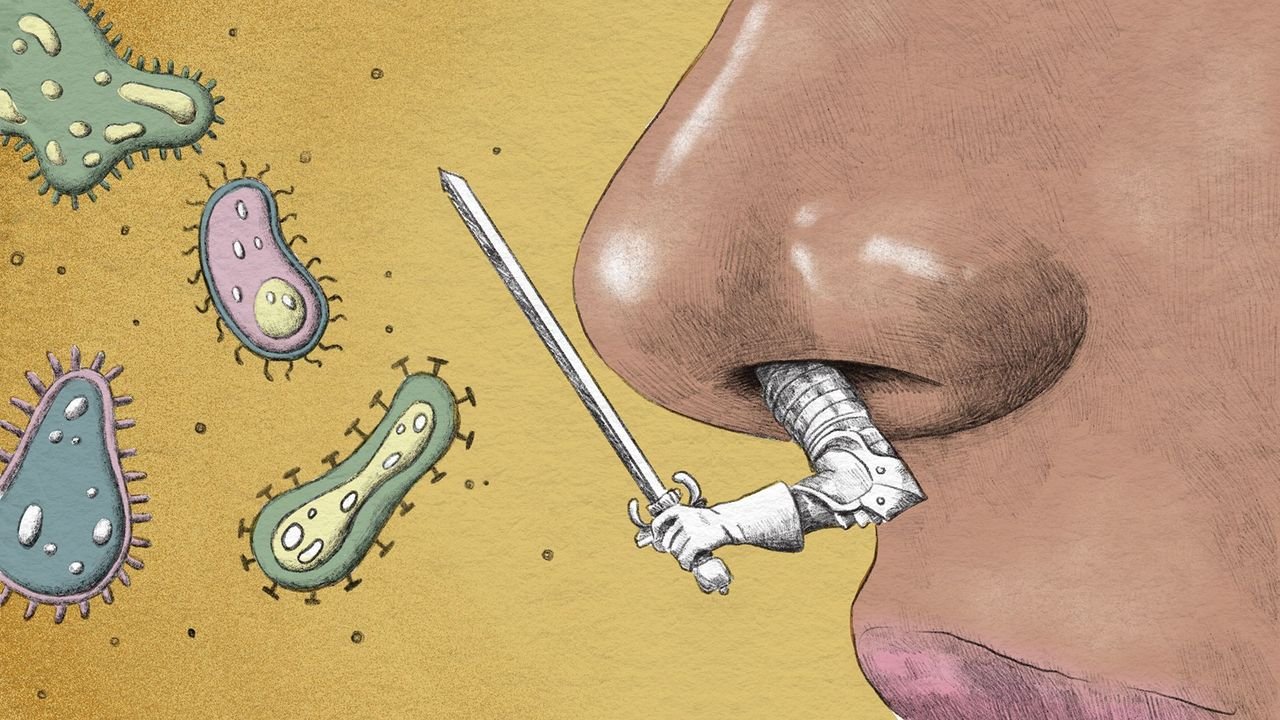
Snot and Your Health: What Nasal Mucus Reveals About Your Body The Protective Power of Snot: What Your Snot Reveals About Your Health What your snot reveals about your health may surprise you. While it might seem unpleasant, snot is one of the most underappreciated defense mechanisms in the human body. Composed of water, proteins, enzymes, and sugars, this sticky substance lines your nasal passages and acts as a first barrier against airborne invaders such as viruses, bacteria, dust, and allergens. Snot doesn’t just trap foreign particles—it also moisturizes your airways, preventing dryness and irritation. With the help of microscopic hairs called cilia, mucus constantly moves contaminants out of your nose and into the throat, where they’re either swallowed or expelled. Ancient Theories and Modern Science: Decoding What Your Snot Reveals About Your Health In ancient medicine, nasal discharge was one of four bodily “humours” believed to shape health and temperament. Hippocrates theorized that an imbalance of phlegm, blood, black bile, and yellow bile caused illness and influenced character. While those theories have long been debunked, today we’re learning that what your snot reveals about your health is far more scientific and measurable — offering real-time insight into immunity, infection, and inflammation. Today, science reveals that snot is far more than a historical curiosity—it’s a living, adaptive substance with diagnostic potential. What the Color of Your Snot Reveals About Your Health Your snot’s color can offer quick, visible cues about what’s happening inside your body: The Nasal Microbiome: A Microscopic Universe Much like the gut microbiome, your nose hosts a diverse array of microbes—including bacteria, viruses, and fungi—that influence your health. Everyone’s nasal microbiome is unique, shaped by factors such as age, gender, environment, diet, and habits like vaping. Recent studies show that this nasal ecosystem plays a key role in immune response, inflammation, and disease resistance. For example, the ability of certain harmful bacteria, like Staphylococcus, to colonize your nose can depend on how other microbes compete for vital nutrients like iron. Building a Healthy Microbiome—Through Snot Scientists are now exploring the possibility of improving health by manipulating the snot microbiome. Researchers from Oxford University are testing nasal sprays that introduce “good” bacteria to crowd out pathogenic species. Think of it like probiotics for your nose—boosting beneficial microbes to prevent infections and reduce inflammation. This could someday lead to nasal treatments for chronic respiratory conditions and improved immunity. Snot and Vaccine Effectiveness There’s growing evidence that the state of your snot microbiome can influence how your body responds to vaccines. Studies show that certain nasal bacteria may enhance—or hinder—the immune response following vaccination. Understanding this connection could pave the way for next-generation nasal vaccines that not only prevent disease but also stop transmission. The Diag-nosing Revolution In Sweden, a small clinical trial tested whether snot transplants—using nasal mucus from healthy individuals—could treat chronic sinus issues and hay fever. Participants administered donor mucus via nasal spray for five days. Results were promising: over 70% experienced noticeable relief for up to three months, with no adverse effects. Larger trials are underway to track the changes in microbial populations and better understand the healing potential. Snot as a Diagnostic Tool Beyond allergies and infections, snot may help detect serious diseases. Researchers are analyzing nasal mucus to find biomarkers for: For instance, elevated levels of the immune protein IL-26 in nasal fluid could indicate a higher risk of developing COPD, allowing for earlier intervention. Snot in Personalized Medicine “Snot is the future of personalized medicine,” says one researcher. By decoding the biological signals in nasal mucus, we can better understand individual risk factors, tailor treatments, and monitor disease progression with non-invasive testing. This approach may one day rival blood tests in clinical importance, offering a simple yet powerful diagnostic method from something we all produce daily. Final Thoughts From an ancient medical curiosity to a cutting-edge diagnostic tool, snot is gaining new recognition for its vital role in human health. It guards our airways, reflects our immune status, and may soon help doctors diagnose and treat a wide range of conditions more efficiently and comfortably than ever before. So next time you reach for a tissue, remember: your snot is smarter than it looks.

Read More

Oxfordshire Vegan Lunch Policy Under Review

Oxfordshire Vegan Lunch Policy Faces Public Backlash The Oxfordshire vegan lunch policy, introduced in 2021, was designed to promote environmental responsibility by serving only plant-based meals at official council events. While the goal was to support climate action and reduce the council’s carbon footprint, the initiative—initially seen as progressive—has since drawn sharp criticism from within the council and the wider farming community. Now, the Oxfordshire vegan lunch policy is under review, as concerns grow that it may be failing to meet sustainability goals or align with the region’s own food strategies. Local Farmers Criticize Oxfordshire Vegan Lunch Policy for Overlooking Regional Produce The council’s exclusive use of vegan meals has sparked strong opposition, especially among local farmers. Jeremy Clarkson, television personality and owner of Diddly Squat Farm in Oxfordshire, was among several farmers who protested outside County Hall in 2022, arguing that the council’s move undermines local agriculture. Farmers claimed the policy bypasses local food systems and instead sources from companies that may not represent sustainable or regional farming practices. According to the National Farmers’ Union (NFU), nearly 75% of Oxfordshire’s land is used for agriculture. Critics argue the council’s decision to serve only vegan meals sends the wrong message to the region’s farming community. Councillors Urge Review of Oxfordshire Vegan Lunch Policy Councillor Bethia Thomas, from the Liberal Democrat-led council, acknowledged the backlash and ongoing tension. While she personally supports plant-based options, she emphasized the need to “rethink our existing catering policy” to better reflect the Oxfordshire Food Strategy, which encourages a balanced approach to local, sustainable, and accessible food. “I’m very happy to have a meal of any sort provided for me,” Thomas said, “but we should be supporting our farmers more directly.” Her comments highlight the growing sentiment among some councillors that the policy may be too rigid and not fully aligned with Oxfordshire’s broader environmental and economic goals. What the Oxfordshire Vegan Lunch Policy Entails Since 2021, Oxfordshire County Council has required entirely plant-based meals at full council meetings. These are typically provided by a catering company based in Kidlington, with other local firms used for separate events. The council introduced this policy in response to calls for climate-conscious governance, recognizing the significant environmental impact of meat and dairy production. The goal was to lead by example, showing how local authorities could embrace sustainability. Yet, as the conversation evolves, the question remains: Is excluding all non-vegan food the most effective way to support sustainability? Review Ordered Amid Rising Pressure Council leader Liz Leffman announced that she has formally requested a review of the lunch policy. She tasked the facilities management team with assessing whether the current meals meet the guidelines laid out in the Oxfordshire Food Strategy. This strategy outlines the importance of: Leffman admitted that it’s not always possible to use ingredients sourced entirely within Oxfordshire, but reaffirmed the council’s commitment to supporting local agriculture whenever feasible. “We may have to look further afield at times, but we must do everything we can to ensure that what we consume is sourced as locally as possible,” she said. Oxfordshire Food Strategy vs. Council Practice The Oxfordshire Food Strategy, which the council officially supports, promotes a holistic and inclusive vision of sustainability. It encourages: Critics of the current vegan-only policy argue that it contradicts these principles by: As the review moves forward, many are calling for a more flexible policy—one that includes both plant-based options and locally sourced, ethically raised meat and dairy. Balancing Environmental Goals with Local Support The climate case for reducing meat consumption is widely supported. Studies show that livestock farming contributes significantly to greenhouse gas emissions. However, opponents of the council’s policy point out that not all meat production is equal. Locally sourced, pasture-raised meat from small Oxfordshire farms often has a lower carbon footprint than imported plant-based products. Thus, an all-or-nothing approach may unintentionally harm local producers without significantly benefiting the environment. Could Flexitarian Menus Be the Future? One proposed compromise is the adoption of flexitarian catering—a menu model that prioritizes plant-based dishes but still allows for occasional inclusion of sustainable, locally raised meat and dairy. This approach could: By offering a range of sustainable options, the council could foster a more inclusive, practical, and effective food policy. Public Reaction: Divided Opinions Reactions to the vegan lunch policy remain mixed among residents and officials. While some praise the council’s climate leadership, others see the policy as symbolic but impractical. Many Oxfordshire residents feel excluded or unheard, especially those with strong ties to farming communities. Some worry that the policy may alienate voters and undermine efforts to build consensus on environmental initiatives. National Implications of Local Policy Although this is a local issue, the Oxfordshire vegan lunch policy is being watched closely by other councils across the UK. It raises broader questions: The outcome of Oxfordshire’s policy review could influence how other regional governments structure their food procurement policies in the future. Sourcing Meals Responsibly: What Should Councils Consider? For councils aiming to reduce their carbon footprint while supporting local economies, a balanced approach is essential. Key considerations include: By collaborating with local farmers, councils can develop custom food strategies that benefit both the planet and the local economy. What Comes Next for Oxfordshire’s Catering Policy? The council’s review of its vegan-only lunch policy is underway, and changes could be introduced soon. Options being considered may include: The goal is to find a practical solution that aligns with the county’s environmental, economic, and cultural values. Rethinking Sustainability Through Inclusion The Oxfordshire vegan lunch policy was created with noble intentions—to reduce environmental harm and promote climate action. However, its rigid implementation has sparked valid concerns from farmers, councillors, and community members who feel their needs and contributions were overlooked. As the council re-evaluates its approach, the conversation opens a broader dialogue about how sustainability should be pursued—not through exclusion, but through inclusion, balance, and collaboration with those directly affected. With thoughtful changes, Oxfordshire has the opportunity to become a national leader in responsible,…

Read More

Rare Daffodils Feared Lost: Tracking Them Across Britain

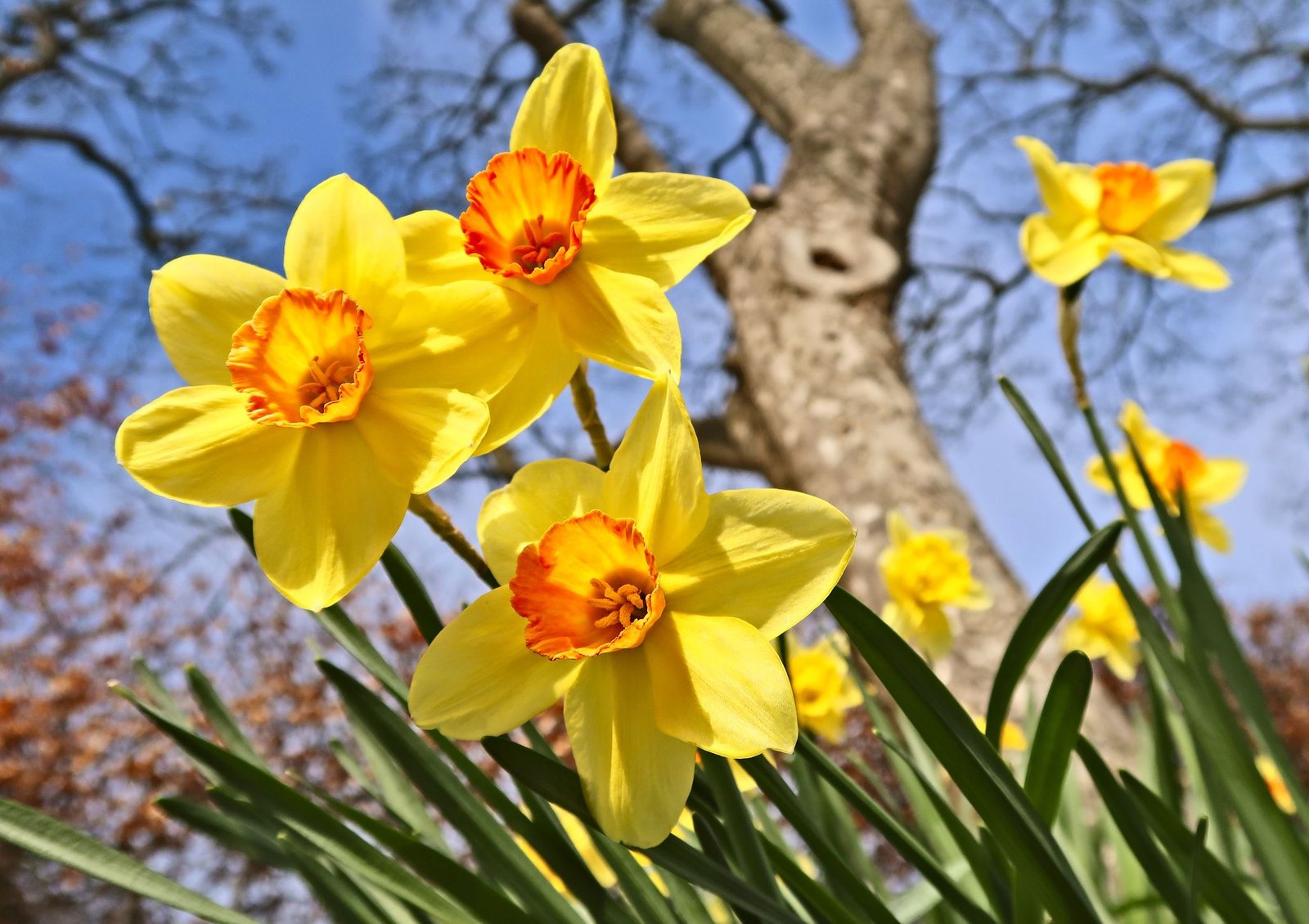
An Urgent Call to Find and Save Rare Daffodils Feared Lost Across gardens, parks, and countryside estates, yellow trumpet-shaped daffodils are a cheerful and familiar sight each spring. But not all daffodils are the same. Hidden among the common cultivars may be rare daffodils feared lost—forgotten floral varieties with links to British horticultural history. Now, plant conservationists and scientists are urging the public to help find them before they disappear forever. A nationwide appeal has been launched by organizations like Plant Heritage and the Royal Horticultural Society (RHS) to locate these missing botanical treasures. Their goal: to recover daffodil varieties once thought extinct or missing, some of which may still be thriving unnoticed in gardens and hedgerows. Why Preserving Rare and Forgotten Daffodils Still Matters Rare daffodils aren’t just beautiful. They’re also a vital part of Britain’s botanical legacy, each carrying a story linked to local history, people, or places. Many of them were bred generations ago and have either fallen out of fashion or faded into obscurity. If left untraced, these floral lineages may be lost forever. Gwen Hines, a spokesperson for Plant Heritage, emphasized the importance of rescuing these plants: “There’s the joy they bring every spring, but also future scientific value. Some may hold medicinal properties or unique genetic traits.” In fact, daffodils (botanically known as narcissus) have long been used in medicine. They are a natural source of galantamine, a compound used to treat the symptoms of Alzheimer’s disease. Protecting daffodil diversity could therefore play a role in future medical breakthroughs. The History of Rare Daffodils Feared Lost in Britain Believed to have been introduced to Britain by the Romans, daffodils have evolved through centuries of cultivation. Over time, passionate breeders developed countless varieties with diverse shapes, sizes, and colours. Today, more than 30,000 different types are recognized globally. While most people are familiar with the classic yellow daffodil, many varieties boast white petals, orange coronas, and even salmon-pink hues. Among these, some extremely rare types have all but vanished. Sussex Bonfire: A Bonfire Yellow Bloom Among Rare Daffodils Feared Lost One of the most intriguing examples of a lost variety is the Sussex Bonfire daffodil. Once renowned for its intense orange-yellow bloom, it was named after the famous Bonfire Night celebrations in Lewes, East Sussex. This vibrant daffodil was bred by local horticulturist Noel Burr, who was known for creating striking varieties. But the Sussex Bonfire hasn’t been officially documented in over two decades. The only surviving image of it dates back to the late 20th century. Roger Parsons, a Sussex-based horticulturist, remains hopeful: “It may still exist somewhere in a private garden. Our challenge is to find the person who unknowingly kept it alive.” Reclaiming this daffodil could preserve vital genes important for future plant breeding. Mrs R. O. Backhouse: A Legacy Bloom Among Rare Daffodils Feared Lost Another variety on the watchlist is the Mrs R. O. Backhouse daffodil, a cultivar notable for its unusual salmon-pink trumpet surrounded by ivory-white petals. It holds historical significance as one of the earliest daffodils to feature pink tones. This daffodil was bred by pioneering plantswoman Sarah Backhouse and named in her memory by her husband following her death in 1921. While it still exists in national daffodil collections, its wider presence remains uncertain. Locating surviving plants of this cultivar in public or private gardens is key to re-establishing its place in horticultural history. A Victorian Gem: The Mrs William Copeland Daffodil The Mrs William Copeland variety is another daffodil of interest. Known for its large, double white blooms, it was bred during the late Victorian and Edwardian eras when daffodils enjoyed widespread popularity. Its creator, William Fowler Copeland (1872–1953), was among the most prolific daffodil breeders of his time. This cultivar was named in honor of his wife, showcasing a personal story embedded in botanical heritage. Preserving this daffodil ensures that historical breeding techniques and aesthetics from over a century ago remain accessible to future generations of horticulturists. Daffodils and Science: Why Genetics Matter Each of these rare daffodils represents more than beauty; they also hold unique genetic traits that could be vital for breeding disease-resistant, climate-adapted flowers in the future. With climate change altering blooming patterns and survival rates, biodiversity within species like narcissus becomes more critical. RHS scientist Dr. Kálmán Könyves has spent over 15 years studying daffodils. He emphasized the value of data collection: “Tracking where and when daffodils bloom helps us understand how climate change affects flowering time and plant health.” Citizen scientists can play a vital role by reporting sightings and documenting bloom timings, thereby contributing to real-world climate research. How to Help in the Hunt Whether you’re a gardener, a nature walker, or a casual observer, you can contribute to this nationwide botanical treasure hunt. Here’s how: Every sighting may help in rescuing a lost variety from extinction. Digital Resources and Mapping Tools To support the search, conservationists are developing digital databases and public tools. Interactive maps allow users to pin daffodil sightings and descriptions, contributing to real-time crowd-sourced floral conservation. Smartphone-friendly platforms are also being rolled out, making it easier to report sightings instantly with photos and GPS data. These resources will be pivotal in identifying unknown cultivars or confirming the continued existence of presumed-lost ones. Why This Matters Now More Than Ever As biodiversity faces mounting threats from urbanization, changing weather patterns, and shrinking green spaces, plant conservation has never been more urgent. While daffodils may seem common, their diversity is at risk—and once a variety is lost, it may never be recovered. Rare daffodils feared lost today could become the genetic lifeline of tomorrow—offering resistance to diseases, tolerance to harsh climates, or even contributing to pharmaceutical advances. Stories in the Soil: Personal Histories Behind Each Bloom Part of the magic of this campaign is the personal connection people share with daffodils. These flowers often mark family gardens, local traditions, or community events. Rediscovering a forgotten daffodil is as much about reconnecting with emotional landscapes as it…

Read More

Leighton House Museum Centenary: 100 Years of Art and Heritage

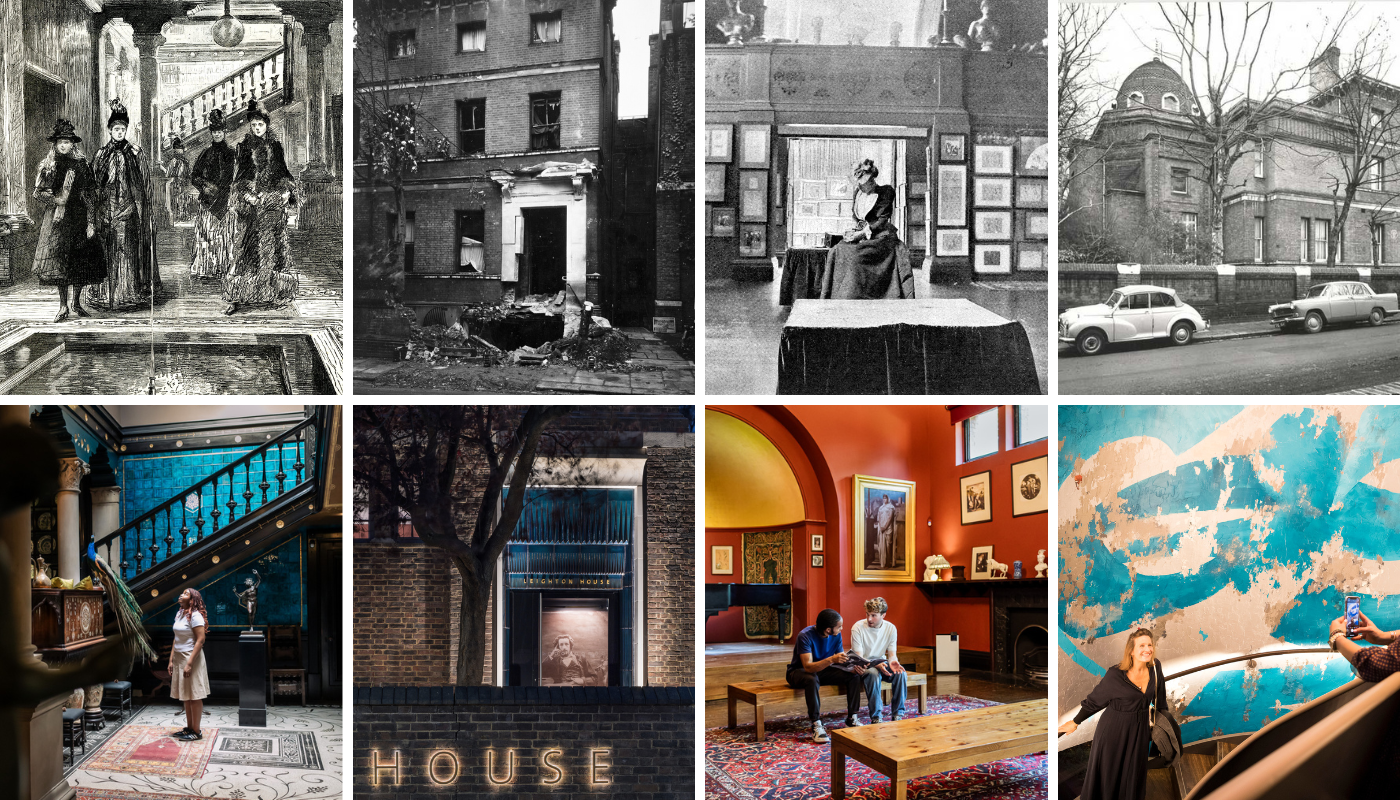
Celebrating a Century: The Leighton House Museum Centenary and Its Artistic Legacy Tucked away in the leafy Holland Park district of West London, the Leighton House Museum has reached an extraordinary milestone—100 years as a public museum. Once the private studio and residence of Victorian artist Frederic Leighton, the red-brick house has since become a sanctuary of art, architecture, and history. This year’s Leighton House Museum centenary celebrates its transformation from a secluded artistic retreat to a globally admired heritage site. Leighton House Museum: From Artist’s Retreat to a Centenary Landmark When Frederic Leighton commissioned the construction of the house in 1864, he envisioned more than just a home. Leighton collaborated with architect George Aitchison, whom he had met years earlier in Rome, to design a studio-house where he could live and work in harmony. Over the next 30 years, the house underwent multiple phases of expansion, becoming a visual embodiment of his artistic philosophy. After Leighton’s death in 1896, the art collection within the house was dispersed. Yet, the building itself remained intact. By 1900, the museum opened its doors to visitors eager to explore its unique interiors. In 1926, the local council assumed stewardship and officially transformed the property into a public museum. Leighton House Museum Centenary: Preserving a Legacy Through War and Renewal The house endured turbulent times, especially during World War II, when bombing raids caused significant damage. After the war, restoration teams faced tight budgets and made stark changes. They whitewashed the interiors, stripped the wooden floors, and installed harsh fluorescent lighting. These measures muted the home’s former opulence and Middle Eastern influence. Decades later, conservation teams worked to reverse the damage. They restored the Arab Hall, re-gilded the dome, and carefully repaired the decorative ziggurats. Today, the house radiates the brilliance it once held in the 19th century, preserving the Islamic art influences Leighton admired. Arab Hall at Leighton House: A Centenary Celebration of Middle Eastern Design in London A highlight of the Leighton House Museum centenary is the Arab Hall, a stunning space inspired by Leighton’s travels to Syria and Turkey. Tiled with 17th-century Damascus ceramics and adorned with mosaics, the hall embodies the artist’s passion for Islamic decorative arts. It was more than just an aesthetic choice—it was a bold cultural statement. The Arab Hall was both an opulent reception space and a symbol of Leighton’s belief that Eastern art belonged in Western creative traditions. Artistic Evolution and Leighton’s Masterpieces Among Leighton’s most famous works is Flaming June, a luminous painting completed in 1895 that still captivates audiences with its dreamlike quality. The studio where this painting was created has been preserved and restored, offering visitors a window into Leighton’s creative world. The museum also displays major works like The Bath of Psyche, Tobias and the Angel, and The Music Lesson. Each piece reflects the classical and mythological themes that shaped Leighton’s career. From the Canvas to the Camera: Pop Culture Moments While known primarily for its historic importance, Leighton House also became a pop culture icon in the 1980s. It was featured in the music video for Spandau Ballet’s 1983 hit “Gold,” adding a glamorous edge to the museum’s legacy. This blend of classical and modern art shows the dynamic spirit of Leighton House—a place where the old and new come together in unforgettable ways. The Museum Today: A Century of Public Engagement As part of the Leighton House Museum centenary, a new campaign—“Leighton House: A Journey Through 100 Years”—invites the public to share memories, photos, and stories connected to the site. The initiative honors both the building’s artistic and architectural value, and the emotional bonds visitors have formed over generations. Be it a school trip, an art lecture, or a peaceful visit, each story adds to the museum’s rich history. Special Exhibitions and Centenary Highlights To honor this landmark year, Leighton House Museum is unveiling a series of special exhibitions, performances, and community events. These will focus on themes like: Each event offers new insights into the world Leighton inhabited and the broader social context in which his work flourished. Leighton House in the Modern Era: Innovation Meets Tradition In recent years, the museum has embraced modernity while respecting its historical integrity. Enhanced lighting systems, improved accessibility, and eco-conscious updates have all been introduced to ensure a sustainable future. The museum also offers virtual tours, educational workshops, and artist residencies, expanding its reach to new audiences worldwide. The Leighton House Museum centenary underscores how this former home remains a living, evolving cultural beacon. Community Voices: A Shared History of Wonder Local residents, artists, and historians are contributing reflections as part of the centenary programme. Many recall their first encounters with the dazzling interiors, while others express admiration for the museum’s role in preserving Victorian art and craftsmanship. Councillor Kim Taylor-Smith called the museum “Kensington’s own National Treasure” and urged people to take part in the centenary events and exhibitions. The Enduring Relevance of Leighton House Leighton House is more than a museum. It offers a glimpse into the values, dreams, and aesthetics of the Victorian era. Its centenary marks not an end, but a new chapter—one that respects the past while looking toward a vibrant future. In the coming years, the museum plans to deepen community engagement, diversify its exhibitions, and elevate underrepresented voices in the art world—all while preserving the integrity of its foundational vision. Plan Your Visit: Experiencing the Leighton House Museum Centenary Open year-round, the museum offers an immersive journey into 19th-century art, architecture, and innovation. Visitors can explore: Whether you are a long-time art enthusiast or a curious first-time visitor, the Leighton House Museum centenary provides a unique opportunity to experience living history in one of London’s most treasured cultural landmarks. A Legacy Worth Celebrating The Leighton House Museum centenary isn’t just about a building—it’s about the art, ideas, and people that have shaped it over a hundred years. From Victorian glamour to post-war resilience, and from local pride to international recognition, the story of…

Read More