
Sofia Catherine

Anglian Water Hosepipe Ban: Summer Restrictions Possible

Anglian Water Hosepipe Ban Warning: Restrictions Likely Anglian Water has stated that while it is not currently restricting household water use, an Anglian Water hosepipe ban may still be necessary later this summer. Despite recent rainfall slightly improving river and reservoir levels, the company said these conditions have only postponed the need for restrictions rather than eliminated the risk. Why an Anglian Water Hosepipe Ban May Still Happen The water supplier, which serves a large part of the East of England, highlighted uncertainty in long-term weather forecasts as a key reason why an Anglian Water hosepipe ban could still be enforced. This comes after several other UK water companies have already introduced hosepipe restrictions due to an unusually hot and dry start to the year. Dry Conditions and Leak Prevention Recent months have been exceptionally dry, prompting Anglian Water to focus heavily on tackling leaks and preventing water loss. The company has allocated £10 million this year for pipe maintenance and invested in a dedicated team of 250 people working on leakage reduction. According to Ian Rule, Director of Water Services, this investment has delayed the need for restrictions so far. “The East of England is the driest part of the country, so we plan carefully. However, the past few months have been exceptionally dry, even for our region. Forecasts remain uncertain, so a hosepipe ban by Anglian Water is still a possibility,” Mr Rule stated. Impact on Rivers, Agriculture, and Environment River levels were reported to be low following a dry spring, though they responded better than expected to recent rainfall. Still, the company emphasized that the decision on an Anglian Water hosepipe ban involves balancing environmental protection with supporting agriculture in the region. Farmers have already raised concerns about crop damage and water shortages. Climate Change and Long-Term Challenges The driest start to spring in 69 years has raised alarms about water scarcity, with low reservoir levels and wildfires affecting parts of the region. Although the Environment Agency reports only a medium risk of drought, the Met Office confirmed that March was the driest since 1961, with record sunshine levels. Some farms, like those near the Norfolk-Suffolk border, are investing millions in building additional reservoirs to cope with future water shortages. Experts warn that climate change is shifting the UK’s weather patterns dramatically. Reports indicate hotter and drier summers are becoming the norm, with more intense heatwaves leading to higher evaporation rates. These conditions make hosepipe bans by Anglian Water and other suppliers more likely in the years ahead. What Residents Can Do Anglian Water is urging households to use water responsibly to help avoid stricter measures such as a hosepipe ban later this year. Small actions like fixing household leaks, using water-efficient appliances, and reducing outdoor water use can make a big difference in preserving supplies.


Read More

UK Resumes Asylum Claims After 7-Month Pause

UK Resumes Asylum Claims After Months of Suspension0. The UK resumes Syrian asylum claims after more than seven months of suspension. The pause followed a rebel offensive by Hayat Tahrir al-Sham (HTS) that overthrew President Bashar al-Assad, ending years of civil war. Why Did the UK Pause Asylum Claims for Syrians? In December, the UK government temporarily halted decisions on asylum and permanent settlement for Syrians. The move aimed to allow time to gather reliable information on Syria’s security and political situation. Officials said the pause was needed due to a lack of data for accurate decisions. Home Office on Why the UK Resumes Asylum Claims Asylum Minister Dame Angela Eagle said the Home Office worked quickly to lift the pause. The Home Office has issued updated guidance to help caseworkers assess current conditions in Syria. The rules require case-by-case reviews, and applicants must prove they risk persecution or serious harm if returned. Voluntary and Potential Enforced Returns More than 20 Syrian nationals who had been residing in the UK have already returned voluntarily this year. Ministers hope the first enforced returns could take place before the end of the year, with officials suggesting that this possibility is now close. Impact on Syrian Asylum Seekers in the UK The pause left more than 7,000 Syrian asylum seekers waiting for a decision. Most of them remain in government-funded accommodation, such as hotels. Campaigners have expressed concerns that the uncertainty made it difficult for people to work, find stable housing, or plan their future. Refugee advocacy groups continue to urge the government to ensure that safety remains the top priority when assessing claims. Current Situation in Syria and Risk Assessment HTS affiliates now control Syria, and its leader, Ahmad al-Sharaa, became interim president earlier this year. While the security situation has stabilized in some areas, concerns remain about risks to certain ethnic and religious groups. Who Is Most at Risk? According to updated Home Office guidance: International and Legal Context The UK’s decision follows similar moves in some European countries. Austria recently became the first EU nation to deport a Syrian national after the fall of Assad. The government stressed that the UK’s approach remains aligned with the UN Refugee Convention, which requires applicants to demonstrate a well-founded fear of persecution. UK resumes Syrian asylum claims

Read More

KPop Demon Hunters: Netflix’s New Global Sensation

The Rise of KPop Demon Hunters as a Global Hit Since its release in June, KPop Demon Hunters has become an unstoppable cultural phenomenon. The animated feature has skyrocketed to Netflix’s top charts, attracting over 33 million views in just two weeks. Currently ranked among the top 10 in 93 countries, the film has captured the hearts of both dedicated K-pop fans and general viewers alike. Social media platforms are flooded with fan art, tribute videos, and trending hashtags, and audiences everywhere are already demanding a sequel. But what makes this movie more than just another animated release? The answer lies in its perfect combination of high-energy music, dynamic storytelling, and cultural authenticity. Why Music is the Heartbeat of KPop Demon Hunters One of the biggest reasons for the film’s meteoric rise is its soundtrack. Since its debut on June 20, two fictional bands from the film—Huntr/x, a fierce all-girl K-pop group, and their rivals, the enigmatic Saja Boys—have dominated global music charts. Tracks from the film have even overtaken heavyweights like BTS and Blackpink on Spotify, securing the top two spots on the U.S. chart, and seven songs have landed on the Billboard Hot 100. Unlike many animated films where music is an afterthought, in KPop Demon Hunters, songs are woven into the very fabric of the narrative. Each track enhances the emotional depth of the scenes, turning fight sequences into spectacular, music-powered showdowns. K-pop is not a backdrop here—it is the weapon, the identity, and the soul of the story. KPop Demon Hunters: A Story Beyond the Stage At its core, KPop Demon Hunters is about more than fame and fandom. The plot follows Huntr/x, a trio of global superstars—Rumi, Mira, and Zoey—who lead double lives. While they shine on stage as idols, their secret mission is to protect humanity from supernatural forces, including their dark counterparts, the Saja Boys. This unique premise merges fantasy, music, and action, creating a cinematic experience that resonates with viewers worldwide. Themes of friendship, trust, and staying true to oneself give the film a universal appeal. Beneath the glamorous visuals and adrenaline-filled sequences lies a coming-of-age story about identity and self-acceptance, making it relatable even for those unfamiliar with K-pop. Cultural Authenticity That Resonates Another reason behind the film’s success is its authentic portrayal of Korean culture. The creative team behind KPop Demon Hunters went beyond surface-level aesthetics. They traveled across South Korea to capture real-life details—from historic Seoul landmarks like the Namsan Tower to the intricacies of Hanuiwon (traditional Korean medicine clinics) and local dining customs. The film beautifully integrates elements of traditional Korean life such as public bathhouses, street markets, and folk architecture, while also showcasing modern Korean trends and urban design. These thoughtful inclusions make Korean audiences feel represented while giving global viewers a genuine cultural experience. Visual Details and Symbolism One striking detail is the animators’ decision to align character mouth movements with Korean pronunciation, even though the final dialogue is in English. This cultural sensitivity extends to subtle gestures, reactions, and occasional Korean words or lyrics within songs. Symbolism is woven throughout the film: Why Animation Was the Perfect Medium Animation gave the creators freedom to merge K-pop aesthetics with high-fantasy action. Battle scenes infused with synchronized choreography mimic real-life Kalgunmu (K-pop’s signature precise dance moves), while vivid backdrops mirror the drama of live concert stages. This fusion appeals to both anime fans and K-pop enthusiasts, creating a unique crossover experience. The Power of Global Fandom The film doesn’t just depict fandom—it celebrates it. From fan signing events to colorful light sticks and placards, the movie immerses viewers in the authentic world of K-pop culture. For many fans, KPop Demon Hunters feels like a love letter to their passion, which explains the viral explosion of fan art and social media buzz. Behind the Scenes: Music Production at Its Finest Directors Maggie Kang and Chris Appelhans knew music would make or break this project. To ensure authenticity, they partnered with leading figures in the K-pop industry, including Teddy Park (producer for Blackpink) and Grammy-winning Lindgren (associated with BTS and TWICE). Their expertise helped craft a soundtrack that feels genuine and globally appealing, proving that music can unite audiences across cultural lines. Tradition Meets Trend The film is a stunning example of how modern entertainment can honor cultural roots. Huntr/x’s stage costumes incorporate traditional Korean elements while staying stylishly contemporary. Ritualistic motifs—such as fans, swords, and shamanic charms—blend seamlessly with glowing neon stages, making each performance both magical and meaningful. Universal Themes for a Global Audience At its heart, the film carries a message of self-acceptance and resilience. Characters struggle with identity and societal expectations, but their journey reflects a universal truth: embracing who you are is the ultimate power. This theme resonates across cultures, making KPop Demon Hunters not just a movie but a movement.

Read More

European Bike Trail: Cycle 3 Countries in a Day

Why Choose the European Bike Trail That Hits Three Countries in a Day? Imagine riding along a peaceful river, the rhythmic spin of your pedals accompanied by the fragrance of vineyards and the sound of distant church bells. Welcome to the Moselle Valley, where a unique European bike trail lets you glide through three countries in a single day—Luxembourg, Germany, and France—without ever stopping for passport checks. This seamless travel experience exists thanks to the Schengen Agreement, a historic treaty that turned borders into bridges, making it possible to explore multiple nations in one unforgettable cycling journey. Why Choose This European Bike Trail for a Unique Adventure? The Moselle River, stretching over 545 km from France to Germany, offers one of Europe’s most picturesque cycling routes. Its well-maintained, beginner-friendly paths run alongside serene vineyards, medieval castles, and charming riverside villages. What makes this route exceptional? You can start in Schengen, Luxembourg, and easily cycle through Germany and France within hours, tasting local cuisine, sampling regional wines, and soaking in centuries of culture along the way. A Brief History: How Schengen Paved the Way Before 1985, crossing European borders involved checks and delays. That changed when the Schengen Agreement was signed in the small Luxembourgish village of Schengen, giving 450 million Europeans the freedom to travel passport-free. Today, that same spirit of unity is experienced on this cross-border bike trail. Every time you pedal across a bridge or pass a simple marker along the Moselle, you’re celebrating decades of European integration. The Route: Cycling Through Three Countries in One Day What Makes This Bike Trail Special? Schengen Beyond Borders: Festivals and Cross-Border Events The Moselle Valley celebrates its shared heritage with unique events: Cycling Tips for Your Moselle Adventure Food and Drink Stops You Can’t Miss Cultural Insights: Language and Local Life In this border region, multilingualism thrives. Many locals switch seamlessly between Luxembourgish, French, and German. Over 200,000 cross-border workers commute daily, creating a rich cultural mix. Cycling here isn’t just a physical journey—it’s an immersion into Europe’s collaborative spirit. Why This Trail is the Perfect Symbol of Europe Borders usually divide. Here, they connect. The Moselle bike trail embodies freedom, unity, and diversity, offering an experience where history, culture, and nature converge beautifully. Whether you’re chasing vineyards, castles, or culinary delights, this cross-border cycling route is more than a trip—it’s a celebration of what Europe can be.

Read More

Bulls in the City Birmingham: Art Trail Adds Color

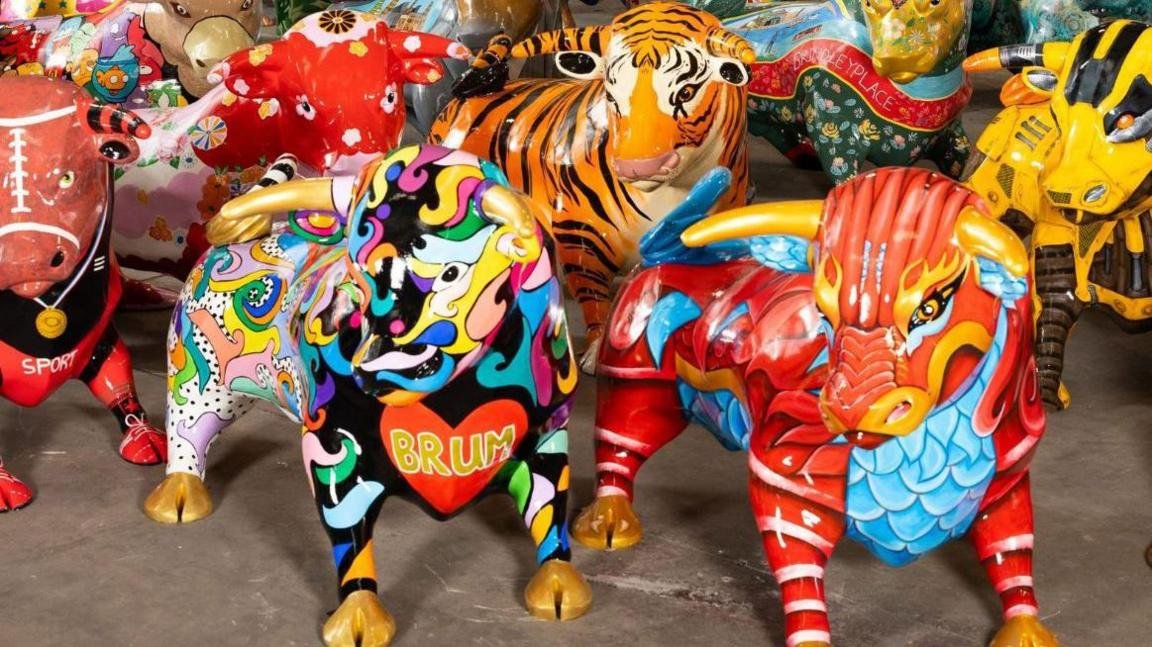
Bulls in the City Birmingham: A Creative Stampede Hits the Streets Birmingham has embraced creativity in a bold new way with its Bulls in the City art trail. This spectacular public exhibition transforms the city into an outdoor gallery. For eight weeks, residents and visitors can explore more than 120 bull sculptures scattered across Birmingham. Each sculpture is a unique piece of art, celebrating the city’s culture and community spirit. What is Bulls in the City Birmingham? The Bulls in the City Birmingham trail takes inspiration from the famous Bullring bull statue, a symbol loved by locals. Organized by Birmingham Hospice in partnership with Wild in Art, the event blends creativity with community engagement. It also serves as a major fundraising effort. The project adds vibrant color to Birmingham’s streets while raising vital funds for hospice care services, which cost about £19 million each year. An Artistic Stampede Across Birmingham More than 40 large fibreglass bulls, each sponsored by local businesses, dominate high streets and landmarks throughout Birmingham. From Harborne High Street to Boldmere, and the bustling city center, these vibrant sculptures are impossible to miss. In addition, 88 mini bulls, crafted by local schools and community groups, are displayed in Birmingham Hospice shops and other venues, adding a touch of grassroots creativity to the initiative. Designs That Tell a Story Every bull sculpture is a masterpiece in its own right, showcasing creativity from local artists. Designs include bold murals that celebrate Birmingham’s industrial heritage, whimsical patterns inspired by modern culture, and imaginative creations that transform bulls into mythical creatures such as dragons and tigers. One of the showstoppers is a miniature version of Ozzy, the giant mechanical bull that wowed audiences at the Commonwealth Games Opening Ceremony. Why Bulls in the City Matters Paul Bytheway, Chief Executive of Birmingham Hospice, said the trail is a unique chance to showcase the hospice’s vital work. He explained that it engages the community in a fun and meaningful way. “Even the smallest donation can make a big impact,” he stressed. Bytheway also highlighted that voluntary contributions are essential to keep hospice care services running. Hospice care in Birmingham is not fully funded by the NHS, making community fundraising and donations essential. The Bulls in the City trail raises awareness, encourages generosity, and ensures that vital healthcare services remain accessible to those who need them most. A Boost for Birmingham’s Local Economy and Culture West Midlands Mayor Richard Parker praised the initiative as a celebration of Birmingham’s resilience and creativity. These sculptures will boost trade and attract visitors,” he said. “They also celebrate local artists and highlight Birmingham Hospice’s remarkable work. This art trail not only uplifts the community spirit but also drives footfall into the city center, benefiting local businesses. How to Join the Bulls in the City Birmingham Trail The trail runs until 14 September, offering plenty of time to plan your visit. Participants can download the Bulls in the City app for a digital map or pick up a printed guide from locations across the city. For art lovers, families, and curious explorers, this experience combines creativity, charity, and discovery in an unforgettable way. At the end of the trail, all sculptures will be auctioned, with proceeds going to Birmingham Hospice, ensuring that the legacy of this event extends far beyond the summer months.

Read More

Balmoral Royal Cairns – The Secret Pyramids of Scotland

Balmoral Royal Cairns: A Hidden Chapter of Royal History Hidden in Balmoral Estate’s woodlands, one of Scotland’s most famous royal retreats, are the mysterious royal cairns many visitors miss. Among them stands an imposing granite pyramid, a memorial to love, loss, and enduring legacy. These monuments tell stories of Queen Victoria’s family devotion, her grief for Prince Albert, and her role in shaping the Highlands’ romantic image. Exploring Balmoral Royal Cairns at the Heart of Scotland’s Royal Sanctuary Queen Victoria first visited Balmoral on 8 September 1848 and immediately felt captivated by the estate’s natural beauty. The towering Caledonian pines, rolling hills, and glittering River Dee offered a refuge far from the political pressures of London. In her diary, she described Balmoral as a place that “breathed freedom and peace.” Here, the Queen imagined a private retreat for her growing family. That vision soon became a lasting royal tradition. The Mystery of the Balmoral Cairns Scattered across Balmoral’s 50,000-acre estate are 11 remarkable cairns, each with its own purpose and story. Built primarily during the Victorian era, these stone memorials commemorate key events in the lives of Queen Victoria and Prince Albert’s nine children, as well as national milestones. The most striking among them is the so-called “Great Pyramid of Scotland”, a towering granite structure honoring Prince Albert. A Treasure Hunt Through the Highlands Seeking out the cairns is no small feat.They stand scattered along dense forest paths, rolling hills, and rugged moorlands, turning the journey into an enchanting adventure. Each cairn silently witnesses history, hidden from casual view and inviting discovery by those who venture off the beaten path. Origins and Purpose: Why Were the Cairns Built? According to historians like Professor Ewen Cameron of the University of Edinburgh, Queen Victoria personally commissioned most of the cairns. These memorials celebrated family milestones, including royal marriages, and served as a poignant map of the Queen’s life intertwined with the Scottish Highlands. Among the most famous cairns are: The Prince Albert Pyramid: A Monument of Love Standing nearly 11 meters high, the Prince Albert Cairn is the largest and most dramatic of the Balmoral monuments. Built in 1862, following Albert’s death from typhoid at age 42, the pyramid is a solemn tribute from a grieving Queen. Its stark geometry contrasts with the rugged Highland scenery, evoking both ancient grandeur and personal loss. Reaching the pyramid requires a challenging hike through woodland trails, rewarding visitors with breathtaking views over Royal Deeside and the Cairngorm mountains. Victoria’s Romantic Scotland: The Balmoralisation of the Highlands Queen Victoria’s love affair with Balmoral had cultural consequences. Her writings and patronage of Scottish art and literature helped romanticize the Highlands, promoting an image of rugged beauty and noble simplicity that persists today. This process, often referred to as the “Balmoralisation” of Scotland, influenced architecture, fashion (hello, tartan revival!), and tourism across the region. Cultural Legacy: From Victorian Dreams to Modern Visitors Even in a land steeped in prehistoric stones and Celtic ruins, Balmoral’s cairns stand out as a Victorian interpretation of heritage. Today, they offer a tangible link to the past, inviting visitors to reflect on a time when monarchy and myth-making intertwined to shape national identity. Travel Tips for Visiting the Cairns Preserving the Secret Pyramids As tourism grows and social media fuels curiosity, concerns about conservation arise. The cairns remain unguarded and exposed to the elements, yet their survival depends on responsible tourism. Visitors are urged to tread lightly and respect the fragile balance of history and nature.

Read More

AI Voice Cloning Preserves UK Accents

AI Voice Cloning for UK Accents: A New Era for Digital Voices In an ambitious move to preserve regional authenticity, British AI company Synthesia has introduced a new voice-cloning tool designed to accurately replicate UK regional accents. Named Express-Voice, this technology steps away from the traditionally homogenised tone of artificial speech—typically influenced by North American or Southern English dialects—and instead aims to reflect the diverse vocal landscape of the United Kingdom. AI Voice Cloning Breaks the Accent Barrier: Why Regional Nuance Matters AI-generated speech often fails to represent the broad spectrum of spoken English across the UK. This shortcoming arises from the fact that most training datasets originate from US-based or London-centric sources. As a result, many synthetic voices sound generic or culturally detached. Synthesia tackled this by building a robust database of regional voices collected through studio sessions and online recordings. This linguistic diversity enables Express-Voice to reproduce everything from a thick Glaswegian burr to the soft vowels of a Welsh lilt. “If you’re the CEO of a company or just a regular person, when you have your likeness replicated, you want your accent to be preserved,” said Synthesia Head of Research Youssef Alami Mejjati. He emphasised the importance of reflecting real identities, not just polished imitations. Accent Bias and Representation in AI Tools For years, synthetic speech models have suffered from accent bias, frequently favouring American or Canadian English. Even French customers, Mejjati noted, often complain that AI-generated voices tend to sound French-Canadian instead of Parisian. This results from an over-reliance on easily accessible North American datasets. In response, Synthesia’s regional model aims to democratise voice synthesis by giving underrepresented accents the same technological legitimacy as their more dominant counterparts. Challenges in Cloning Rare Accents Despite the technological leap, certain challenges persist. The rarer the accent, the more difficult it is to reproduce due to limited training material. Less-documented dialects such as Northern Irish or Cornish English pose a steep hurdle. Moreover, AI-powered voice recognition systems, like smart speakers, still struggle to understand strong regional accents. In 2023, internal discussions within the West Midlands Police raised concerns about whether such systems could reliably interpret the Brummie accent. The Global Divide: Accent Preservation vs. Accent Neutralisation Interestingly, while Synthesia is advancing accent preservation, other companies are pursuing the opposite. US-based startup Sanas is working on software for call centres that “neutralises” the voices of Indian and Filipino workers. The intent is to mitigate accent-related discrimination, but critics argue it risks erasing cultural identity under the guise of efficiency. Accent neutralisation may reduce communication friction in customer service, but it raises ethical concerns about forced linguistic conformity in the workplace. Linguistic Diversity Under Threat in the Digital Age The homogenisation of speech isn’t limited to accents. There are broader fears that AI is accelerating the erosion of linguistic diversity. UNESCO estimates that nearly half of the 7,000 existing languages are endangered. Meanwhile, fewer than 2% of these are supported by Google Translate, and only 0.2% receive over 80% accuracy from GPT-4. AI advisor Henry Ajder warns that language models, by standardising speech, contribute to the extinction of unique dialects. These concerns are not theoretical—they affect real-world communication, cultural identity, and heritage. Voice-Cloning and the Deepfake Dilemma With great power comes great responsibility. As voice-cloning tools become more accurate, they also become more vulnerable to misuse. Synthesia has implemented guardrails on its Express-Voice system to prevent hate speech and explicit content. Unlike some free alternatives, its product won’t be available without payment. However, the open-source voice landscape is growing fast—and with it, the threat of voice-based deepfakes. In early July, AI-generated messages mimicking US Secretary of State Marco Rubio circulated among officials, exemplifying the risks posed by synthetic speech in misinformation campaigns. Balancing Innovation With Ethics Synthesia’s Express-Voice marks a significant step forward in ensuring AI respects and reflects regional and cultural identity. By accurately cloning UK accents, it contributes to a more inclusive digital future. Still, this progress must be tempered with ethical oversight, especially as voice cloning tools become more accessible. The future of speech synthesis lies in striking a delicate balance: embracing linguistic diversity while preventing the exploitation of AI for deception. Whether it’s preserving a local accent or protecting against digital fraud, the stakes have never been higher.

Read More

Manx Care Funding Crisis: Tynwald Approves £15.3m Aid

Manx Care Funding Crisis Triggers Renewed Oversight Manx Care funding crisis has triggered an additional £15.3 million in government support, recently approved by Tynwald. The Department of Health and Social Care (DHSC) requested this supplementary allocation to address a major shortfall in Manx Care’s operations during the 2024–25 fiscal year. Established in April 2021 as an arm’s-length provider of health services, Manx Care has faced continued financial scrutiny. The organization has repeatedly exceeded its allocated budget, raising concerns about long-term fiscal sustainability and accountability. Tynwald Debates Solutions Amid Manx Care Budget Shortfall The funding request triggered a 90-minute debate during the final Tynwald session before the summer recess. Several Members of the House of Keys (MHKs) expressed concern over rising healthcare costs and poor budget control. Onchan MHK Rob Callister strongly opposed the move, calling the ongoing Manx Care funding crisis a sign that the organization’s structure requires urgent reform. He stressed the need for “difficult conversations” and warned that Tynwald had effectively become an “open cheque book” for the healthcare provider. Restructuring Demands Rise Amid Manx Care Funding Crisis Arbory, Castletown and Malew MHK Tim Glover echoed similar sentiments, declaring “enough is enough” and urging action over inaction. Douglas North MHK John Wannenburgh added that the current financial trajectory was “nothing short of ridiculous,” pointing to possible underfunding and what he described as “bloated management.” These concerns highlight increasing pressure for structural reforms, greater transparency, and stronger accountability in Manx Care and the DHSC. Minister’s Response: Progress, But More Needed DHSC Minister Claire Christian defended the supplementary vote by highlighting Manx Care’s recent cost-saving efforts. She stated that the organization saved £13.4 million during the 2024–25 fiscal year. These savings came from reducing the use of agency and bank staff, optimizing medication usage, streamlining high-cost contracts, and boosting commercial income. However, Christian acknowledged that “spending exceeded the amount allocated” and more work is still required. She stressed that the healthcare provider is still “going through growing pains” and called on fellow Tynwald members to contribute solutions to prevent future overspending. The Vote and the Path Ahead Despite criticism, the motion passed with 18 votes in favour and 5 against in the House of Keys. In the Legislative Council, it passed with 7 votes for and 1 against. Public trust and financial stability are on the line as debate continues over Manx Care’s performance and Tynwald’s oversight of healthcare budgets. While the latest funding approval offers short-term relief, it has also sparked wider discussions about the future of healthcare governance and cost efficiency on the Isle of Man.

Read More

Maidstone Museum Gallery: A New Look at Local History

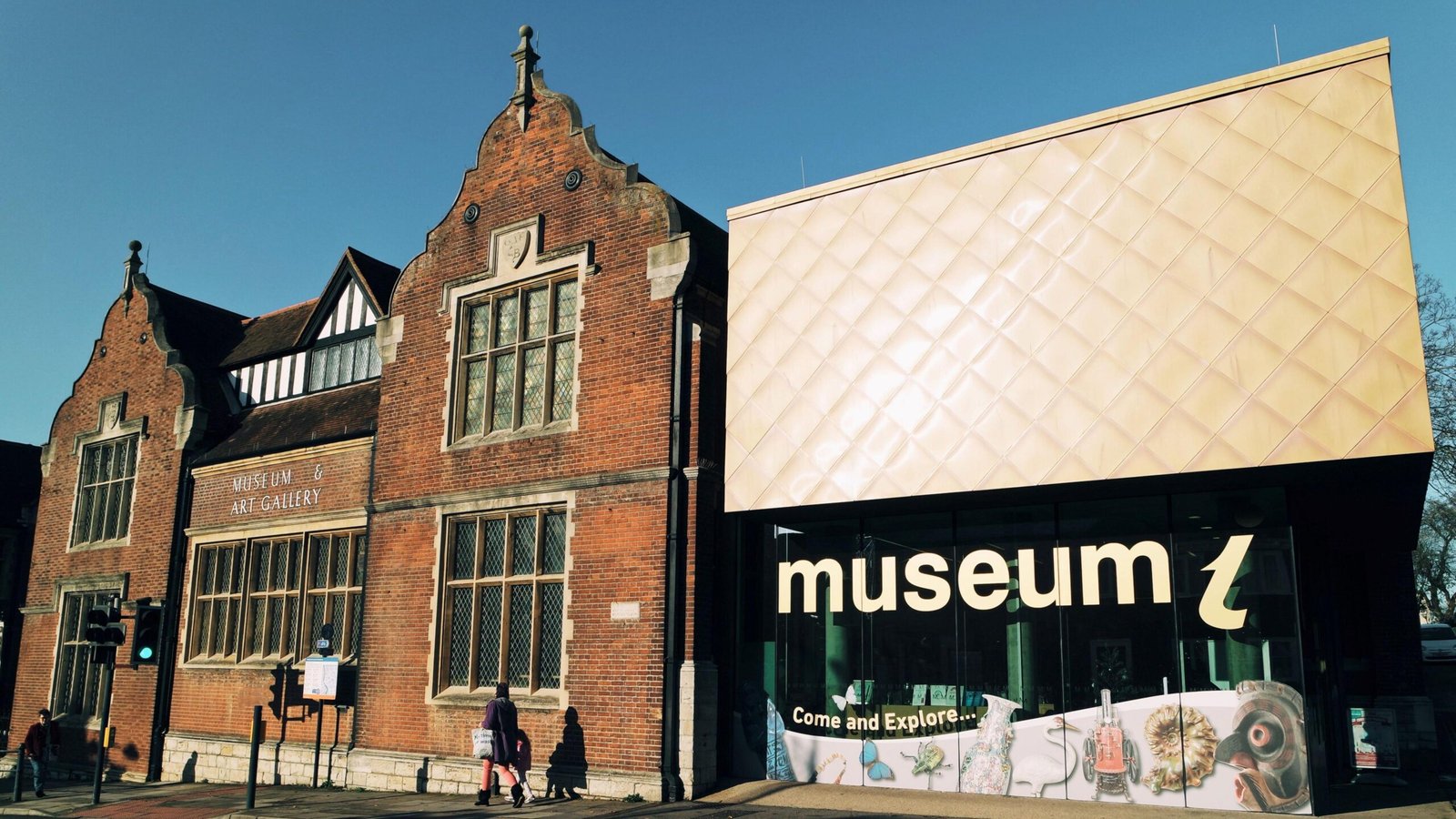
Maidstone Museum Gallery Ushers in a New Era of History Maidstone Museum has taken a bold step into the future with the launch of the new Maidstone history gallery, a space that showcases the town’s evolution from Tudor times to the present day. Locals and visitors alike are invited to explore how everyday life, industries, and community stories have shaped Maidstone’s modern identity. Bridging Past and Present Maidstone Museum’s Modern History Gallery: More Than Just a Display Set within the newly refurbished Oldham Gallery, the Maidstone Museum modern history gallery explores themes of industry, innovation, immigration, and identity. The aim is not just to inform but to connect generations through shared community heritage. Sharp’s Toffee and Local Industry in the Maidstone Museum Gallery The Legacy of Sir Kreemy Knut: Sweet Memories of Sharp’s Toffee One of the most delightful pieces is the miniature tin figure of Sir Kreemy Knut—once the public face of Sharp’s Toffee, a local candy empire. Sharp’s wasn’t just a sweet shop; it was a significant employer and cultural touchstone. Mysterious Finds in the Maidstone Museum Gallery: The 16th-Century Seal The Mystery Behind Maidstone’s Name A particularly intriguing item is a 16th-century seal. Historians believe it may relate to the town’s name—“Maid on the Stone.” This enigmatic object opens the door to speculation, discussion, and scholarly curiosity. Hands-On History: A Community Experience Interactive Exhibits and Local Voices in Focus The new gallery isn’t just visual. Visitors can engage with tactile exhibits, explore digital archives, and contribute stories through the rotating Community Cabinet. This space debuts with artifacts from Maidstone’s Polish community—an integral part of its modern identity. Building Through Community Collaboration Inviting Locals to Be Part of History The gallery extends an open call to community groups to share their own stories and objects. This co-curation model ensures the space evolves with the people of Maidstone, reflecting living history. Exhibition Launch Details Threads of Continuity: From the Landscape to the Town Linking to the ‘Lives In Our Landscape’ Gallery The new exhibition complements the museum’s existing “Lives in Our Landscape” gallery by diving deeper into how people have shaped—and been shaped by—the land and the industries that defined Maidstone. Why Modern History Matters Today Understanding Change Through Personal Narratives From immigrant stories to industrial evolution, the Maidstone Museum modern history gallery encourages reflection on how national and global shifts are experienced at the local level. The Future of the Maidstone Museum Gallery and Local Heritage A Model for Engaging Community-Centric Exhibitions This launch could serve as a blueprint for other regional museums looking to blend heritage preservation with modern engagement strategies. A Living Storybook The modern history gallery transforms a traditional exhibition into a living, breathing collection of shared memory. It isn’t just about looking back—it’s about understanding today through the lens of yesterday.

Read More

Battle of Langport Civil War: A Turning Point in England’s History

Battle of Langport Civil War: The Conflict That Changed England In July 1645, the Battle of Langport Civil War became a decisive turning point during the English. The Parliamentarians defeated the Royalists, seizing control of Somerset — a region of critical strategic importance. This historic clash marked a pivotal moment in England’s political evolution, ultimately contributing to the downfall of the monarchy and the rise of Parliamentary rule. Why the Battle of Langport Civil War Mattered This wasn’t just a battle — it shattered Royalist control of the West Country, a region of immense strategic importance. The Parliamentarian victory crushed Royalist morale and dismantled their ability to recover. As their cause collapsed, the stage was set for dramatic political shifts, including the execution of King Charles I and a temporary end to the monarchy. This critical engagement played a defining role in shaping England’s future. Commanders of the Battle of Langport: Fairfax vs. Goring Lord Goring led the Royalist forces for King Charles I. Sir Thomas Fairfax commanded the Parliamentarian New Model Army. This force was disciplined and well-organized. Historian Julian Humphrys from the Battlefields Trust described the Royalist troops as poorly paid and undisciplined. Locals resented them for constant plundering. Strategy and Outcome of the Battle of Langport Civil War The Royalists camped east of Langport near Huish Episcopi. They placed musketeers in hedgerows and positioned cannons at the main ford. Their goal was to delay the Parliamentarians and retreat to Bridgwater. But they underestimated their opponents. The Parliamentarians launched a swift attack. Their musketeers cleared the hedgerows at Picts Hill. This allowed cavalry to storm the crossing and overwhelm the Royalist lines. Resistance collapsed in minutes. Oliver Cromwell and the Impact of the Battle of Langport Sir Thomas Fairfax led the overall command. Oliver Cromwell, though a minor figure at the time, played a key role. He saw the New Model Army’s efficiency in action. This boosted his military reputation. Over time, Cromwell gained full command of Parliament’s army. His rise led to his future leadership as Lord Protector. Civilian Suffering During the Battle of Langport Civil War The war hit civilians hard. Armies looted for supplies, forcing locals to defend themselves. They formed “clubmen” groups using simple weapons. Trade stopped, disease spread, and homes were destroyed. Historian Julian Humphrys noted the high human cost. A larger portion of the population died during this war than in World War I. Archaeological Legacy Today, the battlefield still tells its story. People using metal detectors regularly uncover musket balls and pistol rounds in the fields. These relics are reminders of that fateful day. Commemorating the Battle of Langport Civil War Today Though often forgotten, the Battle of Langport Civil War remains vital to England’s history. It shows the impact of shifting power, public suffering, and political evolution. This battle helped pave the path toward constitutional change and a new national identity.

Read More