
Sofia Catherine

Why Queen Elizabeth I Never Married – Virgin Queen’s Image

Why Queen Elizabeth I Never Married – The Virgin Queen’s Choice Elizabeth I, daughter of Henry VIII, remains the only English queen who never married. Her 1575 visit to Kenilworth Castle offers insights into this choice. The castle’s new art installation highlights themes of power, betrayal, and independence, echoing her reign. In July 1575, Elizabeth, then 41, visited Kenilworth Castle in Warwickshire. The castle, gifted to Robert Dudley in 1563, became the stage for a grand event. Dudley, believed to be her close friend and suitor, spent lavishly on music, fireworks, and theatrical performances. He even built a new garden and floating stages on the castle’s lake. The festivities were designed to impress—and possibly to win her hand in marriage. However, the highlight performance, a masque planned for 20 July, was abruptly cancelled. Was it bad weather or Elizabeth’s displeasure at being urged to marry? The masque featured Diana, goddess of chastity, and hinted at Elizabeth’s own marital status. Power, Politics, and the Virgin Queen’s Autonomy Elizabeth I’s decision not to marry was both personal and political. Parliament and her advisers constantly pressed her to marry for security and an heir. But Elizabeth refused. She famously declared, “I will have but one mistress here, and no master.” She had seen strong women like Katherine Parr govern while Henry VIII was away, proving that a woman could rule without a husband. Her personal history also played a role. Elizabeth’s mother, Anne Boleyn, was executed when Elizabeth was just three years old. This traumatic experience likely shaped her mistrust of marriage. Why Queen Elizabeth I Never Married – The Virgin Queen’s Image Elizabeth carefully crafted her image as the “Virgin Queen.” By staying unmarried, she avoided foreign influence through marriage alliances and strengthened England’s political independence. Her unmarried status became a powerful diplomatic tool. She declared, “I am married to England,” a line immortalized in Shekhar Kapur’s 1998 film Elizabeth. This decision also cemented her legacy as a ruler who placed her nation above personal desires. Why Her Choice Still Fascinates Modern historians believe her choice was strategic. Remaining single gave Elizabeth freedom to negotiate with France and Spain. It also prevented domestic rivalries, as marrying an English nobleman could have caused jealousy among other powerful families. Even in her relationship with Robert Dudley, Elizabeth never let emotion compromise her political power. When Dudley married another woman in 1578, she was furious but ultimately forgave him. Upon his death in 1588, she mourned deeply, keeping his final letter close to her until her own death. Elizabeth’s Legacy in Popular Culture Elizabeth’s unmarried status has become a defining element of her legacy. Films like Elizabeth (1998) and Elizabeth: The Golden Age (2007), starring Cate Blanchett, highlight her transformation into the “Virgin Queen,” a monarch married only to England. This narrative is echoed in historical records, where she stated she was “already bound unto a husband which is the Kingdom of England.” Even her close bond with Robert Dudley did not lead to marriage. When Dudley died in 1588, Elizabeth was devastated, locking herself in her chambers for days. A letter from Dudley, marked “his last letter,” was found in her personal belongings upon her death in 1603—a poignant reminder of their unfulfilled connection.


Read More

Jane Street Market Manipulation: Trouble in India

Jane Street Market Manipulation in India – SEBI’s Allegations Jane Street market manipulation in India has sparked a major controversy. The US trading firm is facing a ban after the Securities and Exchange Board of India (SEBI) accused it of creating artificial stock price movements. SEBI claims that this alleged manipulation misled small investors into trading at unfavorable prices. Jane Street denies wrongdoing and says it will challenge the order in court. Who Is Jane Street and Why Is It Under Scrutiny? Jane Street, founded in New York, is a quantitative trading firm that uses advanced algorithms to design trading strategies. It employs over 3,000 people and operates across 45 countries. In 2023, the firm handled 10% of North America’s equity trading volume. Allegations of Jane Street Market Manipulation in India SEBI’s probe focuses on trades in the Bank Nifty index, which tracks 12 leading Indian banks. Jane Street allegedly manipulated both the cash and derivatives markets through separate entities. One entity bought large volumes of shares in the morning, pushing up prices. The other entity bet on a decline in derivatives. Near market close, the company allegedly sold off the shares, causing prices to crash and benefiting its derivative positions. Jane Street Market Manipulation. This tactic, called “marking the close”, is illegal in many global markets. Impact of Jane Street Market Manipulation on Small Investors Retail investors bought shares during the artificial surge, only to face losses when prices collapsed. SEBI claims Jane Street earned $4.3 billion in India within two years. During the same time, retail traders in derivatives lost 1.05 trillion rupees ($11.6 billion) in FY25. Jane Street’s Response Jane Street says its trades were legal index arbitrage, exploiting price differences between cash and derivative markets. The firm insists SEBI has misinterpreted its strategies. What Experts Say Experts argue the trades went beyond normal arbitrage. “This is manipulation, not arbitrage,” says Deepak Shenoy, CEO of Capitalmind. Mayank Bansal, a derivatives investor, claims such activity distorted markets every week on contract expiry days. What Happens Next? Jane Street has deposited $560 million in an escrow account. SEBI is still reviewing the request to lift the ban. If proven guilty, Jane Street could face fines of up to three times its alleged profits under Indian law. Regulatory Concerns and Next Steps SEBI has ordered Jane Street to deposit $560 million in an escrow account while it reviews the firm’s request to lift the ban. If proven guilty, Jane Street could face penalties up to three times the alleged gains under Indian securities law. Industry experts warn that the case highlights weaknesses in real-time surveillance systems. “Regulators need to detect manipulation faster to protect small investors,” says Bansal.

Read More

India French Fry Production: How Gujarat Leads the Boom

India French Fry Production: How Gujarat Became a Global Leader The journey of India french fry production has transformed the lives of many farmers and placed the country on the global map for frozen potato exports. Jitesh Patel, a farmer from Gujarat, is one of the success stories. His family once relied on cotton farming, but recurring droughts and low profits forced them to rethink their future. India French Fry Production Shift: From Cotton to Potatoes “After the 2001 and 2002 droughts, we realized that cotton wasn’t sustainable,” says Patel. Seeking a crop that required less water, the family experimented with potatoes. Initially, they grew table potatoes for local markets, but the profits were no better than cotton. The turning point came in 2007 when major french fry producers entered Gujarat. Patel switched to growing industrial potato varieties, specifically bred for making frozen fries. “Since then, there’s been no looking back,” he says proudly. Gujarat – The Heart of India’s French Fry Boom India is now the world’s second-largest potato producer, and Gujarat has become the hub of India french fry production. Major companies like McCain Foods and HyFun Foods operate large-scale factories that process and export frozen fries worldwide. In February 2025, India’s monthly frozen fry exports surpassed 20,000 tonnes for the first time. Over the past year, exports grew by 45%, reaching 181,773 tonnes. Analysts attribute this growth to India’s competitive pricing. In 2024, Indian fries were even cheaper than those from China, strengthening India’s foothold in Asian markets such as Thailand, Indonesia, and the Philippines. Innovation on the Farm To meet rising demand, farmers like Patel have embraced modern agricultural practices. He and his family implemented drip irrigation as early as 2003 to save water. They also enrich their soil with natural fertilizers like cow manure and rotate crops to maintain soil health. Patel’s focus now is on seed innovation. “We are experimenting with new potato varieties to improve yield and quality,” he says. Agricultural tech firms like Jain Irrigation Systems are collaborating with farmers through advanced tissue culture methods to create disease-resistant, high-quality potato seeds suitable for frozen fries. Challenges in Cold Storage and Logistics Despite the success, India’s frozen food sector faces infrastructure hurdles. Only 10–15% of the nation’s cold storage facilities are suitable for frozen goods, and most are concentrated in a few states. “There is a significant shortage of refrigerated trucks and containers, making it difficult to maintain the cold chain for exports,” says Vijay Kumar Nayak, co-founder of Indo Agri Foods. Frequent power outages further increase the risk of spoilage, adding costs for exporters who compete with countries like Thailand, Brazil, and China, which have better infrastructure. The Future of French Fry Exports HyFun Foods, India’s largest french fry manufacturer, currently runs seven processing plants in Gujarat, with two more expected by 2026. CEO Haresh Karamchandani says that rising urbanization, changing food habits, and the popularity of frozen foods are driving demand both domestically and internationally. Patel believes this trend is here to stay. “Becoming a contract farmer for french fry companies has given us steady income and financial security. Gujarat is truly a food processing hub now,” he says.

Read More

Prada Cultural Appropriation in India: What Went Wrong

Prada Cultural Appropriation in India: Why Luxury Brands Struggle The controversy over Prada cultural appropriation in India highlights the disconnect between luxury brands and traditional Indian craftsmanship. Recently, Prada faced backlash after its Milan runway featured a toe-braided sandal resembling the iconic Kolhapuri chappal—a handcrafted leather footwear design with centuries of cultural history. The collection did not credit Kolhapur artisans, sparking outrage among fashion observers and Indian communities. Prada Cultural Appropriation in India: Brand Response and Damage Control Following the criticism, Prada issued a statement acknowledging the origins of the sandal and expressed interest in collaborating with Indian artisans. In a rare move, Prada representatives traveled to Kolhapur to meet local craftsmen and vendors to learn about the process behind creating these traditional sandals. The brand has hinted at possible partnerships with Kolhapuri footwear makers to ensure recognition of their craft. A Larger Pattern of Cultural Appropriation Prada is not alone in this controversy. Several global fashion labels, including H&M and Reformation, have been accused of borrowing heavily from South Asian traditions without giving credit. Dior also faced criticism for showcasing designs inspired by mukaish work, a centuries-old Indian metal embroidery technique, without acknowledging its origin. These incidents have intensified the conversation on cultural respect and responsible fashion. Why Luxury Brands Struggle with India India’s luxury market is growing but remains challenging for foreign brands. Analysts predict the market could double to $14 billion by 2032, driven by a young and affluent consumer base. However, many global brands still view India primarily as a production hub rather than a key luxury destination. Industry experts argue that this perspective contributes to cultural missteps. Delhi-based designer Anand Bhushan notes that many luxury brands depend on Indian artisans for embroidery and craftsmanship yet fail to honor their heritage. Cultural Respect vs. Exploitation Critics emphasize that drawing inspiration from another culture is not inherently wrong, but acknowledgment and fair credit are essential. Fashion writer Shefalee Vasudev calls it “cultural neglect” when powerful brands profit from centuries-old traditions without recognizing the artisans who create them. Indian craftspeople often work for weeks on intricate designs yet receive minimal wages or recognition. The lack of strong intellectual property laws leaves them vulnerable to exploitation by global companies. The Way Forward for Fashion Experts like Nonita Kalra, editor-in-chief of Tata CliQ Luxury, believe that the real issue lies in the lack of diversity in global fashion leadership. “Brands need people who understand different cultures,” she says. “This will help them avoid the blind spots that lead to cultural appropriation controversies.” The Prada sandal controversy could serve as a wake-up call for India as well. There is a growing need to protect, market, and celebrate indigenous crafts rather than leaving them uncredited and undervalued.

Read More

RSV Vaccine NI for Premature Babies Launching This Autumn

Northern Ireland will soon expand its vaccination programme to protect vulnerable infants. The RSV vaccine for premature babies in NI will start this autumn. It targets babies born too early to receive protection from the maternal RSV vaccine available since September 2024. Why the RSV Vaccine NI Is Crucial for Protecting Babies RSV, or respiratory syncytial virus, is a highly contagious infection that attacks the lungs and breathing passages. It is common but can be severe in young babies, toddlers, and the elderly.Around 90% of children contract RSV by the age of two. It remains a leading cause of infant hospitalisations in the first year of life. The virus can cause severe cough, breathing problems, bronchiolitis, and pneumonia. RSV Vaccine NI: New Protection for Premature Infants Starting this autumn, eligible infants will receive a single-dose Nirsevimab injection. It offers around 80% protection, far higher than Palivizumab, which required up to five doses and gave only 55% protection.This change follows recommendations from the Joint Committee on Vaccination and Immunisation (JCVI). Expert Opinions and Winter Readiness Chief Medical Officer Sir Michael McBride stressed that vaccines remain a crucial defence.“Vaccinations have saved countless lives and reduced dangerous childhood illnesses. Declining immunisation rates are worrying and put children at risk.” Health Minister Mike Nesbitt added that the programme will improve winter preparedness. Fewer RSV infections will reduce pressure on GPs, emergency departments, and hospitals. Supporting Parents Healthcare professionals urge parents of premature babies to discuss RSV risks with their doctors. With one injection, babies will be protected for the entire RSV season. This will give families peace of mind during the winter months.dly diseases and prevent serious illness. We are concerned about falling childhood immunisation rates. Vaccines give children the best start in life. Without them, they remain unprotected.” Preparing for Winter Health Minister Mike Nesbitt believes this vaccine will reduce winter pressures on healthcare.The RSV vaccine is expected to lower GP visits, emergency cases, and hospital admissions linked to severe RSV infections. RSV vaccine NI Helping Parents Stay Informed Doctors encourage parents of premature infants to ask about RSV and the new vaccine. A single injection can protect babies throughout the RSV season.This protection gives families greater peace of mind as winter approaches.

Read More
Bitcoin Beach El Zonte

Bitcoin Beach El Zonte: Crypto Town of El Salvador

Preface: A Surf Town Turns into a Financial Experiment Nestled along El Salvador’s Pacific coast lies El Zonte, a peaceful surf town known for its warm waters and rolling waves. But beyond the sandy beaches and palm trees, this sleepy village has made international headlines as Bitcoin Beach El Zonte — a bold and rare real-world trial in using cryptocurrency for everyday transactions. What began in 2019 as a grassroots initiative to support local youth has now transformed El Zonte into a global showcase for how Bitcoin can function in real-life communities. For curious travelers, economists, and crypto enthusiasts, El Zonte is more than just a beach getaway — it’s a living financial experiment. How Bitcoin Came to El Zonte The story of Bitcoin Beach El Zonte began when an anonymous donor gifted a significant amount of Bitcoin to a non-profit organization working in the area. Community leaders, including economist Mike Peterson and advocate Roman Martínez, saw an opportunity to build a local circular economy powered by Bitcoin. Initially, the project focused on paying teenagers in Bitcoin to clean up beaches and rivers. The goal was to provide income, teach financial literacy, and offer an alternative to gang involvement — a widespread issue in El Salvador. As the COVID-19 pandemic caused job losses, the initiative expanded to support entire families, including local businesses and street vendors. Why El Salvador Was Ripe for Crypto Several unique financial conditions made El Salvador an ideal environment for Bitcoin adoption: With these conditions, Bitcoin offered locals a way to send and receive money, store value digitally, and make everyday purchases — all from their phones. Global Spotlight: Bitcoin Beach Becomes National Policy In 2021, newly elected President Nayib Bukele shocked the world by announcing that Bitcoin would become legal tender in El Salvador — a decision inspired by the success of Bitcoin Beach El Zonte. Suddenly, Bitcoin wasn’t just accepted in El Zonte — it became legal nationwide. Businesses across the country were required to accept Bitcoin alongside the US dollar. The government also launched its own wallet app, Chivo Wallet, offering incentives like sign-up bonuses. While this decision sparked controversy globally, it made El Salvador the first country in the world to recognize Bitcoin as official currency. Travel Meets Tech: What It’s Like for Tourists in Bitcoin Beach El Zonte For travelers, using Bitcoin in El Zonte is surprisingly simple: Most businesses — from food stalls to surf schools — accept Bitcoin without hesitation. Bartenders, shopkeepers, and street vendors are trained to handle crypto payments with ease. “We get quite a few people asking to pay with it,” said a waitress at the beachfront restaurant Nan Tal. “Especially during peak season.” Empowering Locals Through Education and Opportunity Locals like Brian Flores, now 23, are living proof of Bitcoin Beach’s impact. Raised in poverty and surrounded by gang violence, Brian joined the initiative as a teenager. Today, he teaches others how to use Bitcoin, manages digital wallets, and speaks at global crypto conferences. “Bitcoin Beach changed my life,” he said. “Most of my school friends are either dead or in jail. I’ve now been to Argentina, Spain — and I’m planning to go to Las Vegas.” Bitcoin has opened safer and more connected paths for many Salvadoran youth and given them access to economic opportunities previously out of reach. 2025 Reversal: Bitcoin No Longer Legal Tender — But Still Thriving in El Zonte In early 2025, under pressure from the International Monetary Fund (IMF), the Salvadoran government repealed Bitcoin’s status as legal tender. Though controversial, this decision had little impact on El Zonte. In fact, Bitcoin continues to thrive in the town, with most businesses voluntarily accepting it. The local community remains engaged, and the initiative has inspired over 100 similar projects globally in countries across Latin America, Africa, and Asia. Plan Your Visit to Bitcoin Beach El Zonte Getting There:El Zonte is a 75-minute drive from San Salvador Airport. You can rent a car, book a taxi, or arrange hotel shuttle services. Where to Stay:There are options for all budgets: What to Do: Bitcoin Tips for Travelers: Crypto Meets Culture: Why Bitcoin Beach El Zonte Matters More than just a financial story, Bitcoin Beach El Zonte represents a cultural shift. It’s a small town leading a global conversation about how digital currencies can empower communities. “People didn’t come here for Bitcoin at first,” said a local hotel owner. “They came for the waves. But now, they come to experience a real Bitcoin lifestyle.” El Zonte proves that financial innovation doesn’t require skyscrapers or venture capital. What it needs is vision, trust, and a community ready to embrace change.

Read More

Concern over ‘cruel’ fox traps on Black Mountain

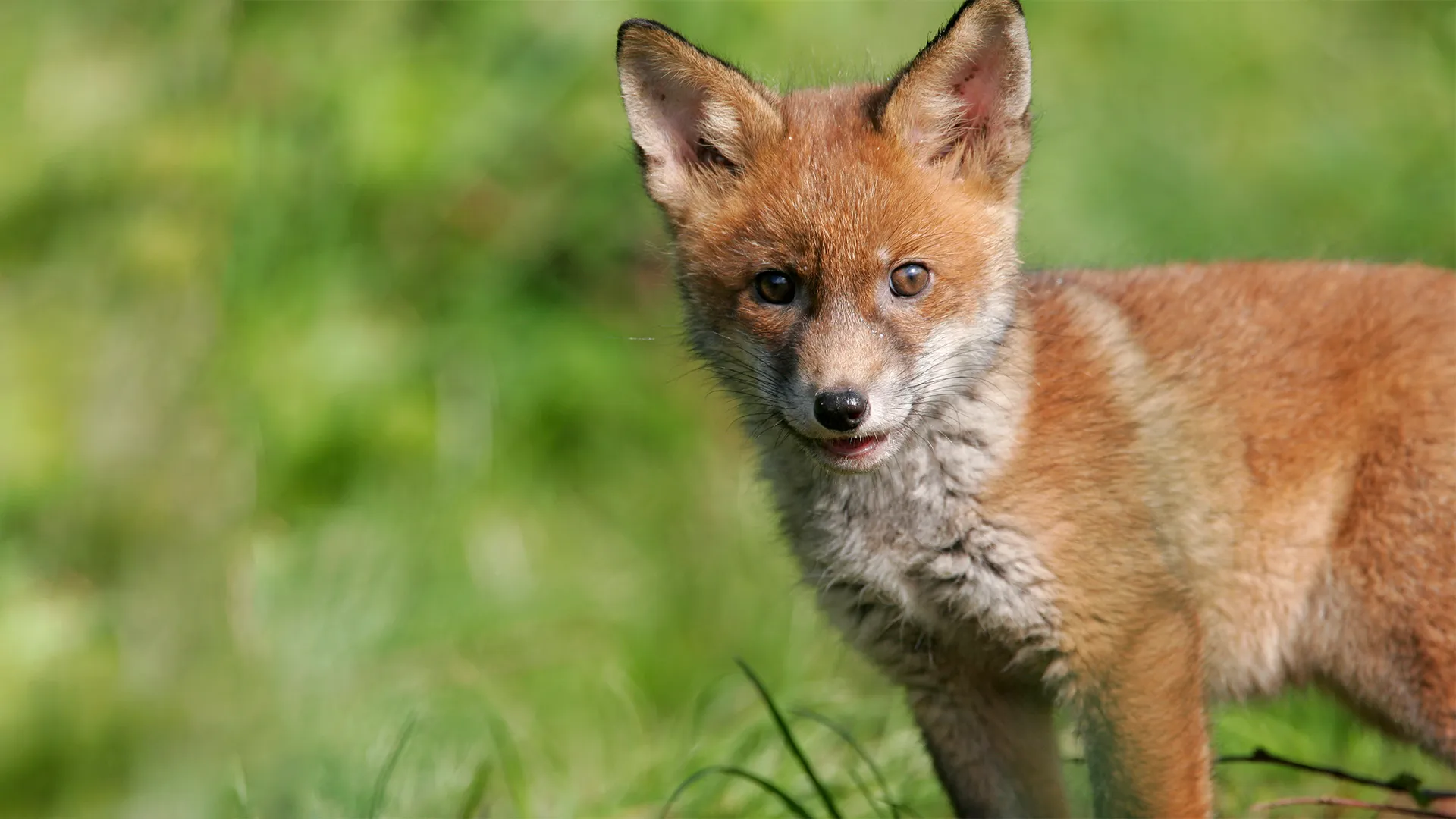
Fox Traps Black Mountain Raise Serious Concern Wildlife conservationists have raised alarm after discovering cruel fox traps on Black Mountain in Belfast. The makeshift traps, built from old shopping trolleys, were found hidden on privately-owned land overlooking the city. Aaron Kelly, founder of the Black Mountain Rewilding Project, described his heartbreak upon finding the devices. One trap had been baited with a dead magpie, designed to slam shut and capture any animal that entered. Kelly suspects hunters set the traps to capture foxes alive, potentially to use them for training young hunting dogs. “What a terrible way to go, and I don’t know what sort of person could do that,” he said. Why Fox Traps on Black Mountain Are a Threat to Wildlife Aaron Kelly launched the Black Mountain Rewilding Project during the first Covid lockdown five years ago. The initiative, which began with weekly litter picks, has since transformed the area by planting trees, increasing woodland cover, and encouraging wildlife to return. One notable success was attracting a barn owl back to the Belfast hills by installing nesting boxes. “This mountain is the last wild place in Belfast,” Kelly explained. “All our work is aimed at making it a better, safer place for wildlife.” The fox traps were discovered just a short distance apart while Kelly was patrolling the lower slopes. “I was hoping to find something positive that day, but instead I found cruelty,” he recalled. Inhumane Snares Endanger Multiple Species Kelly fears that foxes were the primary targets, but other animals—such as badgers, hedgehogs, birds, and even domestic pets—are at risk. The traps have since been removed with the help of a local landowner, and cameras have been installed to monitor the area for any future illegal activity. He recently shared images of the traps on social media, urging an end to such cruel practices. “Killing an animal is one thing, but leaving it to suffer in pain and fear is something else entirely,” he wrote. Belfast Hills Partnership Condemns Wildlife Crime Jo Boylan, operations manager for the Belfast Hills Partnership, strongly condemned the discovery. “Snares are banned and completely inhumane,” she said. “Unfortunately, wildlife crimes like this still happen across the hills.” The Belfast Hills Partnership manages around 5,500 hectares of high ground, including Black Mountain, and works to combat illegal activities such as badger baiting, fly-tipping, and deliberate wildfires. Pinpointing Wildlife Crime Hotspots To better protect the hills, the partnership collaborates with landowners and local groups to record and map criminal incidents. “The more data we have, the better we can protect the hills for the future,” Boylan explained. She praised Aaron Kelly for his dedication to wildlife protection. “Aaron was one of our youth rangers. He’s incredibly passionate about the mountain and the community.”

Read More

Wasps Are Back This Summer – Why Numbers Are Rising

Wasps Are Back This Summer – What’s Behind the Surge? Wasps are back this summer, and the UK is witnessing a sharp rise in their activity due to warm and dry weather conditions. John Horsley, a pest control professional, recently experienced firsthand how troublesome these insects can be when one crawled down his T-shirt and stung him multiple times. According to Horsley, this year has been unusually busy for pest controllers dealing with wasps. He notes that larger nests have appeared earlier in the season, and sightings of wasps around gardens and public spaces have increased. Why Are Wasps Back This Summer in Greater Numbers? Wasps are currently busy raising their young, but later in the season, they often congregate in parks and picnic spots searching for sweet treats before their colonies die out. Horsley explains that wasp populations tend to rise every few years due to specific weather patterns. “This year’s warm and dry conditions have been ideal for them,” he says. The Met Office also reported that this spring was the warmest in over 50 years, a stark contrast to last summer, which was the coolest in nearly a decade. Experts Predict a Strong Wasp Season Professor Seirian Sumner of University College London, one of the world’s leading wasp researchers, believes that all signs point to a thriving wasp season, although official population data will take time to confirm. Based on current weather patterns and the increase in other insect species, her gut feeling is that 2025 will be a “good year for wasps.” The UK is home to around 9,000 wasp species, but only a few, such as the common wasp (Vespula vulgaris), interact regularly with humans. A 2021 poll even ranked them as the second most disliked insect in the UK, just behind spiders. Wasps are back this summer Why Wasps Are Crucial for the Environment Despite their reputation, experts emphasize that wasps are vital to maintaining healthy ecosystems. Professor Sumner describes them as “apex predators” of the insect world. Removing wasps would disrupt the natural balance, leading to unchecked populations of other pests. “They’re natural pest controllers,” she explains. “Wasps play an important role in our gardens, farmland, and wild landscapes by keeping pest insects under control.”Wasps are back this summer. Living Alongside Wasps Without Harm Nikki Banfield from the insect conservation charity Buglife stresses the need to appreciate wasps rather than fear them. “Many people think of wasps as aggressive bees, but they play an essential role in the environment,” she says. Globally, insect populations are declining due to intensive agriculture, pesticide use, and climate change. This decline has serious effects on birds, amphibians, and other wildlife that depend on insects for food. However, the common wasp’s population has remained stable for over a century. Other species like houseflies, cockroaches, and the European hornet are also thriving, with the latter expanding its range northward due to warming temperatures. Sightings of the invasive Asian hornet, which arrived in the UK in 2016, are increasing as well. After a poor year for butterflies in 2024, naturalists are now reporting a resurgence of common butterfly species, as well as an increase in ladybirds, thanks to this year’s warm weather. How to Avoid Wasp Stings For those worried about their picnics being invaded, Banfield suggests leaving a small dish of sweet liquid, like jam or juice, away from where you’re sitting to distract the wasps. It’s also important to remain calm – avoid screaming, waving your arms, or swatting at them, as this can provoke aggression. Wasp stings can be dangerous, especially for those with severe allergies, as they can trigger anaphylactic shock. Horsley advises: “Don’t disturb wasp nests. If they become a problem, seek help from a professional pest control expert.”

Read More

India’s Ancient Dwarf Chambers at Hire Benkal

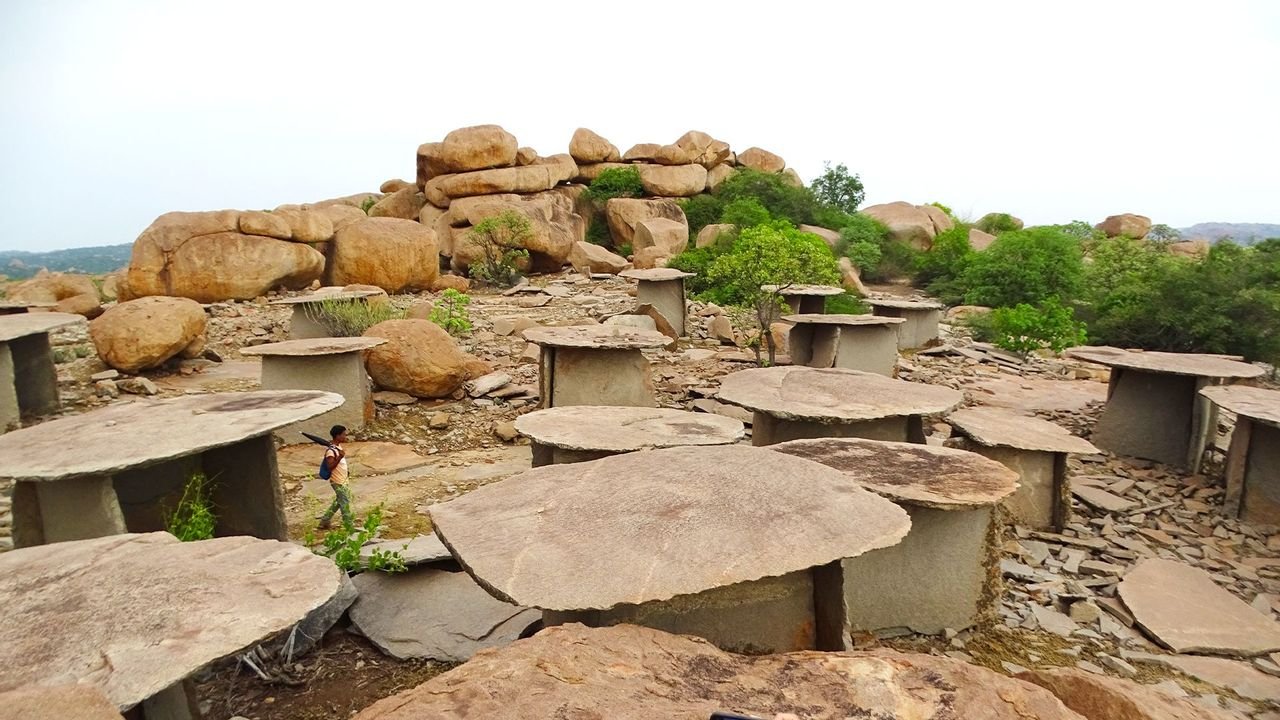
Hire Benkal: Explore India’s Ancient Dwarf Chambers Nestled in Karnataka’s rugged landscape lies Hire Benkal, home to India’s ancient dwarf chambers and one of the country’s largest megalithic burial sites. Locals call it the “Hill of the Dwarfs” (Moryar Gudda in Kannada). This plateau is dotted with nearly 1,000 prehistoric stone structures dating back more than 2,500 years. Hiking up the granite-strewn ridge feels like stepping into a Tolkien-inspired world. Massive dolmen tombs and stone circles dominate the landscape. Natural rock formations add to the view, along with shelters painted in ochre. These artworks, showing hunters, animals, and rituals, date back to 700–500 BCE. Despite decades of research, the true purpose of these mysterious stone chambers remains unknown. Why India’s Ancient Dwarf Chambers Are Called Stonehenge of the South While Stonehenge draws millions of visitors, Hire Benkal remains a hidden treasure. The necropolis spans 20 hectares and features carefully aligned dolmen. Some are clustered around an ancient water basin. Experts believe the basin held ceremonial or astronomical significance. Experts believe these structures served as burial or commemorative sites. Their precision has inspired local myths about supernatural builders called moriyars. According to legend, these extinct dwarfs created the chambers using superhuman strength. The Legend of the Moriyars: Myth or Memory? Villagers still share tales of the moriyars, tiny beings with immense strength. They supposedly built the stone chambers before perishing in a fiery cataclysm. Some legends echo similar folklore across southern India, where sites like Moribetta and Moral Parai also mention “little people.” Archaeologist Srikumar Menon suggests these stories may preserve a cultural memory of extinct human relatives, like Homo floresiensis, discovered in Indonesia. Still, historians agree the megaliths were constructed by early human communities skilled in stonework. A Site at Risk: Vandalism and Neglect Despite its significance, Hire Benkal is largely overshadowed by the nearby UNESCO World Heritage temples of Hampi, just 42 km away. Only a few dozen travelers trek to this site monthly, leaving it vulnerable to vandalism, treasure hunters, and natural decay. Organizations like INTACH are campaigning for UNESCO recognition to ensure conservation. However, experts warn that unregulated tourism could also harm the fragile landscape, emphasizing the need for controlled access and cultural education India’s Ancient ‘Dwarf Chambers’. Why Hire Benkal Deserves Global Attention Hire Benkal is more than an archaeological site—it’s a window into India’s prehistoric past. From its enigmatic dolmen to ancient rock art and rich biodiversity, the site blends history, myth, and nature into an unforgettable experience. As conservationists push for protection, Hire Benkal remains a hauntingly beautiful secret waiting for curious travelers and researchers. Whether these chambers were tombs, ceremonial spaces, or something else entirely, their enduring mystery ensures they remain one of India’s most fascinating heritage sites.

Read More

Weatherproof Holiday: Best Travel Insurance Tips

Why You Should Plan a Weatherproof Holiday The rise in unpredictable weather events is forcing travelers to rethink how they plan a weatherproof holiday. Traditional travel insurance often covers medical emergencies or major cancellations, but it doesn’t always help when heavy rain ruins your beach plans or a heatwave forces you indoors. This is why choosing weatherproof holiday insurance is becoming essential for modern travelers. How a Weatherproof Holiday Can Save Your Trip In September 2024, a group of 18 hikers landed in Nepal for the adventure of a lifetime—a trek to Everest Base Camp. But before they could start, torrential rain hit the Kathmandu Valley, causing widespread flooding and grounding all flights to Lukla for a week.“We were safe, but the trek was impossible,” said Balaram Thapa, CEO of Nepal Hiking Team. Some travelers had insurance that covered hotel costs and canceled flights, but none of it reimbursed the entire cost of the trip. Why Traditional Travel Insurance Falls Short Standard policies usually protect against illness, flight cancellations, or severe disasters. However, as climate patterns shift, travelers increasingly face moderate but trip-ruining conditions such as prolonged rain or extreme heat—situations not typically covered under conventional policies. The Rise of Weatherproof Holiday Coverage Companies like WeatherPromise are changing the game by offering payouts if it rains beyond a set number of hours during your stay. Recently, they even partnered with major hospitality brands like Marriott Homes & Villas to provide rain protection for guests.“Weatherproof coverage is about giving travelers confidence,” said Daniel Price, co-founder of WeatherPromise. They are also exploring options for extreme heat coverage, given recent record-breaking heatwaves across Europe and the US. Travel Insurance Goes Beyond Emergencies The pandemic has shifted traveler behavior, leading more people to invest in flexible coverage. Modern policies now include “travel inconvenience” benefits, compensating travelers for issues like missed cruise ports or accommodations lacking essential amenities like air conditioning.According to Chrissy Valdez of SquareMouth, “Some plans even let you cancel for any reason, which has become more popular since Covid-19.” Check the Fine Print Expanded weather coverage is not universal. Each insurer defines what counts as extreme weather differently. For example: Valdez warns that as unpredictable weather becomes more common, insurers might tighten definitions, making it harder to qualify for payouts. Why Weatherproofing Matters More Than Ever Climate reports predict hotter summers, harsher storms, and unpredictable rainfall worldwide. For travelers, this means more risk of disrupted plans. “As a trek leader for over 20 years, I’m seeing weather-related disruptions more often,” Thapa noted. “Travel insurance needs to evolve to meet these challenges.” Final Tips for Travelers With the right coverage, your dream vacation won’t turn into a weather nightmare.

Read More