Sofia Catherine

Fergana Valley Tourism: Uzbekistan’s Hidden Gem

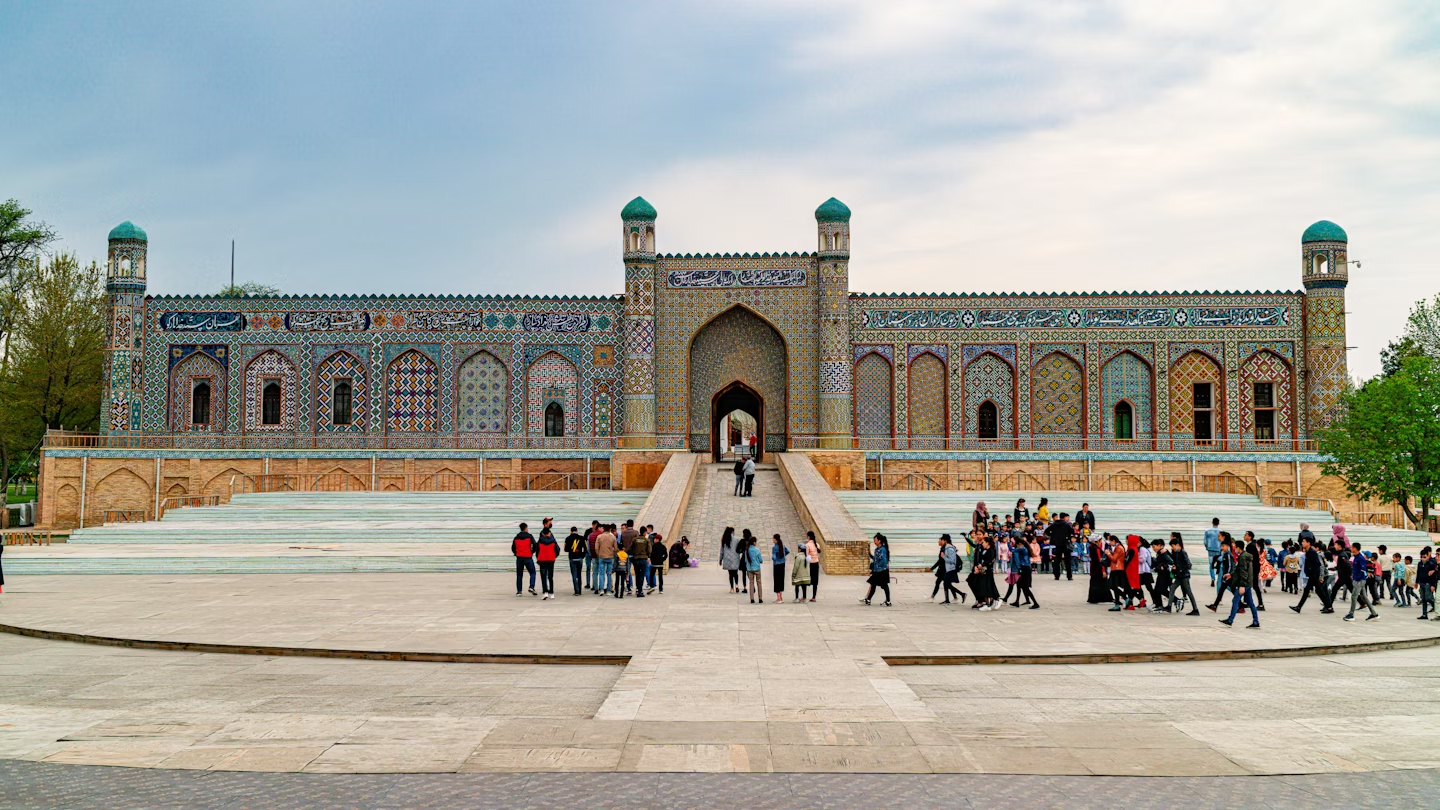
Uzbekistan is rapidly developing its tourism sector, but Fergana Valley tourism remains its cultural heart. This fertile and historic region, surrounded by mountains, offers an authentic Silk Road experience often missed by travelers. It is dawn in Tashkent when the old Soviet train pulls into the station. My journey to the eastern city of Margilan — gateway to the Fergana Valley — begins. Surprisingly, this train is empty of foreign visitors. I sit beside an Uzbek family. The matriarch, Gulnora, wears a beautiful ikat-patterned headscarf. When I say “Ajoyib!” — Uzbek for “great” — she smiles and tells me it was made in the valley. The day before, I visited Tashkent’s historic Chorsu Bazaar and tasted sweet strawberries grown in Fergana. Now, on the train, I offer my last strawberries to the family. Gulnora responds with her own feast — mulberries, apricots, apples, and oranges, all from the valley. Fergana Valley: Heart of Uzbek Culture The Fergana Valley lies across Uzbekistan, Kyrgyzstan, and Tajikistan. It is cradled between the Tien Shan and Alay mountains. The valley’s fertile soil, fed by the Naryn and Kara Darya rivers, has sustained agriculture and culture for centuries. It is also home to Uzbekistan’s three cultural treasures — silk weaving, ceramics, and fruit. Once a thriving hub on the Silk Road, the Fergana Valley connected China, Persia, and the Mediterranean. While cities like Samarkand and Bukhara are tourist hotspots, this valley offers a more genuine cultural experience. Ikat Weaving in Margilan Margilan is the birthplace of Uzbekistan’s famous ikat weaving. Locally known as abrbandi, this technique dates back over 1,000 years. Ikat fabrics — adras, atlas, and baghmal — are still woven by hand here, unlike mass-produced textiles elsewhere. At Yodgorlik, Margilan’s oldest silk factory, silkworms munch on mulberry leaves until they spin delicate cocoons. “We only use cocoons that the larvae leave behind,” says director Luiza Kamolova. “If we harm the larvae, we harm the future of our silk industry.” The process is complex. Artisans wash and bundle the silk threads, then dye them with natural pigments. Onion skins produce yellow, indigo leaves create blue, and pomegranate skins give brown tones. These vibrant fabrics are worn across Uzbekistan — in traditional and modern styles. Rishtan’s World-Famous Ceramics Rishtan, another gem of the valley, is known for its stunning ceramics. A giant ceramic pitcher greets visitors at the city entrance. At Koron, a well-known showroom, I wander among colorful pottery — bowls, jugs, and tiles in rich blue glazes. “Pomegranates bring good fortune,” says Ravshan Tojiddinov, Koron’s founder. “We paint them on ceramics, gift them at weddings, and enjoy them as a reminder that life is both sweet and sharp.” In Rustam Usmanov’s workshop, students craft pottery using Rishtan’s natural clay. Each piece is shaped, dried, coated, and hand-painted with traditional motifs. The second firing locks in the turquoise glaze that defines Uzbek pottery. Fergana’s Fruitful Landscapes The Fergana Valley tourism experience would not be complete without tasting its fruits. Grapevines, cherries, and apricots grow everywhere. At Fergana city’s market, rows of peaches, apples, and fragrant strawberries line the stalls. “Everything here was picked this morning,” says one vendor. “We grow for our families first, then for the market.” The valley’s rich soil and sunny climate make its fruit some of the best in Central Asia. Why Fergana Valley Tourism is Worth It The Fergana Valley is not about staged tourist attractions. Ikat textiles, ceramics, and fruit are part of daily life. At a small stall near Margilan station, an elderly woman sells fresh mulberries in hand-painted bowls. This moment captures the valley’s beauty — a living culture untouched by mass tourism. For travelers seeking authentic Uzbekistan, the Fergana Valley is a must-visit destination.

Read More

Terror Bird Killed by Reptile 13 Million Years Ago

A fossilized leg bone with distinct teeth marks sheds light on a dramatic prehistoric encounter. “Evidence suggests that a reptile killed a terror bird about 13 million years ago.”These fearsome birds stood taller than most humans. They were apex predators with powerful legs and hooked beaks designed to rip flesh. Palaeontologists in Colombia analyzed the fossil and matched the bite marks to a large caiman, a crocodile-like predator. Using advanced 3D digital scans of the puncture marks, scientists recreated what they believe was a “battle to the death.” The terror bird likely did not survive this fight. Prehistoric Battle: How a Terror Bird Was Killed by a Reptile “Researchers compared the scans to skulls and teeth of crocodilian species preserved in museum collections.” This study, published in Biology Letters, provides rare evidence of an encounter between two extinct top predators during the Middle Miocene era. The fossilized leg bone was unearthed over 15 years ago in Colombia’s Tatacoa Desert. This terror bird once roamed swampy landscapes millions of years ago. Standing nearly 2.5 meters tall, these birds used their strong legs and hooked beaks to subdue and rip apart prey. Was the Terror Bird Killed by a Reptile or Just Scavenged? The bite marks strongly suggest a violent attack. Yet, researchers cannot confirm if the caiman hunted and killed the bird or scavenged its remains. “There is no sign of healing around the bite marks,” said lead researcher Dr. Andres Link from Universidad de Los Andes in Bogotá, Colombia. “If the bird was alive during the attack, it did not survive. “That was likely the last day it walked this planet — until researchers discovered its remains 13 million years later.” Tatacoa Desert: A Fossil Treasure Trove The Tatacoa Desert, famous for its Middle Miocene fossil deposits, was once a humid wetland. Over time, river sediments preserved animal remains, creating a fossil record that reveals the ecosystem’s past. “Local fossil collector César Augusto Perdomo found the leg bone of the terror bird.” He has contributed greatly to cataloging the region’s ancient remains. During an examination of his collection, researchers identified the bone fragment as belonging to a terror bird — a rare and remarkable discovery. Terror bird killed by reptile. The Significance of the Discovery Terror bird fossils are exceptionally rare, which makes this find valuable and fascinating. The puncture marks show a violent encounter with another predator, most likely a massive caiman. These findings provide insight into predator-prey dynamics in prehistoric South America. “This discovery gives us a rare glimpse into the life-and-death struggles of ancient ecosystems,” Dr. Link said. “It proves that even apex predators like terror birds were not invincible.”ike terror birds were not invincible.”

Read More

Underwater bushfire Australia and the Future of Coral Reefs

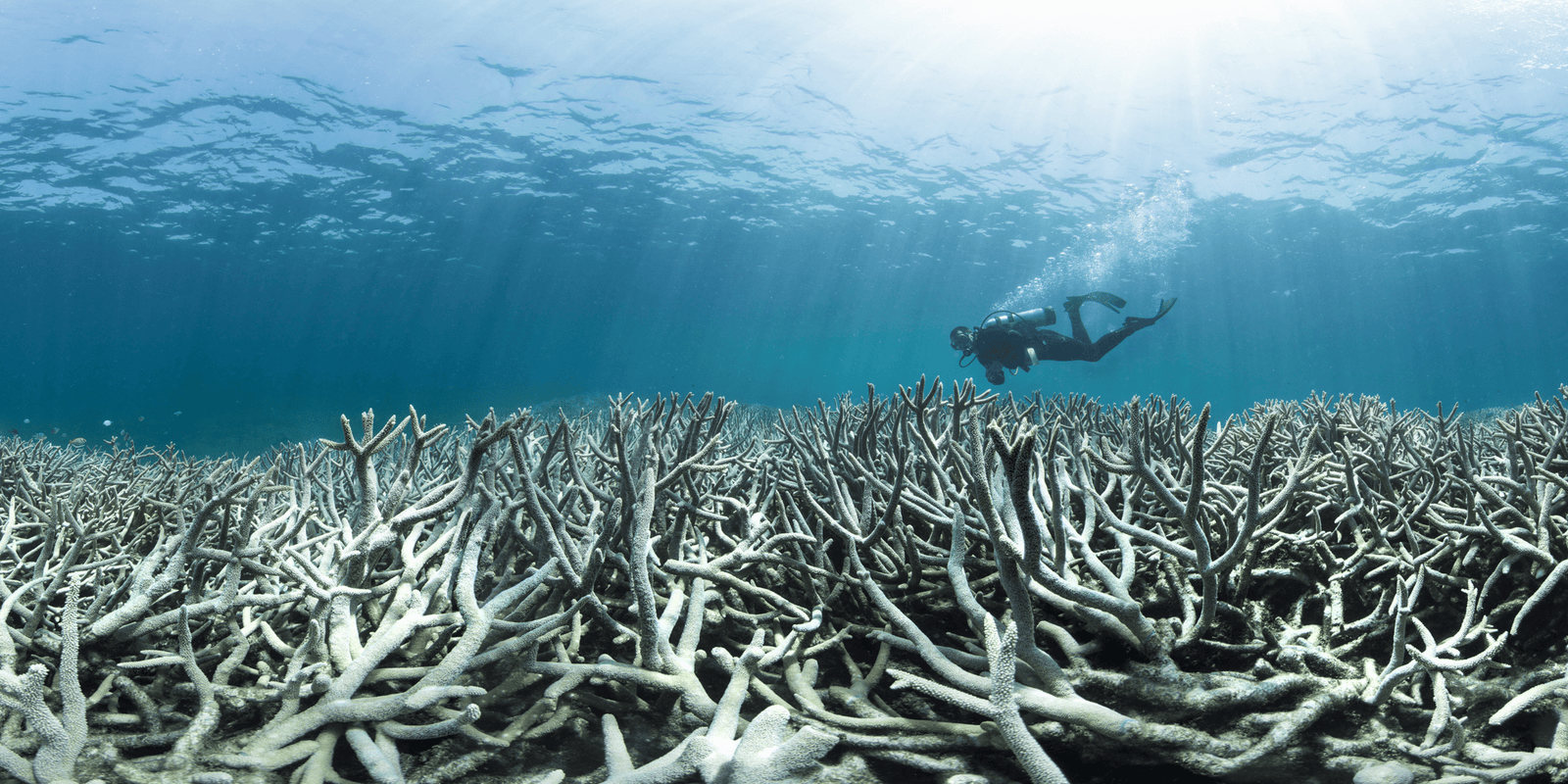
Underwater bushfire Australia is the alarming phrase experts are using to describe the ongoing coral bleaching crisis devastating the nation’s reefs. Australia is home to some of the most iconic natural wonders on Earth. The Great Barrier Reef, stretching along the north-east coast, is celebrated as the world’s largest coral reef system and a UNESCO World Heritage Site. Known for its vibrant marine biodiversity, it is often described as a diver’s paradise. However, on the opposite side of the country lies another natural marvel: Ningaloo Reef, located along Western Australia’s north-western coastline. While not as globally famous, Ningaloo holds its own record-breaking title — it is the largest fringing reef on the planet and is also recognized as a UNESCO World Heritage Site. Just 14 hours north of Perth, Ningaloo’s turquoise waters are lined with coral gardens that stretch for hundreds of kilometers, attracting manta rays, reef sharks, and the world’s largest fish, the whale shark. But this spectacular ecosystem is now under threat. Underwater Bushfire Australia: Marine Heatwave Threatens Ningaloo This year, Ningaloo has faced unprecedented stress due to a powerful marine heatwave. Rising ocean temperatures have caused the corals to turn white, a phenomenon known as coral bleaching. While some corals may recover if conditions improve, scientists are concerned that many may not survive. What makes this event alarming is that for the first time in recorded history, both Australia’s western and eastern reef systems — Ningaloo and the Great Barrier Reef — have suffered bleaching at the same time. “It’s like a raging underwater bushfire that’s been burning for months,” says Paul Gamblin of the Australian Marine Conservation Society. “The scale of damage is shocking and far from normal.” Underwater Bushfire Australia – How Did This Crisis Start? The marine heatwave impacting Ningaloo began in the Caribbean in 2023 before moving through the Indo-Pacific region, leaving damaged coral ecosystems in its wake. By 2024, the Great Barrier Reef had already experienced bleaching, and now Ningaloo is facing the same fate. This phenomenon is part of the fourth global coral bleaching event, which experts say has affected more than 80% of coral reefs worldwide. Dr. Kate Quigley, a principal research scientist at the Minderoo Foundation, explains that corals rely on tiny algae called zooxanthellae living inside their tissues for survival. “When water temperatures rise beyond a certain point, this relationship breaks down, leading to bleaching. It’s similar to when our own body systems malfunction due to illness,” she says. What’s more concerning is the prolonged heat stress observed this year. Normally, water temperatures cool after summer, but this time, elevated temperatures have persisted well past April. Why Ningaloo’s Future Looks Fragile “In past bleaching events, corals had time to recover as water temperatures dropped,” says Dr. Quigley. “This time, if the heat continues, we could see mass coral mortality in the coming months.” Government agencies, including Western Australia’s Department of Biodiversity, Conservation and Attractions, are conducting follow-up surveys to assess coral survival. Dr. Tom Holmes, the department’s Marine Science Programme Leader, notes: “Some corals can remain bleached for months and still recover, but we’ll only know the full impact after further monitoring.” For divers and tourists visiting Ningaloo, the visual damage is already striking. “It was like snorkelling over a ghost reef,” says traveler Jenna-Rae Clark. “The colours and life were gone.” Local residents fear the decline could deter tourism, which supports around 200,000 visitors annually. “There are still stunning areas of the reef worth exploring,” says conservationist Sara Morgillo. “But witnessing this damage firsthand is both heartbreaking and eye-opening.” Climate Change and Carbon Emissions – The Root Cause Scientists agree that rising carbon emissions are the primary driver of marine heatwaves. According to NASA, the oceans absorb 90% of global warming, with the past decade being the warmest since records began. Adding to the challenge is the presence of the North West Shelf gas project, one of the world’s largest fossil fuel operations, located not far from Ningaloo. The Australian government’s decision to extend the project’s lifespan until 2070, along with plans for new gas exploration, has sparked criticism from environmentalists. “The idea of approving more fossil fuel projects while reefs like Ningaloo are dying is incomprehensible,” says Gamblin. “These ecosystems are as valuable as the Amazon or the Serengeti, yet they’re being sacrificed.” Can We Save Ningaloo? While tackling climate change remains the ultimate solution, scientists are working on local conservation efforts. At the University of Queensland, Dr. Chris Roelfsema is using drone imaging to map coral health, helping to monitor recovery patterns. Individual actions also matter. “Reducing fossil fuel use, voting for leaders who prioritize renewable energy, using public transport, and cutting down on energy consumption all make a difference,” Dr. Roelfsema says. Meanwhile, Dr. Quigley and her team are experimenting with selective breeding of corals to identify heat-resistant strains. By raising coral “babies” in controlled conditions, they aim to repopulate reefs with species better suited to warming oceans. Underwater bushfire Australia. However, she admits this is not a long-term solution. “We can’t restore every reef on Earth this way. The real solution is cutting emissions.” A Race Against Time Despite being underwater, coral reefs play a vital role in protecting coastlines, supporting marine life, and sustaining human livelihoods. They act as natural barriers against storms, provide food for millions, and generate billions in tourism revenue globally. “Reefs are the rainforests of the ocean,” says Gamblin. “If we lose them, we lose a huge part of the planet’s life support system.” The ongoing underwater bushfire cooking Australia’s reefs is a stark warning of what’s to come if action isn’t taken. Without immediate global efforts to curb carbon emissions, iconic ecosystems like Ningaloo and the Great Barrier Reef may not survive the century. Underwater bushfire Australia.

Read More

Manx Dance at Welsh Festival Highlights Island Heritage

Joy of Manx Dance at Welsh Festival A vibrant display of Manx dance at Welsh festival events captivated audiences, showcasing the rich heritage and cultural pride of the Isle of Man. The renowned dance troupe Perree Bane performed in lively settings — from train platforms to bustling streets and even at a local school — as part of the Llangollen International Musical Eisteddfod, held between 9 and 13 July. The group’s presence added a unique Celtic flair to the festival, connecting audiences with the history and tradition behind Manx music and dance. Their performances were more than entertainment; they were a celebration of identity, heritage, and community spirit. Cultural Bridges Through Manx Dance at Welsh Festival Based in Castletown, Perree Bane boasts nearly 50 performers spanning multiple generations, united by their passion for preserving traditional Manx culture. The name “Perree Bane” translates to “white jacket” in Manx Gaelic, referring to the group’s traditional costume. Male dancers wear the iconic white jacket alongside Loaghtan wool trousers, which pay homage to the native sheep of the Isle of Man. The troupe emphasized that their performances are not only about dance but about sharing the island’s history with the world. “We want people to feel a piece of the Isle of Man’s culture,” one member said. “Dance is our language, and it speaks across borders.” Inspiring Young Dancers with Manx Dance A standout moment of the group’s Welsh tour was an interactive workshop at a local high school. Students were introduced to basic Manx dance steps, guided by the experienced performers. “It was wonderful to see the excitement on the students’ faces,” said Ben Harris, chairman of Perree Bane. “They embraced the challenge and wanted to learn more about our culture. These moments remind us how music and dance have the power to unite Celtic nations and beyond.” Street Performances and Cultural Exchange of Manx Dance Perree Bane also brought Manx traditions to the streets, drawing crowds with their rhythmic footwork and traditional melodies. “It’s not every day that you dance in heavy wool under the hot summer sun,” joked choreographer Carol Hayes, “but seeing the joy and curiosity in the audience made it all worthwhile.” Supported by the Isle of Man Arts Council, the trip highlighted the importance of cultural exchange in today’s world. Events like these create lasting connections, spark interest in heritage, and ensure that traditional music, storytelling, and dance remain alive for future generations. Preserving the Legacy of Manx Dance Manx dance is an integral part of the Isle of Man’s cultural identity. Rooted in Celtic traditions, these dances have been performed for centuries at community gatherings, festivals, and seasonal celebrations. Perree Bane plays a crucial role in reviving and modernizing these dances while staying true to their origins. Their participation in international festivals like Llangollen reflects the growing global interest in Celtic arts. By sharing these traditions abroad, the troupe helps to preserve and strengthen the cultural links between the Isle of Man and other nations. The Future of Manx Dance with Perree Bane Following the success of their Welsh performances, Perree Bane plans to continue touring and offering workshops in other countries. The troupe is also committed to training the next generation of Manx dancers through community classes and youth programs on the island. “Keeping our traditions alive means passing them on,” Harris said. “Every child who learns a Manx step or song helps keep the spirit of our culture thriving.”

Read More

AI App for Potato Blight: Tackling £3.5bn Crop Losses

AI App for Potato Blight to Support Farmers Researchers in Wales are developing an AI app for potato blight to combat the devastating fungal disease. Potato blight causes £3.5bn in global losses each year. This innovative tool will detect infections before they become visible. It will help farmers reduce crop damage, boost productivity, and cut harmful pesticide use. How the AI App for Potato Blight Technology Works The DeepDetect project uses artificial intelligence and machine learning to provide accurate, location-based diagnoses. Farmers can upload smartphone images of potato leaves to the app. It will then analyze the images to identify early signs of late blight. Detecting infections early allows farmers to prevent widespread damage. “By integrating farmer feedback from the beginning, we aim to build a tool that solves real agricultural challenges,” explained Edore Akpokodje, a computer science lecturer at Aberystwyth University. Reducing Environmental Impact Preventive pesticide spraying costs Welsh farmers around £5.27m each year. With precise and early interventions, the AI app could lower these costs and cut chemical use. Potatoes are among the world’s most vital staple crops.Farmers in Wales grow potatoes on over 17,000 hectares of land. Future Plans for the AI App The research team is developing a prototype using extensive image datasets of healthy and infected potato plants. Once refined, this technology could form the basis of a national early warning system. It also has potential applications for other crops and regions worldwide. Aiswarya Girija from the Institute of Biological, Environmental and Rural Sciences at Aberystwyth University said, “Potato blight isn’t just an agricultural issue—it’s a global food security challenge.” “With AI, we can protect yields and ensure sustainable food production.”

Read More

Filipino Sea Cucumber Comeback

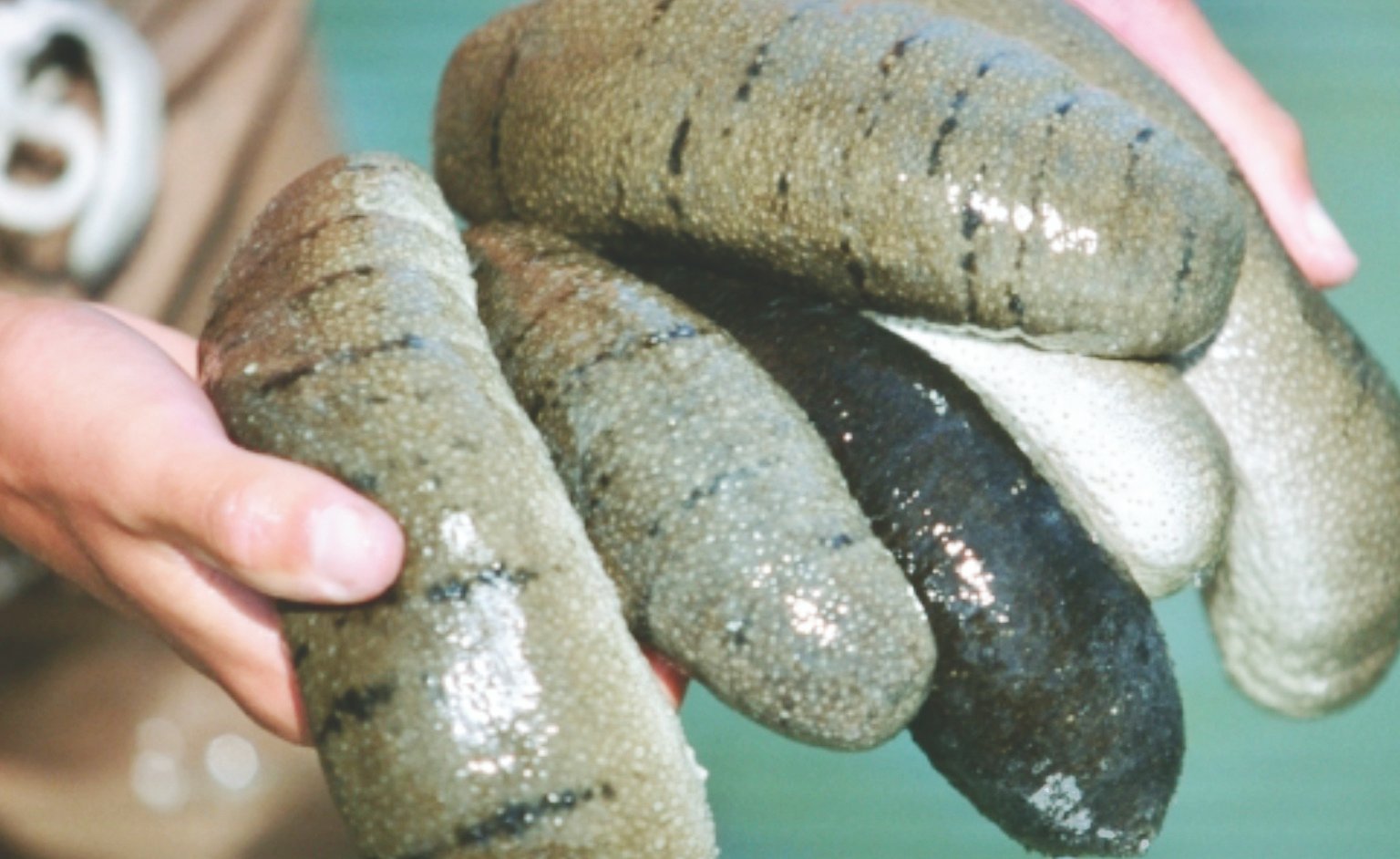
Filipino Sea Cucumber Comeback in Bolinao The Filipino sea cucumber comeback is transforming the coastal waters of Bolinao, Philippines. Once abundant, these “janitors of the sea” are returning thanks to local fisherfolk, especially women, who are leading sustainable sea ranching efforts. Aweng Caasi, a 61-year-old widow, spends hours guarding a sea cucumber ranch. Her late husband, Ka Artem, helped start the project nearly 20 years ago. Now, Caasi continues his legacy by protecting and nurturing the creatures. Why the Sea Cucumber Comeback Matters for Marine Life Sea cucumbers, locally called balat or balatan, have been harvested in Asia for centuries. They are prized for their culinary and medicinal value. In Chinese cuisine, some dried species are considered delicacies worth thousands of dollars per kilogram. Beyond their market value, sea cucumbers are vital to marine health. They clean the seafloor by eating organic waste and recycling nutrients. Their presence improves sediment quality and supports coral reefs. Filipino Sea Cucumber Decline and Fresh Start In the 1980s, the Philippines led the world in sea cucumber exports. Fisherfolk in Bolinao could collect up to 100kg per person daily. By 2002, catches had dropped to just 2.5kg per person due to overfishing. To revive the population, the University of the Philippines Marine Science Institute (UPMSI) partnered with locals. They developed hatcheries and sea ranching systems to allow young sea cucumbers to grow safely before being released. Women at the Heart of Conservation Women like Aweng Caasi, Marivic Carolino, and Gemma Candelario lead much of the work. They guard the ranch, monitor growth, and protect the sea cucumbers from poachers. “We want to restore them so they can multiply,” says Caasi. Sea Ranching: A Sustainable Approach The process begins at hatcheries, where larvae grow to 4mm, the size of a grain of rice. They are then transferred to floating nets, called hapas, where they feed on algae and bacteria. Once they reach the size of a thumb, they move to ocean nurseries for further growth. Finally, they are released into a larger ranch area to breed and reach a market weight of 320g. This careful cycle happens twice a year, ensuring a steady population increase. Economic and Environmental Impact The ranch’s population has grown from a few hundred to more than 4,400 sea cucumbers per hectare. This growth also attracts other marine life like fish, crabs, and shrimp. The creatures clean the seabed, which benefits the entire ecosystem. Though income from sea cucumber farming is modest, the ecological impact is huge. A new ordinance in 2025 declared Bolinao’s sea cucumber farms as exclusive reserves. This ensures sustainable harvesting and financial support for local communities. A Legacy of Resilience For the women involved, this project is about purpose as much as income. “I’m happy to see them grow bigger and multiply,” says Candelario. Caasi adds, “My husband’s work lives on. As he always said, ‘No retreat, no surrender.’”

Read More

Old Dubai Historic Streets Beat Extreme Heat with Passive Cooling

Old Dubai Historic Streets and Their Cooling Secrets Long before modern air-conditioning, Old Dubai historic streets used ingenious passive cooling techniques to keep homes comfortable in the desert heat. Today, these traditional methods are making a strong comeback as architects and urban planners look for sustainable ways to combat rising global temperatures. The Al Fahidi Historical Neighbourhood, with its shaded lanes and tall wind towers, showcases how traditional architecture could tame the desert’s relentless sun. Built centuries ago, these streets remain a model of energy-efficient design. Architectural Wisdom of Al Fahidi in Old Dubai Walking through Al Fahidi, one immediately feels the difference. The narrow sikkas (alleys) provide constant shade, while tall walls and wind towers—called barjeels—capture and channel cool breezes into homes. This natural ventilation system can lower indoor temperatures by up to 10°C without any mechanical aid. Parts of Al Fahidi date back to the 1700s. These designs are inspiring modern architects who want to create cities that stay cool naturally, even in extreme heatwaves. Old Dubai Historic Streets and Passive Cooling Techniques The original settlers of Dubai designed homes with features like enclosed courtyards, coral stone walls, and latticed windows (mashrabiyas) that promoted airflow and privacy. “Our ancestors created a holistic architectural system that used natural elements to manage heat and airflow,” says Ahmed Al-Jafflah, a cultural heritage expert. Courtyards act as natural thermal regulators. At night, cool air descends into the courtyard and circulates into adjacent rooms, while mashrabiyas block harsh sunlight but allow cross-ventilation. Studies show these features can reduce energy use for cooling by up to 18%. Reviving Old Designs for Modern Cities Modern urban projects in the UAE, like Masdar City in Abu Dhabi, incorporate Old Dubai passive cooling techniques. The city’s narrow streets and wind towers reduce heat absorption and create microclimates that are up to 10°C cooler than surrounding areas. As a result, Masdar City consumes 40% less energy than conventional developments. Residential complexes like Madinat Jumeirah also feature modern barjeels, narrow walkways, and greenery to maximize shade and airflow. Even religious and cultural buildings, like Khalifa Al Tjer Mosque, adopt wind-catching features to reduce dependency on artificial cooling. Global Influence of Emirati Design Dubai’s historic cooling strategies are now influencing architecture worldwide. The Louvre Abu Dhabi uses a mashrabiyas-inspired dome to filter sunlight. In London, the Royal Chelsea Hospital employs wind-catching concepts, while similar techniques appear in buildings in the US, Japan, and India. Old Dubai historic streets. “These approaches can be adapted globally by tailoring designs to local climates,” notes sustainable architecture researcher Sherihan Alshahed. “By combining traditional techniques with modern technology, we can reduce energy consumption and mitigate climate challenges.” A Sustainable Future Inspired by the Past The enduring wisdom of Old Dubai’s architecture demonstrates that cooling cities sustainably does not require high-tech solutions. “Understanding the environment and working with it, not against it, is key,” says Vrushali Mhatre, an interior design professor. “These passive techniques offer a roadmap for the future of eco-friendly urban living.”

Read More

OpenAI UK AI Deal to Transform Public Services

OpenAI UK AI Deal Announced for Public Services The OpenAI UK AI deal marks a significant step towards integrating artificial intelligence into public services. OpenAI, the company behind ChatGPT, has partnered with the UK government to boost productivity and modernize sectors like education, defence, healthcare, national security, and the justice system. The deal, formalized with the Department for Science, Innovation and Technology, may give OpenAI controlled access to selected government data for research and development. Technology Secretary Peter Kyle emphasized AI’s role, calling it “a fundamental force driving transformation” and a key driver of economic growth. OpenAI UK AI Deal: Focus on Safety and Ethics The memorandum of understanding highlights the need to improve knowledge of AI’s capabilities while addressing potential security risks. Both sides are committed to building safeguards that protect citizens’ privacy and ensure that AI adoption aligns with democratic values. OpenAI CEO Sam Altman welcomed the partnership. “AI is a core technology for nation building. It can transform industries, foster innovation, and deliver prosperity for everyone,” he said. Boosting Economic Growth with AI The agreement comes as the UK faces economic challenges, with growth expected to remain weak at 0.1% to 0.2% in the April-June quarter. By working with global AI leaders, the government hopes to position the UK as a leading hub for advanced AI research and development. Earlier this year, it signed similar deals with Google DeepMind and Anthropic, showing a strong commitment to AI-driven progress. Generative AI and Challenges Generative AI platforms, like ChatGPT, can produce text, images, music, and videos based on user prompts. These systems use massive datasets sourced from books, films, and digital media. However, they raise concerns about copyright, data ownership, and the risk of creating misleading content. Critics urge policymakers to implement strict guidelines to prevent misuse. They stress that AI should complement, not replace, human decision-making. Impact on Public Services The OpenAI UK AI deal could transform public services with AI-powered tools for healthcare, such as automated diagnostics and predictive analytics. In education, AI could create personalized learning paths and reduce administrative tasks. Legal and justice systems may benefit from AI-based data analysis, which can streamline case management and clear backlogs. Future Outlook Experts believe this partnership will accelerate the UK’s efforts to use AI responsibly. As adoption grows, the government plans to launch training programs and workshops to prepare the workforce. The ultimate goal is to balance innovation with ethical practices and public trust..

Read More

Queen Elizabeth II Fashion Exhibition to Celebrate Her Legacy

Iconic Outfits on Display A grand Queen Elizabeth II fashion exhibition will open at Buckingham Palace next year. It will celebrate the centenary of the late monarch’s birth. The event will showcase around 200 curated pieces, including dresses, jewellery, hats, and shoes. It is expected to be the largest display of her iconic wardrobe. One of the main highlights is her legendary wedding dress from 1947, designed by Sir Norman Hartnell. The exhibition, titled Queen Elizabeth II: Her Life in Style, will give visitors a close look at her fashion journey. It will span her childhood to the decades of her historic reign. Queen Elizabeth II Fashion Exhibition: Chronicling a Century of Style The exhibition opens at the King’s Gallery at Buckingham Palace next spring. It will explore the Queen’s life through the outfits she wore for public appearances and personal occasions. The Royal Collection Trust, which preserves her wardrobe, curated the collection. Among the earliest items is a silver lamé and tulle bridesmaid dress. She wore it at eight years old during her uncle, the Duke of Kent’s wedding in 1934. The display also includes casual attire such as hacking jackets, tartan skirts, and signature headscarves. Fashion as Diplomacy and Personal Expression Queen Elizabeth II used fashion to send subtle diplomatic messages. A notable example is the green and white gown worn at a 1961 state banquet in Pakistan. The dress included the country’s national colours, reflecting her attention to detail and respect for local traditions. Visitors will also find printed dresses from the 1970s, design sketches, and personal notes. These items offer insight into her personal style and collaboration with designers. Celebrating Queen Elizabeth II’s Timeless Fashion Legacy “In the year that she would have turned 100, this exhibition celebrates Queen Elizabeth’s uniquely British style and fashion legacy,” said curator Caroline de Guitaut. She explained that the display highlights both the craftsmanship of each garment and the symbolic power of her wardrobe. Designers Behind Queen Elizabeth II Fashion Exhibition Looks The exhibition honours the designers who shaped her signature style. Sir Norman Hartnell, Hardy Amies, and Stewart Parvin played key roles. They ensured her attire was both elegant and functional, suitable for every royal occasion. Global Influence of Her Style Queen Elizabeth II’s outfits inspired women worldwide. Her bold use of bright colours made her stand out in crowds. Her signature Launer handbags and pearl necklaces became global fashion symbols. Modern royals, like Catherine, Princess of Wales, continue to draw inspiration from these timeless choices. A Glimpse into Royal History The Queen Elizabeth II fashion exhibition is more than a display of clothing. It is a journey through her life, history, and diplomacy. Each piece reflects her personality, values, and role as a global icon. The exhibition is expected to be one of the most significant cultural events of the year.

Read More

Australia Toxic Algae Bloom Declared a ‘Natural Disaster’

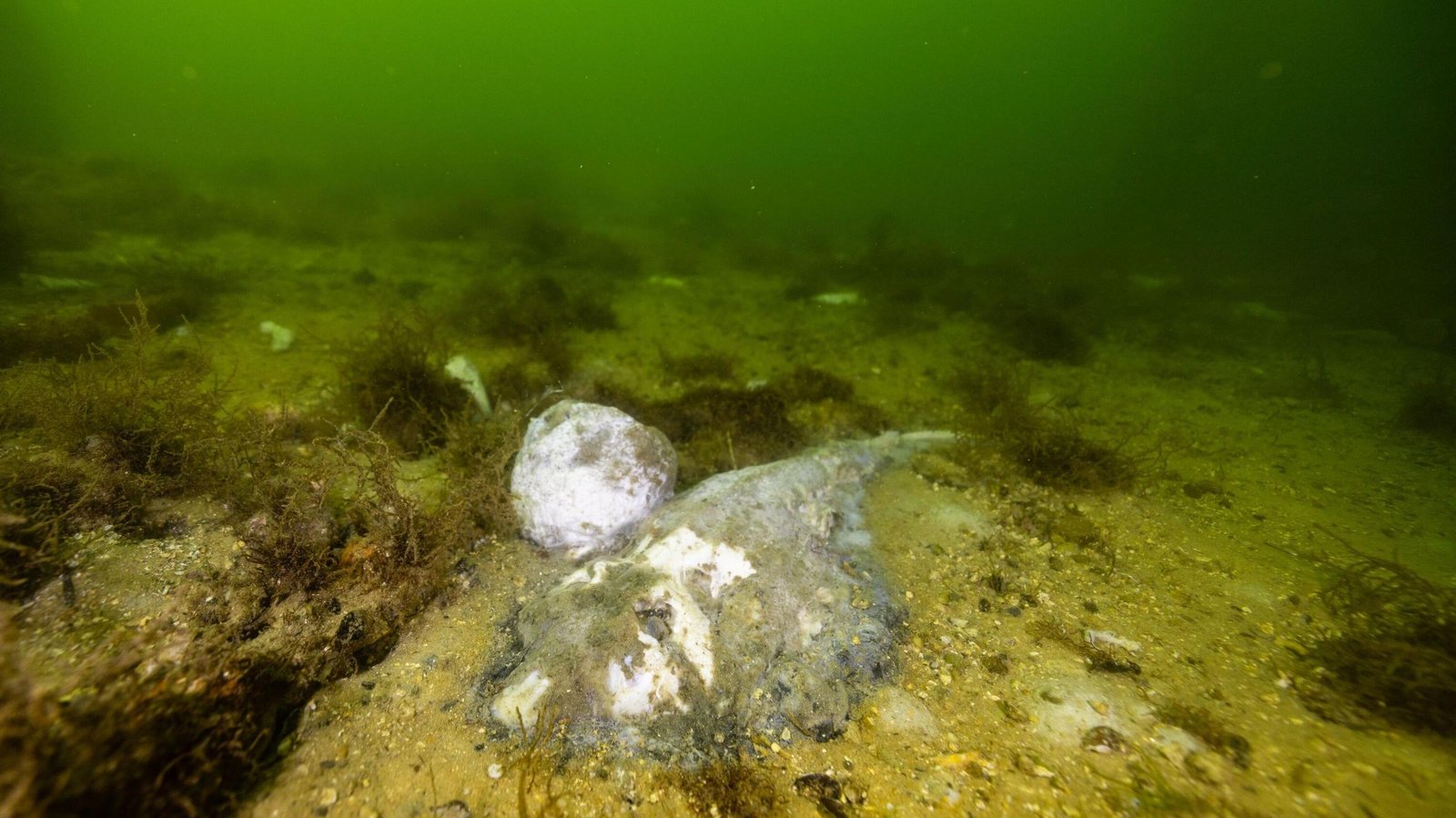
Marine Life Devastated by Australia Toxic Algae Bloom An Australia toxic algae bloom has turned South Australia’s once-clear waters into a toxic green, suffocating marine ecosystems and killing over 400 species of marine life. South Australian Premier Peter Malinauskas has called the crisis a “natural disaster,” emphasizing the massive scale of destruction since the bloom began in March. Stretching from Coorong to the Yorke Peninsula, the algae now covers an area twice the size of the Australian Capital Territory. The disaster is crippling fishing industries and hurting local businesses that rely on healthy marine environments. Australia Toxic Algae Bloom: Funding Response and Political Dispute The federal government announced an A$14 million ($9m; £6.7m) relief package for research, cleanup efforts, and struggling industries. However, it refused to label the algae outbreak a formal natural disaster. That term is usually reserved for cyclones, bushfires, and floods, which trigger greater federal intervention. Premier Malinauskas criticized the federal stance, stating:“This crisis represents a natural disaster, and leaders must acknowledge it. Politicians harm their credibility when they focus on technicalities.” The South Australian government has pledged to match the A$14 million contribution to boost cleanup and recovery efforts. Climate Change and Environmental Impact Although algal blooms can occur naturally, experts link this outbreak to ocean warming, prolonged marine heatwaves, and nutrient pollution. These factors, all intensified by climate change, have made the bloom worse. Environmentalists warn that without immediate action, more severe and frequent blooms will likely occur. Criticism from Environmental Leaders Greens Senator for South Australia Sarah Hanson-Young accused the federal government of downplaying the crisis.“If this toxic algal bloom was wreaking havoc on Bondi Beach or Sydney’s North Shore, the prime minister would already be on site,” she said. Federal Environment Minister Murray Watt admitted the situation is “incredibly disturbing” but argued it does not meet the legal definition of a natural disaster. Economic Fallout and Local Desperation The algae bloom has devastated local fisheries, leaving many operators without income for months. Ian Mitchell, a middleman between fishers and retailers, said:“I’ve got fishermen in tears on the phone. Some haven’t earned a cent in three months.” Brad Martin of OzFish, a non-profit focused on fish habitat protection, described the scene:“It is like a horror movie for fish.” Dead marine life now lines parts of the South Australian coastline, underscoring the scale of the ecological crisis. Australia toxic algae bloom.

Read More