Sofia Catherine

What Santiago’s Camino Pilgrims Often Miss Beyond the Cathedral

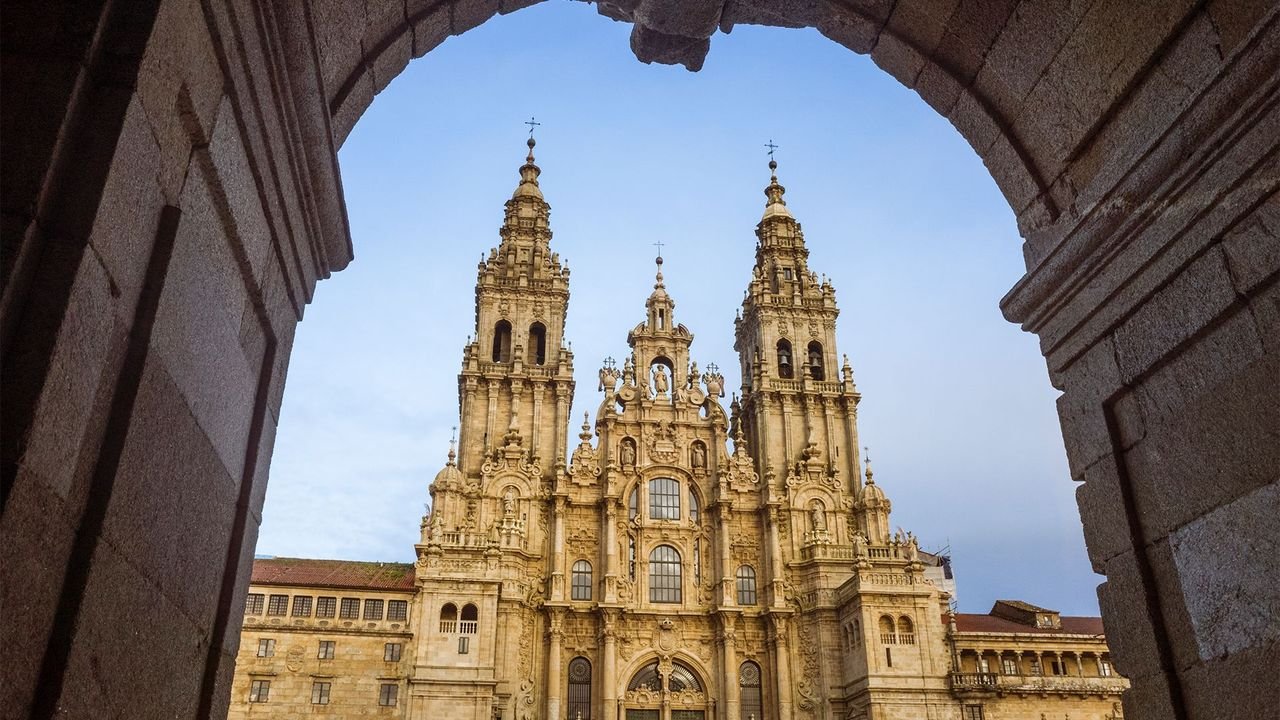
What Santiago’s Camino Pilgrims Often Miss Beyond the Trail Every year, nearly half a million people travel the Camino de Santiago, a famed pilgrimage route through the lush hills of Galicia in north-west Spain. Pilgrims walk for weeks—sometimes months—driven by faith or self-discovery. But what Santiago’s Camino pilgrims often miss is the vibrant life that awaits beyond the cathedral—an artistic, cultural, and modern side of the city that most never take time to explore. But once they arrive in Santiago de Compostela, many rush through the historic city. They snap a photo at the cathedral and quickly leave. What Santiago’s Camino pilgrims often miss is the city’s deeper charm—its vibrant cultural life, contemporary art, youthful spirit, and peaceful corners. How Modern Travel Reveals What Santiago’s Camino Pilgrims Often Miss Today, pilgrims no longer need to walk or fly to reach this remote corner of Spain. Since 2021, a high-speed AVE train connects Santiago to cities like Madrid. These sleek trains glide across the country at up to 330km/h. Travelers now arrive relaxed and without blisters. The railway has boosted domestic tourism while cutting down short regional flights. This new accessibility invites more people to discover what Santiago’s Camino pilgrims often miss: a modern city with many layers of identity. What Santiago’s Camino Pilgrims Often Miss: The City of Culture’s Futuristic Welcome As the train enters the city, it’s not the cathedral that first grabs your attention. Instead, the City of Culture towers above, perched on Mount Gaiás. Its flowing lines and glass walls stand in sharp contrast to the old town. Built as a “beacon for pilgrims of knowledge,” this bold complex hosts museums, gardens, and cultural exhibitions. Inside the Gaiás Centre Museum and nearby venues, exhibits explore themes of art, tattoo culture, and Galician innovation. This modern art hub is something most pilgrims never even notice. A Youthful Energy in a Historic Setting What Santiago’s Camino pilgrims often miss is its student heartbeat. One in four residents is connected to the University of Santiago de Compostela, which dates back to 1495. Students and creatives breathe life into the city. They host pop-up galleries, perform in medieval squares, and fill centuries-old churches with photography and music. As you stroll Santiago’s cobbled lanes, don’t be surprised to hear jazz around one corner and see street art around the next. The fusion of youth and heritage gives Santiago its unique rhythm. Discovering Art and Architecture Off the Beaten Path Santiago offers more than its famous cathedral square. Many cultural spaces remain untouched by crowds. Take the Galician Centre for Contemporary Art (CGAC), for example. Housed in a simple granite building, it showcases colorful works by artists like Mar Caldas. Close by, Defímeras gallery displays emerging Galician talent—often missed by pilgrims walking past. The Museum of the Galician People, inside a former convent, dives into local crafts and history. Its spiral staircase is a masterpiece in itself. Culinary Treasures and Hidden Gardens Art isn’t the only delight that goes unnoticed. Santiago’s food scene is rich and varied. At Abastos 2.0, located near the old market, diners savor octopus and local wines in a trendy space. Casa RIA, founded by British architect David Chipperfield, serves daily meals with ingredients from its own garden. And when you’re full, Santiago’s parks offer calm. Alameda and Bonaval are shaded, peaceful retreats—just steps from the busiest pilgrimage routes. Rethinking Tourism: Santiago Pushes Back With three straight years of record pilgrim arrivals, Santiago is taking action against overtourism. Locals have raised concerns about short-term rentals, noisy visitors, and crowds camping near the cathedral. In response, community-led movements like Compostela Resists have emerged. In 2024, the city launched the Fragile Santiago campaign. It encourages tourists to choose handmade crafts, dine at traditional eateries, and explore local culture with care. An Ongoing Celebration of Arts and Identity Santiago offers monthly cultural events—everything from photography to live performances. Tickets often cost just a few euros, making them accessible to all. Tourist office director Flavia Ramil says more visitors now come from the US, UK, and Japan. They’re eager to connect with Santiago’s cultural soul. This artistic revival is something every traveler should experience. What Santiago’s Camino pilgrims often miss isn’t just the art or architecture. It’s the city’s ability to spark reflection in its streets, museums, and music. Final Reflection: Beyond the Cathedral Doors A bagpiper plays softly beneath an old archway. Most pass by without noticing. But his music speaks of Galician heritage—shared with Scotland, Ireland, and Brittany. Santiago is more than a final stop. It’s a living city filled with stories and creativity. Whether you arrive by foot or by train, take a few extra steps.


Read More

Psycho Music Legacy: Herrmann’s Score Changed Film

Psycho at 65: A Soundtrack That Defined Suspense When Alfred Hitchcock’s Psycho hit theaters in 1960, audiences were stunned—not just by the brutal shower scene, but by the piercing score that accompanied it. As the film marks its 65th anniversary, the Psycho music legacy continues to influence composers and directors across generations. Bernard Herrmann’s iconic, all-string score didn’t just set the mood—it redefined how music could build suspense. That Psycho music legacy helped turn a low-budget thriller into a cinematic masterpiece. The Shower Scene: How Strings Created Screams The screeching violins during the shower scene have become one of the most recognized audio cues in cinema. Herrmann’s choice of string instruments alone brought a raw, primal intensity to the screen. “That music is everything,” says composer Rachel Zeffira. The sharp, jarring tones mirrored both the violence on screen and Norman Bates’s fractured mind. Psycho’s Music Legacy: Rebirth of a Thriller Through Sound Before Herrmann’s involvement, Psycho lacked tension. But his orchestration added psychological depth. As author Steve C. Smith explains, “Psycho wasn’t a bad film without the score, but it wasn’t terrifying either.” Herrmann’s minimalist “black-and-white sound” perfectly matched Hitchcock’s monochrome visuals. The Psycho Music Legacy: How Hitchcock and Herrmann Shaped Each Other The duo had a fiery yet fruitful relationship, collaborating on six films before parting ways. Herrmann’s talent lay in creating music that lived inside a character’s head—dreams, dread, and delusion all packed into a few bars. When Hitchcock doubted the shower scene, Herrmann insisted on keeping the score. After watching it with the music, the director famously changed his mind. Roots of the Psycho Music Legacy: Herrmann’s Journey from Radio to Film Herrmann’s early work with Orson Welles at CBS Radio helped shape his storytelling instincts. He understood how silence, pauses, and subtle cues could trigger emotional responses. His experience in radio—especially the infamous War of the Worlds broadcast—taught him the power of audio illusion. Psycho’s Musical DNA in Pop Culture From Jaws to Eleanor Rigby, Herrmann’s influence stretches beyond horror. John Williams’s shark theme owes a debt to Herrmann’s creeping bass notes. Even rapper Busta Rhymes sampled Psycho’s strings, proving that Herrmann’s rhythmic intensity resonates far beyond classical circles. A Melancholic Masterpiece: The Composer’s Style Even Herrmann’s lighter pieces—like those in The Ghost and Mrs. Muir—carry an undercurrent of sorrow. Brandon Brown, a filmmaker creating a documentary on Herrmann, believes the composer was shaped by the trauma of his family’s flight from Eastern Europe. That pain echoes through his music, giving it emotional weight. Final Collaborations and Farewell Notes Though Herrmann and Hitchcock parted ways after Torn Curtain, Herrmann’s career flourished. His final score for Scorsese’s Taxi Driver includes a subtle nod to Psycho’s theme—an eerie suggestion that Travis Bickle, like Norman Bates, would strike again. Psycho’s Score: A Lasting Impact Herrmann’s Psycho score is a landmark in film history. It’s a soundtrack that doesn’t just accompany a movie—it defines it. Even decades later, any film that uses dissonant strings or chilling pauses owes something to Herrmann. As he once said, “A composer writes a score for a picture, and he gives it life.”

Read More

Health DIY Tests Often Inaccurate, Study Finds

Health DIY Tests Often Inaccurate, Raising Public Concern Health DIY tests are often inaccurate, a growing concern as more people in the UK turn to self-testing kits for quick answers about their health. From bowel cancer to menopause, these home kits are now sold in supermarkets and online. While they offer convenience and privacy, new research reveals they may deliver misleading results and lack essential guidance, raising questions about their safety and reliability. Why Health DIY Tests Are Often Inaccurate and Misleading Researchers from the University of Birmingham analyzed 30 self-test kits available to UK consumers in 2023. The kits, costing between £1.89 and £39.99, tested for various conditions, including thyroid disorders, vitamin deficiencies, HIV, bowel cancer, and menopause. Shockingly, only 14 of the 30 kits made any statement about their accuracy. Even fewer—less than a quarter—offered clear guidance on what users should do after receiving their results. Inadequate Instructions and High-Risk Ratings Many of the DIY health kits reviewed lacked basic yet crucial information. This included guidance on who should use the test, how to interpret results, and the next steps to take. Nearly half of the kits recommended consulting a healthcare provider regardless of the test outcome, potentially placing unnecessary pressure on NHS services. The researchers classified 60% of the kits as “high risk”, indicating that poor instructions or misleading information could result in false reassurance or avoidable anxiety. Stronger Rules Needed as Health DIY Tests Often Inaccurate Lead researcher Professor Jon Deeks emphasized the importance of regulation in this rapidly expanding market. “Self-tests can benefit public health,” he said. “But only if they are accurate, easy to use, and come with clear instructions.” Currently, manufacturers are not required to publish clinical performance data for their kits. This lack of transparency raises questions about the reliability of health claims, with some kits claiming more than 98% accuracy without publicly available evidence. The Medical and Healthcare products Regulatory Agency (MHRA) has responded by stating that it is reviewing the findings and overhauling safety standards. According to MHRA’s Joseph Burt, upcoming changes may include mandatory public summaries of clinical test data for self-test kits. Health Inequality and Consumer Risk Experts also warn that these kits could deepen health inequalities. When access to self-tests is based on the ability to pay rather than clinical need, vulnerable groups may be exploited, and those unable to afford testing may be left behind. Bernie Croal, President of the Royal College of Pathologists, expressed concern that low-quality tests could mislead consumers. He warned of the dangers of both false negatives, which give a false sense of reassurance, and false positives, which could trigger unnecessary medical procedures. The Appeal of At-Home Testing Despite the concerns, the self-testing industry continues to expand. Market forecasts suggest that the UK self-test market could reach £660 million by 2030. The public is drawn to these kits for their convenience, privacy, and quick results. The rise of self-testing began decades ago with pregnancy tests and more recently surged during the Covid-19 pandemic. Lateral flow tests for Covid normalized the idea of home diagnostics, though these were not part of the Birmingham study. Safe Use and Consumer Guidance For now, regulators are urging caution. The MHRA recommends that users: Consumers are advised to use health DIY tests as screening tools, not as final diagnoses. Proper interpretation and professional guidance remain essential to avoid confusion and harm. Conclusion The rising popularity of home health kits reflects a shift toward personalized, accessible healthcare. However, as studies reveal, health DIY tests often inaccurate and poorly regulated may pose real risks. Stronger oversight, better product labeling, and greater transparency are urgently needed to ensure that these tests support public health without causing unintended harm.

Read More

Baby Beavers in Cornwall Born at Helman Tor Reserve

Baby Beavers in Cornwall Born After Secret Helman Tor Release In a remarkable turn of events, a Cornish nature reserve is now home to a family of wild beavers. The Cornwall Wildlife Trust has confirmed the arrival of the first baby beavers, or kits, at Helman Tor near Bodmin. Their birth marks a major ecological milestone for the region. The kits are believed to be the offspring of adult beavers illegally introduced in early 2024. This event is now locally referred to as a “beaver bombing.” While their release was controversial, their impact on the land is already clear. Footage Confirms Baby Beavers in Cornwall at Helman Tor Motion-sensitive cameras captured footage of the kits. One young beaver was briefly visible, and its high-pitched squeaks were clearly heard. These clips confirm that the adult beavers have successfully bred in the wild. The evidence has thrilled both ecologists and local nature enthusiasts. A Landscape in Transformation Cheryl Marriott, from Cornwall Wildlife Trust, spoke about the changes. “The beavers are already transforming the landscape in remarkable ways, and this is just the beginning,” she said. Their activity has helped form wetland areas. These support more wildlife and improve natural water flow. Beavers are known as “ecosystem engineers” for good reason. Their dams create wetlands, reduce flooding, and increase biodiversity. Conservationists are watching their progress closely. They are tracking both the benefits and any possible challenges. Controversy Surrounding the Beaver Bombing The kits’ birth is being celebrated, but their origin is still debated. The adult beavers were not part of an official rewilding plan. They arrived through an unsanctioned release that avoided legal oversight. Despite this, the early success of the beaver pair has reduced some of the criticism. Their positive impact is becoming harder to ignore. Landowners and conservation groups are now working together. Their goal is to protect the beavers while managing their presence legally. Future of Beavers in Cornwall The successful birth of kits raises new questions. How should beavers be managed going forward in Cornwall? If these kits survive, they could help establish a thriving wild population. This may lead to the restoration of more wetlands and support increased biodiversity. Conservationists hope this moment inspires more structured, legal efforts. They want to see beavers returned to other suitable habitats across the UK. Community Response and Educational Opportunities Local interest in the beavers is growing fast. Nature walks, school tours, and educational events are being planned. Many schools and wildlife groups now use Helman Tor as a learning example. Students explore topics like animal behavior, ecology, and water systems. Conclusion The fact that a Cornish nature reserve welcomes first baby beavers is more than a feel-good story. It signals a new era in conservation. Despite the illegal release, the beavers are already reshaping the local ecosystem. Their kits are now part of a wild landscape that is healing and evolving. baby beavers in Cornwall. This moment marks the start of a new chapter for wildlife in Cornwall.

Read More

Apple Google UK duopoly faces regulator action

Apple Google UK Duopoly Under CMA Scrutiny Apple Google UK duopoly is facing intense scrutiny as the Competition and Markets Authority (CMA) evaluates measures to reduce their dominance. The regulator’s proposed decision could force the tech giants to alter the way their mobile services, including app stores, browsers, and operating systems, operate in the UK. According to the CMA, Apple and Google control about 90-100% of mobile devices in the UK, creating what it calls an “effective duopoly”. The watchdog argues that this dominance stifles competition and limits consumer choice. Regulatory Action on Apple Google UK Duopoly The CMA has outlined a proposal to give Apple and Google “strategic market status” (SMS), a classification that allows regulators to enforce stricter rules on companies with overwhelming market power. The tech giants now have one month to respond to the proposal before the final ruling, expected in October. If finalized, both companies may need to open their platforms to more competition, ensuring fair visibility for third-party apps and improving consumer options. Sarah Cardell, Chief Executive of the CMA, stated that the proposals aim to empower UK app developers and ensure that consumers receive innovative, high-quality services. Apple and Google Respond Apple expressed concerns that the new regulations could weaken its privacy and security standards. An Apple spokesperson noted that these changes could “hamper our ability to innovate” and potentially benefit foreign competitors at the expense of UK users. Google shared a similar sentiment, with Oliver Bethell, Senior Director of Competition, emphasizing that any new rules should be “evidence-based and proportionate.” He defended Google’s open-source Android operating system and Chrome’s Blink engine, claiming they already promote competition and affordable product development. Consumer Groups and Developers Welcome Investigation Consumer rights organizations have welcomed the CMA’s investigation, arguing that the companies’ dominance harms consumers and small businesses. Rocio Concha, Director of Policy and Advocacy at Which?, said that while Apple and Google have driven innovation, their market stranglehold now poses real challenges for fair competition. Worldwide Crackdown on Tech Giants This probe comes amid a wave of regulatory action targeting Apple and Google across the UK, EU, and US. Both companies are already facing multiple antitrust investigations, particularly concerning app store policies and payment systems. Apple recently contested a €500 million fine from the European Commission, which accused the company of limiting developers’ ability to promote alternative marketplaces. Similarly, Google faces scrutiny over its dominance in search and advertising, with the CMA highlighting the company’s 90% share of UK searches. What Happens Next? The CMA is expected to finalize its decision in October. If the ruling goes ahead, Apple and Google may have to overhaul key elements of their services, such as how they feature their apps compared to competitors. The move could mark a turning point in mobile competition, opening the door for new players and increased innovation.

Read More

Australia’s Most Liveable Cities: Melbourne, Sydney & Adelaide

Australia’s Most Liveable Cities: What Makes Life Exceptional Australia’s most liveable cities – Melbourne, Sydney, and Adelaide – rank among the world’s top 10. They attract people seeking a balanced and fulfilling lifestyle. These cities score highly in global liveability indexes thanks to vibrant culture, efficient infrastructure, and stunning natural surroundings. Australians highlight a winning formula: world-class facilities, cultural diversity, and proximity to nature. Whether enjoying vibrant food scenes, attending world-renowned sports events, or relaxing on sunny beaches, life here offers a unique blend of opportunity and leisure. Why Melbourne, Sydney, and Adelaide Lead in Global Liveability For locals, life in these cities is not just about work. It’s about enjoying every moment. From open-air cinemas and coastal walks to farmers’ markets with fresh produce, there’s a clear emphasis on balancing city life with outdoor adventures. Health and well-being also play a crucial role. With a strong healthcare system and a culture that values time off, residents enjoy a sense of security and quality of life that goes beyond good weather. Melbourne: A Cultural and Sporting Powerhouse Melbourne is often called the cultural heart of Australia. Ranked among the world’s top cities for education and healthcare, it is also famous for its multicultural neighborhoods and thriving food scene. “Melbourne’s diversity is unmatched. Within a few blocks, you can enjoy everything from authentic Thai to Turkish cuisine,” says local resident Dani Feludu. The city is renowned for its cafe culture, influenced by Italian immigrants from the mid-20th century. Visitors can explore laneways filled with street art, boutique cafes, and hidden gems. For sports fans, Melbourne is a paradise. It hosts the Australian Open, Formula 1 Grand Prix, and AFL matches. Attending a game at the Melbourne Cricket Ground (MCG) is a must for anyone wanting to experience the city’s spirit. Sydney: Urban Lifestyle in One of Australia’s Most Liveable Cities Sydney blends the energy of a global city with a relaxed coastal lifestyle. Ranked highly for infrastructure, healthcare, and culture, it is as much about beaches as its business districts. “What makes Sydney special is the balance. You can grab a coffee in a trendy cafe and be swimming at Bondi Beach in less than an hour,” says Sydney resident Liam Duffy. The Bondi to Bronte coastal walk offers breathtaking views of the ocean. Public transport and well-maintained infrastructure make getting around easy. The city’s food culture is equally impressive, with everything from Japanese BBQ to Lebanese and Greek dishes. A ferry ride from Circular Quay to Manly is a great way to take in Sydney’s skyline. The Harbour Bridge and Opera House look even more spectacular from the water. Adelaide: Australia’s Quiet Achiever Adelaide, the capital of South Australia, is climbing global rankings. It offers the perfect mix of affordability, green spaces, and accessible amenities. Known as a “big country city,” it delivers urban perks without the stress of overcrowding. Residents love Adelaide’s easy pace of life. “You can reach the hills, the beach, and the city centre in less than 30 minutes,” says Erin Carey, a local PR director. The Adelaide Hills are a haven for nature lovers. Koalas and kangaroos are often spotted nearby. Wine enthusiasts can explore world-class vineyards in McLaren Vale or Barossa Valley, both just a short drive away. Autumn is especially beautiful, with Stirling’s leafy streets turning vivid shades of red and gold. Why These Cities Are Leading the Way The success of Melbourne, Sydney, and Adelaide lies in their focus on community, culture, and access to nature. From world-class events to everyday pleasures like a morning surf or a laneway coffee, these cities offer a lifestyle that is both exciting and grounded.le cities.

Read More

How Often to Change Bed Sheets for Better Health

How Often to Change Bed Sheets to Avoid Hidden Germs How often to change bed sheets is a question many overlook, yet we spend nearly a third of our lives in bed. Our sheets and pillows can become a breeding ground for bacteria, fungi, mites, and viruses due to sweat, saliva, dead skin cells, and food crumbs. It’s not just humans that love our beds. Microscopic creatures thrive in the warm, moist environment we create each night. From dust mites feasting on dead skin to fungal spores lurking in pillows, your bed may be far less hygienic than it appears. Dust Mites, Skin Cells, and Why Clean Bed Sheets Matter Humans shed around 500 million skin cells per day. These skin flakes, trapped in bedding and pillows, provide a buffet for dust mites. Unfortunately, both mites and their droppings are known to trigger asthma, eczema, and allergies. Even if you feel clean, your bedding may still be loaded with allergens. Bacteria in Bed: Not Just a Hospital Problem Bed sheets can harbor dangerous bacteria. In one study, hospital linens were found to carry Staphylococcus, a genus of bacteria commonly found on skin. While some strains are harmless, others can cause acne, skin infections, or more serious issues like pneumonia—especially for people with compromised immune systems. According to microbiologists, even healthy people shed large amounts of bacteria while sleeping. If these bacteria enter the body through wounds or cuts, they can cause serious infections. Can You Catch Illness from Dirty Bed Linen? Absolutely. In studies conducted across various settings, E. coli and other dangerous pathogens have been found in unwashed bedding. Research has even shown that changing the bed linen of a person infected with a virus like mpox (formerly known as monkeypox) can release particles into the air, increasing the risk of transmission. Fungal Spores in Your Pillow: A Hidden Health Risk Pillows are particularly prone to fungal build-up. One investigation found pillows in daily use—some up to 20 years old—were full of Aspergillus fumigatus, a fungus commonly found in soil. These spores flourish in the heat and moisture from our heads during sleep, often going undisturbed for years. Washing pillows may not fully remove the fungi. Many species can survive water temperatures up to 50°C (122°F). Ironically, laundering a pillow might increase its moisture content, making it even more hospitable to mold. Breathing Risks: Who Should Be Concerned? Exposure to fungal spores might not be a problem for most healthy people. But for individuals with asthma, sinusitis, or weakened immune systems—such as those recovering from tuberculosis, chemotherapy, or serious viral infections—the spores can be dangerous. In some cases, they may cause chronic lung conditions or severe fungal infections like invasive aspergillosis, which damages lung tissue. How Often to Change Bed Sheets and Pillows So what’s the solution? Here are some expert-backed recommendations: Habits That Make Your Bed Dirtier Several habits can make your bed a hotspot for germs: Each of these introduces additional oils, dirt, and microorganisms that accumulate quickly in sheets and pillows. Clean Sheets, Healthier Sleep If you’ve ever wondered how often to change bed sheets, the answer might be sooner than you think. Regularly cleaning your bedding is more than a matter of comfort—it’s a vital step toward protecting your health. For most people, changing sheets weekly and pillows every two years is a simple way to reduce exposure to allergens and harmful microbes. Those with specific health concerns should be even more diligent. Your bed may look clean, but a microscopic world is lurking beneath your pillowcase. Cleaning more often—and replacing old bedding—might be the easiest health upgrade you can make.

Read More

Pacific Climate Justice: How Students Took Fight to UN Court

Pacific Climate Justice: From Student Idea to Global Campaign In 2019, a small group of Pacific Island students transformed a classroom discussion on climate change into what became the Pacific climate justice movement. This week, the International Court of Justice (ICJ), often called the UN World Court, is set to respond to their historic call. Cynthia Houniuhi, a leading voice behind this effort, recalls her childhood in the Solomon Islands with warmth and nostalgia. Her early memories include wading through the sea to reach school, planting sweet potatoes, and catching birds with her brothers. A trip to her father’s island of Fanalei revealed a harsh truth. Homes were already submerged by rising waters, forcing families to abandon their land. Pacific Climate Justice and Rising Seas Awareness This stark reality sparked Houniuhi’s passion for climate activism. The Solomon Islands and other low-lying Pacific states face extreme climate threats. Stronger storms and sea-level rise are displacing entire communities. Houniuhi’s curiosity and determination to seek answers pushed her to study law at the University of the South Pacific in Fiji. During her third year, lecturer Justin Rose challenged the class to find ways to promote climate justice. The idea of seeking an advisory opinion from the ICJ emerged. It was a bold and unprecedented step for a group of students. Though hesitant at first, Houniuhi recognized the global scale of the crisis. She knew this was a fight worth pursuing. Birth of Pacific Island Students Fighting Climate Change (PISFCC) Determined to act, Houniuhi and 26 other students formed Pacific Island Students Fighting Climate Change (PISFCC) in 2019. With just 80 Fijian dollars raised through crowdfunding, they launched their first banner and began lobbying for support. Ralph Regenvanu, Vanuatu’s then Foreign Affairs Minister and a strong climate justice advocate, backed their campaign. Fueled by the youth climate movement inspired by Greta Thunberg, PISFCC connected with governments, NGOs, and activists across continents. By 2023, their persistence paid off. Pacific students climate justice A total of 132 nations co-sponsored a resolution for the UN General Assembly to seek the ICJ’s opinion. Global Legal Battle for Climate Justice The ICJ’s advisory opinion could become a landmark in international climate law. It will determine states’ legal obligations to mitigate climate change and outline consequences for failure. For vulnerable nations, this case offers a chance to hold major polluters accountable. PISFCC worked closely with legal experts and youth groups like World’s Youth for Climate Justice. They guided nations in drafting submissions, developed handbooks, and raised global awareness. They also encouraged smaller states to participate and ensured their voices were heard. A Powerful Voice in The Hague In December 2024, Houniuhi and her team traveled to The Hague, overcoming financial challenges and visa hurdles. Wearing her family’s traditional rorodara headdress, she presented the Pacific students’ case. She highlighted how rising seas threaten their land, culture, and identity. Over 100 nations delivered oral arguments during the hearings. Pacific and Caribbean states stressed the severe impacts of climate change on food security, livelihoods, and human rights. Major emitters like the US, Australia, and China countered that the Paris Agreement and the UN Framework Convention on Climate Change should remain the primary legal frameworks. The Road Ahead Although the ICJ’s opinion will not be legally binding, it will strengthen future climate litigation. It will also influence global negotiations, especially at COP30 in Brazil later this year. For PISFCC, this campaign is far from over. Houniuhi, now a law lecturer, plans to hand over leadership to the next generation of activists. “Some fights are worth fighting, even if the outcome is uncertain,” she says. The network of youth activists formed through this campaign continues to grow. Pacific students climate justice They remain bound by shared passion, resilience, and the hope of building a safer future for their islands.

Read More

Irish Government Plans for Apple Tax Windfall

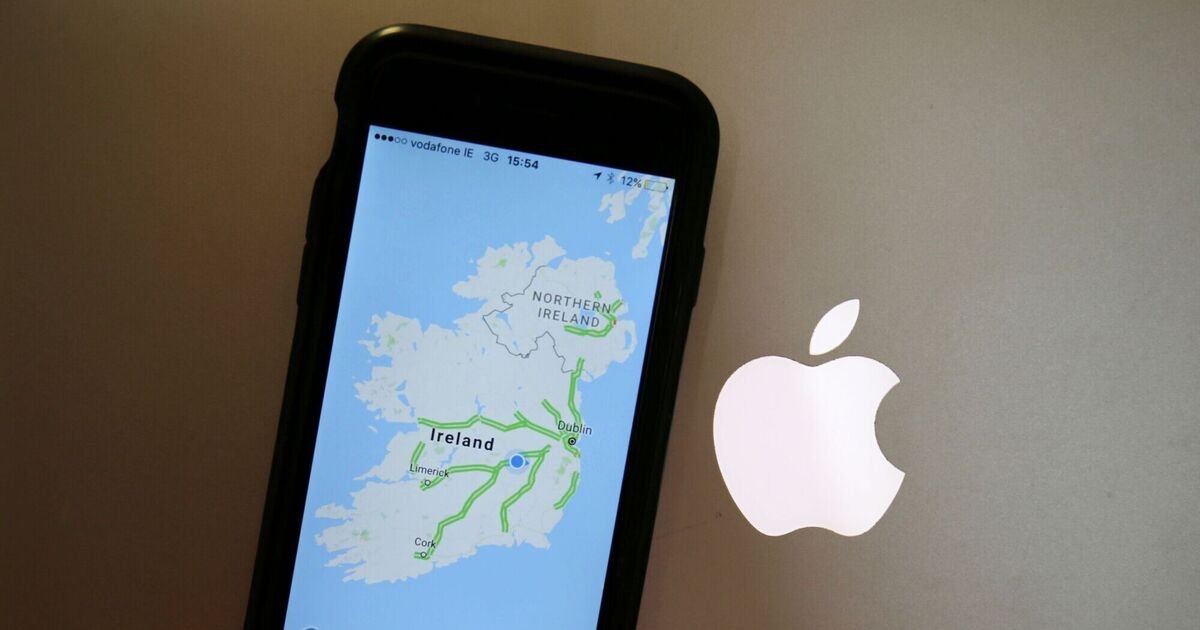
The Irish government has outlined plans for its €14 billion Apple tax windfall. The money will strengthen the country’s National Development Plan (NDP), a €112 billion package aimed at modernizing housing, energy, water, and transportation. Major projects are scheduled between 2026 and 2030. Nearly €1 billion will also fund the cross-border Shared Island program by 2030. This includes projects like the Narrow Water Bridge between south Down and north Louth. More details on upcoming projects will be shared in the October budget. Apple Tax Windfall Fuels Largest Infrastructure Investment in Irish History Taoiseach Micheál Martin described the plan as a historic step forward for Ireland’s economy.“By any measure, this will represent the largest investment in economic and social infrastructure in the history of the State,” he said. The Apple windfall gives Ireland a rare opportunity to fix long-standing infrastructure gaps and boost public amenities. Apple Tax Windfall to Address Housing Crisis and Infrastructure Gaps Ireland faces a severe housing shortage, worsened by years of underinvestment after the late-2000s financial crisis. Although the economy has recovered, housing supply still lags behind the growing demand. The Apple tax windfall and increased corporate tax revenue give the government a chance to expand housing projects and improve urban infrastructure. However, experts warn that limited construction capacity and planning delays could slow progress. Focus on Sustainable Energy and Transport Part of the Apple funds will support renewable energy and upgrades to Ireland’s power grid. The government plans to improve transport networks with electric buses and rail expansions. These projects aim to cut emissions and meet EU climate goals. Green investments are expected to enhance energy security while reducing reliance on fossil fuels. Economic Impact of the Apple Tax Windfall The €14 billion windfall is more than just a tax settlement. It can reshape Ireland’s economy by creating thousands of jobs, stimulating construction, and boosting innovation. Economists believe the spending will ripple across sectors such as real estate, technology, and clean energy. Cross-border cooperation through the Shared Island Fund will also strengthen trade and community ties. Technology and Innovation Investments In addition to housing and infrastructure, part of the funding may go toward digital hubs, research centers, and improved connectivity. This would help Ireland maintain its position as a leading tech and business hub. A Historic Opportunity The Apple tax windfall gives Ireland a unique chance to build a stronger, greener future. By tackling housing, upgrading infrastructure, and supporting sustainability, the government can set a long-term path to growth.ore prosperous and resilient future.

Read More

Microsoft Servers Hacked by Chinese Cyber Groups

Microsoft servers hacked by Chinese-linked hacker groups have raised serious cybersecurity concerns. The attackers exploited vulnerabilities in on-premises SharePoint servers, targeting sensitive business data, while cloud-based Microsoft services remained unaffected. The company identified three groups — Linen Typhoon, Violet Typhoon, and Storm-2603 — as the primary attackers. Microsoft released security patches and urged all SharePoint server users to install them immediately. Microsoft Servers Hacked – How the Attack Unfolded Hackers sent malicious requests to SharePoint servers, enabling them to steal cryptographic keys and access confidential business data. Microsoft warned that these attackers will continue to target systems without the latest security updates. Security experts described the attack as widespread and aggressive. The hackers launched their campaign before Microsoft could release the patches, increasing the severity of the breach. Global Impact of the Microsoft Data Breach Charles Carmakal, Chief Technology Officer at Mandiant Consulting (a Google Cloud company), confirmed that several organizations worldwide suffered breaches. Governments and businesses using on-premises SharePoint servers were the primary targets. Microsoft servers hacked. The attackers stole encrypted materials and later used them to maintain unauthorized access to critical data. Carmakal stressed the scale of the attack, calling it one of the most opportunistic breaches observed recently. Linen Typhoon and Violet Typhoon Behind Microsoft Servers Hacked For over a decade, Linen Typhoon has focused on stealing intellectual property from organizations tied to defense, strategic planning, and human rights. Violet Typhoon has targeted espionage efforts against former government officials, NGOs, think tanks, educational institutions, and financial and healthcare sectors across the US, Europe, and East Asia. Microsoft also linked Storm-2603 to the attacks and believes it operates from China. Microsoft’s Security Response to the SharePoint Hack Microsoft deployed urgent security patches to close the exploited vulnerabilities. The company continues investigating other threat actors who may use the same weaknesses. It strongly recommends that organizations apply the latest updates and monitor their servers for unusual activities. Microsoft servers hacked

Read More