Sofia Catherine

Siberian Ice Mummy Tattoos Unveiled After 2,500 Years

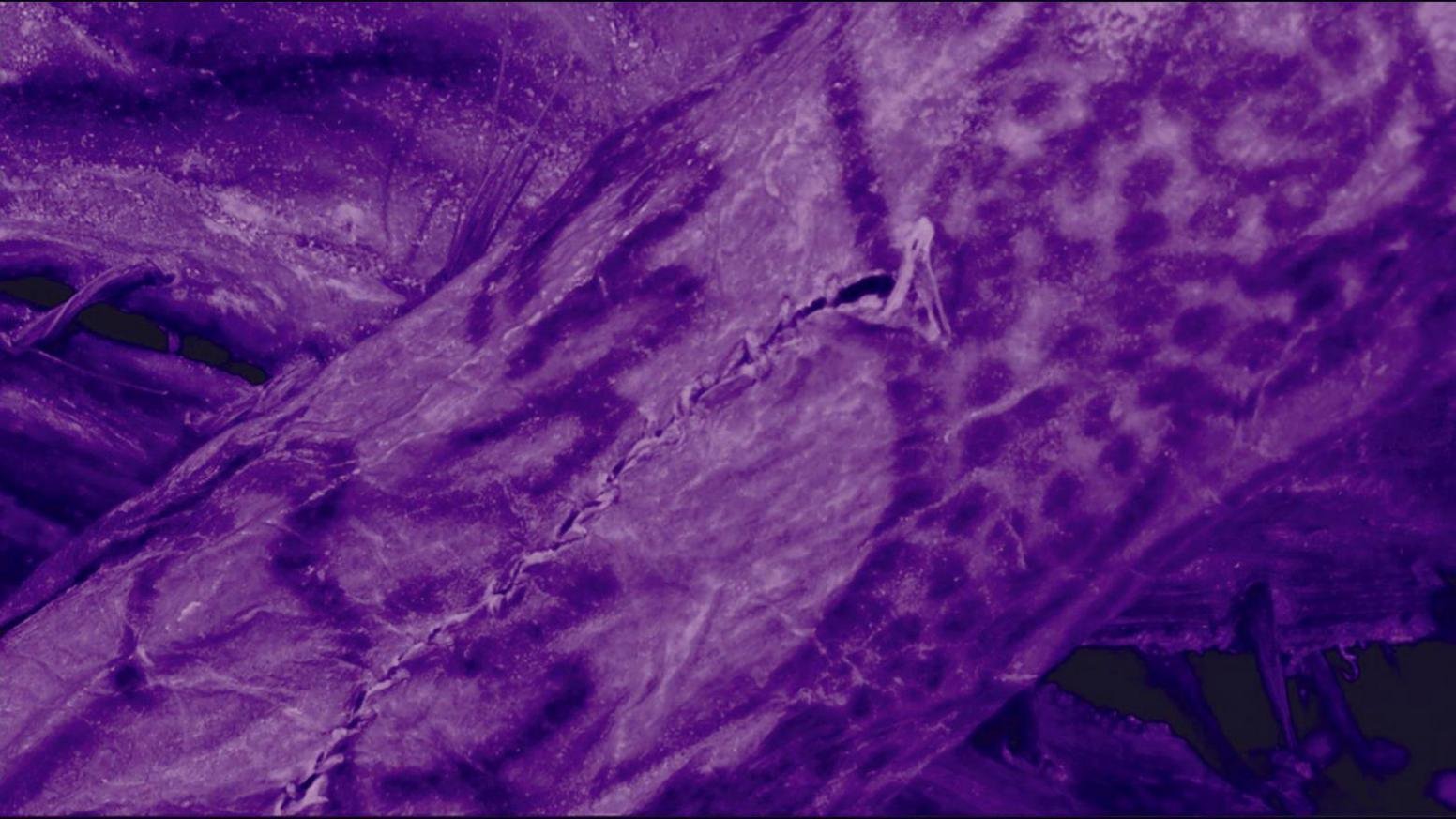
Siberian Ice Mummy Tattoos Reveal Stunning Ancient Art High-resolution scans have uncovered intricate tattoos on a 2,500-year-old Siberian “ice mummy.” The images reveal animal and mythical designs that are more detailed than ever seen before. The tattoos include leopards, a deer, a rooster, and a griffin—a mythical creature that’s part lion and part eagle. These were found on the arms and hands of a woman from the Pazyryk culture. This nomadic group once roamed the vast steppes between China and Europe. Experts estimate the woman was around 50 years old when she died. Her people buried her in a frozen tomb in Siberia’s Altai Mountains. The icy conditions preserved her body and tattoos exceptionally well. This allowed modern imaging tools to uncover details that are invisible to the naked eye. Scans Uncover Details of Siberian Ice Mummy Tattoos Researchers from the Max Planck Institute of Geoanthropology and the University of Bern used near-infrared digital photography at the Hermitage Museum in St. Petersburg to capture crisp, high-resolution images of the tattoos. These new visuals unveiled a striking level of sophistication and artistry. “The images came alive,” said Dr. Gino Caspari, lead researcher on the project. “They reflect an extraordinary commitment to detail.” Pazyryk Warrior Culture and Body Art The Pazyryk people, known for their horsemanship and elaborate burial rites, often tattooed their bodies with scenes from their mythology and nature. On the woman’s right forearm, leopards encircle a deer’s head—imagery symbolic of strength and transformation. Her left arm depicts a griffin locked in combat with a stag, showcasing the tribe’s unique artistic language, often marked by dynamic battle scenes. Interestingly, her thumb bore a rooster, a rare image that may indicate personal or spiritual significance. Reconstructing Ancient Techniques Tattoo expert Daniel Riday, who specializes in reviving ancient tattoo techniques on his own skin, collaborated with the team. His analysis of the scans led researchers to believe that the tattoos were done by different artists or at different stages in her life. The style and precision varied between arms. “Imagine sitting on the steppe, in the cold, wind blowing—this work took hours and had to be done carefully,” Riday explained.“This was a professional practice with hygiene, skill, and symbolic meaning.” Tattoos: Meaningful in Life, Not in Death The burial process damaged some tattoos, suggesting that while they held deep significance in life, they played little role in the afterlife, according to Dr. Caspari. This discovery not only provides new insight into the lives of the Pazyryk people but also reveals the remarkable skill and artistic expression of ancient tattoo practices—predating modern machines by millennia.

Read More

Trump South Korea Deal: 15% Tariff Agreed in $350bn Pact

Trump South Korea Deal Imposes 15% Tariff Ahead of Deadline The Trump South Korea deal imposes a 15% tariff on key imports like cars and semiconductors, announced just ahead of the 1 August deadline. This trade agreement, revealed by President Donald Trump, spares South Korea from a looming 25% tariff and secures a $350bn investment in the US. Trade Agreement Helps Seoul Avoid 25% Tariff Hike Had the agreement not been reached, South Korean exports to the US would have faced significantly higher taxes. The deal was struck under mounting pressure, especially after Japan negotiated similar terms the week before. By securing a lower rate, Seoul has avoided a possible setback for its automotive and tech industries. Trump South Korea Deal Includes $350 Billion Investment in US As part of the arrangement, South Korea has agreed to invest $350 billion in the United States. Around $150 billion will go toward shipbuilding, including warships, helping to boost America’s declining naval industry. The rest of the funds will support manufacturing projects involving semiconductors, batteries, and electric vehicles. Trump South Korea Deal Preserves Rice and Beef Market Protections South Korea stood firm on protecting its agriculture sector. The deal does not require Seoul to open its rice or beef markets to more US imports. This was a red line for South Korea, where farmers had been preparing for protests if these protections were lifted. Steel and Aluminium Still Face 50% Tariff While semiconductors and cars benefit from reduced tariffs, steel and aluminium exports from South Korea will face a 50% tax. This aligns with President Trump’s broader global tariff policy on those materials. South Korean Leadership Welcomes the Deal President Lee Jae Myung has hailed the agreement as a diplomatic win. According to him, South Korea now has fairer trade conditions compared to other US partners. He emphasized that the deal helps protect key domestic industries while advancing strategic partnerships. Military Talks Deferred to Upcoming Summit This agreement does not address the military alliance between the US and South Korea. Discussions around US military spending and troop presence in South Korea are expected to take place during President Lee’s upcoming visit to Washington. There is speculation that Seoul might be asked to increase its financial contribution for US defense support. Trump’s Trade Strategy Continues to Stir Debate Since returning to office in January, President Trump has reintroduced tariffs on several countries. He claims these measures will protect American jobs and revive domestic manufacturing. However, critics argue that his unpredictable trade policy is causing price hikes for US consumers and disrupting global markets. Final Thoughts: Strategic Gains Amid Uncertainty The Trump South Korea tariff deal showcases a calculated trade-off. South Korea secured reduced tariffs on key exports and retained agricultural protections. In return, it committed to vast US investments, mainly in defense and tech. While immediate economic conflict was avoided, future negotiations—especially on military matters—could bring more challenges.

Read More

Swindon Art in Empty Shops Revives Town Centre

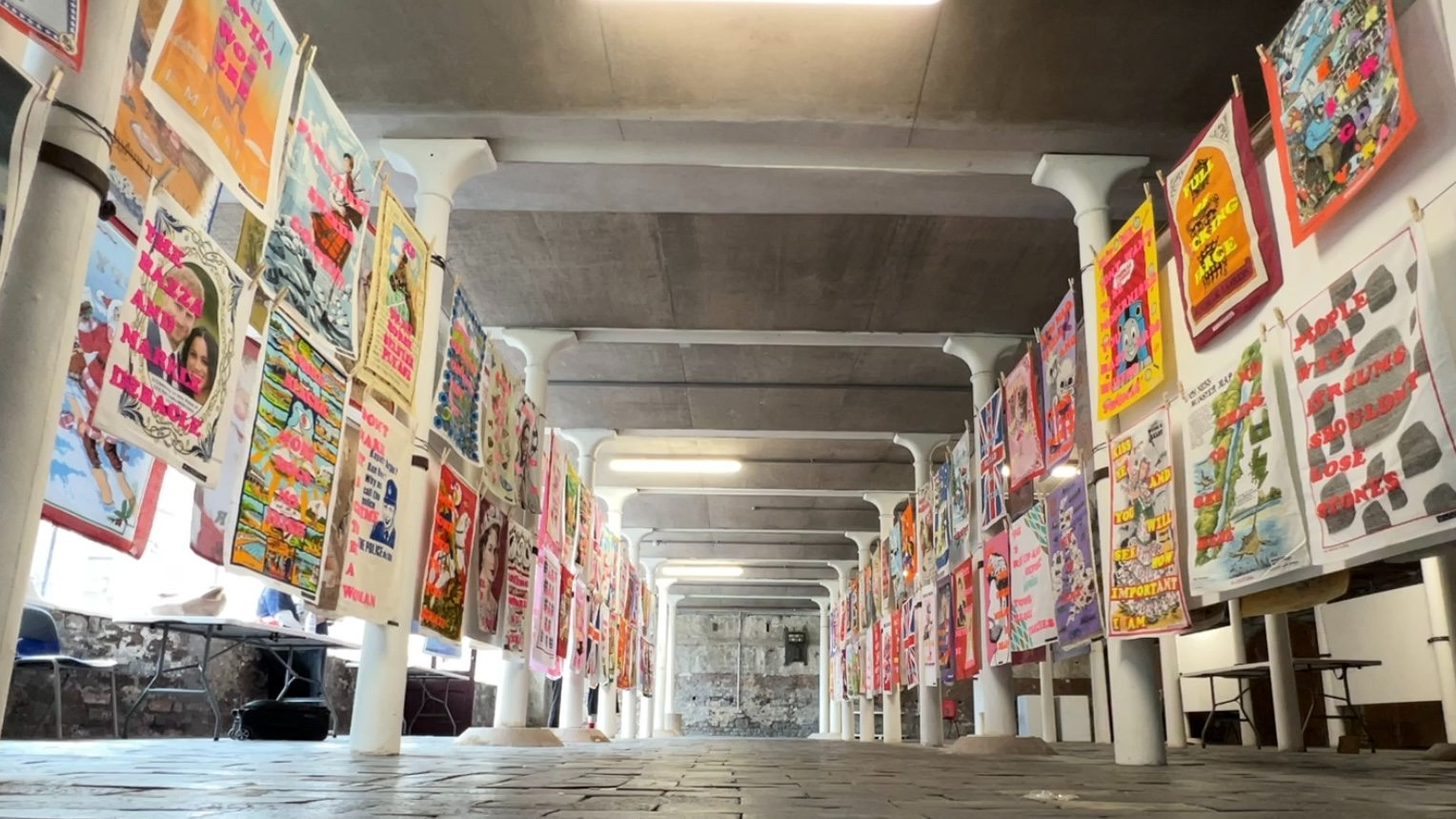
Art Brings Life to Empty Shops in Swindon Swindon art in empty shops is transforming the town centre, thanks to a bold initiative by community group Artsite. By converting vacant business units into temporary art exhibition spaces, the project aims to breathe new life into Swindon and attract locals and visitors who might not frequent traditional art venues. Now in its 26th year, Artsite has already run two major art festivals in Swindon. The town is struggling with empty retail units and rising anti-social behaviour. This new effort highlights Swindon’s creative energy while tackling urban decline. Reviving Town Life with Swindon Art in Empty Shops “This is our mission,” said organiser Sue Bardwell. “It’s about giving people a different offer—a new reason to come into the town centre.” Bardwell hopes the art will remind people of the creativity and energy in Swindon. “People need a reminder of that sometimes,” she added. Some long-vacant shops were transformed for Threads, Artsite’s textile art festival. A standout exhibit at The Carriage Works displayed tea towels with bold, subversive messages. The topics included climate change, mental health, and social justice. From Paint to Performance: A Rich Artistic Legacy Artsite also runs Swindon Paint Fest, a street art celebration. The event brings public spaces to life with visual creativity. But access to venues has become harder. Sue and her sister Jackie Bardwell say rising costs and bureaucracy make it tough to secure space. “Swindon’s very personal and close to me,” said Sue. “There’s room for improvement, but it’s not as dismal as people think.” She pointed out that many neglected buildings are privately owned. “I’d support laws to stop landlords from letting buildings fall into ruin,” she added. Capturing Swindon’s Cultural Memory Jackie Bardwell has long brought creativity into the heart of town. Decades ago, she led a performance group called Les Bicyclettes that lit up public spaces. Her latest exhibition explores Swindon’s cultural scene in the 1970s and 1980s. It features stories and memorabilia from dance, theatre, and circus shows. These events once drew large crowds to the Brunel Shopping Centre. “There were amazing shops in Swindon then,” said Jackie. “McIlroys had live bands. The Savoy was a cinema. There was a buzz that filled the streets.” She added, “It would be fantastic to bring that atmosphere back.” A Vision for a Creative Future Despite the challenges, the Bardwell sisters are committed to Swindon’s creative revival. Their work shows how art can reimagine public spaces, restore local pride, and bring people together in struggling towns.

Read More

Rick Steves Travel Advice: Why Americans Should Explore More

Rick Steves Travel Advice: Why He Wants Americans to Explore More in 2025 At a time when the world feels uncertain and overwhelming, many Americans question whether taking a vacation is the right choice. With daily headlines full of global crises, travel can seem like an indulgence — even frivolous. But travel expert Rick Steves believes the opposite is true: this is exactly when Americans need to travel the most. Rick Steves on Travel During Crisis: A Bold Yet Necessary Act Rick Steves, a seasoned traveler and tour guide, argues that in moments of stress, travel becomes more than leisure — it becomes a tool for understanding and connection. According to Steves, Americans are often shaped by fear and isolation, especially those who lack firsthand experience of other cultures. “Fear is for people who don’t have passports,” he says. “The flip side of fear is understanding.” Rick Steves Travel Philosophy: Building Understanding Through Exploration Steves believes that stepping outside of American borders can reshape perceptions. When Americans venture abroad, they’re exposed to real people with real struggles, joys, and lives — people often misunderstood or misrepresented in the media. By witnessing life in countries like Iran, Palestine, or Cuba, travelers begin to dismantle prejudices and stereotypes. These journeys, Steves insists, aren’t just about beaches or sightseeing. They’re about learning that despite differences, the world is filled with decent, kind individuals. This broader understanding, he suggests, could even shift how Americans think — and vote. Travel as a Political and Ethical Act For Steves, travel isn’t apolitical. In his view, exploring countries that the U.S. government warns against visiting is part of a broader mission to become a global citizen. He sees travel as a political act—a way to engage deeply with the world’s complexities instead of hiding from them. Travel teaches empathy. It gives Americans a chance to understand economic and political struggles from a ground-level view. This kind of education doesn’t come from textbooks or news channels—it comes from conversations, meals, and shared experiences with people around the world. From Tourists to Pilgrims: Different Ways to Travel Rick Steves classifies travelers into three categories: He encourages blending all three approaches to create a rich, meaningful journey. “I want to be poetic, thoughtful, and curious,” Steves says. “Travel isn’t just about escaping; it’s about growing.” Facing Cultural Shock and Embracing Discomfort One of the most overlooked aspects of travel, according to Steves, is culture shock — something he believes is essential, not problematic. Culture shock is a sign that your worldview is expanding, and it’s something to be embraced, not avoided. Many travelers only skim the surface of a destination, changing weather but not culture. Steves challenges this. Real travel, he argues, should make you uncomfortable. It should “rearrange your cultural furniture” and challenge ethnocentric thinking. Travel Reveals the World — And America Spending extensive time abroad has given Steves a fresh perspective on his own country. Through contrast, he’s learned that the so-called “American way” isn’t the only path to success or happiness. For example, he discovered that different cultures value work-life balance in ways that many Americans might find surprising — and admirable. Climate-Conscious Travel: Ethics in Action Steves is also aware of the environmental impact of travel, especially in the era of climate change. But rather than stopping travel altogether, he believes in ethical mitigation. Each year, he imposes a self-directed carbon tax on his company, investing a million dollars in nonprofits that support sustainable farming in the global south For him, this isn’t just about carbon offsets — it’s about making travel part of the solution, not the problem. Fear vs. Smart Caution: Knowing When and Where to Go While Steves is a passionate advocate for pushing beyond comfort zones, he also acknowledges that there are reasonable limits. “I wouldn’t go to North Korea,” he admits. He draws a line between irrational fear and smart caution, emphasizing that informed travel doesn’t mean recklessness. Why Travel Matters More Than Ever Travel has the power to shift perspectives, dismantle fear, and nurture empathy. In a time when many Americans are retreating into echo chambers, Steves makes a compelling case for getting out, seeing the world, and understanding it firsthand. According to him, the most valuable souvenir isn’t a trinket or a photo—it’s a broader worldview. That’s what the world needs right now, and that’s why Rick Steves wants Americans to travel more than ever in 2025.

Read More

Extreme life in deep ocean revealed in new expedition

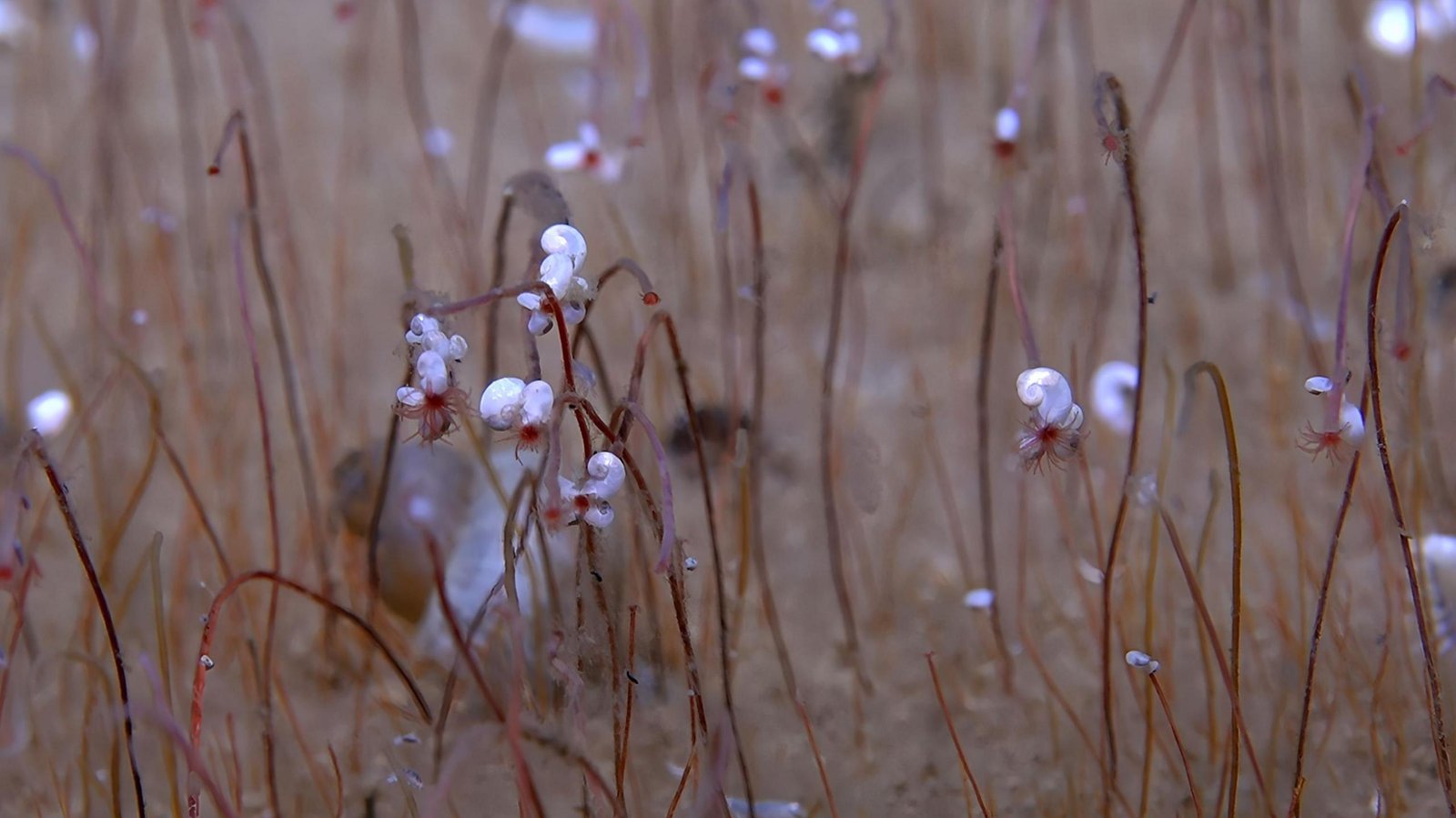
Extreme Life in Deep Ocean: Mysterious Ecosystem Discoveries Unveiled In a groundbreaking expedition, scientists have revealed the existence of vibrant, mysterious ecosystems teeming with extreme life in deep ocean trenches. These new insights challenge previous beliefs about the capacity of life to thrive in the pitch-black, high-pressure zones of the deep sea. Exploring 9,000-Meter Trenches for Extreme Life in Deep Ocean Using a human-occupied submersible named Fendouzhe, a research team led by the Chinese Academy of Sciences ventured into the oceanic trenches of the northwest Pacific. The submersible, capable of diving deeper than 10 kilometers, allowed scientists to reach unprecedented depths—beyond 9,500 meters (over 5.9 miles). During the mission, which covered more than 2,500 kilometers of ocean floor, the team filmed and photographed creatures living in conditions previously thought to be nearly inhospitable. Extreme Life in Deep Ocean Thrives in Total Darkness Among the most astonishing finds were dense colonies of long, slender tube worms—some reaching up to 30 centimeters in length. These tube worms, along with molluscs and free-swimming polychaetes, formed what scientists described as “thriving communities.” The seabed was dotted with fields of life, including bacteria mats that resembled icy patches and pinkish-white clams nestled in sediment. Chemosynthesis: Life Without Sunlight What makes these deep-sea ecosystems remarkable is their reliance on chemosynthesis—a process that allows organisms to derive energy from chemicals like methane and hydrogen sulfide, rather than sunlight. These gases seep out through cracks in the Earth’s crust, creating a fuel source for microbes, which in turn support larger life forms like molluscs and tube worms. These chemical-fueled communities demonstrate that life can exist independently of the sun, relying entirely on geological and chemical activity deep within the Earth. Never-Before-Seen Species and Adaptations The team documented several species never previously recorded. The discovery of Macellicephaloides grandicirra, a spiky white creature found among the tube worms, is just one of the expedition’s many surprises. These organisms exhibit unique adaptations that enable them to survive crushing pressure and complete darkness. One of the lead researchers, Dr. Xiaotong Peng, emphasized the significance of these observations: “What we saw was truly remarkable—an abundance of life in a world that had never before been explored.” Life Under Pressure: The Next Scientific Puzzle Another fascinating aspect of this deep-sea life is its apparent ability to withstand extreme pressure—conditions that would obliterate most known forms of life. As Dr. Megran Du noted, one of the expedition’s next goals is to understand the biological “tricks” that allow these creatures to endure such an environment. Understanding how these organisms metabolize toxic chemicals and survive intense pressure may yield groundbreaking insights into biology, biochemistry, and even the search for extraterrestrial life. A New Understanding of the Deep Ocean These findings are reshaping long-held assumptions. Far from being barren or sparsely populated, the deep ocean may host widespread ecosystems fueled by chemical energy. Such revelations have immense implications not only for marine biology but also for our broader understanding of Earth’s biosphere. According to senior marine scientists, the presence of methane-driven ecosystems in the deepest oceanic trenches suggests a far more complex and interconnected deep-sea world than previously imagined. The Emotional Impact of Deep-Sea Exploration For the scientists involved, descending into the uncharted depths of the ocean was not just a scientific endeavor, but a deeply emotional experience. Being among the first humans to observe such untouched life forms was awe-inspiring and humbling. As they gazed through the submersible’s windows into the darkness, they witnessed a hidden universe—one alive with strange, beautiful creatures, perfectly adapted to an environment devoid of light yet rich in life. Final Thoughts: A Hidden World Comes to Light This pioneering exploration has illuminated a vibrant underworld that challenges how we define the limits of life. The discovery of extreme life in deep ocean trenches proves that even in the harshest corners of our planet, ecosystems not only exist—they flourish. Future missions will likely uncover more of these astonishing life forms, offering new perspectives on resilience, adaptation, and the extraordinary diversity of life on Earth.

Read More

Chicago Pizza Styles: An Expert’s Guide to the Best Pies in the City

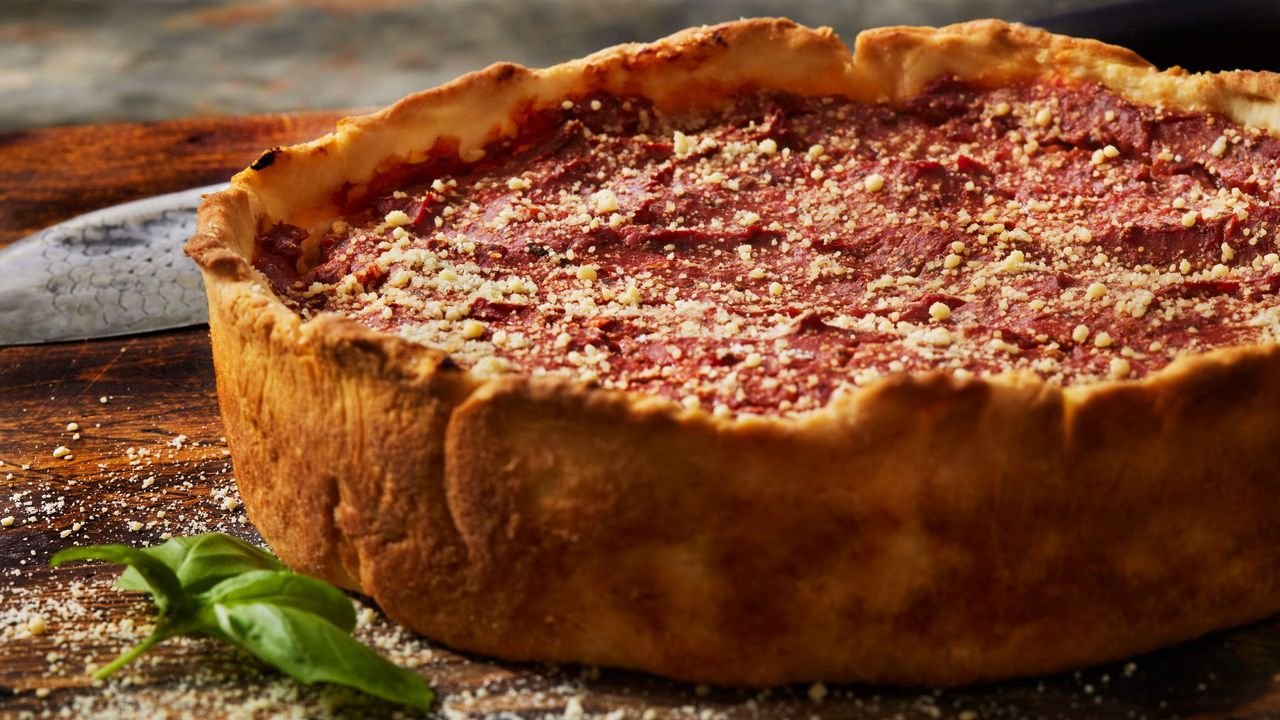
A Rich History Baked into Every Slice Think “Chicago pizza” and chances are you’re picturing a massive slice of deep-dish oozing with cheese and chunky tomato sauce. But as any local will tell you, that’s only one slice of the story. Chicago is home to three signature pizza styles: deep-dish, stuffed, and tavern-style thin crust. With Lollapalooza 2025 set to bring thousands of visitors to the Windy City, it’s the perfect time to explore these legendary local creations. Local food journalist and pizza expert Steve Dolinsky – author of Pizza City, USA and founder of Pizza City Fest – breaks down the best Chicago pizza places that reflect the city’s rich and diverse pizza culture. The Origins of Chicago Pizza Styles Long before deep-dish became a tourist attraction, Chicago’s pizza journey began in neighborhood taverns. In the 1940s, tavern-style pies – ultra-thin and cracker-crisp – were created to encourage patrons to order more beer. Bartenders served square-cut slices as salty bar snacks. Then came the famous deep-dish, introduced in 1943 at what would later become Pizzeria Uno. A few decades later, the stuffed pizza emerged – even thicker and more indulgent – topped with another layer of dough and tomato sauce. Best Places to Try Tavern-Style Pizza in Chicago 1. Pat’s Pizzeria – A Thin-Crust Legend Opened in 1950, Pat’s delivers one of the thinnest and crispiest pies in the city. Their dough is aged for three days and baked to perfection, resulting in a savory cracker-like crunch with every bite. 2. The Original Vito & Nick’s – South Side Classic Operating since 1923, this spot is as old-school as it gets. Dolinsky praises their hand-pinched sausage and crispy undercarriage that creates an unforgettable texture. Just remember: no delivery! 3. Pizza Matta – Chef-Inspired Pizzas Chef Jason Vincent brings a gourmet twist to tavern-style with high-quality meats, local mushrooms, and a final touch of nutty Wisconsin SarVecchio cheese. Where to Get Deep-Dish Pizza in Chicago 4. Lou Malnati’s – A Deep-Dish Staple With over 70 locations, Lou’s is the go-to for a perfectly balanced deep-dish pizza. Expect a rich tomato sauce, buttery crust, and melty mozzarella from Wisconsin. 5. Labriola – Artisan Deep-Pan Perfection Known for its three-day fermented dough and use of cornmeal, Labriola offers a deep-pan crust that’s airy inside and crisp outside. The cheese caramelizes at the edges, creating a crunchy golden crown. 6. George’s Deep-Dish – Greek-Style Innovation George Bumbaris infuses his sourdough crust with the spirit of Greek lagana bread. With toppings like pinched sausage and clever names like “Clooney’s ER,” this pie is as smart as it is tasty. The Overlooked Hero: Stuffed Pizza 7. Nancy’s (West Loop) – Stuffed Pizza Royalty Invented in 1971, Nancy’s stuffed pizza is truly in a category of its own. A second layer of dough and sauce gives it towering height and serious indulgence. One slice goes a long way. Not Just Deep-Dish: The Real Chicago Pizza Scene As Dolinsky explains, Chicago pizza isn’t one-dimensional. From bar-friendly tavern pies to towering stuffed creations and everything in between, the city’s pizza scene is as diverse as its neighborhoods. And while deep-dish might be the city’s most recognizable export, locals often lean toward the crisp, flavorful experience of thin-crust tavern-style. Why You Should Explore All Chicago Pizza Styles Whether you’re in town for Lollapalooza, sightseeing downtown, or just passing through, don’t settle for the tourist trap slice. Steve Dolinsky’s guide proves that Chicago pizza is about craftsmanship, regional history, and a deep love for quality ingredients. So go ahead – skip the clichés, grab a square-cut slice, and discover why Chicago pizza is more than just deep-dish. It’s a cultural icon, served in many styles, all worth tasting.

Read More

Bib Gourmand Restaurants: Michelin’s Best Budget Eats

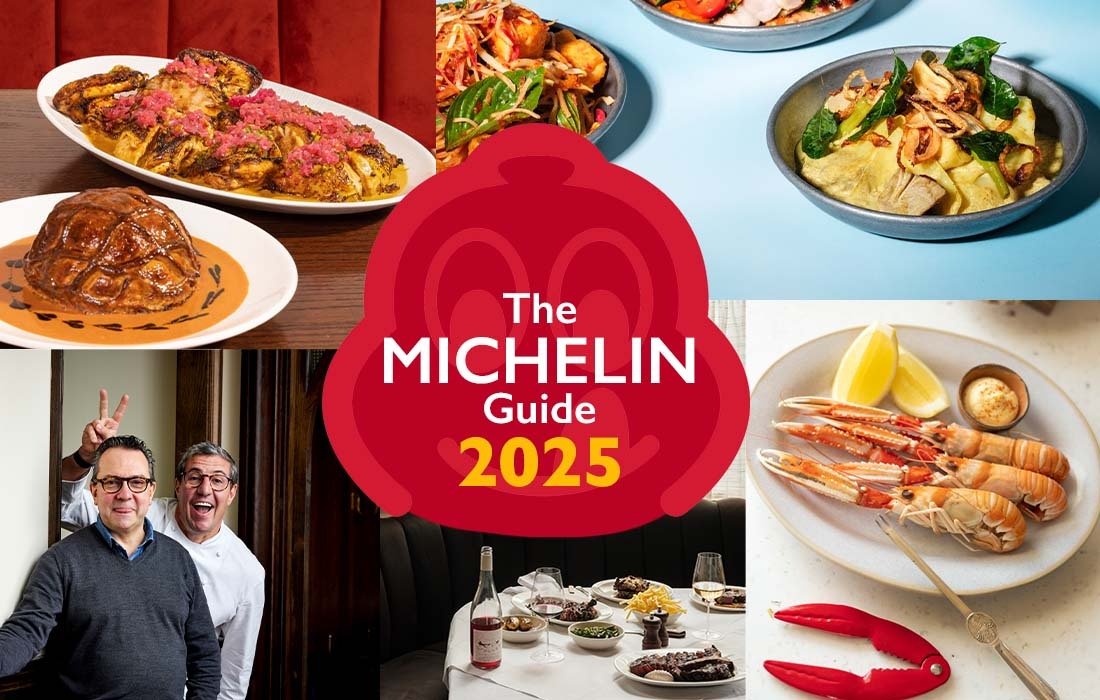
A Michelin Award You Shouldn’t Overlook While Michelin stars often steal the spotlight, Bib Gourmand restaurants are quietly redefining culinary travel. These Michelin-recognized eateries highlight budget-friendly dining experiences that deliver exceptional value, making them ideal for curious travelers who crave authenticity over luxury. Launched in 1997, Bib Gourmand restaurants are celebrated for offering two courses and a glass of wine or dessert for under $50 (approx. £37). These places aren’t about white tablecloths or tasting menus—they’re about bold flavors, cultural immersion, and local soul. What Sets Bib Gourmand Apart from Michelin Stars Michelin stars are traditionally associated with fine dining—multi-course menus, sophisticated service, and often, steep price tags. In contrast, Bib Gourmand restaurants excel by offering delicious food in relaxed, often unpretentious environments. You might find yourself devouring chile relleno burritos in East Los Angeles, or savoring lamb-filled mantı at a bustling Istanbul tavern. The focus here isn’t haute cuisine—it’s heart, heritage, and hometown flavors. Travel-Friendly Dining: Bib Gourmand Around the World Food-savvy travelers are increasingly planning itineraries around Bib Gourmand destinations. Why? These restaurants often serve dishes that reflect the everyday culinary culture of a region. In Vietnam’s Hanoi, for instance, Bib Gourmand spots like Phở Bò Lâm deliver complex, comforting soups on sidewalk stools. In Montreal, Syrian-Armenian staples at Le Petit Alep offer a richer, more representative taste of the city than some of its starred competitors. Even in France, where the Michelin Guide was born, Bib Gourmand locations like La Merenda in Nice attract locals and tourists alike with regional dishes like pistou pasta and stuffed courgette blossoms. Cultural Representation and Diversity on the Plate One criticism of the Michelin star system is its over-representation of French, Italian, and Japanese cuisines. Bib Gourmand restaurants, by contrast, tend to showcase a broader array of cultural traditions. In cities like Los Angeles, with deep Asian and Latin American culinary roots, Bib Gourmand listings include beloved establishments like Chengdu Taste for fiery Szechuan fare or La Azteca Tortilleria for burritos dripping in homemade salsa. These places highlight culinary diversity often absent from Michelin-starred lists. An Award That Feels Local and Personal Bib Gourmand isn’t just about affordability—it’s about atmosphere. These restaurants aren’t designed for spectacle; they’re meant for everyday enjoyment. You’re more likely to dine next to locals than influencers, more likely to discover a grandmother’s recipe than molecular gastronomy. In Istanbul’s Karaköy Lokantası, a Bib Gourmand awardee, guests gather for hünkar beğendi—a smoky aubergine purée crowned with tender meat. Paired with a glass of rakı and the hum of neighborhood chatter, it’s a meal that feels deeply rooted and refreshingly unpretentious. Why Travelers Are Choosing Bib Gourmand Restaurants Frequent travelers like James Zhang and Ben Beale have shifted from chasing Michelin stars to exploring Bib Gourmand locales. Their reason? These places offer spontaneity, cultural depth, and meals that linger in memory—not just on the bill. “I want to try authentic foods when I travel, not just cutting-edge chef experiments,” Zhang explains. Beale echoes the sentiment: “With Bib Gourmands, it’s more like—we’re hungry, let’s open the app and see where locals eat.” The Hidden Michelin List Worth Knowing Bib Gourmand restaurants offer more than value—they offer authenticity, community, and cultural immersion. Whether you’re traveling to Montreal, Hanoi, Istanbul, Los Angeles, or London, these eateries serve as genuine windows into a region’s food story. So next time you travel, consider skipping the reservation-only Michelin-starred dining rooms. Instead, open your Michelin Guide app, search for a Bib Gourmand, and enjoy a meal that’s memorable not because it’s fancy—but because it’s real.

Read More

Bernat Klein Studio Restoration Begins After £279K Sale

Bernat Klein Studio Restoration: Breathing New Life into a Modernist Landmark The Bernat Klein studio restoration has officially begun after the iconic designer’s former workspace was sold at auction for £279,000—far exceeding its guide price. This marks a crucial step in preserving Scotland’s rich design and architectural heritage by transforming the decaying structure into a vibrant creative arts centre. Heritage Triumph: Studio Once Valued at £18K Fetches £279K The modernist studio, situated near the A707 in the Scottish Borders close to Selkirk, was built in 1972 specifically for Klein’s design work. Despite decades of neglect, the Category A-listed building drew intense interest when it went to auction with Savills. The final selling price — over 15 times the initial guide — underlines its cultural significance and potential. Designed by Brutalist Architect Peter Womersley The studio was the brainchild of Peter Womersley, a pioneering British architect known for his bold use of concrete and brick in the brutalist tradition. Womersley also designed Klein’s nearby home, High Sunderland, constructed in 1958 and similarly listed for its architectural value. Though the studio has suffered serious decline for over 20 years, it remains a rare example of mid-century modernist architecture in Scotland, attracting admiration from heritage and design experts alike. Heritage Champions Support Bernat Klein Studio Restoration A powerful coalition including the Bernat Klein Foundation (BKF), the National Trust for Scotland (NTS), and the Scottish Historic Buildings Trust (SHBT) spearheaded the winning bid. The collective effort underscores a unified mission: to preserve and repurpose the structure for public benefit. Their joint vision is to restore the studio into a design space and cultural venue, while anchoring it as a permanent base for the BKF’s public engagement activities. Bernat Klein Studio Restoration to Inspire Creative Future in Scottish Borders With the studio now under new ownership, attention shifts to its rehabilitation. The estimated cost of restoration may reach or exceed £3 million, and will require the expertise of conservation architects and craftspeople. Still, the new owners are optimistic. Prof Alison Harley, chair of BKF, expressed confidence: “We are delighted that after many years, the future for Klein’s Studio looks very bright.” Plans include hosting workshops, exhibitions, and educational programmes — all honouring Klein’s legacy while cultivating new creativity. From Ruin to Renewal: What Happens Next? According to SHBT Director Dr. Samuel Gallacher, acquiring the studio is only the “first step” in a broader, long-term project. Restoring a building of such complexity — especially one so closely tied to Scotland’s cultural history — will require not just funding but patience and collaboration. Philip Long, CEO of the NTS, emphasized the building’s potential to inspire future generations: “Now through our partnership we can be confident this significant building, the story of its architect and its resident, will survive and inspire new creativity.” Bernat Klein’s Enduring Legacy Bernat Klein was an influential figure in 20th-century fashion and textile design. His collaboration with fashion houses such as Dior and his innovative use of colour and texture helped define modern textile aesthetics. His studio was not only a workspace but a creative sanctuary where design, weaving, and sample exhibitions flourished. The restoration project serves as a tribute to his genius and a platform to pass his passion on to future designers, artists, and creators in Scotland and beyond. A Bold Vision for Design Heritage The sale and proposed restoration of the Bernat Klein studio reflects a renewed commitment to preserving Scotland’s design heritage. More than just a building, the studio is a cultural artefact — and soon, with care and creativity, it could become a hub of artistic innovation once again.

Read More

Teen Social Media Ban: YouTube Joins Australia’s List

Teen Social Media Ban in Australia Now Includes YouTube Australia has officially added YouTube to its teen social media ban. Children under 16 will no longer be allowed to have accounts on the platform. This decision follows rising concern about the safety of children online. The government had initially planned to exclude YouTube. That plan has now changed. Teen Social Media Ban: What YouTube Users Need to Know The ban already applies to TikTok, Instagram, Facebook, Snapchat, and X (formerly Twitter). YouTube was originally set to be exempt. But the government reversed that decision after advice from the eSafety Commissioner. Kids under 16 will still be able to watch public YouTube videos. However, they will not be allowed to create accounts. This means they can’t upload content, leave comments, or subscribe to channels. Why YouTube Was Added to Australia’s Teen Social Media Ban Julie Inman Grant, Australia’s eSafety Commissioner, explained the change. She said YouTube is the top platform where kids aged 10 to 15 encounter harmful or disturbing content. This data played a big role in the decision to include YouTube in the ban. The platform had previously defended itself, claiming it was different from typical social media apps. It also highlighted its educational value for young users. Political Reaction and Global Trends Prime Minister Anthony Albanese supported the expanded ban. He said it won’t solve everything but is a strong step forward.“Social media is doing social harm to our children,” he said. “I want Australian parents to know that we have their backs.” Australia’s move has sparked interest worldwide. Norway has proposed a similar ban. The UK is also reviewing its approach to social media and children. YouTube Responds YouTube said it will consider its next steps and continue discussions with the government. In earlier reports, Google warned it might take legal action. It argued the ban could violate free speech laws. Despite these warnings, Australian officials moved forward with the policy. Minister’s Warning to Tech Companies Communications Minister Anika Wells said the policy is about protecting children. It is not an attack on the platforms themselves. She offered a vivid comparison.“Protecting kids online is like teaching them to swim in shark-infested waters,” she said. “We can’t control the ocean, but we can go after the sharks.” Wells said legal threats won’t stop the government from acting. She made it clear that protecting kids comes first. Fines and Enforcement Tech companies could face fines of up to A$50 million (around US$32.5 million) for failing to comply. They must remove underage accounts and block new ones. The government is also pushing for strong age verification tools. Companies will need to report any security flaws or issues. Which Apps Are Exempt? The new rules don’t apply to apps used for messaging, education, health, or gaming. These apps are seen as lower risk for teens. Officials are expected to release more details about how the law will work soon.The government plans to present the plan to Australia’s federal parliament for debate.

Read More

Dali Painting Bought for £150 Could Sell for £30k at Auction

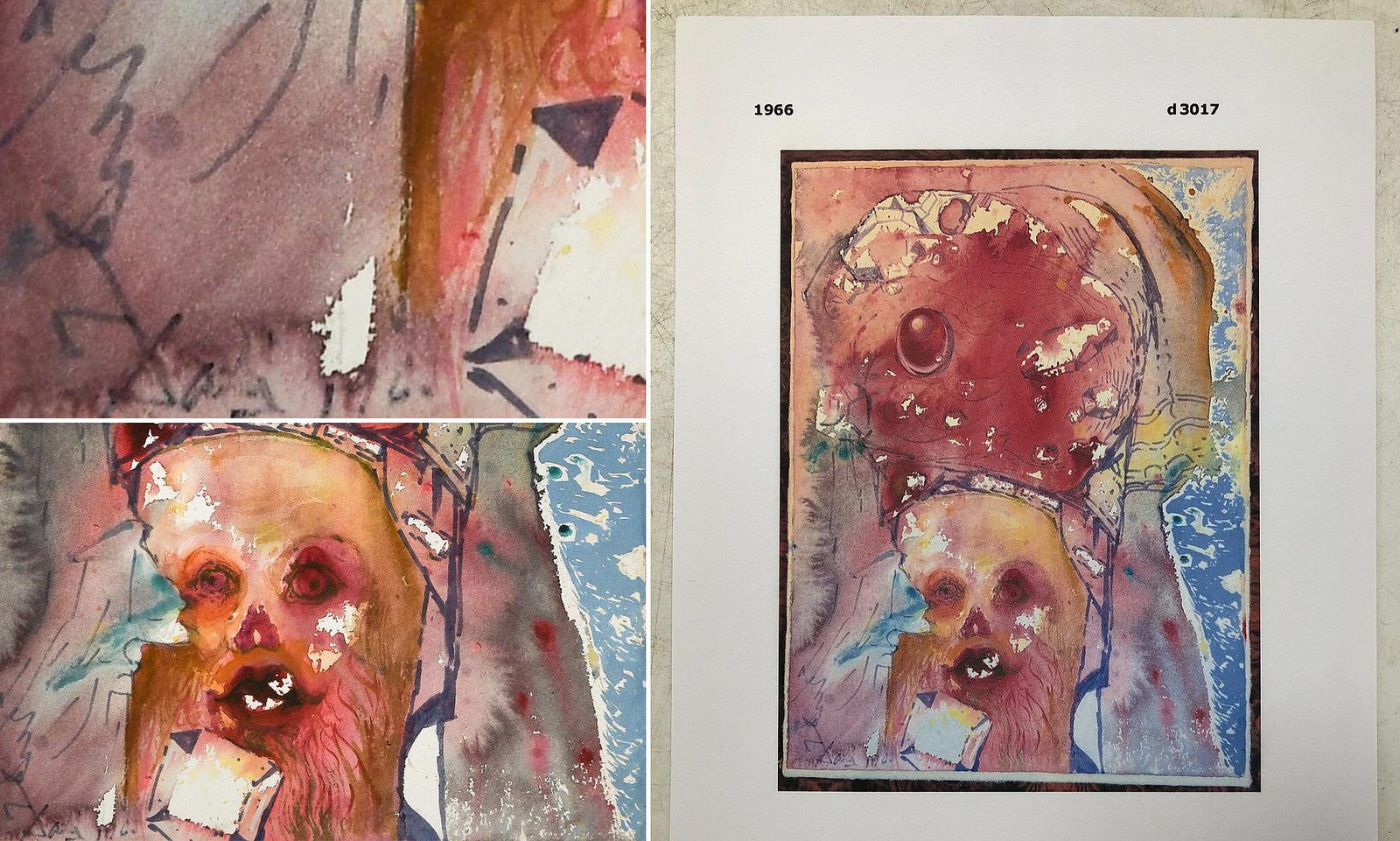
Dali Painting Bought for £150 Turns into Cambridge’s Artistic Find A Dali painting bought for £150 at a Cambridge house clearance could now fetch up to £30,000 at auction. This unexpected discovery—an original work by Spanish Surrealist legend Salvador Dali—has been authenticated by experts and is set to spark strong interest when it goes under the hammer. How a £150 Dali Purchase Became a Valuable Rediscovery The painting, titled Vecchio Sultano, was unearthed by an anonymous art dealer during a 2023 house clearance. Initially overlooked, its true value was uncovered through extensive research and expert evaluation. The artwork has been officially certified by Dali authority Nicolas Descharnes, confirming its authenticity. Dali Painting Bought for £150 Linked to Arabian Nights Project This particular piece is a watercolour and felt-tip illustration, depicting a scene from The Arabian Nights — a project Dali embarked on after being commissioned by Italian patrons Giuseppe and Mara Albaretto in the 1960s. Originally intended to illustrate a Bible, Dali proposed a pivot toward Middle Eastern folktales, aiming to produce 500 unique pieces. However, only about 100 illustrations were completed before the ambitious project was abandoned. Dali Painting Bought for £150 Reveals Lesser-Known Artistic Style Unlike Dali’s more recognizable oil-on-canvas masterpieces, Vecchio Sultano offers a glimpse into his more delicate, whimsical side. The combination of watercolour and felt tip reveals a subtle interpretation of surrealism, reflecting a different dimension of his genius. According to Gabrielle Downie, associate at Cheffins Auctioneers, the find is especially meaningful: “To handle a genuine rediscovery of a work by one of the world’s most iconic artists, and a pioneer of Surrealism, is an incredible honour. This is a unique piece that shows a different side of Dali’s practice.” A Painting with a Traced Provenance Further investigation revealed that the painting had previously been listed at Sotheby’s in the 1990s, complete with full attribution to Dali. However, over time, that attribution was lost — an uncommon occurrence in the modern art world. Its rediscovery, therefore, is particularly significant for Dali scholars and collectors alike. Where Did This Dali Artwork Come From? Half of the 100 completed pieces from the Arabian Nights series remained with the Italian publishing house Rizzoli, while the other 50 were kept by the Albarettos. Many of Rizzoli’s copies were reportedly lost or damaged over time. Experts believe Vecchio Sultano most likely originated from this lost batch, making its survival and condition even more exceptional. October Auction: A Golden Opportunity for Collectors The authenticated Dali painting bought for £150 will be auctioned on 23 October by Cheffins Auctioneers in Cambridge. It has been given a pre-sale estimate of £20,000 to £30,000, making it a potentially life-changing sale for the buyer and an exciting opportunity for collectors of Surrealist art. Why This Discovery Matters in the Art World The artwork is more than a valuable painting — it’s a piece of history that bridges art, mystery, and cultural legacy. From a forgotten corner of a Cambridge home to the prestigious walls of an art auction, its journey is a testament to the hidden treasures that may lie unnoticed in ordinary places. Conclusion: A £150 Purchase Turns into a Fortune The Dali painting bought for £150 is proof that rare art can still surface in the most unexpected ways. As the world watches the October auction unfold, one lucky art dealer’s intuition and knowledge could result in a return worth over 200 times the original price. More importantly, it highlights how even lost works of great masters like Dali can re-enter the global art conversation — and enrich it.

Read More