Sofia Catherine

Bangkok Water Monitors: How Giant Lizards Thrive in the City

Bangkok Water Monitors: The Giant Lizards of the City Once confined to the outskirts, Bangkok water monitors are now a common sight in the city’s parks and canals. These ancient reptiles, the world’s second-largest lizard after the Komodo dragon, are thriving in urban green spaces like Lumphini Park. For travellers, spotting them is a rare chance to see a prehistoric species living alongside a modern metropolis. Encountering Bangkok’s Water Monitors in Lumphini Park Before dawn, the still canals of Lumphini Park reflect the quiet city. As the sun rises, scaly snouts emerge: Asian water monitors slowly navigate the water, their movements revealing a link to Bangkok’s ecological past. The park, steps from hotels and shopping malls, provides visitors with a unique experience: no enclosures, no ticket, just a walk among giant lizards. Several hundred water monitors live in and around Lumphini Park. They patrol canals, venture into commercial areas, and often interact indirectly with people. Observing them basking beside joggers, picnickers, and photographers is both unnerving and fascinating. The Adaptability of Bangkok Water Monitors Michael Cota, a retired associate at Thailand’s National Science Museum, explains that their success lies in adaptability. “They’ll eat anything, dead or alive,” he says. From food scraps to small animals, these extreme generalists have carved out a niche in Bangkok’s urban ecosystem. Their increasing visibility demonstrates nature’s persistence in the heart of a megacity. Safety Tips for Observing Water Monitors While Bangkok water monitors are accustomed to human presence, visitors should maintain a safe distance. Feeding them is strongly discouraged, and approaching them on land can provoke defensive behavior. Respecting their space protects both humans and the city’s fragile urban wildlife. Firefighter S Ruengdach notes, “We get more calls about rescuing water monitors than fires. They venture out more when it rains.” With thousands estimated across the city, sightings are common, but caution remains essential. From Stigma to Social Media Fame Historically, the monitors had a bad reputation in Thailand. Known as hia, their name became a severe insult. Traditionally, they were associated with death and bad luck because they scavenged along waterways. Today, attitudes are changing. Younger generations, social media users, and tourists celebrate them as fascinating urban wildlife. TikTok and Instagram feature clips of lizards clattering through parks, canals, and even shopping areas. Some locals consider them lucky, and authorities have embraced the shift, installing a giant water monitor statue in Lumphini Park to educate visitors. The Future of Bangkok Water Monitors Efforts to remove them, such as the 2016 Lumphini Park cull, have had limited long-term success. Experts like Cota argue for integrating the lizards into urban life: “Instead of pushing them out, make them part of the city’s future.” As Bangkok continues to grow, these resilient reptiles remain a living reminder of nature’s ability to adapt, survive, and even flourish in unexpected places.

Read More

Tam O’Shanter by Robert Burns: Why This Poem Is a Masterpiece

Why Tam O’Shanter by Robert Burns Remains a Masterpiece of Scottish Literature Tam O’Shanter by Robert Burns is more than a tale of witches and revelry—it is a richly layered masterpiece that blends humor, horror, and human insight. First published in 1791, the poem remains a centerpiece of Burns Night celebrations worldwide. Scotland’s national poet, Robert Burns, used this work to capture the universal human experience, making it both entertaining and thought-provoking. Tam O’Shanter by Robert Burns and Its Enduring Appeal on Burns Night Every year, Burns Night commemorates the poet’s birthday on 25 January. Across the globe, people celebrate with haggis, whisky, and readings of Burns’s poems. Tam O’Shanter is often recited alongside classics like Ae Fond Kiss, To a Mouse, and Auld Lang Syne. While its plot is lively and humorous, the poem contains deeper reflections on human nature, morality, and society. The Story Behind Tam O’Shanter by Robert Burns The poem follows Tam O’Shanter, a farmer who enjoys drinking nearly as much as working. One stormy night, after spending hours at the pub with his friend Souter Johnnie, he rides home on his horse, Maggie. On his way, he stumbles upon a supernatural gathering in Alloway’s Auld Kirk, where witches and warlocks dance to the devil’s bagpipes. Tam’s mischievous exclamation, “Weel done, Cutty-sark!” directed at the young witch Nannie, triggers a frantic chase, culminating in Maggie losing her tail as they escape across the River Doon. Humor, Darkness, and Human Insight While the story contains thrilling action and supernatural elements, Burns also weaves in humor, social commentary, and philosophical reflection. The poem balances bawdy jokes with chilling imagery, offering tributes to friendship, the joys of indulgence, and the transient nature of pleasure. Its clever use of Scots and English adds depth and accessibility, making it a standout in Scottish literature. Burns’s Mastery of Form and Style Tam O’Shanter is written in rhyming iambic tetrameter, showcasing Burns’s versatility. He blends folk traditions, literary genres, and linguistic styles, demonstrating virtuosity in narrative and rhythm. Through Tam’s adventures, Burns paints a vivid picture of 18th-century Scottish life, folklore, and human folly. The poem’s universal themes and memorable characters contribute to its enduring appeal. Universal Themes and Character Insight The poem’s central figure, Tam, represents the “everyman,” reflecting Burns’s egalitarian ideals. Through humor and exaggeration, Burns explores masculine foibles, human appetites, and the complexities of social interaction. Women, too, may recognize aspects of themselves in the story, as the poem examines universal human traits such as ambition, desire, and vulnerability. Legacy and Lasting Influence Even centuries later, Tam O’Shanter by Robert Burns continues to captivate readers and performers alike. It remains a staple of Burns Night, celebrated for its lively storytelling, philosophical depth, and exploration of human nature. The poem’s clever combination of humor, horror, and compassion ensures its place as one of Scotland’s most treasured literary works.

Read More

Fibre and Brain Health: How Dietary Fibre Protects Your Cognition

Why Fibre Matters for Your Brain Fibre and brain health go hand in hand, as eating fibre not only supports digestion but also protects cognitive function. Foods rich in fibre, such as whole grains, fruits, nuts, seeds, and pulses, benefit both the body and the brain, improving overall health and longevity Recent studies show that fibre supports the gut microbiome, which communicates with the brain through the gut-brain axis. This connection may slow cognitive decline and preserve mental function. Increasing fibre intake is one of the simplest dietary changes to support brain health, according to Professor Karen Scott, a gut microbiology expert at the Rowett Institute. Gut Feeling: How Fibre Works Fibre is a type of carbohydrate that the body cannot easily digest. Most of it passes through the gut largely unchanged, increasing stool bulk and helping us feel full for longer. Slow digestion also stabilizes blood sugar levels. Research shows that people who eat more whole grains tend to have lower body mass indexes and less abdominal fat compared to those who eat refined grains. Fibre also contributes to longevity. Professor John Cummings, emeritus professor at the University of Dundee, emphasizes that adequate fibre intake can reduce the risk of heart disease, stroke, type 2 diabetes, and colon cancer. Fibre, the Microbiome, and Cognitive Health Fibre fuels beneficial gut bacteria. These microbes produce short-chain fatty acids like acetate, propionate, and butyrate, which provide energy for cells and influence overall health. Butyrate, in particular, maintains the gut lining and reduces harmful substances entering the bloodstream, positively affecting the brain. Studies confirm that higher fibre intake correlates with improved cognition. For example, a 2022 study of over 3,700 adults found that individuals with the highest fibre intake had a lower risk of dementia. Older adults with fibre-rich diets also showed better cognitive performance. A randomized trial further confirmed a causal link: participants who consumed prebiotic fibre supplements for three months showed improved cognitive test scores. Analysis revealed increased beneficial bacteria, such as Bifidobacterium, in their gut microbiomes. How Fibre Supports Mental Wellbeing Beyond cognition, fibre-related butyrate production improves mood, sleep quality, and overall mental health. Research has found that Alzheimer’s patients have lower levels of butyrate-producing bacteria, linking gut health to neurodegenerative conditions. Maintaining a fibre-rich diet may, therefore, support mental wellbeing alongside physical health. How to Eat More Fibre Increasing fibre is easier than many think. Pulses like beans, lentils, and peas are excellent sources. Add them to pasta, blend chickpeas into pancake batter, or mix peas into your meals. Whole grains, brown bread, and high-fibre cereals are simple ways to boost intake. Nuts, seeds, fruits, and vegetables further support a diverse gut microbiome, which is key to cognitive and overall health. Conclusion: Fibre as a Brain-Boosting Nutrient A fibre-rich diet supports the gut, improves cognition, and protects the brain against age-related decline. By prioritizing plant-based foods and whole grains, we can enhance both physical and mental health. Fibre is not just a digestive aid—it is a vital nutrient for a sharper, healthier mind.

Read More

Animals Teach Us About Tyranny and How Societies Change

Animals Teach Us About Tyranny in Social Groups The struggle between power and freedom is not unique to human history. Across the natural world, animals live in social systems that reflect many of the same tensions seen in human societies, from harsh domination to remarkable cooperation. By observing these systems closely, scientists have begun to understand what animals teach us about overcoming tyranny. Some species tolerate cruel and aggressive leaders, while others have developed social structures that limit violence and promote sharing. These contrasting models offer a powerful reminder that oppression is not inevitable and that even in nature, there are multiple ways to organise a society. How Animals Teach Us About Tyranny in Daily Survival In many animal groups, social life is organised around rigid hierarchies where one individual or a small group controls access to food, space, and reproduction. These hierarchies often emerge in environments where resources are limited or where individuals cannot easily leave the group. Under such conditions, aggressive behaviour becomes a successful strategy, and dominance is maintained through fear and force rather than cooperation. Over time, this kind of system can become deeply entrenched, even when it clearly harms most members of the group. How Animals Teach Us About Tyranny and the Abuse of Power Once an individual secures a dominant position, that power is often used not only to maintain order but also to suppress potential rivals. In several mammal species, dominant individuals routinely intimidate, chase, or physically attack subordinates to reinforce their status. This behaviour can extend to controlling mating opportunities and limiting the freedom of movement of others in the group. Such systems show how easily leadership can slide into tyranny when there are no effective limits on power. When Escape Is Impossible One of the most important factors that allows tyranny to persist in animal societies is the lack of safe alternatives. In many environments, leaving the group can mean almost certain death due to predators, hunger, or isolation. As a result, even severely mistreated individuals often remain and endure abuse. This creates a closed system in which the dominant individual can continue to rule without facing meaningful resistance, a pattern that has striking parallels in human history. Brutal Hierarchies Among Social Animals Some of the most complex animal societies also display some of the harshest forms of domination. In certain primate groups, for example, dominant individuals frequently use violence and intimidation to control both rivals and potential mates. These power structures influence everything from where the group travels to who gets to eat first. Although these societies can function in a biological sense, they often do so at a high cost in stress, injury, and social tension. Absolute Rule in Underground Societies In other species, such as those that live in tightly enclosed environments, social organisation can resemble an absolute monarchy. A single breeding individual controls reproduction while the rest of the group performs supporting roles. This ruler maintains control through constant physical enforcement, and challenges to authority are quickly suppressed. The reason such extreme systems survive is not because they are fair, but because the outside world is even more dangerous, making rebellion or escape a near-fatal choice. The Role of Resources in Creating Despots The distribution of food and shelter plays a crucial role in determining whether a society becomes despotic or cooperative. When resources can be easily monopolised, aggressive individuals gain an enormous advantage by excluding others. Over time, this encourages the rise of leaders who rule through control rather than consent. In contrast, when resources are more evenly spread or harder to defend, cooperation often becomes a more successful strategy than domination. Can Animal Societies Change? Although some animal cultures appear rigid, research has shown that social systems can change dramatically under the right conditions. When particularly aggressive individuals disappear from a group, the remaining members sometimes develop a noticeably calmer and more tolerant way of interacting. What is even more remarkable is that these changes can persist across generations, suggesting that social behaviour is not fixed and that even long-standing traditions of violence can be replaced by more peaceful norms.animals teach us about tyranny. The Existence of Naturally Peaceful Societies Not all animal groups are built on fear and domination. Some species live in societies that are strikingly tolerant and balanced, with very little open conflict. In these groups, individuals often share space and resources with minimal aggression, and social interactions are shaped more by patience than by force. These animals demonstrate that it is entirely possible for a complex society to function without relying on tyranny or constant displays of power. Why Peaceful Systems Work One reason such peaceful societies endure is that no single individual has an overwhelming physical advantage over the others. When everyone is roughly equal in strength and ability, attempts at domination become costly and ineffective. In these conditions, cooperation, negotiation, and social bonding offer far greater rewards than aggression. Over time, this creates a culture in which tolerance is not just morally preferable but also practically beneficial. What Animals Teach Us About Overcoming Tyranny Taken together, these examples show that tyranny is not an unavoidable feature of social life. It arises under specific environmental and social conditions, and it can disappear when those conditions change. Animals teach us that freedom of movement, fair access to resources, and limits on individual power are crucial for preventing oppression. They also show that cultures, whether human or non-human, can evolve toward either cruelty or cooperation depending on what behaviours are rewarded. The Human Lesson Human societies are far more complex than those of other animals, but the underlying patterns are often surprisingly similar. We too are influenced by resource distribution, social mobility, and cultural traditions. The natural world reminds us that while domination can sometimes produce short-term stability, cooperation and mutual respect create far stronger and more resilient communities in the long run. Choosing a Better Model The animal kingdom does not offer a single blueprint for how societies should function,…

Read More

Nature Loss Security Risk: Ecosystem Collapse Threat

Nature Loss as a National Security Risk: A Growing Global Threat Nature loss security risk is no longer a distant or theoretical concern—it is rapidly becoming one of the most serious global challenges of our time. The accelerating decline of the natural world is now directly threatening economic stability, food systems, public health, and international relations. Across the globe, vital ecosystems are deteriorating at an alarming pace, and experts warn that if this destruction continues unchecked, it could trigger chain reactions of crises including conflict, mass migration, resource shortages, and long-term economic disruption. Modern nations depend far more on nature than many people realize. From food production and freshwater supplies to climate stability and disease control, ecosystems form the invisible foundation of global security and prosperity. When these systems weaken, the risks spread far beyond forests, oceans, and wildlife. Why Ecosystem Collapse Is a Security Concern Several of the world’s most important ecological regions are now approaching dangerous tipping points. Scientists and policy experts increasingly describe these areas as being on a pathway to irreversible damage, which could destabilize entire regions. Key Ecosystems Under Threat Some of the most critical natural systems for global stability include: These regions play a crucial role in regulating climate, supporting agriculture, maintaining rainfall patterns, and protecting biodiversity. Their collapse would not be a local problem—it would disrupt global supply chains, weather systems, and economic networks. How Nature Loss Threatens Food Security One of the most immediate and dangerous consequences of ecosystem degradation is its impact on global food production. Growing Pressure on Global Food Systems As soils degrade, pollinators disappear, and weather patterns become more extreme, agricultural yields are becoming less reliable. Many countries depend heavily on international food imports and fertiliser supplies, making them vulnerable to global environmental shocks. If major food-producing regions suffer ecological breakdown: Experts warn that complete food self-sufficiency is unrealistic for many nations under current conditions, and attempting it would likely cause significant price increases. Wider Security Risks: Migration, Conflict, and Instability Environmental collapse does not only affect food and water—it also reshapes geopolitics. The Domino Effect of Environmental Breakdown When ecosystems fail, the consequences can include: In a world already strained by economic uncertainty and geopolitical competition, nature loss acts as a threat multiplier, making existing problems far more dangerous and harder to control. Can Technology Reduce the Risk? While the situation is serious, some emerging solutions offer hope. Innovations That Could Help New approaches such as: could reduce pressure on ecosystems if supported by strong investment and long-term planning. However, experts agree that technology alone cannot replace healthy natural systems—it can only buy time and reduce damage. A Global Crisis That Cannot Be Ignored Despite conservation efforts in many regions, global biodiversity continues to decline at an unprecedented rate. Habitat destruction, climate change, pollution, and invasive species are pushing natural systems closer to collapse every year. Scientists have already warned that humanity is driving one of the fastest mass extinction events in Earth’s history. If this trend continues, the consequences will not only be ecological—they will be economic, political, and deeply social. Protecting Nature Is Protecting National Security Nature is not a luxury—it is critical infrastructure for civilization itself. The loss of forests, oceans, reefs, and fertile land weakens economies, destabilizes societies, and increases the risk of global conflict. Treating nature loss as a national security risk is no longer optional. It is a strategic necessity for long-term stability, prosperity, and survival.

Read More

Amazon job cuts 2025: How AI is reshaping its workforce

Amazon Job Cuts 2025: A Major Corporate Restructuring In a move that has sent shockwaves through the global tech industry, Amazon job cuts 2025 have become a major talking point as the company announces plans to eliminate 14,000 corporate roles. This large-scale restructuring is part of Amazon’s broader strategy to create a “leaner and more agile” organization capable of seizing new opportunities in artificial intelligence (AI) — a technology the company calls the most transformative since the dawn of the internet.. Despite reporting strong financial results and double-digit revenue growth, Amazon is trimming staff across its corporate division, emphasizing that the restructuring is not about weakness but about preparing for a new technological era. With more than 1.5 million employees worldwide, including approximately 350,000 in corporate roles, these cuts mark one of the company’s most significant workforce adjustments in years. Inside Amazon’s Latest Corporate Overhaul in 2025 In a memo circulated to Amazon employees, Beth Galetti, Senior Vice President of People Experience and Technology, explained that the decision reflects a long-term strategy rather than a reactionary move. The company aims to refocus resources toward its most promising ventures, particularly those linked to artificial intelligence, automation, and data optimization. Galetti wrote that becoming leaner would make Amazon “even stronger” by removing unnecessary management layers and allowing teams to move faster. She acknowledged that the layoffs would be painful but stressed that the restructuring will ultimately benefit both the company and its customers. Those whose roles are impacted will receive severance pay, career transition support, and opportunities to apply for other positions within the company. Why Amazon is cutting 14,000 jobs The rise of AI and automation At the core of Amazon’s 2025 workforce transformation is a single driving force: artificial intelligence. CEO Andy Jassy has repeatedly stated that AI is reshaping how Amazon operates — from warehouse logistics and retail forecasting to cloud computing through Amazon Web Services (AWS). Jassy noted earlier this year that as AI systems become capable of performing routine tasks, certain job functions will inevitably become redundant. “We’ll need fewer people doing some of the jobs that are being done today and more people doing other types of jobs,” he said. The company views AI as both a challenge and an opportunity. While automation replaces manual processes, it also opens doors for new types of work — from machine learning engineering to responsible AI governance. Amazon Job Cuts 2025: A Historical Pattern of Adjustment This is not the first time Amazon has undergone major job cuts. In 2022, the company laid off around 27,000 workers, citing post-pandemic normalization and the need to realign after a period of aggressive hiring. During the COVID-19 lockdowns, Amazon expanded rapidly to meet surging demand for online shopping and cloud services. However, as global economic conditions changed, the company shifted focus toward efficiency, profitability, and innovation. The 2025 layoffs continue this pattern — aligning with a wider tech industry trend in which major corporations like Microsoft, Google, and Meta have also reduced staff while investing heavily in AI. Financial strength amid restructuring Despite the job cuts, Amazon’s financial performance remains robust. The company’s Q2 2025 results showed a 13% year-over-year increase in sales, reaching $167.7 billion, exceeding Wall Street expectations. Analysts believe the layoffs are less about cost-cutting and more about optimizing workforce allocation. As one market expert observed, “Amazon’s AI investments require a new type of workforce — one that’s smaller, more specialized, and agile.” While Amazon Web Services (AWS) continues to be a powerhouse in cloud computing, its growth rate has slowed compared to rivals like Microsoft Azure and Google Cloud. The restructuring, therefore, may also signal a strategic shift aimed at maintaining Amazon’s leadership in cloud innovation while ensuring sustainable margins. Amazon Job Cuts 2025: Industry Reaction Brings Cautious Optimism and Concern Tech analysts worldwide are closely watching Amazon’s next moves. According to Ben Barringer, a technology strategist, the layoffs highlight a broader shift across Silicon Valley as companies rethink human roles in an AI-driven economy. “We’re already seeing software development jobs being replaced by AI-assisted coding tools,” Barringer explained. “The restructuring across Amazon reflects this wider transformation — jobs aren’t disappearing entirely; they’re changing.” Others, however, see the decision as primarily profit-motivated. Analyst Melissa Otto suggested that optimizing workforce numbers could help boost margins during slower growth phases. “AI is a factor,” she said, “but profitability remains a key priority. Amazon is balancing innovation with shareholder expectations.” The human impact of Amazon job cuts 2025 While corporate restructuring might make strategic sense, the announcement has stirred uncertainty among employees. Many corporate teams — including marketing, human resources, and administrative divisions — are bracing for change. Amazon has emphasized that it will help affected employees transition into new roles, either within or outside the company. Still, for many workers, the uncertainty surrounding automation and job replacement by AI systems remains daunting. The company’s leaders argue that while automation may reduce headcount, it will also create new opportunities in AI development, data science, and advanced logistics, all of which will require retraining and upskilling. AI: Catalyst for efficiency or reason for concern? Artificial intelligence has become the cornerstone of Amazon’s business model. From personalized shopping recommendations to automated delivery routes, AI already influences nearly every aspect of Amazon’s operations. However, critics warn that the drive toward automation risks dehumanizing work and prioritizing efficiency over employment stability. Labor experts suggest that while AI tools can enhance productivity, companies must ensure they also invest in reskilling programs to prepare employees for the jobs of tomorrow. Amazon has pledged to upskill 300,000 employees by 2026 through its “Machine Learning University” and “Career Choice” programs — efforts designed to help workers transition into high-demand technology roles. Comparing Amazon’s strategy with other tech giants Amazon’s 2025 job cuts mirror similar moves across the technology sector. Google, Microsoft, and Meta have each reduced their workforces while ramping up AI investment. Amazon’s restructuring therefore appears less like an isolated event and more like part of a…

Read More

Why Art Heists Exploded in the 1970s

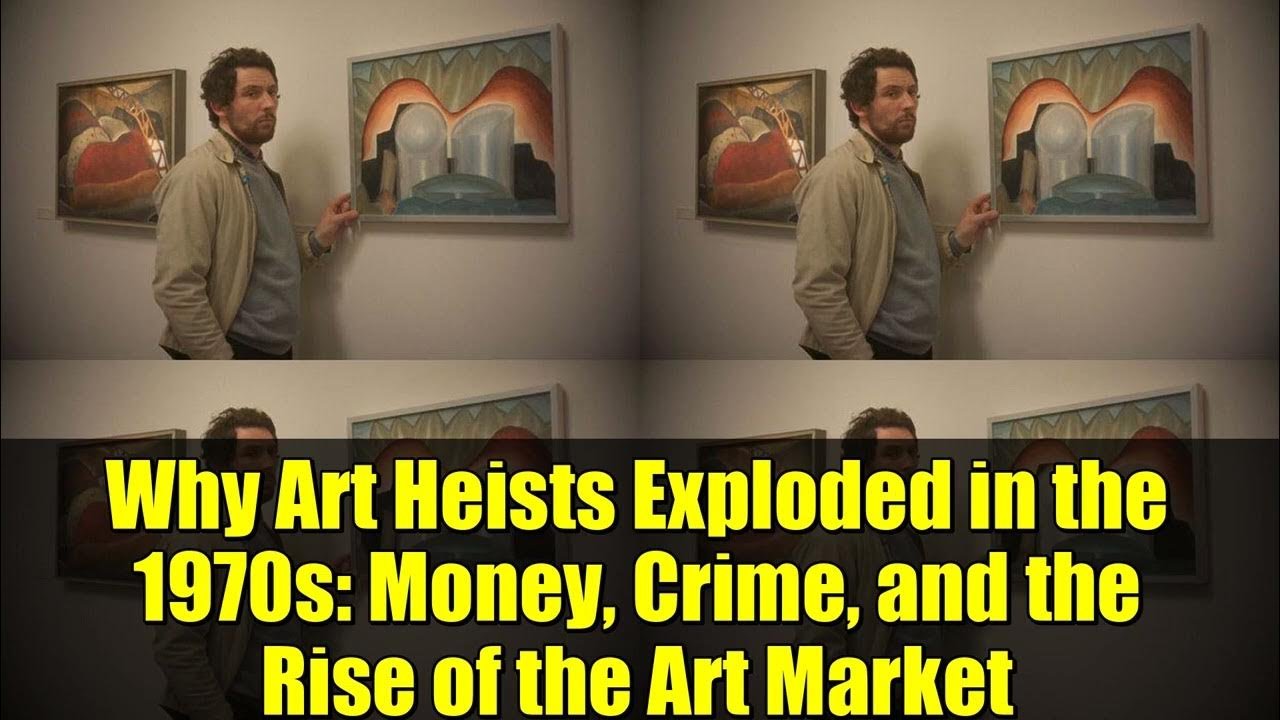
The Boom of the Art Market and Rise of Art Crime The 1970s marked a strange and transformative decade — one of rebellion, economic turbulence, and shifting values. It was also the era when a new type of criminal emerged: the art thief. The decade witnessed a surge in museum break-ins and daring robberies across the world, as priceless paintings suddenly became symbols of wealth and power. This rise in art heists in the 1970s was more than a series of spectacular crimes; it reflected a profound cultural shift in how society viewed art — not merely as beauty, but as currency. The Worcester Robbery: A Turning Point in Art Heists of the 1970s In May 1972, two men entered the Worcester Art Museum in Massachusetts. Within minutes, they fled carrying four valuable paintings — masterpieces by Paul Gauguin, Pablo Picasso, and a work once believed to be by Rembrandt. As they escaped, they held high school students at gunpoint and wounded a security guard. The stolen artworks, valued at $2 million at the time, made headlines across America. Newspapers called it one of the most audacious museum robberies in modern history. The mastermind behind the theft was Florian “Al” Monday, a seasoned criminal. Yet, his downfall came swiftly. The thieves he recruited couldn’t resist bragging about their crime at a local bar. Within weeks, police discovered the paintings hidden on a pig farm in Rhode Island. The artworks were safely returned, but the heist had already captured the imagination of a nation. This incident didn’t just inspire filmmakers decades later; it ignited a trend. The Worcester robbery became the spark that set off a chain reaction of art heists in the 1970s, transforming museum theft into a global phenomenon. Art Heists in the 1970s and the Rise of ‘The Mastermind’ The true story of the Worcester heist later inspired the feature film The Mastermind, starring Josh O’Connor. The film reimagines the event through a fictional lens, exploring the psychology of those who plan and execute art robberies. O’Connor’s character, JB Mooney, is a disillusioned art school dropout — intelligent but trapped by financial pressures and personal frustrations. His descent into crime mirrors a broader social theme of the 1970s: when ordinary people, feeling left behind, began taking desperate measures. Unlike the sleek, polished portrayals of heists in films like The Thomas Crown Affair, The Mastermind strips away the glamour. It reveals the chaos, fear, and moral decay behind such acts. This humanized portrayal mirrors reality — many of the art heists in the 1970s were not executed by genius criminals but by opportunists stumbling through the art world’s vulnerabilities. Other Major Art Heists of the 1970s The Worcester robbery wasn’t an isolated event. Similar crimes erupted across continents, proving that the art world had become a target for thieves worldwide. The Montreal Museum of Fine Arts Robbery: One of the Most Daring Art Heists in the 1970s Just months after the Worcester theft, Canada faced its own headline-making crime. Armed robbers broke into the Montreal Museum of Fine Arts through a skylight, stealing paintings, jewelry, and artifacts worth around $2 million. It remains one of Canada’s largest unsolved art heists. The robbery revealed how easily thieves could exploit museum weaknesses, from poor alarm systems to limited security staff. The Palais des Papes Theft: One of the Most Shocking Art Heists in the 1970s Four years later, in France, over a hundred of Picasso’s final works vanished from an exhibition at the Palais des Papes in Avignon. The robbery stunned Europe. Not only did it involve irreplaceable art, but it also demonstrated that even prestigious institutions could be breached. The Russborough House Robbery (Ireland, 1974) One of the decade’s most politically charged heists occurred in Ireland. Rose Dugdale, a wealthy Oxford graduate turned Irish republican, led an armed group that stole 19 paintings, including works by Vermeer and Rubens, from Russborough House. The paintings were held for ransom in exchange for imprisoned IRA members. The crime blended political activism with high-value art theft — a unique feature of art heists in the 1970s, when ideological motives often mingled with greed. The Changing Nature of Art and Value Before the 1970s, stealing paintings wasn’t a mainstream criminal pursuit. That changed as art became synonymous with wealth and status. The decade saw the birth of art as an investment — a concept fueled by booming auction prices and television programs showcasing art valuation. Art historian Tom Flynn has noted that this period “coincided with the boom of the art market.” Shows like Antiques Roadshow, launched in 1977, taught audiences to see paintings as financial assets. The result was a psychological shift: criminals began viewing museums as banks — and paintings as money. This newfound perception played a crucial role in art heists in the 1970s. Paintings, once seen as cultural treasures, became portable riches for those willing to take the risk. Museum Security and the Criminal Opportunity During the 1970s, many museums faced severe funding shortages. Inflation and government cutbacks left cultural institutions vulnerable. Security systems were outdated, guards were often unarmed, and surveillance cameras were rare. Even high-profile galleries suffered embarrassing lapses. In London, Francisco Goya’s Portrait of the Duke of Wellington was stolen in 1961, while three Rembrandt paintings disappeared from Dulwich Picture Gallery in 1966. These incidents proved that stealing valuable art was shockingly easy — sometimes as simple as lifting a painting off the wall and walking out. Such weaknesses emboldened a new wave of criminals. Many had little understanding of art’s true value or the difficulty of selling stolen masterpieces. Once the thefts were committed, they discovered that famous paintings were nearly impossible to trade without drawing attention. Still, the appeal of instant wealth made art heists in the 1970s irresistible. The Myth of the Gentleman Thief Cinema and media played a significant role in romanticizing the art thief. In the 1960s and ’70s, films like Topkapi, How to Steal a Million, and Gambit turned criminals…

Read More

Leaf-peeping in the Adirondacks by Canoe

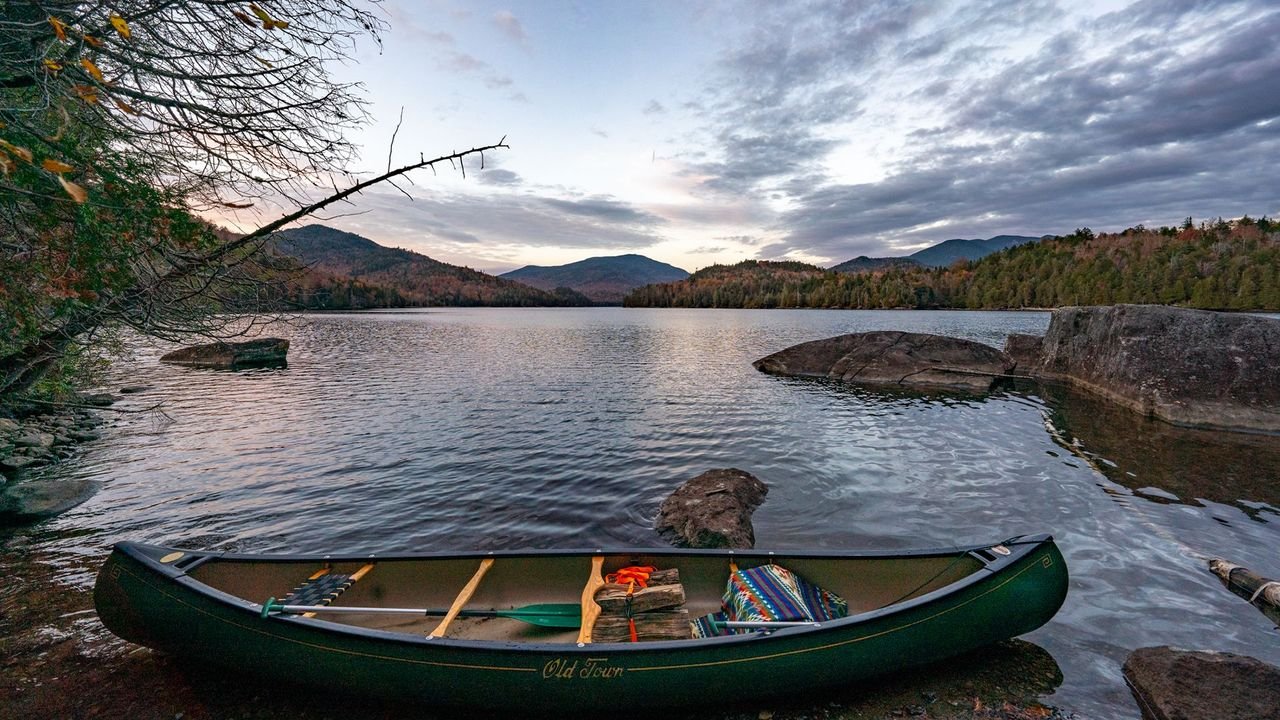
The Timeless Wonder of Leaf-Peeping in the Adirondacks Each autumn, the forests of upstate New York come alive in a breathtaking transformation. The Adirondacks—vast, wild, and deeply wooded—offer one of the most spectacular fall foliage displays in the United States. Here, nature paints the land with rich shades of crimson, amber, and gold. But while many travelers chase these views from mountain roads or scenic overlooks, there’s a more intimate way to experience the show: leaf-peeping in the Adirondacks by canoe. Gliding across glassy lakes surrounded by fiery forests, visitors reconnect not just with nature but with an ancient American tradition—navigating the wilderness by water. This is not just sightseeing; it’s a journey through time and tranquility. Exploring the Vast Beauty of Adirondack Park’s Fall Foliage New York’s Adirondack Park is an awe-inspiring six-million-acre expanse—making it the largest state park in the US. Its boundaries encompass more land than Yellowstone, Yosemite, Grand Canyon, Glacier, and Great Smoky Mountains National Parks combined. A wilderness of towering peaks, deep valleys, and glacier-carved lakes, the Adirondacks are a living mosaic of ecosystems. Within its sprawling borders lie more than 3,000 lakes and ponds and 30,000 miles of rivers and streams. Every autumn, these waters reflect the forest’s fiery hues, turning the region into one of America’s most mesmerizing natural spectacles. Unlike many parks that are entirely preserved for wilderness, Adirondack Park is a unique blend of public and private land, dotted with villages, cabins, and heritage trails. Yet much of its terrain remains wild—untamed by time and technology. What Makes the Adirondacks the Best Place for Leaf-Peeping in the US The Adirondacks hold a certain magic during fall. The region’s elevation, temperature, and mix of hardwood trees—especially maples, birches, and aspens—create a perfect environment for vivid color. Every October, the landscape explodes with a kaleidoscope of russet reds, golden yellows, and burnt oranges. What sets leaf-peeping in the Adirondacks apart is not just the color but the setting. Here, nature surrounds you completely—mountains rising in the distance, the gentle ripple of lakes, and the haunting calls of loons echoing across the mist. It’s an experience that speaks to the soul, best enjoyed slowly, silently, and close to the water’s edge. The Ancient Connection Between Canoes and the Adirondacks Before modern trails or scenic drives existed, the Adirondacks were a waterborne wilderness. Native American tribes, including the Mohawk and Abenaki, navigated these interconnected waterways in hand-carved canoes for hunting, trading, and travel. When early European explorers arrived, they too relied on canoes to penetrate the dense forest and vast wetlands. Today, that tradition lives on. Paddling a canoe through these lakes is not merely a recreational activity—it’s a continuation of an ancient heritage. As Adirondack guide Maeghan Farnham, co-owner of St. Regis Canoe Outfitters, explains, “Traveling by canoe preserves the true essence of this land. It connects paddlers to the region’s history, to the people who first explored it, and to the rhythms of the wilderness itself.” The Art of Leaf-Peeping by Paddle Leaf-peeping is often associated with scenic drives along mountain roads, but in the Adirondacks, the best view isn’t from the highway—it’s from the water. From a canoe, every breeze and reflection tells a story. The colors seem to ripple across the lake’s surface, changing as the light shifts with each passing cloud. Paddling also opens access to parts of the park that vehicles can never reach. Some of the most untouched corners of the Adirondacks—hidden coves, silent ponds, and mirror-like lakes—can only be explored by canoe. It’s a perspective that few travelers experience but one that leaves a lifelong impression. Mapping the Journey: Planning Your Leaf-Peeping Adventure For those eager to try leaf-peeping in the Adirondacks, planning the right route is essential. Many lakes and rivers are non-motorized, ensuring serenity for paddlers. Canoe camping—packing gear and paddling into the backcountry to set up camp—offers the deepest immersion in nature. Among countless options, one of the most scenic is Newcomb Lake in the central Adirondacks. Surrounded by forest and accessible only by non-motorized means, it promises peace, color, and reflection in every sense of the word. My partner and I planned our route with two goals: to find solitude and to venture somewhere untouched. Our map led us to a secluded corner of the park, where the lake shimmered like glass beneath the first blush of fall. Horsepower and Heritage: Reaching Newcomb Lake Before paddles touch the water, the journey begins with a ride through history. Since no motorized vehicles are allowed near Newcomb Lake, visitors must travel by foot, bicycle, or—most memorably—a horse-drawn wagon. Local farmer Larry Newcombe, with his gentle Percheron horses, Doc and Bob, offers travelers a nostalgic route through the forest. For years, he’s ferried canoes and campers to the trailhead near Great Camp Santanoni, a grand 19th-century estate once frequented by New York’s elite seeking refuge in the wilderness. As the horses clop steadily along the dirt path, the world slows down. The sound of hooves echoes through the trees, mingling with the rustle of leaves and the scent of pine. It’s a journey back to a simpler era—one ruled by rhythm, not rush. Through the Santanoni Forest Preserve The trail winds through 13,000 acres of protected forest—home to towering maples, ancient pines, and the soft whisper of the wind through birch leaves. Along the way lies the Santanoni Farm Complex, a beautifully preserved National Historic Landmark that once sustained the camp’s residents with fresh produce and dairy. “Nothing compares to this place,” Newcombe says, gesturing to the unfolding tapestry of color. “Every week the forest changes. You blink, and the green turns to gold.” By the time the trail opens to the lake, the autumn panorama is breathtaking—a vision of flame-tipped trees reflected in still water. Setting Out on the Lake We push our canoe into the shallows, the water cool and clear beneath the bow. Paddles dip softly, and the world falls silent except for the rhythmic splash of water. With no motor noise…

Read More

The Dutch Rewilding Project That Took a Dark Turn

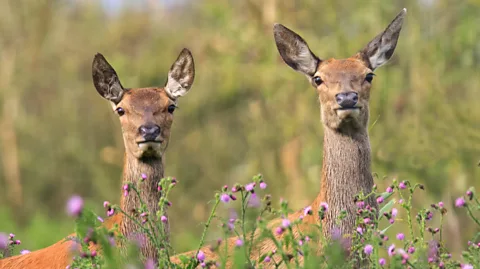
The Dutch Rewilding Project That Took a Dark Turn In early 2018, a chilling sight unfolded across the Dutch wetlands of Flevoland. Train passengers traveling between Amsterdam and Almere watched in disbelief as carcasses of deer, horses, and cattle littered the landscape. This was Oostvaardersplassen — once hailed as one of Europe’s boldest ecological experiments and a cornerstone of the Dutch rewilding project. What began as a visionary attempt to restore natural balance had spiraled into one of the most controversial conservation crises in modern history. For decades, Oostvaardersplassen represented hope for a new kind of wilderness in the Netherlands. In the 1980s, conservationists envisioned a bold experiment — a landscape where nature would manage itself, free from human control, fences, or farming. They reintroduced vast herds of red deer, Konik horses, and Heck cattle to recreate the ecological balance once maintained by prehistoric grazers that freely roamed across Europe.. The philosophy was simple yet radical: let nature take its course. The brutal winter of 2017–2018 shattered this ideal. As starvation spread across the herds, park rangers made the painful decision to shoot hundreds of animals to end their suffering. The images of emaciated bodies scattered across the icy plains shocked the world. To some, it was nature’s harsh reality. The clash of ideals exposed a deeper truth: despite its noble intentions, rewilding can never exist without human influence. Oostvaardersplassen: The Heart of a Bold Dutch Rewilding Project The story of Oostvaardersplassen begins in 1968, when an inland sea in the Netherlands was drained to create new land for human settlement. Amid the new terrain, a swampy stretch of land began to attract flocks of greylag geese. These migratory birds transformed the area into a thriving wetland ecosystem. As the geese fed and nested, they shaped a delicate marshland balance that soon caught the attention of ecologists. By the late 1970s, Dutch biologist Frans Vera proposed a radical idea. He believed Europe’s prehistoric landscapes weren’t dense forests as traditionally thought, but dynamic mosaics of open woodlands maintained by wild herbivores. To test his theory, Vera introduced herds of hardy grazing animals to Oostvaardersplassen — a move that would redefine rewilding philosophy across Europe. Rewilding Without Boundaries: Nature’s Grand Experiment The early decades of the Dutch rewilding project were filled with optimism. Without human interference, nature flourished. The grasslands remained open, the geese thrived, and the wetlands teemed with life. Oostvaardersplassen became a symbol of ecological freedom — a living laboratory that inspired similar projects in the UK, Spain, and beyond.People often nicknamed it “The Serengeti behind the dikes.” Yet, beneath the success, cracks began to appear. Without predators and with fences preventing migration, animal populations exploded. By the mid-2010s, the grazers had consumed nearly all vegetation. The once lush landscape became barren, and food scarcity loomed. When the harsh winter hit in 2017, nature’s self-regulating system failed catastrophically. The Winter That Changed Everything As snow blanketed the wetlands, thousands of deer, horses, and cattle weakened from hunger. Rangers faced an impossible decision: intervene or let nature decide. Bound by the project’s non-intervention principles, many animals were left to die naturally. But as starvation spread, rangers began culling the weakest individuals to minimize suffering. By spring, over 3,000 grazers were dead. Photos of skeletal animals went viral, and public outrage erupted across the Netherlands. Protesters gathered near the reserve, delivering hay to feed the animals. Social media buzzed with accusations of cruelty. Park rangers received death threats as the nation split in debate — was this nature taking its course, or a disaster created by humans? The Ethics of Rewilding: When Nature Meets Human Morality The 2018 crisis sparked an ethical reckoning about what it truly means to rewild. Ecologist Frans Vera defended the outcome as a natural correction — nature’s way of balancing populations. Supporters agreed, pointing out that mass die-offs occur in the wild, from African savannas to Arctic tundras. Critics, however, argued that Oostvaardersplassen was far from wild. Surrounded by fences and isolated from migration routes, it was an artificial experiment in a human-made landscape. The clash of ideals exposed a deeper truth: despite its noble intentions, rewilding always remains bound to human influence. Even in the most hands-off projects, human philosophy shapes what we define as “natural.” A New Approach to Rewilding in the Netherlands Following the 2018 tragedy, local authorities imposed sweeping changes. The once non-interventionist philosophy was replaced with active management.Rangers began monitoring animal health, capping populations, and providing food during harsh winters. Trees were planted, water levels adjusted, and the ecosystem slowly began to recover. Seven years later, Oostvaardersplassen is no longer a barren plain. Its grasslands now ripple with life once more. White-tailed eagles soar above, herds graze on lush pastures, and wetlands hum with birdsong. Though human hands guide it, the reserve still embodies the essence of rewilding — a space where nature can thrive, even within human boundaries.

Read More

Interview with a Ghost: Exploring Haunted Places in New York City

The Timeless Mystery Behind Haunted Places in New York City New York City is a place where the past never truly dies. Beneath the pulse of modern skyscrapers and yellow taxis lies another city — one built on layers of stories, secrets, and spectral echoes. Beyond the dazzling lights of Times Square or the tranquility of Central Park, there’s a darker side that hums with whispers of those who once walked these streets. These are the haunted places in New York City, where history and hauntings blur into one unforgettable tale. It’s late evening at the Morris-Jumel Mansion, Manhattan’s oldest surviving residence. The flickering glow of candles casts ghostly shadows along brick walls that have witnessed revolutions, duels, and whispered conversations. I find myself holding a pair of dowsing rods, thin metal sticks that tremble in my hands. The air feels colder here, heavy with memory. “Isaac,” I whisper, “should I mention you in my story?” The rods cross slowly — the supposed sign for yes. I’m speaking to a spirit, at least according to the guides who host these paranormal tours. I’m not one to leap at the supernatural, yet New York’s haunted history has a way of challenging skepticism. The city’s reputation for being a modern powerhouse often overshadows its centuries-old ghosts, but those willing to look closer can sense how deeply the supernatural is stitched into its foundation. Exploring haunted places in New York City isn’t just about thrills; it’s about tracing forgotten footprints. Each haunted mansion, tavern, or museum serves as a time capsule, revealing lives that helped build the city — and in some cases, never left it behind. Morris-Jumel Mansion: One of the Oldest Haunted Places in New York City Perched on a quiet hilltop in Hamilton Heights, the Morris-Jumel Mansion looks peaceful from the outside. Built in 1765, it once served as George Washington’s headquarters during the Revolutionary War and later became home to the flamboyant Eliza Jumel, one of the city’s wealthiest women. But beneath its historical prestige lies a lingering energy that visitors can still feel today. During one of the mansion’s candlelit paranormal investigations, our small group is handed ghost-hunting tools — EMF meters, cat-toy motion lights, and the delicate dowsing rods. Within minutes, the devices begin to react near the old kitchen fireplace. Guides believe this is where Isaac Till, an enslaved cook, once prepared meals for Washington and his soldiers. Museum records confirm his existence through Washington’s ledgers, listing rental fees for Isaac and his wife Hannah. Though history reduced them to transactions, the mansion now strives to restore their stories — and in Isaac’s case, his voice. When we ask if it was his song echoing through the basement earlier, the rods cross again. Perhaps coincidence, perhaps something else. But the chill that follows feels unmistakably personal. “He’s one of the spirits who seems to respond most often,” explains Danielle Gaita, the mansion’s programs manager. “Visitors come for the ghost stories, but they leave with a deeper understanding of the people history forgot.” Eliza Jumel herself is said to wander the upper halls, rearranging furniture and startling guests with fleeting appearances. Some even claim to see Aaron Burr — her husband for a brief and tempestuous period — drifting through the parlor where they exchanged vows. Whether these sightings are tricks of light or lingering memories, the Morris-Jumel Mansion remains one of the most compelling haunted places in New York City, merging Revolutionary War history with tales of restless souls. The Merchant’s House Museum: Where Time Stands Still Just south in Greenwich Village stands another cornerstone of New York’s haunted legacy — the Merchant’s House Museum. Built in 1832, the red-brick townhouse once belonged to the Tredwell family, prosperous merchants whose wealth reflected the city’s maritime boom. Every ornate room has been preserved exactly as it was, down to the velvet drapes and horsehair furniture, making visitors feel as though they’ve stepped into the 19th century. Yet the past doesn’t just linger here — it moves. Guests and employees alike have reported doors opening on their own, cold spots forming suddenly, and even the faint sound of footsteps trailing behind them. The most famous apparition is Gertrude Tredwell, the family’s youngest daughter, who died in the home in 1933 after spending her entire life within its walls. Days after her funeral, neighbors claimed to see her appear on the stoop, shushing noisy children exactly as she had in life. Unlike many historical sites that downplay ghost stories, the museum embraces its spectral reputation. Each fall, candlelight ghost tours invite visitors to experience the mansion after dark, guided by historians who weave family biography with the unexplained phenomena. There’s even a podcast, In the Spirit of Science, which examines supernatural reports through scientific inquiry — proof that in New York, even ghosts meet modern skepticism. What makes the Merchant’s House so compelling isn’t only the possibility of seeing a ghost but how vividly it preserves 19th-century domestic life. The scent of polish on the mahogany banister, the creak of age in the floorboards — they make you feel time folding in on itself. It’s a haunting that transcends fear; it’s empathy for lives lived so completely within these walls that their echoes refuse to fade. Green-Wood Cemetery: Where History Sleeps Uneasily Across the East River in Brooklyn lies Green-Wood Cemetery, 478 acres of rolling hills, gothic mausoleums, and winding paths shaded by ancient trees. It’s beautiful, solemn, and eerily alive with stories. Established in 1838 on land that once saw the Battle of Long Island during the Revolutionary War, Green-Wood soon became one of America’s first rural cemeteries, the final resting place for artists, generals, politicians, and thousands of soldiers from the Civil War. By day, it’s serene — photographers capture sunlight streaming through marble angels; locals stroll the grounds. But at night, the atmosphere changes. Countless visitors have reported strange voices whispering among the tombs, flickers of figures gliding between monuments, and even the echo of…

Read More