Mia

COPD and Heart Disease: Early Heart Risk from Lung Scans

Introduction: Hidden Heart Risks in COPD Patients Chronic obstructive pulmonary disease (COPD) primarily affects the lungs, causing shortness of breath, persistent coughing, and difficulty in daily activities. However, COPD doesn’t just impact lung function — it can also increase the risk of heart disease and early mortality. Recent research highlights that patients undergoing routine chest CT scans for COPD may also be at risk for coronary artery calcium buildup, a strong predictor of heart disease and death. These findings suggest that lung imaging could double as a heart health screening tool, offering vital insights into overall cardiovascular risk. Understanding COPD and Its Impact on the Heart COPD is most commonly caused by long-term cigarette smoking, which damages the airways and reduces lung efficiency. As lungs weaken, the heart must work harder to pump oxygen-rich blood through the body, leading to strain on cardiac tissues. Smokers with COPD often face higher risk of heart disease than lung cancer, making cardiovascular monitoring crucial. Coronary Artery Calcium: A Silent Predictor Chest CT scans, routinely used for lung evaluation, can also reveal calcified plaque in coronary arteries, known as coronary artery calcium (CAC). Routine Lung Scans as Dual-Purpose Tools Millions of chest CT scans are performed annually for patients with lung conditions. These scans can provide detailed images of the heart, offering an opportunity for early detection of cardiovascular risks without extra cost or radiation.https://www.youtube.com/watch?v=vVatqJf41wE Preventive Measures and Heart Health Strategies COPD patients can reduce cardiovascular risk through lifestyle changes, medication, and regular monitoring: Link Between Smoking, COPD, and Heart Disease The connection between lung damage and cardiovascular stress is clear: Addressing both lung and heart health simultaneously is crucial for patients with COPD or a smoking history. Emerging Research and Future Directions Ongoing studies are exploring: This research underscores the importance of holistic care, considering both pulmonary and cardiac health in at-risk populations. Conclusion: Taking a Comprehensive Approach to COPD Care COPD is more than a lung disease. Heart disease is a common and deadly companion, often detectable through routine chest imaging. By using lung scans to assess coronary artery calcium, physicians can identify high-risk patients early, implement preventive strategies, and reduce mortality. Patients are encouraged to quit smoking, maintain a healthy lifestyle, and undergo regular cardiovascular monitoring to protect both lung and heart health.

Read More

EVALI Lung Injury: Risks, Vaping Effects, and Prevention

Introduction: The Hidden Dangers of Vaping Vaping has become a popular trend among young adults and teenagers over the last decade. Marketed as a safer alternative to smoking, e-cigarettes and vaping products have found a foothold in many communities. However, the rise of vaping has also led to serious health concerns, most notably a condition known as EVALI — e-cigarette or vaping product use-associated lung injury. First identified in 2019, EVALI cases shocked the medical community due to their sudden onset, severe symptoms, and sometimes fatal outcomes. Young patients often presented with coughing, fever, shortness of breath, vomiting, and diarrhea, and some required hospitalization in intensive care units. While initial cases were linked to substances like THC-containing products and additives such as vitamin E acetate, the outbreak underscored a broader truth: vaping carries serious health risks that are not yet fully understood. Understanding EVALI: What Happens to the Lungs EVALI is a form of acute lung injury that occurs due to inhalation of harmful chemicals found in some vaping products. Symptoms can appear suddenly and range from mild respiratory discomfort to severe breathing difficulties requiring mechanical ventilation. Medical experts warn that EVALI could represent just the tip of the iceberg, suggesting that chronic, long-term tissue damage may develop later in both smokers and vapers. What Causes Vaping-Related Lung Injuries? Unlike traditional cigarettes, vaping products come in a variety of forms and chemical compositions, making it challenging for researchers to determine exact health risks. Some key factors include:https://www.youtube.com/watch?v=YYnhq0vJTRI Vaping Trends Among Teens and Young Adults Despite known health risks, vaping has surged among teenagers and young adults. Current statistics reveal: Many young users underestimate the dangers, focusing on immediate social or recreational benefits rather than long-term consequences. The Connection Between Vaping and COVID-19 Recent studies suggest that vaping may increase susceptibility to COVID-19 infections. Young adults who use e-cigarettes were found to have five times higher odds of being diagnosed with COVID-19 compared to non-users. The compromised lung function and inflammation caused by vaping may worsen viral infections, making vaping an added risk factor during pandemics. Prevention and Early Detection Strategies Early education and intervention are critical in preventing vaping-related lung injuries. Key strategies include: Treatment and Quitting Strategies For those already using e-cigarettes, the following strategies can reduce risks: Long-Term Health Concerns EVALI may be just an acute manifestation of lung injury, while the long-term consequences of vaping remain uncertain. Experts warn of potential risks including: Conclusion: Taking Vaping Seriously The rise of EVALI and ongoing research on vaping-related health effects emphasize the importance of awareness, prevention, and timely intervention. Young users must recognize that vaping is not harmless. While some risks may appear immediately, others could develop silently over the years, affecting overall health and quality of life. By educating teens, supporting cessation, and regulating harmful substances, the growing epidemic of vaping-related lung injuries can be mitigated.

Read More

Understanding Cardiac Emergencies: Heart Safety Guide

Heart Risk Autoimmune Women: Understanding the Risks and Prevention Understanding cardiac emergencies is crucial for women with autoimmune diseases such as rheumatoid arthritis, lupus, and systemic sclerosis. These conditions are far more common in women, and the heart risk autoimmune women face is significantly higher due to chronic inflammation, vascular damage, and immune-related complications. Recognizing how autoimmune diseases contribute to cardiovascular threats is essential for timely prevention, early diagnosis, and long-term protection. This guide explores the causes, warning signs, complications, and lifestyle strategies for reducing cardiovascular risk in women affected by autoimmune conditions. What Happens to the Heart in High-Risk Women? The heart relies on a steady supply of oxygen-rich blood. In women with autoimmune diseases, inflammation can damage blood vessels and reduce circulation. Plaques may develop in coronary arteries, leading to narrowing or blockage. When blood flow is interrupted, the heart muscle suffers injury, which can be permanent if untreated. Mechanisms of Cardiovascular Risk in Autoimmune Women Common Symptoms of Heart Risk in Autoimmune Women Women often experience subtler symptoms than men. Early recognition is crucial: Even mild or intermittent symptoms should prompt consultation with a healthcare provider. Underlying Causes and Contributing Factors Autoimmune Disease Activity Active autoimmune disease increases systemic inflammation, which contributes to vascular damage. Gender-Specific Biology Hormonal influences, particularly estrogen, affect cardiovascular function. Women may develop different disease manifestations and experience delayed diagnosis. Lifestyle and Environmental Factors Diet, physical activity, smoking, and stress can significantly influence cardiovascular risk. Women with autoimmune conditions may face compounded risks. Medication Effects Certain treatments for autoimmune disease, such as corticosteroids, can elevate blood pressure and cholesterol, increasing cardiovascular strain. Understanding Cardiac Emergencies Medical Conditions Related to Heart Risk in Women with Autoimmune Diseases Autoimmune women are at higher risk for several cardiovascular conditions: Diagnosis and Monitoring Regular health checks and proactive monitoring are essential: Early intervention can prevent irreversible damage and reduce overall cardiovascular risk.Understanding Cardiac Emergencies Lifestyle Strategies to Reduce Heart Risk Even with autoimmune disease, lifestyle changes can have a profound impact: Medical Interventions and Treatments In some cases, lifestyle changes alone are insufficient: Understanding Recovery and Long-Term Management Women with autoimmune disease may face prolonged recovery after a cardiac event due to chronic inflammation and immune system stress. Recovery strategies include:https://www.youtube.com/watch?v=6qyMFcsOny8 Preventing Future Complications Preventive strategies are crucial: FAQs: Heart Risk in Autoimmune Women Q1: Why are women with autoimmune diseases at higher heart risk?A1: Chronic inflammation, hormonal influences, and disease-related vascular damage increase cardiovascular risk. Q2: Can lifestyle changes prevent heart complications?A2: Yes, a healthy diet, regular exercise, and stress management can significantly reduce risk. Q3: How often should autoimmune women get heart screenings?A3: Annual check-ups are recommended, but frequency may vary based on disease severity and risk factors. Q4: Are heart risk symptoms the same in women as men?A4: Women often experience subtler symptoms, including fatigue, shortness of breath, or mild chest discomfort. Conclusion The heart risk autoimmune women face is a serious health concern, but early recognition, lifestyle modification, and proper medical care can significantly reduce complications. By understanding the mechanisms, symptoms, and preventive measures, women can take control of their cardiovascular health and improve long-term outcomes.

Read More

Heart Risk Autoimmune Women: Prevention & Insights

Introduction Heart risk autoimmune women is a growing concern, as autoimmune diseases like rheumatoid arthritis, lupus, and systemic sclerosis disproportionately affect women. Emerging research shows that women with these conditions face higher cardiovascular mortality than men. This article explores the factors behind this disparity and highlights the need for targeted prevention and gender-specific healthcare approaches. Prevalence of Autoimmune Diseases in Women Women are disproportionately affected by autoimmune diseases. For instance, rheumatoid arthritis is two to three times more common in women than men, while lupus is approximately nine times more prevalent in women. Systemic sclerosis, another autoimmune condition, also shows a higher incidence in women.Heart risk autoimmune women. Cardiovascular Risks Associated with Autoimmune Diseases Autoimmune diseases can lead to chronic inflammation, which is a significant risk factor for cardiovascular diseases (CVD). Inflammatory processes can damage blood vessels, leading to conditions such as coronary artery disease and stroke. Individuals with autoimmune diseases are at an increased risk of experiencing major adverse cardiovascular events, including heart attacks and heart failure. Heart risk autoimmune women. Gender Disparities in Cardiovascular Mortality A comprehensive study analyzing data from the CDC’s WONDER database between 1999 and 2020 revealed significant gender differences in cardiovascular mortality among individuals with autoimmune diseases. While the overall cardiovascular disease-related death rate declined for both men and women, women continued to have a higher mortality rate. Specifically, women with autoimmune diseases had a 50% higher cardiovascular disease-related death rate than men. Factors Contributing to Gender Disparities Several factors contribute to the higher cardiovascular mortality rates in women with autoimmune diseases: Biological Differences Hormonal variations, particularly the protective effects of estrogen, may influence the development and progression of cardiovascular diseases. Additionally, women may experience different symptoms and disease manifestations, leading to delays in diagnosis and treatment. Healthcare Access and Awareness There is often a lack of awareness among healthcare providers regarding the increased cardiovascular risks in women with autoimmune diseases. This can result in underdiagnosis and undertreatment, contributing to poorer outcomes. Heart risk autoimmune women.https://www.youtube.com/watch?v=PZYW-UT4VD0 Lifestyle Factors Unhealthy lifestyle habits, such as poor diet, lack of physical activity, and smoking, have a more significant impact on heart disease risk in women compared to men. A study by Sunnybrook Health Sciences Centre in Toronto revealed that women with poor health faced nearly five times the risk of heart disease compared to women with ideal health, whereas men with poor health had 2.5 times the risk. Implications for Healthcare The findings underscore the need for gender-specific approaches in managing cardiovascular risks in individuals with autoimmune diseases. Healthcare providers should be vigilant in monitoring cardiovascular health in women with these conditions and consider factors such as hormonal influences and lifestyle habits when developing treatment plans. Heart risk autoimmune women. Conclusion Women with autoimmune diseases face a higher risk of cardiovascular mortality compared to men. This disparity highlights the importance of tailored healthcare strategies that address the unique needs of women with autoimmune conditions. By enhancing awareness, improving access to care, and promoting healthy lifestyles, it is possible to mitigate the cardiovascular risks associated with autoimmune diseases in women.

Read More

3D Scanner Facial Reconstruction: Faster & Improved Patient Care

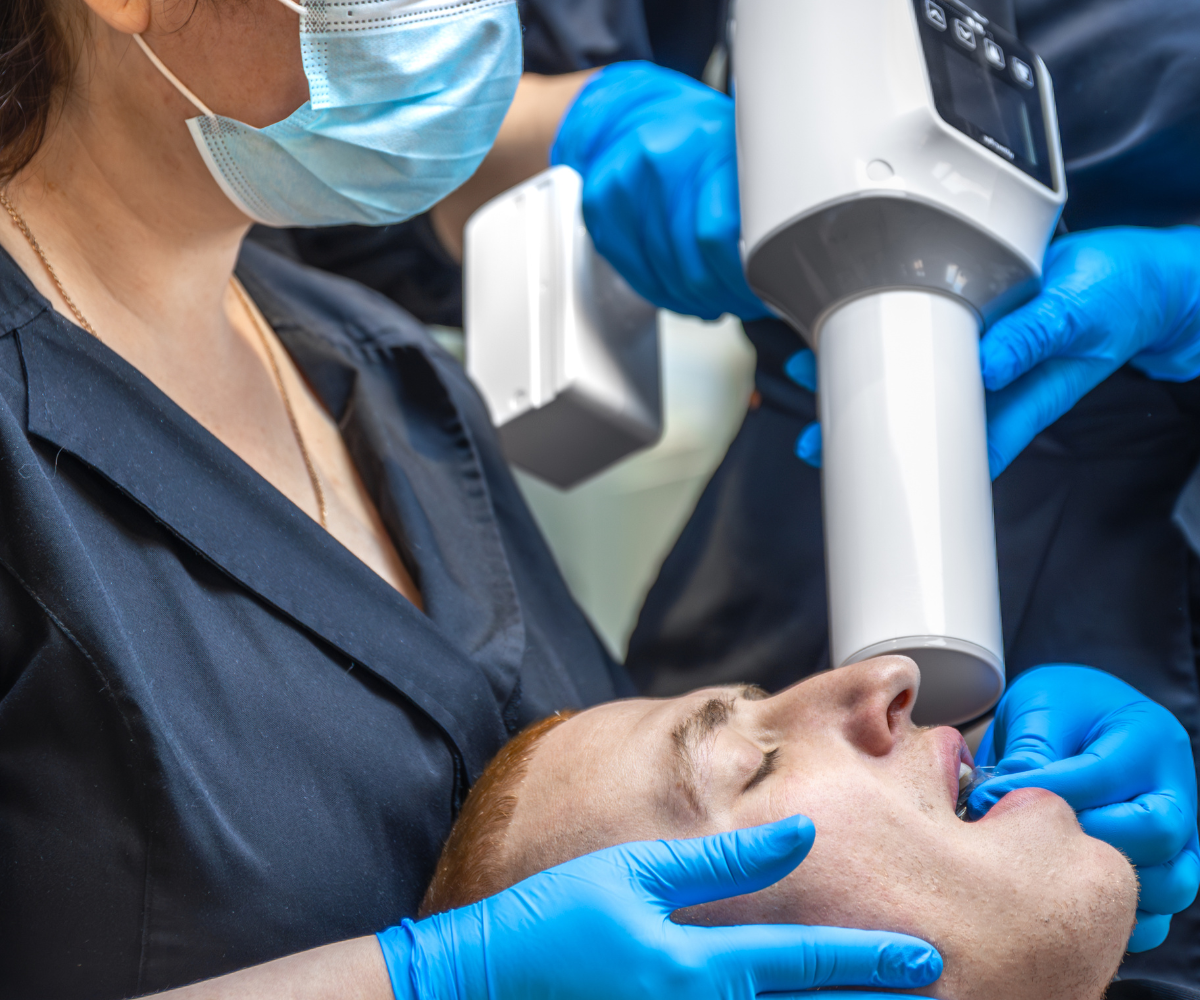
Introduction: Revolutionizing Facial Reconstructive Care 3D scanner facial reconstruction is revolutionizing facial reconstructive treatment, which has traditionally involved multiple lengthy and uncomfortable appointments for patients needing prosthetics for teeth and gums, particularly after surgery for head and neck cancers. This technology reduces the number of visits, increases accuracy, and enhances patient comfort. At Bradford Teaching Hospitals NHS Trust, the introduction of an intra-oral 3D scanner allows patients who previously required several consultations over weeks to complete a five-minute scan to map their oral structures. This innovation is streamlining facial reconstructive care while maintaining high standards of precision and patient safety. How 3D Scanners Work in Facial Reconstruction The intra-oral 3D scanner captures highly detailed digital impressions of a patient’s teeth and gums. Unlike traditional methods, which relied on viscous dental moulds that could cause discomfort or gag reflex, the scanner provides a quick, painless, and accurate mapping process. Once the scan is complete, dental technicians can use 3D printers to create precise prosthetic teeth and gums tailored to each patient. These prosthetics are then fitted seamlessly, reducing the need for repeated adjustments and multiple hospital visits. Reducing Patient Appointments and Improving Comfort Before the adoption of 3D technology, patients often underwent viscous jelly moulds that could make them retch during procedures lasting two to five minutes. Following this, fragile plaster casts were produced in laboratories, which sometimes broke, necessitating further appointments. With the 3D scanner, patients now benefit from a faster, more comfortable experience, with fewer disruptions to daily life. What used to take 10 to 12 weeks of consultations can now be accomplished with a single scanning session, greatly reducing physical and emotional strain for patients undergoing facial reconstructive treatment. Enhancing Surgical Precision with 3D Models One of the most significant advantages of 3D scanning and printing is that it allows surgeons to rehearse complex procedures before entering the operating room. Digital models enable medical teams to: By simulating surgery in advance, healthcare professionals can anticipate challenges and tailor treatments for each individual, leading to safer, more effective facial reconstructive procedures. Case Study: Bradford Teaching Hospitals NHS Trust Ahmed Al-Khayatt, restorative dentistry lead at Bradford Teaching Hospitals, explains that this technology has dramatically improved patient experiences. “We can now provide a much more accurate, faster, and more comfortable experience for our patients,” he says. Patients undergoing surgery for head and neck cancers can now receive tailored dental and gum prosthetics with far fewer appointments, ensuring continuity of care while reducing stress and discomfort. 3D scanner facial reconstruction. Patient Testimonials and Impact Laura Riach, director of Bradford Hospitals Charity, highlights that the 3D scanner and printer are already making a real difference in patient outcomes. Patients have reported: The technology is particularly transformative for patients recovering from cancer surgeries, who may face both physical and psychological challenges during treatment. The Role of Charity and Funding The acquisition of 3D scanners and printers often depends on charitable contributions. Bradford Hospitals Charity emphasizes that donations directly support technological advancements, enabling patients to benefit from cutting-edge medical care. 3D scanner facial reconstruction. By funding innovative equipment, charities play a crucial role in: Expanding Applications of 3D Printing in Healthcare Beyond facial reconstruction, 3D scanning and printing are increasingly applied in:https://www.youtube.com/watch?v=kg5Dof4kOTA The precision and efficiency of 3D technology make it a valuable tool for multiple medical disciplines, improving patient outcomes and optimizing hospital workflows. Future of Facial Reconstructive Treatment The integration of 3D scanning and printing in facial reconstructive surgery is just the beginning. Future developments may include: These innovations promise to further reduce appointment burdens, enhance surgical precision, and provide patients with a more comfortable and efficient care experience.3D scanner facial reconstruction. Conclusion: Transforming Patient Care with Technology The introduction of 3D scanners and printers in facial reconstructive surgery represents a paradigm shift in healthcare delivery. Patients benefit from fewer appointments, improved comfort, and highly accurate prosthetics. Surgeons can plan complex procedures with unprecedented precision, while hospitals can deliver care more efficiently. This technology, supported by charitable contributions and NHS investment, exemplifies how innovation can transform patient experiences, reduce stress, and improve clinical outcomes in facial reconstructive treatment.

Read More

Dental Check-Up Intervals Wales: NHS 2026 Reforms

Introduction: The Changing Landscape of NHS Dental Care in Wales NHS dental care in Wales is set for major reforms starting April 2026, which will affect dental check-up intervals in Wales, patient management, and the way practices are funded. These changes aim to streamline care, improve preventive services, and ensure adults without apparent dental issues continue to receive regular monitoring. However, dental professionals have raised concerns about the impact on early detection of problems and overall patient health. Centralized Waiting Lists and Patient Management The proposed system will establish a centralized waiting list for adult dental care across health boards. Patients will be allocated appointments for check-ups on a rolling basis, meaning that individuals may be scheduled at different clinics within their local health board area. While this approach seeks to maximize efficiency and reduce local shortages, critics argue that it may disrupt continuity of care. Follow-up treatments are planned to occur at the same surgery, but patients would return to the central registry afterward. This system is intended to streamline appointment allocation and reduce administrative burdens, yet it raises questions about the quality and consistency of patient-dentist relationships. Recall Intervals and Preventive Care Under the new policy, patients without obvious dental problems may be recalled every 18 to 24 months, in accordance with NICE guidelines. Previously, routine dental check-ups could occur more frequently, allowing dentists to monitor oral health and intervene early when issues arose. Experts warn that longer recall intervals may compromise the early detection of tooth decay, gum disease, and even oral cancer. Regular examinations play a crucial role in maintaining overall health, as dental professionals can identify signs of systemic conditions during routine visits. Funding Reforms: From Per-Visit Payments to Fixed Support The financial model for NHS dental practices in Wales is also set to change. Instead of being paid per patient visit, practices will receive a fixed amount to support ongoing care for healthy patients. While this model encourages preventive care, some dentists fear it may reduce incentives to identify and treat more complex issues. Dentists’ Perspectives: Workload and Challenges Many dental professionals in Wales are expressing concern about the sustainability of NHS work under the new system. Dr. May Bassett, a dentist in Abercynon, highlights that emergency care is currently the primary mode of treatment. Patients often present with advanced dental issues that could have been prevented with earlier intervention. “Many patients come in with teeth beyond the point of repair. The system is increasingly moving towards extraction rather than restorative care,” says Dr. Bassett. The pressure on dentists has led to an increasing trend toward private practice. NHS dentists face high patient loads, and the per-visit payment model often results in financial losses. Without sufficient support, there is a risk of a mass exodus from NHS dentistry, further limiting access for patients who rely on public healthcare. Social Implications of Limited Access The reform is not only a clinical issue but also a social one. Patients who cannot afford private dental care may experience worsening oral health, which can have long-term consequences for overall well-being. Poor oral health is linked to heart disease, diabetes, and other chronic conditions, underscoring the importance of accessible dental services for all socioeconomic groups. “The new system could create a social divide, where only those who can afford regular private care maintain good oral health,” warns Dr. Bassett. Patient Experiences: Waiting Lists and Barriers to Care Many residents in Wales are struggling to find NHS dentists. For example, Samar Salih has been on a waiting list for two years, dealing with severe dental issues and infections. She shares the emotional toll of not being able to smile confidently due to untreated dental problems. These personal stories highlight the urgent need for reforms that prioritize accessibility and patient-centered care. Payment Structures for NHS Dental Treatment Alongside changes to recall intervals, general fee rates for NHS dentists will rise from £135 to £150. Patients paying for NHS treatment will cover half the costs, capped at £384. Certain groups, such as children under 18, pregnant women, hospital patients, and individuals receiving specific benefits, remain exempt from charges. Balancing Preventive Care and Emergency Treatment A critical challenge for policymakers is balancing preventive care with emergency treatment. Emergency-only models often lead to tooth extractions rather than restorative treatments. This reactive approach not only affects oral health but can also increase long-term healthcare costs due to the systemic impacts of poor dental hygiene. The Role of Preventive Dentistry Preventive dentistry encompasses education, regular check-ups, and early intervention. By identifying potential issues before they escalate, dental professionals can provide treatments that preserve teeth and reduce the need for invasive procedures. Extended recall intervals may undermine these efforts, especially in vulnerable populations. Oral Health and General Health: An Interconnected Relationship Dental health significantly impacts overall well-being. Untreated dental issues can lead to infections, cardiovascular disease, diabetes complications, and even cognitive decline in older adults. Access to consistent dental care ensures that oral health is maintained, directly influencing quality of life. Future Outlook: Challenges and Opportunities The upcoming reforms in Wales present both opportunities and challenges: Dental professionals, patients, and policymakers must collaborate to ensure that reforms achieve their intended goals without compromising care quality.https://www.itv.com/watch/news/what-does-the-nhs-wales-dental-shake-up-mean-for-you/fqzzwk9 Strategies to Improve Access and Patient Outcomes Conclusion: Toward a Balanced Dental Care System The reforms to NHS dental care in Wales represent a significant shift in how dental services are delivered, funded, and accessed. While the goals of efficiency and preventive care are commendable, careful attention must be paid to maintaining quality, equity, and early detection capabilities. Ensuring that all patients, regardless of socioeconomic status, have access to essential dental services will be critical to the long-term success of the system. By addressing workload challenges, supporting dentists, and implementing patient-centered strategies, Wales can build a dental care system that balances prevention, accessibility, and quality outcomes for generations to come.Introduction: The Changing Landscape of NHS Dental Care in Wales NHS dental care in Wales is on the brink of significant reform,…

Read More

Nasal Spray Addiction: How to Stop & Stay Safe

Nasal Spray Addiction: Is It a Cause for Concern? Nasal spray addiction is a concern that affects many people who rely on over-the-counter sprays for relief from a stuffy nose. While these sprays can provide fast relief during colds, allergies, or sinus congestion, overusing certain types can lead to rebound congestion and long-term nasal problems. Some sprays are safe for regular use, but others, when used too frequently, may contribute to nasal spray addiction. Understanding the risks, safe usage practices, and alternatives is essential to maintain nasal health and prevent tissue damage. Understanding Nasal Spray Addiction The term “nasal spray addiction” is somewhat misleading. Unlike addictive substances such as nicotine or opioids, nasal sprays do not cause chemical dependency. However, frequent use—particularly of decongestant sprays—can lead to a cycle known as rebound congestion. Rebound congestion occurs when nasal tissues swell after the effects of the spray wear off, prompting a person to use the spray again. Over time, this cycle can worsen congestion and lead to permanent tissue damage. A study from 2014 involving 895 participants with nasal congestion found that nearly 50% overused nasal sprays, highlighting how common this issue is. Types of Nasal Sprays and Their Safety Not all nasal sprays carry the same risk. Here’s a detailed breakdown of the main types: Saline Nasal Sprays What they are:Saline sprays are simple, drug-free solutions containing salt and sterilized water. Some include preservatives to prevent bacterial growth, while others are preservative-free in sterile aerosol cans. Benefits: Are they addictive?No. Saline nasal sprays are entirely safe and non-addictive. They help maintain nasal moisture and hygiene without causing rebound congestion.https://www.youtube.com/watch?v=HLv9-usVZ4A Steroid Nasal Sprays What they are:These sprays contain corticosteroids, not the muscle-building anabolic steroids. Corticosteroids reduce inflammation caused by overactive immune responses. Uses: Side effects:Long-term use may lead to: Safety tips: Are they addictive?No. Steroid nasal sprays are safe for daily use, though long-term users should consult a physician periodically. Antihistamine Nasal Sprays What they are:Antihistamine sprays block histamine, a chemical responsible for allergy symptoms like sneezing, itching, and runny noses. Cromolyn sodium is a common over-the-counter example. Benefits: Are they addictive?No. These sprays are non-addictive and can be safely used daily for several weeks. For extended use, doctor consultation is recommended. Decongestant Nasal Sprays What they are:Decongestant sprays, including those with oxymetazoline or pseudoephedrine, shrink blood vessels in the nasal passages temporarily. Benefits: Risks of overuse: Signs of dependency: Safe use guidelines: Avoid continuous use to prevent rebound congestion

Read More

Nasal Health Guide: Anatomy, Functions & Common Disorders

Introduction The human nose is a multifaceted organ that serves as the primary entry point for air into the respiratory system. Beyond its role in breathing, it contributes to our sense of smell, influences speech, and plays a vital role in filtering and conditioning the air we inhale. Understanding the anatomy, functions, common disorders, and maintenance of nasal health is essential for overall well-being. Anatomy of the Nose External Structure The visible part of the nose consists of bone, cartilage, and soft tissue. Key components include: Internal Structure Internally, the nose comprises several intricate structures: Functions of the Nose The nose performs several critical functions: Common Nasal Disorders Several conditions can affect nasal health: Treatments for Nasal Conditions Management of nasal disorders varies based on the specific condition: Maintaining Nasal Health To keep the nose healthy: When to Consult a Healthcare Provider Seek medical attention if you experience: Conclusion The nose is a vital organ that plays a crucial role in respiratory health, olfaction, and overall well-being. Understanding its anatomy, functions, common disorders, and maintenance strategies can help individuals take proactive steps in preserving nasal health. Regular care and timely medical attention are essential for addressing any nasal issues and ensuring optimal respiratory function.

Read More

Eye Trauma from Toy Guns: Protect Eyes from Paintball & Air Guns

Introduction Eye trauma from toy guns, including paintball guns, air guns, and other projectile-based toys, has become a serious public health concern. While these toys are often marketed as safe for children, they can cause severe eye injuries, sometimes resulting in permanent vision loss. This article explores the statistics, types of injuries, and essential preventive measures to protect the eyes from toy gun-related trauma. The Alarming Rise in Eye Injuries Statistics on Eye Injuries Between 1990 and 2012, eye injuries from air guns in the United States increased by 169%, with over 440,000 children treated in hospital emergency rooms during this period. This equates to more than 19,000 eye injuries each year, or approximately 52 per day. Disturbingly, more than half of these injuries were severe and required hospitalization. eye trauma from toy guns.https://www.youtube.com/watch?v=DXaHi9VAKP4 Since 2010, the number of hospital admissions for eye injuries from air guns has surged by a staggering 600%.Paintball guns have also been implicated in serious eye injuries, accounting for a significant proportion of posterior segment lesions, such as intraretinal or subretinal hemorrhages leading to macular atrophy or contusion maculopathy. Approximately one-third of these cases required ocular surgery, and 6.5% resulted in visual acuity worse than 20/200. Mechanisms of Injury Types of Eye Injuries The most common eye injuries resulting from air guns and paintball guns include: These injuries can lead to permanent vision impairment or blindness. For instance, a study found that 8% of eye injuries from air guns and other nonpowder toy guns resulted in phthisis, a condition where the eye becomes shrunken and non-functional. eye trauma from toy guns. The Role of Protective Eyewear Importance of Ballistic Eyewear The American Academy of Ophthalmology and other medical organizations strongly recommend the use of ballistic-rated protective eyewear when engaging in activities involving air guns or paintball guns. These goggles are specifically designed to withstand high-velocity impacts and provide comprehensive eye protection. It’s crucial to note that standard goggles or sunglasses, such as those designed for skiing or sun protection, are not adequate for preventing eye injuries from projectile toys. These eyewear types can shatter upon impact, potentially causing more harm than the projectile itself. eye trauma from toy guns. Preventive Measures Recommendations for Parents and Guardians Conclusion While paintball guns, air guns, and other projectile toys are popular recreational items, they pose significant risks to eye health. The rising incidence of eye injuries underscores the need for increased awareness and preventive measures. By prioritizing safety and adhering to recommended guidelines, we can mitigate the risk of severe ocular trauma associated with these toys.

Read More

Eye Exams Lung Risk: Early Detection Through Eye Health Signals

Introduction Eye exams lung risk detection is emerging as a powerful tool in preventive healthcare. Your eyes are more than just a window to the soul—they can also provide critical insights into your overall health. Recent medical research shows that subtle changes in the eyes can signal a wide range of conditions, including cardiovascular disease, diabetes, neurological disorders, and even early signs of respiratory damage. By understanding how eye health connects to lung function, individuals can uncover hidden risks and take proactive steps toward long-term well-being. How Eye Health Reflects Overall Health The eyes are unique in that they allow doctors to observe blood vessels, nerves, and tissue without invasive procedures. Because eye tissue shares microscopic structures with other organs, abnormalities observed during an eye exam can reflect systemic health issues. The Eyes and the Cardiovascular System Changes in the tiny blood vessels in the retina may indicate high blood pressure, clogged arteries, or increased risk of stroke. For instance, an ophthalmologist may notice narrowing or blockage in retinal vessels that mirrors cardiovascular problems elsewhere in the body. Early detection of these signs can prevent life-threatening events. Detecting Diabetes Through the Eyes Diabetic retinopathy is a condition in which high blood sugar levels damage blood vessels in the retina. Often, changes appear in the eyes before elevated glucose levels are detected in routine blood tests. Detecting these early signs through a comprehensive eye exam allows patients to manage diabetes proactively and prevent vision loss.eye exams lung risk Eye Clues to Neurological Disorders Certain eye abnormalities, such as changes in peripheral vision or eye movement, may indicate neurological issues including stroke, brain tumors, or trauma. For example, a loss of side vision may reflect damage to the brain rather than the eyes themselves. By identifying these warning signs, eye exams can prompt timely neurological evaluation. Other Health Conditions Detectable Through the Eyes The Importance of Regular Eye Exams Eye exams are not just for correcting vision—they are critical for monitoring overall health. Early detection can prevent disease progression and save lives. Recommended Frequency of Eye Exams What Happens During an Eye Exam A comprehensive eye exam evaluates: These assessments allow healthcare professionals to detect both ocular and systemic conditions. Case Study: How an Eye Exam Can Save Lives Consider the example of Robert Waters, who underwent a routine eye examination. The ophthalmologist observed changes in the retinal blood vessels and referred him for cardiovascular evaluation. Testing revealed a 90% blockage in his carotid artery—a condition that could have caused a stroke. Within weeks, Robert underwent surgery to restore blood flow and returned to normal activities. This example underscores how eye exams can serve as a non-invasive early warning system for critical health conditions. Preventive Measures to Protect Eye and Overall Health Lifestyle Tips Medical Monitoring Advances in Eye Health Research Emerging research highlights the role of advanced imaging, artificial intelligence, and blood biomarkers in detecting systemic health issues through the eyes. New technologies can identify microvascular changes, nerve damage, and early signs of diseases like hypertension, diabetes, and Alzheimer’s disease—often before traditional tests detect them .Eye exams lung risk Conclusion Your eyes are not just for seeing—they are vital indicators of your overall health. Regular comprehensive eye exams can detect silent diseases, prevent complications, and provide insights into systemic conditions ranging from diabetes and high blood pressure to neurological disorders and cardiovascular disease. Prioritizing eye health is a proactive step toward safeguarding your entire body.

Read More