Mia

Vaping and Lung Injuries: Risks and Prevention

Introduction: Understanding the Dangers of Vaping on Lung Health Vaping and lung injuries have become a growing public health concern, particularly among young adults and teenagers who often perceive e-cigarettes as a safer alternative to smoking. Cases of EVALI—e-cigarette or vaping product use-associated lung injury—have demonstrated that inhaling chemical-laden aerosols can severely damage the lungs, sometimes leading to hospitalization or even death. Understanding these risks is critical for users, parents, and healthcare providers alike, as early recognition and prevention can save lives. What Is EVALI and How Does It Develop? EVALI, or e-cigarette or vaping product use-associated lung injury, refers to acute lung damage caused by substances in vaping products. Patients often present with severe respiratory symptoms such as coughing, shortness of breath, chest pain, and fever. Gastrointestinal symptoms like vomiting and diarrhea are also common. In severe cases, patients may require oxygen therapy, ventilators, or ICU admission. Causes of EVALIInvestigations into EVALI cases have found that the disease is often linked to vaping products containing THC or other unregulated additives. One key culprit is vitamin E acetate, which was used as a thickening agent in some products. Although removal of these contaminated products has reduced EVALI cases, the broader dangers of vaping remain, as many chemicals in e-liquids have unknown long-term effects. Symptoms and Warning Signs of Vaping-Related Lung Injuries Early recognition of symptoms is crucial for preventing severe outcomes. Common warning signs include: Patients experiencing these symptoms should seek immediate medical attention, as untreated lung injuries can become life-threatening. Young People Are at High Risk EVALI primarily affected young adults, particularly those using vaping products obtained from informal sources such as friends, online sellers, or family members. These users often underestimate the risks, assuming that e-cigarettes are safer than traditional cigarettes. Recent statistics indicate millions of middle and high school students use e-cigarettes, putting them at risk for both acute and long-term lung injuries. How Vaping Impacts Long-Term Lung and Heart Health Even after recovery from EVALI, vaping can have lasting effects. Lung function may be permanently reduced, and some survivors experience ongoing respiratory symptoms. Researchers are concerned that repeated exposure to vaping chemicals may lead to chronic conditions, such as: Vaping can also exacerbate preexisting conditions, making patients more vulnerable to heart disease, stroke, or severe respiratory infections like COVID-19. Preventing Vaping-Related Lung Injuries Preventing vaping injuries involves both education and behavioral strategies. Educating Young PeopleParents and educators should speak early with teenagers about the risks of vaping. It is essential that conversations are honest, clear, and specific about the chemicals involved and the potential for serious lung injury. Quitting Strategies for VapersFor current users, quitting is the most effective way to reduce risk. Strategies include: Monitoring and Medical CareRegular medical checkups and lung function assessments can help identify early damage. Individuals with a history of vaping should report any persistent respiratory or gastrointestinal symptoms to a healthcare provider immediately.https://www.youtube.com/watch?v=QvZNn9DnTZM The Broader Implications of Vaping-Related Lung Injuries EVALI cases demonstrate that vaping is not harmless. Beyond immediate lung injury, long-term public health concerns include: Conclusion: Vaping Is Not Risk-Free Vaping may seem safer than smoking, but the risks are real and well-documented. EVALI highlights the potential for severe lung injury, especially in young and inexperienced users. Public awareness, early education, and quitting strategies are essential for reducing harm. Protecting lung health today can prevent lifelong complications tomorrow.

Read More

Pulmonary Embolism Death Rates: Trends, Risks, and Prevention

Introduction Pulmonary embolism (PE), a life-threatening condition caused by blood clots traveling to the lungs, has long been considered a major cardiovascular risk. While death rates had declined steadily for nearly a decade, new research shows a disturbing reversal in this trend. Pulmonary embolism death rates are now rising, affecting not only older adults but also younger populations. Understanding the causes, risk factors, and prevention methods is critical for protecting your health. Recent studies highlight that premature and preventable deaths from PE increased significantly among people aged 25 to 64 over the past decade. This shift underscores a pressing need to examine lifestyle, medical, and demographic factors driving these trends. Understanding Pulmonary Embolism and Venous Thromboembolism What Is Pulmonary Embolism? Pulmonary embolism occurs when a blood clot, typically originating in the deep veins of the legs or other parts of the body, travels to the lungs. This can block blood flow, impair oxygen exchange, and in severe cases, lead to sudden death. Connection to Deep Vein Thrombosis (DVT) PE is part of a broader condition known as venous thromboembolism (VTE). DVT, the formation of a clot in a deep vein, often in the leg, is a primary contributor to PE. When these clots dislodge and move toward the lungs, they create a pulmonary embolism. Symptoms to Recognize Common symptoms include: Immediate medical attention is essential if these symptoms occur, as prompt treatment can save lives. Trends in Pulmonary Embolism Death Rates Decline Followed by Rise From 1999 to 2008, PE death rates declined steadily, dropping roughly 4.4% per year. However, beginning in 2008, this trend reversed, with rates climbing an average of 0.6% annually. The rise is particularly notable in adults under 65, signaling that PE is no longer a condition affecting only older populations. Demographic Disparities Research indicates disparities in PE mortality across racial and gender lines: These differences suggest the influence of socio-economic, lifestyle, and healthcare access factors. The Role of Lifestyle Factors Obesity, sedentary behavior, and other modifiable lifestyle risks are likely contributors to rising PE rates. Severe obesity is strongly associated with increased PE risk, potentially explaining part of the trend among younger adults. Key Risk Factors for Pulmonary Embolism Age and Genetics While older age increases risk, younger adults are not immune. Genetics can also predispose individuals to clot formation, including mutations affecting clotting proteins. Obesity and Sedentary Lifestyle Excess weight and prolonged inactivity increase the likelihood of DVT, which can lead to PE. Weight management and regular exercise are crucial preventive measures. Surgery, Trauma, and Hospitalization Recent surgery, especially orthopedic procedures, as well as trauma or long hospital stays, increase clotting risk. Post-operative anticoagulation and mobility are key preventative strategies. Chronic Health Conditions High blood pressure, diabetes, kidney disease, and heart conditions all elevate the risk for blood clots and PE. Effective management of these conditions is essential. Hormonal Factors Pregnancy, birth control, and hormone replacement therapy can increase clotting risk, particularly in combination with other factors like age or obesity. Symptoms and Early Warning Signs Recognizing PE early is vital for survival. Symptoms can range from mild discomfort to severe respiratory distress: Individuals experiencing any combination of these should seek emergency care immediately.https://www.youtube.com/watch?v=LPJH_LrxRaE Prevention and Risk Management Lifestyle Modifications Medical Interventions Awareness and Screening Understanding family history and personal risk factors can guide preventive measures. Screening for clotting disorders may be recommended in high-risk individuals. Pulmonary Embolism in Younger Adults The rising death rates among adults under 65 are particularly concerning. Factors contributing to this trend include: Public health initiatives focusing on early detection, lifestyle education, and targeted interventions are crucial to reversing this trend. Addressing Health Disparities Racial and gender disparities in PE mortality highlight the need for equitable healthcare access and culturally tailored prevention strategies. Healthcare providers must ensure high-risk populations receive education, screening, and timely treatment. Treatment and Emergency Response Immediate Care PE treatment typically involves anticoagulants, thrombolytic therapy, or surgical interventions in severe cases. Rapid diagnosis and treatment can significantly reduce mortality. Long-Term Management Conclusion The reversal in pulmonary embolism death rates is a public health concern that demands immediate attention. Understanding risk factors, recognizing early symptoms, and implementing preventive strategies can save lives. While older adults remain at higher risk, younger populations are increasingly affected, emphasizing the need for broad awareness, lifestyle management, and equitable healthcare access. By staying informed about pulmonary embolism death rates, recognizing warning signs, and adopting preventive measures, individuals can take proactive steps to protect their heart and lung health.

Read More

Heart and Brain Health Statistics: Risks and Prevention

Introduction Understanding heart and brain health statistics is critical for maintaining long-term well-being. Cardiovascular diseases, including heart disease and stroke, remain leading causes of death worldwide. Beyond mortality, these conditions contribute to disability, chronic illness, and reduced quality of life. Awareness of key numbers, trends, and risk factors empowers individuals to make informed lifestyle choices, prioritize prevention, and seek timely care. Recent data shows that millions of adults are living with high blood pressure, diabetes, obesity, and other cardiovascular risk factors. Knowing the prevalence and implications of these conditions can help individuals, caregivers, and healthcare professionals plan effective prevention and intervention strategies. The Current State of Heart and Brain Health Cardiovascular Disease Trends Recent statistics indicate that cardiovascular disease remains a major public health challenge. Deaths related to heart disease and stroke continue to outnumber fatalities from cancer and accidents combined. Age-adjusted death rates have slightly declined in some areas but remain alarmingly high overall. On average, thousands of people die every day due to cardiovascular-related conditions, highlighting the ongoing burden on public health systems. Post-Pandemic Patterns Following the COVID-19 pandemic, cardiovascular deaths temporarily surged. While age-adjusted rates are stabilizing, the overall number of deaths continues to rise in absolute terms due to an aging population. This underscores the importance of long-term monitoring, early intervention, and lifestyle management to mitigate risk. Key Risk Factors for Heart and Brain Health High Blood Pressure and Diabetes Nearly half of adults are affected by high blood pressure, and over half have either Type 2 diabetes or prediabetes. Both conditions dramatically increase the risk of cardiovascular events and complications. Factors contributing to these conditions include poor diet, insufficient physical activity, excess weight, smoking, and inadequate sleep. Managing blood pressure and blood sugar is essential for reducing the risk of heart attacks, strokes, and kidney disease. Lifestyle interventions, medications, and regular monitoring can substantially improve outcomes. Obesity and Overweight Prevalence Obesity continues to rise globally and affects both children and adults. In the U.S., over 70% of adults have an unhealthy weight, and nearly half have obesity. Excess weight is linked to increased cardiovascular risk, lower life expectancy, and a higher likelihood of diabetes and kidney disease. Understanding body mass index (BMI) thresholds and promoting healthy eating and exercise are key steps in prevention. Kidney Health and Cardiovascular Interactions Kidney disease is closely tied to heart health. Risk factors like high blood pressure, diabetes, and obesity contribute to rising rates of kidney disease. Age-adjusted death rates for kidney disease have increased, highlighting the need for early detection, monitoring, and integrated management of both kidney and cardiovascular health.https://www.youtube.com/watch?v=VYViolo48_0 Disparities in Heart and Brain Health Gender and Ethnic Differences Cardiovascular and related health conditions affect populations differently. For instance, obesity, diabetes, and high blood pressure vary significantly across gender and ethnic groups. Tailored interventions and equitable access to healthcare are critical to address these disparities effectively. Importance of Preventive Care Early prevention—including healthy diet, regular exercise, blood pressure control, and cholesterol management—is essential for all groups. Addressing health inequities can save lives and improve overall community health. Lifestyle Factors and Prevention Tobacco and Cholesterol Management Smoking is a major contributor to heart disease and stroke. Declines in smoking rates have improved public health, but ongoing efforts are required, especially among youth. Maintaining healthy cholesterol levels through diet, exercise, and medications where needed is also essential for reducing cardiovascular risk. Nutrition, Physical Activity, and Weight Management Balanced nutrition, consistent physical activity, and weight control are critical for preventing heart disease, stroke, and related complications. Public awareness campaigns, accessible healthy food options, and community fitness initiatives can play a pivotal role in improving population health. Heart and brain health statistics. Mental Health and Cardiovascular Health Stress, anxiety, and depression are increasingly recognized as important contributors to heart disease and stroke. Integrating mental health strategies with physical health monitoring can significantly improve long-term outcomes. Monitoring and Medical Interventions Regular Screenings and Checkups Routine monitoring of blood pressure, blood sugar, cholesterol, and kidney function is crucial. Early identification of risk factors allows timely intervention, reducing the likelihood of severe cardiovascular events. Heart and brain health statistics. Medications and Medical Treatments In addition to lifestyle management, medications such as antihypertensives, statins, and diabetes treatments are often necessary to control risk factors. Coordination between healthcare providers ensures safe and effective management. Community and Public Health Initiatives Government programs, local health initiatives, and public awareness campaigns are essential for promoting heart and brain health. Equitable access to preventive services, education, and treatment improves outcomes at the population level. Heart and brain health statistics. Actionable Steps for Individuals Seek medical guidance: Follow prescribed treatments and consult healthcare providers for personalized care. Know your numbers: Monitor blood pressure, blood sugar, cholesterol, and BMI regularly. Maintain a healthy lifestyle: Exercise regularly, eat a balanced diet, avoid smoking, and manage weight. Screen early: Participate in regular checkups and preventive screenings. Manage stress: Integrate mental health practices such as meditation, counseling, or stress management.

Read More

Coping with Fear After a Heart Attack: Recovery Tips

Introduction: Coping with fear after a heart attack is an essential part of recovery, as the emotional impact can be as significant as the physical effects. Survivors often experience persistent anxiety, stress, and fear that can interfere with daily life, sleep, and overall well-being. Julie Iacovelli, 31, experienced a sudden heart attack despite being young, healthy, and active. After returning home from treatment, even minor sensations—like a twinge in her chest or an unusual breath—could trigger overwhelming anxiety. Her experience highlights the challenges many heart attack survivors face and underscores the importance of strategies to manage post-heart attack fear effectively. Understanding and Coping with Fear After a Heart Attack Survivors often experience anxiety, post-traumatic stress, and even depression after a cardiac event. Psychological stress after a heart attack can affect physical recovery and increase the risk of future cardiac problems. Recognizing that this fear is common can help survivors understand they are not alone and encourage them to seek support. How Fear and Stress Impact Recovery After a Heart Attack Fear and anxiety are not just emotional—they can have physiological consequences: Understanding these links emphasizes why managing fear is a crucial part of post-heart attack care. Coping with fear after a heart attack.https://www.youtube.com/watch?v=iyQxkGbgTcA Practical Strategies to Cope with Fear Cardiac Rehab Participating in cardiac rehabilitation programs provides medically supervised exercise, counseling, and education. Rehab offers: Mindfulness and Therapy Cognitive behavioral therapy (CBT) and mindfulness techniques help survivors differentiate realistic risks from irrational fears. Techniques include: Medication Support When necessary, antidepressants or anti-anxiety medications can support recovery, allowing survivors to engage in therapy and daily life with more confidence. Coping with fear after a heart attack. Family and Caregiver Support Caregivers play a crucial role by: Real-Life Experiences: Lessons From Survivors Julie Iacovelli’s story illustrates the reality of post-heart attack fear: Sharing personal stories can help normalize the experience for other survivors and provide practical insights into coping strategies. Coping with fear after a heart attack. Preventing Fear From Limiting Life Fear after a heart attack can lead survivors to avoid activities that promote recovery. Strategies to prevent this include: Long-Term Recovery and Mental Resilience Recovery is ongoing. Survivors benefit from: By integrating these approaches, survivors can manage fear effectively, reduce the risk of complications, and improve quality of life.

Read More

Heart and Stroke Dental Care: Key Tips Before a Dentist Visit

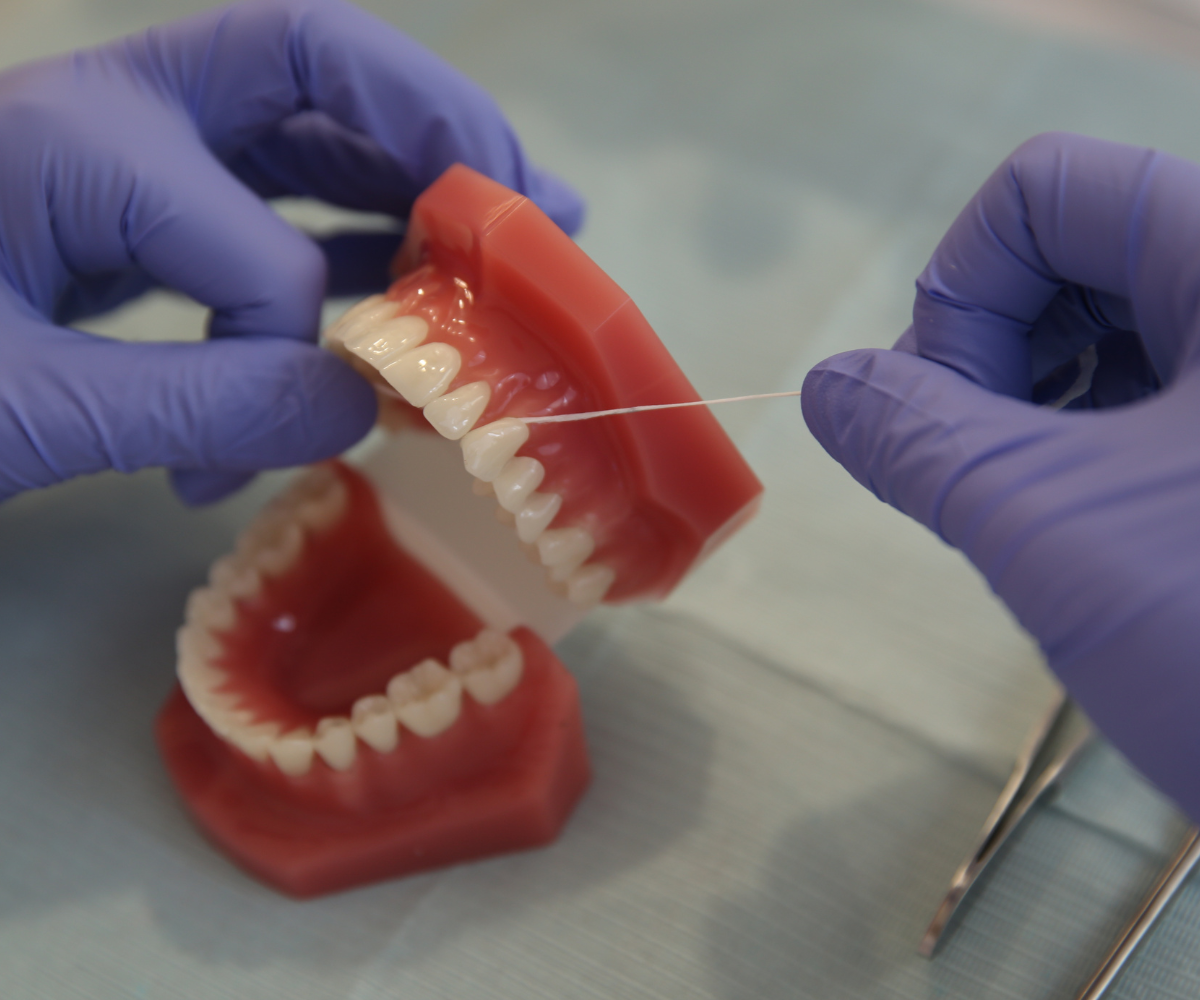
Introduction: Why Heart and Stroke Patients Must Inform Their Dentist Visiting the dentist is often thought of as a routine part of maintaining healthy teeth and gums, but for patients with heart conditions or a history of stroke, heart and stroke dental care requires special planning and attention to reduce risks and ensure safe treatment. Understanding the connection between oral health and cardiovascular wellness is essential to prevent complications during dental visits. Patients with heart disease or stroke must communicate their full medical history, manage medications carefully, and use adaptive tools or techniques as needed. Proper dental care can help maintain both oral and overall health, preventing infections and other complications that could affect the heart or brain. Full Disclosure – Sharing Your Heart and Stroke History Patients should provide a complete account of all heart-related conditions, surgeries, or stroke treatments to their dentist. Every detail matters, as dental procedures often involve medications or techniques that can interact with cardiovascular health. Medications and Dental Treatment Heart and stroke patients often take medications such as blood thinners, beta blockers, ACE inhibitors, or diuretics. These medications can have significant implications for dental care: Patients should never stop medications without consulting a doctor. Bringing a list of medications, doses, or photos of prescription bottles to appointments helps dentists provide safe, personalized care. Antibiotic Considerations for Heart and Stroke Patients Oral bacteria can enter the bloodstream during dental procedures and potentially affect the heart. Patients who have had heart valve repairs, replacements, or endocarditis may require antibiotics before certain dental treatments. Dentists and doctors work together to determine when antibiotics are necessary, ensuring patients are protected while avoiding unnecessary medication.https://www.youtube.com/watch?v=6z8ELFAuDAA Adapting Dental Care After a Stroke Stroke survivors often face physical limitations affecting oral hygiene. Dentists can assist by: Accessibility considerations, including wheelchair-friendly clinics and ADA-compliant equipment, make it possible for stroke survivors to receive full dental care. Oral Health and Cardiovascular Connections Research continues to demonstrate links between periodontal disease and cardiovascular health. Gum inflammation may contribute to increased risk of stroke, heart attack, or worsening heart conditions. Proper dental care is not just about preventing cavities—it is also a preventive strategy for overall cardiovascular wellness. Practical Tips for Heart and Stroke Patients Visiting the Dentist Preventing Complications During Dental Visits Long-Term Benefits of Integrated Care Integrating dental care with heart and stroke management promotes overall health. Regular dental visits: A collaborative approach between dentists, cardiologists, and primary care physicians ensures patients receive safe and effective care tailored to their medical needs.

Read More

Dental Implants Abroad Risks: Infections and Breathing Issues

Introduction Traveling abroad for dental procedures is becoming increasingly popular, but understanding dental implants abroad risks is essential before making a decision. While lower costs and the promise of aesthetic perfection attract many patients, serious complications such as infections, surgical errors, and long-term health issues can occur. One UK woman’s experience highlights the dangers of dental tourism and the importance of thorough research and professional guidance. Leanne Abeyance, a 41-year-old DJ and producer from Telford, travelled to Turkey for dental implants, hoping to save thousands of pounds compared to UK prices. Instead, she was left with severe infections, a collapsed nasal septum, and chronic pain that has persisted for over 18 months. Background: The Growing Trend of Dental Tourism Dental tourism, where patients travel internationally for oral procedures, has gained popularity due to the significant cost differences. Many individuals are enticed by social media promotions and influencer recommendations, presenting treatments as affordable and convenient. While affordable treatment may appear attractive, it often comes at the expense of safety, professional accountability, and post-operative care. Case Study: Leanne Abeyance’s Experience Initial Treatment in Turkey In April 2024, Leanne travelled to Antalya, Turkey, for dental implants after having previous veneers in the same country. She paid £3,000 in cash for four implants, a significantly lower price than the £50,000 quote she received in the UK. The procedure included: Despite receiving local anaesthetic, Leanne reported feeling every step of the procedure. She described the bone graft as feeling “like a hammer smashing into the side of her face” and the sinus lift as making her entire face feel lifted. Immediate Complications Following the surgery: Upon returning to the UK, her condition worsened. She experienced: Long-Term Health Consequences Nearly 18 months post-surgery, Leanne continues to suffer from: Medical imaging revealed that the implants were piercing her nasal cavity, creating severe functional complications. Attempts at private corrective surgery have been limited due to ongoing infection risks.https://www.youtube.com/watch?v=9D6L0EUEHkU Understanding the Medical Risks of Dental Implants Abroad Surgical Complications Dental implant procedures abroad carry higher risk due to differences in medical standards, training, and equipment. Common complications include: Post-Operative Infection Infections can arise from improper sterilization, poor surgical technique, or inadequate aftercare. Overseas clinics may not provide long-term follow-up, leaving patients to manage complications independently. Dental implants abroad risks. Functional and Cosmetic Issues Procedures affecting the upper jaw and sinuses can result in: Costs and Hidden Expenses While dental procedures abroad may seem cost-effective initially, complications can lead to: Leanne’s experience illustrates this: she spent an additional £2,000 on UK private treatment after her initial £3,000 abroad procedure. NHS Guidance and Warnings The NHS advises caution when seeking elective or cosmetic procedures abroad. Key recommendations include: NHS Shropshire, Telford and Wrekin highlighted that corrective treatment for complications from overseas cosmetic procedures is generally not covered unless there is a clinical need. Dental implants abroad risks. Government Initiatives to Raise Awareness The UK government has partnered with social media influencers to warn about the dangers of traveling abroad for cosmetic treatments. Health Minister Karin Smyth emphasized that many patients face life-altering injuries without proper advice or safeguards. Preventing Dental Tourism Complications To reduce risks, patients considering overseas dental work should: Conclusion Leanne Abeyance’s story serves as a cautionary tale for anyone considering dental implants abroad. While the financial appeal may be strong, the risks—including severe infection, chronic pain, and functional impairment—can far outweigh the savings. Dental implants abroad risks. Choosing safe, regulated, and professionally guided dental care is crucial. Dental tourism may offer lower costs, but serious health consequences, such as those experienced by Leanne, highlight the importance of prioritizing safety over price.

Read More

Bad Toothbrushing Habits and Heart Disease: Risks and Prevention

Introduction: How Toothbrushing Impacts Heart Health Oral hygiene is often considered a matter of aesthetics and comfort, but research increasingly shows that bad toothbrushing habits and heart disease may be closely linked. Brushing your teeth twice daily for at least two minutes not only prevents cavities and gum disease but may also reduce the risk of cardiovascular events like heart attacks, heart failure, and stroke. Poor oral hygiene can cause periodontal disease, a condition marked by gum infection, inflammation, and damage to the teeth-supporting structures. This persistent inflammation may have systemic effects that influence heart health over time. The Link Between Gum Disease and Heart Health Studies show that gum inflammation can lead to chronic systemic inflammation. Key points include: Toothbrushing Habits and Cardiovascular Risk A study examining 682 participants found that individuals who brushed less than twice a day or for under two minutes had a three-fold increase in the risk of cardiovascular events compared to those with proper brushing habits. Medications, Oral Health, and Heart Risk Certain medications, such as those for high blood pressure, may impact oral health: Preventing Heart Disease Through Dental Care Practical steps to reduce heart risk through oral hygiene include: The Role of Dentists in Heart Health Dentists are often the first to notice signs of systemic disease: By treating gum disease and educating patients on proper oral hygiene, dentists indirectly help reduce cardiovascular risk.https://www.youtube.com/watch?v=AspsOGF1lL8 Lifestyle and Oral Health Integration Good oral hygiene is part of a broader approach to wellness: Conclusion: Oral Care as a Key to Heart Health Maintaining proper oral hygiene is more than a cosmetic concern—it is an essential component of preventive healthcare. Brushing twice daily for at least two minutes, flossing, and regular dental visits may significantly reduce the risk of heart disease, strokes, and other cardiovascular complications. By understanding the connection between toothbrushing habits and heart health, individuals can adopt simple daily practices that support long-term cardiovascular and overall wellness.

Read More

Health Conditions Detected by Dentists: Heart and Diabetes

Introduction: Dentists as Early Detectors of Systemic Health Issues While dental checkups are typically associated with teeth and gums, visits to the dentist can also reveal critical health conditions detected by dentists that extend far beyond the mouth. The oral cavity can serve as a window into the body, with more than 100 diseases presenting symptoms that dentists may observe during routine exams. For example, periodontal disease—inflammation and infection of the gums and supporting bone—is more common and severe in individuals with diabetes. Similarly, certain medications, such as those for hypertension, may cause gum swelling or dry mouth, which can accelerate tooth decay. Dentists are increasingly trained to notice systemic red flags during oral exams, allowing them to connect patients with the necessary medical care and preventive strategies. Hypertension and Oral Health Dental offices often take patients’ blood pressure readings before procedures like cleanings or extractions requiring local anesthesia. High blood pressure may otherwise go unnoticed, and dental visits become an important point for early detection. Diabetes: Oral Clues to Systemic Disease Oral health is deeply connected to diabetes management. High blood sugar can disrupt the oral microbiome, increasing the risk of: Dentists may be the first to notice signs of undiagnosed diabetes in patients who perceive themselves as healthy. Early detection can prevent complications such as cardiovascular disease, kidney disease, and neuropathy.https://www.youtube.com/watch?v=iyB1jttl2l8 Detecting HIV and Immune Conditions Oral lesions, infections, and other unusual oral presentations can be indicators of immune system issues, including HIV. Dentists trained to recognize these signs play a crucial role in early diagnosis, helping patients access medical care before severe systemic complications occur. COVID-19 and Oral Health Insights During the COVID-19 pandemic, dental clinics implemented screening measures to reduce infection risk. Research has shown that COVID-19 can impact the heart and brain, and dentists’ vigilance can help identify patients at higher risk due to underlying conditions such as diabetes, hypertension, and immune disorders. Health conditions detected by dentists. Oral Health as a Window to Overall Wellness Dentists are not a replacement for primary care physicians, but they provide valuable preventive insights through oral exams. Regular dental visits can reveal systemic conditions early, supporting: Common Health Conditions Dentists May Detect Prevention and Patient Education Dentists can guide patients to maintain both oral and systemic health: Conclusion: The Integral Role of Dentistry in Preventive Health Dentists are uniquely positioned to detect systemic health issues through routine oral exams. By recognizing early signs of diseases such as hypertension, diabetes, immune disorders, and infections, dental professionals contribute to lifelong health and prevention strategies. Regular dental visits are not only vital for oral care but also serve as an essential component of overall wellness, emphasizing the interconnectedness of oral and systemic health. Health conditions detected by dentists.

Read More

Eye Microvascular Disease After Preeclampsia: Heart Risk

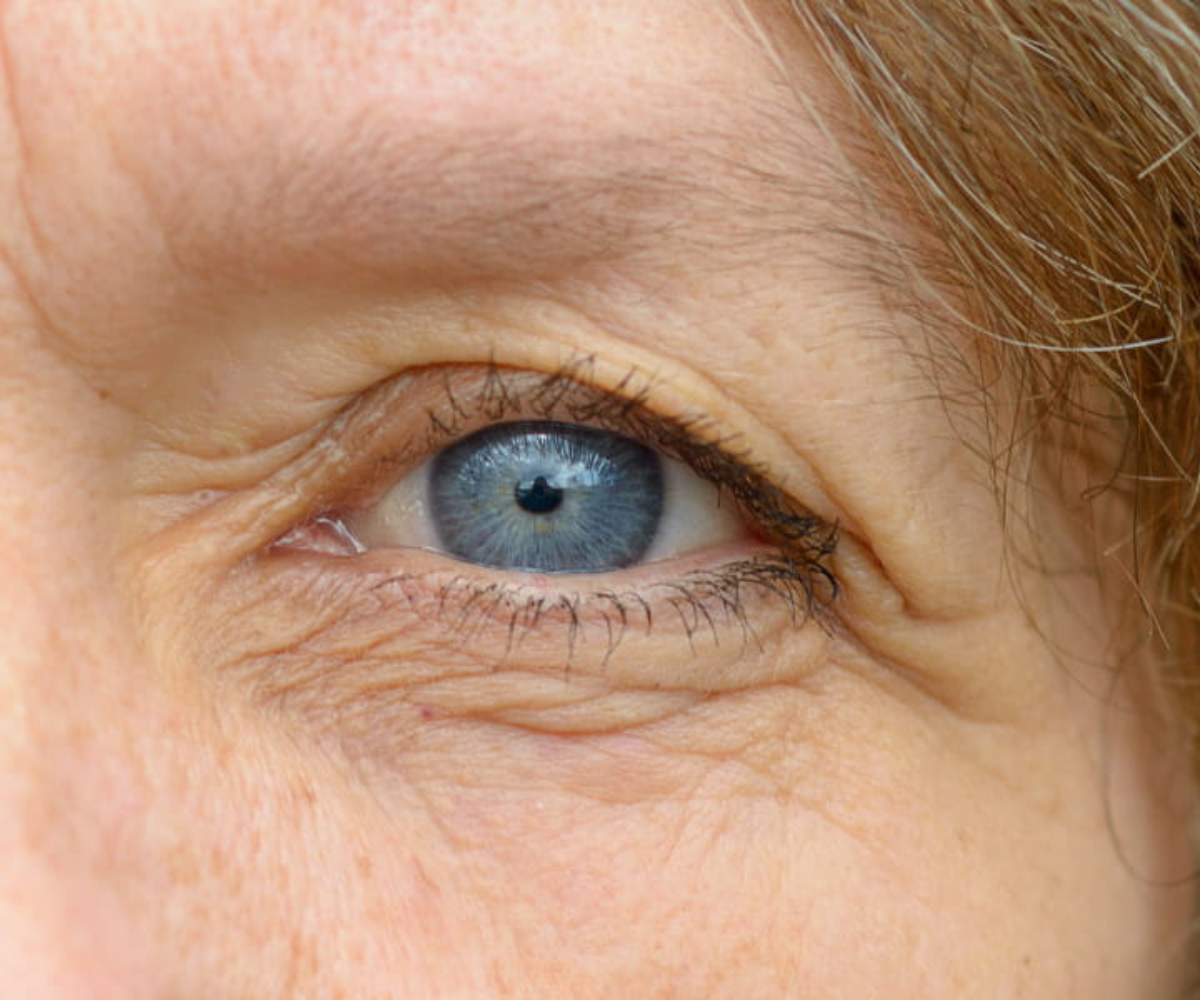
Introduction: Preeclampsia’s Long-Term Impact on Women’s Health Eye microvascular disease can develop decades after preeclampsia, a form of high blood pressure during pregnancy that affects up to 8% of women. While the immediate risks to mother and baby are well-known, research shows that damage to tiny blood vessels in the eyes may persist long-term. These changes serve as early indicators of cardiovascular risk, allowing healthcare providers to implement preventive strategies and help women maintain lifelong heart and eye health. Understanding Preeclampsia and Microvascular Disease Preeclampsia is characterized by: These symptoms indicate stress on the vascular system, including the small blood vessels that supply vital organs. Research shows that microvascular disease in the retina reflects broader cardiovascular health and may predict: By examining retinal vessels, doctors can identify early microvascular damage that may signal future heart disease risk. Research Findings: Retinal Changes Decades After Pregnancy A study involving over 19,000 women who gave birth approximately 28 years prior found: These results highlight that retinal microvascular damage is specific to preeclampsia, and not all pregnancy-related hypertension carries the same long-term cardiovascular risk.https://www.youtube.com/watch?v=5Plc7d0dUqI The Eye as a Window to Cardiovascular Health The retina provides a non-invasive glimpse into the body’s microvascular system. Unlike the heart, which is difficult to examine directly, retinal imaging allows: Experts suggest that retinal images could become an essential tool in long-term cardiovascular risk assessment for women with a history of preeclampsia. Eye microvascular disease. Long-Term Health Implications for Women Women who experienced preeclampsia should be aware that their cardiovascular risk remains elevated decades later. Recommended preventive measures include: The Role of Early Detection and Preventive Care Early identification of retinal microvascular changes allows healthcare providers to: By recognizing these risks early, women can reduce the likelihood of heart disease and related complications later in life. Eye microvascular disease. Global and Demographic Considerations Conclusion: Lifelong Care After Preeclampsia Preeclampsia is more than a temporary pregnancy complication. Its effects on the microvasculature of the eyes may predict long-term heart disease risk. Women with a history of preeclampsia can: By taking a proactive, life-course approach, women can improve both cardiovascular and ocular health for decades after pregnancy. Eye microvascular disease.

Read More

Childhood Heart Health: Predicting Adult Eye and Heart Risk

Introduction: Linking Childhood Heart Health to Adult Eye Health Maintaining good cardiovascular health from a young age may have benefits that extend far beyond the heart. Recent research shows that optimal heart health in childhood could influence the structure of tiny blood vessels in the eye during adulthood, potentially serving as an early indicator of future heart disease. By tracking cardiovascular health from childhood into mid-adulthood, researchers have identified patterns suggesting that maintaining healthy blood pressure, cholesterol, and lifestyle habits early in life may protect microvascular structures in the retina, which are closely linked to overall cardiovascular risk. childhood heart health. The Importance of Retinal Microvasculature The retina contains tiny blood vessels that provide a unique window into the body’s vascular health. childhood heart health.Changes in the size, shape, or density of these vessels can indicate early signs of: Studying these vessels allows scientists and clinicians to predict long-term health risks before symptoms appear, making early prevention possible. Longitudinal Studies: From Childhood to Mid-Adulthood A multi-decade study tracked 418 participants from ages 12–18 into mid-adulthood (37–43). Researchers examined: Findings: Why Childhood Matters Health experiences in early life can have long-term consequences. Children who maintain: …are more likely to have resilient microvascular systems and lower heart disease risk later in life. Experts believe that early-life interventions can prevent or delay the onset of cardiovascular diseases decades later. childhood heart health. Implications for Heart Disease Prediction Retinal microvascular health may serve as a non-invasive marker for cardiovascular risk. Detecting early changes in these vessels allows: This approach emphasizes lifelong cardiovascular care, starting from childhood. Lifestyle and Prevention Strategies Promoting heart health in children can have lasting effects on both eye and heart health: The Role of Eye Health in Cardiovascular Screening Routine eye exams can reveal subtle changes in microvasculature before cardiovascular symptoms emerge. Early detection allows:https://www.youtube.com/watch?v=3EXH5pe9Vno By combining eye health checks with cardiovascular assessments, healthcare providers can create a more comprehensive approach to disease prevention. Global and Long-Term Perspectives Chronic diseases such as heart disease often develop over decades. Studies like this highlight the importance of early prevention across diverse populations: Conclusion: Lifelong Heart Health Starts Early Optimal childhood cardiovascular health is not just about preventing immediate health issues. It lays the foundation for strong vascular and eye health in adulthood, potentially predicting and preventing heart disease. childhood heart health. Parents, educators, and healthcare providers can: By taking a lifelong approach to heart health, children today can reduce their risk of cardiovascular complications and preserve microvascular health well into adulthood. childhood heart health.

Read More