Mia

Glaucoma and Sleep: How Rest Affects Eye Health

Glaucoma and Sleep: How Poor Sleep Habits Affect Eye Health and Vision Sleep is a cornerstone of overall health, yet its impact on the eyes often goes unnoticed. In recent years, research has revealed a strong link between glaucoma and sleep, showing that poor sleep quality, sleep deprivation, or even excessive sleep may increase the risk of optic nerve damage and vision loss. Glaucoma, often called the “silent thief of sight,” develops gradually and can cause irreversible blindness if left untreated. Understanding how sleep influences glaucoma progression is essential for protecting long-term vision and maintaining healthy eyes. Understanding Glaucoma: The Silent Vision Thief Glaucoma is not a single eye disease but a group of disorders that cause damage to the optic nerve—the connection between the eye and the brain. This damage is most often related to elevated intraocular pressure (IOP), though it can also occur when eye pressure is normal. Over time, this pressure damages the optic nerve fibers responsible for transmitting visual signals, resulting in gradual vision loss. There are two main types of glaucoma: Other forms, such as normal-tension glaucoma and secondary glaucoma, can also occur due to other health factors, including trauma, medication, or systemic diseases. Recent findings suggest that sleep problems might be among the contributing factors affecting these types. The Science Behind the Glaucoma–Sleep Connection The relationship between glaucoma and sleep is complex and multifaceted. Several physiological mechanisms may explain how disrupted sleep can increase the risk of glaucoma or accelerate its progression: Recent studies using data from national health surveys have strengthened the evidence that people with poor sleep quality, sleep apnea, or irregular sleep duration have a higher prevalence of glaucoma. What Research Reveals About Glaucoma and Sleep Large-scale population studies involving adults aged 40 and older have examined sleep habits in relation to eye health. The findings consistently indicate that both too little and too much sleep can be harmful. For instance: These findings suggest that maintaining balanced, consistent sleep is critical for eye health and overall neurological function. Sleep Disorders Linked to Glaucoma Several sleep-related conditions appear to influence glaucoma risk: Sleep Apnea Sleep apnea involves pauses in breathing during sleep, leading to intermittent drops in oxygen levels. This condition has been strongly linked to optic nerve hypoxia, contributing to glaucomatous damage. Continuous positive airway pressure (CPAP) therapy can improve oxygenation and reduce risk, but monitoring eye pressure is still essential. Insomnia and Poor Sleep Quality Chronic insomnia can disrupt hormonal regulation, raise cortisol levels, and affect blood vessel function, indirectly increasing the risk of eye pressure fluctuations and optic nerve stress. Hypersomnia Sleeping excessively (more than nine to ten hours per night) might indicate underlying systemic or neurological problems. Extended sleep has been associated with higher optic nerve vulnerability, possibly due to reduced eye perfusion. The Role of Circadian Rhythm in Eye Health The circadian rhythm, or the body’s internal clock, regulates sleep-wake cycles, hormonal secretion, and even intraocular pressure. When this rhythm is disrupted—by irregular sleep patterns, shift work, or jet lag—it can impair the delicate balance of fluids in the eye. Studies have found that individuals with disturbed circadian rhythms may experience nighttime increases in IOP and reduced blood flow to the optic nerve, making them more susceptible to glaucoma progression. How Poor Sleep Affects Intraocular Pressure (IOP) During normal sleep, the body’s fluid balance changes. Eye pressure can rise slightly while lying down due to increased blood volume in the head and slower fluid drainage. However, in people with glaucoma, these fluctuations can be more severe. Factors influencing nighttime IOP include: Maintaining consistent sleep hygiene and posture may help minimize these variations and protect the optic nerve from pressure-related damage. Daytime Sleepiness and Cognitive Function in Glaucoma Vision loss from glaucoma can subtly affect sleep quality by altering the body’s light perception and circadian rhythm. In turn, this can lead to daytime fatigue, reduced alertness, and cognitive difficulties. Researchers have observed that people with advanced glaucoma report higher rates of sleep disturbances, memory problems, and difficulty performing daily tasks that require focus. These cognitive effects may result from both direct optic nerve damage and secondary sleep disruptions. Therefore, managing sleep health is a key aspect of comprehensive glaucoma care.https://www.youtube.com/watch?v=qP9fGqQ7NsA Preventive Eye Care and Early Detection Glaucoma develops slowly and painlessly in most cases, meaning many individuals are unaware of its presence until vision loss becomes significant. Regular comprehensive eye exams are crucial for early detection, especially for people with risk factors such as: Early diagnosis allows for timely intervention using medications, laser therapy, or surgery to control intraocular pressure and prevent irreversible vision loss. Improving Sleep Quality to Support Eye Health Healthy sleep can be achieved through lifestyle adjustments that benefit both the eyes and the body: In addition, individuals with diagnosed sleep disorders like sleep apnea should seek treatment promptly to reduce both systemic and ocular risks. Nutrition and Eye Health: Supporting Sleep and Vision Together A balanced diet rich in antioxidants, omega-3 fatty acids, and vitamins A, C, and E plays a significant role in protecting optic nerve health. Foods such as green leafy vegetables, citrus fruits, fish, nuts, and whole grains help improve circulation, reduce inflammation, and support healthy sleep cycles. Nutrients like magnesium and tryptophan also enhance sleep quality by supporting muscle relaxation and melatonin production—creating a synergistic effect for both eye and sleep health. Lifestyle and Stress Management Stress is a silent contributor to both poor sleep and high intraocular pressure. Practices such as yoga, meditation, and deep breathing have shown benefits in regulating blood flow and promoting restful sleep. Managing emotional health is therefore essential not just for mental well-being but also for preserving visual function. The Future of Research on Glaucoma and Sleep Scientists continue to explore how different aspects of sleep—such as duration, quality, and disorders—affect optic nerve physiology. Future research may uncover how genetic and environmental factors interact with sleep to influence glaucoma development. Wearable devices that monitor eye pressure and sleep cycles may soon provide valuable…

Read More

Mediterranean Diet for Eye Health: Protect Your Vision

Introduction: Food as a Path to Clearer Vision When people think of eating healthy, they often imagine glowing skin, better energy, and heart protection. Yet few realize that diet also plays a profound role in eye health. The eyes, just like the brain or the heart, need essential nutrients to function optimally. Research increasingly shows that the Mediterranean diet for eye health is one of the most effective eating patterns for preventing vision loss and promoting lifelong visual clarity. The Mediterranean diet, inspired by the traditional eating habits of countries like Greece, Italy, and Spain, emphasizes fresh vegetables, fruits, legumes, whole grains, nuts, fish, and healthy fats—especially olive oil. This plant-rich approach is not only heart-healthy but also vision-friendly, thanks to its abundance of antioxidants, omega-3 fatty acids, and anti-inflammatory compounds that nourish the eyes and reduce the risk of diseases like age-related macular degeneration (AMD), cataracts, and glaucoma. What Is the Mediterranean Diet? The Mediterranean diet is more than a meal plan—it’s a lifestyle. It revolves around natural, minimally processed foods, moderate portions, and mindful eating habits that focus on balance rather than restriction. The key elements of this diet include: This dietary pattern reflects harmony between health and taste. It not only supports a strong heart and brain but also helps maintain the small, delicate structures inside the eyes that are responsible for sight. The Mediterranean Diet and Its Connection to Eye Health Scientific studies across Europe and other parts of the world have revealed that people who follow a Mediterranean-style diet have a significantly lower risk of developing AMD and other vision-threatening conditions. A major reason behind this is the anti-inflammatory nature of the diet. Inflammation plays a central role in retinal degeneration and damage to the macula—the part of the eye responsible for sharp, central vision. By reducing inflammation and oxidative stress, the Mediterranean diet protects photoreceptor cells from damage and supports retinal health. Key Nutrients in the Mediterranean Diet for Eye Health a. Omega-3 Fatty Acids Fish such as salmon, sardines, tuna, and mackerel are excellent sources of omega-3s. These healthy fats are vital for maintaining the fluidity of cell membranes in the retina and preventing dry eye syndrome. Omega-3s also reduce inflammation, improving circulation to the optic nerve. b. Lutein and Zeaxanthin These carotenoids, found in spinach, kale, and other leafy greens, form a protective layer in the retina, absorbing harmful blue light and reducing oxidative stress. They play a vital role in preventing macular degeneration. c. Vitamin C Citrus fruits, tomatoes, and bell peppers are rich in vitamin C, a potent antioxidant that helps protect eye tissues from free radical damage and supports healthy blood vessels in the retina. d. Vitamin E Nuts, seeds, and olive oil are great sources of vitamin E, which protects cell membranes in the eyes from oxidative stress. It’s especially beneficial in reducing the risk of cataract formation. e. Zinc and Selenium Zinc supports vitamin A absorption and contributes to proper night vision. Selenium helps neutralize free radicals that can damage eye tissues. The Science Behind Diet and Vision Protection A series of European studies have consistently shown that a diet rich in fruits, vegetables, fish, and whole grains—and lower in red meat and processed foods—correlates with a reduced risk of advanced macular degeneration. In one study, individuals who consumed at least 150 grams (5 ounces) of fruit daily had a 15% lower risk of developing AMD. Another study found that participants with the highest adherence to the Mediterranean diet were far less likely to experience vision loss compared to those with low adherence. The reason lies in antioxidants and polyphenols, which reduce oxidative stress, protect retinal cells, and support overall ocular metabolism. The Role of Antioxidants in Eye Protection Antioxidants are compounds that combat free radicals—unstable molecules that cause cell damage. The retina, due to constant exposure to light and oxygen, is particularly vulnerable to oxidative stress. Foods like tomatoes, carrots, oranges, and green vegetables in the Mediterranean diet act as natural shields for the eyes. Polyphenols in olive oil and resveratrol in red grapes further enhance this protection by improving blood circulation to the retina and strengthening the tiny capillaries that supply the eye. Fruits and Vegetables That Support Eye Health Eating a rainbow of produce ensures the body receives a variety of vision-protective nutrients. The Power of Olive Oil Olive oil, a cornerstone of the Mediterranean diet, contains monounsaturated fats and polyphenols that reduce inflammation and oxidative damage. Regular use of extra virgin olive oil not only benefits the heart but also enhances tear film stability and supports overall eye comfort. The Importance of Fish and Seafood Fish are a direct source of DHA (docosahexaenoic acid), a type of omega-3 fatty acid that forms part of the retina. Regular fish consumption supports proper retinal structure and reduces the risk of retinal vessel disorders. Replacing red meat with fish just two to three times per week can have a measurable impact on long-term vision protection. Whole Grains, Nuts, and Legumes: The Unsung Heroes These foods maintain balanced blood sugar levels, which is critical because fluctuations in glucose can damage the retina over time. Diabetic retinopathy, one of the leading causes of vision loss, can be mitigated by stabilizing blood sugar through complex carbohydrates and plant-based proteins. Foods to Avoid for Optimal Eye Health While the Mediterranean diet encourages abundance, it also promotes moderation. To protect your eyes: These foods contribute to oxidative stress and inflammation, both linked to retinal degeneration. Lifestyle Habits That Boost Eye Health Beyond food, certain habits amplify the benefits of a Mediterranean diet: Meal Plan Example: Mediterranean Eating for the Eyes Meal Example Breakfast Greek yogurt topped with nuts, berries, and honey Lunch Mixed green salad with olive oil, grilled chicken, and lentils Snack Sliced cucumber, almonds, and green tea Dinner Baked salmon, quinoa, and steamed spinach Dessert Fresh orange or a handful of grapes This balanced approach ensures your daily intake supports both overall health and strong vision. Preventing Age-Related…

Read More

Exercise and Eye Health: Prevent Vision Loss Naturally

Introduction: The Overlooked Connection Between Fitness and Vision When people think about the benefits of exercise, they usually imagine toned muscles, better endurance, or weight loss. However, few realize that exercise and eye health are closely linked. Regular physical activity not only keeps the body strong but also plays a crucial role in maintaining sharp vision and preventing common eye diseases such as age-related macular degeneration (AMD), glaucoma, and diabetic retinopathy. While the eyes may seem separate from the rest of the body, they are profoundly connected to overall cardiovascular and metabolic health. The same circulation that nourishes the muscles and heart also supports the eyes. When blood flow improves through consistent exercise, the eyes receive more oxygen and nutrients—helping them stay clear, bright, and resilient for years to come. In this comprehensive guide, explore how exercise helps protect vision, discover the best workouts for eye health, and uncover scientific insights and daily strategies to maintain lifelong visual wellness. The Science Behind Exercise and Eye Protection How Physical Activity Affects the Eyes Exercise benefits nearly every system in the human body—and the eyes are no exception. The eyes depend heavily on a steady supply of oxygen-rich blood. Physical activity improves cardiovascular function, enabling more efficient oxygen delivery to delicate ocular tissues such as the retina and optic nerve. Enhanced circulation also helps flush away toxins and free radicals that contribute to cellular damage. Researchers studying this connection discovered that regular movement reduces oxidative stress, a process that accelerates the breakdown of cells and tissues in the eye. Less oxidative stress means a lower likelihood of developing diseases that cause irreversible vision loss. Exercise as a Natural Shield Against Eye Diseases Age-Related Macular Degeneration (AMD) AMD is one of the leading causes of blindness among older adults. It occurs when the macula—the central part of the retina—begins to deteriorate. However, studies indicate that physically active individuals are significantly less likely to develop AMD than those with sedentary lifestyles. Exercise appears to protect against the abnormal growth of blood vessels beneath the retina, which is one of the defining features of AMD. Regular aerobic workouts such as brisk walking, jogging, or cycling help regulate blood pressure, cholesterol, and inflammation—all known risk factors for this condition. Glaucoma Prevention Through Blood Flow Regulation Glaucoma causes damage to the optic nerve, often due to high intraocular pressure (IOP). Research shows that moderate physical activity, especially aerobic exercise, can help reduce IOP and enhance blood flow to the optic nerve. Even simple activities like walking or gentle yoga have shown measurable benefits. These exercises encourage fluid drainage in the eye and improve overall vascular health, lowering the risk of glaucoma progression. Combating Diabetic Retinopathy For people living with diabetes, the eyes face an additional challenge: fluctuating blood sugar levels can damage retinal blood vessels over time. This condition, known as diabetic retinopathy, is a major cause of blindness among adults. Consistent exercise helps stabilize blood glucose levels, thereby reducing the risk of blood vessel damage. Whether it’s through daily walks or structured fitness routines, staying active improves insulin sensitivity, which directly supports retinal health. Reducing the Risk of Cataracts Cataracts cloud the natural lens of the eye, leading to blurred vision. They are typically associated with aging, but lifestyle plays a role too. Individuals who maintain a routine of physical activity are less likely to develop cataracts early. Exercise minimizes oxidative stress and improves the body’s ability to manage glucose and lipid levels—both of which influence lens transparency. How Exercise Promotes Healthy Eye Circulation Oxygen Supply and Nutrient Flow The retina is one of the most metabolically active tissues in the body. It demands constant oxygen and nutrients to function properly. Exercise increases heart rate and expands blood vessels, ensuring that the eyes receive adequate nourishment. This improved circulation supports photoreceptor regeneration—the process responsible for converting light into visual signals. Removing Cellular Waste Alongside delivering nutrients, exercise helps the body remove waste products that can accumulate in ocular tissues. This detoxifying effect reduces inflammation and helps prevent the buildup of harmful proteins associated with vision decline. How Much Exercise Do You Need for Eye Health? Health organizations around the world, including the World Health Organization (WHO) and the Centers for Disease Control and Prevention (CDC), recommend at least 150 minutes of moderate-intensity aerobic activity per week. This could include walking, cycling, dancing, swimming, or even gardening. Breaking it down: The key is consistency. Even moderate daily movement provides cumulative protection for your eyes over time. Best Types of Exercise for Eye Health Aerobic Exercise Activities like jogging, brisk walking, or swimming enhance oxygen flow throughout the body and improve vascular health—both essential for healthy eyes. Yoga and Stretching Certain yoga poses improve circulation to the head and eyes. Gentle stretches and breathing techniques also lower stress levels, which can indirectly benefit eye pressure and retinal health. Strength Training Moderate weightlifting helps balance blood sugar levels and improves muscle tone, contributing to better metabolic health. However, excessive strain or holding your breath during lifts can temporarily increase eye pressure, so proper breathing is essential. Outdoor Sports Engaging in outdoor physical activity offers an additional benefit: exposure to natural light, which helps maintain the body’s circadian rhythm and supports overall eye health. Just be sure to wear UV-protective sunglasses to prevent sun-related eye damage. Eye Exercises and Relaxation Techniques In addition to full-body workouts, dedicated eye exercises can help relieve digital eye strain and strengthen visual focus. Try these simple techniques daily: The Role of Nutrition and Hydration Exercise alone cannot protect your eyes; proper nutrition enhances its effects. Diets rich in antioxidants, vitamins, and omega-3 fatty acids nourish the eyes and strengthen the benefits of physical activity. Key Nutrients for Vision: Drinking plenty of water is equally important. Dehydration can lead to dry eyes and reduced nutrient transport. How Exercise Helps Manage Eye Pressure One of the most direct effects of physical activity on eye health is its ability to lower intraocular pressure (IOP). Elevated IOP…

Read More

Presbyopia Eye Drops: Can They Replace Reading Glasses?

Introduction: A Modern Vision Challenge After the age of 40, many people begin to notice a frustrating change in their eyesight. Text on phones, menus, and product labels that once appeared crystal clear may now seem blurry or difficult to read. This natural, age-related condition is known as presbyopia, and it affects more than a billion people worldwide. Traditionally, reading glasses or bifocals have been the primary solution. But a growing number of adults are seeking alternatives — and presbyopia eye drops have emerged as a promising non-surgical option. What Is Presbyopia? Understanding Age-Related Near Vision Loss Presbyopia is derived from Greek roots meaning “old eye.” It refers to the gradual loss of the eye’s ability to focus on nearby objects. The condition develops as the lens inside the eye becomes less flexible with age. When the lens hardens, it cannot adjust easily to shift focus from distant to near objects. This makes everyday activities like reading, sewing, or using a smartphone more difficult. Unlike other vision problems such as myopia (nearsightedness) or hyperopia (farsightedness), presbyopia is not caused by the shape of the eye but rather by age-related stiffening of the lens. Everyone experiences it eventually, even those who have never needed glasses before. Causes and Risk Factors of Presbyopia The primary cause of presbyopia is the natural aging process. However, certain factors can accelerate or worsen its development: Symptoms of Presbyopia Presbyopia often progresses gradually. Early symptoms may include: If you find yourself moving your phone or book farther from your eyes to read comfortably, it’s a likely sign that presbyopia has begun. Traditional Solutions: Glasses, Contacts, and Surgery Historically, presbyopia has been managed with reading glasses or bifocals. Some people use progressive lenses that offer a gradient correction from near to far. Contact lens options like multifocal contacts or monovision lenses have also been popular. For more permanent correction, laser eye surgeries (like LASIK) or lens implants can be performed, though these procedures can be expensive and not suitable for everyone. However, in recent years, innovation in pharmacology has led to the development of presbyopia-correcting eye drops — an exciting new option for those who want to reduce or delay dependence on reading glasses. How Do Presbyopia Eye Drops Work? Presbyopia eye drops are designed to temporarily improve near vision by changing how light enters the eye. The most common mechanism involves pupil constriction — creating what’s called the “pinhole effect.” When the pupil becomes smaller, the eye’s depth of focus increases, allowing both near and distant objects to appear sharper. This effect works similarly to adjusting the aperture on a camera lens: a smaller opening brings more of the scene into focus. Some formulations also work by gently stimulating the ciliary muscles that help flex the lens, improving its focusing ability for short periods. Types of Presbyopia Eye Drops Several pharmaceutical companies have developed or are developing eyedrops for presbyopia correction. The three most notable products currently approved include: These drops provide a temporary fix — typically lasting half a day — and may need to be reapplied depending on the user’s daily routine. Who Can Benefit from Presbyopia Eye Drops? Presbyopia eye drops are not a one-size-fits-all solution. They tend to work best for: However, these drops may not work effectively for those with advanced presbyopia or other refractive errors requiring separate correction. Benefits of Using Presbyopia Eye Drops Many adults appreciate the convenience and cosmetic advantages of eye drops over reading glasses. Key benefits include: For people who value independence from glasses — especially in social or professional settings — these drops can significantly enhance comfort and confidence.https://www.youtube.com/watch?v=tM1R-ByIHvw Potential Side Effects and Drawbacks While presbyopia eye drops can offer convenience, they also come with possible side effects and limitations. These include: It’s essential to consult an ophthalmologist or optometrist before using these drops. In rare cases, people with pre-existing retinal issues may face an increased risk of retinal detachment, so a complete eye exam is crucial. Cost of Presbyopia Eye Drops Presbyopia drops are currently not covered by most insurance plans. On average: For comparison, a pair of high-quality reading glasses or bifocals may cost between $50–$300, but eye drops eliminate the hassle of multiple pairs or prescriptions. Surgical Alternatives for Presbyopia For people seeking a more permanent solution, surgical options may include: While these surgeries can yield excellent results, they come with higher costs and potential complications. Presbyopia eye drops offer a temporary but flexible middle ground. The Future of Presbyopia Treatment Ongoing research continues to refine pharmacological solutions for presbyopia. Future formulations may include: Several clinical trials are currently underway for new active compounds that could extend duration or enhance lens elasticity instead of only constricting pupils. Lifestyle Tips for Managing Presbyopia Even if you use eye drops, maintaining overall eye health is important: These lifestyle practices can delay the progression of presbyopia and support better vision health overall. When to See an Eye Doctor Consult an ophthalmologist if you experience: These may indicate other underlying eye problems that require professional treatment. Final Thoughts: Can Eye Drops Replace Reading Glasses? While presbyopia eye drops offer a convenient and innovative approach, they are not a universal cure. Their effects are temporary, and not everyone will experience significant improvement. For many adults in their 40s and 50s, however, they represent a meaningful step toward freedom from glasses — especially for those with mild or moderate presbyopia. As research continues, future formulations may bring even better outcomes. Until then, the best approach is to discuss all available options — glasses, drops, and surgery — with a qualified eye care professional to determine what suits your eyes and lifestyle best.

Read More

Pinguecula and Pterygium: Eye Growths Explained

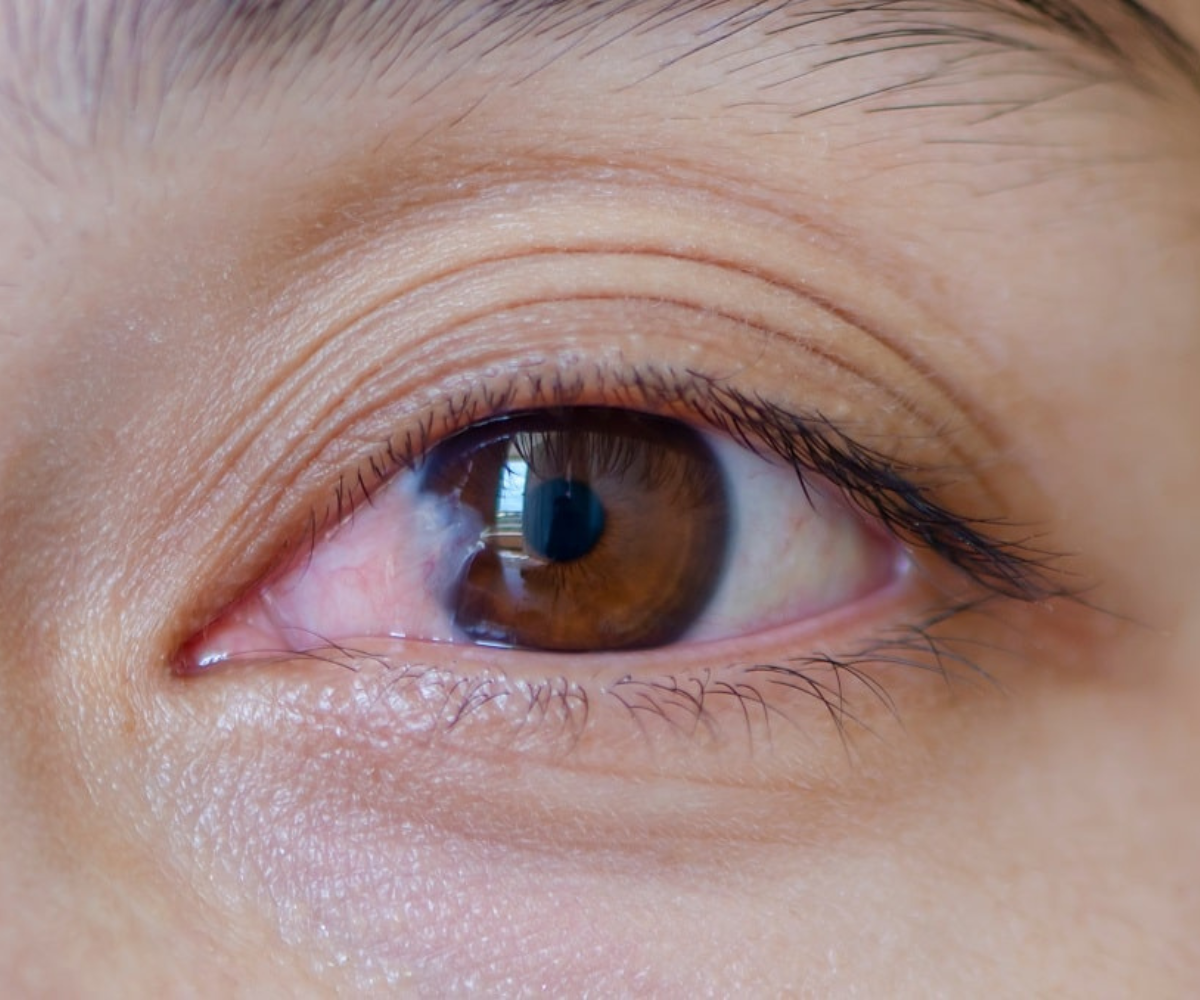
Introduction The human eye is a complex and sensitive organ that helps us perceive the world in vivid color and detail. However, due to constant exposure to sunlight, dust, and dry air, certain conditions can develop on the eye’s surface. Two of the most common of these are pinguecula and pterygium, often referred to together as surfer’s eye. These non-cancerous growths form on the conjunctiva, which is the clear, thin membrane covering the white part of the eye (sclera). Though they are generally harmless, they can cause irritation, redness, and, in advanced cases, may interfere with vision. Understanding their causes, symptoms, treatment, and prevention methods is essential for maintaining long-term eye health. Understanding Pinguecula and Pterygium What Is a Pinguecula? A pinguecula is a small, yellowish bump that appears on the conjunctiva, usually near the cornea and most often on the side closest to the nose. It may contain deposits of protein, fat, or calcium, giving it a slightly raised or uneven texture. While it typically remains benign and does not affect vision, it can cause irritation, dryness, or the sensation of having a foreign object in the eye. What Is a Pterygium? A pterygium is a wedge-shaped or fleshy growth that may begin as a pinguecula. Unlike a pinguecula, a pterygium has visible blood vessels and can extend onto the cornea, potentially distorting vision. When the tissue advances across the cornea’s surface, it can alter its curvature, causing astigmatism or blurred vision. In severe cases, surgery may be required to restore clarity. How Common Are These Conditions? Pinguecula and pterygium are common in regions with high sunlight exposure, especially near the equator or in dry, windy environments. People who spend extended periods outdoors—such as farmers, fishermen, surfers, or construction workers—are at greater risk. The conditions are more prevalent among adults over 40, though they can appear at any age, particularly in those with chronic UV exposure. Causes of Pinguecula and Pterygium The exact cause of these growths is not entirely understood, but research suggests that environmental and lifestyle factors play the most significant roles. 1. Ultraviolet (UV) Radiation The primary cause is prolonged exposure to ultraviolet (UV) light from the sun. UV-B rays, in particular, damage the conjunctiva and cause changes in the eye tissue that can lead to pinguecula formation. When the damage persists, a pterygium can form and gradually expand across the cornea. 2. Dry, Windy, or Dusty Environments Wind and dust particles irritate the eye’s surface. Repeated irritation and dryness can trigger tissue inflammation and abnormal growth. 3. Chronic Eye Irritation Frequent exposure to smoke, air pollutants, or allergens can cause micro-inflammation, contributing to conjunctival thickening and pinguecula formation. 4. Genetic and Age Factors Genetics may play a role in susceptibility. Additionally, aging leads to cumulative UV damage and reduced tear production, both of which increase risk. 5. Geographic and Occupational Risks Individuals living near high UV index areas—such as tropical or desert climates—or those working outdoors without eye protection are significantly more prone to these conditions.https://www.youtube.com/watch?v=DpDMqQNyHNg Symptoms of Pinguecula and Pterygium The symptoms depend on whether you have a pinguecula or pterygium and how advanced the condition is. Early stages may not cause much discomfort, but progressive cases can affect vision. Common Symptoms Include: When the growth becomes inflamed or swollen, symptoms can temporarily worsen, especially during outdoor exposure. Diagnosis An eye specialist can easily diagnose these conditions through a comprehensive eye examination. Using a slit-lamp microscope, the doctor observes the size, color, and texture of the conjunctival growth. In some cases, corneal topography or imaging tests are used to determine if the cornea’s curvature has been altered by a pterygium. If there’s any suspicion of abnormal tissue changes, a biopsy may be performed to rule out cancerous or precancerous growths, though this is rare. Pinguecula Treatment Pinguecula usually does not require surgical treatment. In most cases, managing irritation and preventing further growth are sufficient. 1. Lubricating Eye Drops Artificial tears help keep the eye moist and reduce the gritty, dry sensation often associated with pinguecula. Regular use prevents irritation, especially in dry climates or for those who spend time outdoors. 2. Anti-Inflammatory Drops If redness and swelling occur, eye specialists may recommend mild steroid eye drops for a short duration. This helps calm inflammation and improve comfort. 3. Avoiding Irritants Limiting exposure to wind, smoke, and sunlight reduces flare-ups. Protective eyewear and regular hydration of the eyes play a key role in managing symptoms. 4. Cosmetic Concerns Some individuals seek removal for cosmetic reasons. However, unless the pinguecula interferes with vision or comfort, surgery is rarely necessary. Pterygium Treatment Treatment depends on the size, symptoms, and progression of the pterygium. In mild cases, similar management techniques to pinguecula are used. 1. Lubrication and Eye Protection Lubricating drops and sunglasses can relieve irritation and slow the growth. Wraparound sunglasses are particularly effective at blocking UV rays and wind. 2. Steroid or Anti-Inflammatory Drops If the pterygium becomes inflamed, redness and swelling can be managed with prescription eye drops. These should be used under medical supervision to avoid side effects from prolonged steroid use. 3. Surgery (Pterygium Excision) When the pterygium grows toward the cornea and starts affecting vision, surgical removal becomes necessary. Modern surgical techniques are minimally invasive and highly effective. Surgical Procedure Overview: The success rate is high, and most patients experience significant relief after healing. Post-Surgery Care and Recovery After surgery, patients may experience mild redness or irritation for a few days. Post-operative care typically includes: Most people recover fully within 2–4 weeks, though vision improvements may continue over time. Home Remedies and Lifestyle Adjustments While home remedies cannot eliminate pinguecula or pterygium, they can greatly relieve discomfort and prevent worsening. Helpful Tips: Prevention Tips: Protecting Your Eyes from Pinguecula and Pterygium Prevention focuses on minimizing UV exposure and maintaining eye moisture. 1. Wear Sunglasses with UV Protection Choose lenses that block 100% of UVA and UVB rays. Wraparound styles offer additional protection from side glare. 2. Shield Eyes from Wind and…

Read More

Parts of the Eye: How Eye Anatomy Helps Us See Clearly

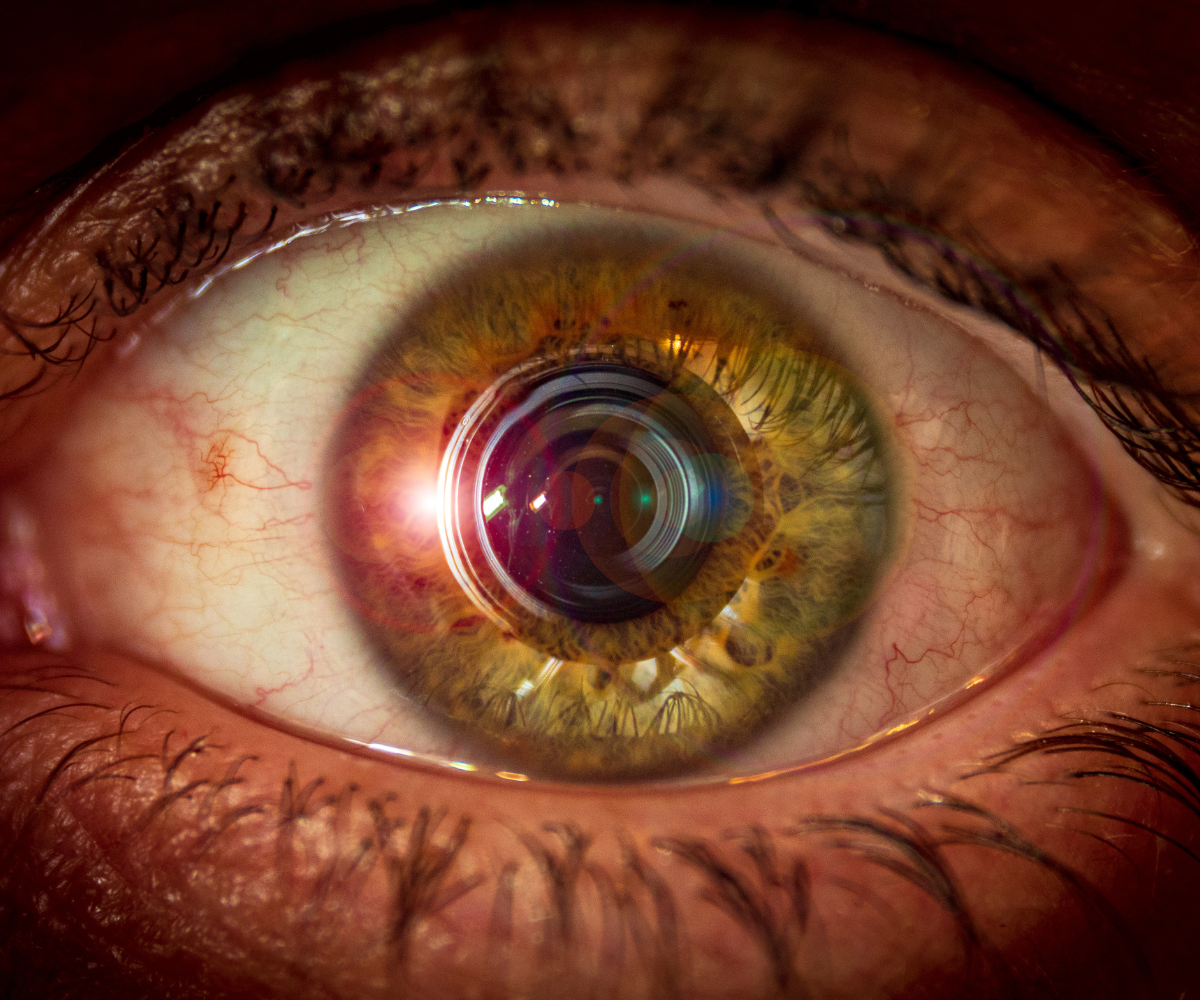
Introduction The human eye is one of the most fascinating and complex organs in the body. Every blink, every glance, and every color perceived depends on a delicate structure that works in perfect harmony to capture and process light. From the outermost layer that protects the eyeball to the intricate network of nerves that transmit visual information to the brain, each part of the eye has a distinct and vital role. The process of seeing is not merely about the eye—it involves the coordination between the and the brain, transforming light into the beautiful, colorful world that surrounds us. Eye Anatomy Overview The functions much like a sophisticated camera. The eye can be divided into several regions: Together, these elements form a highly coordinated visual system. Parts of the Eye Outside the Eyeball The human eye is protected by a strong, bony structure called the orbit, commonly referred to as the eye socket. The orbit houses the eyeball and cushions it with layers of fat and connective tissue, ensuring it remains stable yet flexible. Surrounding the are six extraocular muscles, responsible for its movement in every direction. These muscles enable the eye to move up, down, sideways, and diagonally. Each muscle works in coordination with its counterpart to ensure smooth, precise movements. Blinking spreads tears evenly across the surface of the eye, keeping it moist and clean. The Surface of the Eye This thin tissue acts as a protective barrier, shielding the from dust, microorganisms, and other irritants. The eye’s surface is kept moist and nourished by a remarkable system known as the tear film. The tear film is made up of three layers: This is why crying often leads to a runny nose. Maintaining a healthy tear film is essential for comfort and clear vision, as even minor dryness can cause irritation, redness, or blurred sight. The Front of the Eye The front part of the eye is the first to interact with light. The cornea—a transparent, dome-shaped layer—acts as the eye’s window. It bends (refracts) incoming light toward the center, providing about 70% of the eye’s total focusing power. Behind the anterior chamber sits the iris, the colored part of the that surrounds the pupil, the dark circular opening in its center. The iris contains small muscles that control pupil size—widening (dilating) in dim light and narrowing (constricting) in bright conditions. This automatic adjustment helps regulate how much light enters the eye. Just behind the pupil is the lens, a transparent, flexible structure that fine-tunes focus. The lens changes shape through the action of small fibers called zonules, connected to a circular muscle known as the ciliary body. This process, known as accommodation, allows the eye to switch focus between distant and nearby objects.https://www.youtube.com/watch?v=TY1giZgddAs The Middle Layer: The Uvea Beneath the sclera lies the uvea, the middle layer of the eye. It consists of three key components: The choroid provides oxygen and nutrients to the outer layers of the retina. The Back of the Eye This material helps the eye maintain its spherical shape and provides support for the retina. At the very back lies the retina, a delicate tissue responsible for capturing light and converting it into electrical impulses. Within the retina are specialized cells known as photoreceptors, of which there are two types: The macula, a small area in the retina, provides the sharp central vision needed for recognizing faces and reading. The peripheral retina helps detect motion and gives us side vision. The optic nerve, made up of over a million nerve fibers, carries these signals to the visual cortex, where the brain interprets them as images. This intricate connection between the eye and brain allows humans to perceive depth, color, motion, and shape in extraordinary detail.

Read More

Symptoms of Heart Disease: How to Identify Early Signs

Introduction: Understanding the Many Faces of Heart Disease Symptoms of heart disease can vary widely, yet they often begin with subtle warning signs that many people overlook. Heart disease is not just one illness but a broad term covering several conditions that affect the heart’s structure and function. From blocked arteries and irregular heart rhythms to weakened heart muscles and damaged valves, each condition presents unique challenges to heart health. Recognizing these early symptoms of heart disease and understanding their nature can help prevent severe complications such as heart failure, stroke, or cardiac arrest. Heart-related conditions often progress silently, developing gradually over time. They may start with mild shortness of breath, fatigue, chest discomfort, or unusual tiredness—signals that something could be wrong. When these warning signs are recognized early and addressed promptly, the chances of recovery and long-term heart health improve dramatically. Ignoring or dismissing the symptoms of heart disease can have serious consequences. Even mild discomfort or irregular heartbeat could indicate an underlying problem. Learning how to identify symptoms of various heart conditions empowers individuals to act quickly, seek timely medical help, and protect their overall well-being. Why Recognizing Heart Disease Symptoms Early Matters Early detection of heart disease can mean the difference between manageable treatment and life-threatening complications. Many heart conditions share overlapping symptoms, making them tricky to identify without professional evaluation. However, being familiar with the general warning signs can encourage timely medical attention. When symptoms such as chest pain, shortness of breath, dizziness, or irregular heartbeats arise, it is vital not to dismiss them as mere fatigue or indigestion. Each symptom provides a clue about what might be happening inside the cardiovascular system. Understanding how these signs differ among various heart conditions helps patients communicate better with healthcare professionals, leading to more accurate diagnoses. Common Early Warning Signs Shared by Many Heart Conditions Although heart diseases differ in cause and severity, many share similar early warning symptoms. These can include: While these symptoms may seem general, they are vital indicators that should never be ignored. Let’s explore how these symptoms manifest in different heart conditions. Symptoms of Coronary Artery Disease (CAD) Coronary Artery Disease (CAD) occurs when the arteries supplying blood to the heart become narrowed or blocked due to plaque buildup, a process known as atherosclerosis. Over time, this reduces blood flow to the heart muscle, leading to oxygen deprivation. Key Symptoms of CAD The most recognizable symptom of CAD is angina, or chest pain, which may feel like pressure, heaviness, burning, squeezing, or tightness in the chest. This pain can radiate to the arms, neck, jaw, or back. Some individuals mistake this for indigestion or muscle strain. Additional symptoms may include: Treatment and Management Treatment options often include lifestyle modifications, such as eating a heart-healthy diet, maintaining a healthy weight, quitting smoking, and engaging in regular exercise. Medical therapies may include: In severe cases, surgical procedures may be necessary: Symptoms of a Heart Attack (Myocardial Infarction) A heart attack happens when blood flow to a section of the heart is completely blocked, leading to tissue damage or death. The severity of the symptoms often depends on the extent of blockage and how quickly treatment begins.https://www.youtube.com/watch?v=LPoOFqYr6vE Common Symptoms of a Heart Attack Some heart attacks are “silent,” meaning they occur without obvious symptoms. These silent attacks are more common in older adults and people with diabetes. What to Do During a Heart Attack Immediate medical attention is critical. Emergency services should be contacted right away if heart attack symptoms appear. The quicker blood flow is restored, the higher the chances of survival and recovery. Symptoms of Heart Failure (Congestive Heart Failure) Heart failure occurs when the heart cannot pump blood effectively, leading to a buildup of fluid in the lungs and other parts of the body. Recognizing Heart Failure Symptoms Treatment Approaches Heart failure management involves: Symptoms of Arrhythmia (Irregular Heartbeats) Arrhythmias are irregular heart rhythms that can make the heart beat too fast, too slow, or erratically. Common Signs of Arrhythmia Arrhythmias can be harmless or life-threatening, depending on their cause and type. Severe arrhythmias like ventricular fibrillation require immediate medical intervention. Symptoms of Heart Valve Disease The heart’s four valves regulate blood flow. When they fail to open or close properly, blood can leak backward or fail to move efficiently. Warning Signs Valve disease may result from infections, congenital defects, or age-related degeneration. Treatment options include medication, valve repair, or replacement surgery. Symptoms of Cardiomyopathy Cardiomyopathy affects the heart muscle, making it thicker, enlarged, or stiffened, which impacts its ability to pump blood. Typical Symptoms Symptoms of Congenital Heart Disease Congenital heart disease is present from birth and involves structural abnormalities in the heart. Common Signs in Children and Adults Early diagnosis through echocardiograms and medical imaging can help manage these conditions effectively. How Symptoms Differ Between Men and Women Women often experience atypical heart symptoms compared to men. While men typically report chest pain, women may experience: Understanding these gender-based differences ensures better recognition and timely care for everyone. Silent Heart Disease: When There Are No Clear Symptoms Silent heart disease progresses without noticeable warning signs until it becomes severe. Routine health check-ups, ECGs, and stress tests can help detect these conditions before a major event occurs. When to Seek Medical Attention If chest pain, pressure, or discomfort lasts more than a few minutes, or if symptoms worsen with exertion, immediate medical help is necessary. Early diagnosis through medical tests like ECGs, echocardiograms, and blood tests can save lives. Diagnosing Heart Conditions Doctors use various diagnostic tools to determine heart health, including: Treatment and Lifestyle Management While medical treatments are essential, lifestyle plays a crucial role in maintaining heart health. Key steps include: Preventing Heart Disease Through Awareness Prevention is always better than cure. Understanding family history, controlling diabetes, and maintaining a healthy weight can reduce risks significantly. Regular health screenings help detect early changes in heart function before symptoms appear. Conclusion: Listen to Your Heart Knowing how to identify symptoms…

Read More

Low Uptake Despite High Need: Why Heart Checks Are Ignored

Introduction Low Uptake Despite High Need has become a serious concern in preventive healthcare, especially when it comes to heart screenings. Despite the potential to detect early signs of cardiovascular disease, a significant proportion of people invited to these free checks decline to attend. The traditional invitation—often a formal letter from a general practitioner written in medical jargon—fails to connect with individuals who have never experienced heart problems. Many do not understand their personal risk, assume the check is unnecessary, or struggle to find time in their schedules. As a result, participation remains low, particularly in areas with high rates of cardiovascular disease. Shifting to a community-based approach that feels familiar and accessible—through local mosques, football clubs, and community events—has proven effective in increasing engagement and protecting long-term heart health. Sub-heading: Why the conventional invitation model falters 1. Language and tone too “highbrow” The standard GP invitation letter often uses formal, clinical language and a tone that assumes the recipient already understands why the screening is important. Many people eligible for heart-health checks have never experienced symptoms, so the letter fails to connect with them. Research shows that a lack of understanding of cardiovascular risk and of the purpose of health-checks is a significant barrier to attendance. When people cannot easily grasp why they should attend, they may simply ignore the letter. 2. Low perceived relevance When individuals feel healthy and without noticeable symptoms, the idea of attending a check for something they don’t “feel” is easily dismissed. Studies indicate that a low perceived severity of disease and a belief that ‘nothing is wrong so no need to check’ reduce attendance. If the invitation fails to emphasise how screening proactively identifies risk before symptoms arise, it may not motivate action. 3. Practical and logistical barriers Even when the motivation is present, practical issues can prevent attendance. Time constraints, work commitments, carer responsibilities, scheduling difficulties, and transportation challenges all play a role. If the only mode is booking a GP appointment during standard hours, people with busy lives may not manage. Furthermore, if the letter comes without clarity on how to conveniently book or attend, many will simply set it aside. 4. Trust and cultural factors In socioeconomically deprived or ethnically diverse communities, there may be mistrust of health-systems, cultural perceptions favouring self-reliance, or language barriers which make standard communications less effective. A qualitative study in the UK’s North East found that these factors were meaningful impediments. Some eligible people may ask, “Is this for me?” or feel disconnected from an unfamiliar clinical setting. Sub-heading: Why uptake remains low despite high need Regional burden and mismatch In some parts of the country, cardiovascular disease occurs at higher than average rates. Yet the uptake of heart-health checks remains much lower than desirable. For example, only about one-third of the eligible population in certain areas respond to invitations. This mismatch indicates that the standard invitation model is not fit-for-purpose in all communities. The prevention paradox Many people benefit from screening when they don’t yet feel unwell—a concept that is harder to convey. Because the individual may feel fine, motivation is weak, but the public-health benefit remains large. Without clear messaging, this paradox weakens attendance. Competing health, life and social priorities For people managing multiple life-stressors—financial pressures, family responsibilities, work demands—the idea of attending a “free” check can still feel like a low priority. If the invitation does not make clear how attending is quick, convenient and relevant, the check may be postponed indefinitely. Inequities in communication and access The formal invitation model and clinic-based delivery may favour those with resources, time and health-literacy. The result is that the very communities who most stand to benefit—those with higher disease risk and lower screening uptake—are the least likely to attend. Addressing this inequity is critical. Sub-heading: What works: community-based, trusted, convenient Locating checks where people already are Shifting screening from the GP surgery to community venues—such as faith centres, sports venues, marketplace stalls—makes the service more visible, accessible and less intimidating. When the check comes to the person, rather than the person being asked to come to the clinic, uptake improves. Trusted local voices and influencers Engagement with local leaders—such as imams, community-group chairs, sports club managers—can make a significant difference. When the invitation comes via a familiar, trusted voice, the message is more likely to be heard and acted upon. Immediate results and one-stop shop model Offering same-day results (for example via a finger-prick blood-test for cholesterol) and one encounter where risk is explained on the spot helps convert invitation into action. People respond better when they can walk away knowing their result and next steps, rather than being asked to book follow-up. Flexible delivery, tailored communication Extended hours, drop-in sessions, culturally adapted materials (multilingual, plain-language), outreach in community languages—all help reduce the logistic and comprehension barriers. Message-tailoring ensures the recipient sees why they should care now. Embedding screening in community events Leveraging scheduled community gatherings—sports matches, local festivals, cultural fairs—makes the check part of everyday life rather than a separate medical appointment. This “come as you are” approach lowers the barrier to attendance.https://www.youtube.com/watch?v=1JnbuRMehnk Sub-heading: Bringing it all together: a pathway for increased engagement Sub-heading: The wider benefits of increased uptake Reducing long-term cardiovascular disease burden By engaging more people early and identifying elevated risk factors such as high blood pressure, high cholesterol or lifestyle risks, screening helps halt or slow progression toward stroke, heart attack or other major events. The earlier intervention occurs, the more effective. Alleviating pressure on health-systems Preventing advanced cardiovascular disease reduces hospital admissions, specialist treatments and long-term morbidity—all of which consume substantial health-system resources. The cost of outreach and early screening is small in comparison to managing advanced disease. Improving health equity A community-based, accessible screening model helps to reduce social and health inequalities by making preventive care available to those who may otherwise fall through the cracks. Enhancing community awareness and health literacy When screening is located in everyday community settings, awareness of cardiovascular risk grows. Conversations…

Read More

Lung Cancer Treatment Disparities: Race & SES Effects

Introduction Recent findings unveiled at the American College of Chest Physicians (CHEST) 2025 Annual Meeting in Chicago underscore a troubling reality: lung cancer treatment disparities rooted in race and socioeconomic status (SES) continue to shape survival outcomes across the United States. Despite advances in diagnostic tools, surgical precision, and targeted therapies, certain communities remain systematically disadvantaged when it comes to accessing and receiving optimal lung-cancer care. The analysis presented at the meeting drew from one of the most comprehensive national cancer datasets — the Surveillance, Epidemiology, and End Results (SEER) database — to reveal how socioeconomic and racial inequities persist even as oncology continues to evolve. Researchers examined more than 45,000 patients diagnosed between 2010 and 2020 with either small-cell lung cancer (SCLC) or non-small-cell lung cancer (NSCLC). Their goal was not only to identify statistical differences in treatment and survival but also to guide future strategies that can narrow these gaps. Socioeconomic and Racial Gaps in Lung Cancer Care Lung cancer remains the leading cause of cancer-related deaths globally. Yet the burden of the disease is not shared equally. The study highlighted that non-Hispanic Black patients and those from lower-SES backgrounds face notable barriers to early diagnosis, timely treatment, and comprehensive follow-up care. In contrast, Asian/Pacific Islander patients demonstrated comparatively better survival outcomes, a pattern that may reflect differences in healthcare behavior, cultural factors encouraging screening, or regional access to advanced medical centers. lung cancer treatment disparities. Key Study Overview The cohort included 45,762 individuals with stage I–IV lung cancer whose records contained treatment details, survival metrics, and demographic variables. The researchers assessed three major forms of therapy: surgery, chemotherapy, and radiation. Survival was evaluated using two measures — overall survival (OS) and cancer-specific survival (CSS) — while socioeconomic data encompassed education, income, and insurance coverage. Major Findings at a Glance Statistical analysis revealed clear inequalities: These differences held statistical significance (P < .001) across treatment types and stages, demonstrating that inequality persists from diagnosis through follow-up. Why These Disparities Matter The findings emphasize that healthcare is not purely a matter of biology or technology; it is deeply intertwined with the social environment. Even as oncologists refine surgical techniques or develop novel targeted drugs, patients who lack adequate insurance, stable income, or education may not reach the same outcomes as those who do. Understanding these lung cancer treatment disparities is therefore critical for both clinical practice and policy formation. lung cancer treatment disparities.https://www.youtube.com/watch?v=XSDU3d2j4gY Beyond Numbers — The Human Story Behind the Data Behind every statistic lies a lived experience. A patient’s ability to undergo surgery or complete chemotherapy often depends on factors outside the hospital: transportation to appointments, paid leave from work, language support, and trust in the healthcare system. Non-Hispanic Black communities, for example, may experience historical mistrust toward medical institutions, while lower-income households often face competing priorities between health and survival needs. These realities influence adherence to treatment, follow-up visits, and ultimately survival. A Shift Toward Health Equity in Oncology In recent years, oncology societies and public-health agencies have prioritized health-equity initiatives. However, the CHEST 2025 findings show that progress remains uneven. While research funding and awareness campaigns have increased, structural determinants of health — such as neighborhood environment, educational opportunity, and systemic bias — continue to shape care delivery. The study’s investigators stressed that eliminating disparities requires interventions at multiple levels: healthcare systems, policy frameworks, and community engagement. lung cancer treatment disparities. Understanding the Role of Socioeconomic Status (SES) Socioeconomic status affects nearly every step of the cancer-care continuum. Patients with lower incomes or educational attainment are less likely to have regular check-ups, health insurance, or knowledge of lung-cancer risk factors. Many also live in regions with limited oncology facilities or specialists. These combined disadvantages delay diagnosis, limit treatment options, and increase the chance of late-stage detection — when survival rates drop dramatically. For example, a patient without insurance may postpone visiting a doctor after experiencing chronic cough or fatigue, attributing symptoms to infection or stress. By the time medical help is sought, cancer may have progressed beyond the curative stage. This pattern perpetuates the survival gap described in the SEER analysis. The Intersection of Race and Socioeconomic Barriers Race and SES often intersect, compounding inequality. Non-Hispanic Black individuals are statistically more likely to experience economic disadvantage, reside in medically underserved areas, and face implicit bias during clinical encounters. These overlapping barriers explain why racial gaps in survival persist even when controlling for income. Structural racism — manifested through historical housing segregation, employment discrimination, and inequitable insurance coverage — continues to shape who receives life-saving care. lung cancer treatment disparities.

Read More

Heart Attack Symptoms in Adults: Causes & Risks

Introduction: Why Heart Health Matters in Summer Heart Attack Symptoms in Adults often become more noticeable during extreme heat, making it crucial to protect your heart during the dog days of summer. As record-breaking heat waves become more frequent, cardiovascular health is placed under greater strain. During the summer months, particularly in 2023, many regions of the United States experienced extreme temperatures that led to a surge in emergency visits for heat-related illnesses. Individuals with existing heart conditions, high blood pressure, or metabolic disorders face elevated risks when exposed to high heat combined with environmental stressors like air pollution. Understanding how heat impacts the heart and learning to recognize early warning signs can be life-saving. Climate change has extended the duration and severity of hot days, intensifying the pressure on the cardiovascular system. Prolonged exposure to high temperatures can worsen underlying conditions and increase the likelihood of cardiac events. Recognizing heart attack symptoms in adults early, planning outdoor activities wisely, and following preventive strategies are essential steps to maintain a healthy heart throughout summer. How High Temperatures Affect the Heart High temperatures impose extra stress on the cardiovascular system. The heart works harder to pump blood, both to the muscles and to the skin, helping the body release heat. When air temperature nears or exceeds body temperature—roughly 98°F—the body’s natural cooling mechanisms, such as sweating and heat radiation, become less effective. Humidity further complicates the body’s cooling process. Sweat evaporates into the air to remove heat from the skin. When relative humidity climbs above 75%, evaporation slows down, leaving the body more prone to overheating. Heat stress forces the heart to pump additional blood, which increases cardiac workload and can lead to irregular heart rhythms, palpitations, or even heart attacks in vulnerable individuals. Recognizing the Warning Signs of Heat Stress Knowing the signs of heat stress can prevent severe cardiac complications. Common indicators include: Severe cases may progress to heat exhaustion or heatstroke, both of which require immediate medical attention. Heatstroke can result in organ failure, unconsciousness, or cardiac arrest if not treated promptly. Hot-Weather Exercise Guidelines Exercise remains important during the summer, but modifications are necessary to reduce cardiovascular strain. Safe strategies include: 1. Timing Your Workouts Avoid outdoor exercise during the hottest part of the day, typically between noon and 3 p.m. Early morning or late evening sessions minimize exposure to peak temperatures. 2. Dressing Appropriately Lightweight, loose-fitting, light-colored clothing made from sweat-wicking materials allows better airflow and accelerates sweat evaporation. Breathable fabrics help maintain core temperature and reduce cardiac stress. 3. Staying Hydrated Water intake is essential. Drink water before, during, and after activity. For prolonged sessions lasting more than an hour, sports drinks containing electrolytes—such as potassium, sodium, and magnesium—help replenish minerals lost through sweat. Individuals taking diuretics or blood pressure medications should monitor hydration levels carefully, as they are more prone to dehydration. 4. Cooling Alternatives On extremely hot days, consider exercising in water (swimming or water aerobics) or indoors in an air-conditioned environment. These alternatives reduce cardiac load and maintain safe core temperatures. Understanding Air Quality and Its Effects on the Heart Summer heat accelerates chemical reactions in the atmosphere, producing smog and increasing particulate pollution. Sources include vehicle emissions, industrial output, wildfires, and dust. Tiny airborne particles, known as PM2.5, are smaller than 2.5 microns in diameter. These particles bypass the upper airway and reach the bloodstream, triggering inflammation, oxidative stress, and increased heart rate variability. Heart Attack Symptoms in Adults. Even low levels of air pollution can increase the risk of: Monitoring local air quality is essential, particularly during exercise. Smartphone weather apps and government resources, such as the Environmental Protection Agency’s AirNow, provide real-time air quality updates. Nutrition for Summer Heart Health Diet can support cardiovascular function and help regulate body temperature. Key strategies include: Medication Considerations Certain medications can affect hydration, blood pressure, and heart rate, particularly in hot weather. These include: Consulting a healthcare provider before high-heat activities ensures medication regimens are adjusted safely. Home and Environmental Cooling Strategies Not all households have air conditioning. Simple strategies can help: For those with heart conditions, maintaining a cool home environment is critical to reducing cardiac strain. Protect your heart during the dog days of summer. Heart Attack Symptoms in Adults.https://www.youtube.com/watch?v=-eVJhlIyFLg Traveling and Vacation Safety Summer vacations often involve heat exposure and air travel. Tips include: Lifestyle and Long-Term Strategies Protecting the heart during the summer is not just about immediate precautions. Long-term strategies include: Actionable Checklist for Summer Heart Safety Frequently Asked Questions (FAQs) Q: How long can the heart safely cope with extreme heat?A: Duration depends on fitness, hydration, and underlying health. Limit strenuous outdoor activity during peak heat and take frequent breaks. Heart Attack Symptoms in Adults. Q: Can air conditioning alone prevent heat-related heart problems?A: Air conditioning reduces risk, but hydration, exercise timing, and diet remain important factors. Q: Are all heart patients equally vulnerable to heat stress?A: Individuals with heart failure, arrhythmias, or high blood pressure are particularly at risk. Q: What is the safest indoor exercise in summer?A: Swimming, stationary cycling, and air-conditioned treadmill workouts minimize cardiac strain. Conclusion The dog days of summer present unique challenges to heart health. Extreme heat, high humidity, and air pollution increase cardiovascular risk, particularly for individuals with preexisting conditions. Adopting preventive strategies—hydration, exercise timing, clothing choices, indoor alternatives, diet, and air quality monitoring—can help safeguard your heart. By understanding the science behind heat stress and air pollution, making informed lifestyle choices, and responding promptly to warning signs, it is possible to enjoy summer safely while maintaining optimal cardiovascular health. Protect your heart during the dog days of summer. Heart Attack Symptoms in Adults.

Read More