Alexandria

Legionnaires’ Disease: Symptoms, Treatment, and Prevention

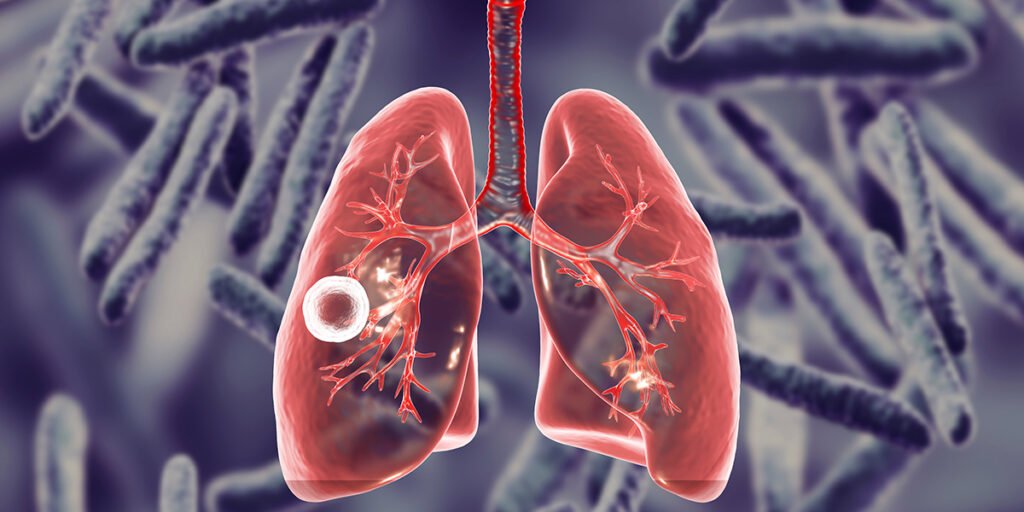
Introduction: Understanding Legionnaires’ Disease Legionnaires’ disease is a severe form of pneumonia caused by the Legionella bacteria. While most people may not be familiar with this infection, it has the potential to cause serious illness and even death if left untreated. Legionnaires’ disease often emerges in clusters, linked to contaminated water or air systems in buildings, making it a critical public health concern. Although the disease can affect anyone, certain populations, such as older adults and people with underlying medical conditions, face a higher risk of developing severe complications. Public awareness, early detection, and preventive measures are essential to controlling outbreaks and safeguarding community health. Causes and Transmission of Legionnaires’ Disease Legionnaires’ disease is caused by Legionella bacteria, which are naturally found in freshwater environments such as lakes, rivers, and soil. The bacteria become a problem when they grow and spread in human-made water systems, such as hot tubs, cooling towers, plumbing systems, and decorative fountains. Humans typically contract the disease by inhaling aerosolized water droplets containing the bacteria or accidentally aspirating contaminated water into their lungs. Unlike many types of pneumonia, Legionnaires’ disease does not spread from person to person. Outbreaks are frequently associated with large buildings or facilities where water systems are not adequately maintained. Historical investigations have shown that hotels, hospitals, cruise ships, and nursing homes are particularly vulnerable to Legionella proliferation if proper disinfection protocols are not in place. Risk Factors for Severe Illness Not everyone exposed to Legionella bacteria will become ill. Individuals with underlying health conditions such as chronic lung disease, kidney disease, diabetes, cancer, or immunodeficiency are at increased risk of severe disease. A history of smoking also raises the likelihood of complications, as does being 50 years or older. Healthy individuals may contract Legionnaires’ disease, but their risk of severe complications is generally lower. Understanding these risk factors helps public health authorities identify vulnerable populations and prioritize preventive interventions. Symptoms and Clinical Presentation Legionnaires’ disease can begin with symptoms that resemble the flu, making early recognition challenging. Common symptoms include cough, high fever, shortness of breath, headaches, and muscle aches. Gastrointestinal symptoms such as diarrhea, nausea, and abdominal pain are also frequent, and some patients experience neurological symptoms, including confusion. Symptoms typically appear within two to 14 days after exposure. Severe complications can develop, particularly in at-risk populations. These complications include respiratory failure requiring mechanical ventilation, kidney failure, septic shock, and multi-organ infection, which can ultimately lead to death. Because of the disease’s severity, timely medical attention and accurate diagnosis are crucial. Pontiac Fever – A Milder Form In addition to Legionnaires’ disease, Legionella bacteria can cause a milder, flu-like illness known as Pontiac fever. While individuals with Pontiac fever generally recover without specific treatment, it serves as a warning sign of Legionella exposure and emphasizes the importance of monitoring water systems to prevent severe outbreaks. Diagnosis of Legionnaires’ Disease Diagnosing Legionnaires’ disease involves a combination of tests. Respiratory specimens, obtained through sputum collection, and urine antigen tests are the primary methods used to detect the presence of Legionella bacteria. Timely diagnosis is essential to initiate effective treatment and prevent complications. Physicians must maintain a high index of suspicion, particularly for patients presenting with pneumonia who have potential exposure to contaminated water sources. Early detection significantly improves the chances of recovery. Treatment Options for Legionnaires’ Disease Antibiotic therapy is the cornerstone of Legionnaires’ disease treatment. Commonly used antibiotics include levofloxacin, azithromycin, doxycycline, and rifampin. The choice of medication depends on factors such as the patient’s overall health, preexisting conditions, and whether the infection was acquired in a hospital or community setting. Supportive care is often required for patients with severe symptoms, including supplemental oxygen or mechanical ventilation. Early intervention reduces the risk of complications and improves survival rates. Preventing Legionnaires’ Disease Prevention strategies focus on reducing the growth and spread of Legionella bacteria in water systems. Proper maintenance of plumbing systems, cooling towers, hot tubs, and decorative fountains is critical. Facilities should implement water management programs that identify potential risks and apply control measures, including regular flushing, disinfection, and temperature monitoring. For individuals, avoiding inhalation of aerosolized water from high-risk sources, such as poorly maintained hot tubs or misting systems, helps reduce the chance of infection. Awareness of environmental sources and symptoms ensures early medical evaluation and reduces the likelihood of severe disease. Cleveland Clinic – Legionnaires’ Disease: Causes, Symptoms & Treatment Public Health Measures Public health authorities play a vital role in preventing Legionnaires’ disease outbreaks. Investigations following reported cases include testing water systems, identifying contamination sources, and ensuring complete disinfection. Regulatory guidelines and monitoring programs for large buildings, hospitals, and other institutions help maintain safe water systems and prevent future outbreaks. Community education on Legionnaires’ disease and its risk factors further strengthens prevention efforts. Outbreak Investigation and Response Effective outbreak management requires rapid detection and response. In past outbreaks, public health departments have traced infections to specific water sources, such as cooling towers in large buildings. Remediation involves thorough cleaning and disinfection to eliminate Legionella bacteria. Follow-up monitoring ensures that preventive measures are effective and that no further cases occur. Long-Term Implications Legionnaires’ disease serves as a reminder of the importance of water safety in public and private facilities. Building managers, healthcare providers, and public health officials must maintain vigilance to reduce the risk of exposure. Proactive water system management, combined with early medical recognition of symptoms, can prevent fatalities and limit the public health impact of Legionella bacteria. Conclusion Legionnaires’ disease is a serious and potentially deadly infection that requires awareness, prevention, and timely treatment. Understanding the causes, symptoms, risk factors, and preventive measures is critical for individuals, healthcare providers, and public health authorities. Proper maintenance of water systems, early diagnosis, and effective treatment are key strategies for reducing the impact of this disease. By remaining informed and proactive, communities can minimize the risk of Legionnaires’ disease and protect public health.

Read More

Influenza in Children: Risks, Symptoms, and Prevention

Introduction: Influenza in Children Influenza in children is a serious public health concern that can lead to hospitalization and severe complications if not recognized and treated promptly. While some parents may perceive the flu as a minor illness, it can affect children more severely due to their smaller airways and developing immune systems. Early recognition and preventive measures are crucial to reduce the risk of severe illness and protect vulnerable family members. Children under the age of five, especially infants, are particularly susceptible to serious influenza complications, making awareness and vaccination essential. Understanding Influenza in Children Influenza, commonly called the flu, is caused by the influenza virus and spreads rapidly among children, particularly in households and schools. Unlike a common cold, influenza can lead to high fevers, body aches, and respiratory complications that may require hospitalization. Seasonal flu waves can vary in severity, and recent flu seasons have seen early and widespread outbreaks, highlighting the need for vigilance among parents and healthcare providers. Symptoms and Early Warning Signs Children with influenza often exhibit symptoms such as fever, fatigue, headache, sore throat, body aches, coughing, and nasal congestion. Infants may also display difficulty feeding or signs of dehydration. Because early symptoms can resemble other viral infections, flu in children is frequently underestimated until complications arise. Severe cases can lead to breathing difficulties, requiring medical interventions such as supplemental oxygen or even hospitalization in an intensive care unit. Complications and Risks Influenza in children can lead to secondary infections such as pneumonia, ear infections, and sinusitis. Children with preexisting conditions like asthma, diabetes, or weakened immune systems are at higher risk of developing severe complications. Even otherwise healthy children can experience life-threatening outcomes, emphasizing the importance of prevention and early intervention. Rapid progression of symptoms can result in hospitalization, especially for infants and toddlers. Household Transmission and Impact Influenza spreads easily within households, often affecting multiple family members in succession. Close contact, shared spaces, and caregiving responsibilities increase the risk of transmission. Parents of children with influenza frequently experience sleep disruption, fatigue, and stress due to monitoring symptoms and caring for multiple sick family members. This pattern can impact daily life, including missed school days, work absences, and prolonged household illness periods. Preventing Influenza in Children Vaccination remains the most effective method for preventing influenza in children. The Centers for Disease Control and Prevention (CDC) and the American Academy of Pediatrics recommend annual flu vaccination for all children aged six months and older. Children receiving the flu vaccine for the first time between six months and eight years old should receive two doses, spaced at least four weeks apart. In addition to vaccination, good hygiene practices, such as frequent handwashing and avoiding contact with sick individuals, can reduce the spread of the virus. H3: Role of Healthcare Providers Healthcare providers play a critical role in early detection, education, and treatment of influenza in children. Pediatricians can identify high-risk patients, recommend timely vaccination, and provide antiviral treatment when appropriate. Prompt medical intervention can prevent complications and reduce the duration of illness. Parents are encouraged to communicate any concerning symptoms promptly to their child’s healthcare provider. Treatment and Recovery Most children with influenza recover fully at home with supportive care, including rest, hydration, and symptom management. Severe cases may require antiviral medications such as oseltamivir, especially when administered early in the course of illness. Monitoring for warning signs like difficulty breathing, persistent high fever, or dehydration is essential to ensure timely medical care. With proper care and vaccination, children can recover safely and return to normal activities. Protecting the Entire Family Preventing influenza in children also protects family members, particularly those at higher risk, such as older adults, pregnant individuals, and people with chronic conditions. Ensuring all eligible family members receive the flu vaccine, practicing good hygiene, and isolating symptomatic individuals can significantly reduce the risk of household transmission. Conclusion Influenza in children is more than just a seasonal inconvenience; it poses real health risks that can escalate quickly without recognition and proper care. Vaccination, early detection, and preventive practices are essential to safeguarding children and their families. Parents should remain vigilant for symptoms, seek prompt medical attention when needed, and ensure children receive timely flu vaccinations each year to minimize the impact of influenza.

Read More

Malaria Blood Donation Guidelines: Keeping US Blood Supply Safe

Introduction: Malaria Blood Donation Guidelines in the US Malaria remains a global health threat, with millions affected each year. Although the United States has a very low risk of local transmission, the growing international travel and climate changes make it important to maintain safe blood supplies. The US Food and Drug Administration (FDA) is reviewing malaria blood donation guidelines to prevent transfusion-related malaria cases. This involves testing donors, revising deferral criteria, and ensuring that blood banks can meet safety standards without unnecessarily excluding healthy donors. Experts emphasize that early detection, accurate screening, and clear guidelines are critical to maintaining a safe and sufficient blood supply nationwide. Understanding Malaria and Its Global Impact Malaria is caused by Plasmodium parasites, primarily transmitted through mosquito bites. According to the World Health Organization, there were over 249 million malaria cases globally in 2022, resulting in more than 608,000 deaths. While the disease is uncommon in the US, millions of Americans travel annually to malaria-endemic regions. Blood donation safety requires careful attention to prevent transfusion-transmitted malaria, even in regions where local transmission is extremely low. The History of Malaria in the United States Malaria was once prevalent in the US, with tens of thousands of cases annually in the 1940s. Concerted efforts during World War II and nationwide mosquito control campaigns reduced incidence drastically. By 1970, the US was declared free from endemic malaria. Today, most cases are travel-related, but sporadic local transmission has been reported in Texas, Florida, Maryland, and Arkansas, highlighting the need for updated malaria blood donation guidelines. Blood Transfusion and Malaria Risk Although rare, malaria transmission through blood transfusions can be severe. Historical data shows a small number of cases and fatalities linked to transfused blood. Current FDA screening involves donor questionnaires about travel history, prior infection, and residency in malaria-endemic areas. While effective, these methods have limitations and may inadvertently exclude eligible donors. Implementing improved malaria blood donation guidelines can reduce the risk of transfusion-transmitted infections while preserving blood availability. Current FDA Guidelines for Malaria Screening The FDA currently defers donors based on travel history, previous infection, and residency in endemic areas. Platelet and plasma collection follow slightly different rules. These guidelines aim to balance safety and availability, but gaps remain. Asymptomatic donors with partial immunity may pass the current screening, emphasizing the importance of new testing strategies. Technological Innovations in Blood Screening Advancements in diagnostic technology are reshaping malaria blood donation guidelines. Molecular assays, such as polymerase chain reaction (PCR) tests, can detect parasite DNA or RNA in donor blood, enabling early detection of asymptomatic infections. These tools, combined with selective testing based on donor risk assessment, can maximize both safety and efficiency. Additionally, automation and data integration can streamline blood bank operations, reduce human error, and provide real-time monitoring of potential threats. Incorporating such innovations into malaria blood donation guidelines represents a critical step forward in maintaining a safe blood supply. Proposed Updates to Malaria Blood Donation Guidelines The FDA is considering selective testing based on travel history and prior infection or broader one-time testing for all donors. Experts largely support selective testing as it minimizes unnecessary deferrals while maintaining safety. Other strategies include testing in areas with recent local transmission. Each approach has benefits and challenges, including cost, feasibility, and the potential impact on donor retention. https://www.cdc.gov/blood-safety/chagas/index.html Global Comparisons and Lessons Other countries with malaria-endemic regions have developed effective strategies to maintain safe blood supplies. For instance, in parts of Latin America, routine testing of donors, community awareness programs, and rapid-response protocols for transfusion-transmitted cases have significantly reduced risk. The United States can learn from these examples by integrating evidence-based testing, improving donor education, and promoting flexible guidelines that respond to emerging risks. Strengthening malaria blood donation guidelines in the US can ensure that the nation remains proactive in preventing rare but potentially fatal transfusion-related infections. Malaria Blood Donation Guidelines: Scientific and Public Health Considerations Malaria blood donation guidelines must account for parasite biology, asymptomatic carriers, and population mobility. Experts recommend modeling studies, targeted screening, and public health campaigns to complement regulatory guidance. Continuous monitoring of malaria trends in travelers and residents ensures that blood safety measures remain relevant and effective. Impact on Blood Banks and Donor Availability Updating malaria blood donation guidelines will affect donor eligibility and retention. Many deferred donors may not return, reducing supply. Selective testing and clear communication can improve confidence among donors and maintain sufficient inventory. Blood centers must balance rigorous safety protocols with operational efficiency to meet national demand. Public Awareness and Education Public education plays a key role in the successful implementation of malaria blood donation guidelines. Potential donors need clear information about eligibility, risk factors, and the importance of accurate reporting. Outreach campaigns can also raise awareness among healthcare providers, ensuring timely diagnosis of malaria in travelers and returning residents. By fostering a culture of informed participation, public health authorities can improve donor compliance, reduce transmission risk, and maintain confidence in the safety of the national blood supply. Safeguarding the Blood Supply Malaria remains a rare but serious risk for blood recipients. Comprehensive malaria blood donation guidelines, combining selective testing, updated deferral criteria, and public health awareness, are essential to protecting patients and donors alike. Maintaining a safe blood supply requires continuous evaluation of emerging risks, scientific advances, and population behavior to prevent transfusion-transmitted infections effectively.

Read More

Kissing Bug Disease in the US: Symptoms & Treatment

Chagas Disease in the US: Introduction and Overview Kissing bug disease, caused by the parasite Trypanosoma cruzi, is an emerging public health concern in the United States. This disease, also known as Chagas disease, is primarily transmitted by kissing bugs, or triatomines. Once thought to be limited to Latin America, recent research confirms that kissing bug disease now affects several regions across the US. Experts warn that without proper awareness, testing, and preventive measures, many Americans may remain unaware they carry this potentially life-threatening infection. The infection often goes undiagnosed early because initial symptoms are mild or nonspecific. By the time chronic complications, such as serious heart and digestive problems, appear, the disease may have been present for years. Increasing public and medical awareness significantly improves early detection and treatment outcomes. Overview of Kissing Bug Disease Chagas disease is caused by the protozoan parasite Trypanosoma cruzi. The World Health Organization classifies it as a neglected tropical disease, and it is widely established in many Latin American nations. In the United States, it is increasingly considered an emerging health concern, particularly in the southern states where kissing bugs are more common. Causes and Transmission of Kissing Bug Disease In the United States, the most common method of transmission is through the bite of infected kissing bugs. These insects feed at night and often defecate near the bite site. Infection occurs when the parasite in the bug’s feces enters the body through the eyes, mouth, mucous membranes, or broken skin. Transmission can also occur through contaminated blood transfusions, organ transplants from infected donors, congenital transfer from mother to child, and, in rare instances, contaminated food or drink. Many infections progress unnoticed because symptoms in the early stage are minimal. Early Symptoms Chagas disease develops in two distinct stages: acute and chronic. Early Symptoms The acute phase lasts a few weeks to a few months, during which individuals may experience fever, weakness, fatigue, headache, swelling at the site of the bite, rash, nausea, vomiting, or diarrhea. These mild signs often resemble common viral illnesses, making the condition difficult to detect in the early phase. Chronic Complications If the disease remains untreated, it may lead to chronic complications involving the heart, digestive tract, and nervous system. Long-term effects include heart failure, cardiac arrhythmias, enlargement of the esophagus or colon, stroke, and sudden cardiac death. Research indicates that between twenty and thirty percent of infected individuals eventually suffer from serious complications, emphasizing the importance of early diagnosis. Kissing Bugs and Their Spread in the US Kissing bugs are blood-feeding insects commonly found in warmer climates, especially in the southern regions of the United States.https://www.who.int/health-topics/chagas-disease#tab=tab_1 States with Known Kissing Bug Populations Scientists have confirmed the presence of kissing bugs in at least thirty-two states, including Texas, Arizona, California, Louisiana, Florida, Mississippi, and Arkansas. Climate shifts may allow these insects to expand into more northern regions, increasing the risk of transmission in additional areas. Infected Mammals and Pets Research reveals that several animals act as reservoirs for Trypanosoma cruzi. Infected mammals include raccoons, opossums, armadillos, coyotes, and domesticated pets such as cats and dogs. Veterinarians in affected states have reported cases among pets and zoo animals, which shows that the disease extends beyond human populations. Epidemiology of Chagas in the US The Centers for Disease Control and Prevention estimate that around 280,000 people in the United States are currently living with Chagas disease, though the exact number of individuals with chronic complications is uncertain. Human Cases in Kissing Bug Disease Documented human cases have been identified in states such as Arkansas, Arizona, California, Louisiana, Missouri, Mississippi, Tennessee, and Texas. Because Chagas disease is not nationally reportable in most states, a significant number of infections may go undetected. Public Health Implications Acknowledging Chagas disease as endemic in the United States would improve surveillance, enhance public education, increase funding for treatment and research, and prompt healthcare providers to screen at-risk groups more effectively. Many experts believe that viewing Chagas solely as a foreign disease has delayed the development of adequate public health strategies. Diagnosis of Chagas Disease Early detection is essential for successful treatment outcomes. Blood Tests and Screening Diagnosis usually relies on serological tests that detect antibodies against Trypanosoma cruzi. Screening is especially important for individuals who donate blood, pregnant women with potential exposure, and patients with unexplained heart or digestive problems. Challenges in Detection Kissing Bug Disease A major obstacle to timely diagnosis is the limited familiarity of US healthcare professionals with Chagas disease. Many patients only learn of their infection when they donate blood or when chronic complications have already begun. Treatment Options There is currently no vaccine for Chagas disease, but timely medical treatment can be effective, particularly during the early phase. Benznidazole and Nifurtimox The primary treatments are antiparasitic medications such as benznidazole and nifurtimox. These drugs work best during the acute stage, although some individuals in the chronic phase may still benefit from therapy. Managing Long-Term Complications In chronic cases, treatment centers on managing symptoms and preventing progression. Physicians focus on controlling heart failure and arrhythmias, addressing digestive disorders, and monitoring stroke risk. Consistent medical follow-ups and lifestyle adjustments improve the outcome for many patients. Preventing Chagas Disease Prevention focuses on limiting contact with kissing bugs and reducing the possibility of infection. Reducing Contact with Kissing Bugs Preventive actions include sealing cracks and gaps in homes, installing window screens, removing nesting or shelter areas near houses, and keeping pets indoors at night in high-risk locations. Public Health Measures Public health programs in countries where the disease is common have achieved success through community education and vector control efforts. Experts in the United States recommend similar strategies, such as training healthcare providers, launching awareness campaigns, and improving disease surveillance. Expert Insights and Global Comparisons Medical specialists emphasize the importance of recognizing Chagas disease as a domestic health concern. Nations such as Bolivia, Argentina, and Chile have reduced infection rates through coordinated strategies and public health initiatives. In contrast, US prevention efforts remain limited,…

Read More

Long Beach Tuberculosis News: Emergency Declared

Public Health Emergency in Long Beach: Latest Tuberculosis News The latest Long Beach tuberculosis news reports that the city declared a public health emergency due to a TB outbreak. City Health Officer Dr. Anissa Davis made this decision to help the health department quickly mobilize resources. It also streamlines containment efforts. The City Council will likely ratify the declaration, highlighting the urgency of the situation. Health authorities identified about 170 individuals exposed during this outbreak. The overall risk for the general public remains very low. Health authorities linked the outbreak primarily to a single room occupancy hotel. To protect patient privacy, they have not disclosed the exact location. The affected population faces numerous challenges, including homelessness, housing insecurity, mental health conditions, substance use, and serious medical comorbidities. Among the fourteen confirmed cases, nine individuals required hospitalization, and one person died. The public health emergency declaration lets the city coordinate testing, treatment, and prevention more efficiently for high-risk individuals. Long Beach Tuberculosis News: Understanding the Risks and Symptoms Tuberculosis, or TB, is a bacterial infection that mainly affects the lungs. It can also impact other organs. Symptoms include persistent coughing, chest discomfort, fever, and coughing up blood or mucus.. TB is a serious illness, but it is treatable. Completing a full course of standardized antibiotics can cure the disease and prevent transmission. Preventive strategies, including vaccination, early screening, and adherence to treatment, are essential in controlling outbreaks. The Long Beach outbreak highlights the complexities of TB transmission, especially among populations facing socioeconomic challenges. Individuals in these groups often encounter barriers to healthcare access, making prompt diagnosis and treatment critical. Public health authorities are conducting thorough screenings to identify and manage new cases. These screenings include symptom assessments, blood or skin tests, and chest X-rays. https://www.cdc.gov/tb/index.html Long Beach Tuberculosis News: Understanding the Public Health Impact Although the outbreak has affected a specific population, city officials maintain that the overall risk for residents of Long Beach remains low. The affected group, which includes people experiencing homelessness and other health vulnerabilities, is at increased risk of severe outcomes due to TB. Hospitalizations have already occurred, and the potential for serious complications underscores the importance of the emergency declaration. By activating additional resources, the city can ensure that exposed individuals receive timely treatment and monitoring, which is crucial for preventing further transmission and reducing mortality risks. This outbreak also reflects broader trends in tuberculosis in the United States. After decades of declining cases, the incidence of TB has begun to rise slightly, with recent reports indicating a gradual increase following the disruptions caused by the Covid-19 pandemic. These trends highlight the importance of maintaining vigilance and public health preparedness even in areas where TB is relatively rare. Early Detection and Treatment of Tuberculosis Early identification of tuberculosis cases is essential for controlling outbreaks and improving patient outcomes. Individuals exposed to tuberculosis or experiencing symptoms such as persistent cough, fever, or chest discomfort should seek immediate medical attention. Once diagnosed, treatment typically involves a combination of antibiotics administered over several months to ensure complete eradication of the bacteria. Adherence to the treatment regimen is critical, as incomplete treatment can lead to drug-resistant strains of TB and increased transmission risk. Prompt treatment not only protects affected individuals but also safeguards the broader community by reducing the potential for secondary infections. Preventing Tuberculosis in the Community Preventive measures play a vital role in limiting the spread of tuberculosis. Vaccination programs, screening initiatives, and public education campaigns help health authorities identify and treat high-risk populations promptly. Long-term prevention also involves addressing underlying social determinants of health, such as housing instability, access to medical care, and exposure to environmental hazards. By focusing on both medical treatment and community-level interventions, public health authorities can effectively reduce the burden of TB and protect vulnerable populations. Health authorities urge residents to stay informed through official channels, monitor symptoms, and follow recommended guidance. While the general public’s risk remains low, awareness and proactive engagement are key to preventing further cases and supporting the health of the community. Tuberculosis Trends in the United States Tuberculosis has historically been a public health concern in the United States, and recent trends show a slight increase in reported cases following the Covid-19 pandemic. Before the pandemic, TB incidence had steadily declined, reaching 2.7 cases per 100,000 people in 2019. In 2020, rates decreased slightly to 2.2 per 100,000, but disruptions in healthcare services likely resulted in missed or delayed diagnoses. Researchers note that ongoing monitoring and reporting are essential to understanding the true burden of TB and implementing timely interventions. The Long Beach outbreak reminds us that tuberculosis still exists in the U.S. Effective public health measures remain necessary, even in areas with low TB rates. Guidance for Long Beach Residents Public health officials advise Long Beach residents to follow guidance. This is especially important for those staying at or in close contact with people from the affected hotel. Awareness of TB symptoms and timely medical evaluation are critical steps for prevention and early treatment. People can lower their risk by practicing good respiratory hygiene. They should stay up to date on vaccinations and avoid long exposure to infected individuals. Health authorities emphasize that the outbreak remains within a specific population. It does not threaten the broader community. The city conducts ongoing screening, treatment, and education to reduce the outbreak’s impact. These efforts also help prevent future cases.

Read More

COPD in Younger Adults: Causes, Risks, and Prevention Strategies

Understanding COPD in Younger Adults Chronic obstructive pulmonary disease (COPD) is a progressive lung condition that makes breathing difficult. While commonly associated with older adults, COPD can also develop in younger adults, affecting those under the age of 50. Recognizing COPD in younger adults is critical for early diagnosis and effective management, as early onset may increase the risk of hospitalizations and premature mortality. What is COPD? COPD is an umbrella term for lung diseases characterized by airflow obstruction and chronic respiratory symptoms. The two primary types are: Although COPD is chronic and progressive, treatments and lifestyle changes can improve quality of life and reduce exacerbations. Risk Factors for COPD in Younger Adults Early recognition of these risk factors can aid in prevention and management of COPD in younger adults. Prevalence of Early-Onset COPD Although COPD is typically associated with older age groups, emerging evidence shows that a notable percentage of younger adults are affected. Research indicates that approximately 4% to 5% of adults under the age of 50 meet diagnostic criteria for COPD, making young COPD a condition that warrants attention. The prevalence is slightly higher in populations with a history of smoking or exposure to environmental pollutants, but it is important to recognize that non-smokers can also develop COPD. This highlights the multifactorial nature of the disease, which includes genetic susceptibility, occupational hazards, and prior respiratory illnesses. Prevalence and Statistics Studies indicate that approximately 4–5% of adults under 50 may have early-onset COPD. Younger adults with COPD often experience increased hospitalizations and are at higher risk of premature death compared to peers without the disease. Understanding prevalence helps raise awareness and motivates early interventions. Symptoms of COPD in Younger Adults Common signs include: Since symptoms may be subtle in early stages, early diagnosis is often delayed. Diagnosis of COPD in Younger Accurate diagnosis is essential to implement treatment plans that can slow progression. Definition of COPD in Younger Adults Chronic obstructive pulmonary disease, commonly known as COPD, is a progressive lung condition that makes breathing increasingly difficult over time. While COPD is often associated with older adults, research shows that young COPD, or COPD diagnosed in adults under 50, is a growing health concern. This condition encompasses a group of lung diseases, primarily emphysema and chronic bronchitis, that result in airflow obstruction and compromised lung function. Emphysema damages the air sacs in the lungs, reducing their ability to exchange oxygen effectively, while chronic bronchitis is characterized by long-term inflammation, airway narrowing, and excessive mucus production. Young adults with COPD face unique challenges because the disease occurs during what would normally be the most productive and physically active years of life, increasing the risk of hospitalization, severe respiratory complications, and early mortality.https://www.cdc.gov/cdi/indicator-definitions/chronic-obstructive-pulmonary-disease.html?utm_source=chatgpt.com The Importance of Early Detection Early detection of COPD in younger allows for: Treatment and Management Strategies Effective management involves a combination of lifestyle changes, medications, and rehabilitation programs. Lifestyle Changes Medications Pulmonary Rehabilitation Structured exercise, education, and support programs improve breathing efficiency and endurance. Vaccinations and Infection Prevention Vaccines help prevent respiratory infections that can worsen COPD, including: Preventing COPD in Younger Adults Complications of COPD in Younger Adults Living with COPD in Younger Future Research and Awareness

Read More

Global Diabetes Diagnosis Statistics: Risk and Early Detection

Introduction: Undiagnosed Diabetes in Young Adults Recent research highlights the importance of global diabetes diagnosis statistics, showing that nearly half of adults with diabetes worldwide are undiagnosed. These statistics reveal critical gaps in awareness, screening, and early detection, particularly among younger adults, and underscore the urgent need for public health interventions. Understanding these trends is essential for preventing long-term complications and improving outcomes for people living with diabetes. Global Statistics on Undiagnosed Diabetes Recent research analyzing data from 204 countries between 2000 and 2023 found that 44% of people aged 15 and older with diabetes are undiagnosed. Awareness varies widely by age and geography: younger adults are much less likely to know they have diabetes, and low- and middle-income countries generally report higher rates of undiagnosed cases than high-income nations. Global diabetes diagnosis statistics. Why Young Adults Often Remain Undiagnosed Young adults are less frequently screened for diabetes compared to older populations. Only 20% of young adults with diabetes are aware of their condition, according to global data. Because early diabetes often presents with few or no symptoms, many people remain unaware until complications arise, which are more common in older adults. Symptoms to Watch For Although diabetes can be silent in its early stages, common warning signs include: Anyone experiencing these symptoms, or with a family history of diabetes, should consider a glucose screening. Early diagnosis allows for timely management and reduces the risk of serious health complications. The Importance of Early Diagnosis and Treatment Diagnosing diabetes early enables effective management through lifestyle changes, medication, and regular monitoring. Studies indicate that only 40% of treated patients achieve optimal blood sugar control, highlighting the need for better follow-up and adherence to treatment. Undiagnosed diabetes is also linked with other health conditions, such as hypertension and chronic kidney disease, which can complicate treatment further. Addressing blood sugar early can prevent these comorbidities and improve long-term health outcomes. Preventing Diabetes: Lessons from Global Diagnosis Statistics While type 1 diabetes cannot currently be prevented, type 2 diabetes can often be avoided through lifestyle interventions:

Read More

Prediabetes at Young Age May Raise Dementia Risk

Introduction: The Overlooked Connection Between Blood Sugar and Brain Health Prediabetes and dementia risk in younger adults has become an important public health concern. Prediabetes is a condition where blood sugar levels rise above normal but do not yet meet the threshold for a diabetes diagnosis. While often considered a warning sign for type 2 diabetes, new studies reveal that when prediabetes develops at a younger age, it can significantly increase the likelihood of dementia and cognitive decline later in life. Millions of adults under 60 unknowingly live with prediabetes. This early metabolic imbalance can silently cause lasting damage — not only to the heart and blood vessels but also to the brain — highlighting the critical connection between blood sugar control and long-term brain health. Prediabetes and Dementia Risk in Younger Adults Explained A comprehensive study published in Diabetologia examined long-term health data from middle-aged adults in the United States. Participants were observed for decades to determine how the timing of diabetes onset affected cognitive health.The results were clear: individuals who developed type 2 diabetes before age 60 faced three times the risk of developing dementia in later life compared with those who never developed diabetes. When diabetes developed between ages 60 to 69, the dementia risk decreased slightly but remained significant. Conversely, if type 2 diabetes was not diagnosed until a person’s 70s, the risk dropped to 23%, and those diagnosed in their 80s showed no increased risk compared to non-diabetic individuals. How ‘Glucose Years’ Explain Prediabetes and Dementia Risk in Younger Adults Experts explain this pattern using the concept of “glucose years” — the amount of time the brain and body are exposed to high blood sugar levels.The longer a person experiences elevated glucose, the more cumulative damage occurs. Chronic high blood sugar leads to inflammation, oxidative stress, and damage to small blood vessels, including those in the brain.Early exposure to these harmful glucose levels accelerates aging of the brain, leading to memory decline and increased vulnerability to dementia. Why Prediabetes and Dementia Risk in Younger Adults Matters The Centers for Disease Control and Prevention (CDC) reports that more than 1 in 3 American adults have prediabetes — and over 80% are unaware of it.Even more concerning, nearly 1 in 5 adolescents aged 12 to 18 and 1 in 4 young adults aged 19 to 34 are already living with prediabetes. This means the foundations for dementia and cardiovascular disease may begin decades before symptoms appear. Prediabetes and Its Link to Alzheimer’s Disease Research indicates that diabetes increases levels of beta-amyloid protein in the brain — a key biomarker of Alzheimer’s disease.Furthermore, high blood sugar promotes chronic inflammation and damages blood vessels that supply oxygen and nutrients to the brain. This process can contribute to both vascular dementia and Alzheimer’s disease. According to the Alzheimer’s Association, individuals with type 2 diabetes have a 60% higher risk of developing dementia. People with both conditions also tend to experience faster cognitive decline and shorter life expectancy than those without diabetes. https://www.who.int/news-room/fact-sheets/detail/dementia Early Prevention Can Protect Brain Function Preventing the progression from prediabetes to diabetes could significantly reduce dementia risk. Maintaining healthy blood sugar levels through lifestyle interventions is one of the most effective strategies for long-term brain protection. Key preventive steps include: Who Is at Higher Risk for Prediabetes Certain factors increase susceptibility to prediabetes, including: Recognizing these risk factors early and undergoing a blood sugar screening can help prevent long-term complications. The Lifelong Impact of Early Intervention The link between early-onset prediabetes and dementia highlights an important public health message: blood sugar control is not just about preventing diabetes — it’s also about protecting the brain.Younger adults who take proactive measures to manage blood sugar can preserve both metabolic and cognitive health, significantly lowering their chances of dementia later in life.

Read More