Alexandria

WHO Recommends Twice-Yearly HIV Prevention Shot

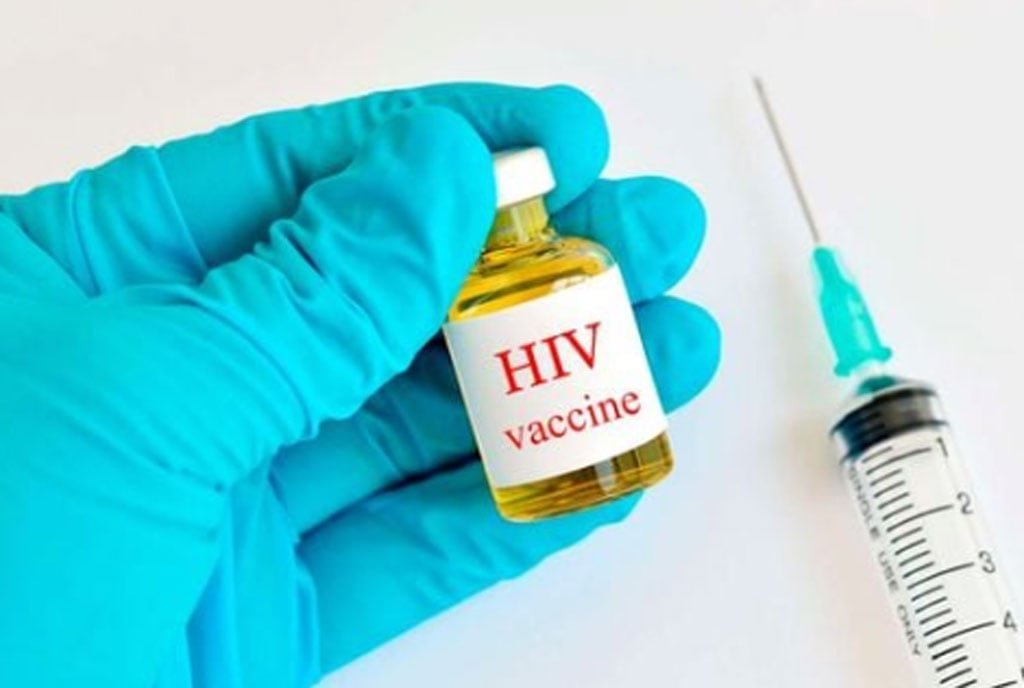
Introduction: A New Tool in the Fight Against HIV The World Health Organization (WHO) has issued a global recommendation to include the newly approved HIV drug, lenacapavir, as a twice-yearly prevention shot for populations at high risk. Lenacapavir, previously approved for treatment, has demonstrated remarkable efficacy in preventing HIV infections, offering near-total protection in clinical trials. This recommendation underscores the importance of expanding HIV prevention tools to curb infections worldwide, especially in countries where the burden remains high. While the shot provides hope, global funding challenges threaten the reach and impact of this lifesaving intervention. Understanding Lenacapavir and Its Impact Lenacapavir, or LEN, represents a long-acting injectable option that can be administered twice a year. Unlike daily oral medications such as Truvada or bimonthly injectables like Apretude, lenacapavir’s six-month interval can improve adherence and accessibility for people who struggle with frequent clinic visits or have challenges maintaining daily medication routines. Clinical trials indicate that LEN can provide nearly complete protection against HIV when used as pre-exposure prophylaxis (PrEP), making it a significant breakthrough in the fight against the virus. WHO emphasizes that LEN should be offered alongside existing prevention methods as part of a comprehensive HIV strategy. How HIV Spreads and Why Prevention Matters HIV primarily spreads through unprotected sexual activity and shared needles, attacking the body’s immune system and potentially leading to AIDS if untreated. Globally, approximately 40 million people were living with HIV at the end of 2023. Prevention strategies such as PrEP are essential to curbing transmission, protecting vulnerable populations, and reducing long-term healthcare burdens. The introduction of LEN as a twice-yearly injectable expands these strategies, particularly in communities with limited access to healthcare or where daily medication adherence is challenging. Global Funding Challenges and Risks Despite the promise of lenacapavir, the global HIV response faces serious funding challenges. International support, including programs like PEPFAR, accounts for approximately 80% of prevention efforts in low- and middle-income countries. Recent reductions in funding, including the scaling back of PEPFAR contributions, have jeopardized the continuity of HIV prevention and treatment services. In countries like Nigeria and Kenya, these reductions have already resulted in significant decreases in the number of people receiving PrEP and other critical HIV interventions. Experts warn that without urgent funding support, millions of people could face new infections or disruptions in life-saving care over the next five years. Partnerships to Ensure Global Access To address the potential gaps in access, Gilead Sciences, the manufacturer of lenacapavir, has partnered with the Global Fund to supply the drug at no profit for low- and lower-middle-income countries. This collaboration aims to provide enough medication to protect up to two million people ahead of generic versions becoming available. WHO and its global partners, including UNAIDS, are working to support countries in implementing LEN programs effectively. Ensuring equitable access to this preventive tool is critical to curbing HIV infections worldwide and safeguarding vulnerable populations. At-Risk Populations and the Role of Prevention WHO highlights that certain populations are particularly vulnerable to HIV infection, including adolescents, sex workers, men who have sex with men, intravenous drug users, and pregnant and breastfeeding women. The twice-yearly injectable offers these groups a more practical and reliable method of protection compared to daily oral PrEP. Prevention not only protects individuals but also reduces community-level transmission, contributing to overall public health resilience. Global efforts must prioritize reaching these high-risk populations to maximize the impact of lenacapavir. The Importance of Integration into Existing HIV Programs Implementing LEN effectively requires integration into existing HIV programs and services. Countries need strong healthcare infrastructure, trained healthcare professionals, and community-based strategies to identify and reach those at risk. Rapid diagnostic tests, including at-home testing, are recommended alongside LEN to ensure accurate HIV status assessment before initiating or continuing PrEP. By combining preventive tools with effective testing and monitoring, health systems can achieve greater success in reducing HIV transmission. https://www.who.int/teams/global-hiv-hepatitis-and-stis-programmes/hiv/prevention The Consequences of Inaction Experts warn that failing to maintain HIV prevention programs and ensure access to new interventions like LEN could result in millions of additional infections and deaths. UNAIDS estimates that without sustained funding, 4 million extra deaths and 6 million new infections could occur globally between 2025 and 2029. Drug resistance could also increase if people stop treatment abruptly, further complicating the global HIV response. Immediate action is needed to prevent these outcomes and safeguard progress made over the past decades. Future Outlook and Global Solidarity While lenacapavir offers hope, its success depends on global cooperation and adequate financing. Governments, donors, healthcare providers, and civil society must work together to implement the WHO recommendation and ensure equitable access. Efforts must also include public Twice-yearly HIV prevention shot awareness campaigns, community engagement, and strategies to reach marginalized populations. LEN represents a pivotal opportunity to reshape the trajectory of the HIV epidemic, but achieving this goal requires coordinated global action and sustained commitment. Conclusion: A Critical Moment in HIV Prevention The recommendation to use lenacapavir as a twice-yearly HIV prevention shot represents a milestone in public health. This intervention has the potential to dramatically reduce HIV infections worldwide, particularly in high-burden regions and among at-risk populations. However, the global response will only succeed if funding gaps are addressed and implementation is supported through international collaboration. LEN is more than a medical breakthrough; it is a tool for equity, health security, and the fight against one of the world’s most persistent epidemics.
Read More

Diseases Returning Due to Falling Vaccination Rates

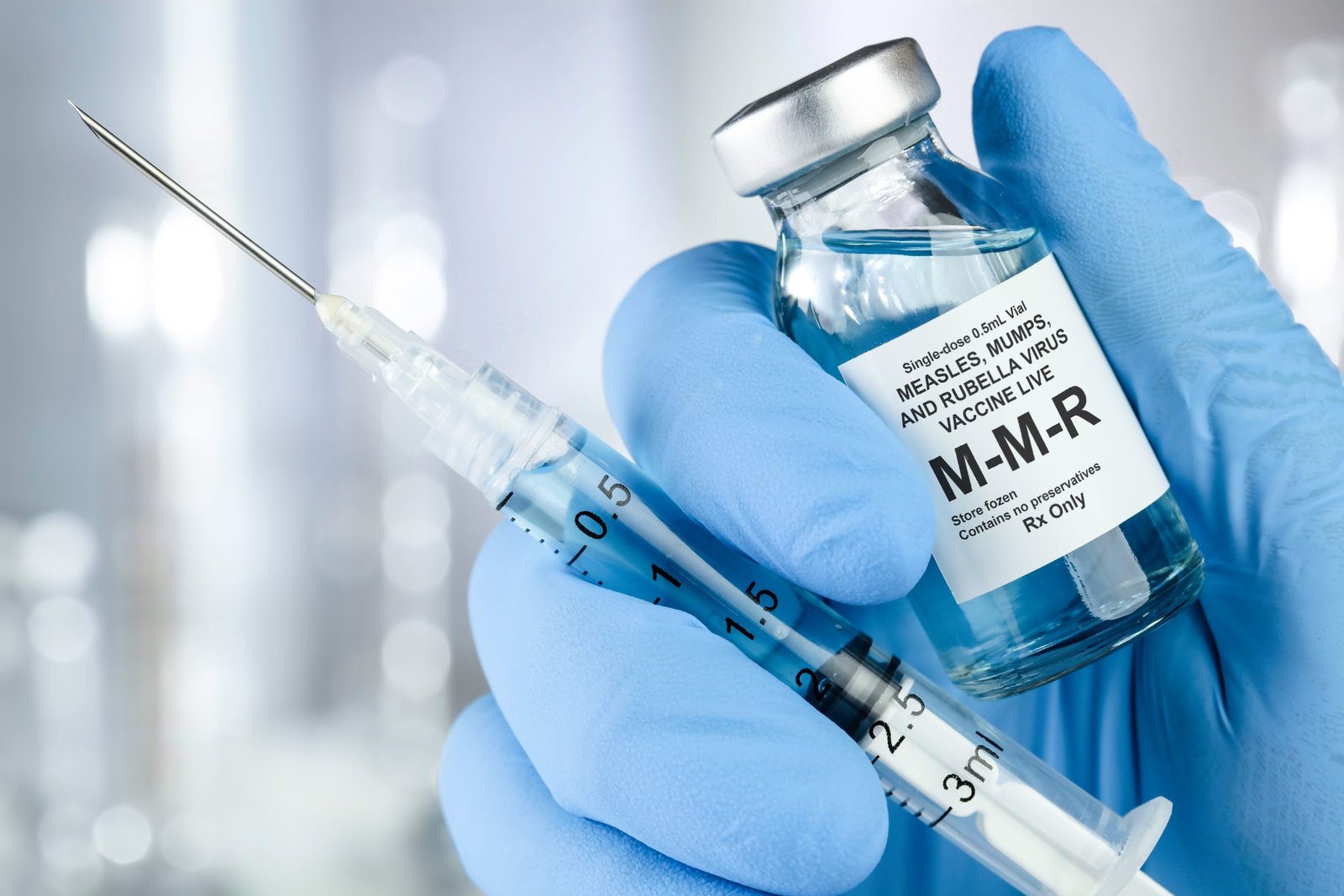
Introduction: Why Falling Vaccination Rates Matter Falling vaccination rates are driving the resurgence of diseases once considered eliminated in the United States. Measles, mumps, rubella, polio, and pertussis are among the infections that are increasingly appearing in communities with low immunization coverage. While individual vaccination provides strong protection, it is not enough to halt outbreaks if population-wide immunity declines. Understanding the consequences of declining vaccine coverage is critical to protecting vulnerable groups and maintaining public health. Measles and the Current Surge Measles has recently surged to record levels, with more cases reported this year than any year since it was declared eliminated in the US in 2000. The Centers for Disease Control and Prevention (CDC) data reveal falling vaccination rates in over 30 states, leaving communities at risk. In Texas alone, 753 cases have been reported since January, resulting in 98 hospitalizations and two child deaths. These outbreaks often originate in areas where fewer children receive recommended vaccines. The Ripple Effect of Low Vaccine Coverage A decline in vaccination rates does not just affect those who are unvaccinated. Even highly effective vaccines are not 100% protective. For example, two doses of the MMR vaccine are 97% effective against measles, leaving a small chance of breakthrough infection. As diseases spread in communities with declining immunization, even vaccinated individuals may face a higher risk of exposure, increasing the likelihood of illness. https://www.cdc.gov/measles/cases-outbreaks.html Vulnerable Populations at Risk Several groups are particularly vulnerable when vaccination rates fall: Newborns and InfantsInfants are too young to receive most vaccines and are highly susceptible to severe illness. Even mild infections in older children or adults can become life-threatening for newborns. Immunocompromised IndividualsPeople undergoing chemotherapy, transplant patients, and those on immunosuppressive medications may not respond fully to vaccines or may be unable to receive certain live vaccines, leaving them unprotected. Pregnant IndividualsPregnant people cannot safely receive certain vaccines, such as MMR and varicella. Rubella infection during pregnancy can lead to miscarriage, stillbirth, or congenital rubella syndrome, causing serious birth defects. Older AdultsImmunity from vaccines like pertussis can wane over time, leaving older adults susceptible to infections previously controlled during childhood. Combined with underlying health conditions, this group faces higher risks of severe illness. The Importance of Herd Immunity Vaccines protect individuals and the community. Herd immunity occurs when enough people are vaccinated to prevent disease spread, safeguarding those who cannot receive vaccines. Falling vaccination rates compromise this protective shield, putting entire communities at risk. Historical Lessons from Around the World Outbreaks in countries once free of diseases illustrate the consequences of low vaccine coverage. Polio has reemerged in regions affected by war and disrupted healthcare systems. Measles outbreaks have occurred in nations where it had previously been eliminated. These examples underscore the importance of maintaining high immunization rates to prevent the return of preventable diseases. Projected Impact of Declining Vaccination Rates Studies suggest alarming outcomes if vaccination rates continue to decline. A 10% drop in MMR coverage could result in over 11 million measles cases over 25 years. A 50% reduction could lead to tens of millions of infections, thousands of hospitalizations, and significant deaths. Polio and rubella could also make a resurgence, with long-term consequences for neurological health and child development. How Parents and Adults Can Protect Themselves and Others Staying up to date with vaccinations is essential for personal and public health. Parents should ensure their children receive recommended vaccines on schedule, and adults should review their vaccination status with a primary care provider. Booster doses may be necessary for older adults, particularly those at higher risk or with waning immunity. The Role of Medical Professionals Healthcare providers play a crucial role in educating patients about vaccines. Pediatricians, family physicians, and internists can verify vaccination status, recommend catch-up doses, and counsel families about the risks of declining immunization. Public health initiatives should focus on outreach, particularly in communities with historically low vaccination coverage. Combating Vaccine Hesitancy Addressing misinformation and building trust are key to maintaining high vaccination rates. Education campaigns should emphasize the safety, effectiveness, and community benefits of vaccines. Correcting misconceptions about disease risk and vaccine safety can encourage families to participate in immunization programs. Conclusion: Why Vaccines Protect Everyone Falling vaccination rates are not just a personal concern—they threaten the health of entire communities. Newborns, immunocompromised individuals, pregnant people, and older adults are most at risk. Maintaining high vaccine coverage protects the vulnerable and prevents the return of diseases like measles, polio, and rubella. Vaccines save lives, prevent severe illness, and are one of the most effective tools in public health.

Read More

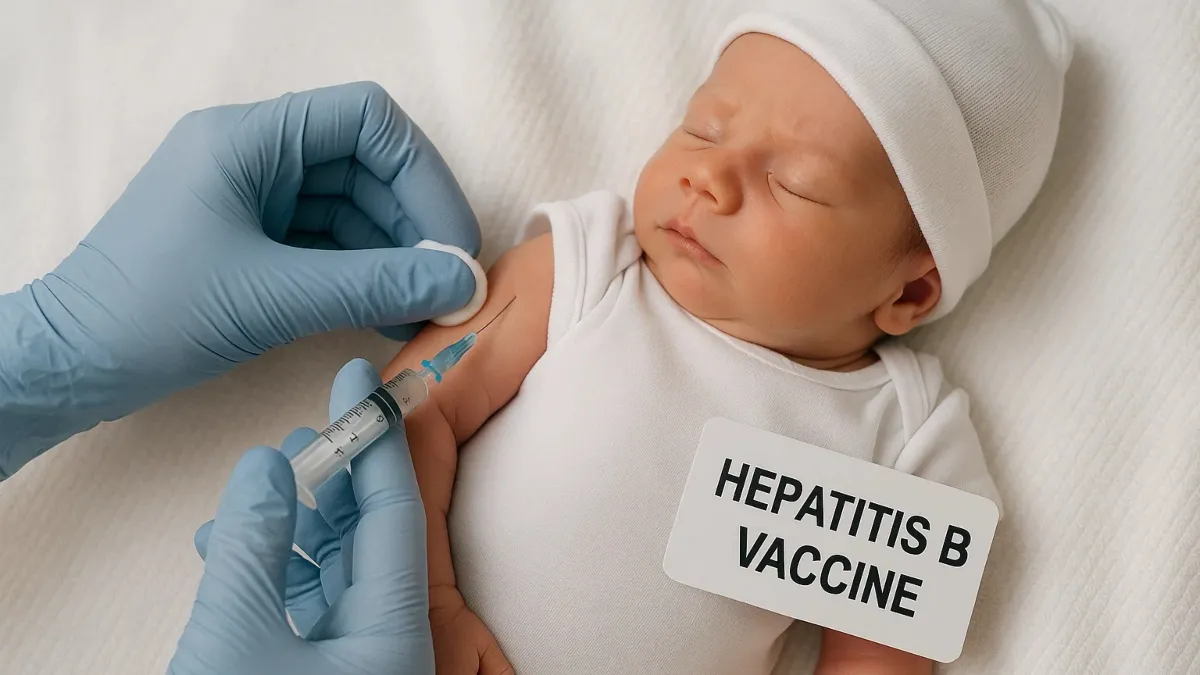
Hepatitis B Vaccine for Newborns: Safety, and Public Health Impact

The Hepatitis B vaccine for newborns is a critical tool in preventing one of the most serious liver infections worldwide. Administered shortly after birth, this vaccine provides protection against the hepatitis B virus (HBV), which can cause chronic liver disease, cirrhosis, and liver cancer if left untreated. Over the past three decades, universal newborn vaccination has dramatically reduced HBV infections among children in the United States, underscoring its importance in public health. The vaccine is recommended within 24 hours of birth, offering early protection to infants who may be exposed during delivery or through contact with infected individuals. Medical experts emphasize that timely vaccination not only safeguards the newborn but also reduces the long-term burden of HBV on the healthcare system. Understanding Hepatitis B and Its Risks Hepatitis B is a viral infection that targets the liver. It is spread through direct contact with infected blood or bodily fluids. While some adults may contract the virus through high-risk behaviors such as unprotected sex or intravenous drug use, infants are particularly vulnerable when born to HBV-positive mothers. Infections acquired during infancy are far more likely to become chronic, silently damaging the liver over years or decades. Chronic hepatitis B often remains asymptomatic for many years, but it can progress to severe complications such as cirrhosis, liver failure, and hepatocellular carcinoma. These outcomes highlight the necessity of preventive measures, including early vaccination and ongoing public health interventions. The History of Universal Newborn Vaccination Before the introduction of universal vaccination, hepatitis B infections among children were relatively common, particularly in communities with higher prevalence rates. In the 1980s, public health efforts initially targeted adults at high risk for HBV, including healthcare workers, intravenous drug users, and individuals with multiple sexual partners. However, these strategies did not address the vulnerable infant population. https://www.cdc.gov/hepatitis-b/media/HepBPerinatal-ProtectHepBYourBaby.pdf In 1991, the Advisory Committee on Immunization Practices (ACIP) recommended a universal vaccination program for all newborns. The goal was clear: prevent vertical transmission from mother to child during birth and eliminate the early-life risk of chronic infection. Since this recommendation, cases of hepatitis B among children have declined dramatically, with reported rates in 2022 among individuals 19 years old or younger dropping to less than 0.1 per 100,000 people. Safety and Effectiveness of the Vaccine The Hepatitis B vaccine for newborns has an extensive safety record. Common side effects are generally mild, including slight soreness at the injection site or a low-grade fever. Severe adverse reactions are extremely rare. Multiple studies and decades of global use confirm that the vaccine is highly effective in preventing HBV infection and its long-term complications. Medical authorities highlight that vaccinating newborns does not interfere with other routine infant immunizations. Rather, it complements the broader vaccination schedule, ensuring comprehensive protection against preventable infectious diseases. Timing Matters: Birth Dose and Subsequent Shots Administering the vaccine within 24 hours of birth is critical for maximum protection, especially for infants born to mothers who are HBV-positive or whose infection status is unknown. Early vaccination can prevent the virus from taking hold during the birthing process. The typical vaccination schedule includes a birth dose followed by two or three additional doses over the first six months of life. This series ensures long-term immunity and reduces the risk of breakthrough infections. Pediatricians emphasize that delaying the birth dose could increase vulnerability, particularly in environments where HBV exposure is possible. Protecting the Next Generation Universal vaccination not only protects individual infants but also contributes to community-wide immunity. By preventing early-life HBV infections, the vaccine helps reduce the overall prevalence of chronic hepatitis B. This, in turn, decreases the future burden of liver disease on families and the healthcare system. Public health experts view the program as a cornerstone in the fight against liver cancer and other HBV-related complications. Addressing Misconceptions About Newborn Vaccination Despite the clear benefits, some parents question the need for immediate vaccination. Concerns often stem from misconceptions about vaccine safety or the perceived low risk of HBV in children. Healthcare providers emphasize that newborn vaccination is a preventive measure. Even if an infant appears healthy and unexposed, early immunization ensures protection against silent infections that could lead to lifelong complications. Medical organizations also warn against delaying or skipping the vaccine based on non-medical reasons. Studies consistently show that early vaccination is more effective at preventing chronic infection than delayed administration. Special Considerations for High-Risk Infants Infants born to mothers with hepatitis B or who have unknown HBV status require special attention. In addition to the birth dose of the vaccine, these infants may receive hepatitis B immune globulin (HBIG) to provide immediate, passive protection. This combined approach offers the best chance of preventing HBV infection during the critical neonatal period. Healthcare providers also monitor these infants closely with follow-up blood tests to ensure adequate immunity and early detection if infection occurs. Global Perspective on Newborn Hepatitis B Vaccination The United States is not alone in promoting early-life HBV vaccination. Countries around the world, particularly those with high HBV prevalence, have implemented similar programs. The World Health Organization (WHO) recommends that all newborns receive the first dose of hepatitis B vaccine within 24 hours of birth, followed by subsequent doses according to local guidelines. International studies confirm that early vaccination significantly reduces the risk of chronic hepatitis B and associated liver disease, demonstrating that universal newborn vaccination is an effective and scalable public health intervention. Ongoing Research and Vaccine Developments Research continues to improve HBV vaccines and vaccination strategies. Scientists are investigating ways to enhance immune responses, extend the duration of protection, and simplify dosing schedules. Emerging data also support the long-term benefits of early vaccination, including lower rates of cirrhosis and hepatocellular carcinoma in adulthood. Public health authorities remain committed to ensuring that all infants, regardless of geographic location or socioeconomic status, have access to safe and effective HBV vaccines. Parental Guidance and Education Educating parents about the importance of the Hepatitis B vaccine for newborns is a key component of successful immunization programs. Pediatricians provide information…

Read More

Calorie Restriction and Depression: Healthy Approaches

Introduction: Understanding Calorie Restriction and Depression Calorie restriction and depression are increasingly discussed in the field of mental and nutritional health. While reducing calories is often promoted to maintain a healthy weight or manage metabolic conditions, emerging research suggests that extreme restriction can negatively impact mood and psychological well-being. Recent population-based studies indicate that overly strict diets, especially when unsupervised, may increase depressive symptoms, particularly among individuals with overweight or body image-related stress. Understanding how diet interacts with mental health is essential to adopting sustainable and safe lifestyle practices. Recent Findings on Calorie Restriction and Mental Health A comprehensive study involving over 28,000 adults analyzed the connection between dietary patterns and depressive symptoms. Participants who adhered to very restrictive diets exhibited higher levels of depression, while those following nutrient-rich, balanced diets showed lower symptoms. The research emphasized that diet quality was just as important as caloric intake. Diets high in processed foods, refined carbohydrates, saturated fats, and sugars were associated with worse mental health outcomes. Conversely, participants consuming a Mediterranean-style diet—rich in vegetables, fruits, whole grains, and healthy fats—demonstrated better emotional well-being. This suggests that extreme calorie restriction, particularly when not guided by a professional, may deprive the body and brain of essential nutrients, leading to mood disturbances and psychological stress. Mental health experts increasingly caution against rigid diets that ignore the balance between energy needs and nutrient adequacy. https://www.psychiatry.org/ How Severe Calorie Limitation Affects the Brain and Mood Excessive calorie restriction may disrupt various physiological and psychological mechanisms that protect mental health. Nutritional deficiencies caused by severe dieting can affect neurotransmitter production, which plays a crucial role in regulating mood and cognitive function. Energy deficits may also result in fatigue, reduced focus, and sleep disturbances, further exacerbating depressive symptoms. Additionally, individuals who fail to achieve desired weight loss despite strict restriction may experience frustration, self-criticism, and increased stress, all of which can compound feelings of depression. Hormonal changes resulting from very low caloric intake can influence appetite regulation, stress responses, and metabolism, creating a complex link between diet and emotional well-being. Individual Differences in Response to Diet Not every person responds the same way to calorie restriction. Factors such as age, gender, body mass index, genetic predisposition, and pre-existing mental health conditions can influence how dieting affects mood. Studies indicate that men and individuals with overweight may experience higher levels of depressive symptoms when engaging in extreme calorie reduction. Similarly, people with underlying anxiety, stress, or susceptibility to depression may be more vulnerable to negative mental health impacts from restrictive eating patterns. Understanding individual variability is critical when designing dietary interventions for both weight management and psychological health. The Importance of Balanced Diets for Mental Well-being Research consistently demonstrates that high-quality, balanced diets can support both physical and mental health. Nutrient-dense foods, including fruits, vegetables, whole grains, lean proteins, and healthy fats, provide essential vitamins, minerals, and antioxidants that support brain function and mood regulation. For example, omega-3 fatty acids found in fish, nuts, and seeds may reduce inflammation associated with depression. Complex carbohydrates deliver steady energy and help stabilize mood, while sufficient protein supports neurotransmitter production. Balanced diets can mitigate the negative effects of caloric reduction while promoting sustainable weight management. Risks of Extreme Dieting on Emotional and Physical Health Engaging in severe calorie restriction may lead to multiple adverse outcomes. Beyond mood disturbances, extreme dieting can increase anxiety, exacerbate fatigue, disrupt sleep, and impair cognitive function. Long-term restrictive practices may also contribute to disordered eating behaviors and heightened stress related to food and body image. Such practices often lead to “weight cycling,” where individuals repeatedly lose and regain weight, compounding frustration and negatively affecting mental well-being. Recognizing these risks highlights the importance of moderation and the avoidance of extreme dietary measures. Caloric Reduction and depression For those seeking to reduce calories while protecting mental health, gradual and sustainable strategies are essential. Small, manageable caloric deficits combined with nutrient-rich foods allow the body and brain to maintain function and energy. Emphasizing diet quality over sheer caloric limitation ensures adequate intake of essential nutrients, while avoiding overly rigid restrictions prevents frustration and mood disturbances. Working with a registered dietitian or nutrition professional can help individuals develop personalized plans that balance calorie reduction with mental and physical health goals. The Role of Psychological Factors in Dieting Mental and emotional health must be considered alongside physical health in dietary planning. Stress, mood, and previous experiences with dieting can influence how an individual responds to caloric restriction. Excessive focus on weight loss without considering psychological well-being may amplify feelings of failure, hopelessness, or anxiety. Integrating mindfulness, self-compassion, and realistic expectations into dietary practices supports long-term adherence and reduces the likelihood of depression associated with extreme restriction. Conclusion Calorie restriction and depression are closely connected, emphasizing the need for thoughtful, balanced approaches to diet. While moderate caloric reduction can benefit physical health and aid weight management, extreme restriction, especially when unsupervised, may worsen depressive symptoms and compromise mental well-being. Prioritizing nutrient-dense foods, gradual caloric adjustments, and personalized guidance offers a safer and more sustainable pathway. By considering both mental and physical health, individuals can achieve their wellness goals without compromising emotional stability.

Read More

Derma plane at Home: Safe Exfoliation for Smooth Skin

How to Derma plane at Home for Smoother Skin Derma plane at home offers a convenient and effective way to exfoliate the skin by removing dead cells and fine facial hairs, commonly called peach fuzz, leaving the complexion smoother, brighter, and more radiant. This at-home exfoliation technique helps improve skin texture, enhances the absorption of skincare products, and provides a flawless base for makeup application. While professional derma planning by a dermatologist or licensed esthetician delivers deeper results, learning to derma plane at home allows individuals to maintain their skin regularly in a safe and cost-effective manner. With proper tools, technique, and aftercare, derma planning at home can yield impressive results for most skin types. What Derma planning Does for Your Skin The process of derma planning involves gently scraping the surface of the skin with a small, sterile blade to remove dead cells and tiny hairs. This helps the skin appear more radiant and smooth while preventing clogged pores and buildup that can lead to dullness or breakouts. In addition to cosmetic benefits, derma planning stimulates blood flow and encourages skin renewal, supporting overall skin health. Regular exfoliation through derma planning can also temporarily promote collagen production, which may help maintain skin elasticity and reduce the appearance of fine lines. Preparing Your Skin for Derma planning Before beginning dermaplaning, it is essential to prepare the skin properly. Cleansing the face thoroughly to remove dirt, oil, and makeup ensures that the blade glides smoothly over the skin without irritation. Some experts recommend double cleansing for individuals who use heavy makeup or sunscreen. The skin should be lightly damp, not wet, which allows the dermaplaning tool to work efficiently while reducing the risk of nicks or cuts. Preparing the skin correctly is a crucial step in achieving the best results and minimizing potential side effects. Choosing the Right Derma planning Tools At-home derma planning requires the use of specialized tools designed for facial use. Standard razors or body shavers are not suitable, as they can cause cuts, irritation, or uneven exfoliation. Look for ergonomic derma planning tools made from surgical-grade stainless steel, which offer precision and hygiene. Some at-home kits include replaceable blades and safety guards, which are especially useful for beginners. Using a high-quality derma planning tool ensures a safer, more effective exfoliation experience. Step-by-Step Derma planning Technique To derma plane safely, wash your hands thoroughly before touching the face. Pull the skin taut with one hand and hold the derma planning tool at a 45-degree angle with the other. Using short, gentle downward strokes, work in small sections of the face. Begin with areas such as the jawline, then move to the cheeks, chin, and upper lip, saving areas with coarser hair, like near the eyebrows, for last. The neck can also be derma planed, though it is more sensitive, so performing a small patch test first is recommended. Applying light pressure is sufficient to remove dead skin cells and peach fuzz without causing damage. Post-Derma plane Skincare After derma planning, it is important to soothe and protect the skin. Hydrating serums or moisturizers help calm any redness or sensitivity. Some skincare professionals recommend using hypochlorous acid sprays, which can reduce bacteria and prevent irritation. Harsh ingredients, such as retinol, benzoyl peroxide, or additional chemical exfoliants, should be avoided for at least 24 to 48 hours to prevent redness or discomfort. Proper post-derma plane care ensures that the skin remains healthy and maintains the benefits of exfoliation. Safety Precautions Although derma planning is generally safe, individuals with certain skin conditions should exercise caution. Avoid derma planning if there are active acne lesions, open wounds, eczema, or other compromised skin barriers. People with sensitive skin, rosacea, or thin areas of skin should proceed carefully to avoid irritation. Maintaining clean tools, working in a well-lit area, and applying only light pressure are essential for preventing injury. Derma plane at home Consulting a dermatologist is recommended if there are any concerns or pre-existing skin conditions. Frequency and Maintenance At-home derma planning is typically recommended once every three to four weeks to prevent over-exfoliation. Overdoing the procedure can lead to irritation or broken capillaries, so it is important to tailor the frequency based on individual skin tolerance. Incorporating derma planning into a broader skincare routine that includes moisturizing, sun protection, and gentle cleansing can maximize the benefits and maintain smooth, healthy skin. Long-Term Benefits of Derma planning Regular derma planning not only improves the appearance of the skin but also supports its overall health. By removing dead skin cells, the skin can breathe and regenerate more effectively. Makeup application becomes smoother, and the skin may appear more youthful and radiant over time. Additionally, consistent exfoliation helps reduce dullness, minimizes fine lines, and can even improve the efficacy of anti-aging or hydrating products. https://onlinelibrary.wiley.com/journal/13654632 When to Seek Professional Guidance While at-home derma planning is effective for many, professional guidance may be necessary for individuals with complex skin concerns. Those with severe acne, chronic eczema, rosacea, or very delicate skin may benefit from clinic-based derma planning, which uses surgical-grade tools and precise techniques. Dermatologists can also recommend suitable post-treatment products and alternative exfoliation methods tailored to specific skin needs. Conclusion Derma planning at home offers a convenient, cost-effective way to achieve smoother, brighter skin. With proper preparation, the right tools, and careful technique, it is possible to safely remove dead skin cells and fine facial hairs, improving texture, radiance, and skincare absorption. Following post-treatment care and observing safety precautions ensures long-lasting results and healthy skin. Derma plane at home By integrating derma planning into a regular skincare routine, individuals can maintain a youthful, glowing complexion while minimizing irritation or damage.

Read More

New World Screwworm: Rare Human Case and Prevention

Understanding the New World Screwworm Parasite The New World screwworm, a flesh-eating parasitic larva of the blow fly species Cochliomyia hominivorax, represents a rare but serious health concern. Unlike other blow flies in the Western Hemisphere, this species feeds on the living tissue of warm-blooded animals. In early August, a travel-related human case was confirmed in Maryland. The patient had recently returned from El Salvador and has since recovered, with no transmission reported to other humans or animals. These parasites typically infest animals but can also affect humans under rare circumstances. The larvae are notorious for burrowing into living flesh, causing painful and rapidly worsening wounds if not treated promptly. Understanding how these parasites operate is crucial for both public health and animal safety. Transmission and Risk Factors New World screwworm infestations occur when adult female flies lay eggs on open wounds or minor skin abrasions of warm-blooded animals. Each female can lay between 200 and 300 eggs at a time. Once hatched, larvae immediately begin consuming tissue, causing large, severe wounds that can lead to secondary infections or death. The parasite affects a wide range of hosts, including livestock such as cows, horses, and bison. Pets and humans are also susceptible in rare cases. Risk increases in regions where screwworm outbreaks are prevalent, particularly Central America. Travelers from outbreak zones are considered potential carriers, as shown by the Maryland case. Outbreak History and US Response New World screwworm was largely eradicated in the United States during the 1960s and 1970s through a sterile insect technique. Sterile male flies were released from aircraft to mate with wild females, effectively breaking the reproductive cycle. Following recent outbreaks in Central America and southern Mexico, US authorities have reinforced measures to prevent reintroduction. Plans include a new sterile fly production facility in Edinburg, Texas, capable of producing up to 300 million sterile flies weekly. The initiative aims to safeguard livestock, maintain food supply security, and prevent widespread infestations. https://www.fao.org/animal-health/en Surveillance and Emergency Measures The US Department of Agriculture has allocated $100 million to develop advanced traps, lures, therapeutics, and fly production techniques. Surveillance patrols, known as “Tick Riders,” are deployed to monitor livestock. Detection dogs trained to identify screwworm infestations are also part of preventive measures. The US Department of Health and Human Services issued an emergency declaration allowing the FDA to authorize drugs for treating and preventing New World screwworm infestations in animals. Currently, no FDA-approved medications exist, making early identification and containment critical. Symptoms and Effects on Hosts Infestation leads to severe tissue damage. Within 12 to 24 hours of hatching, larvae begin feeding aggressively on living tissue, causing deep wounds and infections. Untreated cases can result in the death of livestock within one to two weeks. Human infestations are extremely rare, but they present similar risks of rapid tissue destruction and require immediate medical attention. Treatment and Management Treatment involves cleaning and disinfecting wounds, applying antiseptics, and covering affected areas to prevent further infestation. In livestock, timely intervention prevents the larvae from spreading to other animals and minimizes economic losses. For humans, medical care is essential to remove larvae safely and prevent secondary infections. Preventive measures focus on maintaining healthy animals, inspecting for wounds regularly, and avoiding contact with infested regions or animals. Education for livestock handlers and veterinarians is critical to recognize early signs of infestation. Preventing Future Outbreaks Prevention strategies include: Continued research into the New World screwworm’s biology and behavior ensures effective containment strategies and reduces the risk of reintroduction into the United States. Conclusion The New World screwworm remains a rare but dangerous parasite capable of affecting both animals and humans. Early identification, prompt treatment, and preventive measures are essential to protect public health and livestock populations. Coordinated efforts between federal agencies, veterinarians, and livestock handlers provide the best defense against potential outbreaks, ensuring the parasite does not re-establish itself in the United States.

Read More

Daily Aspirin and Anemia Risk: What Older Adults Should Know

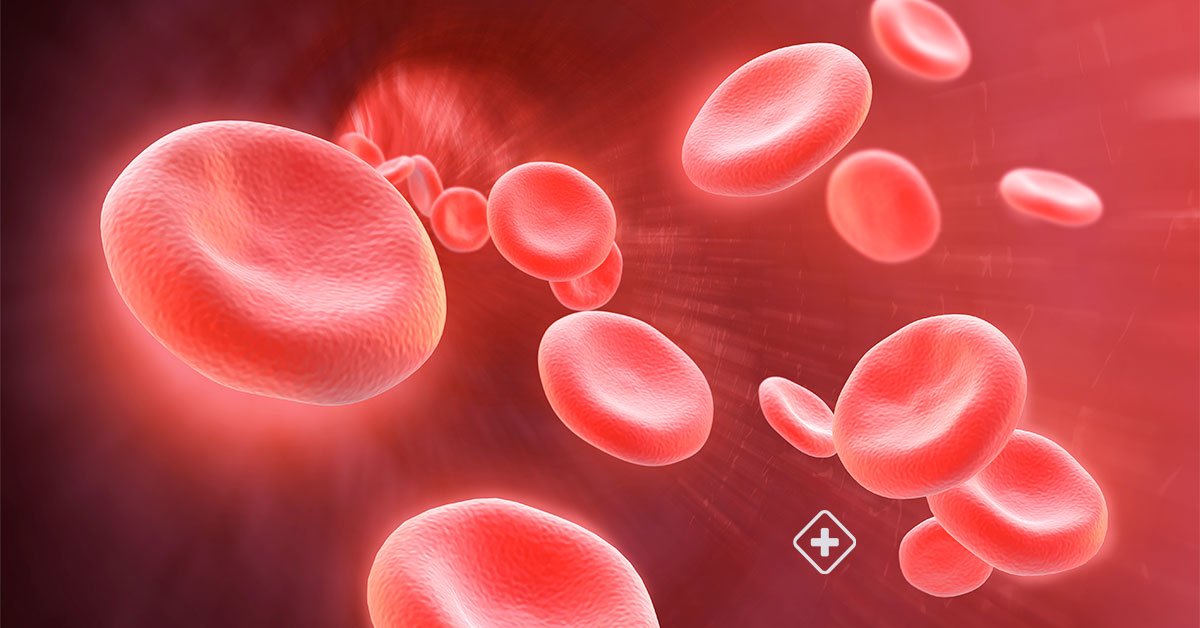
Introduction Daily aspirin is widely used among older adults to prevent blood clots, heart attacks, and strokes. While it provides important cardiovascular benefits, studies show it may also increase the risk of anemia, a condition that reduces the blood’s capacity to carry oxygen. Anemia in seniors can lead to fatigue, cognitive difficulties, depression, and even higher mortality. Understanding the balance between heart protection and anemia risk is crucial for anyone considering long-term aspirin therapy. Understanding Anemia in Older Adults Anemia occurs when blood lacks sufficient red blood cells or hemoglobin, which is vital for transporting oxygen throughout the body. In older adults, anemia is often overlooked but can have serious consequences. It can cause chronic fatigue, weakness, shortness of breath, dizziness, pale skin, rapid heartbeat, and difficulty concentrating. These symptoms can affect daily life, mobility, and overall quality of life. Chronic anemia also increases vulnerability to illness and can exacerbate other health conditions. How Daily Aspirin Affects Blood Health Aspirin prevents platelets from clumping together, which reduces the risk of dangerous blood clots. It also inhibits cyclooxygenase-1, an enzyme that protects the lining of the stomach and intestines. While this mechanism helps prevent clot formation, it can also make the digestive tract more prone to minor, continuous bleeding. Over time, this subtle blood loss may reduce hemoglobin levels and contribute to anemia. Research involving thousands of adults over the age of 65 has shown that low-dose daily aspirin increases the likelihood of developing anemia, even after accounting for other health conditions. Symptoms to Watch For Older adults taking daily aspirin should monitor for signs of anemia, which can develop gradually. Common symptoms include persistent fatigue, weakness, shortness of breath, dizziness, pale skin, heart palpitations, and difficulty focusing or remembering things. Noticing these symptoms early and consulting a healthcare provider can lead to prompt intervention, preventing more severe complications. https://www.nia.nih.gov/health/anemia Managing the Risk Older adults can take steps to reduce the risk of anemia while benefiting from daily aspirin. Regular blood tests to monitor hemoglobin and ferritin levels are essential. Maintaining a diet rich in iron, including lean meats, legumes, leafy greens, and fortified foods, supports healthy red blood cell production. It is also important to review all medications with a healthcare provider, as some drugs may increase bleeding risk. Adjusting aspirin dose or schedule, when advised by a physician, can help mitigate potential side effects. Protecting gastrointestinal health through diet or medications that reduce stomach irritation may also help prevent blood loss. Balancing Benefits and Risks Daily aspirin continues to be an important tool for preventing cardiovascular events in older adults. However, the potential risk of anemia highlights the need for a personalized approach to therapy. Physicians weigh each patient’s risk of heart attack or stroke against the likelihood of anemia or other bleeding complications, aiming to maximize benefits while minimizing harm. Careful monitoring, lifestyle adjustments, and communication with healthcare providers are key to safe and effective use of aspirin. When to Seek Medical Attention If symptoms such as fatigue, dizziness, shortness of breath, black or bloody stools, or unusual bruising appear, immediate medical attention is warranted. Early detection and treatment of anemia can prevent severe health consequences and improve recovery outcomes. Conclusion Daily aspirin therapy offers significant cardiovascular protection but comes with potential risks, including anemia. Seniors should discuss their individual risk factors with healthcare providers, monitor blood health regularly, and adopt preventive strategies such as a nutrient-rich diet and careful medication management. By balancing heart protection with careful monitoring, older adults can maintain both cardiovascular and blood health effectively.

Read More

Blood Pressure Guidelines: Early Treatment & Alcohol Limits

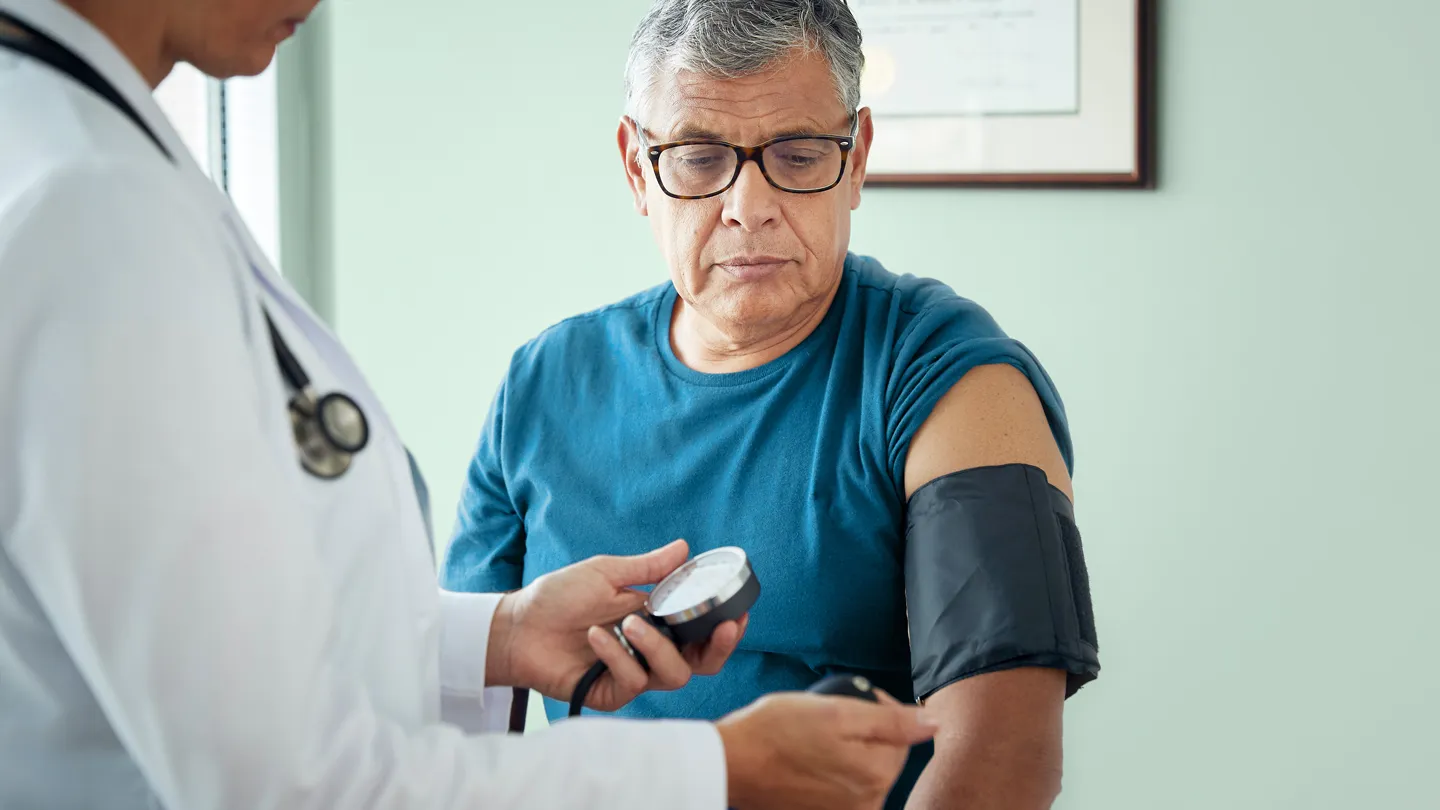
Understanding High Blood Pressure High blood pressure, or hypertension, is a common yet serious condition in which the force of blood against artery walls is consistently too high. This elevated pressure strains the heart and damages blood vessels, increasing the risk of heart attacks, strokes, kidney disease, and cognitive decline. Nearly half of adults have elevated blood pressure, and understanding how to manage it is crucial for long-term health. The latest high blood pressure guidelines emphasize the importance of early detection and intervention, combining lifestyle changes with medical treatment when necessary. Following these recommendations can significantly reduce complications and improve quality of life. What Counts as High Blood Pressure Blood pressure is measured in millimeters of mercury, with two readings: systolic pressure, the force of blood as the heart pumps into arteries, and diastolic pressure, the pressure when the heart rests between beats. Normal blood pressure is less than 120/80 mm Hg, while elevated levels fall between 120–129/<80 mm Hg. High blood pressure begins at 130/80 mm Hg, with stage two hypertension defined as 140/90 mm Hg or higher. The updated guidelines encourage healthcare providers to take action at an earlier stage, helping patients adopt healthier habits and, if needed, start medication sooner to prevent long-term damage. Why Controlling Blood Pressure Matters High blood pressure is often symptomless, earning it the nickname “silent killer.” Over time, the constant pressure damages arteries and makes the heart work harder, leading to serious complications. Controlling blood pressure reduces the risk of heart attacks, strokes, kidney problems, and vascular damage. It also has a profound impact on brain health, lowering the likelihood of dementia and cognitive decline. Timely monitoring and management are therefore essential for both physical and cognitive well-being. Lifestyle Changes to Manage Blood Pressure The new guidelines place strong emphasis on lifestyle changes. Adopting a heart-healthy diet that includes fruits, vegetables, whole grains, lean proteins, and low-fat dairy while limiting salt, sugar, and unhealthy fats can have a major impact. The DASH diet is recommended for reducing blood pressure and supporting overall cardiovascular health. Regular physical activity, such as walking, cycling, swimming, or strength training, strengthens the heart, improves blood circulation, and helps maintain a healthy weight. Weight management is crucial, as even a five percent reduction in body weight can lower blood pressure. Avoiding alcohol is strongly advised, as even moderate drinking can elevate blood pressure and increase cardiovascular risk. Stress management techniques, including meditation, mindfulness, and relaxation exercises, further support healthy blood pressure levels. When Medication Is Necessary If lifestyle modifications do not bring blood pressure within target ranges after three to six months, healthcare providers may recommend medication. Various classes of drugs, including diuretics, ACE inhibitors, ARBs, calcium channel blockers, and beta-blockers, are used depending on the patient’s overall health, age, and risk factors. Medication works best alongside continued lifestyle changes and regular monitoring. Blood Pressure and Pregnancy High blood pressure during pregnancy can lead to complications such as preeclampsia and long-term hypertension. The guidelines highlight the importance of monitoring blood pressure before and during pregnancy. Maintaining healthy blood pressure levels safeguards both maternal and fetal health and reduces the risk of future cardiovascular problems. https://www.cdc.gov/high-blood-pressure/index.html Alcohol and Blood Pressure The new guidelines stress that alcohol can significantly affect blood pressure. Abstinence is ideal, but for those who choose to drink, it is recommended that women limit intake to one drink per day and men to two. Alcohol can worsen blood pressure control and reduce the effectiveness of other interventions. By limiting alcohol, individuals improve cardiovascular health and reduce the risk of related complications. Protecting Brain Health Through Blood Pressure Control Managing blood pressure also protects cognitive function. Studies show that consistent control of blood pressure lowers the risk of dementia, memory loss, and other forms of cognitive decline. Both prevention and early treatment of hypertension are crucial for long-term brain health, highlighting the connection between cardiovascular and neurological well-being. Practical Steps for Maintaining Healthy Adopting a healthy diet, staying active, monitoring blood pressure regularly, avoiding alcohol, and managing stress are effective ways to maintain optimal blood pressure. Combining these practices with medical supervision ensures early detection of any issues and reduces the risk of severe complications. Lifestyle changes should be gradual, sustainable, and adapted to each individual’s needs and capabilities. The Importance of Early Action Starting blood pressure management early can prevent irreversible damage to the heart, kidneys, and brain. The new guidelines encourage both healthcare providers and patients to be proactive, combining lifestyle changes, routine monitoring, and medications when necessary.

Read More

Skin Cancer Diagnosis in Former President Bolsonaro

Bolsonaro Diagnosed with Skin Cancer Amid Health Challenges Skin cancer diagnosis in Brazil’s former President Jair Bolsonaro has drawn attention following his recent legal conviction. Medical tests confirmed the presence of squamous cell carcinoma, a type of skin cancer that develops in the middle and outer layers of the skin. The lesions were identified as “in situ,” meaning the abnormal cells remain localized and have not spread to other tissues. Early detection of this cancer is critical, as prompt medical intervention can prevent serious complications and improve recovery outcomes. Doctors stressed the importance of regular monitoring and check-ups to track any changes or new lesions and to ensure effective management of the condition. The diagnosis underscores the importance of awareness regarding skin health, particularly in older adults. Squamous cell carcinoma is common and typically develops in areas of the body frequently exposed to the sun, such as the face, neck, arms, and hands. Symptoms often include persistent sores, red scaly patches, or unusual growths that may crust or bleed. Detecting these early warning signs allows healthcare providers to intervene promptly, which can save lives and prevent the cancer from advancing. Understanding Squamous Cell Carcinoma and Risk Factors Squamous cell carcinoma is one of the most common forms of skin cancer and is highly treatable when identified early. While it rarely becomes life-threatening at its initial stage, delayed diagnosis can allow the cancer to spread to nearby tissues or lymph nodes. Risk factors include cumulative sun exposure, fair skin, advanced age, chronic wounds, and immune system deficiencies. Preventive measures such as wearing protective clothing, using sunscreen, and avoiding prolonged exposure to ultraviolet rays are essential to reduce the likelihood of developing this condition. Regular dermatological visits and self-examinations play a critical role in early detection and long-term health. Clinical Monitoring and Treatment Approaches Following Bolsonaro’s diagnosis, medical professionals recommended a strategy of close clinical monitoring combined with periodic evaluations. Early-stage squamous cell carcinoma is highly responsive to treatment, and multiple options are available depending on the location and severity of the lesions. Surgical removal of the affected tissue is the most common approach and usually results in complete recovery when margins are clear. Other treatments include cryotherapy, which freezes abnormal cells, and topical medications designed to halt abnormal cell growth. In select cases where surgery is not feasible, radiation therapy may be applied. Patients diagnosed at an early stage typically experience favorable outcomes, highlighting the importance of prompt diagnosis and intervention. The Importance of Early Detection and Ongoing Care The case of Bolsonaro illustrates how early detection can make a significant difference in managing skin cancer. Individuals, particularly older adults, should remain vigilant for changes in their skin, including persistent sores, unusual growths, or lesions that do not heal. Immediate medical consultation is crucial when any suspicious signs appear. Maintaining a healthy lifestyle, managing existing chronic conditions, and adhering to recommended follow-up appointments are essential for ongoing health and recovery. The psychological impact of a cancer diagnosis also requires attention, as managing stress and anxiety contributes to overall well-being and can support treatment outcomes. Health Implications and Recovery The diagnosis highlights the importance of awareness regarding skin cancer, particularly in older adults who may have significant cumulative sun exposure. Symptoms like persistent sores, unusual growths, or lesions that do not heal should prompt immediate medical attention. Bolsonaro recent hospital visit due to symptoms such as vomiting, dizziness, and low blood pressure underscores the importance of comprehensive care for older adults with underlying conditions. Maintaining a healthy lifestyle, managing chronic illnesses, and adhering to follow-up appointments are key components of recovery and ongoing health management. https://www.cancer.org/cancer/types/melanoma.html Global Perspective on Skin Cancer and Prevention Skin cancer remains a common and preventable disease worldwide. Public awareness campaigns, access to dermatological care, and education about sun safety significantly reduce the incidence of skin cancer. Older adults, those with fair skin, and individuals with significant sun exposure history are at higher risk and should take additional precautions. Self-monitoring and professional examinations are vital in detecting early lesions before they progress. Preventive strategies not only include avoiding excessive sun exposure but also maintaining a routine of skin checks to identify abnormalities early, which dramatically improves treatment success and long-term survival rates. Recovery and Lifestyle Considerations Recovery from squamous cell carcinoma depends on early intervention, proper medical care, and ongoing monitoring. Patients are advised to follow Skin cancer diagnosis healthcare provider instructions carefully, maintain healthy habits, and manage other health conditions to support overall recovery. Stress management techniques, such as light exercise, meditation, and family support, are beneficial for both physical and mental well-being during the recovery process. Early detection, combined with an informed approach to treatment and lifestyle, remains the most effective strategy for minimizing risk and achieving positive health outcomes. Conclusion Former President Jair Bolsonaro skin cancer diagnosis serves as a reminder of the importance of vigilance against common cancers. Early detection, preventive measures, and proper clinical care can significantly improve outcomes for squamous cell carcinoma. Regular skin examinations and sun protection remain essential, especially for older adults and those with previous skin injuries or high sun exposure.

Read More

Cycling for Brain Health: Prevent Dementia & Boost Memory

Introduction As populations age worldwide, dementia has become a pressing public health concern. With over 55 million people living with dementia globally and numbers expected to nearly triple by 2050, finding preventive strategies has never been more important. Cycling for brain health emerges as an accessible, low-cost, and effective intervention that can support cognitive function and reduce the risk of cognitive decline. Recent research indicates that using a bicycle for daily travel, errands, or leisure is associated with significant reductions in the risk of dementia and Alzheimer’s disease. Compared with individuals who rely on nonactive modes of transportation, such as cars or buses, regular cyclists experience a lower incidence of cognitive decline, highlighting the value of physical activity for brain health. How Cycling Reduces Dementia Risk Researchers have long linked physical activity to a lower risk of dementia. Cycling combines aerobic exercise, coordination, and balance training, which together contribute to improved cardiovascular health, better blood flow to the brain, and enhanced neuroplasticity—the brain’s ability to adapt and form new neural connections. A large-scale study following nearly half a million participants over a median of 13 years found that individuals who primarily cycled for travel had a 19% lower risk of developing all-cause dementia and a 22% lower risk of Alzheimer’s disease compared to nonactive travelers. The research also found that people who cycle have larger hippocampal volumes—the brain region responsible for memory and learning—further reinforcing its protective effects. Active Travel vs. Sedentary Commuting The method of daily travel plays a significant role in cognitive health. Active travel, which includes walking or cycling, increases overall physical activity and may provide mental stimulation that sedentary modes like driving cannot. While walking can lower general dementia risk, studies show that cycling has a stronger association with cognitive benefits, partly because it engages more muscle groups and requires complex motor coordination. The Role of Genetics Genetic predisposition can influence dementia risk. For example, individuals carrying high-risk genes for Alzheimer’s may still benefit from cycling, although the protective effect may be slightly reduced compared to those without genetic susceptibility. Active travel may act as a complementary intervention, helping mitigate some of the risks associated with genetic factors. Additional Brain Benefits of Cycling Cycling enhances cognitive function in several ways: How to Start Cycling for Brain Health For beginners, starting with manageable routines is key: Adults should aim for at least 150–300 minutes of moderate aerobic activity per week, or 75–150 minutes of vigorous activity, according to the World Health Organization. Even a few cycling sessions per week can deliver measurable cognitive benefits. https://www.medicalnewstoday.com/articles/brain-health-may-benefit-more-cycling-walking-dementia-alzheimers-study Walking as a Complementary Activity While cycling shows strong brain-protective effects, brisk walking remains valuable for those unable to cycle. Aim for purposeful, sustained walks of at least 30 minutes daily. Increasing walking speed or distance can enhance cardiovascular and brain health benefits. Lifestyle Factors That Enhance Brain Benefits Cycling alone is beneficial, but combining it with other healthy habits amplifies the effect:

Read More