Discovering an Authentic Liguria Winter Road Trip
Our authentic Liguria winter road trip began with a moment of pure indulgence. We dipped warm pansarole doughnuts into a bowl of golden zabaglione. The custard glowed like liquid sunlight. Each spoonful hushed our table as we raced to claim the last bite. It was a simple pleasure, yet it shaped the mood for everything that followed.
Apricale, the tiny hilltop village where we tasted this dessert, felt like a fairytale setting. Although the Italian Riviera is famous for its crowds, this quieter pocket of western Liguria transforms in winter. The season strips away the summer rush. As a result, the streets grow calmer, the traditions feel more intimate, and life settles into a slower rhythm. This peaceful atmosphere is exactly what makes an authentic Liguria winter road trip so rewarding.
A Family Road Trip Through Coastal and Medieval Liguria
I travelled with my twin sister, her husband, and their two children. We all share a love for comforting Italian food and relaxed travel. Even though the area covers only about 30 square miles, it offers remarkable variety. We moved from the flower-filled coast of the Riviera dei Fiori to medieval hilltop hamlets within minutes. Each stop felt like stepping into another time.
Years earlier, I had visited Liguria in January. Rain softened the landscape, and the mountains shielded the region from harsh winds. Because of this natural barrier, winter temperatures hover around 13°C. This mild weather made outdoor meals surprisingly enjoyable. On our December trip, the soft winter light warmed every afternoon and encouraged long lunches in the open air.
Ventimiglia: A City Suspended Between Sea and Sky
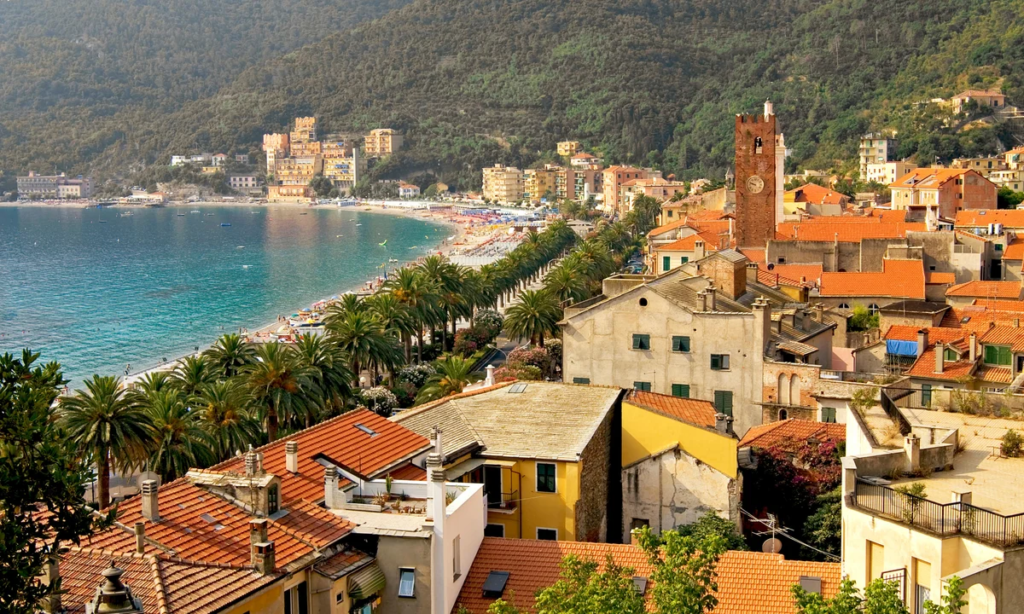
After crossing the border from France, we reached Ventimiglia. The lower town buzzed with modern life. However, the medieval upper town—città alta—felt suspended between sea and sky. Narrow alleys, pastel facades, and wide views welcomed us instantly. The kids ran ahead, drawn by tales of pirates and local legends. Meanwhile, we enjoyed crisp calamari while watching the Mediterranean shimmer below.
Dolceacqua: Stone Bridges, Vineyards, and Spiralling Alleys
A short drive inland brought us to Dolceacqua, a riverside village known for its iconic stone bridge and ancient castle. We searched for a cosy place to stay and found a charming guesthouse in the old Borgo district. Its rustic stone walls contrasted with modern whirlpool tubs, which felt perfect after a day of walking.
When we crossed the bridge into the Terra district, the children said they felt “hugged by the stone buildings.” The narrow caruggi leaned inward as we climbed toward the Castello dei Doria. Today, the castle stands open to the sky, with soaring arches and hidden corners. The kids treated it like a giant playground, and their excitement made the visit even better. https://www.theguardian.com/travel/italy
Later, we enjoyed an aperitivo where every drink came with generous plates of snacks. At dinner, we tried regional dishes such as trofie with pesto, chard-filled barbajuan, and glasses of earthy Rossese di Dolceacqua. The wine comes from steep terraced vineyards and rarely leaves the region, which made each sip feel special.
Apricale and Perinaldo: Artists’ Alleys and Medieval Atmosphere
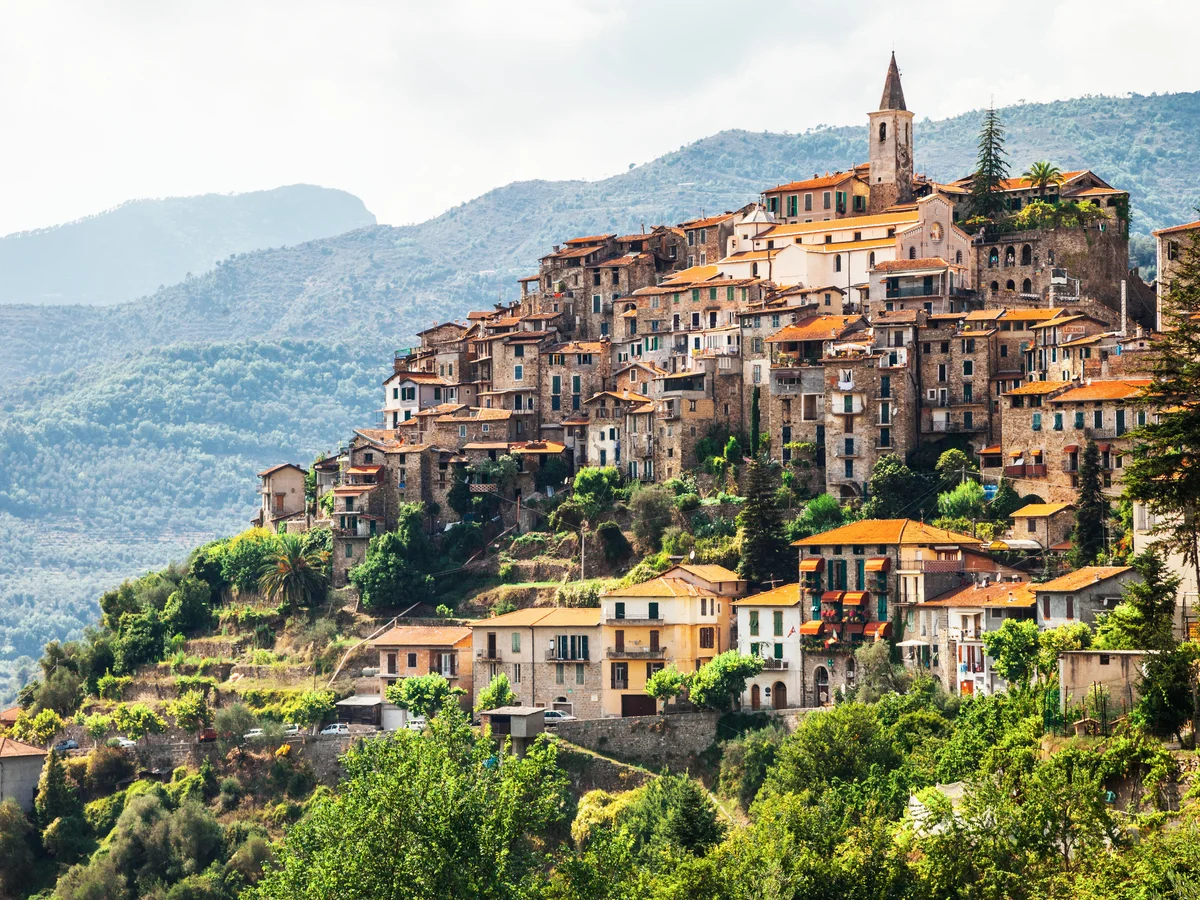
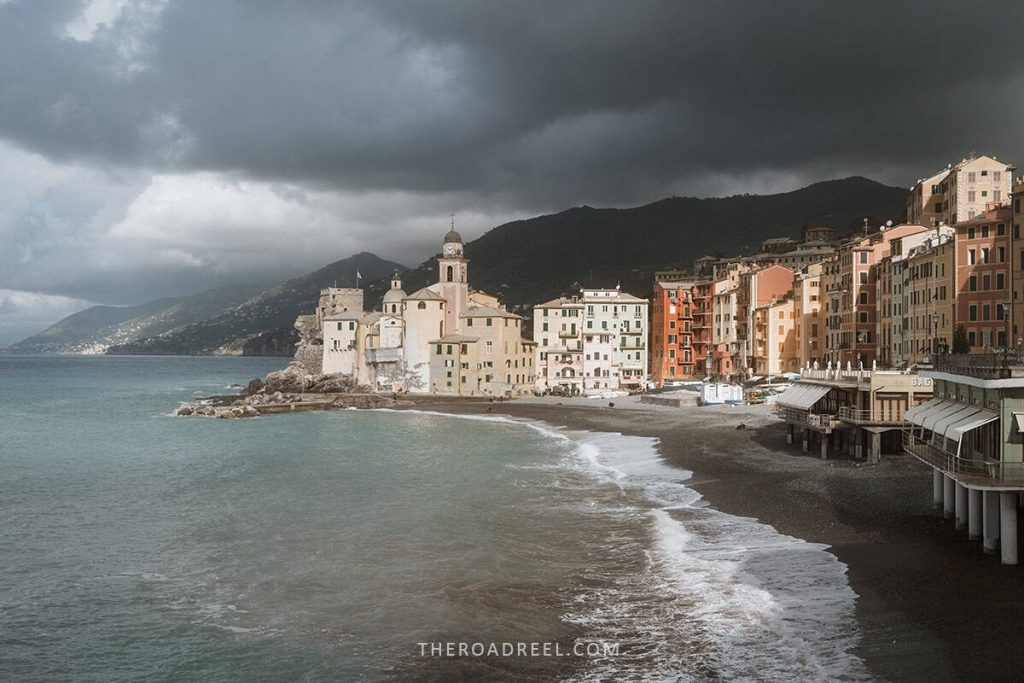
The next morning, we continued deeper into the hills toward Apricale, one of Italy’s officially recognised “most beautiful villages.” Its red roofs cling to the slopes, and murals decorate the winding alleys. The streets were almost empty, and only a few curious cats accompanied us.
At the main square, two pink churches marked the entrance to the 10th-century Castello della Lucertola. Inside, cool stone corridors and dim rooms created a strong medieval atmosphere. Nearby, a stone-arched restaurant served hearty Ligurian classics. We enjoyed rabbit stew, polenta, crispy farinata, and yet another serving of heavenly zabaglione.
On the way back, we stopped in Perinaldo. The village was quiet, and the soft light made it perfect for a slow passeggiata. The walk helped us unwind before returning to our hotel.
Sanremo and the Coastal Cycle Path
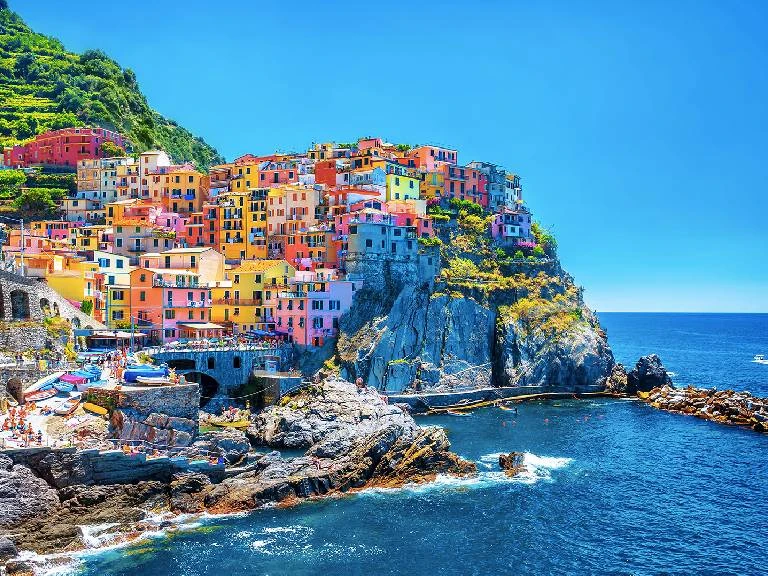
When we returned to the coast, Sanremo felt lively and bright. Its belle-époque buildings and historic villas contrasted sharply with the hilltop villages. The local market overflowed with parmesan wheels, cured meats, and bottles of Taggiasca olive oil.
After tasting sardenaira, a rich tomato-and-anchovy focaccia, we explored the coastline on the 24-kilometre Pista Ciclabile. This cycle path follows an old railway line. As we rode our e-bikes, we passed through cool tunnels and along stretches of sparkling turquoise sea.
Arma di Taggia: A Feast to End the Journey
A short drive south brought us to Arma di Taggia. There, a small family-run osteria welcomed us with warmth and pride. The owner served silky tagliolini made with 30 egg yolks, fresh langoustines, and crisp anchovies. Before we left, he handed us bottles of Taggiasca olive oil to take home. It felt like the perfect ending to a journey that encouraged us to slow down, savour the moment, and live fully in the present.