

Arctic Folk High Schools: Teens Overcoming Phone Addiction Through Wilderness Living
A New Path Away From Digital Overload
For many young people, anxiety from constant phone use and social media comparison has become an exhausting norm. Nineteen-year-old Hege is no stranger to this pressure—endless scrolling leaves her preoccupied with how others see her and drained by face-to-face interactions. Seeking a healthier mindset, she joins one of the several Arctic folk high schools, where traditional academics are replaced with immersive, hands-on experiences designed to reconnect students with themselves and the natural world.
A Year Spent Relearning the Basics of Being Human
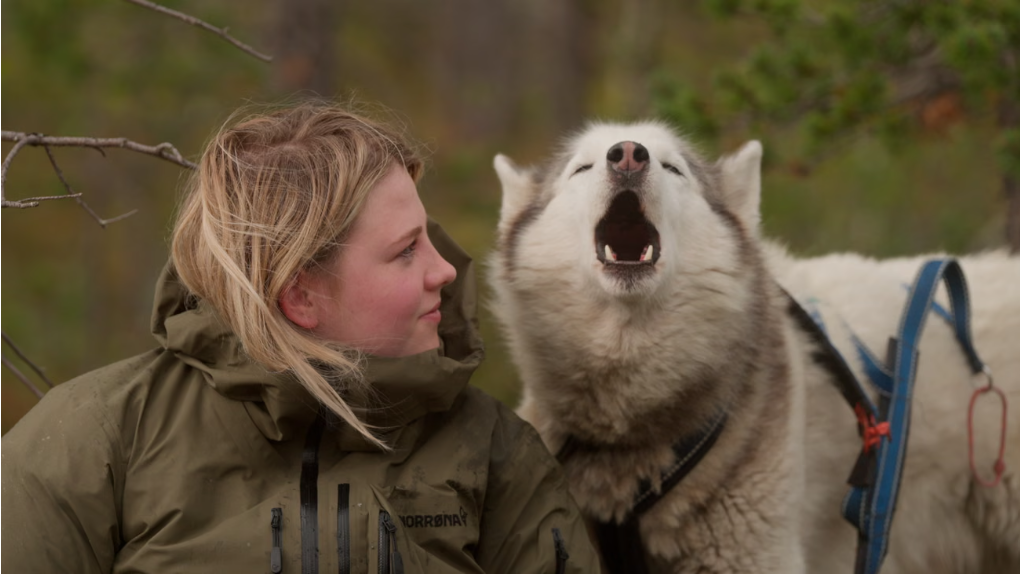
At a remote school deep in Norway’s far north—situated hundreds of miles above the Arctic Circle—students trade classrooms for campfires and phone screens for star-filled skies. Instead of tests and exam results, their days revolve around learning survival skills: pitching tents in sub-zero winds, staying warm in temperatures that routinely hit –30°C, and driving dog sleds across frozen landscapes.
Hege, who once checked her phone compulsively, discovers long stretches where she forgets it entirely. Surrounded by snow, huskies, and crackling fires, she begins to experience something she hadn’t felt in years—quiet clarity.
Inside the Philosophy of Arctic Folk High Schools
Education Without Exams or Competition
The philosophy behind Arctic folk high schools is radically different from traditional education systems that prioritise grades and measurable outcomes. Instead, these schools emphasise character development, self-knowledge, and personal resilience. Learning is centered on lived experiences rather than textbooks—encouraging students to step outside their comfort zones and engage with challenges they can’t simply “shortcut.”
Reconnecting With Nature and Community
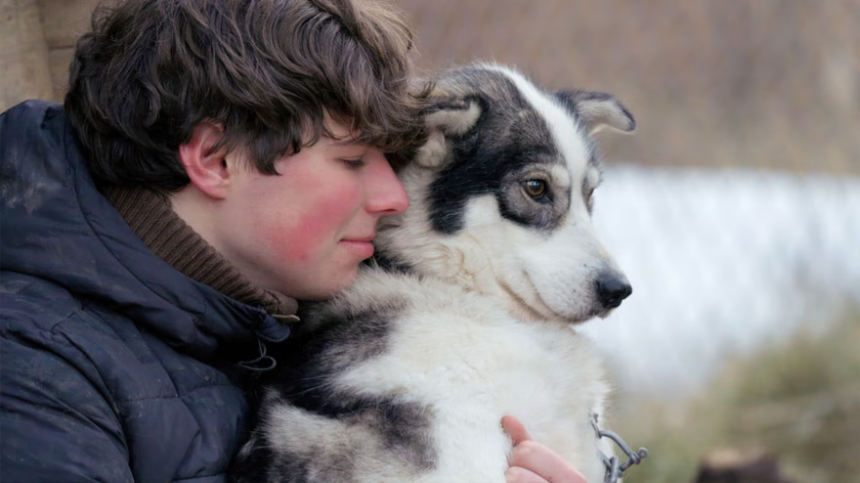
A major appeal of these schools is the chance to wake up what teachers describe as our “Stone Age brains”—the innate instincts dulled by modern digital life. Students are encouraged to trust their abilities, communicate with peers, and develop a deeper relationship with the natural environment. The approach intentionally shifts focus from individual achievement to community, collaboration, and shared responsibility.
Self-Reliance as a Life Lesson
Facing Challenges Without Shortcuts
One student, Romain—a teen from the Netherlands—struggles at first when asked to camp alone in the Arctic wilderness. When he asks to borrow a teacher’s fire to boil water, he’s gently refused: the goal is not convenience but growth. After frustration and persistence, he eventually succeeds in making his own fire.
What looks like a simple survival skill becomes a defining moment, teaching him independence, confidence, and a newfound ability to connect with others. https://www.youtube.com/watch?v=RMZgWAqgyPc

Developing Emotional Strength Through Natur
Teachers report that many students arrive either overly confident or deeply insecure. The wilderness quickly reveals who they are without the filters and performances encouraged by digital culture. Whether learning to navigate snowfields or manage a team of huskies, students develop emotional resilience and humility—traits that traditional classrooms rarely teach so directly.
A Changing Landscape for Folk High Schools
Debates Over Funding and Future Value
Despite the positive outcomes, Arctic folk high schools face political challenges. Proposed changes to funding and university-application credit systems may make these programs less accessible. Researchers warn that removing support could weaken an effective tool for social inclusion at a time when young people increasingly struggle with isolation, stress, and declining trust in societal structures.
A Delicate Balance Between Escape and Transformation
For Hege, the year in the Arctic strengthens her sense of identity—but returning home proves complicated. Everyday pressures return quickly, leading her to pursue training as a dog handler back in the north. Her story raises an important question:
Are these experiences preparations for life, or escapes from it?
Many educators argue that the answer can be both—temporary escape can create permanent growth.
Conclusion: Can Nature Heal a Digitally Overwhelmed Generation?
While students may not return with better skills in managing AI tools or navigating digital trends, they often come back with something more valuable: emotional grounding, resilience, and a renewed sense of connection to the world around them.
Arctic folk high schools show that stepping away from screens and embracing raw, challenging nature can help the next generation rebuild confidence and rediscover what it means to be present.