Animal Cafes in Asia – Cute Moments, Serious Wildlife Concerns
The rise of animal cafes in Asia has created a booming trend where visitors cuddle capybaras, admire otters, or pose with owls for selfies. Although these venues appear harmless, many conceal a far more troubling reality. Behind the social-media-friendly charm lies a growing network of exotic species supply chains, some of which are tied to illegal trafficking. As these cafes become more common across major cities, questions about animal welfare and conservation become increasingly urgent.
Capybaras: The Social Media Stars Driving Demand
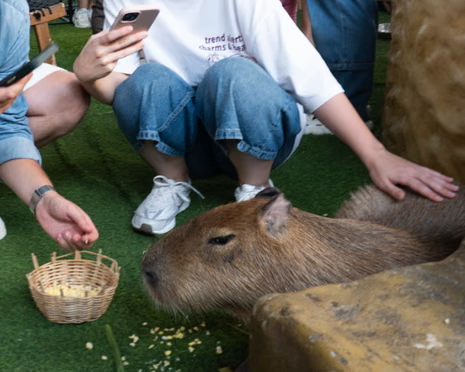
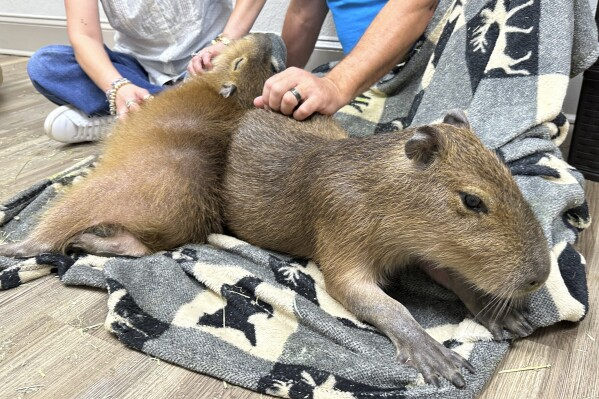
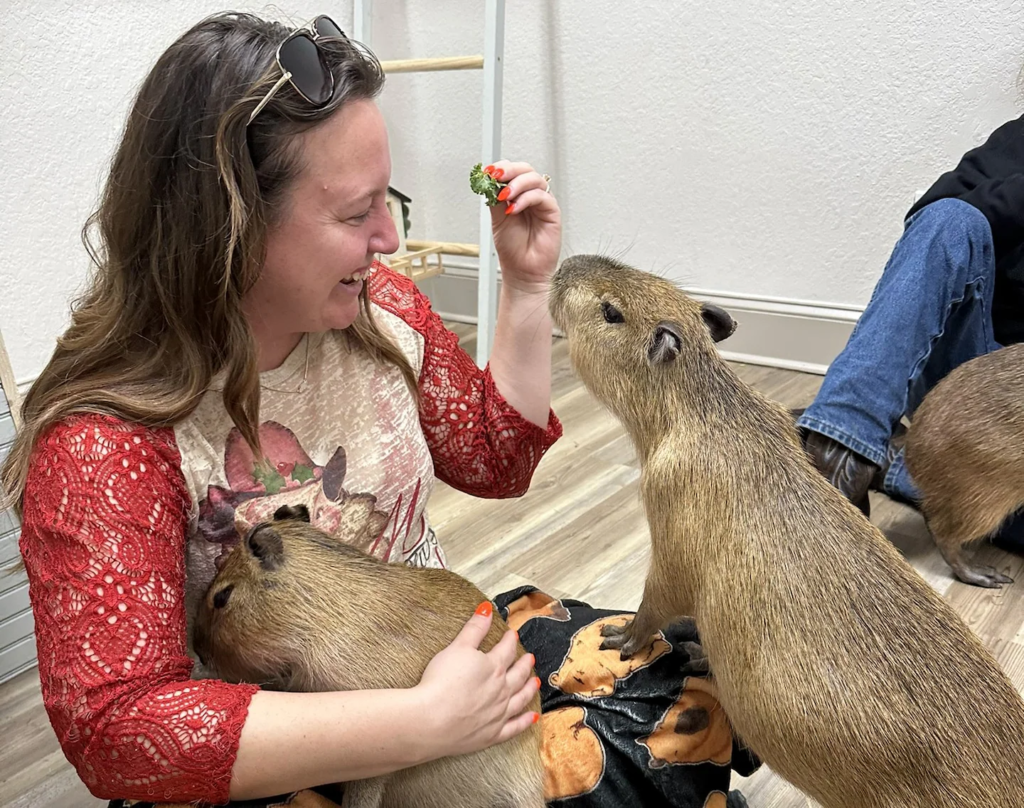
Capybaras have become unexpected icons across the internet, which has significantly contributed to their presence in animal cafes in Asia. In several cities, visitors pay for short petting sessions and photo opportunities with these South American rodents. However, while shop owners often cite “local ethical farms” as their source, conservation specialists warn that laundering illegally captured animals into seemingly legitimate breeding operations is widespread.
Consequently, these cuddly rodents may become unwitting ambassadors of the underground wildlife trade.
Otters, Raccoons, and Owls: Exotic Species Under Pressure
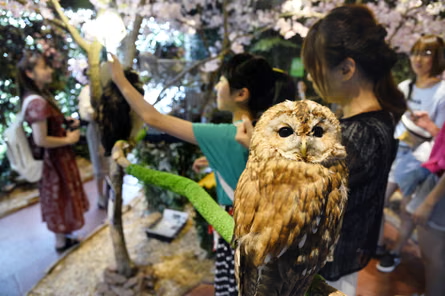
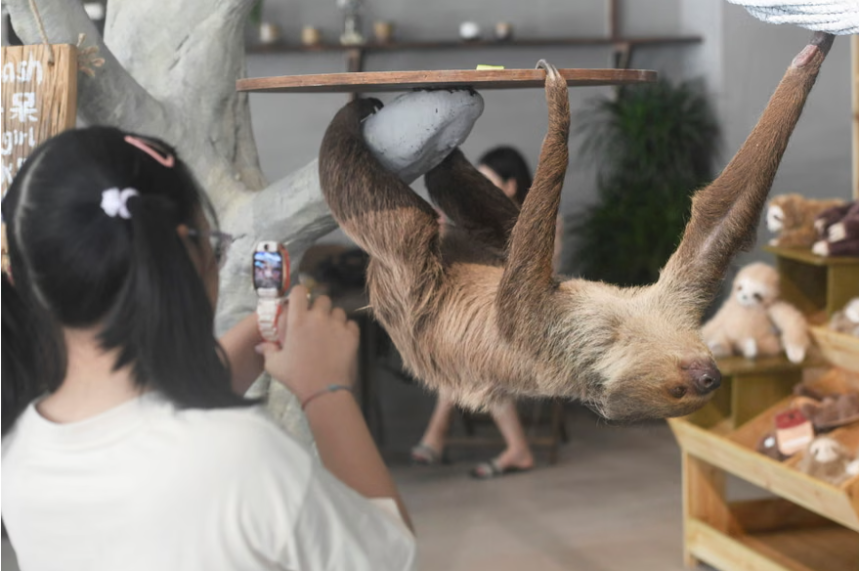
As the trend spread from Taiwan to Japan, South Korea, Thailand, Vietnam, and China, the range of animals on display has expanded dramatically. Many cafés now feature otters, meerkats, raccoons, sloths, hedgehogs, and various birds of prey.
Unfortunately, several of these species face population decline in the wild. For instance, small-clawed otters—popular attractions in many venues—have been traced back to poaching hotspots, despite bans on their commercial trade. This demonstrates how animal cafes in Asia can unintentionally encourage harmful demand for creatures that are already vulnerable. https://www.theguardian.com/environment/illegal-wildlife-trade
A Rapid Boom in the Petting Industry
Recent business registry analysis shows explosive growth in the number of establishments offering direct interactions with exotic animals. In some countries, pet cafés and petting zoos multiplied more than tenfold in just five years. Moreover, private ownership of unusual species has risen alongside the trend, suggesting that close contact with these animals sparks a desire to acquire them as pets.
This shift has raised alarms among conservation groups who fear that fascination may quickly translate into exploitation.
Wildlife Trade Networks Behind the Scenes
According to experts, legal and illegal wildlife supply chains often overlap. Wild-caught animals may be transported internationally, passed through various intermediaries, and eventually sold as “farm-bred” stock.
This blurring of legality makes it difficult to track the true origins of many animals inside these cafés. Consequently, it becomes easier for traffickers to blend protected or poached species into legitimate markets.
Risks of Invasive Species and Environmental Impact
Beyond conservation, environmental agencies are increasingly concerned about the ecological threat posed by non-native species brought into new regions. Capybaras, for example, reproduce quickly, adapt to a variety of climates, and thrive on simple diets. If they escape captivity, they may easily establish wild populations. Because of this, some countries have already seized trafficked capybaras to prevent potential invasions.
How Cafés Can Fuel Public Demand for Exotic Pets
Perhaps the most overlooked issue is how animal cafés shape public perception. By presenting wild species as approachable, harmless companions, these businesses inadvertently encourage visitors to desire exotic pets of their own.
This demand drives further trafficking, pulling more animals—often illegally—from their natural habitats. As long as people walk away thinking, “I want one at home,” the cycle continues.