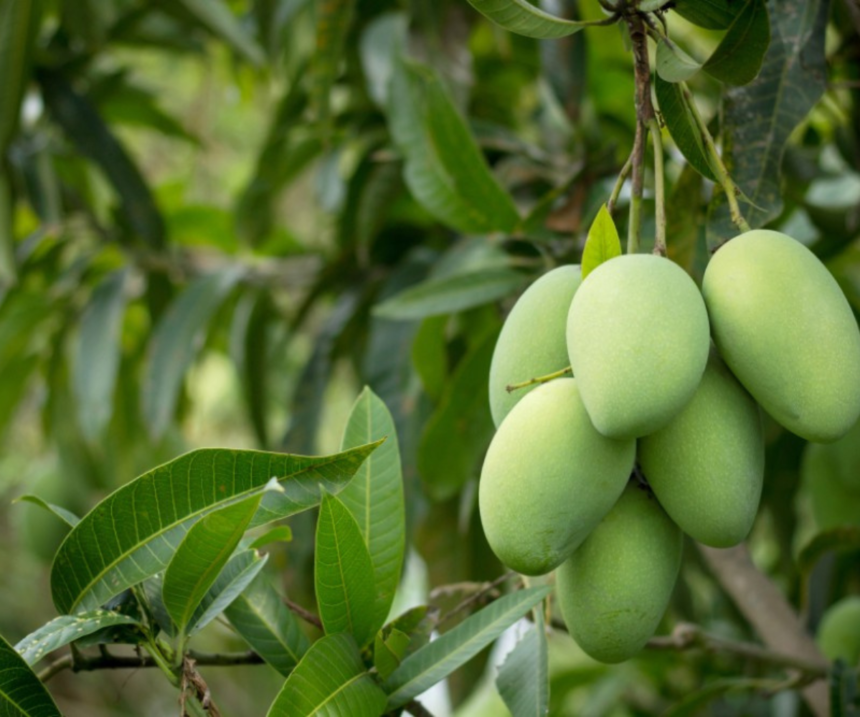
Modernising mango farming has become essential as climate instability, rising costs and export pressures reshape India’s most iconic fruit industry. While India produces roughly 23 million tonnes of mangoes annually — nearly one-fifth of its total fruit output — growers say cultivation is becoming increasingly unpredictable.
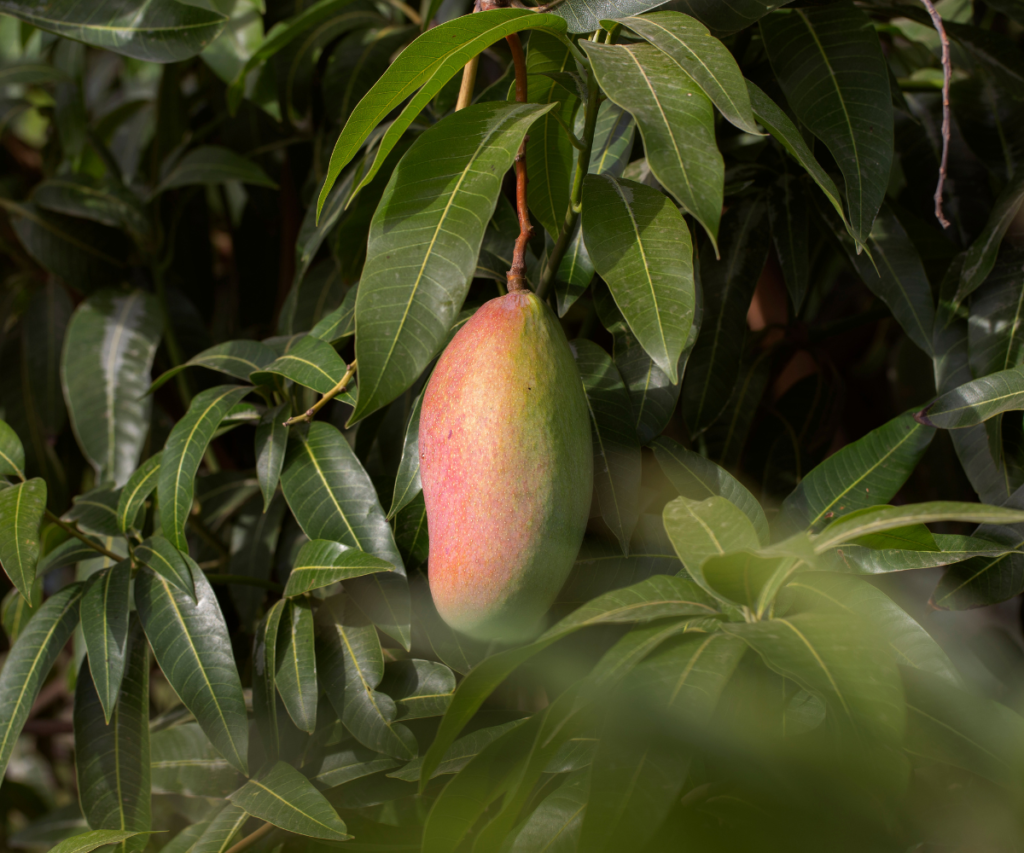
Erratic flowering cycles, unseasonal rains, stronger winds and fluctuating temperatures are disrupting traditional orchard management. For farmers, the challenge is no longer just growing mangoes — it is growing them consistently and profitably.
Climate Change Driving Modernising Mango Farming
Mango trees are highly sensitive to temperature variations. Even small shifts during flowering or fruit-setting stages can significantly affect yield and quality.
Farmers across major growing regions — from Uttar Pradesh to Maharashtra and West Bengal — report:
- Delayed or early flowering
- Premature fruit drop
- Reduced fruit size
- Increased pest outbreaks
- Lower overall yields
Traditional varieties such as Dasheri, Alphonso, and Langra are especially vulnerable to extreme weather swings.
With input costs rising for fertilisers, pesticides, irrigation and labour, profit margins are shrinking. Farmers are now turning toward science-led solutions to secure long-term sustainability.
Genetic Research Supporting Modernising Mango Farming
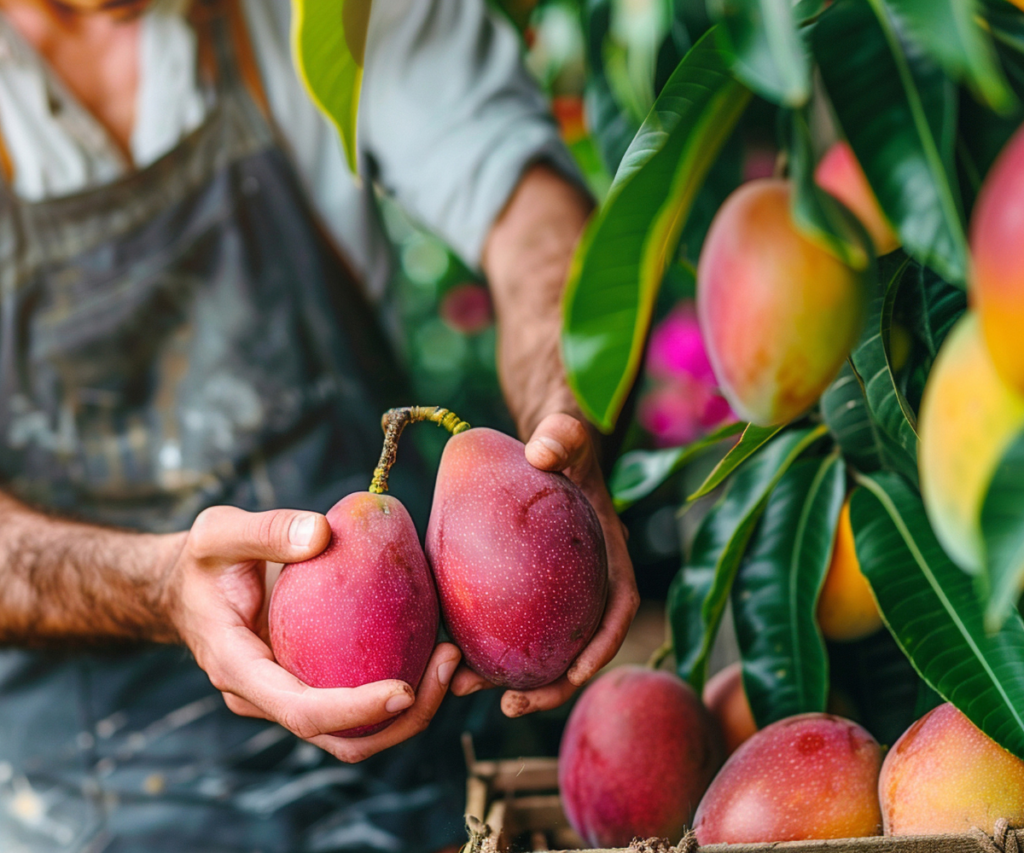
One of the biggest breakthroughs came when researchers sequenced the genome of the Alphonso mango in 2016. This scientific milestone allowed breeders to identify genes responsible for:
- Fruit colour
- Aroma and sweetness
- Disease resistance
- Temperature tolerance
- Flowering behaviour
Traditionally, breeding new mango varieties could take 10 to 20 years because mango trees take several years to flower and their offspring rarely resemble parent trees.https://www.youtube.com/watch?v=8cTu7kDBO2I
Genome mapping has shortened that timeline by helping scientists select promising traits earlier in the process. Although mango breeding remains a long-term commitment, genetic tools are accelerating the development of climate-resilient cultivars.
High-Density Planting and Smart Orchard Management
Modernising mango farming also involves rethinking orchard design.
Many growers are shifting toward:
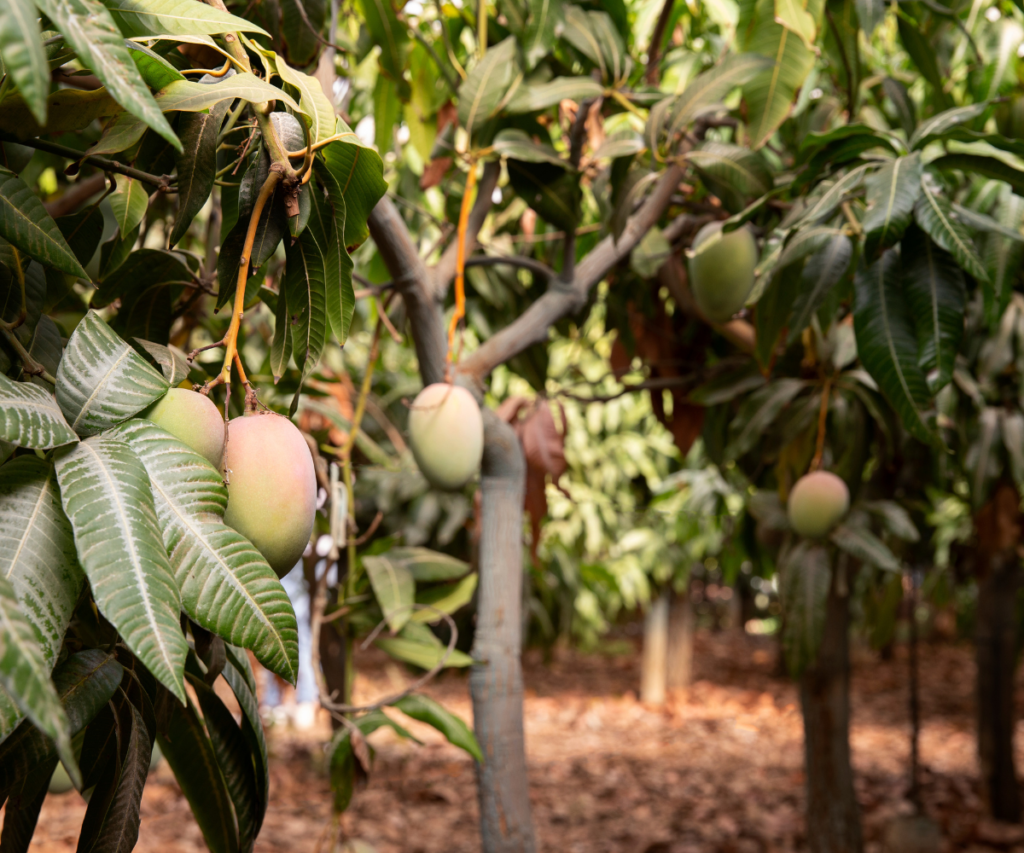
High-Density Plantations
Newer coloured mango varieties are planted closer together, increasing yield per acre and promoting annual fruiting. Unlike some traditional types that produce heavily one year and lightly the next, these improved varieties offer more consistent output.
Scientific Pruning and Canopy Control
Regular pruning keeps trees at manageable heights, improves sunlight penetration and boosts flowering.
Growth Regulators
These are applied carefully to encourage uniform flowering and synchronized harvesting.
Orchard Rejuvenation
Older trees can be cut back to controlled heights to stimulate new growth, improving fruit size and quality grades.
Protective Techniques in Modern Mango Cultivation
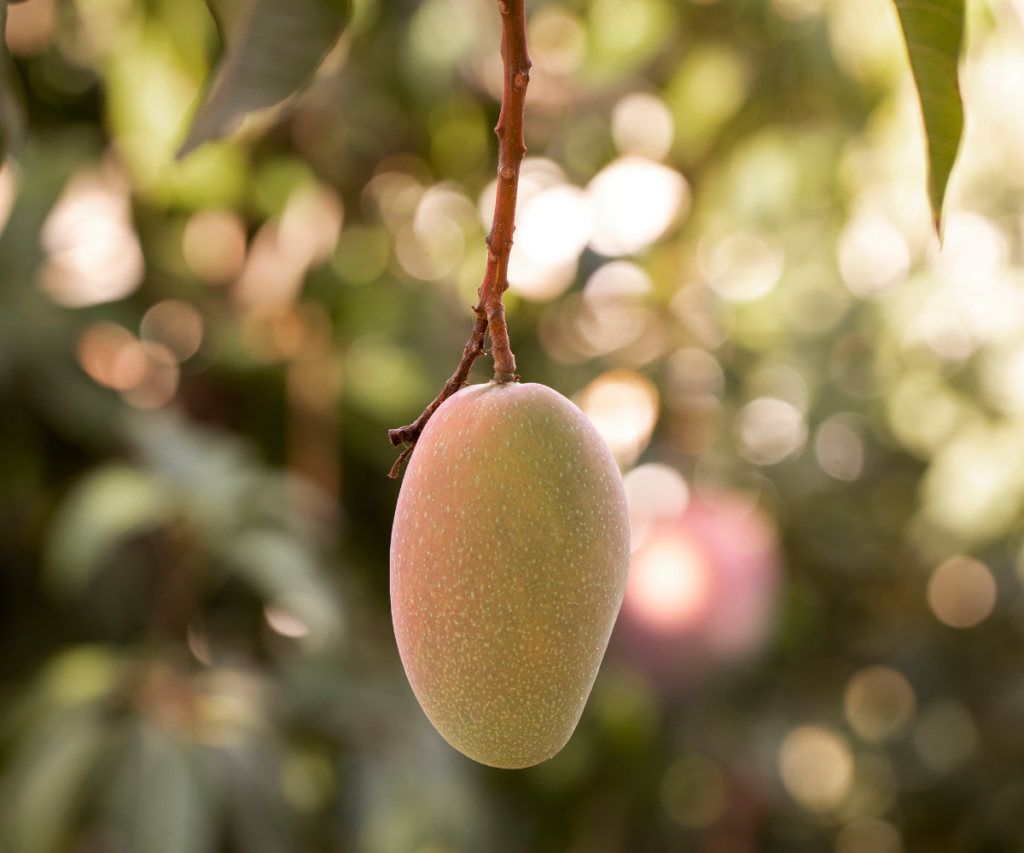
Simple yet effective innovations are gaining popularity:
Fruit Bagging
Each developing mango is covered with a breathable protective bag. This creates a micro-environment that shields fruit from insects, fungal infections and sun damage, improving market quality.
Girdling
A controlled ring cut on selected branches redirects energy toward fruit production rather than excessive vegetative growth.
Soil and Leaf Testing
Rather than guessing fertiliser needs, progressive farmers now conduct seasonal nutrient analysis. Micronutrients such as zinc and boron play critical roles in fruit formation.
Greenhouses and Protected Cultivation: The Future of Mango Exports
Export markets demand flawless produce. Even minor pest detection — particularly fruit flies — can result in rejected consignments and heavy financial losses.
Climate unpredictability is worsening pest cycles. Rainfall patterns are shifting, causing fruit fly outbreaks at unusual times of the year.
This is why some exporters are experimenting with greenhouse-based mango farming.
Protected cultivation offers:
- Temperature regulation
- Reduced pest exposure
- Controlled irrigation
- More predictable flowering cycles
- Higher export-grade consistency
Countries like Japan and Israel have already adopted greenhouse fruit systems to manage similar climatic pressures. Indian producers are now exploring comparable models to stabilise export volumes.
Although greenhouse infrastructure requires high initial investment, it may become necessary to maintain global competitiveness.
Economic Pressures and Export Reliability
For exporters shipping to multiple international markets, quality control is non-negotiable. Zero tolerance policies on pests mean even one affected fruit can destroy an entire shipment.
As global buyers demand consistent sizing, colouring and residue-free produce, modernising mango farming is no longer optional — it is an economic imperative.
Climate change has emerged as the most significant risk factor to mango exports today. Without innovation, supply volatility could weaken India’s dominance in the global mango trade.
The Road Ahead for Modernising Mango Farming
The transformation of mango cultivation is happening on multiple fronts:
- Climate-resilient varieties
- Genome-assisted breeding
- High-density orchards
- Precision nutrition
- Protected cultivation systems
While tradition remains central to mango farming, science and technology are becoming equally important.
The future of India’s mango industry will depend on how effectively farmers combine heritage knowledge with modern agricultural innovation.