
Dopamine agonist addiction is emerging as a serious side effect in patients treated for Parkinson’s disease and Restless Legs Syndrome (RLS). Hundreds of individuals report sudden gambling problems, compulsive spending, and drastic personality changes after starting these medications.
Many say they had no history of addictive behavior before treatment — and were never clearly warned about the risks.
What Is Dopamine Agonist Addiction?
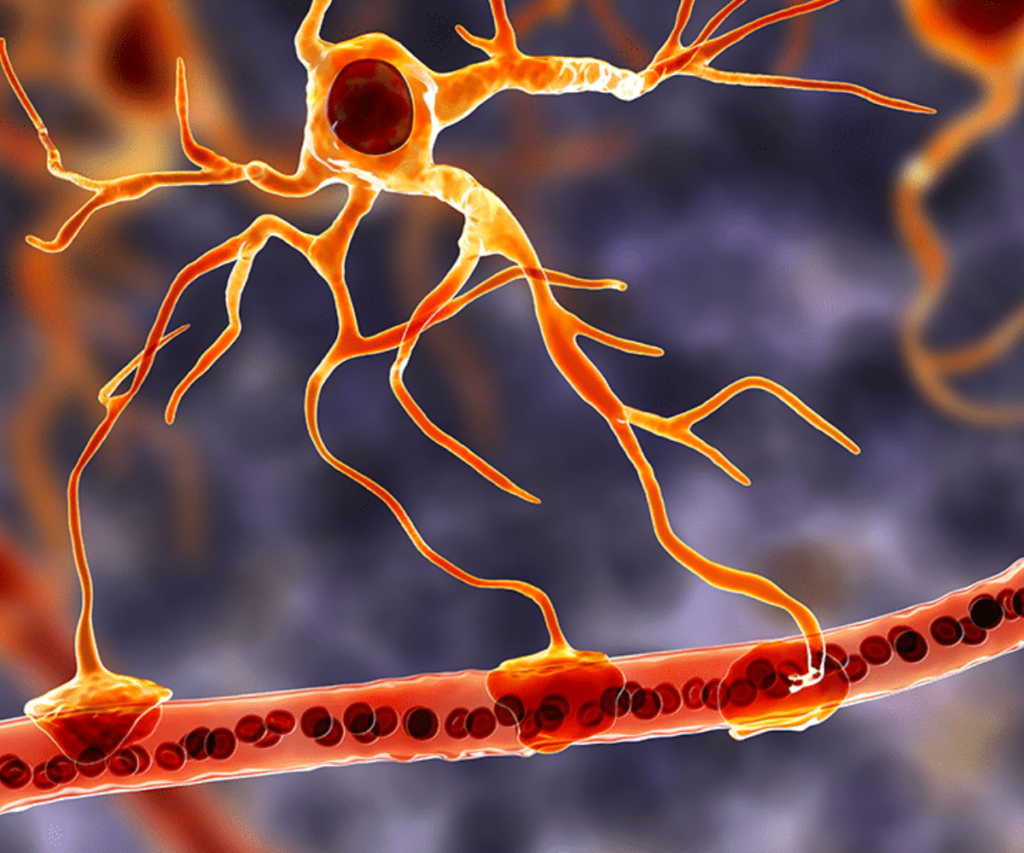
Dopamine agonists are medications designed to mimic dopamine, a brain chemical responsible for movement, motivation, and reward. They are commonly prescribed for neurological movement disorders.
However, because dopamine also regulates pleasure and impulse control, overstimulation can lead to compulsive behaviors. In some patients, this results in:
- Pathological gambling
- Hypersexuality
- Compulsive shopping
- Binge eating
- Risky financial decisions
These behaviors can escalate quickly and feel uncontrollable.
How Gambling and Impulse Disorders Develop
Patients often describe a sudden personality shift after starting treatment. Individuals with stable careers and long marriages report behaviors completely out of character.

Common experiences include:
- Losing large sums of money in online gambling
- Engaging in risky sexual behavior
- Developing obsessive pornography use
- Secret spending leading to major debt
Some families report broken relationships, legal issues, and severe emotional distress.
Medical research suggests that roughly one in six Parkinson’s patients taking dopamine agonists may experience impulse control disorders. Despite this frequency, many patients say the risks were not explained clearly before prescribing.
Real-Life Consequences of Dopamine Agonist Addiction
For many, the financial and emotional toll is devastating.
Some patients have reported:
- Tens of thousands lost through gambling
- Marriages ending due to compulsive sexual behavior
- Criminal charges linked to impulsive actions
- Severe depression and suicidal thoughts
In several international legal cases, courts have examined whether medication-induced compulsive behavior reduced criminal responsibility.https://www.youtube.com/watch?v=NxHNxmJv2bQ
These cases highlight how powerful the neurological effects of dopamine stimulation can be.
Why Patients Feel Unprepared
Although warning leaflets mention “increased libido” or “impulse control disorders,” critics argue that the descriptions are too vague.
Patients say they were not informed that side effects could include:
- Gambling addiction
- Sexual coercion or extreme hypersexuality
- Secret financial recklessness
- Sudden personality changes
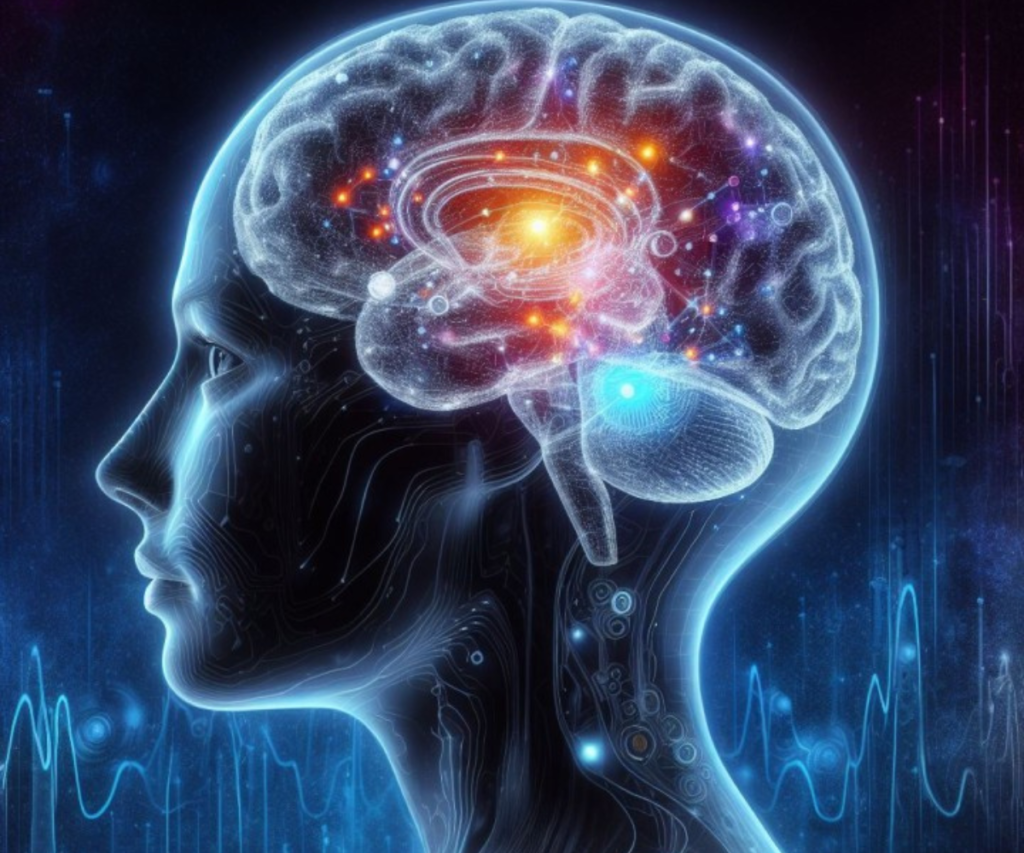
Because many behaviors develop gradually, families often do not recognize the medication as the trigger.
Dopamine Agonist Risks and Medical Responsibility
In recent years, treatment guidelines for Restless Legs Syndrome have shifted, with dopamine agonists no longer always recommended as first-line therapy. However, prescription rates remain high in some regions.
Regulators state that drug warnings must balance clarity with practicality, and not every possible behavior can be listed. Still, patient advocates argue that clearer communication is urgently needed.
Support groups for Parkinson’s and RLS patients now encourage individuals to monitor behavioral changes closely and report them immediately.
What Patients Should Do
If you or a loved one is taking dopamine agonists and notices unusual impulses or personality changes:
- Speak to a doctor immediately.
- Do not stop medication abruptly without medical supervision.
- Involve a trusted family member in monitoring behavior.
- Seek counseling or specialist support if needed.
Early intervention can prevent severe financial and emotional damage.
Final Thoughts on Dopamine Agonist Addiction
Dopamine agonist addiction is not a moral failing — it is a medically recognized side effect linked to brain chemistry. Greater awareness, transparent warnings, and open communication between patients and healthcare providers are essential.

Understanding the risks can protect patients before impulsive behaviors spiral out of control.