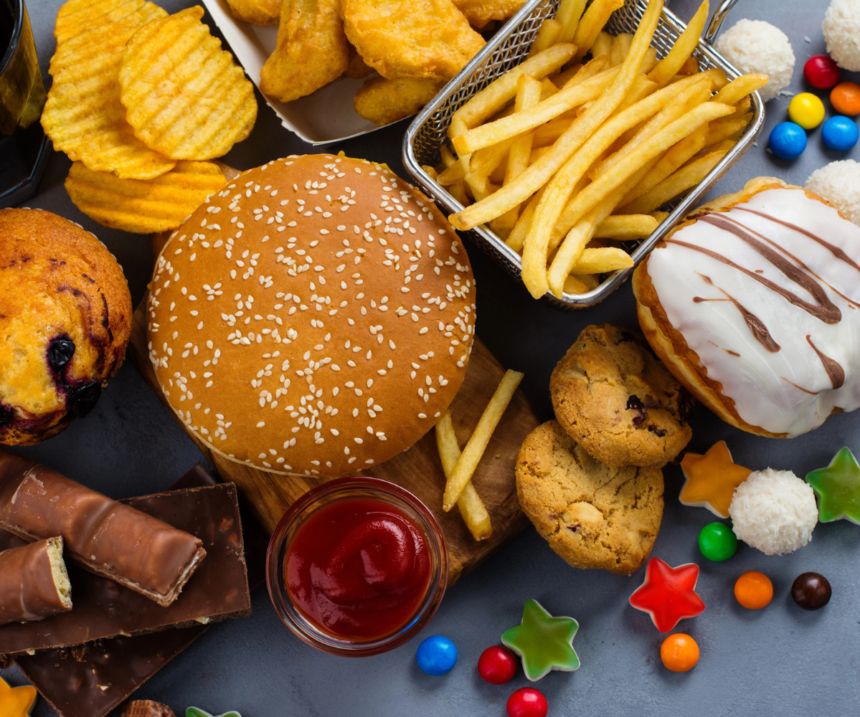
Processed foods microbiome research is revealing how modern diets may disrupt the delicate ecosystem living inside our bodies. Inside the human body exists a vast and complex community of trillions of microorganisms—bacteria, fungi, and viruses—collectively known as the gut microbiome. This internal system plays a critical role in digestion, immune defense, metabolism, brain function, and even emotional wellbeing.

Experts often compare gut diversity to a thriving forest. The greater the variety of microbial species, the more resilient the ecosystem becomes. When diversity is high, the gut can better withstand stress, infections, dietary changes, and environmental triggers. When diversity declines, the body may become more vulnerable to inflammation, digestive disorders, and chronic disease.
In recent years, growing scientific evidence suggests that ultra-processed foods may disrupt this delicate ecosystem. A major reason appears to be the wide range of food additives commonly used to enhance flavor, texture, appearance, and shelf life.
What Are Processed Foods and How Do They Affect the Microbiome?
Ultra-processed foods are industrially formulated products made mostly from refined ingredients, extracted substances, and chemical additives rather than whole foods. These products often contain preservatives, artificial sweeteners, flavor enhancers, emulsifiers, and colorings.
Common examples include:
- Packaged snacks
- Sugary breakfast cereals
- Soft drinks
- Processed meats
- Store-bought baked goods
- Instant soups and meal replacements
- Ice creams and desserts
While convenient and often affordable, these foods differ significantly from minimally processed whole foods such as fruits, vegetables, legumes, whole grains, nuts, and fresh meats.
The Role of Food Additives in Gut Health
One of the most discussed categories of additives affecting gut health is emulsifiers. These substances help oil and water mix, improving texture and preventing separation. They are responsible for the creamy consistency of ice cream, the softness of commercial bread, and the moist texture of packaged cakes.
Regulatory agencies such as the European Food Safety Authority (EFSA) and the U.S. Food and Drug Administration (FDA) approve food additives based on safety testing, primarily focused on toxicity and cancer risk. However, many additives were not originally evaluated for their long-term impact on the gut microbiome.
Emerging research now suggests that some additives may influence gut bacteria in unexpected ways.
How Emulsifiers May Disrupt the Microbiome
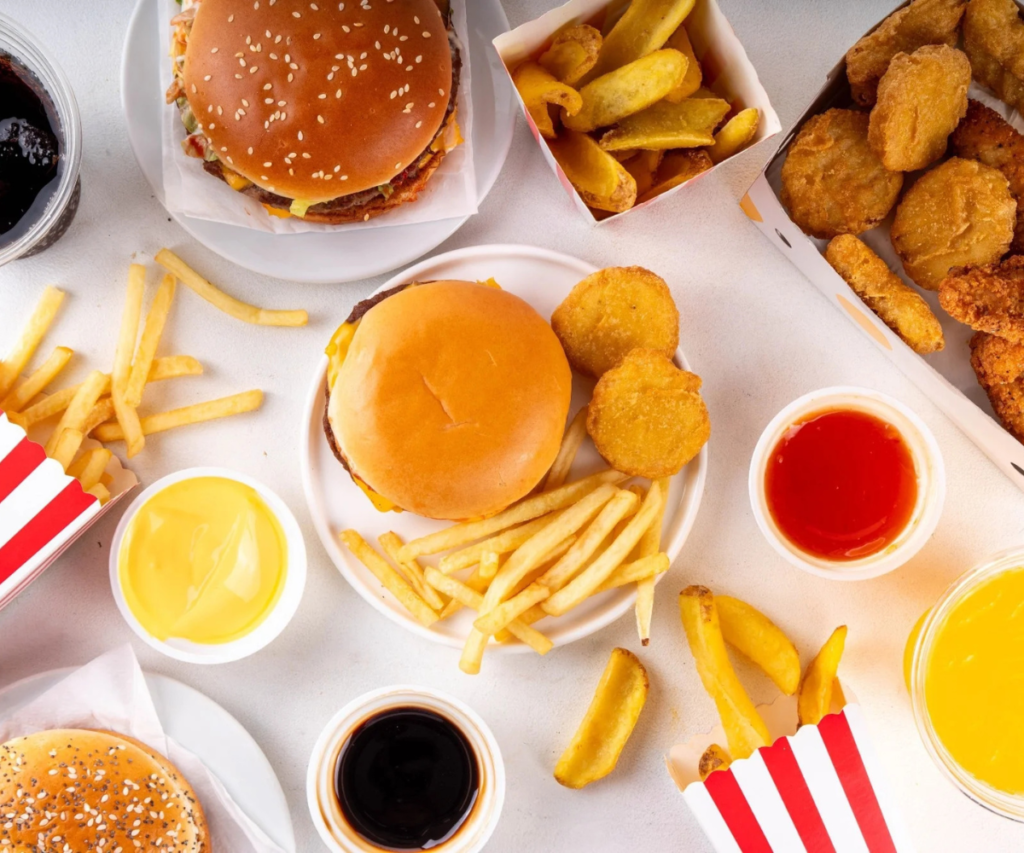
Animal studies have shown that certain widely used emulsifiers can alter the behavior and location of gut bacteria. In controlled laboratory experiments, researchers observed that low doses of common emulsifiers caused bacteria to move closer to the intestinal wall.https://www.youtube.com/watch?v=1sISguPDlhY
Under normal conditions, a protective mucus layer lines the intestine, keeping microbes at a safe distance. When this barrier becomes thinner or disrupted, bacteria may come into closer contact with the gut lining. This interaction can trigger inflammation and, over time, may contribute to chronic digestive conditions.
Inflammation in the gut has been associated with disorders such as:
- Inflammatory bowel disease (IBD)
- Irritable bowel syndrome (IBS)
- Colorectal cancer
- Metabolic disorders including type 2 diabetes
While animal studies cannot fully replicate human biology, small human trials have also found that certain emulsifiers can reduce beneficial gut bacteria and alter microbial balance.
The “Cocktail Effect” of Multiple Additives
Modern diets rarely expose individuals to just one additive at a time. Instead, processed foods often contain combinations of preservatives, sweeteners, colorings, stabilizers, and emulsifiers.
Scientists refer to this combined exposure as the “cocktail effect.” Even if each additive is considered safe individually, their combined influence on gut microbes may produce different results. Laboratory research on human cells suggests that mixtures of commonly consumed additives may increase cellular stress and inflammation.
Because there are thousands of approved additives, studying every possible combination remains a major scientific challenge.
Ultra-Processed Diets and Microbial Diversity
Beyond additives alone, overall dietary patterns appear to strongly influence microbiome diversity.
In controlled human trials comparing diets high in ultra-processed foods with diets made from minimally processed whole ingredients, researchers observed notable differences in gut bacteria. Even when calorie intake and macronutrients were similar, individuals consuming more ultra-processed products showed:
- Lower microbial diversity
- Increased constipation
- Greater digestive discomfort
By contrast, participants eating diets rich in whole foods—fruits, vegetables, legumes, whole grains, nuts, and seeds—demonstrated higher gut bacterial diversity.
One possible explanation lies in fiber quality and variety. Whole foods provide diverse forms of dietary fiber, which act as fuel for beneficial bacteria. Ultra-processed products often contain isolated or modified fibers, along with additives, but lack the structural complexity of intact plant foods. Processed foods microbiome.
Why Gut Diversity Matters
A diverse microbiome supports:
- Efficient digestion and nutrient absorption
- Production of short-chain fatty acids that protect the gut lining
- Strong immune system regulation
- Balanced inflammation responses
- Healthy communication between the gut and brain
Lower microbial diversity has been associated with:
- Sleep disturbances
- Chronic inflammation
- Poor metabolic health
- Increased risk of certain diseases
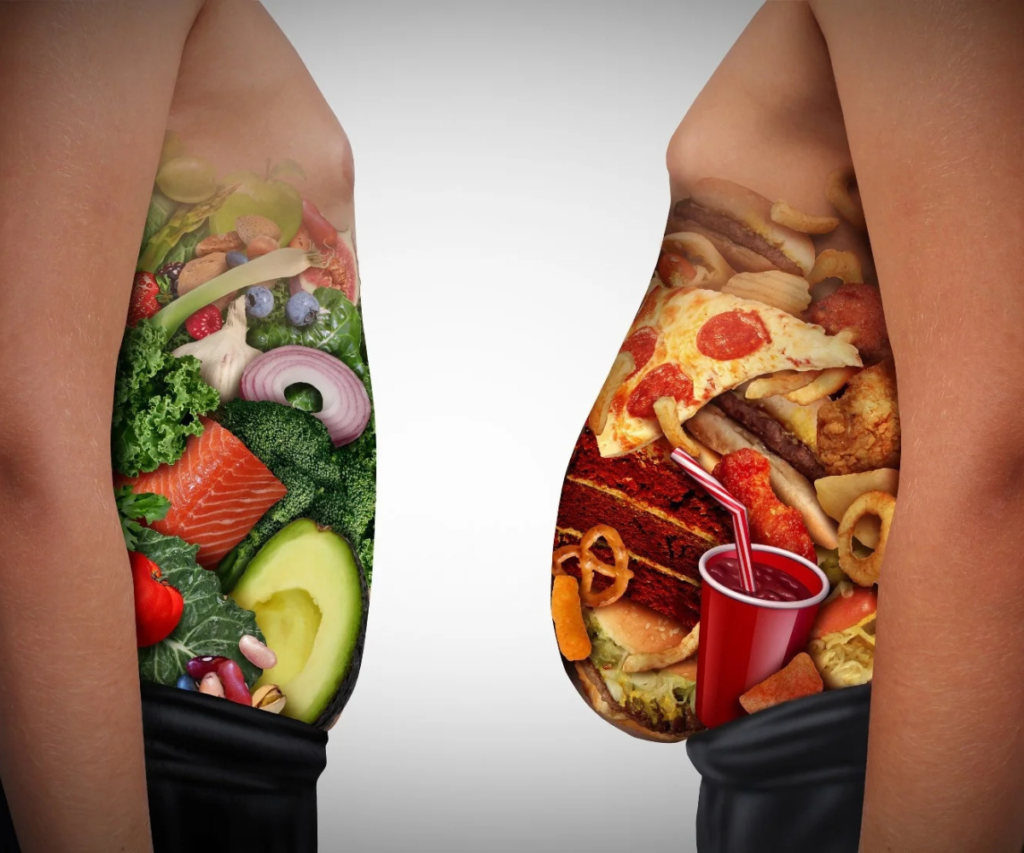
In simple terms, the gut microbiome behaves like an additional organ. When its balance is disturbed, the ripple effects can extend throughout the entire body.
Processing Methods and Structural Changes
Recent research suggests that the method of food processing itself—not just additives—may affect gut health. Highly processed products often undergo extensive refinement, heating, extrusion, and chemical modification.
These processes can alter:
- Food structure
- Nutrient availability
- Fiber complexity
- Interaction between nutrients and microbes
Even when two diets contain similar calories, fats, proteins, and carbohydrates, differences in food structure and processing level may influence how gut bacteria respond.
Should You Avoid All Ultra-Processed Foods?
Completely eliminating ultra-processed foods may not be realistic for many people. However, reducing reliance on them and increasing intake of minimally processed foods can support microbial diversity.Processed foods microbiome.
Practical steps include:
- Choosing whole fruits instead of fruit-flavored snacks
- Opting for plain yogurt rather than artificially flavored varieties
- Selecting bread with simple ingredient lists
- Cooking more meals at home
- Reading ingredient labels carefully
- Limiting products with long lists of unfamiliar additives
Focusing on variety is especially important. A diet rich in different plant foods provides multiple fiber types, nourishing diverse bacterial species.
The Future of Additive Research
Although food additives are approved for safety based on traditional toxicology standards, research into their microbiome effects is still evolving. Scientists continue to investigate: Processed foods microbiome.
- Long-term cumulative exposure
- Interaction between multiple additives
- Individual susceptibility differences
- Effects on vulnerable populations
As understanding of the gut microbiome expands, regulatory frameworks may eventually incorporate microbiome impact assessments into food safety evaluations.
Final Thoughts

The gut microbiome is a dynamic and essential ecosystem within the human body. Ultra-processed foods—particularly those rich in emulsifiers and multiple additives—may influence microbial diversity and promote inflammation in ways that were not previously recognized.
While more large-scale human research is needed, current evidence supports a simple principle:
Small, consistent dietary changes can significantly strengthen this internal ecosystem—supporting digestion, immunity, metabolic health, and overall wellbeing for the long term.