



























Pesticide Harm to Wildlife Rising Worldwide, Study Warns
Pesticide Harm to Wildlife Is Rising Worldwide Pesticide harm to wildlife is increasing across much of the world, according to new research that highlights growing..

by
Read Time
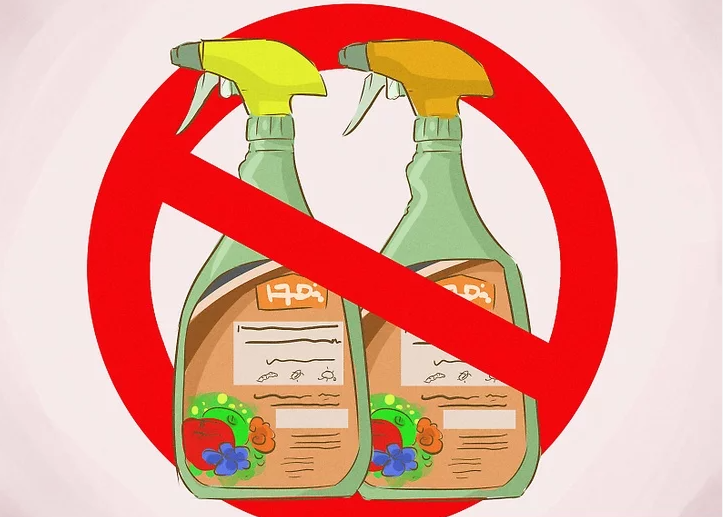
Pesticide Harm to Wildlife Is Rising Worldwide
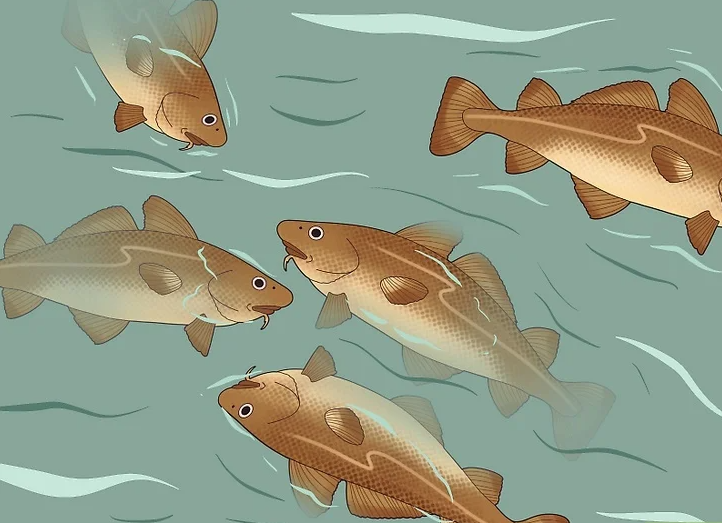
Pesticide harm to wildlife is increasing across much of the world, according to new research that highlights growing ecological risks from modern farming practices. The study shows that toxic exposure from agricultural chemicals has intensified for many species, especially insects, soil organisms, fish, and pollinators.
Although pesticides have helped boost food production, their expanding ecological footprint is now raising serious concerns about biodiversity loss and long-term environmental damage.
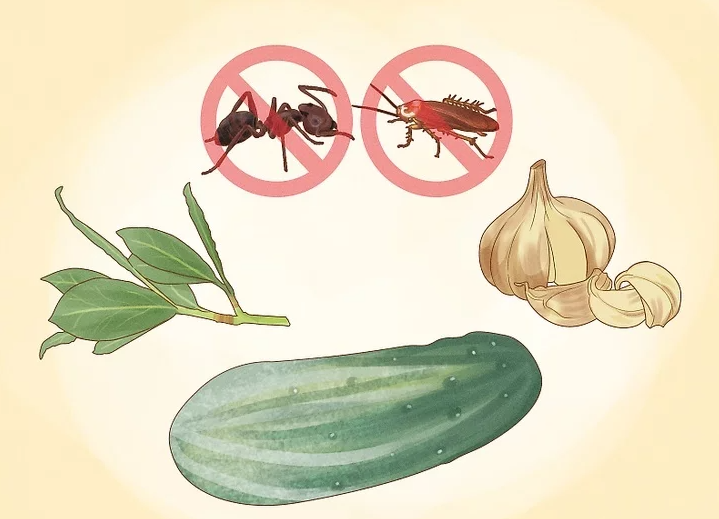
Insects and Soil Life Most Affected
Among all species groups studied, insects experienced the sharpest rise in chemical harm. Between 2013 and 2019, toxicity linked to pesticide use increased dramatically for insects, making them the most vulnerable group. Soil-dwelling organisms followed closely, reflecting the heavy and repeated application of chemicals to farmland.
In contrast, only aquatic plants and land-based vertebrates showed a slight decline in overall risk during the same period.
How Scientists Measured Pesticide Risk
To track global trends, researchers used a method known as total applied toxicity (TAT). This approach measures not just how much pesticide is used, but also how harmful each chemical is to different species.
By combining pesticide data with safety thresholds from multiple international regulatory bodies, the researchers assessed the ecological impact of more than 600 pesticides across 65 countries. Together, these nations represent nearly 80% of the world’s farmland.
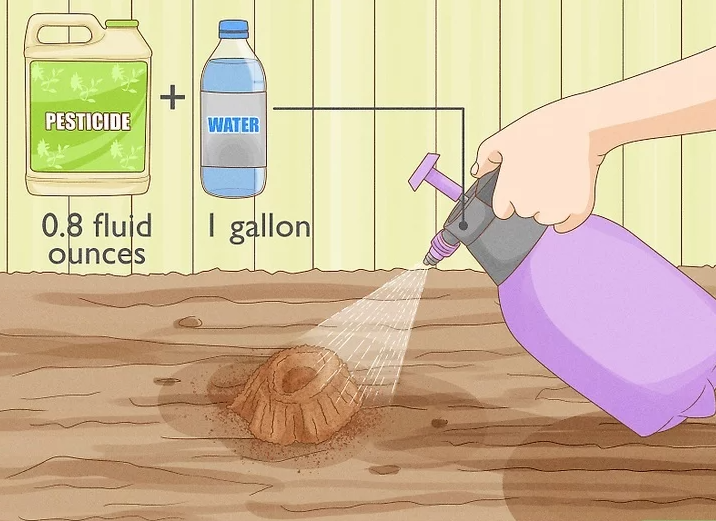
Global Trends Show Uneven Progress
The findings reveal stark regional differences. Some areas have made progress by tightening pesticide rules or reducing usage growth. However, in many parts of the world, toxicity levels continue to rise.
Countries with rapidly expanding agriculture or weaker regulation showed some of the biggest increases in ecological risk. Meanwhile, only one country examined is currently on track to meet the international goal of halving pesticide-related harm by 2030.
Why Rising Toxicity Is a Serious Warning
Experts warn that increasing pesticide toxicity threatens species that perform essential ecological roles. Insects, for example, are vital for pollination, soil health, and food chains. When these organisms decline, entire ecosystems can become unstable. https://www.youtube.com/watch?v=lH_8N9HRsys
Additionally, some chemicals may cause long-term or subtle harm that is difficult to detect immediately. Sub-lethal effects can weaken reproduction, behaviour, and resilience, further accelerating biodiversity loss.
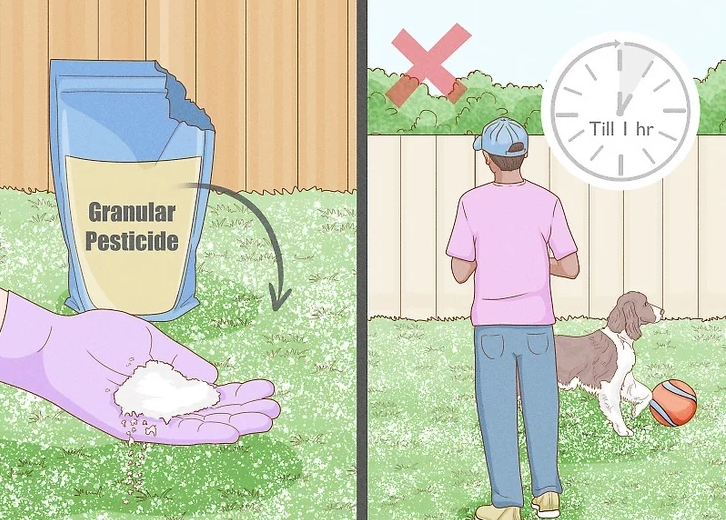
The Limits of Current Data
While the study offers valuable insight, scientists caution that pesticide impacts may be underestimated. In many countries, detailed long-term data is incomplete or unavailable. As a result, actual harm to wildlife could be even greater than current figures suggest.
Researchers emphasise the urgent need for consistent, high-quality monitoring systems to better understand how pesticide use affects ecosystems over time.
Balancing Food Production and Biodiversity
Synthetic pesticides have played a major role in increasing crop yields. However, global pesticide use has nearly doubled since the 1990s, with millions of tonnes applied each year. This growth has come at a significant ecological cost.
Experts argue that protecting wildlife does not mean abandoning agriculture. Instead, solutions include crop diversification, improved soil management, reduced chemical reliance, and wider adoption of less toxic or organic farming methods.
Why Action Is Needed Now
The rising trend in pesticide harm to wildlife runs counter to global commitments to protect biodiversity. Without stronger regulation, better data, and sustainable farming practices, ecosystems may continue to degrade.
Ultimately, reducing pesticide risk is not only about protecting wildlife. It is also about safeguarding food systems, human health, and the natural processes that support life on Earth.
Author

About The Author

About the Author

Previous Post
Next Post
About


Latest News
Search the Archives
Access over the years of investigative journalism and breaking reports
You May Have Missed

Leave a Reply