Low Contact Family Relationships: Why Taking Space Feels Necessary
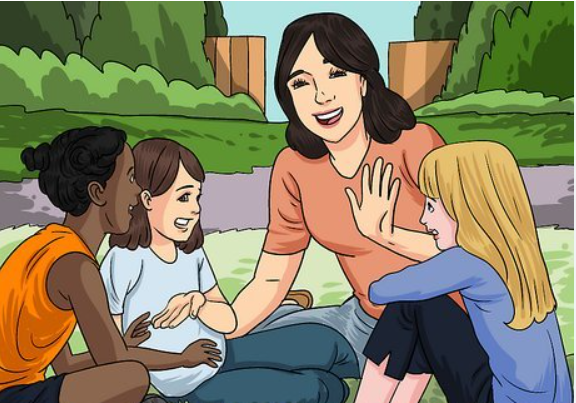
Low contact family relationships are becoming increasingly common as people seek healthier ways to manage difficult dynamics with parents and relatives. Instead of cutting ties completely, many choose to reduce communication, visits, and emotional exposure. This approach allows space for reflection, healing, and self-protection while keeping some form of connection intact.
What Does “Low Contact” Really Mean?
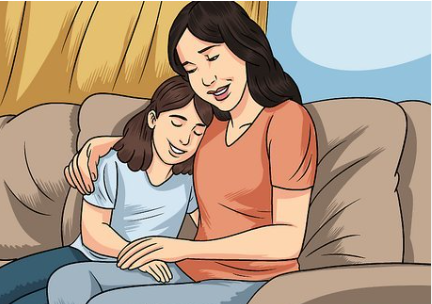
Low contact means limiting interaction to what feels manageable and emotionally safe. For some, that involves shorter phone calls. For others, it means only meeting for specific reasons or focusing communication around children or practical matters. Importantly, low contact is not about punishment. Instead, it is about boundaries.
Unlike “no contact,” which involves complete disengagement, low contact keeps the door slightly open. As a result, people often experience less guilt and fewer family ruptures.
Why People Choose Low Contact Family Relationships
Many individuals describe years of emotional strain before deciding to step back. Common reasons include feeling unheard, constantly criticised, or emotionally unsafe. Over time, this stress can manifest as anxiety, burnout, or even physical symptoms.
Additionally, increased awareness of mental health has encouraged people to reassess family dynamics. Therapy, social media discussions, and personal reflection all play a role in helping individuals recognise when closeness comes at too high a cost.
Balancing Boundaries With Love and Responsibility
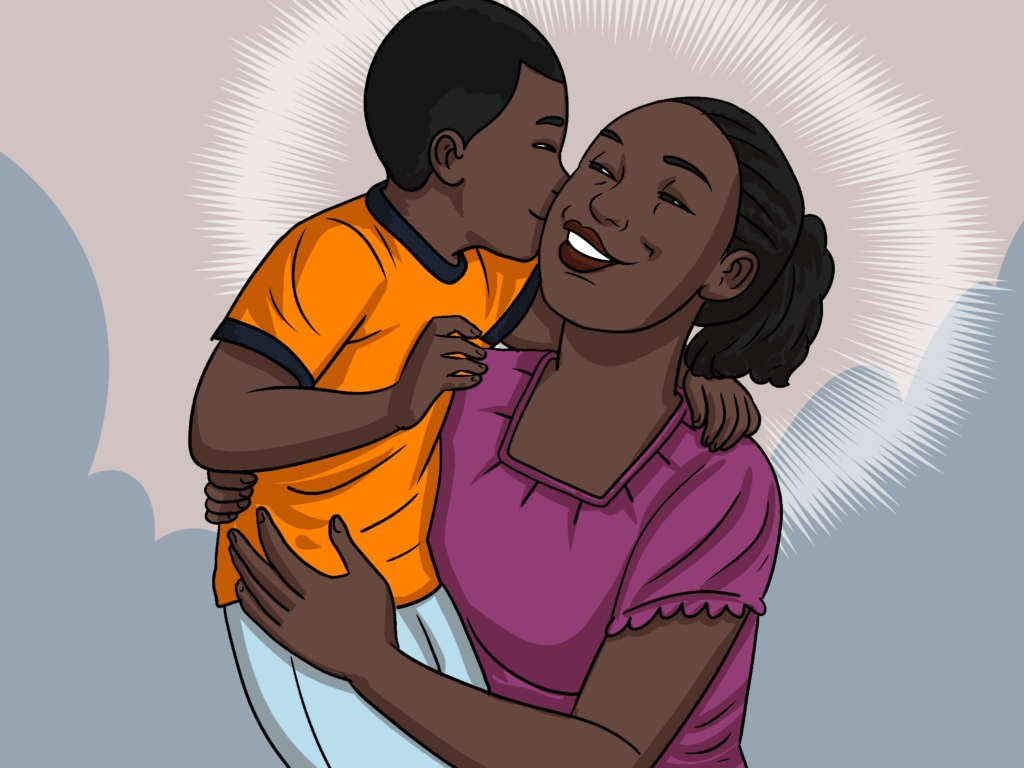
For many, love does not disappear simply because contact is reduced. Parents are still parents. Siblings remain siblings. Therefore, low contact often feels like a compromise rather than a rejection.
Some people maintain contact mainly for their children, allowing grandparents and cousins to stay connected. Others prioritise practical communication while avoiding emotionally charged topics. In this way, boundaries become flexible tools rather than rigid rules.
The Emotional Challenges of Keeping Distance
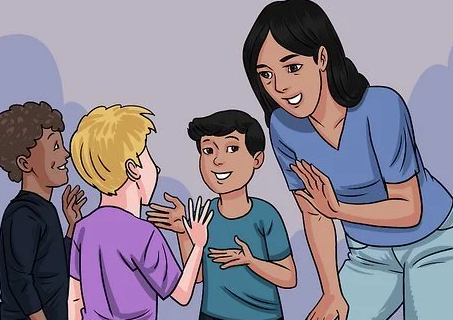
Although low contact can bring relief, it is rarely easy. Feelings of sadness, guilt, and doubt often surface. Family members may react with anger, confusion, or silence. As a result, maintaining boundaries can feel emotionally exhausting. https://www.youtube.com/watch?v=SgxW9SfhB5U
Moreover, unresolved emotions do not vanish simply because contact is reduced. Without support, avoidance can sometimes delay healing rather than encourage it.
Professional Perspectives on Low Contact
Therapists often view low contact as a middle path. It allows individuals to reduce harm without making permanent decisions. In many cases, it provides breathing space to assess what kind of relationship, if any, is possible in the future.
However, professionals also stress that low contact should be intentional. When used thoughtfully, it can foster clarity and self-growth. When used reactively, it may simply mask deeper issues.
Creative Ways to Maintain Safer Connections
Boundaries do not have to mean cold distance. Some people choose activity-based interactions, such as meeting in public places or focusing on shared hobbies. Others communicate through photos or brief messages instead of long conversations.
These approaches reduce conflict while preserving a sense of family continuity, especially when children are involved.
Regret, Grief, and the Importance of Reflection
One concern often raised is regret, particularly if a relative becomes seriously ill or passes away. Reduced contact can complicate grief, especially when goodbyes are left unsaid. Because of this, many experts encourage people to revisit their boundaries over time rather than viewing them as permanent.
Reflection, support networks, and therapy can help individuals navigate these fears more safely.
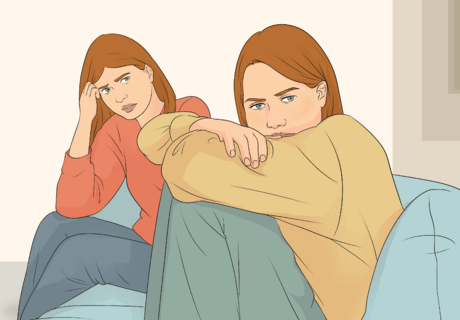
Is Low Contact a Modern Phenomenon?
Historically, frequent family communication was not always the norm. Before smartphones and messaging apps, speaking every few weeks was common and socially acceptable. In this sense, low contact may not be new, but rather a recalibration in an era of constant access.
By reducing unrealistic expectations of constant closeness, low contact can counter idealised images of family life often seen online.
Why Support Matters
Low contact family relationships work best when people are not isolated. Friends, partners, therapists, and chosen family can provide stability during the adjustment period. As one relationship is limited, others often become more important.
Ultimately, low contact is not about erasing family. It is about protecting emotional wellbeing while leaving room for growth, change, and possible reconnection in the future.