

























local guide to Milan: food, culture and green spaces
A Local’s Guide to Milan: Where Food, Culture and Nature Meet A local guide to Milan reveals a city that stretches far beyond fashion runways..

by
Read Time
A Local’s Guide to Milan: Where Food, Culture and Nature Meet
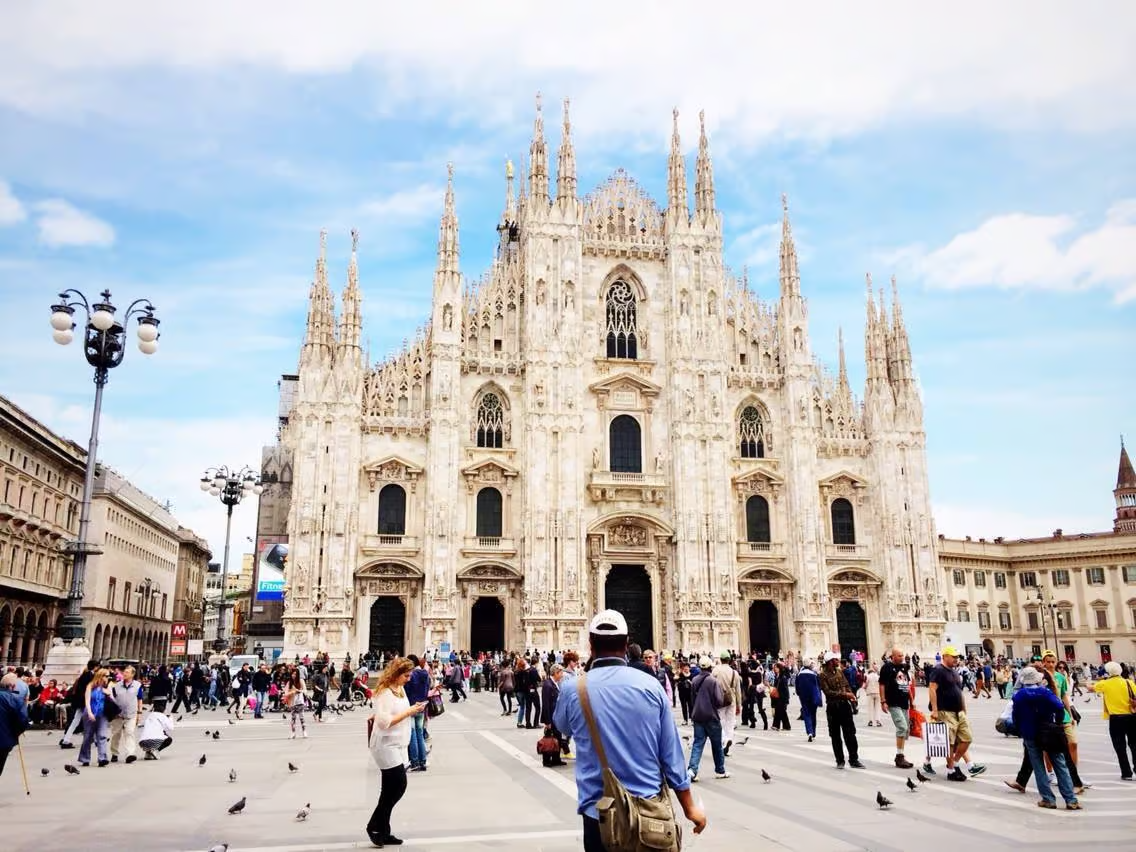
A local guide to Milan reveals a city that stretches far beyond fashion runways and famous landmarks. Instead, it blends neighbourhood life, hidden cultural gems and peaceful green spaces into everyday experiences. As a result, Milan rewards travellers who explore it slowly and through local eyes rather than rushing from one highlight to the next.
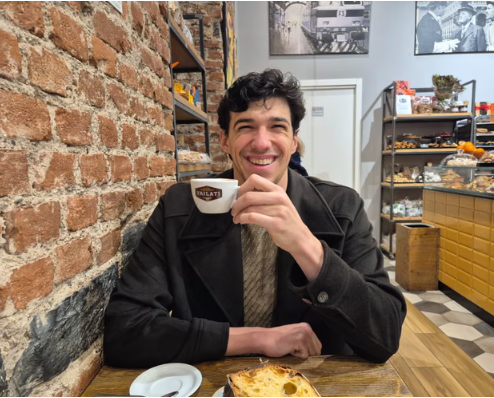
Authentic Food Spots Loved by Locals
Milan’s food scene thrives in small, welcoming places where quality consistently matters more than trends. For example, near sports centres and residential streets, classic pastry shops serve exceptional espresso and freshly baked goods, making them ideal for quiet mornings or post-workout rituals.
Meanwhile, traditional bakeries in central neighbourhoods attract loyal customers not only for their pastries but also for their warmth. Many feel like living rooms, where staff remember familiar faces and conversations stretch across decades. Similarly, small family-run pizzerias serve thick, soft slices that evoke childhood memories and simple comfort.
In addition, students and young professionals often gravitate toward budget-friendly cafés near universities, where chefs prepare fresh dishes daily. When it comes to special occasions, refined trattorias reinterpret Milanese classics such as risotto and fried meat dishes using local ingredients and time-honoured recipes. At the same time, the city’s international side shines through intimate, atmospheric restaurants offering flavours from Vietnam and other global cuisines. https://www.youtube.com/watch?v=2F4hJQhfyO8
Neighbourhood Life: Milan After Dark
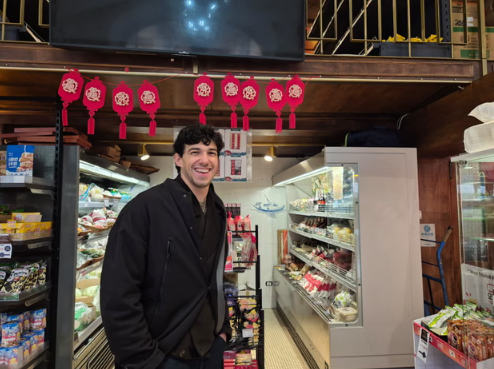
Some of Milan’s most vibrant energy emerges in the evening. Streets in multicultural districts fill with street food aromas, casual restaurants and late-night cafés. Karaoke bars, dessert spots and informal gathering places make these neighbourhoods ideal for relaxed nights with friends.
These areas reflect Milan’s evolving identity — social, youthful and creative — offering a more spontaneous alternative to polished city centres.
Fashion as Cultural Identity
Fashion in Milan is not just commerce; it’s cultural heritage. The influence of legendary designers is deeply embedded in the city’s identity, shaping architecture, craftsmanship and even civic pride. Collaborations between athletes, artists and fashion houses highlight how design continues to influence modern Milan beyond the catwalk.
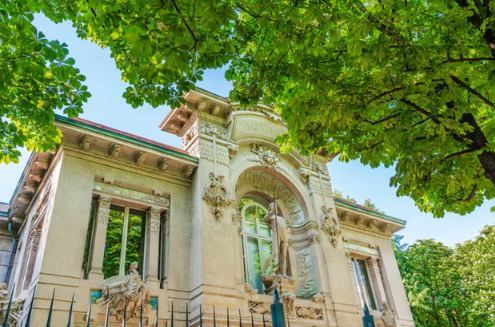
Creative Inspiration and the City’s Relationship with Water
One of Milan’s lesser-known cultural treasures is its historic aquarium, housed in an elegant early 20th-century building adorned with marine-themed sculptures. Exhibits focus on Italian freshwater and marine ecosystems, offering a peaceful escape from city life.
For many visitors, watching aquatic life creates a sense of calm and freedom. The connection between movement, water and wellbeing is powerful, making this space both educational and emotionally grounding.
Green Spaces in the Heart of the City
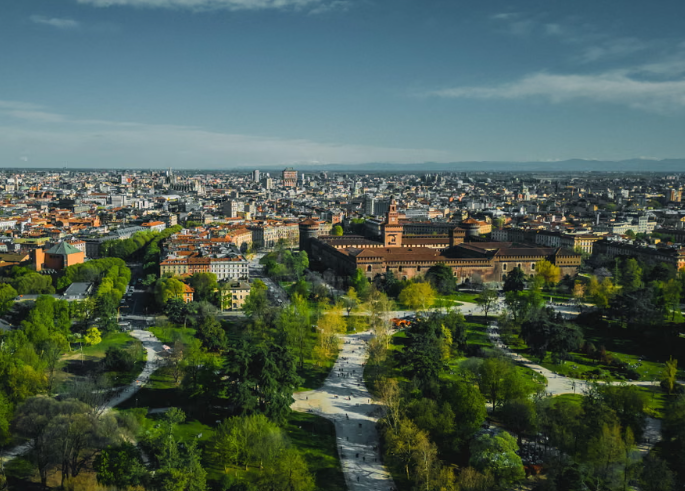
Milan is surprisingly rich in greenery. Large central parks connect major historical landmarks, museums and monuments, creating long, walkable green corridors. These parks regularly host concerts, exhibitions and cultural events, making them social hubs as much as natural retreats.
Smaller neighbourhood parks scattered across the city provide quieter spaces for reading, exercise or reflection, proving that nature is never far away in Milan.
Accessibility and Urban Progress
Milan is largely flat, which makes moving around easier for many visitors. In recent years, infrastructure upgrades have improved access to public transport and public buildings. Elevators, ramps and renovated stations reflect ongoing efforts to make the city more inclusive, though historic architecture still presents challenges that continue to be addressed.
Art, Museums and Unexpected Cultural Statements
Beyond its famous galleries, Milan offers striking contemporary art in unexpected places. Public sculptures challenge tradition, history and power, often standing in sharp contrast to their surroundings.
Cultural institutions range from modern ethnographic museums to intimate natural history collections set within elegant parks. These museums are popular with families and locals, blending education with nostalgia and discovery. Outdoor installations — including life-sized prehistoric creatures — add a sense of wonder for visitors of all ages.
Why Milan Is Best Explored Like a Local
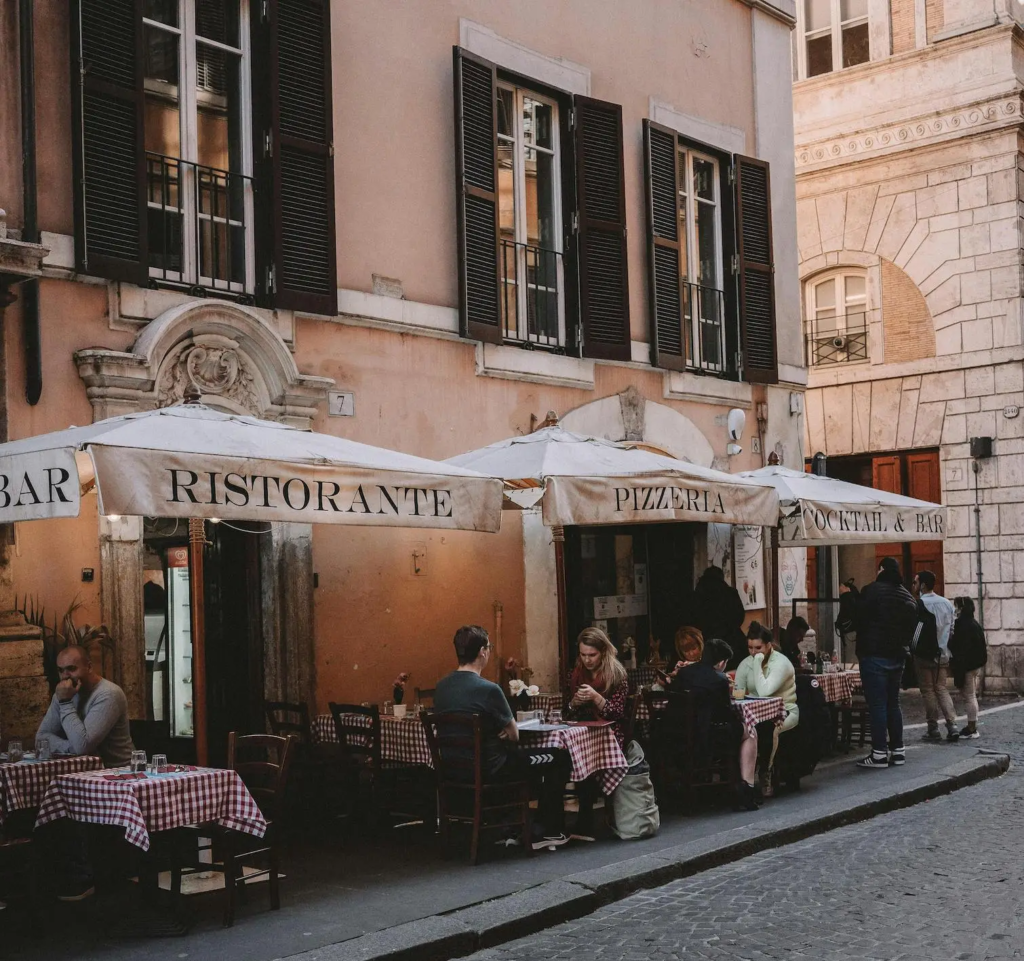
Milan reveals its true character through daily rituals, neighbourhood cafés, overlooked museums and shared public spaces. A local guide to Milan isn’t about ticking landmarks off a list — it’s about understanding how culture, creativity and community shape the city’s rhythm.
Whether you’re visiting for sport, design, food or history, Milan offers depth, warmth and authenticity to those who slow down and explore.
Author

About The Author

About the Author

Previous Post
Next Post
About


Latest News
Search the Archives
Access over the years of investigative journalism and breaking reports
You May Have Missed

Leave a Reply