
Why Fibre Matters for Your Brain
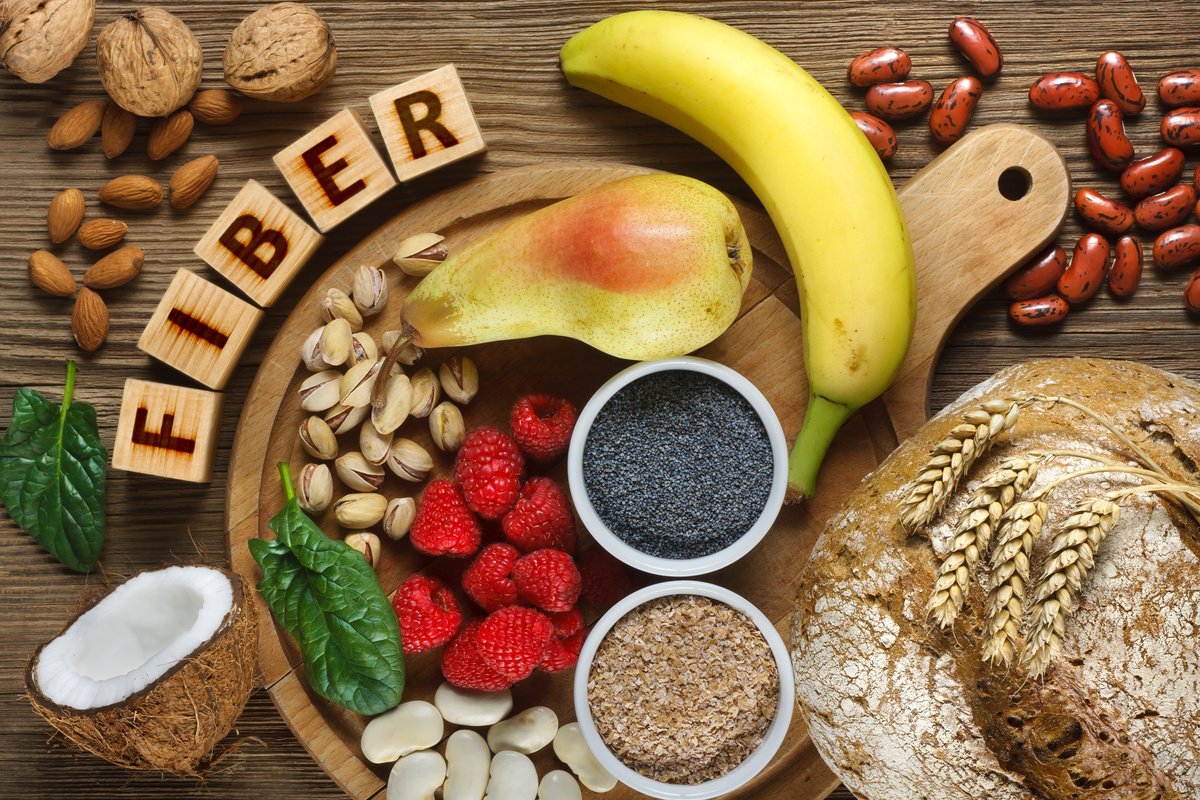
Fibre and brain health go hand in hand, as eating fibre not only supports digestion but also protects cognitive function. Foods rich in fibre, such as whole grains, fruits, nuts, seeds, and pulses, benefit both the body and the brain, improving overall health and longevity
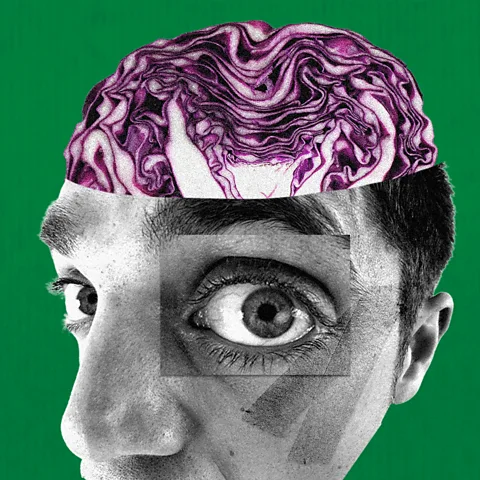
Recent studies show that fibre supports the gut microbiome, which communicates with the brain through the gut-brain axis. This connection may slow cognitive decline and preserve mental function. Increasing fibre intake is one of the simplest dietary changes to support brain health, according to Professor Karen Scott, a gut microbiology expert at the Rowett Institute.
Gut Feeling: How Fibre Works
Fibre is a type of carbohydrate that the body cannot easily digest. Most of it passes through the gut largely unchanged, increasing stool bulk and helping us feel full for longer. Slow digestion also stabilizes blood sugar levels.
Research shows that people who eat more whole grains tend to have lower body mass indexes and less abdominal fat compared to those who eat refined grains. Fibre also contributes to longevity. Professor John Cummings, emeritus professor at the University of Dundee, emphasizes that adequate fibre intake can reduce the risk of heart disease, stroke, type 2 diabetes, and colon cancer.
Fibre, the Microbiome, and Cognitive Health
Fibre fuels beneficial gut bacteria. These microbes produce short-chain fatty acids like acetate, propionate, and butyrate, which provide energy for cells and influence overall health. Butyrate, in particular, maintains the gut lining and reduces harmful substances entering the bloodstream, positively affecting the brain.
Studies confirm that higher fibre intake correlates with improved cognition. For example, a 2022 study of over 3,700 adults found that individuals with the highest fibre intake had a lower risk of dementia. Older adults with fibre-rich diets also showed better cognitive performance.
A randomized trial further confirmed a causal link: participants who consumed prebiotic fibre supplements for three months showed improved cognitive test scores. Analysis revealed increased beneficial bacteria, such as Bifidobacterium, in their gut microbiomes.
How Fibre Supports Mental Wellbeing
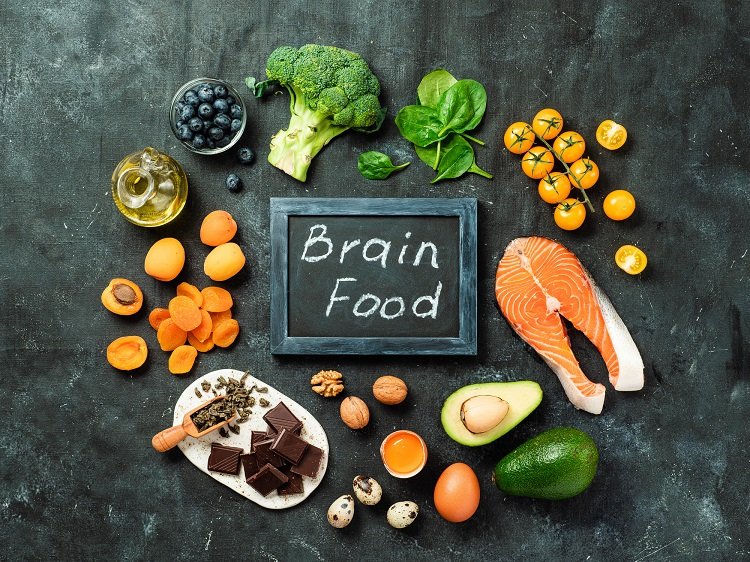
Beyond cognition, fibre-related butyrate production improves mood, sleep quality, and overall mental health. Research has found that Alzheimer’s patients have lower levels of butyrate-producing bacteria, linking gut health to neurodegenerative conditions. Maintaining a fibre-rich diet may, therefore, support mental wellbeing alongside physical health.
How to Eat More Fibre
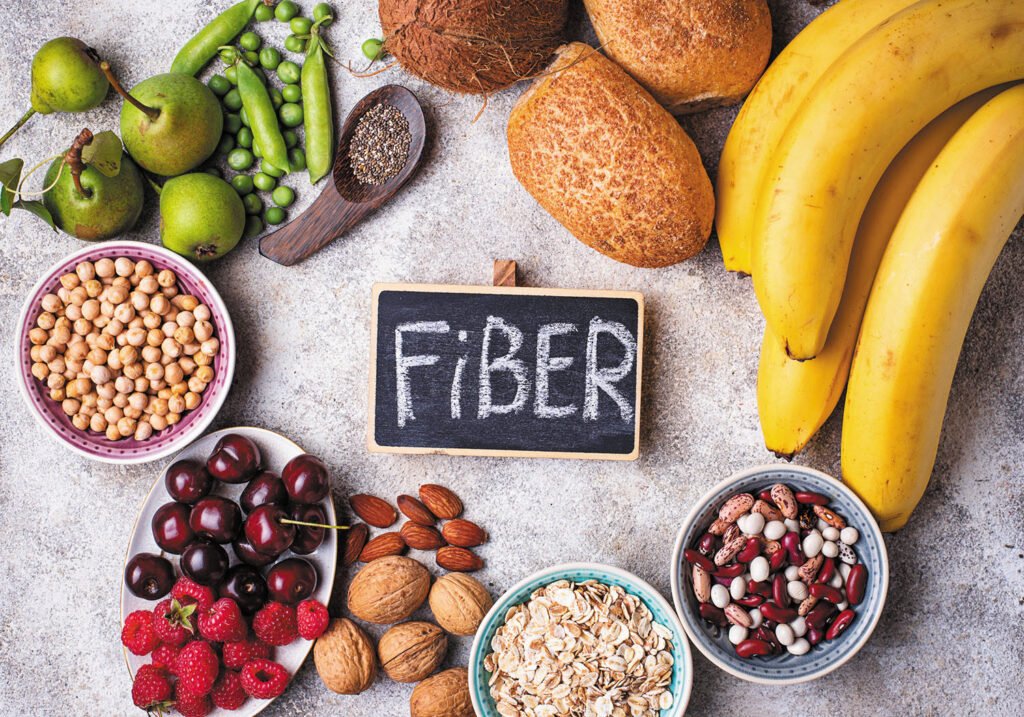
Increasing fibre is easier than many think. Pulses like beans, lentils, and peas are excellent sources. Add them to pasta, blend chickpeas into pancake batter, or mix peas into your meals. Whole grains, brown bread, and high-fibre cereals are simple ways to boost intake. Nuts, seeds, fruits, and vegetables further support a diverse gut microbiome, which is key to cognitive and overall health.
Conclusion: Fibre as a Brain-Boosting Nutrient
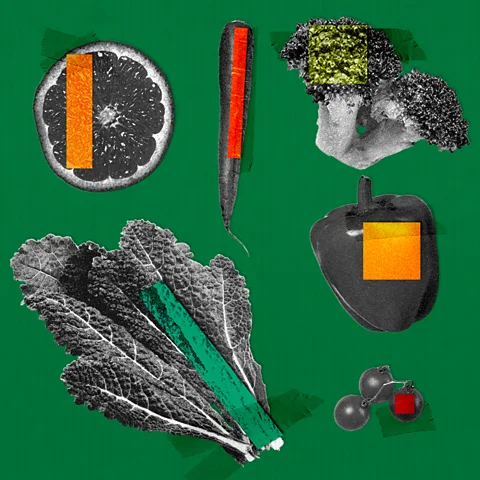
A fibre-rich diet supports the gut, improves cognition, and protects the brain against age-related decline. By prioritizing plant-based foods and whole grains, we can enhance both physical and mental health. Fibre is not just a digestive aid—it is a vital nutrient for a sharper, healthier mind.