Nature Loss as a National Security Risk: A Growing Global Threat
Nature loss security risk is no longer a distant or theoretical concern—it is rapidly becoming one of the most serious global challenges of our time. The accelerating decline of the natural world is now directly threatening economic stability, food systems, public health, and international relations. Across the globe, vital ecosystems are deteriorating at an alarming pace, and experts warn that if this destruction continues unchecked, it could trigger chain reactions of crises including conflict, mass migration, resource shortages, and long-term economic disruption.
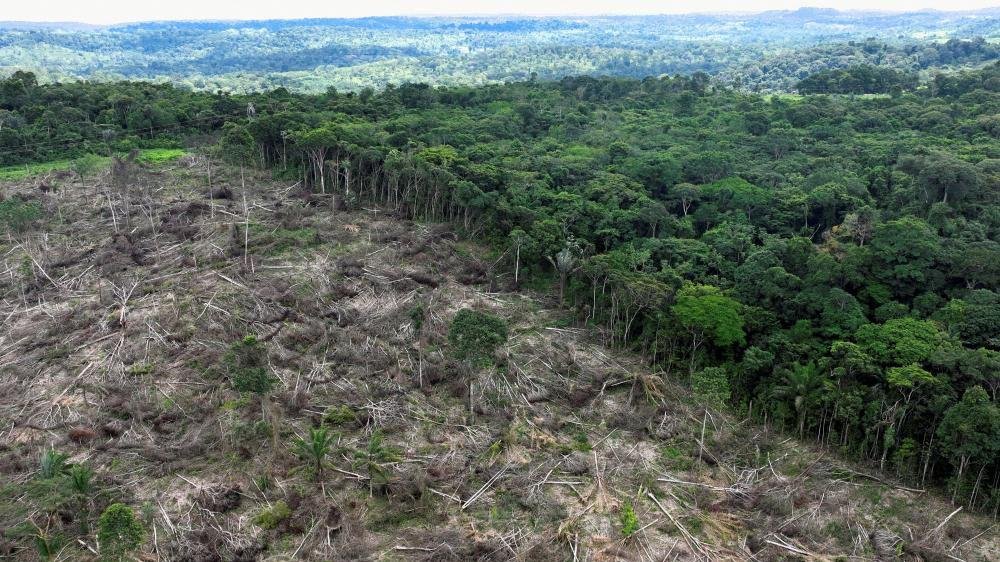
Modern nations depend far more on nature than many people realize. From food production and freshwater supplies to climate stability and disease control, ecosystems form the invisible foundation of global security and prosperity. When these systems weaken, the risks spread far beyond forests, oceans, and wildlife.
Why Ecosystem Collapse Is a Security Concern
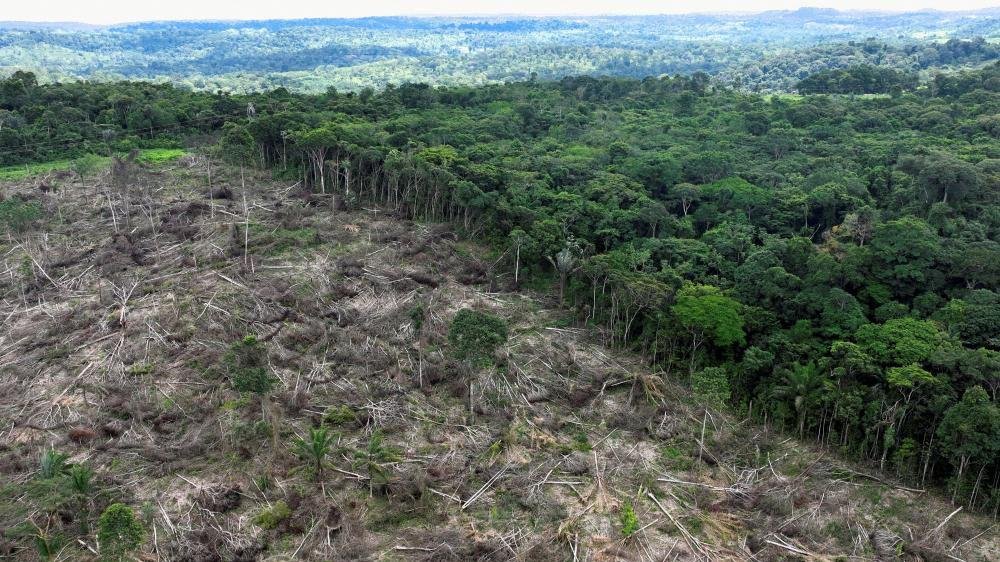
Several of the world’s most important ecological regions are now approaching dangerous tipping points. Scientists and policy experts increasingly describe these areas as being on a pathway to irreversible damage, which could destabilize entire regions.
Key Ecosystems Under Threat
Some of the most critical natural systems for global stability include:
- Tropical rainforests in South America and Central Africa
- Vast northern forests across Canada and Eurasia
- Coral reefs and mangrove systems in Southeast Asia
- Mountain ecosystems in the Himalayan region
These regions play a crucial role in regulating climate, supporting agriculture, maintaining rainfall patterns, and protecting biodiversity. Their collapse would not be a local problem—it would disrupt global supply chains, weather systems, and economic networks.
How Nature Loss Threatens Food Security
One of the most immediate and dangerous consequences of ecosystem degradation is its impact on global food production.
Growing Pressure on Global Food Systems
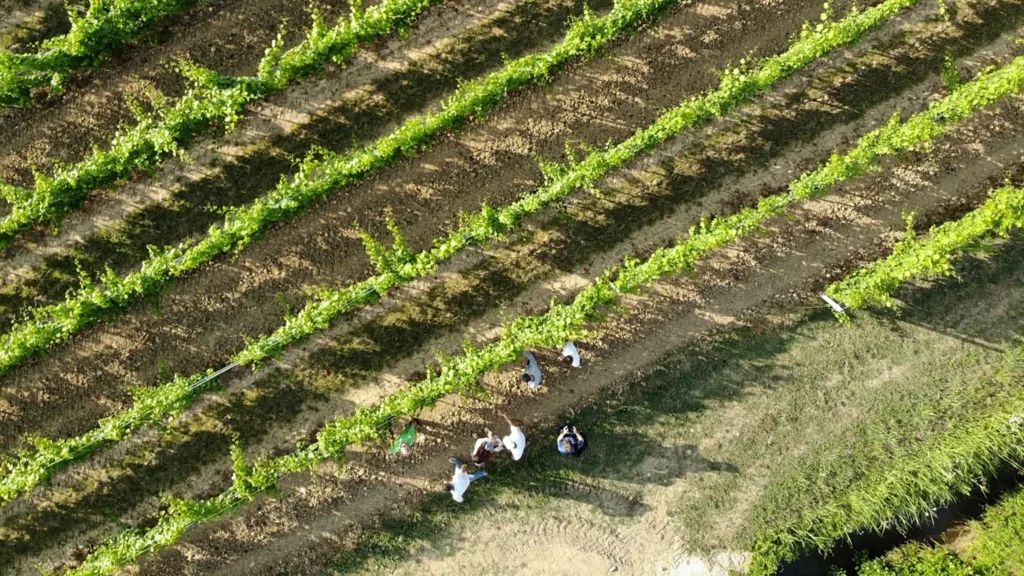
As soils degrade, pollinators disappear, and weather patterns become more extreme, agricultural yields are becoming less reliable. Many countries depend heavily on international food imports and fertiliser supplies, making them vulnerable to global environmental shocks.
If major food-producing regions suffer ecological breakdown:
- Certain foods could become scarce
- Global prices would rise sharply
- Consumers would face higher costs and fewer choices
- Low-income populations would be hit the hardest
Experts warn that complete food self-sufficiency is unrealistic for many nations under current conditions, and attempting it would likely cause significant price increases.
Wider Security Risks: Migration, Conflict, and Instability
Environmental collapse does not only affect food and water—it also reshapes geopolitics.
The Domino Effect of Environmental Breakdown
When ecosystems fail, the consequences can include:
- Increased migration as people flee unlivable regions
- Rising tensions over access to water, land, and food
- Greater risk of political instability and conflict
- Higher chances of disease outbreaks and pandemics
In a world already strained by economic uncertainty and geopolitical competition, nature loss acts as a threat multiplier, making existing problems far more dangerous and harder to control.
Can Technology Reduce the Risk?
While the situation is serious, some emerging solutions offer hope.
Innovations That Could Help
New approaches such as:
- Regenerative agriculture
- Climate-resilient crops
- Alternative and lab-grown proteins
- Smarter water and land management
could reduce pressure on ecosystems if supported by strong investment and long-term planning. However, experts agree that technology alone cannot replace healthy natural systems—it can only buy time and reduce damage.
A Global Crisis That Cannot Be Ignored
Despite conservation efforts in many regions, global biodiversity continues to decline at an unprecedented rate. Habitat destruction, climate change, pollution, and invasive species are pushing natural systems closer to collapse every year.
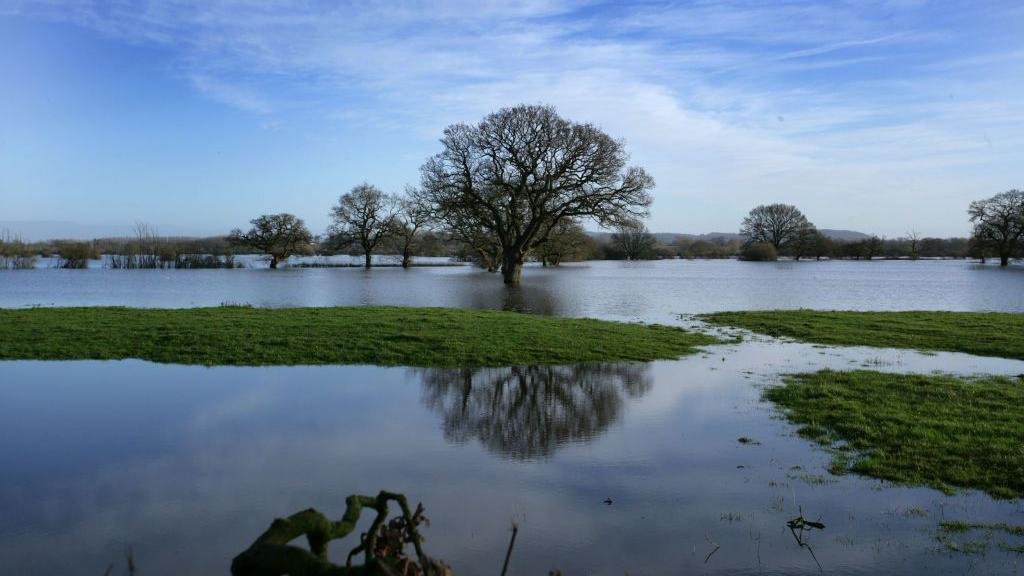
Scientists have already warned that humanity is driving one of the fastest mass extinction events in Earth’s history. If this trend continues, the consequences will not only be ecological—they will be economic, political, and deeply social.
Protecting Nature Is Protecting National Security
Nature is not a luxury—it is critical infrastructure for civilization itself. The loss of forests, oceans, reefs, and fertile land weakens economies, destabilizes societies, and increases the risk of global conflict.
Treating nature loss as a national security risk is no longer optional. It is a strategic necessity for long-term stability, prosperity, and survival.