A Landscape Shaped by Stone and Water
The Karst Plateau geopark Italy Slovenia is a unique cross-border destination in western Slovenia and northeastern Italy. The Karst Plateau geopark Italy Slovenia stands out for its dramatic limestone landscapes, vast cave systems, and centuries-old villages. Through the EU-funded GeoKarst initiative, the region now promotes sustainable tourism and slow travel. As a result, it offers an authentic alternative to Europe’s overcrowded destinations while aiming for Unesco Global Geopark status.
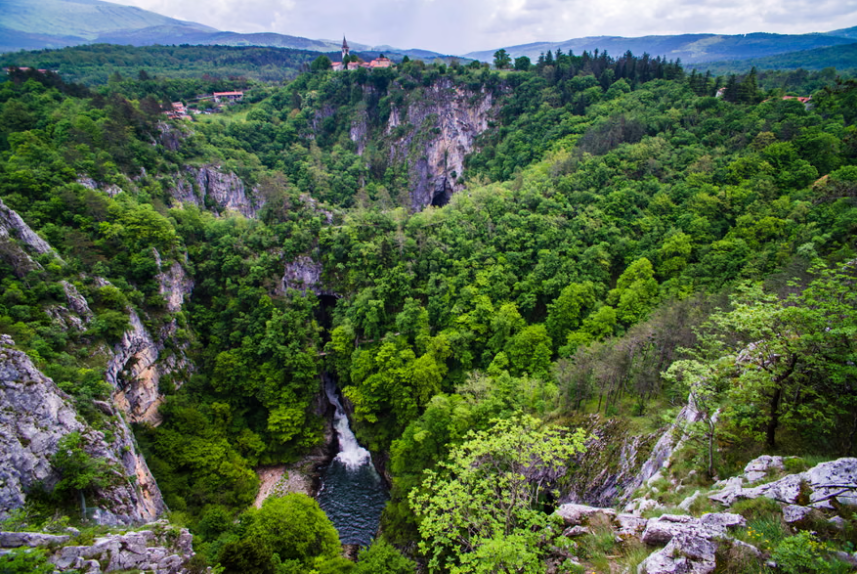
Below the surface, the Karst Plateau geopark reveals its true character. Thousands of caves, rivers, and massive chambers stretch underground. Flowing water carved these spaces over millions of years. One standout site is Vilenica Cave, often considered the world’s earliest show cave. Records confirm visitors explored it as early as the 17th century. Inside, mineral-stained stalactites and crystals glow under soft light. As a result, the cave offers insight into the origins of cave tourism.
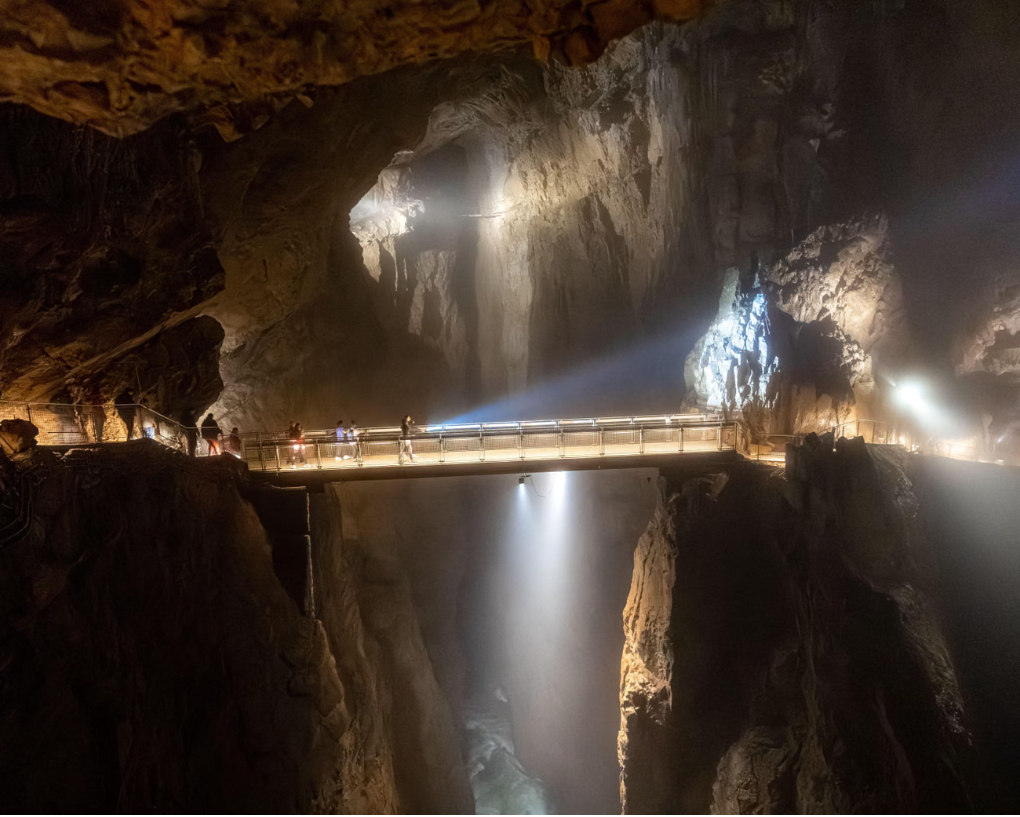
Another major attraction within the Karst Plateau geopark is Škocjan Cave. Here, a powerful underground river rushes through a chamber nearly 150 metres high. The echoing roar and vast scale create an unforgettable experience. Even seasoned travellers find it striking.
Living Between Borders: Culture Without Frontiers
The Karst Plateau geopark is more than a geological site. It also functions as a living cultural landscape shaped by shifting borders. Across the Karst Plateau geopark, villages often use two languages. This reflects political changes that occurred several times during the 20th century. However, instead of dividing people, this shared past created a strong cross-border identity. https://www.youtube.com/watch?v=8sKIAuEu19E
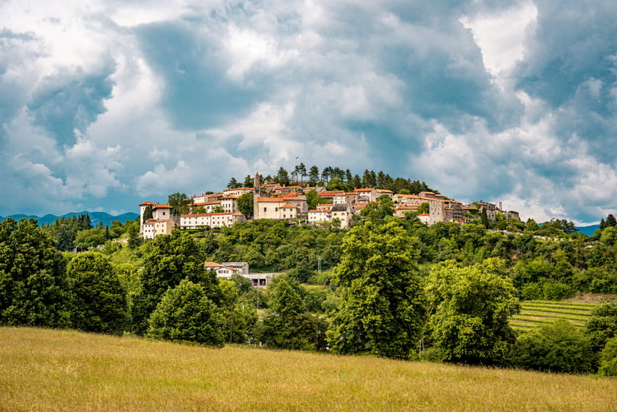
Local stone houses line narrow streets throughout the Karst Plateau geopark. Builders used local Karst limestone, and many structures remain unchanged after centuries. One of the best examples is Štanjel, a medieval hilltop village with prehistoric and Roman roots. Its fortified walls, cobbled paths, and wide views recall Provence, yet without the crowds. As a result, life here moves at a slower pace, guided by tradition, farming, and the land.
Trieste and the Italian Karst: Where City Meets Nature
On the Italian side of the Karst Plateau geopark, the land rises behind Trieste. This port city blends Italian, Central European, and Balkan influences. Elegant cafés and literary heritage sit alongside Austro-Hungarian architecture. Meanwhile, nature remains only minutes away.
Just outside the city, the Via Napoleonica trail offers panoramic views over the Gulf of Trieste. Moreover, it connects Karst villages such as Opicina and Prosecco. The close link between city life and open landscapes defines the region’s appeal.
Food, Wine, and the Tradition of Osmice
Food plays a central role across the Karst Plateau geopark. Local farms supply most ingredients, so traditions remain strong. One standout custom is the osmice. These temporary, family-run taverns open for short periods. They serve homemade wine, cheese, cured meats, honey, and olive oil.
These welcoming spaces reflect the region’s communal spirit. Many sit along scenic hiking routes. Wildflowers, cherry trees, and native wildlife line the paths. Along the way, travellers may discover informal “wine caves.” Locals leave food and bottles behind, trusting visitors to pay honestly.
A New Kind of European Destination
The Karst Plateau geopark reflects a wider shift toward sustainable tourism. It highlights geology, heritage, and cross-border cooperation. At the same time, it protects fragile landscapes and supports rural communities.
Rather than rushing between attractions, visitors slow down here. They walk historic paths, share meals with locals, and experience a timeless landscape. Ultimately, this balance of nature, culture, and hospitality makes the Karst Plateau geopark one of Europe’s most promising emerging destinations.