
What I Learned LiWhat I Learned Living One Month Without a Smartphone
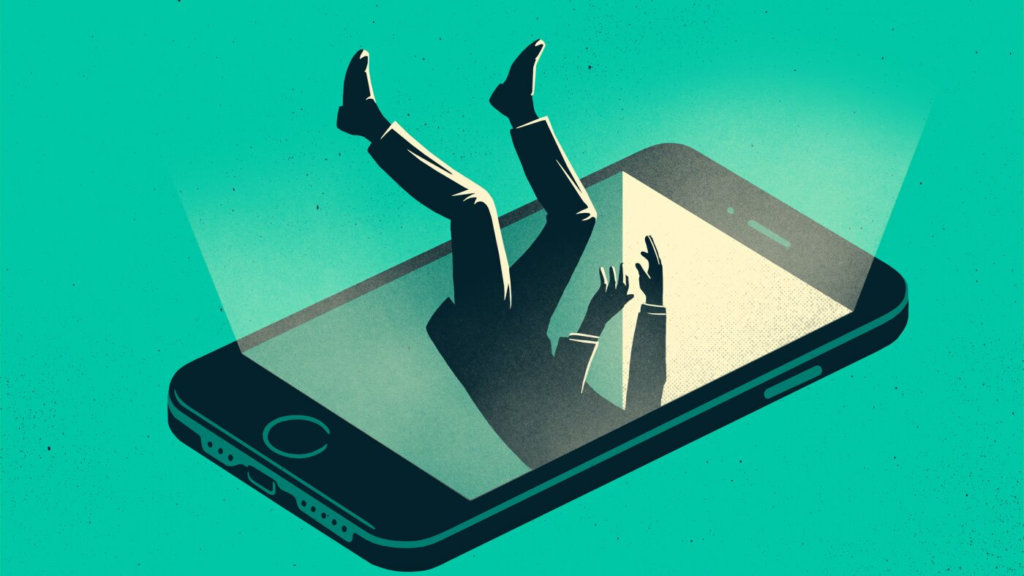
This digital detox experiment began after a moment that shook me. While walking down the street, completely absorbed in my phone, I failed to notice a robbery unfolding inches away. That experience forced me to confront an uncomfortable question: how much of real life was I missing while staring at a screen?

Like many people, my smartphone dictated my days. Each morning, before breakfast, I scrolled through social media, skimmed headlines, replied to messages, checked maps, and opened emails. Throughout the day, I paid for food, navigated the city, documented moments, and remained constantly available. By evening, I streamed shows while shopping online and messaging friends. My phone rarely left my hand—and as a result, my attention never fully rested.
Eventually, I decided to step away.
For one month, I replaced my smartphone with a basic mobile phone, a paper map, physical bank cards, a film camera, books, newspapers, and a music player. Screens were allowed only for work during office hours; everything else moved back to analogue.
Why I Tried a Digital Detox Experiment
Research increasingly links heavy screen use to anxiety, poor sleep, and reduced attention span. Moreover, experts argue that digital platforms are intentionally engineered to keep users scrolling, responding, and returning for more. Over time, this constant stimulation trains the brain to crave novelty while struggling with boredom.
Because of this, I wanted to know whether removing that stimulation would make daily life calmer—or simply unbearably inconvenient.

Week One: Discomfort, Slowness, and Social Friction
The first few days felt awkward and inefficient. Suddenly, even simple tasks required planning. I had to write directions down, remember bus numbers, and rely on strangers for help. Texting became slow and deliberate. Without instant navigation or quick replies, I arrived late, took wrong turns, and often felt unprepared.
Meanwhile, friends grew frustrated. They missed voice notes, quick links, and instant responses. Some joked that I had become unreliable. At the same time, I noticed how often I reached for my phone out of habit—only to remember it could no longer offer distraction.
Yet something unexpected happened. I started reading on public transport. I noticed buildings, weather, and people. Gradually, my thoughts wandered in ways they hadn’t for years.
Week Two: Awareness and Presence Return
By the second week of the digital detox experiment, my anxiety began to settle. I no longer felt the urge to check notifications that didn’t exist. As a result, conversations became more focused. At concerts, I watched instead of recording. At cafés, I read or observed instead of scrolling.
Listening to full albums without skipping tracks felt grounding. Similarly, cooking without recipes encouraged creativity. Even boredom became tolerable—and, occasionally, enjoyable.
However, practical frustrations remained. Banking without apps proved stressful. Payments took longer, and travel required patience. In many cases, convenience had been masking effort rather than eliminating it.
Week Three: Calm Replaces Urgency
By the third week, the fear of getting lost or missing out faded. I trusted my memory more. Instead of rushing, I remembered landmarks, arrived early, and waited without irritation. Social time felt richer, since phones no longer interrupted conversations.
Still, the experiment placed pressure on others. Friends had to manage maps, bookings, and logistics. Consequently, I depended on them more than I liked, which revealed how digital tools often distribute responsibility unevenly.

What a Month Without a Smartphone Taught Me
This digital detox experiment didn’t make life easier—but it did make it quieter. I slept better, read more, and felt less reactive overall. Without constant notifications, my mood steadied. Evenings, once fragmented by screens, belonged to me again.
At the same time, I recognised that total disconnection isn’t realistic in modern life. Smartphones are deeply embedded in systems of transport, finance, and communication. Therefore, opting out entirely creates friction—for yourself and for others.https://www.youtube.com/watch?v=-gGhJrUTs6M
Will I Go Back to My Old Digital Habits?
Not completely.
When the month ended, I felt reluctant to return to endless scrolling and constant availability. Instead, I chose to remove my most addictive apps, limit evening screen use, and reintroduce clear boundaries around communication.
Ultimately, this experiment showed me that technology itself isn’t the enemy—but unexamined use is. Digital tools should serve life, not replace it.
Stepping away proved one thing clearly: presence is a skill, and like any skill, it improves with practice.