
Introduction

Vaping, often considered a safer alternative to traditional smoking, has surged in popularity, especially among young adults and teens. However, recent medical findings highlight that vaping carries serious health risks, including severe lung injuries, hospitalizations, and even death. One alarming condition associated with vaping is EVALI—e-cigarette or vaping product use-associated lung injury. Understanding the risks, symptoms, and long-term effects of vaping is crucial for protecting lung health and preventing serious medical complications.
Preventing Vaping Risks Through Education
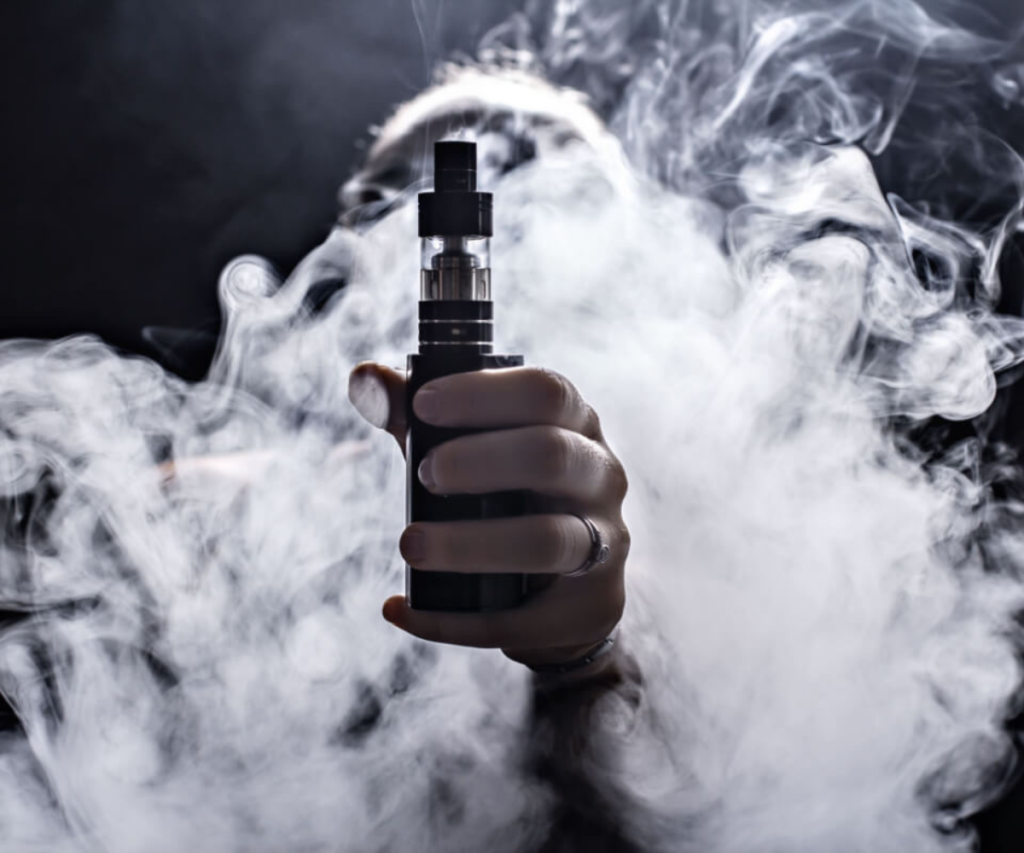
Vaping refers to the use of e-cigarettes or vaping devices that heat liquids containing nicotine, THC, flavorings, and other chemicals to create an inhalable aerosol. While marketed as safer than smoking, these devices expose the lungs to numerous chemicals that can trigger inflammation, irritation, and in severe cases, acute lung injury.
Awareness Strategies to Reduce E-Cigarette Health Hazards
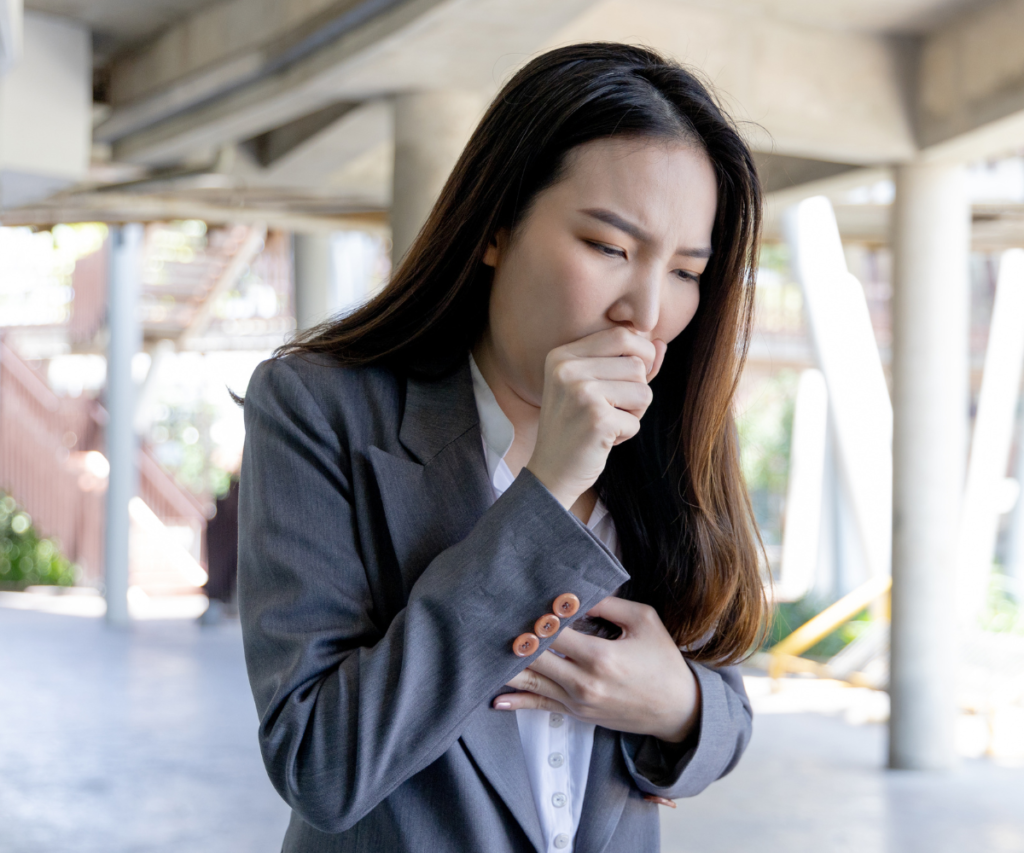
EVALI is a condition characterized by respiratory distress following vaping. Patients may experience:
- Persistent coughing
- Shortness of breath
- Fever and chills
- Nausea, vomiting, or diarrhea
- Fatigue and weakness
Severe cases may require hospitalization, oxygen support, or intensive care. Studies have shown that certain additives, particularly vitamin E acetate, can cause lung tissue damage, highlighting the dangers of unregulated vaping products.
Who is at Risk?
Young adults and teens are particularly vulnerable to vaping-related lung injuries. With millions of middle and high school students experimenting with e-cigarettes, the potential for acute and long-term health complications increases. Risk factors include:
- Use of THC-containing vaping products from informal sources
- Frequent or heavy vaping
- Exposure to unregulated or counterfeit vaping liquids
Symptoms and Early Warning Signs of Lung Injury

Recognizing early symptoms is critical. Individuals who vape should monitor for:
- Persistent cough or wheezing
- Shortness of breath or difficulty breathing
- Chest pain
- Fever or chills
- Gastrointestinal symptoms such as nausea, vomiting, or diarrhea
Early medical intervention can prevent severe complications and long-term damage.
Chemical Exposure in Vaping
Vaping liquids can contain a mix of harmful substances:
- Nicotine: Highly addictive and can increase heart rate and blood pressure
- THC and cannabinoids: Linked to acute lung injury in some cases
- Vitamin E acetate: A chemical additive implicated in EVALI outbreaks
- Heavy metals and volatile organic compounds: Can accumulate in lung tissue and lead to chronic conditions
Unlike traditional cigarettes, vaping liquids vary widely by brand and batch, making it difficult to identify all potential health hazards.
Vaping and Long-Term Health Effects
While acute injuries like EVALI are evident, long-term effects remain uncertain. Potential chronic consequences include:
- Chronic obstructive pulmonary disease (COPD)
- Asthma exacerbation
- Cardiovascular complications
- Increased susceptibility to respiratory infections, including COVID-19
Vaping and COVID-19 Risk
Recent studies indicate that individuals who vape may have an elevated risk of contracting severe respiratory infections, including COVID-19. Vaping can weaken lung function, impair immune defenses, and make recovery more difficult. Young adults, in particular, may underestimate these long-term risks.https://www.youtube.com/watch?v=IaVaoja2Uk4
Preventive Measures and Safe Practices
Preventing vaping-related lung injuries involves education, awareness, and proactive interventions:
- Education for Teens: Healthcare providers should discuss vaping risks with patients as young as 12, emphasizing the potential for lung damage.
- Parental Awareness: Parents should engage in open conversations about vaping, without directly confronting teens, to create awareness and encourage safe decisions.
- Avoiding High-Risk Products: Avoid products obtained from informal or unverified sources, especially THC-containing liquids.
- Quitting Vaping: Strategies include behavioral therapy, setting a quit date, gradual reduction, and, in certain cases, FDA-approved cessation aids.
Quitting Vaping: Strategies for Success
Quitting vaping can be challenging due to nicotine addiction and habitual use. Effective approaches include:
- Behavioral Therapy: Helps identify triggers and develop coping strategies.
- Support Groups: Peer encouragement increases success rates.
- Nicotine Replacement Therapy: Patches, gum, or lozenges may assist in managing withdrawal symptoms.
- Gradual Reduction: For those unable to quit immediately, decreasing daily usage can reduce health risks over time.
Case Studies: Real-Life Impact
Medical studies highlight the severity of vaping-related lung injuries. Adolescents hospitalized with EVALI often report being unaware of the risks. Many experience fear and anxiety during hospitalization, worrying about long-term recovery and daily functioning. These cases underscore the importance of education and prevention strategies to protect young users.
The Future of Vaping Research
Research continues to investigate the long-term consequences of vaping. Scientists are studying the cumulative effects of chemical exposure, potential for chronic lung disease, and interaction with other conditions like heart disease and respiratory infections. Public health experts stress the need for ongoing monitoring, regulation, and awareness campaigns.
Conclusion
Vaping is not risk-free. While often marketed as a safer alternative to traditional smoking, e-cigarettes can cause severe lung injuries, long-term health complications, and increased susceptibility to respiratory infections. Awareness, education, and preventive strategies are crucial to protect lung health, especially among young adults and teens. Recognizing early symptoms, avoiding unverified vaping products, and employing effective quitting strategies can significantly reduce the risks associated with vaping.
The EVALI outbreak serves as a critical reminder that vaping may be just the beginning of potential health challenges, and proactive measures are essential for long-term wellness.